
Break Free: How Online Dating Can Rewrite Your Attachment Story


Ready to rewrite your dating story? At OnlineDatingSuccess.org, we understand the challenges of navigating the online dating world. Are you stuck in unhealthy dating patterns? Learn how to break free and build meaningful connections with our practical advice on crafting compelling profiles, mastering communication, and prioritizing safety. Discover how you can rewrite your online dating attachment story and find the fulfilling relationship you deserve. Let's get started!
- Understanding Your Attachment Style and Online Dating Behavior
-
Rewriting Your Online Dating Attachment Story: A Step-by-Step Guide
- Step 1: Self-Reflection and Identifying Triggers
- Step 2: Setting Healthy Boundaries in Online Interactions
- Step 3: Choosing the Right Dating Platforms for Your Needs
- Step 4: Crafting an Authentic and Appealing Online Dating Profile
- Step 5: Communicating Effectively and Managing Expectations
- Step 6: Recognizing and Addressing Red Flags
- Building Secure Attachment Through Online Dating
- Long-Term Success: Maintaining Healthy Relationships After Meeting Offline
-
Frequently Asked Questions
- How can online dating help me rewrite my attachment story?
- What if I'm afraid of repeating past relationship mistakes?
- How do I create an online dating profile that reflects my desire for a healthy attachment?
- What are some red flags to watch out for in online dating that might indicate unhealthy attachment patterns?
- How can I stay safe while using online dating to work on my attachment style?
- Final Reflection: Reclaiming Your Narrative in the Digital Age
- Rediscover Your Dating Power: Take Control of Your Love Life
Understanding Your Attachment Style and Online Dating Behavior
Navigating the world of online dating can feel like traversing a minefield, especially when unconscious attachment patterns dictate our choices and behaviors. This article explores how your attachment style – whether secure, anxious, or avoidant – significantly impacts your online dating experience, from crafting your profile to forming connections. We’ll delve into recognizing these patterns and provide actionable strategies to rewrite your online dating narrative, fostering healthier relationships built on secure attachment.
Learning to understand and manage your attachment style is key to unlocking fulfilling connections in the digital age. By recognizing the impact of your attachment style on your online dating journey, you can consciously break free from limiting behaviors and create a more positive and successful experience, ultimately leading to more meaningful relationships. This is about more than just finding a date; it's about building healthier, more fulfilling connections rooted in self-awareness and emotional intelligence.
Let's embark on this journey together to rewrite your online dating attachment story and find the love you deserve. 💖
Identifying Your Attachment Style: Secure, Anxious, Avoidant
Understanding your attachment style is the foundational step towards rewriting your online dating narrative. Attachment theory categorizes individuals into three main styles: secure, anxious, and avoidant. Each style manifests differently in online interactions.
- Secure Attachment: Secure individuals generally exhibit healthy self-esteem and comfortable intimacy. In online dating, they tend to present authentic profiles, communicate clearly and respectfully, and manage expectations realistically. They are less likely to engage in obsessive checking of messages or become overly invested too quickly.
- Anxious Attachment: Anxious individuals often crave validation and reassurance. Their online profiles might be overly curated to present an idealized self. They may over-communicate, become overly invested early on, and experience intense emotional reactions to perceived rejection or lack of responsiveness. They might also struggle with self-doubt and constantly seek external validation.
- Avoidant Attachment: Avoidant individuals often prioritize independence and fear intimacy. Their online profiles might be minimalistic or even vague. They might communicate infrequently, avoid deeper conversations, and quickly disengage from potential partners who seem too "needy" or "clingy." They often fear vulnerability and commitment.
Understanding which category best describes you is crucial. Consider your past relationships and how you typically navigate intimacy. Many people exhibit a blend of traits, falling somewhere on a spectrum between these categories. Online quizzes and resources can offer further guidance, but self-reflection is key.
How Attachment Styles Manifest in Online Dating Profiles
Your attachment style significantly influences how you present yourself online. Let's examine how each style might appear in a dating profile:
| Attachment Style | Profile Presentation | Communication Style | Dating Goals |
|---|---|---|---|
| Secure | Authentic, balanced, realistic portrayal of self | Open, honest, respectful, responsive | Genuine connection, long-term relationship |
| Anxious | Idealized self, overly curated photos, excessive details | Frequent messaging, seeking constant reassurance | Quick connection, validation, fear of loneliness |
| Avoidant | Minimalistic, vague, impersonal, limited personal info | Infrequent messaging, brief responses, distant | Casual encounters, avoiding commitment |
This table highlights the common trends, but remember that individual expressions can vary. Recognizing these patterns in your own profile is a crucial step towards making positive adjustments.
Recognizing Negative Dating Patterns Linked to Attachment
Negative dating patterns often stem directly from unaddressed attachment insecurities. For example:
- Anxious individuals might repeatedly engage with partners who are unavailable or unresponsive, reinforcing their fear of abandonment. They might also struggle to move on from relationships that are clearly unhealthy.
- Avoidant individuals might repeatedly sabotage potential relationships by emotionally withdrawing or creating distance. They may fear vulnerability and commitment, leading to a cycle of superficial connections.
- Even secure individuals can fall into negative patterns, such as settling for less than they deserve or overlooking red flags due to a desire for stability.
Identifying these patterns requires honest self-reflection and a willingness to acknowledge your attachment-related behaviors. By understanding these patterns, you can actively work to break free from them and cultivate healthier relationships. Remember, rewriting your online dating attachment story is a journey, not a destination. It requires patience, self-compassion, and a commitment to personal growth.
Rewriting Your Online Dating Attachment Story: A Step-by-Step Guide
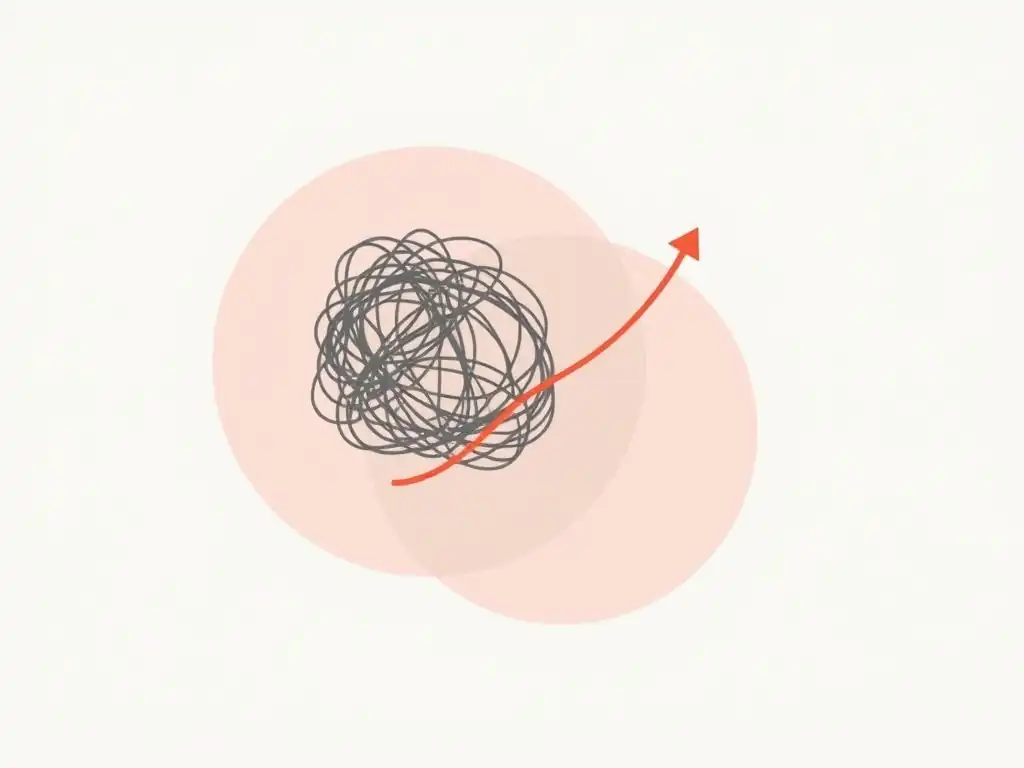
This section provides a practical, step-by-step guide to help you actively rewrite your online dating attachment story. Understanding and addressing your attachment style is crucial for navigating the complexities of online dating and fostering healthier, more fulfilling relationships. We'll explore how to identify your triggers, establish healthy boundaries, and select platforms that align with your needs and goals, ultimately leading to a more positive online dating experience.
Step 1: Self-Reflection and Identifying Triggers
Before diving into the world of online dating, introspection is key. Understanding your attachment style—whether secure, anxious, avoidant, or a combination—is the foundational step in rewriting your online dating narrative. Many individuals unknowingly repeat negative patterns stemming from past experiences. This self-reflection process helps you identify these patterns and break free from them.
Consider journaling as a powerful tool. Ask yourself questions like:
- What are my typical reactions to rejection or unanswered messages? Do I overthink, withdraw, or become overly demanding?
- What are my expectations in online dating? Are they realistic and healthy?
- What past relationship experiences have shaped my current approach to dating?
- What are my emotional triggers in online interactions? (e.g., ghosting, slow responses, perceived indifference)
Understanding your triggers allows you to anticipate potential challenges and develop coping mechanisms. For example, if you're prone to anxiety, setting realistic expectations and limiting your daily time on dating apps can be immensely helpful. If you tend towards avoidance, consciously engaging with potential matches and communicating your needs can challenge this pattern. This mindful self-awareness is paramount to rewriting your online dating attachment story. It's about recognizing your patterns and proactively choosing different responses.
Step 2: Setting Healthy Boundaries in Online Interactions
Establishing healthy boundaries is crucial for protecting your emotional well-being in the online dating sphere. This involves setting clear limits on your time, energy, and emotional investment. This isn't about being cold or unapproachable, but rather about self-respect and self-preservation.
Here are some practical examples of healthy boundaries:
- Time limits: Dedicate a specific amount of time each day to online dating to prevent burnout and obsession.
- Communication expectations: Clearly communicate your communication preferences (e.g., response times, preferred methods). Don't tolerate ghosting or disrespectful behavior.
- Personal information: Avoid sharing sensitive personal information too early in the online dating process.
- Meeting in person: Set clear guidelines about when and where you feel comfortable meeting in person, prioritizing safety.
- Emotional investment: Avoid over-investing emotionally too soon. Remember that online dating is a process of getting to know someone, not an immediate commitment.
Remember, setting boundaries is an act of self-love. It's about protecting your emotional well-being and ensuring that your online dating experience is positive and empowering. Consistency is key—stick to your boundaries even when it’s challenging. The more you practice setting boundaries, the easier it becomes, and the healthier your online dating experience will be. This conscious effort directly contributes to rewriting your attachment story in a positive direction.
Step 3: Choosing the Right Dating Platforms for Your Needs
Different dating platforms cater to different needs and demographics. Selecting a platform aligned with your goals and values is crucial for a positive online dating experience and for rewriting your attachment story. Consider the following factors when choosing a platform:
| Platform Type | Pros | Cons | Ideal for… |
|---|---|---|---|
| Niche Dating Sites | Targeted audience, increased chances of compatibility | Smaller user base, potentially less diverse | Individuals with specific interests or preferences |
| General Dating Apps | Large user base, diverse options | Can feel overwhelming, increased risk of encountering unsuitable matches | Individuals seeking a broader range of potential partners |
| Apps with Strong Safety Features | Prioritize user safety and verification, reducing the risk of scams | May have fewer users or more stringent registration processes | Individuals prioritizing safety and security |
By carefully considering your preferences and priorities, you can choose a platform that facilitates a more positive and productive online dating experience. This strategic approach contributes significantly to your journey of rewriting your online dating attachment story, ensuring the platform supports your growth and well-being. Remember, the right platform can significantly enhance your chances of finding a compatible partner and building a healthy relationship.
Step 4: Crafting an Authentic and Appealing Online Dating Profile
Creating a profile that accurately reflects your personality and attracts compatible partners is crucial for rewriting your online dating attachment story. Avoid generic statements and clichés; instead, showcase your unique qualities and interests. Think about what makes you you. What are your passions? What are your values? What kind of relationship are you seeking? Answer these questions honestly and thoughtfully.
Use high-quality photos that show you in various settings and activities. A single, perfectly posed photo might seem appealing at first glance, but a collection of pictures that showcase your personality and lifestyle will be far more effective. Include photos that highlight your hobbies, your friends, and your overall lifestyle. This helps potential matches get a more complete picture of who you are.
Remember, authenticity is key! Don't try to be someone you're not to attract attention; genuine connection is far more rewarding in the long run. Consider including a photo with a pet if you have one – many people find this endearing.
Your profile description should be concise yet engaging. Instead of simply listing your interests, weave them into a narrative that reveals your personality. Use humor, self-deprecation (in moderation! ), and a touch of vulnerability to make your profile stand out.
Remember, people connect with stories, not just lists of attributes. For example, instead of saying "I like hiking," you could write, "My happy place is on a mountain trail, breathing in the fresh air and feeling the sun on my face." This paints a more vivid picture and makes you more relatable. Proofread carefully to avoid typos and grammatical errors – these small details can make a big difference.
Step 5: Communicating Effectively and Managing Expectations
Effective communication is paramount to building healthy relationships, both online and offline. When engaging with potential matches, strive for open, honest, and respectful communication. Be mindful of your tone and avoid misinterpretations. Online communication can easily lead to misunderstandings due to the lack of nonverbal cues, so take extra care to express yourself clearly and thoughtfully. Avoid overly aggressive or passive communication styles; aim for a balanced approach.
Manage expectations by being upfront about your intentions and relationship goals. Avoid misleading or exaggerating your attributes or intentions. This sets the stage for a more genuine and sustainable connection. Don't be afraid to ask questions and engage in meaningful conversations.
Get to know your potential partner beyond their profile; inquire about their interests, values, and experiences. Active listening is key – pay attention to what they're saying and respond thoughtfully. Remember, building a connection takes time and effort, and it's important to be patient and understanding. Setting healthy boundaries is also essential—don't feel obligated to respond to every message or spend excessive time chatting with someone who isn't a good fit.
Step 6: Recognizing and Addressing Red Flags
Learning to recognize and address red flags is crucial for protecting your emotional well-being and fostering healthy relationships. Red flags can manifest in various ways, from inconsistencies in their profile to manipulative or controlling behaviors. Pay attention to how a potential partner makes you feel. If you consistently feel uneasy, anxious, or disrespected, this is a significant red flag. Trust your intuition; if something feels off, it probably is.
Some common red flags include: excessive negativity, controlling behavior, a lack of respect for boundaries, sudden intense declarations of love, pressure to move the relationship quickly, or a reluctance to meet in person. If you encounter any of these red flags, don't ignore them. Address your concerns calmly and directly. If your concerns are dismissed or met with defensiveness, it might be a sign to move on.
Remember, you deserve to be with someone who respects you, values you, and makes you feel safe and secure. Prioritizing your safety and emotional well-being is paramount in the online dating world. Don't be afraid to end communication with someone who demonstrates concerning behavior, no matter how much you might like other aspects of them. Your emotional health is more important than a potential relationship.
Building Secure Attachment Through Online Dating

This section explores practical strategies to foster secure attachment styles within the context of online dating. We'll delve into cultivating self-compassion, mastering healthy communication, and setting realistic expectations – all crucial steps in rewriting your online dating attachment story. Remember, building secure attachments takes time and self-awareness. The journey is as important as the destination.
Cultivating Self-Compassion and Self-Acceptance
Developing self-compassion is paramount to rewriting your online dating attachment story. It's about treating yourself with the same kindness and understanding you'd offer a close friend facing similar challenges. Online dating can be emotionally taxing; rejection is common, and it's easy to fall into negative self-talk. Instead, actively challenge those inner critics.
Replace self-critical thoughts like, "I'm not good enough," or "No one will ever like me," with self-affirmations. For example, try "I am worthy of love and connection," or "I am learning and growing with each experience." Journaling can be incredibly helpful in identifying and processing these negative thoughts. Consider keeping a gratitude journal to focus on your positive qualities and accomplishments.
Regular self-care practices are also essential. This includes activities that nurture your physical, mental, and emotional well-being. This might involve exercise, mindful meditation, spending time in nature, pursuing hobbies, or engaging in relaxing activities. Prioritizing self-care creates a foundation of self-love, making you more resilient to the inevitable ups and downs of online dating. Remember, you are deserving of love and happiness, and cultivating self-compassion is a vital step in attracting a healthy, secure relationship.
Focusing on Healthy Communication and Emotional Intelligence
Effective communication is the cornerstone of any successful relationship, and online dating is no exception. Mastering healthy communication involves expressing your needs and feelings clearly and respectfully, while also actively listening to and understanding your partner's perspective. This requires emotional intelligence – the ability to understand and manage your own emotions and empathize with others.
One key aspect is setting boundaries. Clearly communicate your limits and expectations from the outset. For instance, if you're uncomfortable with excessive messaging before a first date, communicate that preference. Similarly, be upfront about your dating goals and expectations. Avoid playing games or engaging in manipulative behaviors. Honest, open communication builds trust and fosters a secure attachment.
Learn to recognize and manage your emotional responses. If you feel overwhelmed or frustrated, take a break from the conversation or the app altogether. Responding impulsively can lead to misunderstandings and damage your chances of forming a meaningful connection. Practice active listening – truly hearing and understanding what the other person is saying, rather than just waiting for your turn to speak. This shows respect and strengthens the connection. Practicing empathy, trying to understand their perspective, even if you don't agree, is crucial for healthy communication and secure attachment.
Prioritizing Your Well-being and Setting Realistic Goals
Online dating can be a rollercoaster of emotions. It's crucial to prioritize your well-being throughout the process. Setting realistic goals and expectations can significantly reduce stress and disappointment. Don't fall into the trap of viewing online dating as a quick fix for loneliness or unhappiness. It's a tool, but it's not a magic bullet.
Avoid comparing yourself to others. Everyone's journey is unique, and focusing on others' successes can be detrimental to your self-esteem. Instead, celebrate your own progress and achievements, no matter how small. Remember that rejection is a normal part of the process. Don't take it personally; it doesn't reflect your worth. Focus on learning from each experience and refining your approach.
Set achievable goals. Instead of aiming for a "perfect" partner immediately, focus on smaller, manageable steps, such as improving your profile, engaging in meaningful conversations, or going on a few dates. Celebrate each milestone along the way. Remember that building a secure attachment takes time and effort. Be patient and kind to yourself throughout the process. Your well-being should always be your top priority. By prioritizing your well-being and setting realistic goals, you significantly increase your chances of rewriting your online dating attachment story into a positive and fulfilling narrative.
Seeking Professional Support When Needed
Navigating online dating while grappling with attachment issues can be incredibly challenging. It requires significant self-awareness, emotional regulation, and a willingness to confront past patterns. While self-help resources and the advice found on sites like OnlineDatingSuccess.org are invaluable, sometimes professional guidance is necessary to truly rewrite your online dating attachment story. Recognizing when you need professional support is a crucial step towards building a healthier, more secure attachment style.
Many individuals benefit from therapy, particularly those with a history of insecure attachment—anxious-preoccupied, dismissive-avoidant, or fearful-avoidant. A therapist can provide a safe and non-judgmental space to explore the roots of your attachment style, understand how it manifests in your online dating experiences, and develop coping mechanisms for challenging situations. This might involve techniques like Cognitive Behavioral Therapy (CBT) to identify and change negative thought patterns, or Dialectical Behavior Therapy (DBT) to improve emotional regulation and interpersonal skills.
The benefits extend beyond simply improving your online dating success. Therapy can help you build stronger, healthier relationships in general, fostering deeper connection and intimacy. It's about equipping yourself with the tools to create fulfilling relationships, both online and offline. This is not a sign of weakness but a testament to your commitment to personal growth and well-being. Remember, seeking professional help is a proactive step towards creating a more secure and fulfilling future in your love life.
Don't hesitate to reach out to a therapist or counselor specializing in attachment issues if you feel overwhelmed or stuck in unhealthy patterns. Your mental health and emotional well-being are paramount in your journey to rewrite your online dating attachment story. Investing in professional support can be one of the most impactful decisions you make in this process. It's an investment in your happiness and future relationships.
Long-Term Success: Maintaining Healthy Relationships After Meeting Offline
This section focuses on the crucial transition from the digital realm of online dating to the complexities of real-life relationships. Successfully "rewriting your online dating attachment story" isn't just about finding a partner; it's about cultivating a lasting, healthy connection. Many people find the initial online interactions easier than the subsequent face-to-face encounters. Let's explore how to navigate this shift successfully.
Transitioning from Online to Offline Interactions
The first offline meeting can feel daunting after weeks or months of carefully curated online profiles and witty messages. The key is to approach this transition with realistic expectations and a focus on genuine connection. Avoid putting immense pressure on that first date; consider it an opportunity to see if the online chemistry translates to real-life interaction. Remember the initial excitement you felt online? Try to recapture that positive energy.
Many find that the initial in-person meeting feels different from the online interactions. This is perfectly normal. Online communication often filters out nonverbal cues, creating a somewhat idealized version of the other person. Face-to-face interactions reveal a fuller picture, including body language and subtle expressions that can add depth (or complexity) to your understanding.
To smooth the transition, plan activities that facilitate conversation and connection. Avoid overly formal settings; a casual coffee date or a walk in a park can be more conducive to natural interaction than a crowded restaurant. Remember to be fully present, focusing on your date and actively listening to what they have to say. This active engagement is crucial for building a strong foundation.
Consider this table outlining helpful strategies:
| Stage | Strategy | Potential Challenges | Solutions |
|---|---|---|---|
| Initial Contact | Keep it casual and lighthearted. | Nervousness, awkward silences | Plan a low-pressure activity, focus on shared interests |
| First Few Dates | Alternate activities; mix formal & informal. | Discovering incompatible lifestyles/values | Open communication, honest self-reflection |
| Establishing Trust | Be vulnerable, share personal experiences. | Fear of rejection, past relationship trauma | Gradual disclosure, seeking professional support if needed |
| Long-Term Commitment | Continuous effort, compromise, and understanding. | Conflict resolution, maintaining individual identities | Regular check-ins, couples therapy if necessary |
Building Trust and Intimacy in Real-Life Relationships
Building trust and intimacy takes time and consistent effort. It involves vulnerability, open communication, and mutual respect. After the initial excitement of meeting offline, the challenge becomes fostering a deeper connection. This requires moving beyond superficial conversations and delving into more meaningful aspects of your lives.
Sharing personal experiences, both positive and negative, is key to building trust. This doesn't mean oversharing on the first date, but gradually revealing aspects of your personality and history creates a sense of intimacy. Active listening is equally important; showing genuine interest in your partner's thoughts and feelings fosters a sense of being heard and understood.
Remember that intimacy isn't solely about physical closeness; it also encompasses emotional and intellectual connection. Engaging in shared activities, pursuing common interests, and supporting each other's goals are all important aspects of building a strong and lasting relationship. Remember, rewriting your attachment story involves conscious effort and commitment from both partners. A healthy relationship involves mutual respect, empathy, and a willingness to work through challenges together.
Even the healthiest relationships experience conflict. The key to long-term success lies in how you navigate these disagreements. Instead of avoiding conflict, embrace it as an opportunity for growth and deeper understanding. Effective communication is paramount; express your feelings clearly and respectfully, avoiding accusatory language. Active listening ensures that both partners feel heard and understood.
The most important thing in communication is hearing what isn't said.
- Peter Drucker
Learning to compromise is crucial. Finding solutions that work for both partners requires flexibility and a willingness to meet each other halfway. Remember, the goal isn't to "win" an argument, but to find a resolution that strengthens the relationship. Seeking professional help from a relationship counselor can be invaluable, especially if you're struggling to resolve conflicts independently.
This is especially true if past relationship trauma is impacting your ability to communicate effectively or manage conflict constructively. Remember, a successful long-term relationship requires continuous effort, understanding, and a commitment to personal growth. This commitment is what ultimately allows you to rewrite your online dating attachment story into a positive and fulfilling narrative.
Sustaining a Healthy and Fulfilling Long-Term Relationship
Transitioning from the online world to a real-life relationship requires careful cultivation. The initial excitement of meeting offline can quickly fade if you don't actively work on building a strong foundation. Many relationships falter because the initial connection, fueled by the curated profiles and carefully crafted messages of online dating, isn't matched by the realities of everyday life. To rewrite your attachment story and achieve long-term success, consistent effort and open communication are paramount. This isn't just about maintaining the initial spark; it's about building a deep, lasting bond that can withstand life's inevitable challenges.
One crucial aspect is prioritizing quality time together. This isn't just about watching TV together; it's about engaging in activities that foster genuine connection and shared experiences. Think about shared hobbies, spontaneous adventures, or even quiet evenings spent in meaningful conversation. Regular date nights, even if they're simply cooking dinner together at home, can help maintain the romance and prevent the relationship from becoming stagnant. Remember the excitement and anticipation you felt during the online dating phase? Try to recapture that feeling by regularly planning special occasions and surprises, demonstrating that you value your partner and the relationship.
Open and honest communication is another cornerstone of a healthy long-term relationship. This means being able to express your needs, feelings, and concerns without fear of judgment or criticism. It also involves actively listening to your partner and validating their experiences. Learning each other's communication styles and finding ways to effectively navigate disagreements is essential.
Consider seeking professional guidance if you're struggling to communicate effectively; relationship counseling can provide valuable tools and strategies for improving communication and resolving conflicts constructively. Remember, healthy conflict resolution is not about avoiding disagreements, but about learning to navigate them in a way that strengthens your bond. The ability to communicate openly and honestly is crucial for navigating the inevitable ups and downs of any long-term relationship. It’s a key factor in rewriting your online dating attachment story for the better.
Finally, remember the importance of individual growth and personal space. While intimacy and togetherness are vital, maintaining a sense of self and pursuing individual interests is equally important. A healthy relationship allows both partners to maintain their identities and pursue their passions outside of the relationship.
This not only prevents feelings of stagnation but also enriches the relationship by bringing new experiences and perspectives to share. This balance between togetherness and independence is a key ingredient in creating a fulfilling and lasting connection, one that truly rewrites the narrative of your attachment style. It’s about building a relationship based on mutual respect, understanding, and a commitment to continuous growth, both individually and as a couple.
Frequently Asked Questions
How can online dating help me rewrite my attachment story?
Online dating provides opportunities to consciously choose partners who challenge unhealthy patterns. By experimenting with different relationship styles and learning from past experiences, you can build healthier attachments. It allows for controlled exposure to new relationship dynamics.
What if I'm afraid of repeating past relationship mistakes?
It's natural to fear repeating past hurts. Focus on self-reflection to identify your triggers and unhealthy patterns. Online dating allows you to set boundaries and choose partners who respect them, lessening the chance of repeating mistakes.
How do I create an online dating profile that reflects my desire for a healthy attachment?
Showcase your emotional maturity and relationship goals honestly. Highlight your values and what you seek in a partner, focusing on qualities that support healthy attachments, such as emotional availability and communication skills.
What are some red flags to watch out for in online dating that might indicate unhealthy attachment patterns?
Look for signs of avoidance, controlling behavior, or a lack of emotional availability. Be wary of individuals who are overly critical, dismissive, or unwilling to communicate openly and honestly. Trust your intuition.
How can I stay safe while using online dating to work on my attachment style?
Prioritize safety by meeting in public places, telling a friend where you're going, and verifying the other person's identity. Trust your gut – if something feels off, don't proceed. Remember that building healthy relationships takes time.
Final Reflection: Reclaiming Your Narrative in the Digital Age
The way we approach online dating profoundly shapes our attachment styles, and understanding this dynamic is crucial for finding healthy, fulfilling relationships in today's hyper-connected world. It's no longer enough to simply swipe; we must actively rewrite the narratives our past relationships have etched into our hearts and minds. This requires self-awareness, intentional action, and a willingness to challenge ingrained patterns.
The impact of online dating on our attachment styles is undeniable, influencing how we perceive intimacy, vulnerability, and commitment. It's a double-edged sword: offering unprecedented access to potential partners while simultaneously amplifying anxieties and insecurities. The constant stream of choices can lead to a fear of missing out (FOMO) or a sense of disposability, perpetuating unhealthy attachment patterns. As the poet Rupi Kaur wisely stated, love yourself first and everything else falls into line. You unexpectedly become a magnet for the things – other people, opportunities, experiences – that you are meant to be with.
This speaks to the importance of self-love and self-acceptance as a foundation for healthy relationships, regardless of the platform we use to find them.
You hold the power to reshape your narrative. Take the time to reflect on your past relationships, identify your attachment style, and consciously choose behaviors that foster secure attachment. Don't let the algorithms dictate your emotional landscape; instead, use online dating as a tool to build a healthier, more authentic connection with yourself and others. Embrace vulnerability, practice self-compassion, and remember that finding lasting love is a journey, not a destination. Begin rewriting your story today.
Rediscover Your Dating Power: Take Control of Your Love Life
Thank you for exploring how online dating can help you build healthier relationships. You've gained valuable insights into relationship patterns—now it's time to put them into practice!
Here's how to build a more fulfilling dating experience:
- Develop a personalized dating strategy: Reflect on what you've learned and create a plan tailored to your needs and goals. Journaling about your experiences can be particularly helpful.
- Share your key insights: Discuss the most impactful information with a trusted friend or family member. A fresh perspective can often reveal new possibilities.
- Explore additional resources: Deepen your understanding of relationship dynamics by exploring the many articles and guides available on OnlineDatingSuccess.org.
Ready to embark on this journey toward healthier relationships and a more empowered dating life? What's one small step you can take today to apply what you've learned?