
Behind the Facade: Understanding the Tactics of Online Dating Scammers


Ready to transform your online dating experience? At OnlineDatingSuccess.org, we empower you to navigate the world of online romance with confidence. But before you dive in, understanding the potential pitfalls is crucial. This is why we're diving deep into the intriguing and often deceptive world of online dating scammer tactics. Discover how to spot the red flags and protect yourself, so you can focus on building genuine connections. Learn how to avoid becoming a victim and start your journey to finding meaningful relationships today.
-
Recognizing Common Online Dating Scammer Tactics
- The "Catfishing" Con: Fake Profiles and Stolen Identities
- The "Romance Scam": Cultivating Trust and Exploiting Emotions
- The "Investment Scam": Promises of Easy Money and Quick Returns
- The "Emergency Scam": Creating False Urgencies and Exploiting Compassion
- Recognizing and Avoiding These Tactics: A Summary
- Frequently Asked Questions
- Final Reflection: Unmasking Deception in the Digital Age
- Unmask the Truth: Take Control of Your Online Dating Safety
Recognizing Common Online Dating Scammer Tactics
Online dating offers incredible opportunities to connect with people, build relationships, and even find love. However, the anonymity and distance inherent in the online world also attract individuals with malicious intent. Understanding the tactics employed by online dating scammers is crucial for protecting yourself and ensuring a safe and positive experience.
This article will delve into the common strategies used by these individuals, providing you with the knowledge and awareness to identify and avoid them. We'll explore various red flags, from seemingly innocent inconsistencies to more overt attempts at deception, empowering you to navigate the online dating landscape with confidence and discernment. Remember, your safety and well-being are paramount, and being informed is your best defense against online dating scams.
The "Catfishing" Con: Fake Profiles and Stolen Identities
Catfishing, the practice of creating a fake online persona, is a cornerstone of many online dating scams. Scammers often use stolen photos and fabricated biographies to present themselves as someone they are not. They meticulously craft an attractive and seemingly genuine profile to lure in unsuspecting victims.
This often involves borrowing images from models or other online sources, creating a persona that is too good to be true. The details in their profiles might seem perfect, but a closer look often reveals inconsistencies or a lack of genuine detail. For example, a profile might boast of exotic travels or a high-powered career, yet lack supporting evidence or consistent information across different platforms.
They may also be reluctant to provide personal details or engage in video calls, further fueling suspicion. The goal is to build trust and intimacy before revealing their true intentions, which often involve financial exploitation or emotional manipulation. Always be wary of profiles that seem too perfect, and remember that a lack of readily available information can be a major red flag.
The "Romance Scam": Cultivating Trust and Exploiting Emotions
The romance scam is a particularly insidious form of online dating fraud. Scammers invest significant time and effort in cultivating a seemingly genuine romantic relationship with their victims. They shower their targets with affection, compliments, and promises of a future together. They build trust through consistent communication, often sharing personal details and creating a sense of intimacy. This emotional connection is then leveraged to manipulate the victim into sending money, gifts, or even providing personal information.
The requests for financial assistance usually start small, but escalate rapidly as the scammer gains the victim's trust. They may invent elaborate stories involving financial emergencies, medical bills, or business ventures, all designed to elicit sympathy and financial support. These scammers are skilled manipulators, adept at exploiting vulnerabilities and playing on emotions. Remember, a genuine relationship should not involve constant requests for financial assistance.
The "Investment Scam": Promises of Easy Money and Quick Returns
Another common tactic involves enticing victims with promises of quick and easy money through dubious investment opportunities. The scammer often presents themselves as a successful investor or financial expert, offering exclusive access to lucrative schemes. They may use sophisticated language and jargon to impress their targets and build credibility. However, these investment opportunities are almost always fraudulent, designed to steal the victim's money.
They may create fake websites or documents to support their claims, often disappearing once they have received the investment. Be extremely cautious of any online dating profile that suddenly shifts the conversation toward financial opportunities or investment schemes. Legitimate financial advisors would never solicit investments through an online dating platform. Always independently verify any investment opportunity before committing any funds.
The "Emergency Scam": Creating False Urgencies and Exploiting Compassion
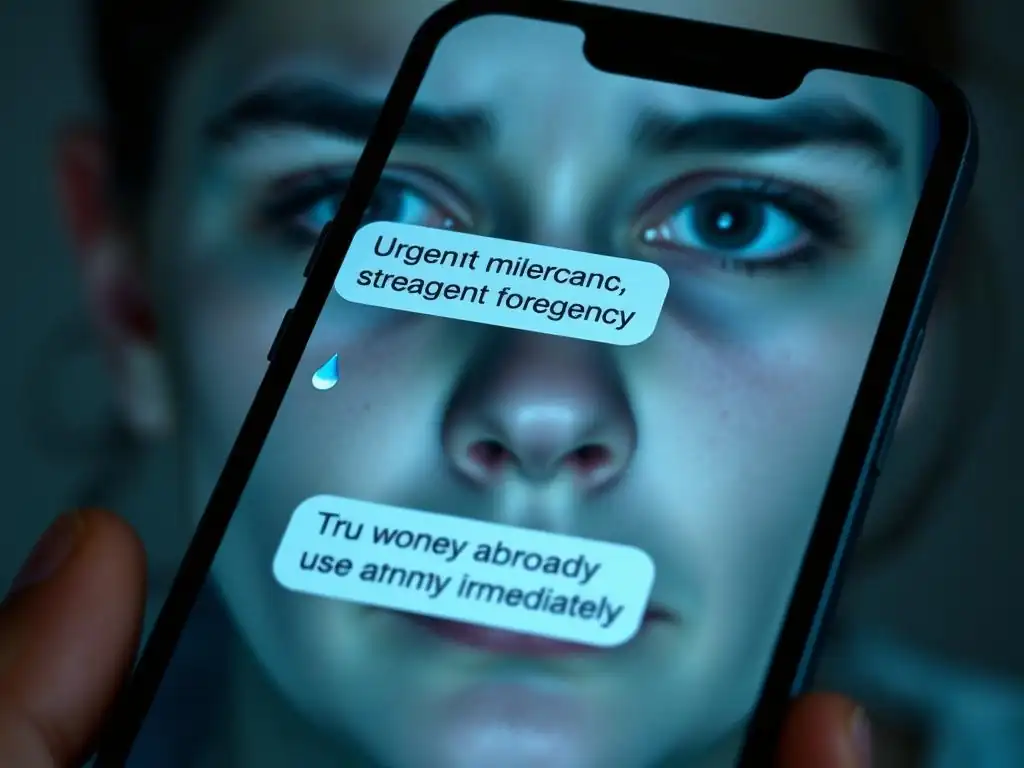
Scammers often create false emergencies to pressure victims into sending money quickly. They may claim to be in a car accident, stranded abroad, or facing a medical emergency, desperately needing financial assistance. These stories are designed to evoke compassion and a sense of urgency, preventing victims from carefully considering their actions. The scammer's desperation and pleas for help can be very convincing, leading victims to act impulsively and without fully understanding the situation.
If you receive such a request from someone you've met online, take your time to process the information. Attempt to verify the story through independent means. A genuine emergency would likely involve other forms of communication and support networks.
Recognizing and Avoiding These Tactics: A Summary
Key Takeaways ➡
- Verify profiles: Cross-reference information provided on dating profiles with other sources.
- Beware of inconsistencies: Look for discrepancies in their stories or photos.
- Resist pressure: Don't rush into decisions, especially financial ones.
- Avoid sharing personal information: Protect your financial and personal details.
- Trust your instincts: If something feels off, it probably is.
- Report suspicious activity: Alert the dating platform and authorities if you suspect a scam.
Remember, staying safe online requires vigilance and awareness. By understanding these common scammer tactics, you can significantly reduce your risk and enjoy a safer and more rewarding online dating experience. Your safety is paramount – never compromise your well-being for the sake of a potential relationship.
Frequently Asked Questions
How can I spot an online dating scammer?
Scammers often use vague profiles with limited personal information and stock photos. They may also pressure you for money or personal details quickly, and their stories may seem too good to be true.
What are some common scammer tactics on dating sites?
Common tactics include catfishing (using fake profiles and photos), love bombing (overwhelming you with affection), and creating false emergencies to solicit money. They may also try to move conversations off the dating site quickly.
What should I do if I suspect someone is a scammer?
Immediately stop all communication. Report the profile to the dating site and consider blocking the user. Do not send money or personal information.
How can I protect myself from online dating scams?
Verify profiles using reverse image searches, be wary of anyone who asks for money, and never share sensitive information like your address or bank details. Trust your instincts.
What should I do if I've already sent money to a scammer?
Report the scam to the relevant authorities (such as the police and the Federal Trade Commission). Contact your bank to attempt to recover your funds, if possible. Learn from the experience and move on.
Final Reflection: Unmasking Deception in the Digital Age
The insidious tactics of online dating scammers are not just a digital anomaly; they represent a pervasive threat impacting countless individuals and highlighting the vulnerabilities of our increasingly interconnected world. The ease of connection online, while offering incredible opportunities, also provides fertile ground for exploitation, demanding vigilance and critical thinking from all users. This vulnerability underscores the urgent need for ongoing education and awareness.
The emotional toll of falling victim to these sophisticated scams is immeasurable, leaving lasting scars on trust and self-esteem. The manipulative techniques employed are often incredibly subtle, preying on our inherent desire for connection and belonging. The greatest trick the devil ever pulled was convincing the world he didn't exist.
– Charles Baudelaire (though not directly about online scams, this quote speaks to the deceptive nature of the problem). Understanding these tactics, as explored in this article, is the first step towards building resilience and protecting ourselves and others from this pervasive form of digital crime.
You, the reader, now possess a deeper understanding of the methods used by online dating scammers. This knowledge is power. Take the time to reflect on your own online interactions, critically evaluating profiles and communication styles. Share this information with friends and family, fostering a culture of awareness and caution. By staying informed and vigilant, we can collectively diminish the impact of these scams and create a safer online dating environment for everyone.
Unmask the Truth: Take Control of Your Online Dating Safety
Thank you for learning about the tactics used by online dating scammers. You've gained valuable knowledge to navigate online dating safely. Let's put that knowledge to use!
- Prioritize your safety: Carefully review your online profiles for any revealing information and adjust your privacy settings. This is the most crucial step you can take.
- Report suspicious profiles: If you encounter a suspicious profile, report it to the dating platform immediately. Help keep others safe by reporting this information.
- Spread awareness: Share this article with your friends and family to help them stay safe while online dating. A safer online dating community benefits everyone.
What proactive step will you take today to improve your online dating safety?