
Navigating Bias: LGBTQ+ Online Dating Strategies for a Fairer Experience


Welcome to OnlineDatingSuccess.org, your guide to navigating the exciting – and sometimes challenging – world of online dating. Are you ready to find genuine connection? We empower you with the knowledge and strategies to build a thriving online dating experience. But first, let's address a crucial aspect: safety. This is especially vital for the LGBTQ+ community. Discover essential LGBTQ+ online dating safety tips in our latest article, "Navigating Bias: LGBTQ+ Online Dating Strategies for a Fairer Experience," and start building a more positive and secure path to finding your perfect match. Let's dive in!
- Understanding Bias in LGBTQ+ Online Dating
- LGBTQ+ Online Dating Safety Tips: Protecting Yourself from Harassment
- Creating a Positive and Inclusive Dating Profile
- Effective Communication Strategies for LGBTQ+ Online Dating
- Finding Support and Resources
- Building a Safe and Positive LGBTQ+ Online Dating Experience
-
Frequently Asked Questions
- How can I create a safe and inclusive online dating profile as an LGBTQ+ individual?
- What are some red flags to watch out for when online dating within the LGBTQ+ community?
- How can I report harassment or discrimination on LGBTQ+ dating apps?
- What are some strategies for navigating potential bias on LGBTQ+ dating apps?
- Are there specific safety precautions I should take when meeting someone in person after connecting online?
- Final Reflection: Building Bridges, Finding Love: A Safer LGBTQ+ Online Dating Future
- Unveil Your Authentic Self: Find Love Online, Bias-Free
Understanding Bias in LGBTQ+ Online Dating
Online dating, while offering incredible opportunities for connection, presents unique challenges for LGBTQ+ individuals. Navigating the digital landscape requires not only the usual considerations of profile creation and communication but also a heightened awareness of potential biases and prejudices. This article aims to equip LGBTQ+ daters with strategies to create safer and more positive experiences, focusing on recognizing and mitigating the impact of prejudice and discrimination encountered in the online dating world.
We'll explore common forms of bias, the subtle yet damaging effects of microaggressions, and how to identify and avoid profiles that exhibit discriminatory behavior. Ultimately, our goal is to empower you to build meaningful connections while prioritizing your safety and well-being within the online dating sphere.
This is crucial for fostering a fairer and more inclusive online dating experience for everyone. The journey towards finding love shouldn't be burdened by unnecessary prejudice; let's work together to create a more supportive and respectful environment.
Recognizing Common Forms of Prejudice and Discrimination
LGBTQ+ individuals often face various forms of prejudice and discrimination in online dating. These can range from overt hostility and hate speech to more subtle, yet equally damaging, microaggressions. Openly homophobic or transphobic messages are sadly not uncommon, reflecting a deeply ingrained societal bias. Beyond explicit negativity, however, more insidious forms of discrimination exist.
For example, some daters may express a preference for cisgender partners, effectively excluding transgender and non-binary individuals. Others might subtly dismiss or invalidate a person's identity through dismissive language or fetishizing comments. Furthermore, a lack of representation of diverse identities within dating apps and websites can inadvertently reinforce existing biases and create a sense of exclusion for many LGBTQ+ users.
The impact of this exclusion can be significant, leading to feelings of isolation, frustration, and even self-doubt. Understanding these common forms of bias is the first step toward mitigating their effects. We need to recognize that these actions, whether intentional or not, contribute to a less welcoming and safer online dating environment for the LGBTQ+ community.
The Impact of Microaggressions on LGBTQ+ Daters
Microaggressions, seemingly small acts of discrimination, can significantly impact LGBTQ+ daters' mental health and well-being. These subtle, often unintentional, expressions of prejudice can accumulate over time, causing significant emotional distress. For example, a seemingly innocuous question like, "So, which one of you is the man/woman?"
to a same-sex couple can invalidate their relationship and perpetuate harmful stereotypes. Similarly, assuming someone's gender identity based on their appearance, or using incorrect pronouns, can be incredibly hurtful and undermining. The cumulative effect of these seemingly minor incidents can create a climate of negativity and distrust, making it challenging for LGBTQ+ individuals to feel comfortable and safe while dating online.
The emotional toll of constantly navigating these microaggressions can lead to feelings of anxiety, depression, and even self-censorship, limiting authentic self-expression in the dating process. Understanding the profound impact of these seemingly small actions is crucial for fostering a more inclusive and supportive online dating environment. Remember, even seemingly small acts of disrespect can have lasting consequences.
Identifying and Avoiding Biased Dating Profiles
Identifying and avoiding biased dating profiles is a crucial safety precaution for LGBTQ+ daters. While some profiles explicitly display prejudice, many others subtly convey bias through their language and preferences. Look out for profiles that use derogatory terms or slurs, express preferences for specific genders or sexual orientations in a way that excludes others, or make assumptions about gender roles.
Pay attention to profile pictures and descriptions that perpetuate harmful stereotypes. For example, a profile that only features pictures with cisgender partners might inadvertently signal a lack of inclusivity. Furthermore, be wary of profiles that focus heavily on physical attributes or sexual preferences, potentially suggesting a superficial or fetishizing approach to dating.
By carefully scrutinizing profiles, you can proactively avoid potentially negative or harmful interactions. Remember, your safety and comfort are paramount, and it's perfectly acceptable to move on from any profile that makes you feel uncomfortable or unsafe. Prioritizing your well-being is key to a positive online dating experience.
LGBTQ+ Online Dating Safety Tips: Protecting Yourself from Harassment
Finding love online should be a positive experience, but navigating the world of LGBTQ+ dating often requires extra vigilance. This section focuses on practical safety strategies to mitigate risks and foster a safer online dating environment. Remember, your safety and well-being are paramount. We'll explore strategies to protect yourself from harassment and discrimination, helping you build confidence and empowering you to take control of your online interactions. The goal is to enjoy the process of finding connection without compromising your personal security.
Setting Boundaries and Expectations in Online Communication
Open and honest communication is key to a positive dating experience. Before you even meet someone offline, establish clear boundaries in your online interactions. This means being upfront about your expectations regarding communication frequency, the type of information you're willing to share, and the level of intimacy you're comfortable with at each stage of getting to know someone.
For example, avoid sharing your full name, address, or workplace details until you've met someone in person and feel confident in their trustworthiness. Similarly, be cautious about sharing explicit photos or videos prematurely. Consider using a separate email address or phone number specifically for online dating to protect your privacy.
It's also crucial to be assertive. If someone makes you uncomfortable, don't hesitate to block or report them. Remember, you have the right to end a conversation at any time, regardless of the other person's reaction. Don't feel pressured to respond to messages that make you feel uneasy or unsafe. Your comfort should always come first.
Here's a checklist to help you establish healthy communication boundaries:
- [ ] Avoid sharing Personally Identifiable Information (PII) early in the process.
- [ ] Be clear about your expectations for communication style and frequency.
- [ ] Don't be afraid to say "no" or end a conversation.
- [ ] Trust your instincts – if something feels wrong, it probably is.
- [ ] Let a friend or family member know who you're talking to and when you're meeting someone offline.
Reporting Harassment and Discrimination on Dating Platforms
Most reputable online dating platforms have robust reporting mechanisms in place to address harassment and discrimination. Familiarize yourself with the reporting procedures of the platforms you use. These procedures often involve flagging inappropriate profiles or messages, providing details about the incident, and submitting evidence such as screenshots.
Effective reporting requires detailed documentation. Keep records of harassing messages, screenshots of profiles exhibiting discriminatory behavior, and timestamps of interactions. The more evidence you can provide, the more likely the platform will be able to take appropriate action. Remember, your report contributes to creating a safer environment for all users. Don't hesitate to report even seemingly minor incidents – consistent reporting helps platforms identify patterns of abuse and improve their safety measures.
Remember that reporting isn't just about protecting yourself; it's about helping to create a more inclusive and respectful online dating community for everyone. Many platforms offer resources and support for users who have experienced harassment or discrimination. Don't be afraid to seek this assistance.
Utilizing Privacy Settings and Profile Controls for Enhanced Safety
Your online safety depends heavily on how you manage your privacy settings and profile controls. Take advantage of all the privacy features offered by the dating platform you use. This might include controlling who can see your profile, limiting the visibility of your personal information, and choosing to only connect with people who have verified profiles.
Consider using a pseudonym or nickname instead of your full name to minimize the risk of being identified outside the platform. Carefully review the information you share in your profile. Avoid revealing overly specific details about your location, workplace, or daily routine. Remember, less information is generally safer information.
Regularly review and update your privacy settings. Platforms often update their features, and it's essential to stay informed about the latest privacy options available. By proactively managing your privacy, you significantly reduce your vulnerability to harassment and unwanted attention. Prioritizing your privacy is an act of self-care and an essential element of online dating safety within the LGBTQ+ community.
Recognizing and Avoiding Red Flags in Online Interactions
Navigating the world of online dating, especially within the LGBTQ+ community, requires heightened awareness of potential dangers. Many red flags can signal a potentially harmful or harassing interaction, and learning to recognize these early on is crucial for your safety and well-being. Ignoring these warning signs can lead to uncomfortable, upsetting, or even dangerous situations. Therefore, developing a strong sense of self-preservation is paramount.
One common red flag is excessive pressure or rushing. Someone who immediately pushes for a meeting in person, ignoring attempts at building a connection online, should raise concerns. Legitimate connections develop organically, allowing time for getting to know each other. Similarly, overly intense messages or declarations of love early on can be a major red flag. Healthy relationships blossom gradually, allowing for trust and understanding to develop over time. Remember, you deserve to feel comfortable and safe at your own pace.
Another significant warning sign is inconsistent or contradictory information. This could range from discrepancies in their profile information to conflicting statements about their lifestyle or background. If something feels off or doesn't quite add up, trust your intuition. It’s always better to err on the side of caution. Consider carefully reviewing their profile for any inconsistencies, comparing their statements across multiple messages, and questioning anything that seems deliberately vague or evasive.
Furthermore, pay close attention to aggressive or disrespectful communication. This includes any form of verbal abuse, threats, or attempts to control or manipulate you. Even subtle hints of controlling behavior, like excessive questioning of your whereabouts or friendships, should be seen as a warning. Remember that healthy relationships are built on mutual respect and understanding, not control or intimidation. If you encounter any form of aggression, immediately cease communication and report the user if the platform allows it.
Finally, be wary of individuals who are overly secretive or avoid answering direct questions. This behavior can be a tactic to hide their true identity or intentions. A healthy relationship is built on transparency and honesty. If someone is consistently evasive, it is a clear indication that something isn't right. Don't feel pressured to continue interacting with someone who is unwilling to be open and upfront about themselves.
Your safety and comfort should always be the priority. Remember, you are not obligated to share personal information with anyone you don't completely trust. Protecting your privacy is an essential aspect of LGBTQ+ online dating safety. Prioritizing your safety and well-being is paramount in navigating the complexities of online dating.
Creating a Positive and Inclusive Dating Profile
This section focuses on crafting a dating profile that attracts genuine connections while mitigating potential biases. Remember, your profile is your first impression – make it count! Effective profile creation is crucial for LGBTQ+ online dating safety, as a clear and honest representation reduces the chances of encountering harmful interactions. We'll explore key elements to enhance your profile's inclusivity and attract compatible partners.
Crafting an Authentic and Representative Profile Description
Your profile description is your chance to showcase your personality and values. Avoid generic statements; instead, focus on what makes you unique. Be upfront about your relationship goals—are you looking for a casual relationship, a long-term partner, or something else entirely? Specificity attracts like-minded individuals and reduces the likelihood of mismatched expectations, improving your overall online dating safety.
For example, instead of writing "Looking for someone fun," try "Looking for a partner who enjoys hiking and trying new restaurants, ideally someone who values open communication and mutual respect." This detailed description paints a clearer picture of who you are and what you seek, attracting individuals who align with your values. Consider mentioning your pronouns explicitly; this small act of inclusivity can make a big difference in creating a welcoming environment.
Remember to use positive and affirmative language. Avoid negativity or complaints about past experiences. Focus on your strengths and what you bring to a relationship. Maintain a tone of respectful confidence, this will reflect positively on you and increase the chances of attracting genuine and respectful responses. This is a key element of LGBTQ+ online dating safety, as it can deter those seeking to exploit vulnerability.
Choosing Photos that Reflect Your True Self
Your photos are arguably the most impactful part of your profile. They should accurately represent your appearance and personality. Choose a variety of photos that showcase different aspects of your life and interests. Avoid overly filtered or heavily edited images; authenticity is key. Including photos of you participating in activities you enjoy (hiking, playing sports, attending events) can spark conversation and attract individuals who share similar interests.
Consider including a clear and well-lit headshot. This allows potential matches to easily see your face and get a sense of your personality. Also, ensure your photos reflect your current appearance. Outdated photos can lead to misunderstandings and disappointment upon meeting in person. Remember, honesty and transparency are vital components of LGBTQ+ online dating safety.
Additionally, consider the context of your photos. Avoid images that might be misinterpreted or that reveal too much personal information about your location or lifestyle. Prioritize photos that project a positive and approachable image while maintaining your personal safety and privacy.
Highlighting Your Interests and Values to Attract Compatible Partners
Highlighting your interests and values is crucial for attracting compatible partners. This helps filter out individuals who are not a good match, improving your online dating experience and enhancing your safety. Instead of simply listing hobbies, describe what you enjoy about them. For instance, instead of writing "I like to travel," try "I love exploring new cultures and trying local cuisines; my last trip was to [Location], and I'm already planning my next adventure!" This level of detail provides a glimpse into your personality and preferences.
Think about the values that are important to you in a relationship (honesty, kindness, loyalty, etc.). Consider incorporating these values subtly into your profile description. For example, you could mention your commitment to social justice or environmental sustainability. This attracts individuals who share similar values and helps build a foundation of mutual respect. This is a critical aspect of LGBTQ+ online dating safety, as shared values often contribute to healthier and safer relationships. Remember to be authentic and genuine in showcasing your values; this strengthens your profile's integrity and attracts authentic connections.
Using Keywords to Reach a Relevant Audience
Choosing the right keywords is crucial for maximizing your visibility to the right people on dating apps. Think beyond simply stating your sexual orientation or gender identity. Consider the specific aspects of your identity that are important to you and that you'd like to share.
For example, instead of just saying "gay man," you could use phrases like "gay man who loves hiking" or "gay man seeking a long-term relationship." This allows you to attract individuals who share your interests and relationship goals, leading to more meaningful connections. Similarly, specifying your preferred pronouns (he/him, she/her, they/them) in your profile can make you more approachable to people who value inclusivity and respect.
Don't be afraid to use niche keywords that accurately reflect your personality and preferences. Perhaps you're a "queer femme artist" or a "transmasculine gamer." Using these specific terms can help you connect with people who appreciate those aspects of your identity. This targeted approach increases the chances of finding compatible matches who value authenticity and appreciate the nuances of your identity.
Remember, the goal isn't to attract everyone, but to attract the right people. A well-crafted profile using relevant keywords acts as a filter, attracting those who are truly compatible with you. Experiment with different keyword combinations to see what yields the best results.
Consider using keywords related to your hobbies, interests, and values, in addition to your sexual orientation and gender identity, to create a richer, more comprehensive profile. This will attract individuals who share not just your identity, but your passions and life goals as well. This targeted approach is key to LGBTQ+ online dating safety, as it helps to connect you with individuals who are more likely to understand and respect your identity and experiences.
Effective Communication Strategies for LGBTQ+ Online Dating
This section focuses on fostering positive and safe communication within the context of LGBTQ+ online dating. Open, honest, and respectful dialogue is crucial for building genuine connections and avoiding misunderstandings. Remember, clear communication is key to ensuring your safety and well-being throughout the dating process. Effective communication goes beyond simply exchanging messages; it encompasses understanding nuances, managing expectations, and addressing potential conflicts constructively. This requires active listening, empathy, and a willingness to understand diverse perspectives. Let's explore some crucial aspects of this vital skill.
Navigating sensitive conversations requires tact and emotional intelligence. Topics like sexual orientation, gender identity, relationship goals, and past experiences can be delicate. It's important to approach these discussions with empathy and respect, always prioritizing the other person's comfort level. Start by creating a safe space for open communication. Use inclusive language and avoid making assumptions.
For example, instead of assuming someone's gender identity or sexual orientation, politely ask for clarification if needed. “What pronouns do you use?” or “How do you identify?” are respectful and direct ways to begin these conversations. Remember, consent is crucial. Don’t pressure anyone to discuss topics they aren't comfortable sharing. If a conversation becomes uncomfortable, it's okay to politely excuse yourself or redirect the discussion.
The goal is to build trust and understanding, not to force intimacy. Remember, building a genuine connection takes time, and rushing into sensitive topics can be counterproductive. Patience and respect are paramount. Consider starting with lighter topics before moving to more personal ones.
Addressing Potential Biases Directly and Respectfully
Directly addressing potential biases requires careful consideration and sensitivity. You might encounter individuals who hold prejudiced views or make insensitive remarks. While confronting bias head-on can be challenging, it’s crucial for creating a safer online dating environment. If you encounter a prejudiced comment, consider responding calmly and directly.
For instance, if someone makes a homophobic or transphobic remark, you could say something like, "I'm uncomfortable with that statement. Respect for all identities is important to me." It's important to set boundaries and communicate your expectations clearly. You have the right to end a conversation or block a user if their behavior is unacceptable.
Documenting instances of harassment or discrimination can also be helpful if you need to report the user to the dating platform. Remember, you are not obligated to educate anyone who is being prejudiced. Prioritize your own well-being and safety. Choosing to engage with prejudice can be emotionally draining; setting clear boundaries is a form of self-care.
Maintaining Healthy Boundaries in Online and Offline Interactions
Establishing and maintaining healthy boundaries is vital for your safety and well-being in online and offline interactions. This includes setting limits on the amount of personal information you share online and being cautious about meeting potential partners in person. Never feel pressured to share more information than you're comfortable with. Avoid sharing sensitive details like your full address or workplace until you've established a strong level of trust. When meeting in person, always choose a public place for your first date and inform a friend or family member of your plans.
Trust your intuition. If something feels off or unsafe, remove yourself from the situation. Remember, healthy boundaries are not selfish; they're essential for protecting yourself from potential harm. This also includes setting limitations on the amount of time and energy you invest in any single interaction, especially in the early stages.
Don't neglect your own needs and well-being while navigating the world of online dating. Prioritize self-care and remember that building healthy, respectful relationships takes time and effort. Consider developing a personal safety plan that outlines your strategies for handling uncomfortable or unsafe situations. This proactive approach will empower you to navigate the dating world with greater confidence and security.
Building Trust and Connection Through Open Communication
Open communication is the cornerstone of any successful relationship, and this is especially true in the context of LGBTQ+ online dating. Building trust requires vulnerability and a willingness to share authentically, but it's crucial to do so safely and strategically. Remember, you're sharing personal information with someone you've only met online, so proceed with caution and good judgment. Start by being upfront about your intentions and expectations. Are you looking for a casual relationship, something serious, or just exploring? Clearly stating your desires early on can prevent misunderstandings and wasted time.
Furthermore, actively listen to your potential partner. Pay attention not just to what they say, but also how they say it. Body language and tone can reveal a lot about someone's true feelings and intentions. Ask thoughtful questions to show genuine interest and demonstrate that you're truly listening. Remember, effective communication is a two-way street. Engage in a back-and-forth exchange of ideas and feelings, fostering a sense of mutual respect and understanding. This creates a safe space for vulnerability, allowing both individuals to feel comfortable sharing their experiences and perspectives.
Don't be afraid to express your needs and boundaries. Healthy relationships are built on mutual respect and clear communication of limits. This might involve setting expectations around contact frequency, discussing relationship goals, or establishing ground rules for online interactions. Openly communicating your boundaries early on will help to prevent potential conflict and ensure a more positive and respectful experience. For example, you might explicitly state your comfort level with sharing personal information or specify your preferences regarding the pace of the relationship. This proactive approach can significantly enhance your safety and overall experience.
Finally, remember that building trust takes time. Don't rush the process. Take things slowly and get to know your potential partner gradually. This allows you to assess their personality, values, and intentions before becoming emotionally invested. Pay attention to red flags and trust your intuition. If something feels off, don't hesitate to end the conversation or block the user. Your safety and well-being are paramount. Prioritizing your safety in online interactions is key to a positive LGBTQ+ online dating experience. Open communication paves the way for building genuine connections and fostering healthy, respectful relationships.
Finding Support and Resources
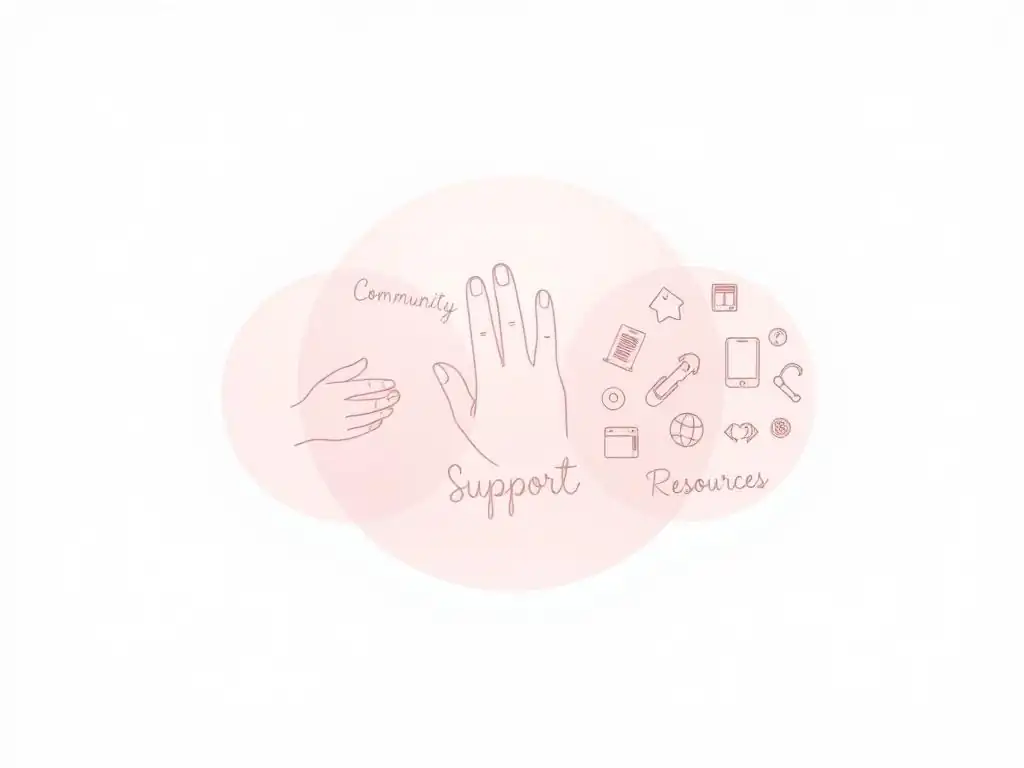
Navigating the world of online dating as an LGBTQ+ individual can present unique challenges. Discrimination and prejudice can significantly impact the experience, making it crucial to find support and resources to foster a safer and more positive journey. This section focuses on identifying helpful avenues for navigating these difficulties and building resilience. Remember, you are not alone, and there are many people and organizations dedicated to supporting your well-being.
LGBTQ+-Friendly Online Dating Platforms and Communities
Finding a platform that prioritizes inclusivity and safety is paramount. While many mainstream dating apps claim LGBTQ+ inclusivity, the reality can often differ. Some platforms are demonstrably better at moderating hate speech and fostering a respectful environment. Research is key; look for apps that specifically cater to the LGBTQ+ community or have strong community moderation features. Reading reviews and checking user feedback can offer valuable insights into a platform's actual commitment to creating a welcoming space. Consider the following factors when choosing a platform:
- Explicit LGBTQ+ focus: Some platforms are designed specifically for LGBTQ+ individuals, fostering a sense of community and reducing the likelihood of encountering prejudice.
- Robust reporting mechanisms: A reliable reporting system allows users to flag inappropriate behavior quickly and efficiently, contributing to a safer environment for everyone.
- Verification processes: While not a foolproof method, verification processes can help reduce the presence of fake profiles and catfishing, common issues that disproportionately affect LGBTQ+ users.
- Community guidelines: Clearly defined and actively enforced community guidelines are crucial for maintaining a respectful and inclusive atmosphere. Look for platforms that actively address hate speech and discrimination in their terms of service.
Understanding these nuances can significantly improve your online dating experience. Remember to prioritize platforms that actively demonstrate their commitment to LGBTQ+ safety and inclusion.
Support Networks and Organizations for LGBTQ+ Individuals
Beyond online dating platforms, a strong support network is essential for navigating the emotional challenges that can arise from online dating discrimination. Numerous organizations offer invaluable resources and support specifically designed for LGBTQ+ individuals facing adversity. These resources range from direct support lines to online communities and educational materials.
Many organizations provide:
- Confidential counseling: Professional counselors can provide a safe space to process negative experiences and develop coping strategies.
- Peer support groups: Connecting with other LGBTQ+ individuals who have faced similar challenges can be incredibly validating and empowering.
- Legal aid: Some organizations offer legal assistance to those who have experienced harassment or discrimination online.
- Educational resources: Access to information on online safety, self-care, and healthy relationship dynamics is crucial for building resilience.
Finding these resources might involve a quick online search for "LGBTQ+ support organizations [your location]" or exploring national LGBTQ+ advocacy groups. Actively seeking out these support systems can significantly bolster your emotional well-being and equip you with the tools to manage challenging situations.
Mental Health Resources for LGBTQ+ Daters Facing Online Discrimination
Experiencing discrimination online can have a significant impact on mental health. The emotional toll of prejudice and harassment can be substantial, leading to feelings of anxiety, depression, and isolation. Prioritizing mental health is crucial; seeking professional help is a sign of strength, not weakness.
Several avenues can provide vital mental health support:
- Therapy and counseling: A therapist can help process difficult emotions, develop coping mechanisms, and build resilience in the face of adversity. Many therapists specialize in working with LGBTQ+ individuals and understand the unique challenges they face.
- Online mental health platforms: Several online platforms offer access to mental health professionals through video conferencing or messaging. This can provide convenient and accessible support.
- Crisis hotlines: In times of crisis, reaching out to a crisis hotline can provide immediate support and guidance. Many LGBTQ+-specific hotlines offer specialized assistance.
- Self-care practices: Incorporating self-care practices into your routine—such as exercise, mindfulness, and spending time with loved ones—can contribute to overall well-being and resilience.
Remember, your mental health is paramount. Don't hesitate to seek professional help if you're struggling. Prioritizing your well-being is essential for navigating the challenges of online dating and building a fulfilling life. Taking care of your mental health is a critical component of LGBTQ+ online dating safety.
Building a Safe and Positive LGBTQ+ Online Dating Experience
This section focuses on practical steps LGBTQ+ individuals can take to cultivate a safer and more positive online dating experience. It's crucial to remember that online safety is a proactive process, requiring vigilance and self-advocacy. Building a positive experience involves not only protecting yourself from harm but also actively creating a space where you feel comfortable and respected.
Fostering a Culture of Respect and Inclusivity
Creating a respectful and inclusive online dating environment starts with you. Your profile is your first impression – make it count! Use inclusive language in your profile description, avoiding jargon or assumptions about gender identity or sexual orientation. Be upfront about your relationship goals and boundaries.
For example, instead of simply stating "looking for a relationship," you could be more specific: "Seeking a kind and compassionate partner for a long-term relationship." This sets clear expectations and attracts individuals aligned with your values. Remember to use high-quality, respectful photos that accurately represent you. Avoid photos that are sexually suggestive or overly revealing, as these can attract unwanted attention.
Furthermore, actively report any instances of harassment or discrimination you encounter. Most dating platforms have robust reporting mechanisms; utilize them! Don't hesitate to block users who make you uncomfortable, regardless of whether their actions constitute a direct violation of platform rules. Your comfort and safety are paramount. By actively participating in reporting and blocking, you contribute to a safer online environment for everyone. Consider also engaging in positive interactions – complimenting genuine profiles and engaging respectfully in conversations. This positive reinforcement helps counteract negativity and fosters a more welcoming community.
Consider showcasing your personality and interests. Mentioning hobbies, passions, and values can attract like-minded individuals and filter out those who aren't a good match. This helps build a more authentic connection, making your experience more enjoyable and safer. Remember, authenticity is key to building meaningful connections.
Advocating for Change Within Online Dating Platforms
While individual actions are crucial, systemic change is equally important. Online dating platforms have a responsibility to create safe and inclusive environments for all users. Actively advocate for improvements by:
- Reporting discriminatory profiles and behavior: Consistently reporting hateful content helps platforms identify and address problematic users and patterns.
- Providing feedback to platforms: Use feedback mechanisms to suggest improvements, such as better profile verification processes, enhanced reporting tools, and clearer community guidelines addressing LGBTQ+-specific issues.
- Supporting LGBTQ+-friendly platforms: Choose platforms known for their commitment to inclusivity and safety. Research and select those with dedicated LGBTQ+ support teams and robust anti-discrimination policies.
- Sharing your experiences: Publicly sharing your experiences, both positive and negative, can raise awareness and pressure platforms to improve. Consider leaving constructive reviews or engaging in online discussions about LGBTQ+ online dating safety.
Remember, your voice matters. By actively engaging with platforms and demanding better, you can contribute to significant improvements in the overall online dating experience for LGBTQ+ individuals. This collective action is essential for creating meaningful and lasting change.
Celebrating Diversity and Inclusion in the LGBTQ+ Community
Beyond safety, remember to celebrate the incredible diversity within the LGBTQ+ community. Engage with profiles that reflect this richness and broaden your horizons. Don't limit yourself to those who perfectly mirror your identity or experiences. Embrace differences, and use online dating as an opportunity to learn and grow. Connecting with people from diverse backgrounds can lead to enriching relationships and a deeper understanding of the community as a whole.
This approach not only enhances your personal experience but also contributes to a more inclusive and accepting online environment. Remember, building a positive experience involves both personal responsibility and collective action. By actively shaping your online interactions and advocating for change, you can create a safer and more welcoming space for yourself and others within the LGBTQ+ online dating world. This proactive approach is key to finding meaningful and fulfilling connections.
Frequently Asked Questions
How can I create a safe and inclusive online dating profile as an LGBTQ+ individual?
Use a profile picture that accurately reflects your gender identity and expression. Clearly state your relationship goals and preferences in your bio to attract compatible matches. Avoid overly revealing personal information.
What are some red flags to watch out for when online dating within the LGBTQ+ community?
Be wary of profiles that seem too perfect or lack detail. Avoid sharing personal information too quickly. If someone is pressuring you or making you uncomfortable, end the conversation immediately.
How can I report harassment or discrimination on LGBTQ+ dating apps?
Most apps have a built-in reporting mechanism. Use it to report any abusive or discriminatory behavior. You can also block users who make you feel unsafe. Consider saving screenshots as evidence.
Be authentic and confident in your profile. Focus on positive interactions and ignore negative comments. Remember that bias exists, but you deserve to find a respectful and loving partner.
Are there specific safety precautions I should take when meeting someone in person after connecting online?
Always meet in a public place for your first date. Let a friend or family member know where you're going and who you're meeting. Trust your instincts; if something feels off, leave the date.
Final Reflection: Building Bridges, Finding Love: A Safer LGBTQ+ Online Dating Future
The fight for equitable and safe online dating spaces for LGBTQ+ individuals is far from over, but the strategies discussed throughout this article offer vital tools for navigating the complexities of the digital landscape. The prevalence of discrimination, harassment, and misinformation remains a stark reality, highlighting the urgent need for proactive measures and community support.
The impact of online dating on LGBTQ+ lives is profound, shaping not only romantic connections but also self-perception and community building. It's a space where vulnerability and authenticity are tested, and where finding genuine connection can be both exhilarating and fraught with peril. Love is a battlefield,
is often said, and for LGBTQ+ individuals navigating online dating, this rings truer than ever. However, by understanding and implementing the safety strategies outlined, we can transform this battlefield into a more fertile ground for genuine connection and self-discovery.
You, the reader, now hold the power to shape your online dating experience. Don't let fear dictate your journey; instead, arm yourself with knowledge and build a supportive network. Engage in open conversations with your community, report harmful behavior, and prioritize your safety above all else. By actively participating in creating a safer online environment, you are not only protecting yourself but also paving the way for a more inclusive and loving future for all LGBTQ+ individuals seeking connection in the digital world.
Unveil Your Authentic Self: Find Love Online, Bias-Free
Thank you for exploring the world of inclusive online dating! You've learned powerful strategies to navigate bias and build genuine connections. Ready to apply this knowledge?
- Prioritize inclusive profiles: Seek out users who explicitly value acceptance and celebrate diversity. This simple step can dramatically improve your dating experience.
- Craft an authentic and compelling profile: Let your unique personality shine through. Authenticity is key to attracting compatible matches.
- Share this article with friends who are also searching for love – let's build a more inclusive online dating community together!
What's one specific change you'll make to your online dating profile to attract more compatible matches?