
Your Voice Matters: Speaking Up Against Discrimination in LGBTQ+ Dating


Welcome to OnlineDatingSuccess.org, your guide to navigating the exciting yet sometimes challenging world of online dating. We're dedicated to helping you build meaningful connections, and that includes ensuring your safety and well-being. Discover crucial strategies for creating a compelling profile and fostering healthy communication. But first, let's address a critical topic: LGBTQ+ dating profile safety tips. This article delves into vital information to help you speak up against discrimination and create a positive online dating experience. Read on to learn how you can navigate the complexities of online dating with confidence and find lasting connections.
- Understanding Discrimination in LGBTQ+ Dating Apps and Sites
- LGBTQ+ Dating Profile Safety Tips: Protecting Yourself Online
- Strategies for Addressing Discrimination Directly
- Building a Supportive Online Dating Community
- Taking Action Beyond the Dating App
-
Frequently Asked Questions
- How can I create a safe and inclusive LGBTQ+ dating profile?
- What should I do if I experience harassment or discrimination on a dating app?
- What information should I avoid sharing on my LGBTQ+ dating profile?
- How can I find LGBTQ+-friendly dating apps and websites?
- Are there resources available to support LGBTQ+ individuals facing online dating discrimination?
- Final Reflection: Amplifying LGBTQ+ Voices in the Digital Dating World
- Ignite Your Voice: Take Action for LGBTQ+ Equality
Understanding Discrimination in LGBTQ+ Dating Apps and Sites
Navigating the world of online dating can be challenging for anyone, but for members of the LGBTQ+ community, it often presents a unique set of hurdles. This article focuses on the critical issue of discrimination within LGBTQ+ dating spaces, exploring how prejudice manifests online and offering strategies for building safer and more positive experiences. We'll delve into recognizing subtle and overt forms of discrimination, understanding their impact on mental well-being, and ultimately, empowering you to create a dating profile that reflects your authentic self while minimizing exposure to harmful interactions.
This guide aims to provide practical, actionable LGBTQ+ dating profile safety tips to help you build confidence and find meaningful connections online. Remember, your voice matters, and speaking up against discrimination is crucial for fostering a more inclusive and welcoming dating environment for everyone.
Recognizing Microaggressions and Overt Prejudice in Online Dating Profiles
Discrimination in LGBTQ+ dating isn't always blatant. It often manifests as subtle microaggressions or more overt expressions of prejudice within profiles. Microaggressions might include seemingly innocuous comments that reveal underlying biases, such as preferences explicitly excluding certain identities within the LGBTQ+ spectrum (“looking for a cisgender man only”), or assumptions about gender roles or sexual expression.
Overt prejudice, on the other hand, is far more direct and harmful, including explicitly homophobic, transphobic, or biphobic statements or imagery in profiles. Learning to identify these subtle and overt forms of discrimination is the first step towards protecting yourself and creating a safer online dating experience. For example, a profile stating a preference for “traditional relationships” might subtly exclude individuals who don't conform to heteronormative expectations.
Similarly, the use of derogatory slurs or hateful imagery is a clear sign of overt prejudice. Recognizing these patterns helps you avoid potentially harmful interactions and focus on profiles that demonstrate respect and inclusivity.
Identifying Hate Speech and Discriminatory Language Targeting LGBTQ+ Individuals
Hate speech and discriminatory language are unfortunately prevalent in online spaces, including dating apps and websites. This can range from the use of slurs and derogatory terms to the spreading of misinformation and harmful stereotypes about LGBTQ+ individuals. It's crucial to be vigilant and recognize these forms of abuse, which can significantly impact mental health and safety. Identifying hate speech is not just about recognizing overtly offensive language; it also involves understanding the context and intent behind seemingly innocuous comments.
For example, a seemingly harmless comment could be interpreted as discriminatory if it reinforces negative stereotypes or expresses prejudice against a specific identity within the LGBTQ+ community. Remember, your safety and well-being are paramount. If you encounter hate speech or discriminatory language, report it to the platform immediately and block the user.
The Impact of Discrimination on Mental Health and Dating Confidence
The experience of discrimination in online dating can have a significant negative impact on the mental health and dating confidence of LGBTQ+ individuals. Constant exposure to prejudice, microaggressions, and hate speech can lead to feelings of anxiety, depression, isolation, and self-doubt. These negative experiences can make it difficult to maintain a positive outlook on dating and can discourage individuals from seeking meaningful connections online. The cumulative effect of repeated exposure to discrimination can significantly erode self-esteem and create a sense of vulnerability and distrust.
It's essential to prioritize self-care and seek support from friends, family, or mental health professionals if you're struggling with the emotional toll of online discrimination. Building a strong support system is crucial in navigating these challenges and maintaining a healthy perspective on dating. Remember, your feelings are valid, and you deserve to feel safe and respected while pursuing connections online.
LGBTQ+ Dating Profile Safety Tips: Protecting Yourself Online
Finding love online should be a positive experience, but navigating the world of LGBTQ+ dating requires extra vigilance. Many platforms boast inclusivity, but prejudice and discrimination sadly persist. This section focuses on practical strategies to enhance your safety and create a positive online dating experience. Remember, your safety and well-being are paramount. These tips are designed to help you take control and build confidence in your online interactions. Let's explore some key steps to protect yourself while seeking meaningful connections.
Creating a Safe and Inclusive LGBTQ+ Dating Profile
Crafting a compelling profile is crucial, but it’s equally important to prioritize safety. Avoid revealing overly personal information, such as your exact address or workplace. Instead, focus on showcasing your personality and interests. Using a profile picture that clearly shows your face and avoids ambiguity is recommended. Ambiguous photos can lead to misinterpretations and potentially unwanted attention.
Consider carefully what details you share. Instead of stating “I work at [Company Name]”, you could say “I’m a [Profession] passionate about [Interest].” This provides context without jeopardizing your personal safety.
Remember, your profile is a reflection of you. Make it authentic and positive, highlighting what you're looking for in a partner. By being clear and upfront about your preferences and boundaries, you can attract like-minded individuals who respect your identity and values. This proactive approach helps weed out individuals who are not aligned with your values, reducing the risk of encountering discriminatory behavior. Think of your profile as your digital first impression; make it count!
Here's a checklist to ensure your profile promotes safety and inclusivity:
- [ ] Profile Picture: Clear, recent, and shows your face.
- [ ] Personal Information: Avoid sharing your full address, workplace, or other overly specific details.
- [ ] Bio: Positive, authentic, and clearly states your preferences and boundaries.
- [ ] Interests: Highlight activities and hobbies that genuinely interest you.
- [ ] Privacy Settings: Review and adjust your privacy settings regularly (more on this in a later section).
Setting Boundaries and Reporting Discriminatory Behavior
Setting clear boundaries is essential for a positive dating experience. This includes defining what kind of interactions you're comfortable with and communicating those expectations upfront. Don't hesitate to block or report users who exhibit discriminatory behavior, send inappropriate messages, or violate your personal boundaries. Most dating platforms provide robust reporting mechanisms; utilize them!
Remember, you have the right to feel safe and respected. Don't tolerate harassment or discrimination of any kind. If someone makes you uncomfortable, don't hesitate to end the conversation immediately. Document instances of harassment – screenshots can be valuable evidence if you need to report the user.
Many platforms have zero-tolerance policies towards hate speech and discrimination. Reporting such behavior not only protects you but also contributes to creating a safer environment for all LGBTQ+ users. Reporting is a powerful tool; use it responsibly and effectively. Consistent reporting helps platforms improve their safety measures and hold offenders accountable.
Here’s a practical approach to handling discriminatory behavior:
- Block the user: Immediately block any user who makes you feel unsafe or uncomfortable.
- Report the incident: Utilize the platform's reporting system to document the incident and provide evidence if possible.
- Seek support: If you've experienced significant harassment, consider reaching out to LGBTQ+ support organizations or helplines.
Utilizing Privacy Settings to Enhance Your Online Safety
Privacy settings are your first line of defense against unwanted attention and potential harm. Review and adjust your privacy settings regularly, ensuring you only share information you're comfortable with. Consider limiting the visibility of your profile to those who match your stated preferences.
Many platforms offer a range of privacy options, allowing you to control who can see your profile, message you, and access your personal information. Take advantage of these features to customize your online presence and maximize your safety.
Regularly check for updates to the platform's privacy settings. Platforms often add or modify features, so staying informed is essential to maintain your desired level of privacy. Consider limiting the information you provide publicly, such as your age or location. Using a nickname or screen name can also add an extra layer of protection.
Remember, your privacy is your right. Don't be afraid to utilize all available privacy settings to ensure your online dating experience remains safe and positive. Proactive management of your privacy settings is a crucial aspect of LGBTQ+ dating profile safety. Take control, and create a secure online space for yourself.
Choosing Safe Dating Platforms and Apps

Choosing the right platform is the first step towards safer LGBTQ+ dating. Not all apps and websites are created equal; some have better moderation policies and community guidelines than others. Look for platforms that actively promote inclusivity and safety, and which offer robust reporting mechanisms for harassment or abusive behavior. Read user reviews carefully – they often reveal valuable insights into a platform’s effectiveness in dealing with inappropriate conduct.
Pay close attention to the app's privacy settings and understand what data they collect and how they use it. Consider apps specifically designed for the LGBTQ+ community, as these often have more stringent moderation procedures and a stronger sense of community support. Remember, a platform with a strong focus on safety and a supportive community can significantly reduce your risk. Don't hesitate to explore several options before settling on one that best fits your needs and comfort level.
This initial step of careful selection can significantly improve your overall online dating experience and safety. Prioritize platforms with clear policies on hate speech and discrimination, as these are crucial for a positive and respectful environment. Consider the size and activity level of the platform; a larger, more active community might offer more opportunities, but it can also mean more potential for encountering negative interactions, so weigh the pros and cons carefully.
Verifying Profiles and Avoiding Catfishing
Catfishing, sadly, is a prevalent issue in online dating, regardless of sexual orientation or gender identity. Therefore, verifying profiles should be a top priority for LGBTQ+ users. While complete verification is rarely possible, you can take steps to minimize your risk. Look for profiles with multiple photos showing the person in different settings and clothing styles. Be wary of profiles with only one or two pictures, especially if they are overly posed or professionally done. Examine the profile’s language and writing style; inconsistencies or grammatical errors might indicate a fake profile.
Engage in cautious conversation before sharing personal information. Ask open-ended questions and pay attention to their responses. Are their answers consistent? Do they seem genuine and relatable? If something feels off, trust your instincts. It's perfectly acceptable to politely decline further communication if you have doubts about the authenticity of a profile.
Remember, safety should always come first. Consider reverse image searching profile pictures using Google Images or a similar tool. This can help you determine if the photos are being used on other profiles or websites, which could be a sign of catfishing. Finally, never rush into sharing personal information or meeting in person. Take your time to get to know someone before taking these crucial steps. This cautious approach can significantly enhance your safety and help you avoid potentially harmful situations.
Strategies for Addressing Discrimination Directly
Navigating the world of LGBTQ+ dating requires resilience and a proactive approach to safety. While building a positive and affirming online presence is crucial, knowing how to handle discriminatory behavior is equally important. This section provides actionable strategies for confronting prejudice directly and protecting your well-being within the online dating sphere. Remember, your safety and mental health are paramount. Ignoring hateful behavior only allows it to persist. Speaking up, while sometimes challenging, is a powerful act of self-advocacy and contributes to a safer online environment for everyone. This is a key aspect of LGBTQ+ dating profile safety tips.
Responding to Discriminatory Messages and Comments
Receiving discriminatory messages or comments can be upsetting and frustrating. However, how you respond can significantly impact the situation and potentially deter future instances. Consider these approaches:
- Do not engage: In many cases, the best response is no response. Ignoring the message can prevent escalation and removes the validation the sender might be seeking. This is especially true if the message is overtly abusive or threatening.
- Report and block: Utilize the reporting features of the dating app to flag the offensive content and immediately block the user. This prevents further contact and allows the platform to take action against the offender. This is a crucial step in many LGBTQ+ dating profile safety tips.
- Polite but firm response (use with caution): In some situations, a brief and polite but firm response might be appropriate. For example, you could say something like, "I'm not interested in communicating with someone who holds such prejudiced views." However, this approach carries a risk of further engagement and should only be used if you feel safe and confident in your ability to manage the interaction.
- Document the interaction: Take screenshots of the discriminatory messages as evidence. This is crucial if you decide to report the user to the platform or take further action. Detailed documentation is a vital part of many LGBTQ+ dating profile safety tips.
Remember, your emotional well-being is paramount. If a message significantly upsets you, prioritize your mental health and avoid engaging. Focus on self-care and reach out to trusted friends or support networks.
Blocking and Reporting Offensive Users
Blocking and reporting are essential tools for creating a safer online dating experience. Most dating apps provide robust mechanisms for handling inappropriate behavior. Familiarize yourself with these features and utilize them proactively:
| Feature | Description | Importance in LGBTQ+ Dating Profile Safety Tips |
|---|---|---|
| Block User | Prevents the user from contacting you again. | Prevents further harassment and unwanted contact. |
| Report User | Allows you to flag the user's profile or messages for review by the platform. | Enables the platform to take action against offenders. |
| Report Content | Allows you to flag specific messages or images for inappropriate content. | Helps remove harmful content from the platform. |
Remember to always report users who exhibit discriminatory behavior. The more users report such behavior, the more likely platforms are to take action and create a more inclusive environment. This is an essential part of many LGBTQ+ dating profile safety tips.
Utilizing App Features to Flag Inappropriate Behavior
Many dating apps offer features designed to identify and address inappropriate behavior. Actively using these tools is crucial for maintaining a safe online dating environment. These tools often include:
- "Report" buttons: These buttons are usually readily available on profiles and messages. Use them frequently to report any discriminatory or offensive content.
- "Block" functions: This prevents the offender from contacting you again. Use this feature immediately after encountering inappropriate behavior.
- Safety checks/verification: Some apps offer verification processes for users. These can help filter out fake profiles and reduce the risk of encountering malicious actors. Actively participating in these processes improves the overall safety of the platform.
- Privacy settings: Customize your privacy settings to control who can see your profile and contact you. This can help reduce exposure to potentially harmful interactions. Regularly reviewing and updating your privacy settings is a proactive step in many LGBTQ+ dating profile safety tips.
By actively utilizing these features and reporting inappropriate behavior, you contribute to a safer and more welcoming online dating experience for yourself and other LGBTQ+ individuals. Remember, your voice matters, and reporting helps create positive change.
Engaging in Constructive Dialogue (When Appropriate)

Addressing discrimination head-on can be daunting, but sometimes, a constructive conversation can be effective. This approach isn't always feasible – safety should always be your priority. However, if you feel safe and comfortable doing so, a calm and respectful dialogue might lead to a change in behavior. Remember, the goal isn't to win an argument, but to educate and potentially change someone's perspective.
Start by clearly and calmly stating how their words or actions made you feel. Use "I" statements to avoid sounding accusatory. For example, instead of saying "You're homophobic," try "I felt hurt and unwelcome when I read your comment about [specific comment]." Focus on the impact of their behavior, rather than labeling their character.
Be prepared for resistance. Some individuals may be unwilling to acknowledge their prejudice. In these situations, disengaging is perfectly acceptable. You are not obligated to engage in a debate with someone who is unwilling to listen. Remember, your emotional well-being is paramount. Prioritize your safety and mental health above all else. Some platforms offer reporting mechanisms; utilizing these tools can be more effective than direct confrontation in certain circumstances. It's crucial to assess the situation carefully before choosing to engage in direct dialogue. Consider the platform's policies and your personal comfort level.
The success of a constructive dialogue hinges on mutual respect and a willingness to listen. If the other person is receptive, you can use this opportunity to educate them about the impact of their words and actions. However, if the conversation becomes hostile or unproductive, it's best to end the interaction and report the incident if the platform allows.
Documenting Instances of Discrimination
Maintaining a record of discriminatory encounters is crucial, particularly if you decide to report the incident to the dating platform or other relevant authorities. This documentation serves as evidence and can strengthen your case. Thoroughly documenting these instances helps you track patterns of behavior and potentially identify repeat offenders.
Your documentation should include as much detail as possible. This includes screenshots of offensive messages, timestamps, profile URLs (if applicable), and the exact wording of discriminatory comments. Note the date, time, and platform where the incident occurred. If you engaged in a conversation, document the key points of that interaction as accurately as possible. If possible, save any evidence that might corroborate your account, such as emails or messages from other users who witnessed the incident.
Remember to keep your documentation organized and secure. Consider using a password-protected document or a secure cloud storage service. This will ensure that your records are safe and readily available if needed.
Maintaining a detailed record not only helps you in reporting incidents but also allows you to identify trends in discriminatory behavior, helping you to better protect yourself in the future. This detailed record can also help you to process the emotional impact of these experiences, providing a tangible record of your experiences. This process can be empowering and contribute to your overall well-being while navigating the complexities of LGBTQ+ online dating.
Building a Supportive Online Dating Community
Finding a safe and inclusive space within the online dating world is crucial for LGBTQ+ individuals. Navigating potential prejudice and discrimination requires proactive steps to build a supportive community. This section focuses on practical strategies to foster a positive experience and mitigate the risks associated with online dating. Remember, your safety and well-being are paramount. These tips are designed to help you build a network of support and create a more positive online dating experience. This directly contributes to your overall LGBTQ+ dating profile safety.
Finding and Joining LGBTQ+ Friendly Online Dating Groups
Finding your tribe online is easier than ever. Many dating apps and websites now offer dedicated LGBTQ+ sections or filters. However, even within these spaces, vigilance is necessary. Look for groups and communities that actively moderate content and have clear guidelines against harassment and discrimination. Consider joining groups focused on specific interests or identities within the LGBTQ+ spectrum.
This allows you to connect with like-minded individuals who share similar values and experiences. For example, you might find a group for LGBTQ+ professionals, artists, or gamers. This increases the likelihood of finding compatible matches and building genuine connections. The more specific the group, the better the chance of finding individuals who understand and respect your identity.
Don't be afraid to ask questions before joining a group to gauge its level of inclusivity and moderation. Look for groups that actively promote respectful communication and a welcoming atmosphere. Think of it as a way to vet potential online spaces before investing your time and energy. Remember, a supportive community can significantly enhance your online dating safety and experience.
Connecting with Allies and Advocates
While connecting with other LGBTQ+ individuals is vital, building relationships with allies is equally important. Allies can provide valuable support and act as a buffer against prejudice. Seek out groups and forums that include allies who are committed to creating a safe and inclusive online environment.
These individuals can help to challenge discriminatory behavior and create a more welcoming atmosphere for everyone. Their presence can act as a deterrent to harmful actions and provide additional layers of protection. Look for groups that specifically promote allyship and actively work to combat discrimination.
These groups often provide resources and education on how to be a better ally, which can be beneficial to both LGBTQ+ users and allies themselves. Engaging with allies can help to create a more balanced and supportive online dating experience. This inclusive approach contributes significantly to a safer online dating environment for everyone, minimizing the risks associated with LGBTQ+ dating profile safety.
Your voice matters. Sharing your experiences, both positive and negative, can help to educate others and create a more understanding online community. By openly discussing your experiences with discrimination, you can empower other LGBTQ+ individuals and help to create a culture of accountability. This can involve sharing your stories on safe and moderated platforms, engaging in discussions about LGBTQ+ dating safety, or simply offering support to others who have experienced similar challenges.
Remember, your story can inspire others and help to create a more inclusive space for everyone. Consider sharing your positive experiences as well to highlight the joys and possibilities of LGBTQ+ dating. This balanced approach helps create a more realistic and encouraging picture of online dating for LGBTQ+ individuals. Your contributions can directly impact the overall online dating safety and create a stronger sense of community and belonging.
Remember to prioritize your safety and well-being while sharing your experiences. Choose platforms that offer robust moderation and support systems. Using your voice to advocate for change is a crucial step in building a more inclusive and safer online dating environment for everyone. This directly contributes to improved LGBTQ+ dating profile safety tips and overall well-being.
Promoting Positive and Inclusive Online Interactions
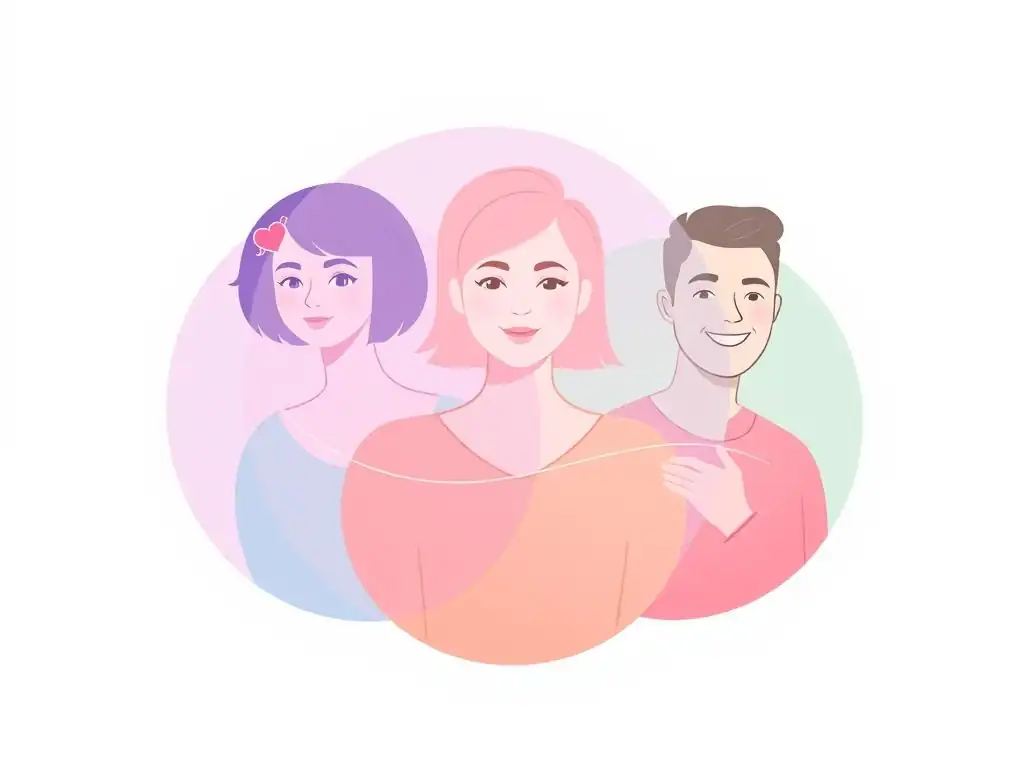
Creating a positive and inclusive online dating experience requires conscious effort from all users. We must actively challenge discriminatory behavior and promote respectful communication. This starts with our own profiles. Using inclusive language, showcasing diverse interests, and presenting ourselves authentically helps attract like-minded individuals and fosters a welcoming atmosphere. Furthermore, responding to hateful or discriminatory messages with calm and clear boundaries is crucial.
Instead of engaging directly with negativity, consider reporting the user to the platform's moderators. Many dating apps have robust reporting mechanisms designed to address harassment and discrimination. Remember, your silence can inadvertently condone such behavior. By actively reporting incidents and promoting positive interactions, we collectively contribute to a safer and more welcoming online dating space for everyone. This includes actively supporting other users who are facing discrimination; a simple message of support can go a long way in making someone feel seen and validated.
We must remember that our actions have consequences, both positive and negative, and strive to create a space where everyone feels comfortable and respected. Beyond individual actions, encouraging dating platforms to implement stricter policies against hate speech and discrimination is vital. This collective pressure can significantly impact the overall online dating environment, making it safer for LGBTQ+ individuals and all users. The goal is to move beyond tolerance to genuine acceptance and celebration of diversity. 🎉
Resources and Support Networks for LGBTQ+ Daters
Navigating the complexities of online dating, especially as an LGBTQ+ individual, can be challenging. Fortunately, numerous resources and support networks exist to provide guidance and assistance. Many LGBTQ+ organizations offer workshops, online forums, and individual counseling specifically designed to address the unique challenges faced by LGBTQ+ daters. These resources can offer invaluable support, providing a safe space to share experiences, discuss strategies, and receive advice from experienced professionals. Additionally, several online communities and forums dedicated to LGBTQ+ dating provide a platform for connecting with others, sharing tips, and offering mutual support.
These communities can offer a sense of belonging and reduce feelings of isolation often associated with online dating. Remember that you are not alone in your journey; many others share similar experiences and challenges. Seeking help and connecting with support networks can significantly improve your online dating experience and increase your chances of finding a meaningful connection. Furthermore, several apps and websites are specifically designed to cater to the LGBTQ+ community, offering features tailored to the specific needs and preferences of LGBTQ+ users.
These platforms often have stronger moderation policies and more robust reporting systems, contributing to a safer and more inclusive environment. Researching and utilizing these resources can significantly enhance your safety and overall positive experience in the online dating world. Seeking support is a sign of strength, not weakness, and utilizing available resources can empower you to navigate the complexities of online dating with confidence and resilience. 💪
Taking Action Beyond the Dating App
This section focuses on proactive steps you can take when encountering discrimination on LGBTQ+ dating apps. Remember, your experience matters, and reporting incidents is crucial for creating a safer online dating environment for everyone. While blocking and ignoring hateful behavior is a necessary first step, actively reporting and seeking support amplifies your voice and contributes to positive change. These actions are vital for improving LGBTQ+ dating profile safety tips and fostering a more inclusive online community.
Reporting Discrimination to Dating Platform Customer Support
Many dating platforms have robust reporting mechanisms designed to address harassment and discrimination. Knowing how to utilize these tools effectively is a key part of LGBTQ+ dating profile safety tips. Don't hesitate to report any instances of prejudice, including homophobic or transphobic slurs, discriminatory language targeting your identity, or unwanted advances based on your sexual orientation or gender identity.
When reporting, be as specific as possible. Include:
- Screenshots: Capture screenshots of the offensive messages, profiles, or interactions. This provides concrete evidence for the platform's review process.
- Timestamps: Note the date and time of the incident. Accurate timestamps are essential for efficient investigation.
- Usernames: If possible, include the usernames of the individuals involved. This allows the platform to quickly identify and take action against the offending accounts.
- Detailed description: Provide a detailed account of the incident, explaining the nature of the discrimination and how it impacted you. Don't be afraid to express your feelings; your emotional response is valid and important.
Remember, reporting isn't just about individual justice; it helps the platform improve its safety measures and prevent similar incidents from happening to others. Many platforms have dedicated teams working to address these issues, and your reports directly contribute to their efforts. Effective use of reporting features is a crucial aspect of LGBTQ+ dating profile safety tips.
Contacting Anti-Discrimination Organizations for Help
If you've experienced significant discrimination or harassment on a dating app, and the platform's response is insufficient, consider contacting an anti-discrimination organization. These organizations offer support, legal advice, and resources to help individuals navigate these challenging situations. They can provide guidance on how to proceed, whether it involves further action with the dating platform or pursuing legal avenues. This is an important part of implementing comprehensive LGBTQ+ dating profile safety tips.
Many organizations specialize in supporting LGBTQ+ individuals, and their expertise can be invaluable in addressing specific challenges related to online dating discrimination. They can offer emotional support, helping you process the experience and feel empowered to move forward. Knowing these resources exist is a significant aspect of LGBTQ+ dating profile safety tips, offering a safety net in difficult situations. Research organizations in your area or those with national reach to find the best fit for your needs.
Educating Yourself and Others on LGBTQ+ Issues
Beyond reporting and seeking support, educating yourself and others about LGBTQ+ issues is a powerful way to combat discrimination. Understanding the nuances of LGBTQ+ identities, experiences, and challenges helps foster empathy and encourages a more inclusive environment. This proactive approach is an essential element of LGBTQ+ dating profile safety tips, extending beyond individual experiences to promote broader societal change.
This includes:
- Learning about different LGBTQ+ identities: Familiarize yourself with various sexual orientations and gender identities, understanding that these are diverse and complex.
- Challenging homophobic and transphobic language: Actively challenge discriminatory language whenever you encounter it, both online and offline.
- Promoting inclusivity: Advocate for inclusive policies and practices in your personal and professional life.
- Supporting LGBTQ+ organizations: Donate time or resources to organizations working to advance LGBTQ+ rights and well-being.
By actively engaging in education and advocacy, you contribute to a more supportive and welcoming environment for everyone, enhancing the overall effectiveness of LGBTQ+ dating profile safety tips and creating a positive ripple effect within online dating communities. This proactive approach is vital for long-term change and the creation of truly safe and inclusive spaces.
Advocating for Inclusive Policies and Practices in Online Dating
Online dating platforms have a responsibility to foster inclusive environments. This means actively combating discrimination and harassment against LGBTQ+ users. Many platforms boast robust community guidelines, but enforcement often lags. We need more than just statements; we need tangible action. This includes proactive measures like:
- Improved Reporting Mechanisms: Current reporting systems often lack clarity and efficiency. Users should have clear pathways to report discriminatory behavior, with assurances of prompt and thorough investigations. This should include options to report subtle forms of prejudice, such as microaggressions, which can accumulate and create a hostile environment. The process should be user-friendly, easily accessible, and provide updates on the status of reports. Transparency is key to building trust.
- Enhanced AI-Powered Moderation: While human moderation is crucial, AI tools can play a valuable role in identifying and flagging discriminatory language and behavior at scale. However, it's crucial to acknowledge the limitations of AI and ensure human oversight to avoid false positives and biases within the algorithms themselves. Careful training and ongoing evaluation of these systems are necessary to guarantee fairness and effectiveness.
- Accountability and Transparency: Platforms should be transparent about their policies and enforcement actions. Regular reports on the number of reported incidents, the types of violations identified, and the actions taken are essential for building accountability. This data can inform future improvements to policies and enforcement strategies. Publicly available statistics demonstrate a commitment to creating a safer space for everyone.
- Collaboration with LGBTQ+ Organizations: Direct collaboration with LGBTQ+ advocacy groups is vital. These organizations offer invaluable insights and perspectives, informing the development and implementation of effective policies and practices. Their expertise can guide the creation of educational resources and support systems for users experiencing discrimination. This collaborative approach ensures that policies are relevant, responsive, and truly inclusive.
Beyond the platform's direct actions, users can also contribute to creating more inclusive spaces. This includes politely challenging discriminatory comments or behaviors when encountered, reporting such instances promptly, and actively supporting platforms that prioritize inclusivity. By working together, we can create online dating environments where everyone feels safe, respected, and valued. The fight for an inclusive online dating experience is a continuous process requiring constant vigilance and proactive engagement from both users and the platforms themselves. It’s a shared responsibility that demands collective effort to truly achieve.
Frequently Asked Questions
How can I create a safe and inclusive LGBTQ+ dating profile?
Use positive and affirming language in your profile. Highlight your interests and values, and avoid stereotypes. Remember to report any discriminatory behavior you encounter.
What should I do if I experience harassment or discrimination on a dating app?
Immediately block and report the user to the dating app's administrators. Save screenshots as evidence. Consider contacting LGBTQ+ support organizations for additional help.
What information should I avoid sharing on my LGBTQ+ dating profile?
Avoid sharing too much personal information, like your full address or workplace. Be cautious about sharing details that could compromise your physical safety or privacy.
How can I find LGBTQ+-friendly dating apps and websites?
Research apps with strong community guidelines and robust reporting mechanisms. Look for apps that specifically cater to the LGBTQ+ community and prioritize user safety and inclusivity.
Are there resources available to support LGBTQ+ individuals facing online dating discrimination?
Yes, many LGBTQ+ organizations offer support and resources for individuals facing discrimination. You can also find helpful information and advice online through dedicated LGBTQ+ support websites and helplines.
Final Reflection: Amplifying LGBTQ+ Voices in the Digital Dating World
The fight for equality and safety within the LGBTQ+ community extends far beyond the streets; it's a battle fought daily in the digital spaces where we connect, date, and build relationships. The vulnerability inherent in online dating is amplified for LGBTQ+ individuals who may face unique forms of discrimination and prejudice. This article has highlighted the crucial need for proactive safety measures, from crafting inclusive profiles to recognizing and reporting harmful behavior. Ignoring these realities is not an option; our digital safety is intrinsically linked to our overall well-being.
The impact of online discrimination on LGBTQ+ individuals is profound, shaping not only our dating experiences but also our broader sense of self and belonging. The fear of rejection, harassment, or even violence can significantly limit our ability to connect authentically. This fear, however, should not silence us. Silence will not protect you. Only action will.
This quote, though not directly about online dating, speaks volumes about the importance of speaking up and creating safer spaces for ourselves and others. We must actively challenge the systems and individuals that perpetuate discrimination, both online and offline.
You hold the power to create a more inclusive and safer online dating experience. Start by critically examining your own online presence – is your profile inclusive and respectful? Are you actively reporting harmful behavior? Beyond personal action, consider engaging in broader conversations about online safety within your community. Let's work together to build a digital world where every LGBTQ+ individual feels safe, seen, and empowered to express their authentic selves. Your voice matters, and your safety deserves to be prioritized.
Ignite Your Voice: Take Action for LGBTQ+ Equality
Thank you for learning about creating safer and more inclusive dating spaces for LGBTQ+ individuals. You've gained valuable insights into the challenges and opportunities for positive change. Now, let's put that knowledge into action!
- Spread the word: Share this article on social media to start conversations and raise awareness among your friends and followers. Amplify the voices of LGBTQ+ individuals and promote understanding.
- Join the discussion: Share your experiences, insights, or ideas on how to build a more inclusive online dating environment in the comments below. Let's work together to build a better future.
- Get involved: Explore organizations dedicated to LGBTQ+ rights and equality to find ways to make a lasting impact in your community.
What small step will you take today to make a difference?