
Decoding Discrimination: How to Spot and Avoid Bias in LGBTQ+ Online Dating

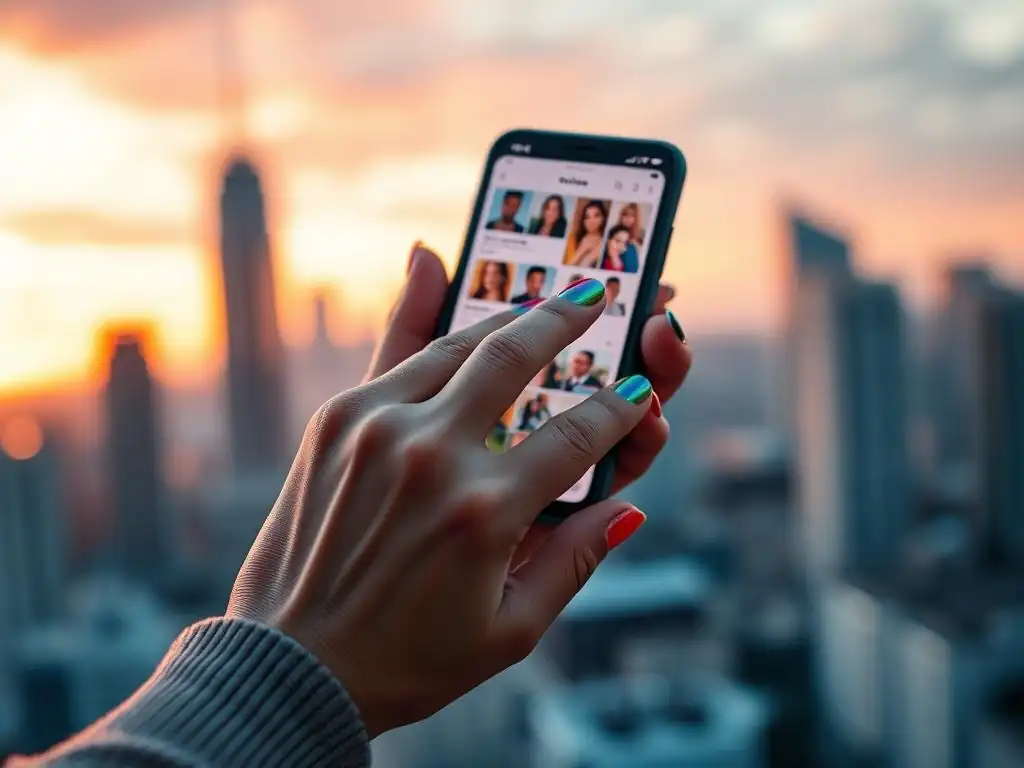
Ready to unlock the secrets to finding meaningful connections in the world of online dating? At OnlineDatingSuccess.org, we empower you to navigate the complexities of finding love. But the landscape isn't always fair. This article dives deep into the often-overlooked issue of LGBTQ+ dating profile bias, revealing how subtle prejudices can impact your success and offering practical strategies to overcome them. Discover how to craft a profile that shines, attract genuine connections, and build a safer, more fulfilling online dating experience. Let's get started!
- Understanding LGBTQ+ Dating Profile Bias
- Strategies to Avoid Attracting Bias in Your LGBTQ+ Dating Profile
- Navigating Biased Interactions on LGBTQ+ Dating Apps
- Building a Positive and Respectful LGBTQ+ Online Dating Experience
- Creating a Safe and Inclusive LGBTQ+ Dating Profile: Best Practices
- Advocating for Change and Reporting Bias
- Frequently Asked Questions
- Final Reflection: Unmasking Bias, Embracing Inclusivity in LGBTQ+ Dating
- Ignite Your Inclusive Dating Journey
Understanding LGBTQ+ Dating Profile Bias
Navigating the world of online dating can be challenging for anyone, but for members of the LGBTQ+ community, it often presents a unique set of obstacles. This article delves into the pervasive issue of bias within LGBTQ+ online dating, exploring how discrimination manifests itself, its impact on users, and strategies to mitigate its effects.
We will examine how subtle and overt biases impact profile visibility, matching algorithms, and overall dating experiences, ultimately aiming to empower LGBTQ+ individuals to create safer and more successful online dating profiles. Understanding and addressing LGBTQ+ dating profile bias is crucial for fostering inclusive and respectful online spaces where genuine connections can thrive.
This guide provides practical advice and actionable steps to help you identify and avoid bias, promoting a more positive and equitable experience for everyone. We'll explore both the subtle nuances and the blatant expressions of prejudice, equipping you with the knowledge to navigate this complex landscape effectively.
Recognizing Subtle and Overt Bias in Dating Profiles
Discrimination in LGBTQ+ online dating isn't always blatant. It often manifests in subtle ways that can be difficult to identify but significantly impact a profile's visibility and success. Overt bias, on the other hand, is more direct and easier to spot. Let's examine both:
Subtle Bias: This can include things like profiles that prioritize specific body types or appearances commonly associated with heteronormative beauty standards, inadvertently excluding individuals who don't conform to those ideals. Another example is the use of language that implicitly favors certain relationship styles or gender expressions. For instance, a profile mentioning a desire for a "traditional" relationship might unintentionally exclude non-binary or gender-nonconforming individuals. Algorithms themselves may also unintentionally perpetuate bias, prioritizing certain profile characteristics over others, leading to unequal visibility. The lack of diverse representation in profile suggestions can also subtly reinforce existing biases.
Overt Bias: This is far more direct and unacceptable. Examples include profiles explicitly stating a preference against certain sexual orientations, gender identities, or racial backgrounds. The use of derogatory slurs or offensive language is a clear indication of overt bias. Profiles that promote harmful stereotypes or make discriminatory statements are also examples of overt bias. Reporting such profiles is crucial to maintaining a safer online dating environment. Unfortunately, the prevalence of such overt bias highlights the urgent need for stronger moderation policies and community guidelines on online dating platforms.
Identifying Discriminatory Language and Imagery
The language used in a dating profile, and the images chosen, can communicate a lot about the user's attitudes and preferences. Careful attention should be paid to both.
Discriminatory language can be subtle or overt. Subtle forms include using terms that assume gender binaries or exclude non-binary identities. For example, using phrases like "looking for a wife" or "husband material" can be exclusionary. Overt examples include the use of slurs or derogatory terms targeting specific LGBTQ+ identities. This type of language is not only offensive but also creates a hostile environment.
Similarly, imagery plays a crucial role. Profiles featuring only stereotypical images or those that reinforce harmful gender norms can inadvertently exclude individuals who don't fit those molds. The use of images that objectify or sexualize individuals can also create an uncomfortable and unsafe environment. Choosing images that authentically represent your personality and preferences, while respecting the dignity of others, is crucial.
The Impact of Microaggressions in Online Dating Interactions
Beyond profiles, microaggressions—small, everyday acts of discrimination—can significantly impact the online dating experience for LGBTQ+ individuals. These can range from subtle dismissals or invalidations of someone's identity to seemingly innocuous comments that reveal underlying biases. The cumulative effect of these microaggressions can be substantial, leading to feelings of isolation, frustration, and even self-doubt. For example, a seemingly casual question about someone's "real" gender or a comment dismissing their relationship experiences can be incredibly hurtful.
Recognizing and addressing these microaggressions is essential to fostering a more inclusive and supportive online dating community. Open communication, setting boundaries, and reporting abusive behavior are all vital tools in combating this pervasive issue. Remember, even seemingly small acts of discrimination can have a significant impact on a person's well-being and their ability to connect authentically.
Strategies to Avoid Attracting Bias in Your LGBTQ+ Dating Profile
This section focuses on proactive steps you can take to minimize the chances of encountering bias on your LGBTQ+ dating profile. Remember, while you can't control others' actions, you can control how you present yourself online. By crafting a thoughtful and inclusive profile, you significantly increase your chances of connecting with respectful and compatible individuals. This involves carefully considering your profile description, photo choices, and the use of profile features. Let's dive into specific strategies to navigate LGBTQ+ dating profile bias effectively.
Crafting an Inclusive and Welcoming Profile Description
Your profile description is your first impression. A poorly written or carelessly constructed description can unintentionally attract unwanted attention or reinforce harmful stereotypes. Instead, aim for a profile that is both authentic and inclusive. Avoid using overly generalized language or relying on clichés. Instead, focus on showcasing your unique personality and interests.
For example, instead of writing "Looking for someone fun and adventurous," try something more specific, such as: "I love exploring new hiking trails, trying out different cuisines, and attending local art exhibitions. I'm looking for someone who shares my passion for [specific interest] and appreciates thoughtful conversations." This provides concrete examples of your interests and personality, making it easier for compatible individuals to connect with you.
Consider using inclusive language that explicitly welcomes people from diverse backgrounds within the LGBTQ+ community. For example, you might mention your support for LGBTQ+ rights or your involvement in the community. This can act as a signal to like-minded individuals.
Remember, your profile description is a reflection of you. Be genuine, be specific, and be open. This approach will attract individuals who value authenticity and respect, reducing your exposure to prejudice. Avoid focusing solely on physical attributes; instead, highlight your personality and values.
Choosing Photos that Showcase Authenticity and Respect
Your photos are often the first thing potential matches see, and they play a crucial role in shaping their initial impressions. Choosing photos that showcase your authenticity and respect is vital in minimizing the risk of encountering bias.
Avoid photos that perpetuate harmful stereotypes or are sexually suggestive. Instead, opt for photos that present you in a positive and respectful light. Include a variety of photos that showcase different aspects of your personality and interests. A photo of you engaging in a hobby, smiling genuinely, or spending time with friends can be far more effective than a posed or overly edited picture.
Think about the message you want to convey. Do you want to project confidence, kindness, or intelligence? Choose photos that reflect these qualities. High-quality, well-lit photos generally make a better first impression than blurry or poorly lit ones. Ensure your photos are recent and accurately represent your current appearance.
Consider including photos that subtly showcase your identity and pride, such as a photo at a Pride parade or wearing a rainbow accessory. This can be a way to attract like-minded individuals and deter those who might be prejudiced. However, remember to prioritize your comfort and safety; only include photos you feel comfortable sharing.
Utilizing Profile Features to Filter for Compatibility and Respect
Most online dating platforms offer various features to help you filter potential matches based on your preferences and values. Take advantage of these features to maximize your chances of connecting with individuals who respect and value you.
Many platforms allow you to specify your relationship goals, interests, and values. Use these filters to find individuals who share your vision for a relationship and align with your personal values. For instance, if you’re looking for a long-term relationship, clearly indicate that in your profile. Similarly, if you have specific dealbreakers, use the filtering features to exclude matches who don't meet your criteria.
Some platforms also allow you to block or report users who exhibit disrespectful or discriminatory behavior. Don't hesitate to use these features if you encounter any negativity or harassment. Reporting such behavior helps to create a safer and more inclusive online dating environment for everyone. Remember, your safety and well-being are paramount. Utilize all available tools to protect yourself and curate a positive dating experience.
By implementing these strategies, you can significantly reduce your exposure to LGBTQ+ dating profile bias and increase your chances of finding a meaningful connection. Remember, building a positive and respectful online presence is key to a successful and fulfilling dating experience.
Finding love online as an LGBTQ+ individual can be both exciting and challenging. While dating apps offer a vast pool of potential partners, they also present a unique landscape where bias and discrimination can unfortunately be prevalent. Understanding how to navigate these interactions is crucial for maintaining a positive and safe online dating experience.
This section focuses on practical strategies for identifying and addressing biased interactions, empowering you to take control of your online dating journey. We will explore proactive measures to minimize exposure to negativity and coping mechanisms to manage any emotional impact. The goal is to foster a more positive and inclusive experience within the LGBTQ+ online dating community, ultimately helping you focus on finding meaningful connections.
Responding to Discriminatory Messages and Behaviors
Encountering discriminatory messages or behaviors on LGBTQ+ dating apps can be upsetting. However, reacting impulsively can often escalate the situation. A thoughtful and strategic response is key. Consider these options:
- Ignoring: For minor instances of bias, simply ignoring the message might be the best approach. Don't give negativity the power to affect your day.
- Blocking and Reporting: For more blatant instances of harassment or hate speech, immediately block the user and report the incident to the platform. Most dating apps have robust reporting mechanisms to address such behavior. Remember to save screenshots as evidence.
- Polite but Firm Rebuke: In some cases, a brief and polite response can be effective. For example, if someone makes a prejudiced remark, you could simply reply with, "I'm not comfortable with this conversation," and then block them. Avoid engaging in lengthy arguments; your well-being is paramount.
- Setting Clear Expectations: Proactively setting boundaries in your profile can deter potential discriminatory behavior. For example, clearly stating your preferences and expectations regarding respect and inclusivity can help filter out users who are not aligned with your values. This preemptive action can significantly reduce the likelihood of encountering negative interactions.
Remember, you have the right to a safe and respectful online dating experience. Don't hesitate to utilize the tools and resources provided by the dating platforms to protect yourself.
Reporting Hate Speech and Harassment on Dating Platforms
Reporting hate speech and harassment is a crucial step in combating bias within the LGBTQ+ online dating community. It's not only about protecting yourself; it's about contributing to a safer environment for everyone. Each platform has its own reporting procedures, but generally involve these steps:
- Gather Evidence: Before reporting, collect as much evidence as possible. This includes screenshots of the offensive messages, the user's profile (if possible), and timestamps.
- Locate the Reporting Feature: Most dating apps have a clear reporting mechanism, usually found within the user's profile or message settings. Look for options like "Report," "Block," or "Flag."
- Follow the Instructions: Carefully follow the platform's reporting instructions. Provide as much detail as possible about the incident, including the nature of the offense and any relevant screenshots.
- Follow Up (If Necessary): While some platforms provide immediate responses, others may take time to process reports. If you haven't received an update after a reasonable period, consider contacting the platform's customer support directly.
By consistently reporting hate speech and harassment, you actively contribute to making LGBTQ+ online dating a more inclusive and welcoming space. Your actions matter, and they help create a ripple effect of positive change.
Setting Boundaries and Protecting Your Mental Well-being
Experiencing discrimination in online dating can take a toll on your mental well-being. Prioritizing self-care and setting clear boundaries are essential for navigating these challenges. Remember:
- Limit Exposure: If you find yourself consistently encountering negative interactions, consider taking a break from online dating. It's okay to prioritize your mental health.
- Seek Support: Talk to trusted friends, family, or a therapist about your experiences. Sharing your feelings can help process the emotional impact of discrimination. Consider joining LGBTQ+ support groups online or in your community.
- Practice Self-Compassion: Remind yourself that you deserve respect and kindness. Discrimination is not a reflection of your worth.
- Focus on Positive Connections: Concentrate on the positive interactions and connections you do make. Remember the reasons why you started online dating in the first place – to find love and connection.
- Utilize App Features: Take advantage of features like "block" and "report" to control your experience. Many apps also offer privacy settings to help you manage who can contact you.
Remember, navigating LGBTQ+ dating with grace and resilience is an act of self-love. By understanding how to spot and address bias, you can create a more positive and fulfilling online dating journey. Prioritize your well-being, and know that you are not alone.
Building a Positive and Respectful LGBTQ+ Online Dating Experience
This section focuses on proactive strategies to mitigate the effects of bias and cultivate a more positive online dating experience within the LGBTQ+ community. While we cannot eliminate prejudice entirely, we can significantly reduce its impact by focusing on self-care, community building, and fostering genuine connections. Understanding that experiencing bias in online dating can be disheartening, we aim to empower you with tools and techniques to navigate these challenges effectively. This involves not only identifying discriminatory behavior but also actively constructing a supportive environment for yourself.
Finding Supportive Communities and Resources
Navigating the complexities of LGBTQ+ dating often requires a strong support network. Isolation can amplify the negative effects of encountering bias. Therefore, actively seeking out and engaging with supportive communities is crucial. These communities can provide a safe space to share experiences, receive advice, and connect with like-minded individuals. Consider joining online forums, LGBTQ+-focused dating apps with robust community features, or participating in local LGBTQ+ events. Remember, you are not alone in this journey.
Many organizations offer resources and support specifically for LGBTQ+ individuals navigating online dating. These resources can provide valuable information on safety, communication strategies, and coping mechanisms for dealing with prejudice. Researching and utilizing these resources can significantly improve your overall experience and resilience. Some organizations even provide mentorship programs connecting experienced users with newcomers, offering personalized guidance and support. Seeking professional help from a therapist specializing in LGBTQ+ issues can also be beneficial in processing negative experiences and building self-esteem.
Focusing on Authentic Connection and Mutual Respect
Authenticity is key to building meaningful connections in online dating. Presenting a genuine representation of yourself, including your sexual orientation and gender identity, can attract individuals who value and respect your true self. Conversely, attempting to hide or downplay aspects of your identity to avoid potential bias might attract individuals who are not genuinely accepting. This can lead to disappointment and further reinforce negative experiences.
Prioritizing mutual respect is paramount. This involves setting clear boundaries and expectations from the outset. If you encounter disrespectful or discriminatory behavior, do not hesitate to block and report the user. Remember, you deserve to be treated with kindness and consideration. Focusing on building connections based on shared values, interests, and mutual respect will ultimately lead to more fulfilling and positive experiences. Remember, a healthy relationship is built on a foundation of respect and understanding. Don't settle for less.
Celebrating Diversity and Inclusivity in Online Dating
The LGBTQ+ community is incredibly diverse, encompassing a wide range of identities, experiences, and perspectives. Embracing this diversity and actively celebrating inclusivity is vital in combating bias. This means actively seeking out and connecting with individuals from different backgrounds and experiences within the community. Avoid limiting your interactions to those who appear to share only your specific identity markers. Expanding your horizons can lead to unexpected and enriching connections.
Actively promoting inclusivity in your own online dating profile can also make a difference. Using inclusive language, showcasing your support for LGBTQ+ causes, and highlighting your appreciation for diversity can attract like-minded individuals who value inclusivity. Consider adding details to your profile that celebrate your unique identity and experiences within the LGBTQ+ community. This can create a welcoming and inclusive atmosphere, potentially reducing the likelihood of encountering prejudice. Remember, your profile is a reflection of your values and beliefs; make it a beacon of inclusivity and acceptance.
Creating a Safe and Inclusive LGBTQ+ Dating Profile: Best Practices
This section focuses on crafting a dating profile that not only attracts potential partners but also minimizes exposure to bias and discrimination. Remember, your profile is your first impression – make it count! The goal is to present your authentic self while strategically navigating the complexities of LGBTQ+ online dating. Effective profile creation is key to combating LGBTQ+ dating profile bias.
Attracting compatible partners starts with showcasing your values and interests. Instead of focusing solely on physical attributes, emphasize what truly matters to you. Are you passionate about social justice? Do you enjoy hiking and exploring nature?
Are you a dedicated bookworm or a film fanatic? Highlighting these aspects attracts individuals who share your passions, creating a foundation for meaningful connections. For example, instead of simply stating "looking for a partner," try something like, "Seeking a kind and adventurous partner who loves exploring national parks and discussing social justice issues." This approach attracts like-minded individuals and filters out those whose values may clash with yours.
Think about what truly defines you and use that to craft a compelling narrative. Including specific examples, such as mentioning your favorite hiking trail or a recent social justice event you attended, adds authenticity and makes your profile more engaging. Remember, authenticity is key to building genuine connections and avoiding those who might be drawn to superficial characteristics or prejudiced against your genuine self.
Many dating platforms utilize keyword and hashtag systems. Understanding how to utilize these features effectively is crucial for reaching the right audience and avoiding unwanted attention. Keywords beyond simple descriptors like "gay" or "lesbian" can significantly refine your search results and attract compatible matches. Consider using keywords that reflect your interests, values, and relationship goals.
For instance, instead of just listing "travel," you could use more specific keywords like "eco-tourism," "backpacking," or "cultural immersion." This more precise language allows you to connect with people who share your specific travel style. Similarly, strategic hashtag usage can broaden your reach and attract individuals who are actively searching for partners with similar interests. However, be mindful of the potential for hashtags to attract unwanted attention.
Research popular hashtags within the LGBTQ+ community and choose those that align with your values and goals. Avoid hashtags that might attract individuals with discriminatory intentions. Effective keyword and hashtag utilization is a powerful tool in combating LGBTQ+ dating profile bias, allowing you to connect with a more refined and compatible audience.
Leveraging Profile Settings to Control Visibility and Interactions
Many dating apps offer robust privacy settings. Utilize these settings to control your visibility and manage interactions. This is a crucial step in creating a safe online dating experience. Consider limiting who can see your profile, message you, or view your photos.
Some platforms allow you to specify your preferred gender and relationship type, further refining your audience and reducing exposure to unwanted attention. Think of it as curating your online presence to attract only those who are genuinely interested in getting to know you. This proactive approach not only enhances your safety but also helps you to avoid encountering individuals who may hold discriminatory biases.
Carefully reviewing and adjusting your privacy settings regularly is a proactive measure to mitigate the risk of encountering prejudice and harassment within the online dating space. By controlling your visibility, you're taking control of your online dating experience and creating a safer and more positive environment for yourself. This is a critical aspect of combating LGBTQ+ dating profile bias, as it allows you to curate your experience and protect yourself from harmful interactions.
Advocating for Change and Reporting Bias
This section focuses on proactive steps you can take to combat LGBTQ+ dating profile bias and foster a more inclusive online dating environment. While avoiding discriminatory behavior is crucial, actively working towards change amplifies your impact. Remember, your voice matters, and reporting incidents helps platforms address systemic issues.
Reporting Discriminatory Behavior to Dating Platforms
Many online dating platforms have mechanisms for reporting discriminatory behavior. Utilizing these reporting tools is vital in creating a safer space for all users. However, the effectiveness varies depending on the platform's responsiveness and policies. Some platforms are demonstrably better at addressing complaints than others.
To maximize the impact of your report, be as detailed as possible. Include screenshots of the offensive messages or profiles, the date and time of the incident, and the user's profile information (if available and safe to provide, prioritizing your personal safety). Clearly articulate why the content is discriminatory, referencing specific examples of homophobic, transphobic, biphobic, etc., language or actions.
For instance, if a profile explicitly states a preference against transgender individuals, this is clear evidence of bias and should be highlighted. If someone sends you a message filled with hateful slurs or derogatory comments, include that verbatim in your report.
Remember to keep a copy of your report for your records. While platforms may not always publicly acknowledge the outcome of your report, your action contributes to a larger effort to improve safety and inclusivity within the online dating sphere. The more reports platforms receive, the more they are pressured to implement robust measures to combat LGBTQ+ dating profile bias.
Example of a Strong Report
I am reporting the user "username123" for discriminatory behavior. On [Date] at [Time], I received the following message: "[Insert offensive message verbatim]". This message is clearly homophobic and violates your community guidelines regarding hate speech. I have attached a screenshot of the message as evidence. I request that you take appropriate action against this user to prevent further harassment and discrimination within your platform.
Supporting Organizations Fighting for LGBTQ+ Equality in Online Dating
Beyond individual actions, supporting organizations dedicated to LGBTQ+ rights and online safety significantly strengthens the fight against discrimination. These groups often lobby for policy changes, provide resources to victims of online harassment, and raise awareness about the prevalence of LGBTQ+ dating profile bias.
Many organizations focus specifically on digital rights and online safety for marginalized communities. Researching and supporting these groups, even through small donations or volunteering, contributes to a broader movement for change. Consider looking for organizations that specifically address LGBTQ+ issues within the context of online dating or digital spaces. Their expertise and advocacy efforts are invaluable in tackling this complex issue head-on. Your support, no matter how small, helps them continue their vital work.
Consider contributing your time or resources to these organizations, allowing them to expand their reach and impact. Even sharing their work on social media can greatly increase awareness and broaden their support base.
Promoting Positive Representation and Inclusivity within the LGBTQ+ Community
Promoting positive representation and fostering inclusivity within the LGBTQ+ community is a crucial step in combating LGBTQ+ dating profile bias. This involves creating and sharing content that celebrates diversity, challenges harmful stereotypes, and encourages respectful interactions.
This includes actively showcasing positive and diverse LGBTQ+ relationships in your own online presence. This could be through sharing personal stories (while maintaining your privacy), creating supportive content for other LGBTQ+ individuals facing similar challenges, or engaging in positive conversations about LGBTQ+ issues. Remember, your actions and words have the power to influence others, and showcasing positive representation counters the negativity often associated with LGBTQ+ dating profile bias.
Furthermore, engaging in conversations that challenge harmful stereotypes and discriminatory attitudes is crucial. This could be through respectfully correcting misinformation, providing counter-narratives to negative stereotypes, or simply sharing your own experiences to illustrate the diversity and richness of the LGBTQ+ community. By promoting a culture of acceptance and respect, we actively work towards a more inclusive online dating environment for everyone. This proactive approach is a vital component in combatting the prejudice that fuels LGBTQ+ dating profile bias.
Frequently Asked Questions
How common is bias in LGBTQ+ online dating profiles?
Bias in LGBTQ+ online dating is unfortunately very common. Many profiles reveal implicit or explicit prejudices based on gender identity, sexual orientation, or relationship preferences. This can manifest in various ways, from outright rejection to subtle microaggressions.
What are some signs of bias in a dating profile?
Look for language that is homophobic, transphobic, or biphobic. Also watch for profiles that exclude specific identities or express a preference for "traditional" relationships, potentially excluding non-binary or polyamorous individuals. Unrealistic expectations can also be a sign of bias.
How can I avoid attracting biased individuals?
Use inclusive language in your own profile. Clearly state your identity and preferences. Choose profile pictures that accurately reflect your appearance and avoid overly sexualized images. Report profiles that exhibit hateful or discriminatory behavior.
What should I do if I encounter bias on a dating app?
Report the profile to the dating app's moderators. Block the user. Consider taking screenshots as evidence. Remember, you have the right to a safe and respectful online dating experience.
Are there any dating apps specifically designed to combat bias?
While no app is completely bias-free, some apps focus on inclusivity and safety. Look for apps with strong community guidelines and robust reporting mechanisms. Review app ratings and user feedback to gauge their commitment to combating discrimination.
Final Reflection: Unmasking Bias, Embracing Inclusivity in LGBTQ+ Dating
The fight for authentic connection in online LGBTQ+ dating is far from over; the insidious presence of bias continues to shape experiences, hindering genuine relationships. This article has explored the multifaceted nature of discrimination within online dating spaces, highlighting how subtle biases can manifest in profiles, messaging, and even algorithm design. Understanding these biases is the crucial first step towards dismantling them and fostering a more inclusive digital landscape for LGBTQ+ individuals seeking love and companionship.
The impact of these biases extends far beyond the digital realm, reflecting and reinforcing broader societal prejudices. The constant negotiation of identity and the fear of rejection based on factors beyond one's control creates a uniquely challenging experience. The most common way people give up their power is by thinking they don't have any.
– Alice Walker. This quote resonates deeply, as many LGBTQ+ individuals may feel powerless against the pervasive biases they encounter. Recognizing this powerlessness is the first step towards reclaiming agency and demanding a more equitable online dating environment.
Now, consider your own online interactions. Have you encountered bias, either as the recipient or the perpetrator? Reflect on the language you use, the images you share, and the expectations you hold. Let this article serve as a call to action: to actively challenge your own biases, to advocate for inclusivity, and to build a more compassionate and accepting online community where everyone can feel safe and seen while seeking connection. The journey towards true equality begins with self-awareness and a commitment to creating positive change, one profile, one message, one interaction at a time.
Ignite Your Inclusive Dating Journey
Thank you for learning how to navigate the world of online dating with greater awareness and inclusivity! You've gained valuable knowledge to identify and overcome personal biases. Ready to apply your new skills?
- Prioritize profiles that demonstrate genuine acceptance and understanding. Look for keywords and photos reflecting a welcoming attitude towards diverse individuals and communities. This is the best first step towards more meaningful connections.
- Share this article to help create a more inclusive online dating space for everyone. Let's build a more supportive community together!
- Challenge your own biases. Take time for self-reflection; are there unconscious assumptions you're making? Honest self-assessment is crucial for personal growth.
What small step will you take today to foster a more respectful and inclusive online dating experience for yourself and others?