
Empower Yourself: Learn How to Report Issues on Dating Apps


Ready to transform your online dating experience? At OnlineDatingSuccess.org, we empower you to navigate the world of online connections with confidence. But even the most successful daters need to know how to stay safe. That's why we've created a crucial guide on Dating app safety reporting. Discover how to effectively report issues and protect yourself, ensuring your online journey leads to meaningful connections, not unwanted encounters. Let's dive in and unlock the secrets to a safer and more fulfilling online dating journey.
- Understanding Dating App Safety Reporting: A Comprehensive Guide
-
Dating App Safety Reporting: A Step-by-Step Process
- Step 1: Gather Evidence for Your Report (Screenshots, Messages, etc.)
- Step 2: Accessing the Reporting Mechanisms Within Your Dating App
- Step 3: Clearly and Concisely Detailing the Incident in Your Report
- Step 4: Submitting Your Report and Following Up (If Necessary)
- Step 5: Additional Resources and Support After Reporting
- Effective Reporting Techniques for Maximizing Results
- Beyond the App: Additional Safety Measures and Reporting Options
- Dating App Safety Reporting: FAQs and Common Concerns
- Staying Safe on Dating Apps: Proactive Strategies
- Frequently Asked Questions
- Final Reflection: Reclaiming Control: Your Safety, Your Voice
- Take Control: Secure Your Online Dating Experience
Understanding Dating App Safety Reporting: A Comprehensive Guide
Online dating offers exciting possibilities for connection and romance, but it's crucial to be aware of potential risks. Navigating the digital dating world safely requires proactive measures, and a key component of that is understanding how to report issues effectively. This comprehensive guide, designed to empower you with the knowledge and tools to protect yourself and others, will walk you through the process of identifying unsafe behavior, recognizing different types of misconduct, and understanding the importance of reporting incidents on dating apps.
We aim to equip you with the confidence to use online dating platforms safely and responsibly, building a positive experience centered around respect and mutual understanding. This guide acts as your essential resource for navigating the reporting process and contributing to a safer online dating environment.
Learning how to effectively report issues is not just about protecting yourself; it's about fostering a community where everyone feels safe and respected. Think of this as your "Dating app safety reporting guide" to help you confidently navigate the online dating world.
Recognizing Red Flags and Unsafe Behavior on Dating Apps
Identifying potentially harmful situations early is crucial for your safety. Many red flags might not be immediately obvious, but learning to recognize them can prevent negative experiences. This section will detail common warning signs you should be aware of. Look out for inconsistencies in profiles (e.g., blurry photos, lack of personal information), overly aggressive or demanding communication, requests for money or financial assistance, attempts to manipulate or pressure you into meeting in person before you're comfortable, and a general feeling of unease or discomfort. Remember, your intuition is a powerful tool; if something feels wrong, it likely is.
For example, a user who consistently avoids video calls or refuses to share personal details despite your attempts to establish a genuine connection could be a red flag. Another example could be someone who rapidly escalates the conversation to highly personal or inappropriate topics. These behaviors, while subtle at times, indicate a potential for harm and warrant further investigation and, if necessary, reporting. It's important to document these interactions – screenshots can be invaluable evidence when reporting incidents. Always prioritize your safety and well-being above all else.
Identifying Different Types of Misconduct Requiring Reporting
Dating apps should provide mechanisms to report various forms of misconduct. Understanding the types of behavior that warrant reporting is crucial. This includes, but is not limited to: harassment (verbal abuse, threats, stalking), scams (catfishing, financial fraud), impersonation (fake profiles), and sharing of non-consensual intimate images or videos. Each platform has its own reporting procedures, and understanding these is vital.
Let's break down some examples: Harassment can range from persistent unwanted messages to direct threats of violence. Scams often involve users creating fake profiles to exploit others financially or emotionally. Impersonation involves creating a profile using someone else's identity, often with malicious intent.
The sharing of non-consensual intimate images or videos is a serious crime and should be reported immediately to both the dating app and the appropriate law enforcement authorities. Knowing what constitutes each type of misconduct will help you make informed reporting decisions. Remember that even seemingly minor incidents can escalate, so it’s always best to err on the side of caution.
The Importance of Reporting: Protecting Yourself and Others
Reporting inappropriate behavior is not just about protecting yourself; it's about contributing to a safer online dating environment for everyone. When you report an issue, you're helping the platform identify and remove harmful users, preventing them from potentially harming others. Your report provides valuable data that helps dating apps improve their safety measures and develop more effective strategies to combat misconduct. The more reports received, the better the platform can understand the types of issues users face, leading to improved safety features and policies.
Moreover, reporting can be a vital step in protecting yourself legally. Documenting instances of harassment or scams can be crucial evidence if you need to pursue legal action. By actively participating in reporting, you are taking a proactive role in shaping a safer and more positive online dating experience for yourself and the wider community. Remember, your voice matters, and your report can make a significant difference. Don't hesitate to report any behavior that makes you feel uncomfortable or unsafe.
Dating App Safety Reporting: A Step-by-Step Process
This section provides a comprehensive guide on effectively reporting issues encountered on dating apps. Understanding how to report inappropriate behavior is crucial for your online safety and contributes to a safer environment for everyone. This guide acts as your Dating app safety reporting guide, empowering you to take control and address problematic situations.
Step 1: Gather Evidence for Your Report (Screenshots, Messages, etc.)
Before initiating a report, meticulously collect all relevant evidence. This crucial first step significantly increases the chances of a successful resolution. Think of this as building a strong case. The more detailed your evidence, the better equipped the dating app's support team will be to investigate and take appropriate action. What constitutes good evidence?
- Screenshots: Capture screenshots of all relevant messages, profiles, and any other visual evidence of the inappropriate behavior. Time stamps are particularly valuable. Consider taking screenshots of the user's profile information, including their username and profile picture, as this helps identify the individual.
- Message Logs: If possible, save message logs. Some apps allow you to download these logs. This provides a complete record of the interaction.
- Dates and Times: Accurately record the dates and times of all interactions. This contextualizes the events and adds weight to your report.
- Additional Information: Note any other details that might be relevant, such as the app's version number, your device information (Android or iOS), and the date you first interacted with the user.
Remember, the more comprehensive your evidence, the stronger your report will be. Think of it like this: you're creating a digital record for investigation. The goal is to paint a clear picture of the incident. Don't delete anything until the issue is resolved.
Example: If someone is sending you unsolicited explicit images, screenshot each image and the accompanying messages. Note the date and time of each message, and if possible, save the entire message log. This comprehensive approach will provide a strong foundation for your report.
Step 2: Accessing the Reporting Mechanisms Within Your Dating App
Each dating app has its own reporting system. Locating the reporting mechanism is the next critical step. These systems vary in their location within the app, but they typically involve a process of flagging a profile or report a specific message.
- Finding the Report Button: The location of the report button often varies depending on the app. Look for icons like a flag 🚩, an exclamation mark ❗, or a three-dotted menu (…). It's usually situated near the messaging area or user profiles. Sometimes, the options are hidden within the app's settings.
- Understanding Reporting Options: Dating apps usually offer various reporting categories such as harassment, scams, inappropriate content, fake profiles, or safety concerns. Select the option that best reflects the nature of the issue.
- Reviewing App-Specific Guidelines: Familiarize yourself with the app's specific reporting guidelines. They often provide details on the type of information required and the expected response time. This knowledge will help you prepare a more effective report.
Many apps provide a help center or FAQ section that offers detailed information about their reporting procedures. Take advantage of these resources to ensure you are following the correct steps.
Step 3: Clearly and Concisely Detailing the Incident in Your Report
Once you've accessed the reporting mechanism, provide a clear, concise, and factual account of the incident. Avoid emotional language, and focus on presenting the facts objectively. This is your opportunity to present the evidence you've gathered.
- State the Facts: Begin by describing the situation clearly and concisely. Avoid generalizations or subjective opinions. Stick to the facts.
- Provide Specific Examples: Refer to the specific messages or actions that led you to file the report. Use the evidence you've gathered to support your claims.
- Be Respectful: While expressing your concerns, maintain a respectful tone. Avoid using inflammatory language or personal attacks.
- Include Evidence: Attach the screenshots and other evidence you’ve collected. This is crucial for the app's investigation team.
- Request Follow-Up: It's often helpful to indicate that you'd like to receive an update on the status of your report.
Example: Instead of writing "This person is a total creep! ", write "On [Date] at [Time], the user [Username] sent me unsolicited explicit images (see attached screenshots). This violates the app's terms of service concerning inappropriate content." The second statement is more effective because it presents specific facts and evidence. Remember, a clear and detailed report significantly increases the likelihood of a successful outcome. This detailed approach is essential for a successful resolution and contributes to a safer online dating experience for everyone.
Step 4: Submitting Your Report and Following Up (If Necessary)
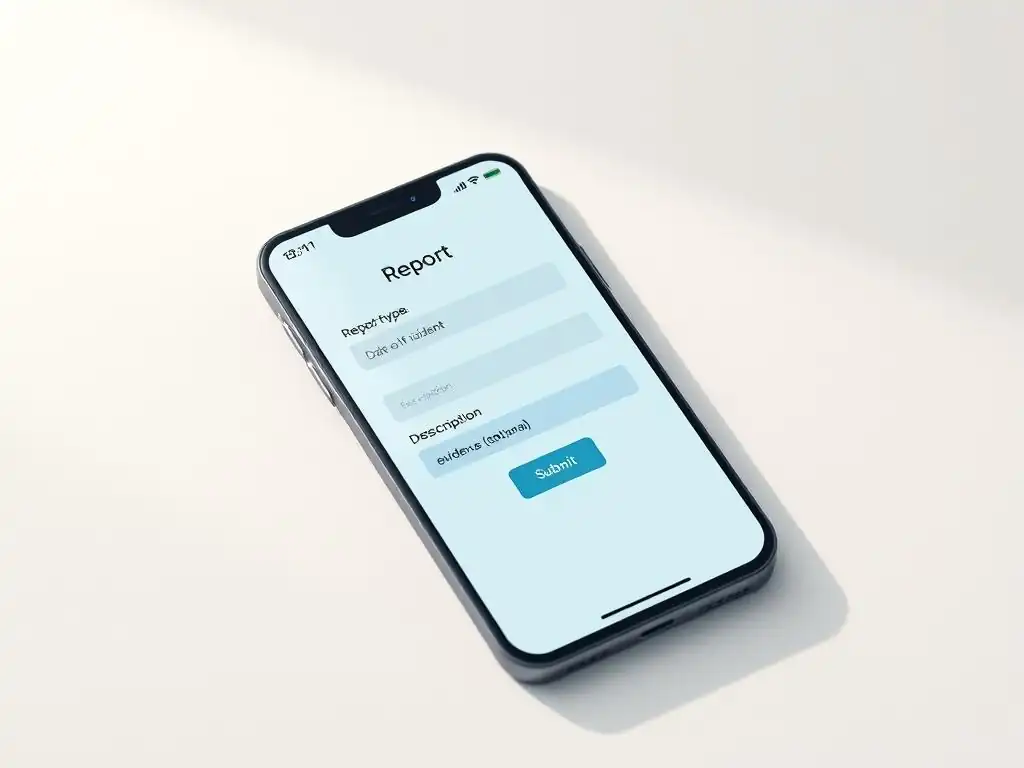
Once you've gathered all the necessary information—screenshots, messages, and timestamps—it's time to submit your report. Most dating apps have a dedicated reporting system, often accessible through a profile settings menu or within the individual user's profile. Look for options like "Report," "Block," "Flag," or similar terminology. The process usually involves selecting the reason for your report (e.g., harassment, scam, inappropriate behavior) and providing the details you've collected.
Be as thorough as possible; the more information you provide, the better equipped the app's moderators will be to investigate. Remember to remain calm and objective in your report, focusing on the facts rather than emotional responses. This helps maintain a professional tone and increases the chances of a successful resolution.
Following up on your report is crucial, especially if you haven't received a response within a reasonable timeframe (this timeframe varies depending on the app's policies, usually stated in their terms of service or FAQ section). Many apps provide a way to check the status of your report or contact customer support for updates. However, understand that investigations can take time, and you may not always receive a detailed explanation of the outcome due to privacy concerns.
If you experience further issues with the same user after reporting them, document the new incidents and submit another report. Remember to keep copies of all your reports and communications with the app's support team for your records. Persistence and clear documentation can significantly improve the chances of a positive resolution in cases of ongoing harassment or scams.
It's also important to remember that not all reports result in immediate action. Dating apps often have a multi-stage process to verify reported incidents before taking action against a user.
Step 5: Additional Resources and Support After Reporting
Reporting inappropriate behavior is a significant step towards ensuring your safety in the online dating world. However, the emotional toll of harassment or scams shouldn't be underestimated. Remember that you're not alone and there are resources available to help you cope and recover. Many dating apps offer links to external resources providing support for victims of online harassment or abuse.
These resources often include helplines, support groups, and advice on managing emotional distress. Additionally, consider reaching out to trusted friends, family, or a therapist for emotional support. Talking about your experience can be a powerful way to process your feelings and regain a sense of control.
Beyond the support provided by dating apps, several organizations specialize in assisting victims of online abuse. Researching reputable organizations in your area or country can provide additional resources and guidance. These organizations may offer legal advice, counseling, or assistance in reporting crimes to law enforcement. Remember that seeking help is a sign of strength, not weakness.
Prioritizing your well-being is essential after experiencing a negative experience on a dating app. Taking proactive steps to protect yourself, both emotionally and physically, is vital for moving forward and maintaining a positive outlook on online dating. The process of reporting and recovering can be challenging, but remember that you deserve to feel safe and secure in your online interactions. 🫂
Effective Reporting Techniques for Maximizing Results
This section focuses on optimizing your reports to dating apps to ensure your concerns are addressed effectively and efficiently. Remember, a well-crafted report significantly increases the chances of a swift and satisfactory resolution. This "Dating app safety reporting guide" section emphasizes the importance of detail, clarity, and evidence in your reporting process. The goal is to empower you to take control of your online dating safety and to help dating apps take appropriate action against harmful users. Let's delve into the specifics.
Providing Complete and Accurate Information in Your Report
Providing comprehensive and accurate information is paramount when reporting issues on dating apps. Incomplete or inaccurate details can hinder the investigation and potentially lead to inaction. Think of your report as a crucial piece of evidence; the more detail you provide, the stronger your case becomes. Consider these key aspects:
- Usernames and Profile URLs: Always include the exact usernames of the individuals involved and, if possible, links to their profiles. This allows the app's moderators to quickly locate the profiles and assess the situation. Screenshots are incredibly helpful here.
- Dates and Times: Specify the exact dates and times when the incident occurred. This helps establish a timeline and allows for accurate tracking of events. Being precise with timestamps enhances the credibility of your report.
- Specific Details of the Incident: Describe the incident clearly and objectively. Avoid emotional language and focus on factual details. For instance, instead of saying "He was incredibly rude," try "He sent multiple unsolicited sexually explicit messages." The latter is far more concrete and actionable.
- Screenshots and other Evidence: As mentioned earlier, screenshots of messages, profile information, or any other relevant evidence are invaluable. These act as irrefutable proof of the incident. Remember to save the original images and not just screenshots of screenshots for optimal quality.
Using Clear and Concise Language to Describe the Incident
Clarity and conciseness are key to effective reporting. Ambiguity can lead to misinterpretations and delays in addressing the issue. Avoid jargon, overly complex sentences, and emotional outbursts. Structure your report logically, presenting the facts in a chronological order.
Here's a helpful structure to follow:
- Introduction: Briefly state the nature of the incident. For example, "I am reporting harassment by user [Username]."
- Description of Events: Detail the events chronologically, focusing on factual information and avoiding subjective opinions.
- Impact: Briefly explain how the incident affected you. For example, "This behavior made me feel unsafe and uncomfortable."
- Request: Clearly state your desired outcome. For example, "I request that [Username]'s account be suspended."
Remember to proofread your report before submitting it. Typos and grammatical errors can undermine the credibility of your report. Strive for precision and professionalism.
Attaching Relevant Evidence to Support Your Claim
Evidence is crucial in substantiating your report. The more evidence you can provide, the more likely the dating app will take appropriate action. This is your opportunity to bolster your claim with concrete proof. Consider these types of evidence:
- Screenshots: As mentioned earlier, screenshots of messages, profiles, or any other relevant information are invaluable. Ensure the screenshots are clear and legible.
- Date and Time Stamps: Include date and time stamps whenever possible to provide context and verify the timeline of events.
- Third-Party Witness Accounts: If there are any witnesses to the incident, include their information (with their consent, of course).
- Other forms of evidence: This could include links to social media profiles (if relevant and if you're comfortable providing this information), or any other documentation that supports your claim.
Remember to maintain a professional tone throughout your report, regardless of the nature of the incident. A well-structured, detailed, and evidence-rich report is your best defense against online harassment and scams. This "Dating app safety reporting guide" aims to equip you with the tools to navigate these challenging situations effectively and confidently.
Knowing What to Expect After Submitting a Report
After submitting a report, patience is key. Dating apps often have a significant volume of reports to process, and investigations can take time. While some platforms provide immediate acknowledgments, others may not offer any immediate feedback. Don't be discouraged by a lack of immediate response; it doesn't necessarily mean your report is being ignored. Many apps employ automated systems to initially triage reports, followed by human review for more serious issues.
The process can vary widely depending on the app and the nature of your report. For instance, a report involving explicit content might receive a quicker response than a report about subtle manipulation tactics. Some apps may send you updates via email or in-app notifications, while others might only take action and leave you uninformed. Understanding this variance is crucial to managing your expectations. Remember, the goal is to get the harmful user off the platform, not necessarily to receive a detailed explanation of the investigative process.
It's also important to be realistic about the outcome. While dating apps strive to maintain safe environments, they cannot guarantee the immediate removal of every reported user. Their response might involve issuing warnings, suspending accounts, or permanently banning users depending on the severity and evidence presented in your report. In some cases, even with compelling evidence, the app may not be able to take action due to limitations in their terms of service or legal constraints.
However, every report contributes to a safer online dating experience for everyone. Your contribution matters, even if you don't see an immediate, visible result. Consider keeping a copy of your report and any supporting evidence for your records.
This can be helpful if you need to follow up later or if the problematic behavior persists. Remember to prioritize your safety and well-being throughout this process. If you feel unsafe or harassed further, consider reaching out to the app's customer support for additional assistance or contact local law enforcement if necessary.
Beyond the App: Additional Safety Measures and Reporting Options

This section expands on reporting mechanisms within dating apps, focusing on proactive safety measures and alternative reporting avenues when app-based reporting proves insufficient. Remember, your safety is paramount. While dating apps offer reporting tools, understanding broader safety strategies and knowing when to involve external authorities is crucial for a positive and secure online dating experience. This guide will help you navigate these crucial steps, empowering you to take control of your online safety. This is a vital part of your Dating app safety reporting guide.
Reporting to Law Enforcement: When to Take Further Action
Dating app scams and harassment can escalate beyond the digital realm. Knowing when to involve law enforcement is critical. While reporting within the app is a first step, consider contacting your local police or the appropriate authorities if:
- You've received credible threats of violence.
- You've been a victim of financial fraud (e.g., significant monetary loss through scams).
- You've experienced stalking or harassment that extends beyond the app, including physical attempts to contact you.
- The app's internal reporting system has been unresponsive or ineffective in addressing the issue.
Remember to document everything: screenshots of messages, profiles, transaction details, and any other relevant evidence. This documentation will be invaluable in assisting law enforcement in their investigation. Providing comprehensive information will significantly increase the likelihood of a successful outcome. Your Dating app safety reporting guide should always include this crucial step.
Blocking and Removing Users from Your Dating App
Blocking and removing problematic users is a crucial first step in safeguarding your online dating experience. Most dating apps offer straightforward blocking mechanisms. This prevents further contact from the offending user. However, simply blocking might not be enough. Many apps allow you to report the user after blocking them, often providing additional context for your report. This dual approach – blocking to stop immediate contact and reporting to alert the app's moderators – is the most effective method. Consider these steps:
- Immediate Action: Block the user immediately upon noticing concerning behavior. Don't wait for the situation to escalate.
- Detailed Reporting: When reporting, provide as much detail as possible, including specific examples of the user's problematic actions and any relevant screenshots.
- Consistency is Key: If you encounter similar behavior from other users, report it consistently. This helps dating apps identify patterns and improve their safety measures. This is an important part of any comprehensive Dating app safety reporting guide.
Remember, you are not alone. Many users experience similar issues. Taking proactive measures, like blocking and reporting, contributes to a safer online dating community for everyone.
Protecting Your Personal Information on Dating Platforms
Protecting your personal information is paramount. Avoid sharing sensitive details like your full address, place of work, or financial information, especially in early stages of online interactions. This is a core element of any Dating app safety reporting guide. Consider these protective measures:
- Privacy Settings: Utilize the privacy settings offered by your dating app to control who can see your profile information.
- Reverse Image Search: Before meeting someone, perform a reverse image search on their profile picture to verify their identity and check for inconsistencies.
- Background Checks: While not always feasible, consider using background check services (where legally permissible and ethically sound) for serious relationships.
- Meet in Public: Always meet in a public place for your first few dates. Inform a friend or family member of your plans, including the time, location, and the person you'll be meeting. Let them know when you've arrived safely and when you're leaving.
By following these guidelines and utilizing available reporting mechanisms, you significantly reduce your risk and contribute to a safer online dating environment. Remember, your safety and well-being are the top priorities.
Resources for Victims of Online Dating Abuse and Harassment
Experiencing harassment or abuse on a dating app can be incredibly isolating and distressing. It's crucial to remember you are not alone and there are resources available to help you navigate this difficult situation. Many organizations offer support, guidance, and legal assistance to victims of online dating abuse.
These resources can provide a safe space to share your experience, understand your rights, and develop a plan for moving forward. The emotional toll of online harassment can be significant, often leading to feelings of anxiety, depression, and self-doubt. Seeking professional help is a sign of strength, not weakness, and can be instrumental in your recovery.
Accessing support can involve several steps. First, consider confiding in a trusted friend, family member, or therapist. Talking about your experience can be cathartic and help you process your emotions. Secondly, explore online resources dedicated to supporting victims of online abuse. These platforms often offer anonymous chat support, informative articles, and connections to legal professionals specializing in online harassment cases. Many offer practical advice on how to document instances of abuse, preserve evidence, and report the incidents to the appropriate authorities. Remember to prioritize your safety and well-being throughout this process.
The specific resources available will vary depending on your location and the nature of the abuse. However, many national and international organizations offer comprehensive support services, including hotlines, online forums, and legal aid. It's important to research the organizations in your area to find those most suited to your needs. Don't hesitate to reach out to multiple resources if necessary; finding the right fit can take time and effort.
Remember, seeking help is a vital step towards reclaiming your safety and well-being after experiencing online dating abuse. Your safety and emotional health are paramount. Taking these steps shows courage and strength, and is essential for your recovery and future well-being. There is hope, and help is available.
Dating App Safety Reporting: FAQs and Common Concerns
This section addresses frequently asked questions regarding the reporting process on dating apps, offering a comprehensive guide to help you navigate potential issues and feel more secure while using these platforms. Understanding the reporting mechanisms and your rights as a user is crucial for a safer online dating experience. This guide aims to empower you to take control and report any concerning behavior effectively.
What Happens After I Submit a Report?
After submitting a report on a dating app, the process typically involves several steps, though the specifics vary depending on the app's policies and procedures. Generally, your report is reviewed by a team of moderators or safety specialists. This team assesses the severity of the issue, the evidence provided (screenshots, messages, etc. ), and the app's terms of service.
The app may take several actions depending on the nature of the report. These could include:
- Account Suspension or Ban: For severe violations like harassment, scams, or doxing, the reported user's account may be suspended or permanently banned from the platform. This is often a swift response to protect other users.
- Warning or Restriction: For less severe violations, the app might issue a warning to the reported user, possibly restricting their activities on the app (like limiting messaging capabilities).
- Investigation: In some instances, particularly complex cases, the app may conduct a more thorough investigation, requiring additional information or time to reach a resolution.
- No Action: Sadly, in some instances, the app may determine that the report doesn't violate their terms of service, or that there isn't enough evidence to take action. This is frustrating, but knowing the process helps you manage expectations.
It's important to remember that the response time and the specific actions taken can vary greatly. Factors such as the volume of reports, the complexity of the situation, and the app's internal processes all play a role. While some apps are quicker to respond than others, patience is often key. Keeping a record of your report (including date, time, and any reference numbers provided) can be beneficial.
How Long Does the Reporting Process Take?
The time it takes to resolve a report on a dating app can vary significantly, ranging from a few hours to several weeks. Several factors influence the duration:
- App's Response Time: Different apps have different levels of staffing and resources dedicated to reviewing reports. Larger apps with dedicated safety teams might resolve issues faster than smaller platforms.
- Complexity of the Report: Simple reports, like those involving clear violations of the app's terms of service, are usually handled more quickly than complex situations requiring extensive investigation.
- Evidence Provided: Providing compelling evidence, such as screenshots, messages, or other supporting documentation, can expedite the process. Vague reports with limited evidence may take longer to resolve.
- Volume of Reports: The app's daily report volume can impact the response time. During peak periods, it might take longer for your report to be reviewed.
While some apps might offer estimated timelines, it's best to be prepared for a range of potential processing times. Regularly checking your app for updates on your report is advisable. Remember, patience is essential; the process is designed to ensure fair and thorough investigations.
What if My Report is Not Resolved to My Satisfaction?
If you're unsatisfied with the outcome of your report, several avenues might be available. First, review the app's help center or FAQ section for information on appealing a decision or escalating your concern. Many apps provide mechanisms for further review or appeals processes.
If the app's internal appeals process doesn't resolve your issue, consider these options:
- Contact Customer Support Directly: Reach out to the app's customer support team directly, explaining your dissatisfaction and providing any additional information that might support your case.
- Report to Law Enforcement: If the issue involves illegal activity (e.g., threats, fraud, stalking), consider reporting it to your local law enforcement authorities. They can investigate the matter and potentially take further action.
- Leave a Review: Sharing your experience (while being mindful of privacy concerns) through an app store review might alert other potential users to potential safety issues. This can help hold the app accountable and prevent others from experiencing similar problems.
- Seek Legal Advice: In severe cases, especially those involving significant financial loss or emotional distress, consulting a lawyer might be necessary to explore legal recourse.
Remember, reporting inappropriate behavior is a crucial step in maintaining a safer online dating environment. Even if you don't achieve immediate satisfaction, persistence and the use of available resources can significantly contribute to a more secure experience for everyone.
Can I Report Anonymously?

Many dating apps prioritize user safety and offer reporting mechanisms. However, the ability to report anonymously varies significantly between platforms. Some apps allow for a degree of anonymity, perhaps obscuring your profile information from the recipient of the report. This is often done to protect users from potential retaliation.
However, complete anonymity is rare. Most apps require some form of identification to verify the report and prevent abuse of the system. This is crucial for investigations and to ensure the safety of other users. Think of it like reporting a crime to the police – while you might not want your name plastered across a newspaper, providing some identifying information helps authorities effectively address the situation.
The level of anonymity offered often depends on the severity of the issue; a minor infraction might allow for more privacy than a serious accusation. Always check the specific app's privacy policy and reporting guidelines for detailed information on their anonymity policies. Remember, even with partial anonymity, your safety is paramount, and reporting is a crucial step in creating a safer online dating environment. Prioritizing your well-being is key, and understanding the app's reporting process will help you make informed decisions.
What types of issues are reportable?
Dating apps typically have a broad range of reportable issues designed to encompass various forms of misconduct. These commonly include:
- Harassment: This can take many forms, from unwanted messages and persistent communication to threats, intimidation, and abusive language. The severity of the harassment will determine the app's response. Repeated instances of minor harassment may result in a warning, while serious threats may lead to account suspension or even legal action.
- Scams: Financial scams, catfishing (using fake profiles), and attempts to solicit personal information are serious offenses. Reporting these helps protect other users from falling victim to similar schemes. Many apps actively monitor for suspicious activity and have dedicated teams to investigate reported scams.
- Impersonation: If you discover someone is impersonating you or another user, immediate reporting is essential. This can severely impact the person being impersonated and damage the trust within the app's community.
- Violation of Terms of Service: Each app has its own terms of service, and violations, such as posting inappropriate content or engaging in prohibited activities, are reportable. Understanding these terms is crucial for maintaining a positive and respectful online dating experience.
- Spam: Excessive or unwanted promotional messages, unsolicited links, or other spam content should be reported to keep the app environment clean and user-friendly.
- Inappropriate Content: This covers nudity, sexually explicit material, hate speech, or any content that violates the app's community guidelines. This is crucial for maintaining a safe and respectful environment for all users.
Remember, reporting these issues is not just about protecting yourself; it's about contributing to a safer online dating experience for everyone. The more users report inappropriate behavior, the better dating apps can identify and address harmful activities, fostering a more positive and trustworthy environment for building connections. Don't hesitate to report anything that makes you uncomfortable or violates the app's guidelines. Your actions can significantly impact the safety of the online dating community.
Staying Safe on Dating Apps: Proactive Strategies
Dating apps offer exciting possibilities for connection, but it's crucial to prioritize your safety. A proactive approach significantly reduces your risk of encountering scams or harassment. This section outlines strategies to minimize potential threats before they arise, complementing the reporting procedures detailed elsewhere. Remember, your safety is paramount.
Tips for Safer Online Dating Practices
Before even considering reporting an issue, establishing safe online dating habits is crucial. This involves more than just using the reporting features; it's about cultivating a culture of safety. Here are some key tips to incorporate into your online dating journey:
- Verify profiles: Don't solely rely on the information presented. Use reverse image searches to check if profile pictures are genuine and haven't been lifted from other sources. Cross-reference details provided with public records if possible, exercising caution and respecting privacy. A discrepancy could signal a potential red flag.
- Start slow: Avoid sharing personal information too early. Don't reveal your full address, workplace, or financial details until you've established a level of trust. This includes avoiding sharing your location in real-time unless you're meeting in a well-lit and public place.
- Meet in public: When deciding to meet offline, always choose a public and well-populated location for your first meeting. Inform a friend or family member of your plans, including the time, location, and the person you're meeting. Have a pre-arranged escape plan if you feel uncomfortable.
- Trust your instincts: If something feels off, it probably is. Don't ignore your intuition. If a match exhibits suspicious behavior, is overly persistent, or makes you feel uneasy, stop communicating and report them. Your safety is always the top priority.
- Utilize app features: Most dating apps provide safety features like blocking and reporting options. Familiarize yourself with these tools and don't hesitate to utilize them. Many apps also offer background check services or verification processes; consider exploring these options to enhance your safety.
- Be mindful of your language: Avoid sharing overly personal or vulnerable information early on. Maintain a respectful and cautious tone in your communication. Remember, online interactions can be easily misinterpreted, and maintaining a professional and safe approach is key.
Creating a Secure Online Dating Profile
Your online dating profile is your first impression. A secure profile minimizes the risk of attracting unwanted attention. Consider these points when crafting your profile:
- Choose photos carefully: Avoid revealing photos that show your home address, license plate, or other identifying information. Opt for well-lit, recent photos that clearly show your face. Consider using photos that don't reveal too much about your daily routine or habits.
- Write a thoughtful bio: Write a profile that accurately reflects your personality and interests without revealing too much personal information. Avoid overly detailed descriptions of your daily routine or habits. Keep it concise and engaging.
- Limit personal information: Don't include your full name, address, phone number, or workplace in your profile. Be mindful about the level of detail you share. Over-sharing can make you a target for scams or harassment.
- Regularly review your profile: Periodically review your profile for any information you might have inadvertently shared that could compromise your safety. Ensure that your profile is up-to-date and reflects your current preferences.
Communicating Safely and Responsibly with Matches
Safe communication is crucial throughout the dating process. Here's how to navigate interactions responsibly:
- Be cautious about sharing personal details: Don't share sensitive information like your home address, financial details, or social security number. Avoid revealing details that could be used to identify or locate you easily.
- Report suspicious behavior immediately: If a match engages in harassing, abusive, or threatening behavior, report it immediately to the dating app and consider blocking them. Document any concerning interactions, including screenshots.
- Maintain control over the conversation: You have the right to end conversations that make you uncomfortable. Don't feel pressured to continue communicating with someone who makes you feel unsafe. Remember, you are in control.
- Verify information: If a match claims to have a specific profession or lifestyle, don't hesitate to verify this information using publicly available resources. Unverified claims could be a red flag.
- Be aware of red flags: Be cautious of individuals who are overly persistent, ask for financial assistance, or try to pressure you into meeting in private locations. These can be significant indicators of malicious intent. Trust your gut; if something feels wrong, it probably is.
Remember, creating a safe online dating experience is an ongoing process requiring vigilance and proactive measures. By combining these strategies with the reporting mechanisms provided by dating apps, you can significantly improve your online safety and enjoy the benefits of online dating with greater peace of mind.
Recognizing and Avoiding Dating Scams
Dating apps, while offering exciting possibilities for connection, unfortunately also attract individuals with malicious intent. Understanding common dating scams is the first step towards protecting yourself. Scammers often employ sophisticated techniques to manipulate their victims, so vigilance is key. One prevalent tactic involves creating fake profiles with stolen photos and fabricated biographies.
These profiles often portray an idealized version of themselves, emphasizing wealth, success, and emotional availability. The scammer will then gradually build rapport, fostering a sense of trust and intimacy before making a request for money or personal information. This request might initially seem innocuous, perhaps a plea for help with an unexpected emergency or an investment opportunity that promises significant returns. However, once money is sent, the scammer disappears, leaving the victim financially and emotionally devastated.
Another common scam involves "catfishing," where scammers use fake online identities to lure victims into relationships. They may use photos of other people, often models or actors, to create an alluring persona. The relationship progresses rapidly, but the scammer avoids meeting in person, always finding an excuse to delay or cancel planned encounters. They may also use emotional manipulation to keep the victim invested, making them feel guilty or ashamed if they express any doubts or concerns. The ultimate goal is often to gain the victim's trust and then exploit them emotionally or financially.
It's crucial to remember that legitimate relationships develop gradually, and genuine connections don't require significant financial investment early on. Be wary of individuals who quickly profess deep feelings or ask for money under any pretense. Always verify the identity of someone you meet online through independent sources, and never share sensitive personal information, such as your bank details or social security number, with someone you haven't met in person and thoroughly vetted. Remember, if something feels too good to be true, it probably is.
Trust your instincts; if a situation feels off, it's perfectly acceptable to end communication immediately. Protecting yourself from online scams requires awareness, caution, and a healthy dose of skepticism. Learning to recognize these red flags is paramount in safeguarding your well-being and finances within the online dating world. Prioritize your safety and don't hesitate to report suspicious activity to the dating app's support team.
Frequently Asked Questions
What should I report on dating apps?
You should report any behavior that violates the app's terms of service, including harassment, threats, spam, scams, or inappropriate content. Reporting ensures the platform can take action to protect other users.
How do I report a user on a dating app?
Most apps have a report button within each user's profile or message thread. Look for icons like a flag or an exclamation mark. Follow the app's instructions to submit your report with details.
What information should I include in my report?
Include as much specific information as possible, such as screenshots, dates, times, and the user's profile information. The more detail you provide, the better the app can investigate.
Will the dating app take action after I submit a report?
Dating apps usually have a process for reviewing reports. While they can't guarantee immediate action, they typically investigate and may take measures like banning the user or deleting inappropriate content.
What if I'm feeling unsafe after reporting someone?
If you feel unsafe or threatened, contact your local authorities immediately. You can also reach out to support services or helplines for additional support and guidance.
Final Reflection: Reclaiming Control: Your Safety, Your Voice
The ability to report issues effectively on dating apps is no longer a luxury; it's a fundamental necessity for online safety. In a world increasingly reliant on digital connections for romance, understanding the reporting mechanisms and wielding them confidently is crucial for protecting yourself and fostering a safer online dating environment for everyone. This knowledge empowers you to take control of your experience and contribute to a positive shift in online interactions.
The impact of easily accessible and effective reporting systems on dating apps cannot be overstated. It's not just about individual safety; it's about building a culture of accountability. The only way to fight injustice is to expose it.
This quote rings true in the context of online dating, where silence allows harmful behavior to persist. My own research into this topic has underscored the importance of user education and the power of collective action in creating safer spaces. We must continue to advocate for improved reporting mechanisms and transparent accountability from app developers.
You are the architect of your online safety. Take the knowledge gained from this guide and actively participate in creating a healthier digital dating landscape. Don't hesitate to report any concerning behavior, no matter how small it may seem. Your voice matters, and your safety is paramount. Remember, by reporting issues, you are not only protecting yourself but also contributing to a safer community for others. Empower yourself, and empower others.
Take Control: Secure Your Online Dating Experience
Thank you for learning how to report issues on dating apps! You've gained valuable knowledge to navigate online dating more safely. Let's put this knowledge into practice.
- Report any concerning behavior immediately: Don't hesitate; your safety is paramount, and your report can help protect others.
- Share this article with friends and family: Help spread awareness and empower others to stay safe online.
- Share your experiences (positive or negative) with reporting mechanisms in the comments below; your feedback could be invaluable to others.
What concrete step will you take today to improve your online dating safety?