
Online Dating Safety: 10 Red Flags You Must Never Ignore Before Meeting


Ready to transform your online dating experience? At OnlineDatingSuccess.org, we empower you to navigate the world of digital romance with confidence. But before you dive in, it's crucial to know the signs of trouble. This is why we're highlighting online dating safety red flags—ten critical signals you should never ignore before meeting someone you've met online. Discover how to protect yourself and build meaningful connections, starting now.
- Understanding Online Dating Safety Red Flags: Protecting Yourself from Harm
-
10 Major Red Flags in Online Dating Profiles & Communication
- Red Flag #1: Inconsistencies and Missing Information in Their Profile
- Red Flag #2: Pressure for an Immediate Meeting or Offline Interaction
- Red Flag #3: Excessive Compliments and Idealization Too Early in Communication
- Red Flag #4: Avoidance of Video Calls or Virtual Meetings
- Red Flag #5: Requests for Financial Assistance or Gifts
- Red Flag #6: Suspicious or Vague Employment Details
- Red Flag #7: Overly Private or Secretive Behavior
- Red Flag #8: Aggressive or Controlling Language in Messages
- Red Flag #9: Unrealistic Promises and Expectations
- Red Flag #10: A Sense of Unease or "Something's Not Right"
-
Safe Meeting Practices: Reducing Risks When Meeting Your Online Date
- Choosing Safe Meeting Locations for Online Dating Encounters
- Informing Friends or Family About Your Meeting Plans: Safety First
- Using Public Transportation or Driving Yourself: Maintaining Control
- Establishing Clear Boundaries and Expectations Before Meeting
- Trusting Your Instincts: Recognizing and Responding to Danger Signs
- Additional Tips for Online Dating Safety
-
Frequently Asked Questions
- What are some common red flags to watch out for in online dating?
- How can I verify the information provided by someone I met online?
- What should I do if I feel uncomfortable or unsafe during online interactions?
- How important is meeting in a public place for the first date?
- What are some strategies to protect my personal information while online dating?
- Final Reflection: Navigating the Digital Landscape of Love
- Level Up Your Dating Safety: Take Control Now!
Understanding Online Dating Safety Red Flags: Protecting Yourself from Harm
Online dating offers exciting possibilities for connection and romance, but it's crucial to approach it with caution. Navigating the world of online dating requires awareness and vigilance to protect yourself from potential harm. This article focuses on identifying key red flags – those subtle yet significant warning signs that can indicate a dangerous or manipulative individual.
Ignoring these red flags can lead to unpleasant experiences, emotional distress, or even physical danger. Understanding these warning signs is paramount to ensuring your safety and well-being while seeking a meaningful connection online. We'll explore ten critical red flags you should never ignore before agreeing to meet someone you've met online, empowering you to make informed decisions and prioritize your safety throughout your online dating journey.
This guide is designed to equip you with the knowledge and tools necessary to navigate the online dating landscape confidently and securely, fostering a positive and safe experience. Remember, your safety is your top priority.
Recognizing the Warning Signs: Early Detection of Potential Risks in Online Dating
Identifying potential risks early on is crucial in online dating. Many red flags manifest themselves subtly, often masked by charm or seemingly innocent behavior. Learning to recognize these early warning signs can help you avoid dangerous situations and protect your emotional and physical well-being. Here are some examples of early red flags to watch out for:
- Inconsistent information: Do their profile pictures and descriptions seem contradictory or unrealistic? Do they provide vague or conflicting answers to your questions about their life and background? Discrepancies are a major red flag.
- Pressure to meet quickly: Are they pushing for an in-person meeting before you've had a chance to properly get to know each other? A healthy relationship develops gradually, and rushing the process can be a warning sign.
- Excessive flattery or idealization: Do they shower you with excessive praise and compliments, painting an unrealistic picture of your compatibility? This might be a tactic to manipulate you.
- Avoidance of video calls: Are they consistently making excuses to avoid a video call? A reluctance to show their face could indicate they are hiding something.
- Overly secretive or evasive: Do they avoid answering direct questions about their personal life or past relationships? This lack of transparency can be a major red flag.
- Grammar and spelling errors in their communication: While not always a definitive sign, numerous errors, especially in a profile supposedly written by an educated adult, could raise concerns about their authenticity.
The Importance of Safe Online Dating Practices: Avoiding Dangerous Situations
Prioritizing safe online dating practices is not just about avoiding scams; it's about protecting your overall well-being. By implementing safety measures and remaining vigilant, you significantly reduce your risk of encountering dangerous individuals or situations. Remember, your safety should always come first. Failing to prioritize safety can lead to a range of negative consequences, from emotional distress to physical harm.
- Always meet in a public place: Never agree to meet someone at their home or a secluded location. Choose a well-lit, public area where others are present.
- Let someone know your plans: Inform a friend or family member of your date's name, contact information, where you're meeting, and when you expect to be back.
- Have your own transportation: Don't rely on your date for transportation to and from the meeting. This gives you more control over the situation.
- Trust your instincts: If something feels off or makes you uncomfortable, don't hesitate to leave the date. Your intuition is a powerful tool.
- Be aware of your surroundings: Pay attention to your environment and be mindful of your safety throughout the date.
Remember, online dating safety is a continuous process. Staying informed and practicing caution are key to a positive and secure experience. By recognizing these red flags and implementing safe practices, you can significantly increase your chances of meeting genuine and compatible partners online.
10 Major Red Flags in Online Dating Profiles & Communication
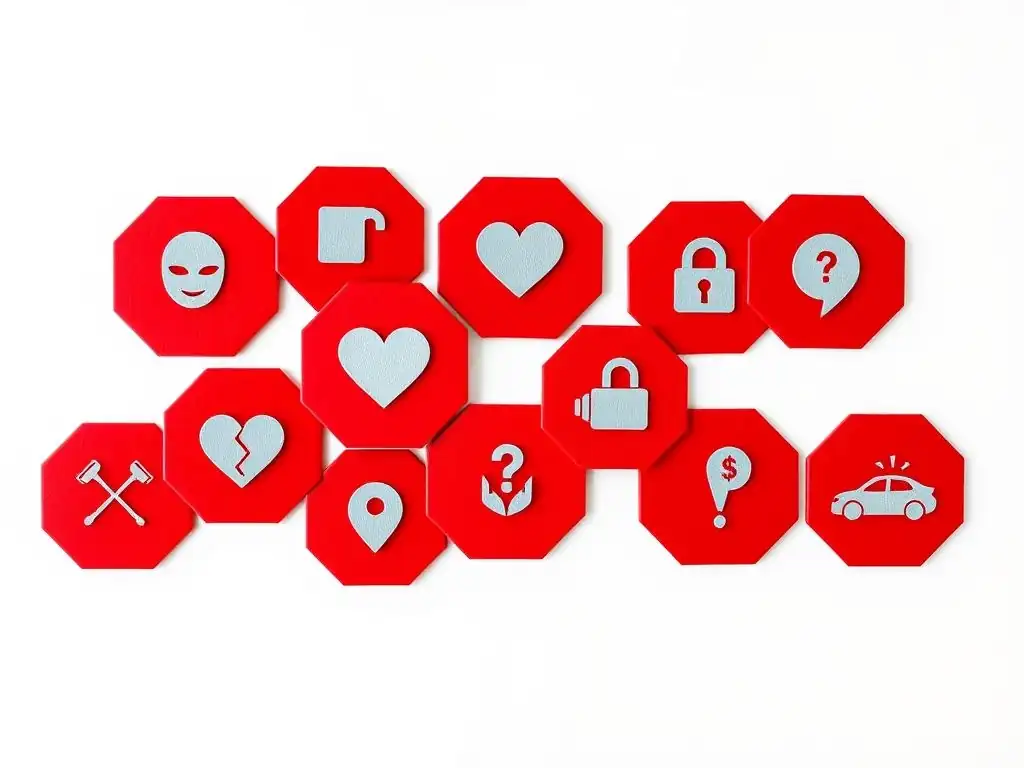
This section delves into ten crucial red flags to watch out for when navigating the world of online dating. Ignoring these warning signs can significantly impact your online dating safety and potentially lead to dangerous situations. Remember, your safety is paramount. Prioritizing your well-being should always be your top priority when interacting with strangers online. This list focuses on identifying potential problems before you even consider a face-to-face meeting. Learning to recognize these red flags is a crucial step in enhancing your online dating safety.
Red Flag #1: Inconsistencies and Missing Information in Their Profile
A profile lacking detail or riddled with inconsistencies should raise immediate concerns. A profile with minimal information, vague descriptions, or contradictory statements often signals a lack of authenticity. For example, a profile claiming a love for hiking and outdoor activities but showcasing only indoor photos should trigger suspicion. Similarly, discrepancies between the information provided in the profile and what they share during conversations are major red flags. Pay close attention to details.
Do their stated profession and lifestyle align with their photos and descriptions? Are there gaps in their timeline or inconsistencies in their stories? A thorough and honest profile is a sign of trustworthiness; a lack thereof suggests something is amiss. This is a critical aspect of online dating safety. Remember, verifying information is key to protecting yourself.
Red Flag #2: Pressure for an Immediate Meeting or Offline Interaction
Legitimate connections develop organically. Anyone pushing for an in-person meeting too early in the online communication process is a significant red flag. This behavior often indicates ulterior motives. They might be avoiding scrutiny or seeking to expedite a potentially harmful interaction. A healthy online dating relationship involves building trust gradually through consistent communication.
Be wary of anyone who avoids detailed conversations or tries to steer the interaction quickly offline. They might be trying to circumvent the safety mechanisms inherent in the online platform. Prioritize building a relationship based on trust and mutual understanding – this is paramount to online dating safety. Never feel pressured to meet someone before you're comfortable.
Red Flag #3: Excessive Compliments and Idealization Too Early in Communication
While genuine compliments are flattering, excessive praise and idealization, especially early in the communication phase, should be viewed with caution. This behavior can be a tactic to manipulate or groom potential victims. Such individuals might shower you with unrealistic compliments, making you feel special and loved without truly knowing you. This overly enthusiastic behavior often masks a lack of genuine interest.
Instead, look for individuals who engage in meaningful conversations, showing interest in your thoughts, opinions, and experiences, rather than showering you with empty flattery. This is a key aspect of maintaining your online dating safety. Remember, healthy relationships are built on mutual respect and authentic connection, not excessive compliments and unrealistic expectations.
Red Flag #4: Avoidance of Video Calls or Virtual Meetings
Many online daters prioritize safety by suggesting a video call before an in-person meeting. This allows you to verify their identity and see if their profile pictures accurately reflect their current appearance. A persistent refusal to engage in a video chat, especially after several text or messaging exchanges, should raise significant concerns. They may be hiding something—perhaps their true identity, age, or physical appearance doesn't match their profile.
Remember, genuine individuals are usually happy to connect visually, fostering a more authentic connection and enhancing safety. Consider this a serious red flag; if they're unwilling to video chat, it's best to move on. Don't fall for excuses; consistent avoidance speaks volumes. Prioritizing your safety should always outweigh the desire for a quick connection.
Trust your instincts—if something feels off, it probably is. This simple precaution can save you from potentially dangerous situations. Numerous cases have shown that video verification is a crucial step in weeding out fraudulent profiles and protecting yourself from harm.
Red Flag #5: Requests for Financial Assistance or Gifts
This is a classic scam tactic. Be extremely wary of anyone who asks for money, gift cards, or any form of financial assistance, regardless of how compelling their story might seem. Legitimate relationships are built on mutual respect and support, not on one person financially supporting the other. They may invent elaborate scenarios involving emergencies, debts, or unexpected expenses to manipulate your emotions and gain your sympathy.
Never send money to someone you've only met online, no matter how much you believe their fabricated plight. Remember, online dating should be about building connections, not funding someone else's lifestyle. Report such individuals immediately to the dating platform and block them.
Protecting your finances is just as important as protecting your personal safety. This is a clear sign of a potential scammer, and avoiding such interactions is crucial for your financial and emotional well-being. Don't let your empathy blind you to their manipulative tactics.
Red Flag #6: Suspicious or Vague Employment Details
Inconsistencies or vagueness regarding employment details should prompt caution. While not always indicative of malicious intent, a lack of clarity can be a red flag, especially when combined with other warning signs. Be wary of individuals who provide overly generic job descriptions or avoid answering direct questions about their work.
A legitimate individual is usually happy to share details about their profession, even if it's a sensitive matter. However, consider the context; if their claims seem fabricated or too good to be true, it is important to remain vigilant. For example, vague descriptions like "I work in finance" or "I'm self-employed" without further explanation can be cause for concern.
It's crucial to assess the overall consistency of their profile and communication – if their employment details are suspiciously vague while other aspects of their profile seem overly polished, it might indicate a lack of authenticity. Pay attention to details and trust your intuition. Thorough vetting is key to online dating safety.
Red Flag #7: Overly Private or Secretive Behavior
Overly private or secretive behavior online can be a major red flag in online dating. While some level of privacy is understandable and even healthy in the early stages of getting to know someone, excessive secrecy can be a warning sign. This isn't about someone being shy; it's about a deliberate lack of transparency that raises concerns. For example, a profile with few pictures, vague biographical information, or a refusal to answer simple questions about their life should trigger caution.
They might avoid discussing their job, hobbies, or even where they live, offering flimsy excuses. This evasiveness can indicate an attempt to conceal their true identity or activities, potentially masking a dishonest motive or even criminal behavior. Remember, healthy relationships are built on trust and openness. If someone is consistently unwilling to share even basic information, it's a significant cause for concern regarding online dating safety.
Consider this: would you feel comfortable moving forward with someone who is so guarded about their personal life? The answer should be a resounding no. Prioritize your safety and well-being; don't hesitate to move on from someone who exhibits this kind of behavior. Trust your instincts – if something feels off, it probably is.
Red Flag #8: Aggressive or Controlling Language in Messages

Aggressive or controlling language in messages is a serious online dating safety red flag. This isn't just about occasional bluntness; it's about a pattern of behavior that exhibits possessiveness, dominance, and a lack of respect for boundaries. Watch out for messages that are overly demanding, insistent, or that try to pressure you into doing something you're not comfortable with. Examples include demanding immediate responses, criticizing your choices or opinions, or making threats, either implicitly or explicitly.
Controlling behavior often escalates, so even seemingly minor instances of this behavior should not be ignored. This behavior online is a strong indicator of potential for abusive behavior offline. Remember, healthy communication is respectful and balanced.
If someone's messages make you feel uncomfortable, anxious, or threatened, it's crucial to stop communicating and report them if necessary. Your safety and emotional well-being should always be your top priority. Don't tolerate aggressive or controlling behavior from anyone you meet online.
Red Flag #9: Unrealistic Promises and Expectations
Unrealistic promises and expectations are a common tactic used by individuals with malicious intent in online dating. They often present an idealized version of themselves, promising the world – a fairytale romance, immediate financial stability, or a quick path to happiness. These promises often lack any basis in reality and are designed to manipulate and exploit their target. For instance, someone might promise marriage after only a few online conversations or claim to have immense wealth or connections, yet lack evidence to support their claims.
These individuals often use flattery and emotional manipulation to build trust and gain your confidence before asking for favors, money, or personal information. Remember, genuine connections take time and effort to develop. If someone is making grand promises too early in the dating process, be wary. Scrutinize their claims, look for inconsistencies, and don't be afraid to ask probing questions.
If their responses are vague or evasive, it's a strong indicator that something isn't right. Prioritize building a relationship based on mutual respect, honesty, and realistic expectations, not on fantastical promises that are too good to be true. In the world of online dating safety, skepticism is your best friend.
Red Flag #10: A Sense of Unease or "Something's Not Right"
Trust your gut. This is perhaps the most important red flag of all, and it transcends specific behaviors or inconsistencies. If something feels off, even if you can't pinpoint exactly what it is, that's a significant warning sign. Your intuition is a powerful tool honed by years of experience navigating social interactions.
Don't dismiss it lightly. That feeling of unease could stem from a multitude of subtle cues—a discrepancy in their narrative, a hesitant response to a simple question, an overly aggressive or overly passive communication style, or even just a general feeling of discomfort. These subtle signs, when taken together, can paint a more concerning picture than any single, obvious red flag.
For example, consider a profile that boasts impressive achievements but lacks supporting details or evidence. While some level of modesty is understandable, a complete lack of verifiable information could indicate deception. Or perhaps their communication style shifts dramatically from one interaction to the next. One moment they're charming and engaging, the next they're distant and unresponsive. These inconsistencies should raise your suspicion. Remember, online dating safety is not just about avoiding outright scams; it's about protecting your emotional well-being and avoiding potentially harmful relationships.
If you feel uneasy, don't proceed. It's better to err on the side of caution. Prioritizing your safety and emotional well-being is paramount in the online dating world. Learning to recognize and trust your intuition is a crucial skill in online dating safety. Remember, your safety and peace of mind are invaluable. Never ignore that gut feeling that something isn't quite right.
Safe Meeting Practices: Reducing Risks When Meeting Your Online Date
This section focuses on practical strategies to minimize risks when transitioning from online interactions to in-person meetings. Remember, your safety is paramount. Prioritizing secure meeting practices is crucial for a positive and safe online dating experience. Understanding and implementing these strategies significantly reduces the chances of encountering dangerous situations. Let's explore some key aspects of safe meeting practices.
Choosing Safe Meeting Locations for Online Dating Encounters
Selecting the right location for your first meeting is a critical step in ensuring online dating safety. Avoid secluded or private places. Instead, opt for well-lit, public areas where others are present. Consider these options:
- Popular Coffee Shops or Restaurants: These offer a bustling atmosphere and plenty of people around, deterring any potential unwanted behavior. The presence of staff also provides an added layer of security. Choose places you are familiar with, allowing you to feel more comfortable and in control.
- Busy Parks During Daytime: While parks can be pleasant, choose well-traveled areas during daylight hours. Avoid secluded trails or benches. The visibility ensures others are nearby, potentially deterring any harmful intentions.
- Public Libraries or Bookstores: These locations usually have staff present and offer a safe, public environment conducive to conversation.
- Museums or Art Galleries: Similar to libraries, these venues are typically well-lit, monitored, and attract a diverse crowd.
Avoid meeting at your home or your date's home for the first encounter. This significantly increases your vulnerability. Remember, a public, well-lit location is always the safest choice for an initial meeting. Prioritize your safety above all else. Trust your instincts; if a location feels unsafe, choose another. The goal is to feel comfortable and secure throughout the meeting.
Informing Friends or Family About Your Meeting Plans: Safety First
Transparency with your support network is essential for online dating safety. Before meeting your online date, share your plans with a trusted friend or family member. This includes:
- The Date, Time, and Location: Provide precise details so they know where to reach you if needed.
- Your Date's Name and Contact Information: Share the name and phone number (if available) of the person you are meeting. This allows your contact to easily reach you or your date if something goes wrong.
- A Check-In Time: Set a specific time to check in with your contact after the meeting. If you haven't checked in by that time, they know to take action. This simple step can be life-saving.
- Emergency Contact Information: Ensure that your friend or family member has access to your emergency contacts and knows how to reach them.
This seemingly simple act provides a crucial safety net. It allows someone to monitor your well-being and take action if necessary. Don't underestimate the importance of this step in ensuring your online dating safety. It’s better to be overly cautious than to regret not taking these precautions.
Using Public Transportation or Driving Yourself: Maintaining Control
Maintaining control over your transportation is another critical aspect of online dating safety. Avoid relying on your date for transportation, especially during the initial meeting. This allows you to leave whenever you feel uncomfortable, without feeling obligated or dependent on your date.
- Public Transportation: Utilizing public transportation provides a safe and readily available escape route. You are not confined to a vehicle with your date, giving you greater autonomy and control.
- Driving Yourself: Driving yourself offers the ultimate control. You can leave at any point without needing to coordinate with anyone else. This also allows you to choose your route and avoid potentially unsafe areas.
- Ride-Sharing Services: While convenient, ensure you use reputable ride-sharing apps and share your trip details with your trusted contact.
Never feel pressured to compromise your safety for convenience. Maintaining control over your transportation is key to ensuring a secure and positive online dating experience. Prioritizing your safety should always be your top priority. Remember, feeling empowered and in control is a significant factor in mitigating risks associated with online dating.
Establishing Clear Boundaries and Expectations Before Meeting

Before you even think about meeting your online date in person, establishing clear boundaries and expectations is paramount for your safety. This isn't about being overly cautious; it's about being smart. Open communication is key to a successful and safe first meeting. Discuss the location, time, and duration of the date beforehand. Let a trusted friend or family member know where you're going, who you're meeting, and when you expect to be back. This simple step can be a lifesaver.
Consider the public nature of your meeting spot. A well-lit, public place like a coffee shop or restaurant is always preferable to a secluded location. Avoid meeting at someone's home, especially on a first date. It's also wise to have a pre-arranged escape plan. Maybe you'll call a friend to "check in" at a specific time, or have a code word to signal you need help.
Planning ahead minimizes impulsive decisions in potentially stressful situations. Remember, it’s okay to decline a date if the proposed location or circumstances make you uncomfortable. Your safety is always the priority. Prioritize dates in public areas, where you won't feel isolated or trapped. This simple precaution greatly reduces the risk associated with online dating.
Furthermore, be upfront about your expectations for the date. Are you looking for a casual coffee, or something more serious? Setting these expectations early prevents misunderstandings and potential disappointments that could escalate into uncomfortable situations. Be clear about what you’re comfortable with, and don’t be afraid to communicate your boundaries.
For example, if you're not comfortable with physical intimacy on a first date, communicate that clearly. Don't feel pressured to do anything that makes you uncomfortable, no matter how charming your date may seem. Remember, healthy relationships are built on mutual respect and clear communication. Setting these boundaries not only protects your safety but also fosters a more positive and respectful dating experience.
Trusting Your Instincts: Recognizing and Responding to Danger Signs
Your intuition is a powerful tool, often picking up on subtle cues that your conscious mind might miss. If something feels off, even if you can't pinpoint exactly why, trust your gut. This is crucial in online dating safety. A seemingly harmless comment or behavior might be a red flag. For instance, if your date is overly aggressive in their communication, pressures you to meet quickly, or is evasive about personal details, these are all potential warning signs. Don't dismiss these feelings as mere nervousness; they might be your subconscious alerting you to a potential threat.
Consider the information your date has shared. Inconsistencies or discrepancies in their story could indicate deception. Do their online profiles match their in-person demeanor? If there are significant differences, it’s a cause for concern. Pay attention to their body language during your interactions. Are they constantly checking their phone or appearing distracted?
Do they seem overly controlling or possessive? These nonverbal cues can often reveal more than words. Remember, a genuine connection should feel natural and comfortable, not forced or unsettling. If you notice any of these warning signs, don't hesitate to end the date. Your safety is far more important than politeness.
Responding to these danger signs effectively involves prioritizing your well-being. If you feel uncomfortable or unsafe at any point during the date, remove yourself from the situation immediately. Don't be afraid to be assertive and let your date know that you're leaving. If you feel threatened, call for help, whether it's a friend, family member, or the authorities.
Having a pre-arranged safety plan, as mentioned earlier, can be invaluable in such situations. Remember, your safety is never an overreaction. Prioritizing your well-being is the most important aspect of online dating safety. Trusting your instincts and acting decisively can help you avoid potentially dangerous situations.
Additional Tips for Online Dating Safety
This section expands on recognizing red flags by offering proactive strategies to enhance your online dating safety. Remember, prevention is key when navigating the complexities of online dating. Being proactive significantly reduces your risk. These additional tips complement the ten red flags already discussed, providing a more comprehensive approach to online dating safety. Understanding these proactive measures will help you avoid potential dangers and build trust more effectively.
Verifying Information: How to Check Your Date's Background
Before agreeing to meet anyone you've connected with online, take the time to verify their information. Don't rely solely on what they've presented on their profile. Catfishing and misrepresentation are unfortunately common occurrences. A thorough check can significantly reduce your risk.
Several methods exist for verifying information. Start by performing a simple Google search using their name and any other identifying information they've provided, such as their profession or location. Look for inconsistencies or anything that raises suspicion. Cross-reference this information with their social media profiles (if they've shared them) to ensure consistency. Discrepancies could be a major red flag.
Consider using professional background check services if you're particularly concerned. These services offer more in-depth reports, including criminal records and other relevant information. However, remember to be mindful of privacy laws and only use reputable services. It's crucial to weigh the potential benefits against the privacy implications.
Remember, thorough verification isn't about being distrustful; it's about being responsible and proactive in protecting your well-being. Taking these steps can greatly increase your safety and peace of mind before you meet for the first time.
Using Reverse Image Search to Identify Potential Catfishing
One of the most effective ways to detect catfishing is by using a reverse image search. Many people use fake or stolen photos on their dating profiles. A reverse image search allows you to determine the original source of an image and check if it's being used elsewhere online.
To perform a reverse image search, simply upload the image to a search engine like Google Images, TinEye, or Yandex Images. These engines will then search their database for matching images. If the image appears on multiple dating profiles or websites, or if the image's metadata suggests a different source, it's a strong indication of potential catfishing. This simple technique can save you from potentially dangerous situations.
Pay close attention to the results. Do the results align with the person's profile information? If the image shows up on unrelated sites, or if the metadata shows a different location or date, it's a significant red flag. The more discrepancies you find, the more likely you're dealing with a fake profile. This method empowers you to take control of your safety.
Utilizing Online Dating Safety Apps and Resources
Several apps and resources are specifically designed to enhance online dating safety. These tools offer various features, from background checks to in-app safety features. Research and choose reputable apps that align with your needs and priorities.
Some apps offer features like location sharing with trusted contacts, allowing friends and family to monitor your whereabouts during dates. Others provide tools to report suspicious behavior or block users directly within the platform. This adds an extra layer of security.
Remember that no app can guarantee complete safety, but they can significantly enhance your security measures. Using a combination of these apps and the other tips mentioned in this article will create a more comprehensive safety net for your online dating experience. Prioritizing your safety should always be your top priority. Always be vigilant and trust your instincts. If something feels wrong, it probably is.
Frequently Asked Questions
What are some common red flags to watch out for in online dating?
Some common red flags include inconsistent information in their profile, pressure to meet quickly, avoidance of video calls, excessive flattery or compliments, and demanding personal information too soon. Always trust your gut feeling.
How can I verify the information provided by someone I met online?
Try reverse image searching their photos to check for authenticity. You can also subtly check details they've shared against public records or social media. Never share sensitive information before you are certain of their identity.
What should I do if I feel uncomfortable or unsafe during online interactions?
Immediately stop communicating with the person. Report the profile to the dating platform and block their contact details. Consider contacting a friend or family member to let them know what's happening.
How important is meeting in a public place for the first date?
Meeting in a public, well-lit location for your first date is crucial for safety. This allows for easy escape if needed and provides a sense of security. Let a friend or family member know where you are going and when to expect you back.
What are some strategies to protect my personal information while online dating?
Avoid sharing sensitive details like your full address, workplace, or financial information too early. Be cautious about clicking links or downloading attachments from unknown senders. Use a strong and unique password for your dating profile and enable two-factor authentication where possible.
The ease and accessibility of online dating have revolutionized romance, but this convenience comes at a cost. Ignoring the potential dangers lurking within the digital world can have devastating consequences. The red flags detailed in this article aren't mere cautions; they are crucial safeguards for protecting your physical and emotional well-being in the pursuit of connection.
The impact of online dating safety awareness is far-reaching, influencing not only individual experiences but also shaping the broader cultural conversation around online interactions. We've moved beyond simply accepting the risks; now, a growing awareness demands proactive measures. The best love is the kind that awakens the soul; that makes us reach for more, that plants a fire in our hearts and brings peace to our minds.
This quote, while romantic, highlights the importance of ensuring that the pursuit of love doesn't lead to harm. We must cultivate a culture of informed consent and responsible online behavior to protect ourselves and others.
You, the reader, now hold the power to shape your online dating journey. Don't simply scroll through profiles passively; actively engage with the information presented, critically assessing potential matches. Remember the red flags discussed, and trust your intuition. By prioritizing your safety and well-being, you can navigate the digital landscape of love with confidence, embracing the potential for genuine connection while safeguarding against potential harm. Your safety is not a secondary concern; it is the foundation upon which a healthy and fulfilling relationship can be built.
Level Up Your Dating Safety: Take Control Now!
Thank you for learning about online dating safety! We hope this information has empowered you to approach dating with greater confidence. Now, let's put that knowledge into practice.
Here's how you can continue prioritizing your well-being:
- Create a personalized safety plan: Reflect on potential risks and tailor your approach to your dating habits. This proactive strategy will help you make safer choices.
- Share this article: Spread awareness and help others navigate online dating more safely and confidently. Even a simple share can make a significant difference.
- Join our online community (optional): Connect with other daters, share experiences, and learn from one another. It's a supportive environment where you can ask questions and gain valuable insights.
Ready to create a safer and more fulfilling online dating experience? What's the first safety measure you'll implement?