
Dating App Safety: Protect Yourself From Fake Profiles

Ready to transform your online dating experience from frustrating to fulfilling? At OnlineDatingSuccess.org, we empower you to navigate the world of online romance with confidence. But first, let's address a critical concern: safety. This article delves into crucial dating app profile safety tips, equipping you with the knowledge to avoid scams and create a secure online dating journey. Discover how to identify fake profiles and protect yourself – and unlock the potential for meaningful connections. Let's get started!
-
Recognizing Fake Dating App Profiles: Red Flags & Warning Signs
- Spotting inconsistencies in dating app profiles: Photos, bios, and information.
- Identifying common scammer tactics and techniques used to lure victims.
- Beware of overly perfect profiles: unrealistic expectations and fabricated details.
- Suspicious communication patterns: unusual requests and overly fast progression.
- Reverse image search: verifying profile pictures authenticity.
-
Essential Dating App Profile Safety Tips: Protecting Your Personal Information
- Protecting your personal data: avoiding sharing sensitive information online.
- Securing your accounts: strong passwords and two-factor authentication.
- Limiting profile visibility: controlling who can see your profile and contact you.
- Avoiding sharing location details: protecting your privacy and safety.
- Being cautious about sharing contact information: verifying the authenticity of connections.
-
Safe Communication Practices on Dating Apps: Avoiding Scams and Phishing Attempts
- Recognizing phishing attempts and suspicious links: avoiding malware and scams.
- Avoiding financial transactions: protecting yourself from money scams.
- Maintaining healthy boundaries: setting clear expectations and limits.
- Using the app's reporting features: reporting suspicious profiles and activities.
- Knowing when to block and report users: protecting yourself from harassment.
- Resources and Further Information: Staying Safe Online
- Frequently Asked Questions
- Final Reflection: Navigating the Digital Dating Landscape Safely
- Unmask the Truth: Take Control of Your Dating App Safety
Recognizing Fake Dating App Profiles: Red Flags & Warning Signs
Navigating the world of online dating can be exciting, but it's crucial to prioritize your safety and well-being. This article focuses on identifying fake profiles on dating apps, a pervasive issue that unfortunately affects many users. We'll explore common red flags and warning signs to help you protect yourself from potential scams and ensure a safer online dating experience.
Understanding how scammers operate and recognizing their tactics is the first step towards building genuine connections and avoiding harmful situations. This guide provides practical, empathetic advice empowering you to make informed decisions and navigate the online dating landscape with confidence. Remember, your safety is paramount, and being vigilant is key to a positive experience.
Spotting inconsistencies in dating app profiles: Photos, bios, and information.
Inconsistencies are a major red flag in online dating profiles. Scammers often create profiles with fabricated information, and inconsistencies can reveal these fabrications. Pay close attention to details and cross-reference information provided.
For example, a profile might feature professional-looking photos but contain a bio that is poorly written or grammatically incorrect. This disparity suggests a lack of authenticity. Similarly, be wary of profiles with only a few photos, especially if those photos are of exceptionally high quality or appear professionally taken – this could indicate the use of stock photos or images taken from other sources.
Examine the profile's information carefully. Does the location listed match the background of their photos? Do their stated interests and lifestyle align with their presented image? Discrepancies in age, occupation, or other biographical details should also raise suspicion.
A lack of detail or overly vague descriptions can also be a warning sign, as scammers often avoid providing specific information to avoid being caught. Remember to always be skeptical and question anything that seems too good to be true. Cross-referencing information across different platforms can also be helpful. If a profile mentions a specific job, for example, try searching for that person on LinkedIn or other professional networking sites to verify their claims.
Identifying common scammer tactics and techniques used to lure victims.
Scammers employ various manipulative tactics to lure victims. Recognizing these techniques is crucial for protection. A common tactic is to build rapport quickly, often professing strong feelings or making grand promises early in the interaction. They might shower you with compliments, express intense interest, or even declare love prematurely. This creates a sense of urgency and emotional connection, making you more susceptible to their schemes.
Another common technique is the "emergency" ploy. Scammers often create fake crises to elicit sympathy and money from their targets. They might claim to be in urgent need of funds for medical emergencies, travel expenses, or other fabricated problems. Be wary of requests for money or financial assistance, especially early in the relationship.
Legitimate relationships don't typically involve financial transactions in their early stages. Furthermore, scammers may use high-pressure tactics, attempting to rush you into decisions or commitments. They might avoid video calls, citing various excuses, or consistently postpone meeting in person. This avoidance of face-to-face interaction is a significant red flag.
Beware of overly perfect profiles: unrealistic expectations and fabricated details.
Profiles that seem too good to be true often are. Be cautious of profiles that present an idealized version of a person, showcasing unrealistic perfection in appearance, achievements, and lifestyle. These profiles are often carefully crafted to attract attention and manipulate victims. Overly glamorous photos, extensive lists of accomplishments, and extravagant claims should all raise suspicion.
Furthermore, be wary of profiles that lack personal flaws or imperfections. Everyone has flaws; a profile devoid of any negative aspects might be a sign of fabrication. Pay attention to the language used in the profile. Is it overly formal or overly casual? Does the tone seem genuine or forced? These subtle details can reveal inconsistencies and suggest a lack of authenticity. Remember, genuine connections are built on mutual respect, trust, and shared experiences—not on unrealistic expectations or fabricated personas. Take your time, be discerning, and prioritize your safety above all else.
Suspicious communication patterns: unusual requests and overly fast progression.
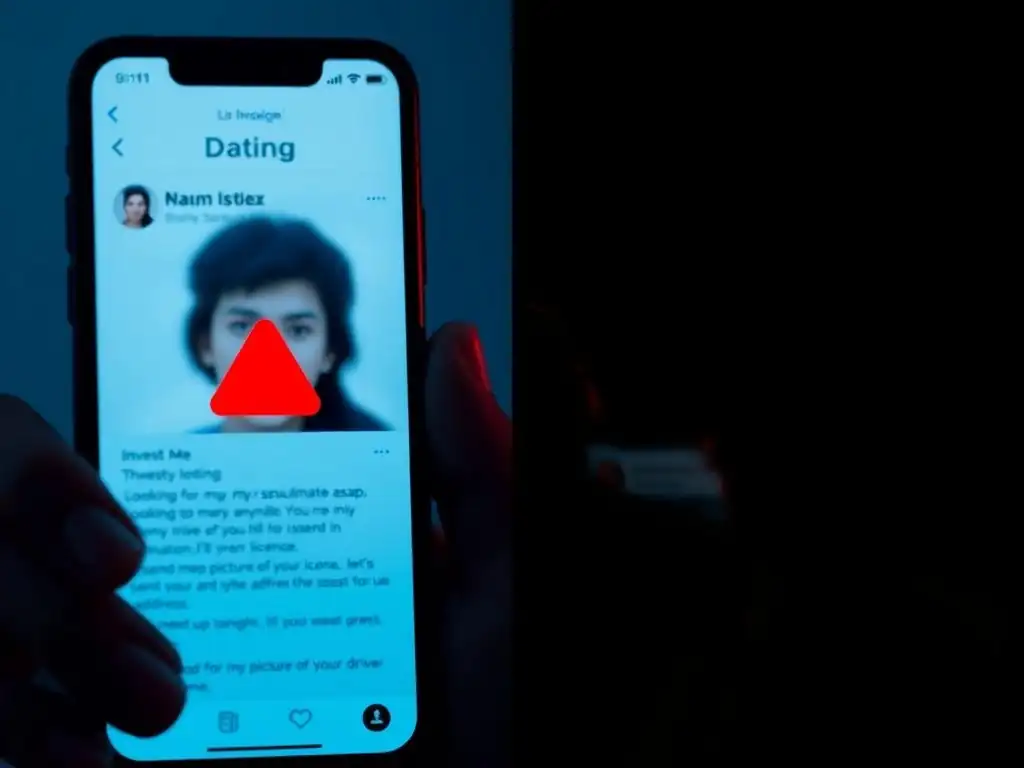
Online dating should feel exciting, but be wary of connections that progress too quickly. Genuine relationships take time to build trust. A significant red flag is when someone you've just met online makes unusual or overly demanding requests early in your interactions. This could manifest in several ways. For instance, they might ask for money, gift cards, or other financial assistance under various pretexts, such as needing help with an emergency or an unexpected bill. These requests are often urgent and emotionally manipulative, playing on your empathy to pressure you into acting quickly without thinking clearly.
Another warning sign is an overly fast progression of the relationship. Someone who professes deep love or commitment after only a few messages or virtual dates is likely hiding something. Genuine connections take time to develop; rushing the process is a tactic often used by scammers to gain your trust and exploit you.
They might shower you with compliments, promises, and declarations of love, creating a sense of intense connection that is disproportionate to the actual amount of time you've spent interacting. Remember, healthy relationships grow organically; if it feels too good to be true, it probably is. Be cautious of individuals who avoid video calls or in-person meetings, offering flimsy excuses for their reluctance to engage in more personal interactions.
This avoidance often signals an attempt to conceal their true identity or intentions. Always prioritize your safety and well-being; if something feels off, trust your instincts. Don't hesitate to end the conversation if you feel uncomfortable or manipulated.
Reverse image search: verifying profile pictures authenticity.
One of the easiest ways to spot a fake dating app profile is by verifying the authenticity of the profile pictures. Many scammers use stolen images found online; therefore, conducting a reverse image search is a crucial step in assessing the legitimacy of a profile. This simple process involves uploading the profile picture to a reverse image search engine, such as Google Images or TinEye. These engines will then search the web for instances of that exact image, revealing its origins and potential use on other websites or social media platforms.
If the image appears on multiple dating profiles or unrelated websites, it’s a strong indication that the profile is fake. The image might be linked to a stock photo website, a celebrity, or someone else entirely. This discovery should raise immediate concerns about the person's identity and intentions. Furthermore, pay attention to the quality and consistency of the images.
If the pictures are professionally taken, overly edited, or appear to be from a photoshoot, it could be a sign that they are not genuine. Similarly, a lack of variety in the photos, or a noticeable inconsistency in the lighting or background, should trigger your suspicion. Remember, a genuine profile will often feature a variety of casual, everyday pictures that reflect the individual's personality and lifestyle.
By utilizing reverse image search, you can significantly reduce your risk of interacting with fake profiles and protect yourself from potential scams. This simple technique is a powerful tool in your arsenal for safer online dating. 🕵️♀️
Essential Dating App Profile Safety Tips: Protecting Your Personal Information
This section focuses on practical steps you can take to safeguard your personal information while using dating apps. Remember, your safety and privacy are paramount. Let's delve into strategies to minimize risks associated with sharing personal details online. Effective protection involves a multi-faceted approach, encompassing careful information sharing, robust account security, and mindful profile management. These measures significantly reduce the likelihood of encountering fraudulent profiles and falling victim to online scams.
Protecting your personal data: avoiding sharing sensitive information online.
Never share sensitive personal information, such as your full address, place of work, financial details (bank account numbers, credit card information), or social security number, on your dating app profile or in initial communications. Even seemingly innocuous details can be pieced together by malicious actors to build a comprehensive profile for identity theft or other harmful purposes. This is crucial for dating app profile safety.
Instead of directly revealing your location, consider using more general terms like “near the city center” or “suburban area.” If you’re meeting someone in person, choose a public place for your first date and let a friend or family member know where you're going and when you expect to be back.
Consider this example: Instead of writing "I work as a financial analyst at First National Bank on Elm Street," you could write "I work in finance in the city center." This provides a general idea of your profession without revealing specific, easily verifiable details.
Remember, scammers often use personal information to gain trust and manipulate their victims. Protecting your data is the first line of defense against such individuals. Maintaining a degree of anonymity online is a key element of online dating safety.
Securing your accounts: strong passwords and two-factor authentication.
Strong passwords and two-factor authentication (2FA) are fundamental to securing your dating app accounts. A weak password—like your birthday or a common word—is easily cracked. Instead, use a unique, complex password for each dating app you use, combining uppercase and lowercase letters, numbers, and symbols. Password managers can help you generate and securely store these complex passwords.
Password Strength Tips
- Avoid using easily guessable information like birthdays or pet names.
- Aim for a password length of at least 12 characters.
- Use a mix of uppercase and lowercase letters, numbers, and symbols.
- Consider using a passphrase – a longer, memorable phrase that’s difficult to crack.
Enabling 2FA adds an extra layer of security. This typically involves receiving a code via text message or email that you need to enter in addition to your password to log in. Even if someone gains access to your password, they'll still be blocked without the 2FA code. This significantly reduces the risk of unauthorized access to your profile and personal information. This is a critical component of any robust dating app profile safety strategy.
Limiting profile visibility: controlling who can see your profile and contact you.
Many dating apps offer privacy settings that allow you to control who can see your profile and contact you. Take advantage of these features! For example, you can choose to only allow people who you've also liked to contact you, or you can restrict your profile's visibility to people within a certain age range or geographic location.
| Setting | Description | Safety Impact |
|---|---|---|
| Distance Filter | Limits visibility to users within a specific radius. | Reduces the pool of potential contacts, minimizing exposure to strangers. |
| Age Range Filter | Limits visibility to users within a specific age range. | Reduces exposure to potentially predatory individuals. |
| Mutual Match Only | Only allows users who have also liked your profile to contact you. | Significantly reduces unsolicited messages and potential harassment. |
| Private Profile | Restricts profile visibility to only those you've approved. | Offers the highest level of control over who can see your profile. |
By carefully managing your profile visibility, you can significantly reduce the chances of encountering unwanted attention or potentially harmful interactions. Remember, it’s better to be cautious than sorry when it comes to your online safety. Proactive management of your privacy settings is a vital aspect of dating app profile safety tips.
Avoiding sharing location details: protecting your privacy and safety.
Sharing your precise location with someone you've just met online can be incredibly risky. Many dating apps offer location-based features to help you find matches nearby, but revealing your exact address or even your neighborhood too early in the process is unwise. Remember, you're interacting with strangers, and even seemingly harmless individuals can pose a threat. Wait until you've met in person and established a level of trust before sharing any sensitive location information.
Even then, consider meeting in a public place for your first few encounters. Think of it this way: Would you give your address to a stranger on the street? The same principle applies to online dating. Protecting your privacy online is paramount for your safety and peace of mind.
A common tactic used by scammers is to gain your trust by appearing genuinely interested, then using the information you share to track your movements or even gain access to your home. Always prioritize your safety and be mindful of the information you share, especially location data. Consider using a fake address when initially meeting someone offline, or if you choose to share your address, at least share only a general area instead of your exact address.
Being cautious about sharing contact information: verifying the authenticity of connections.
Sharing your phone number or email address too early can expose you to unwanted contact and potential scams. Before providing any personal contact information, take steps to verify the other person's identity and intentions. Look for red flags in their profile and communication style. Do they have very few photos? Is their profile suspiciously perfect?
Do they avoid video calls? These could be signs of a fake profile. While some level of trust is necessary for building connections, rushing into exchanging personal details could have serious repercussions. Consider using the app's internal messaging system for as long as possible to avoid giving out personal information that could be misused. If you decide to share your phone number, start with a secondary number or a Google Voice number to maintain a layer of protection.
Likewise, with email, consider using a separate account dedicated solely to online dating interactions. Remember, verifying the authenticity of connections is a crucial element of dating app profile safety tips. Take your time and only share your personal information when you're absolutely certain that the person you're communicating with is genuine. Never feel pressured to share information before you are ready and comfortable doing so. Your safety is your priority.
Safe Communication Practices on Dating Apps: Avoiding Scams and Phishing Attempts
This section focuses on practical strategies to protect yourself from online dating scams through careful communication. Remember, your safety is paramount. These tips will help you navigate the digital dating world with increased confidence and reduced risk. Effective communication is key to identifying and avoiding potential scammers, bolstering your dating app profile safety.
Recognizing phishing attempts and suspicious links: avoiding malware and scams.
Phishing attempts are a common tactic used by scammers to gain access to your personal information. They often disguise themselves as legitimate messages or profile requests, containing suspicious links or attachments. These links can lead to websites designed to steal your login credentials, credit card information, or other sensitive data. They might also download malware onto your device, compromising your security.
Here's how to spot a phishing attempt:
- Unusual urgency: Scammers often create a sense of urgency, pressuring you to act quickly without thinking. Be wary of messages demanding immediate responses or containing threats.
- Grammar and spelling errors: Legitimate profiles and messages usually have good grammar and spelling. Numerous errors are a red flag.
- Generic greetings: Messages that start with a generic greeting like "Hey beautiful" or "Hi there" without referencing anything specific from your profile are often automated or impersonal.
- Requests for personal information: Legitimate profiles won't ask for your full name, address, social security number, or financial details early in the conversation.
- Suspicious links: Hover your mouse over links (without clicking) to see the actual URL. If it looks suspicious or doesn't match the sender's profile, avoid clicking. Never click links from unknown senders.
Remember, if something feels off, it probably is. Trust your instincts. Report suspicious profiles and messages to the dating app immediately. Regularly update your device's security software and be cautious about clicking any links or downloading attachments from unknown sources. This is crucial for dating app profile safety.
Avoiding financial transactions: protecting yourself from money scams.
Never send money to someone you've met online, regardless of how convincing they seem. This is a common tactic used by scammers who will create elaborate stories to justify their requests for financial assistance. These stories might involve emergencies, medical bills, or travel difficulties. They may even claim to be sending you money but need your banking information first—a classic hallmark of a scam.
- Be skeptical of sob stories: While genuine emergencies do occur, it's extremely risky to send money to someone you've only interacted with online. Verify their identity through independent means before considering any financial assistance.
- Never share banking details: A legitimate person will never ask for your banking details online. This is a major red flag.
- Use secure payment methods: If you must make a transaction (which is generally discouraged in early stages of online dating), stick to reputable and secure payment platforms that offer buyer protection.
Remember, legitimate relationships don't involve financial transactions early on. If someone asks you for money, it's almost certainly a scam. Prioritizing dating app profile safety means protecting your finances.
Maintaining healthy boundaries: setting clear expectations and limits.
Setting clear boundaries is crucial for your safety and well-being. This is a vital aspect of dating app profile safety. This includes defining your comfort levels regarding communication frequency, sharing personal information, and meeting in person.
- Control the pace of the conversation: Don't feel pressured to share personal information or move too quickly.
- Meet in a public place: If you decide to meet in person, always choose a well-lit, public place for your first meeting. Let a friend or family member know where you're going and when you expect to be back.
- Trust your instincts: If something feels wrong or uncomfortable, don't hesitate to end the conversation or interaction. Your safety and comfort are paramount.
- Avoid oversharing: Protect your privacy by avoiding sharing sensitive details like your home address, workplace, or financial information until you've established a strong level of trust. This is a critical element of dating app profile safety tips.
By implementing these safe communication practices, you significantly reduce your risk of encountering scammers and protect yourself while navigating the world of online dating. Remember, prioritizing your safety is key to finding a meaningful connection.
Using the app's reporting features: reporting suspicious profiles and activities.
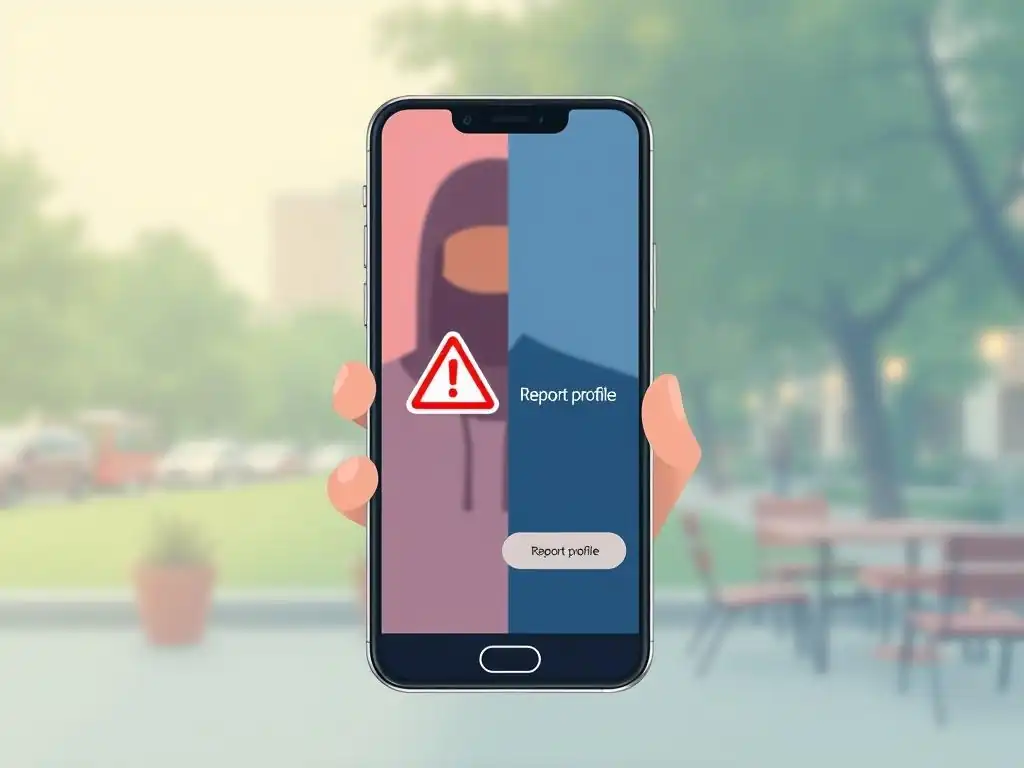
Most dating apps provide robust reporting mechanisms to help combat fraudulent profiles and suspicious behavior. Understanding and utilizing these features is crucial for your online safety. Don't hesitate to report anything that feels off; your report contributes to a safer environment for everyone. Each app has a slightly different process, but generally, you'll find a report button within the user's profile or in the chat interface. This button often leads to a menu where you can select the reason for your report – options typically include "fake profile," "spam," "harassment," "inappropriate content," or "other."
Provide as much detail as possible when submitting your report. Screenshots of suspicious messages or profile information can significantly strengthen your report and aid the app's moderators in taking appropriate action. Remember, reporting isn't tattling; it's an essential step in maintaining a secure online dating experience. By actively using the reporting features, you're not only protecting yourself but also helping to create a more trustworthy community for other users.
The more users report suspicious activities, the more effective the app's moderation becomes in identifying and removing harmful accounts. Don't underestimate the power of your report; it's a vital tool in the fight against online dating scams. Consider it a form of community service, contributing to the overall safety and well-being of the dating app ecosystem. Many apps also have dedicated support teams who can be contacted directly if you encounter particularly concerning or persistent issues.
Knowing when to block and report users: protecting yourself from harassment.
Blocking and reporting are two distinct but equally important actions to take when dealing with harassing or abusive behavior on dating apps. Blocking prevents a user from contacting you further—a crucial step to protect your mental and emotional well-being. This feature usually involves finding the user’s profile and selecting a “block” option, often accompanied by a confirmation prompt. Once blocked, the user will no longer be able to send you messages, view your profile, or interact with you in any way on the app. Reporting, on the other hand, is about informing the app's moderators of inappropriate behavior.
This is essential because it allows the app to investigate the user's activity and potentially take action, such as suspending or permanently banning the account. It's important to remember that blocking and reporting are not mutually exclusive; you should often do both. Blocking immediately stops the harassment, while reporting allows the app to address the root cause and prevent that user from targeting others. Examples of behavior that warrant both blocking and reporting include persistent unwanted messages, threats, sexually explicit or offensive content, or attempts to manipulate or extort you.
Don’t feel pressured to engage with or justify your actions to a harasser; your safety and comfort are paramount. Document instances of harassment – save screenshots of messages or other evidence – as this can be helpful if you need to escalate the issue to the app's support team or even law enforcement. Prioritizing your safety and well-being is critical in the online dating world; don't hesitate to utilize these protective measures. Remember, you are entitled to a respectful and safe online experience.
Resources and Further Information: Staying Safe Online
This section provides you with additional resources to bolster your online dating safety and help you navigate the world of online interactions with confidence and awareness. Remember, staying safe online is an ongoing process, requiring vigilance and proactive measures.
List of reputable online safety resources and organizations
Staying safe online isn't just about avoiding fake profiles; it's about building a comprehensive understanding of online safety practices. Several reputable organizations offer valuable resources and information on this topic. While we cannot provide direct links here, a simple online search for terms like "online safety resources," "cybersecurity awareness," or "internet safety for dating" will yield a wealth of information.
Here's a suggested approach to finding reliable resources:
- Look for government-affiliated websites: Many national governments have dedicated websites or agencies focused on online safety and cybersecurity. These organizations often provide unbiased and fact-based information.
- Seek out established non-profit organizations: Numerous non-profits focus on digital literacy and online safety. Look for organizations with a long history and a proven track record of providing accurate information.
- Check for accreditation: Look for organizations that are accredited or affiliated with recognized bodies in the fields of cybersecurity or online safety. This helps ensure the credibility of their resources.
Remember to critically evaluate any information you find online, cross-referencing information with multiple sources before acting upon it. Don't rely on a single source, especially if it's promoting a product or service.
Link to OnlineDatingSuccess.org's article on safe dating practices
[This section would contain a link to the relevant article on OnlineDatingSuccess.org. The article would delve into broader safe dating practices, beyond just identifying fake profiles. It would cover topics such as: first date safety, communication strategies, and setting healthy boundaries. This article would provide a holistic approach to online dating safety, complementing the information on identifying fake profiles.]
Link to OnlineDatingSuccess.org's article on identifying romance scams
[This section would contain a link to another relevant article on OnlineDatingSuccess.org. This article would focus specifically on romance scams, providing detailed examples, warning signs, and strategies to protect yourself from these sophisticated and emotionally manipulative scams. It would cover topics such as: pressure for money, inconsistencies in their stories, and requests for personal information. This article would provide a deeper dive into a specific type of online dating risk.]
Remember, your safety is paramount. By staying informed, being vigilant, and utilizing the resources available, you can significantly reduce your risk and enjoy a safer and more positive online dating experience. Don't hesitate to reach out to friends, family, or support networks if you have any concerns or feel uncomfortable at any point during your online dating journey. 🫂
Frequently Asked Questions
How can I spot a fake profile on a dating app?
Look for inconsistencies in photos, lack of detailed information, or profiles that seem too good to be true. Be wary of profiles with limited or generic information and reversed image searches can help verify photos' authenticity.
Avoid sharing your full name, address, workplace, financial details, or other personally identifiable information early in contact. Never share your location in real-time.
How can I verify someone's identity on a dating app?
Dating apps offer limited verification tools. You can try a reverse image search on their photos. Engage in video calls early on to confirm their identity and appearance.
What should I do if I suspect someone is a fake profile?
Report the profile to the dating app immediately. Block the user and avoid further contact. Consider saving any evidence of suspicious behavior.
What are some safe dating practices to follow overall?
Always meet in a public place for your first date. Let a friend or family member know where you're going and who you're meeting. Trust your instincts; if something feels off, it probably is.
The rise of dating apps has fundamentally altered how we connect, yet the ease of access also presents significant risks. The potential for encountering fake profiles, scams, and even dangerous individuals remains a stark reality, demanding vigilance and informed decision-making from users. This isn't just about avoiding a bad date; it's about protecting your personal safety and well-being in the digital age.
The pervasiveness of online dating means that the lessons learned about profile safety are not just relevant to romantic pursuits, but extend to broader online interactions. The need for critical thinking, healthy skepticism, and robust personal boundaries transcends the dating app; it's a crucial skill for navigating the complexities of the internet. The internet is a powerful tool, but it's also a wild west. We must be our own sheriffs.
– (This quote can be attributed to a relevant expert or adapted to fit your article's tone). This quote underscores the importance of self-reliance and proactive safety measures in online spaces.
You now possess the knowledge to navigate the digital dating world with greater confidence and awareness. Take the time to review the safety tips outlined in this article, and remember that your safety is paramount. Don't hesitate to trust your instincts; if something feels off, it probably is. By being proactive, informed, and cautious, you can transform the potential risks of online dating into opportunities for genuine connection and positive experiences. Embrace the power of informed choices and build a safer online dating journey for yourself.
Unmask the Truth: Take Control of Your Dating App Safety
Thank you for learning about online dating safety! You're now equipped to navigate the online dating world with greater confidence. Ready to apply what you've learned?
- Prioritize your safety: Carefully review your dating app settings and utilize all available safety features, such as location sharing with a trusted friend or blocking and reporting inappropriate users. This is crucial for secure online interactions.
- Share this information: Help your friends avoid potential risks by sharing this article with them. A little shared knowledge can significantly improve everyone's safety.
- Join the discussion: What other safety measures have you found effective on dating apps? Please share your tips in the comments below!
What's one simple step you can take today to enhance your dating app safety?