
Transforming Your Online Dating Experience: A Mental Health Makeover


Welcome to OnlineDatingSuccess.org, where we unlock the secrets to a fulfilling online dating journey. Tired of the endless swiping and frustrating encounters? Discover how to navigate the world of online dating with confidence and emotional well-being. This isn't just about finding a date; it's about transforming your experience. Learn essential online dating mental health tips in our latest article, part of our "Sociological Aspects of Online Dating" series, and begin building meaningful connections while prioritizing your happiness. Let's embark on this journey together!
- Understanding the Emotional Rollercoaster of Online Dating
- Cultivating a Positive Mindset for Online Dating Success
- Strategies for Protecting Your Mental Wellbeing While Online Dating
- Building Healthy Online Dating Habits
- When to Seek Professional Support for Online Dating Challenges
- Creating a Sustainable and Positive Online Dating Journey
-
Frequently Asked Questions
- How can online dating impact my mental health?
- What are some strategies to protect my mental wellbeing while online dating?
- How can I manage feelings of rejection or disappointment on online dating platforms?
- How do I identify and avoid potentially harmful interactions on online dating sites?
- What resources are available to help me manage the mental health challenges of online dating?
- Final Reflection: Reclaiming Your Power in the Digital Dating World
- Rediscover Dating: Boost Your Confidence and Connections
Understanding the Emotional Rollercoaster of Online Dating
Online dating, while offering exciting possibilities for connection, can also be a surprisingly turbulent emotional landscape. The constant influx of messages (or lack thereof), the pressure to present a perfect online persona, and the inherent uncertainty of the process can significantly impact mental well-being. This article explores the mental health challenges frequently encountered in the world of online dating, offering practical strategies to navigate these complexities and foster a healthier, more positive experience.
We'll delve into the impact of rejection, strategies for managing anxiety, and building resilience against negativity – ultimately aiming to help you transform your online dating journey into a more fulfilling and empowering one. Remember, prioritizing your mental health is crucial for a successful and enjoyable online dating experience, leading to more authentic and meaningful connections. Let's embark on this journey together, focusing on practical steps to improve your online dating mental health.
The Impact of Rejection on Self-Esteem in Online Dating
Rejection is an unavoidable part of online dating. The sheer volume of profiles and the ease of moving on to the next potential match can create a hyper-critical environment. Receiving fewer messages than hoped for, or experiencing repeated unsuccessful matches, can significantly impact self-esteem. This can manifest as feelings of inadequacy, self-doubt, and even depression. It's crucial to remember that rejection in online dating rarely reflects your inherent worth. Often, it's a matter of incompatibility, different preferences, or simply timing. To mitigate the negative effects of rejection:
- Practice self-compassion: Treat yourself with the same kindness and understanding you would offer a friend facing similar challenges.
- Focus on your strengths: Remind yourself of your positive qualities and accomplishments unrelated to dating.
- Reframe rejection: View rejection not as a personal failure, but as an opportunity to learn and grow. Perhaps the match wasn't right, or you can learn from the experience to improve your profile or communication.
- Limit your time on dating apps: Excessive use can amplify feelings of rejection and disappointment. Set realistic time limits for yourself.
- Seek support: Talking to a trusted friend, family member, or therapist can provide valuable emotional support and perspective.
Managing Anxiety and Dating App Overwhelm
The sheer volume of profiles, constant notifications, and the pressure to maintain an active presence can lead to significant anxiety and overwhelm. The fear of missing out (FOMO), the pressure to respond immediately, and the constant comparison to others can contribute to a stressful and unsustainable experience. To manage this anxiety:
- Set realistic expectations: Online dating is a numbers game. Don't expect instant success or a constant stream of matches.
- Take breaks: Step away from dating apps regularly to avoid burnout and maintain a healthy perspective.
- Practice mindfulness: Engage in activities that help you stay grounded and present, such as meditation or deep breathing exercises.
- Limit notifications: Turn off push notifications to reduce the constant influx of information.
- Focus on quality over quantity: Prioritize meaningful interactions over superficial swiping.
Building Resilience Against Negative Online Interactions
Online dating exposes you to a range of interactions, some of which may be negative or even hurtful. Dealing with rude messages, ghosting, or catfishing can be emotionally draining and impact your self-confidence. To build resilience against these challenges:
- Set boundaries: Don't hesitate to block or report users who behave inappropriately.
- Prioritize your safety: Always meet in public places for first dates and let a friend or family member know your plans.
- Remember your worth: Negative interactions reflect the behavior of the other person, not your value.
- Practice self-care: Engage in activities that nourish your mind, body, and spirit.
- Seek professional help: If you're struggling to cope with negative online interactions, consider seeking support from a therapist or counselor. They can provide tools and strategies to help you navigate these challenges effectively. Remember, your mental well-being is paramount. Prioritizing it will lead to a more positive and ultimately more successful online dating journey.
Cultivating a Positive Mindset for Online Dating Success

Embarking on the journey of online dating requires a robust and positive mindset. It's crucial to approach this experience with self-awareness and a proactive attitude to protect your mental well-being. Many individuals experience setbacks and frustrations, and understanding how to navigate these challenges is key to online dating success. This section will provide practical strategies to foster a positive mental landscape, ensuring a healthier and more fulfilling online dating experience. Remember, online dating is a numbers game; success isn't immediate, and resilience is paramount.
Practicing Self-Compassion and Self-Care
Self-compassion is foundational to navigating the emotional rollercoaster of online dating. Rejection is inevitable, and it's easy to internalize it as a personal failing. Instead, cultivate self-kindness. Treat yourself with the same understanding and empathy you would offer a friend facing similar challenges. This involves acknowledging your feelings without judgment. For instance, if you experience a string of unsuccessful dates, don't berate yourself. Instead, reflect on what you learned, adjust your approach if needed, and reaffirm your self-worth.
Prioritizing self-care is equally crucial. This isn't about indulging in luxury; it's about engaging in activities that nourish your mind, body, and spirit. This could involve regular exercise, mindful meditation, spending time in nature, pursuing hobbies, or connecting with supportive friends and family. These activities act as buffers against the potential stress and negativity associated with online dating.
Schedule these activities into your week, just as you would schedule any important appointment. Remember, you can't pour from an empty cup. Self-care is not a luxury, it's a necessity for a healthy online dating experience and overall well-being. Prioritizing it will make you more resilient and better equipped to handle the ups and downs.
Setting Realistic Expectations and Goals
One of the biggest pitfalls in online dating is unrealistic expectations. The curated profiles and highlight reels often presented online can create a skewed perception of reality. It's important to remember that everyone has flaws and imperfections. Instead of searching for a perfect partner, focus on identifying compatible individuals who share your values and life goals. Setting realistic expectations also means accepting that the process takes time. There will be disappointments along the way, and that's okay.
Setting achievable goals can help you stay motivated and focused. Instead of aiming for a long-term relationship immediately, consider setting smaller, more manageable goals. This could involve having a certain number of meaningful conversations per week, going on a specific number of dates per month, or simply improving your online dating profile. Celebrate your progress along the way, no matter how small. This approach fosters a sense of accomplishment and prevents feelings of discouragement. Remember to adjust your goals as needed, based on your experience and progress. Flexibility is key.
Reframing Negative Self-Talk and Limiting Beliefs
Negative self-talk is a common obstacle in online dating. It can manifest as self-doubt, criticism, or catastrophizing potential outcomes. For example, you might think, "No one will ever be interested in me," or "I'm not good enough for a relationship." These thoughts are often inaccurate and unhelpful. Challenge these negative thoughts by asking yourself if there's evidence to support them. Often, there isn't.
Replacing negative thoughts with positive affirmations can be a powerful tool. Start by identifying your negative self-talk patterns. Then, consciously replace those thoughts with more positive and realistic affirmations. For example, instead of "I'm not good enough," try "I am worthy of love and connection." Repeat these affirmations regularly, especially when facing setbacks.
Remember that consistent practice is key. This process requires conscious effort and patience, but the rewards in terms of improved self-esteem and a more positive online dating experience are significant. Consider keeping a journal to track your progress and identify patterns in your thinking. This practice can offer valuable insights and facilitate the process of reframing your thoughts.
Strategies for Protecting Your Mental Wellbeing While Online Dating
Navigating the world of online dating can be exhilarating, but it's also crucial to prioritize your mental health throughout the process. The emotional rollercoaster of matches, messages, dates, and potential disappointments can take a toll. This section offers practical strategies to safeguard your mental wellbeing while engaging in online dating. Remember, your emotional health is paramount, and these tips are designed to help you navigate this experience with confidence and self-respect. The goal is to create a positive and healthy online dating experience, focusing on building meaningful connections rather than succumbing to the pressures and potential pitfalls.
Maintaining Boundaries and Protecting Your Privacy
Setting clear boundaries is paramount for protecting your mental health in online dating. This involves establishing limits on the time you spend on dating apps, the information you share, and the level of intimacy you engage in with potential partners online. Avoid oversharing personal details early in the process. Sharing your full name, address, workplace, or other sensitive information before you've established trust can put you at risk, both physically and emotionally. Remember, online dating profiles are public-facing. Be mindful of the information you make visible.
Consider these practical steps:
- Limit your screen time: Schedule specific times for using dating apps and stick to them. Avoid constantly checking for messages or updates, which can lead to anxiety and obsession.
- Protect your personal information: Don't share your full name, address, workplace, or other identifying information until you've met someone in person and feel comfortable.
- Verify profiles: Be cautious of profiles that seem too good to be true or lack sufficient detail. Reverse image search profile pictures to ensure authenticity.
- Use a separate email address: Create a dedicated email address for online dating to maintain privacy and avoid cluttering your personal inbox.
- Control your emotional responses: Don't personalize rejection or negativity. Remember, online dating is a numbers game, and not every match will lead to a successful connection.
Recognizing and Addressing Red Flags
Recognizing and addressing red flags early on is critical for protecting your mental and emotional wellbeing. These flags can manifest in various ways, from inconsistent communication to manipulative behavior or outright harassment. Trust your instincts; if something feels off, it likely is. Don't ignore warning signs in hopes that things will improve. Addressing these red flags promptly can prevent unnecessary emotional distress and potential harm.
Examples of red flags include:
- Inconsistent communication: Frequent changes in availability, sudden disappearances, or overly vague responses can signal a lack of interest or a potential problem.
- Controlling or manipulative behavior: Attempts to control your actions, dictate your choices, or pressure you into doing something you're uncomfortable with are major red flags.
- Excessive negativity or aggression: Consistent negativity, hostility, or aggressive behavior should be taken seriously.
- Avoidance of meeting in person: Prolonged reluctance to meet in person can indicate dishonesty or ulterior motives.
- Pressure for intimacy: Pressure to engage in physical or sexual intimacy before you're ready is unacceptable and a serious red flag.
Prioritizing Your Offline Life and Wellbeing
Maintaining a balanced life outside of online dating is crucial for your mental health. Don't let online dating consume your entire existence. Prioritize your offline relationships, hobbies, and self-care activities. Engaging in activities you enjoy will help you maintain perspective, reduce stress, and boost your self-esteem. Remember that online dating is a tool to help you find a partner, not your entire life.
Here's how to stay grounded:
- Maintain your hobbies and interests: Continue pursuing your passions and hobbies to keep your life balanced and fulfilling.
- Spend time with loved ones: Nurture your existing relationships with family and friends.
- Practice self-care: Prioritize activities that promote your physical and mental wellbeing, such as exercise, meditation, or spending time in nature. Remember to get enough sleep! 😴
- Set realistic expectations: Online dating is a process; it takes time and effort to find the right person. Don't get discouraged if you don't find success immediately.
- Seek professional help: If you're struggling with anxiety or depression related to online dating, don't hesitate to seek professional help from a therapist or counselor. They can provide valuable support and guidance.
Remember, your mental health is a priority. By implementing these strategies, you can create a safer and more positive online dating experience, while focusing on building meaningful connections. Prioritizing your wellbeing throughout this journey is key to finding lasting happiness.
Building Healthy Online Dating Habits

This section focuses on cultivating positive habits to improve your online dating experience and protect your mental well-being. Online dating can be emotionally taxing, but by proactively implementing healthy practices, you can significantly reduce stress and increase your chances of finding a fulfilling connection. Remember, your mental health is paramount, and these strategies are designed to empower you to navigate this digital landscape with confidence and self-respect.
Mindful Profile Creation and Self-Presentation
Creating an authentic and positive online dating profile is the first step towards a healthy online dating experience. Avoid presenting an idealized version of yourself; instead, focus on showcasing your genuine personality and interests. Think of your profile as a digital handshake – it's the first impression you make, and it should reflect who you truly are.
Consider these points when crafting your profile:
- Honest Self-Description: Use descriptive language that accurately portrays your personality, values, and aspirations. Avoid clichés and focus on what truly makes you unique. For example, instead of saying "I love to travel," you could say, "I'm passionate about exploring new cultures and recently returned from a backpacking trip through Southeast Asia."
- High-Quality Photos: Choose photos that reflect your current appearance and personality. Include a variety of pictures showcasing your hobbies and interests. Avoid overly filtered or misleading images. Remember, authenticity attracts genuine connections.
- Clear Communication of Intentions: Be upfront about what you're looking for in a relationship. This helps attract compatible partners and avoids wasting time on incompatible matches. This clarity also protects your emotional investment.
- Regular Profile Updates: Keep your profile current and relevant. Update your photos and information periodically to reflect your evolving life and interests. A stagnant profile can convey a lack of engagement, which may deter potential matches.
Remember, your profile is a reflection of your self-worth. Presenting yourself honestly and positively fosters a healthier online dating experience. Prioritize showcasing your authentic self, rather than striving for an unattainable ideal.
Effective Communication Strategies to Avoid Misunderstandings
Misunderstandings are common in online dating, as nonverbal cues are often absent. However, by employing clear and respectful communication strategies, you can significantly reduce the likelihood of misinterpretations and emotional distress.
- Clear and Concise Messaging: Avoid ambiguity in your communication. State your intentions clearly and directly, using precise language to avoid misunderstandings.
- Active Listening: Pay attention to the other person's responses and ask clarifying questions to ensure you understand their perspective. Demonstrate genuine interest and empathy in their experiences.
- Respectful Boundaries: Communicate your boundaries clearly and respectfully. If you feel uncomfortable or unsafe, don't hesitate to disengage from the conversation.
- Manage Expectations: Avoid projecting your hopes and dreams onto your online interactions. Remember that online dating is a process of getting to know someone, and not every connection will lead to a romantic relationship.
- Realistic Time Commitment: Avoid overwhelming yourself with excessive messaging or interactions. Prioritize quality over quantity, focusing on meaningful connections rather than superficial exchanges.
By practicing mindful communication, you can create a more positive and productive online dating experience, fostering connections based on mutual respect and understanding. Remember that healthy communication is a two-way street; it requires both parties to actively listen and engage respectfully.
Managing Expectations and Avoiding Idealization
Idealizing potential partners is a common pitfall in online dating, leading to disappointment and emotional distress. It's crucial to maintain realistic expectations and avoid putting individuals on a pedestal before you've had a chance to truly get to know them.
- Focus on Getting to Know Someone: Remember that online profiles only offer a limited glimpse into someone's personality and life. Avoid forming strong conclusions based solely on limited information. Engage in meaningful conversations to gain a deeper understanding of their character and values.
- Avoid Over-Analyzing: Don't spend excessive time analyzing every message or action. Trust your intuition and avoid overthinking potential meanings or interpretations.
- Embrace Imperfection: Remember that everyone has flaws and imperfections. Embrace authenticity and avoid the pursuit of an unrealistic ideal.
- Set Realistic Goals: Define your dating goals clearly and avoid putting too much pressure on finding "the one" immediately. Enjoy the process of meeting new people and building connections.
- Self-Compassion: Be kind to yourself throughout the process. Online dating can be challenging, and it's okay to experience setbacks or disappointments. Practice self-compassion and allow yourself to learn from your experiences.
Managing expectations and avoiding idealization are crucial for maintaining your mental well-being in online dating. By focusing on building genuine connections based on mutual respect and understanding, you can create a more positive and fulfilling experience. Remember that healthy relationships are built on realism and mutual acceptance, not unrealistic expectations.
When to Seek Professional Support for Online Dating Challenges
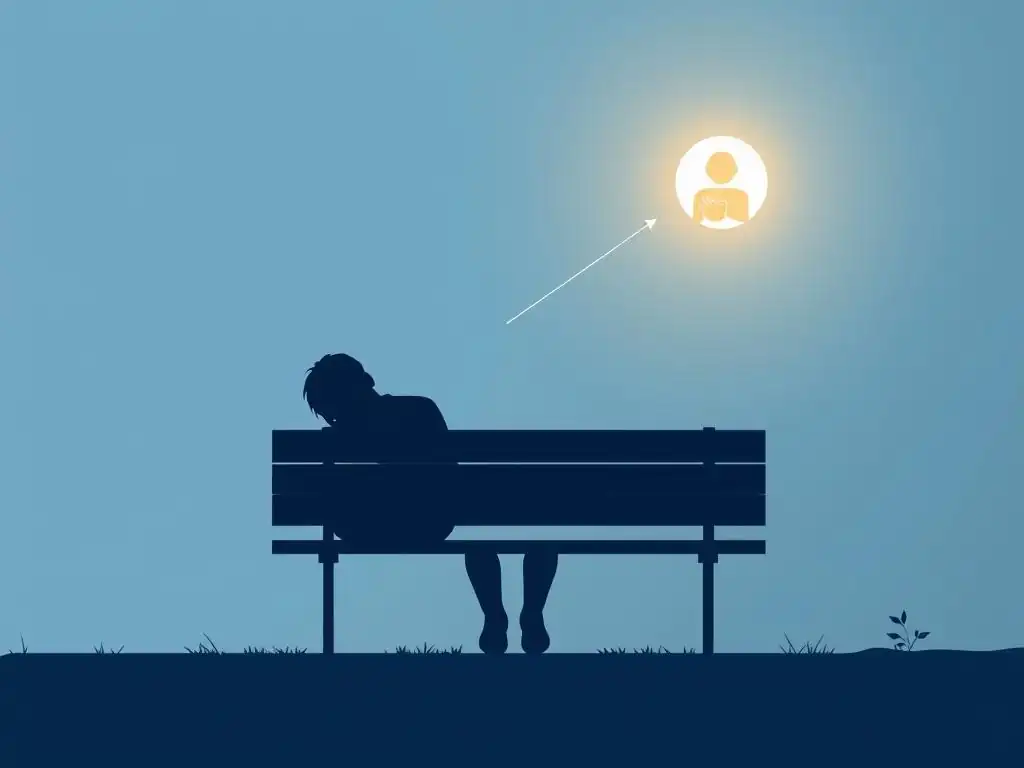
Navigating the world of online dating can be emotionally taxing. While building a profile and crafting the perfect message might seem straightforward, the emotional rollercoaster of rejection, ghosting, and the pressure to present an idealized version of yourself can significantly impact mental well-being. Many individuals experience increased stress, anxiety, and even depression related to their online dating experiences. Understanding when to seek professional help is crucial for protecting your mental health and fostering a positive approach to finding a meaningful connection.
Ignoring persistent negative feelings can lead to a vicious cycle of self-doubt and avoidance, hindering your chances of finding a compatible partner. This section will help you identify when professional support is not just beneficial, but necessary. Remember, prioritizing your mental health is not a sign of weakness; it's a testament to your self-awareness and commitment to your overall well-being.
Online dating, while offering convenience, can amplify existing anxieties or trigger new ones. Recognizing the signs of dating-related anxiety and depression is the first step towards seeking help. Anxiety might manifest as excessive worrying about messages, profiles, or dates; difficulty sleeping; irritability; or physical symptoms like stomach aches or headaches. These symptoms are often intensified by the constant comparison inherent in online dating, where users are constantly exposed to a seemingly endless stream of profiles.
Depression, on the other hand, might present as persistent sadness, loss of interest in activities once enjoyed, changes in appetite or sleep patterns, feelings of worthlessness or guilt, and difficulty concentrating. These feelings can be exacerbated by repeated rejection or a sense of failure in the dating process. It's important to note that these symptoms can overlap and vary in intensity from person to person. Keeping a journal to track your moods and experiences can be helpful in identifying patterns and recognizing when your feelings are becoming overwhelming.
If you notice a significant decline in your overall well-being or if these symptoms persist for more than a couple of weeks, seeking professional help is strongly recommended. Don't underestimate the power of early intervention. Addressing these issues proactively can significantly improve your outlook and overall dating experience. Consider the following checklist:
- [ ] Do you experience excessive worry or anxiety related to online dating?
- [ ] Has your sleep been significantly affected by your online dating experiences?
- [ ] Have you noticed a significant change in your appetite or eating habits?
- [ ] Do you feel persistently sad or hopeless?
- [ ] Have you lost interest in activities you once enjoyed?
- [ ] Do you have difficulty concentrating or making decisions?
- [ ] Do you feel overwhelmed or unable to cope with the pressures of online dating?
If you answered "yes" to several of these questions, it's time to consider professional support.
Finding a Therapist or Counselor Specializing in Online Dating Issues
Finding a therapist specializing in relationship issues or online dating can provide targeted support and guidance. Not all therapists are equally equipped to address the unique challenges presented by the online dating landscape. Look for therapists with experience in helping individuals manage anxiety, depression, and relationship-related stress. Many therapists now offer online sessions, making it easier to access support regardless of your location.
When searching for a therapist, consider their approach to therapy (e.g., cognitive behavioral therapy (CBT), dialectical behavior therapy (DBT)), their experience with online dating clients, and their overall approach to building a therapeutic relationship. Checking online directories or asking your primary care physician for recommendations can help you find a suitable professional. Remember, building a strong therapeutic alliance is crucial for successful therapy. Take time to interview potential therapists to ensure a good fit.
Don't hesitate to ask about their experience with online dating clients and their approach to addressing the specific anxieties and challenges you're facing. Finding the right therapist is an investment in your mental health and well-being, and it's worth taking the time to find the best fit for your needs. The right therapist can provide a safe and supportive space to process your experiences, develop coping mechanisms, and build confidence in your approach to online dating.
Utilizing Online Resources and Support Groups for Online Daters
While professional support is invaluable, various online resources and support groups can complement your efforts and offer additional support. Many online forums and communities are dedicated to sharing experiences, offering advice, and providing mutual support for individuals navigating the complexities of online dating. These platforms can offer a sense of community and validation, reminding you that you're not alone in facing these challenges. However, it's crucial to approach these resources with discernment.
Not all online advice is accurate or helpful, and some communities might inadvertently perpetuate negative or unrealistic expectations. Prioritize reputable sources and communities moderated by professionals or experienced users. Remember that online support groups are not a replacement for professional therapy but can serve as a valuable supplement to your self-care strategy. They can provide a sense of connection and shared experience, helping you feel less isolated and more empowered to navigate the challenges of online dating.
Furthermore, many websites and apps offer articles, blog posts, and educational materials on mental health and online dating. These resources can provide valuable information and strategies for improving your online dating experience and protecting your mental well-being. Remember to always prioritize your mental health and seek professional help when needed. Utilizing a combination of professional support and online resources can create a comprehensive approach to navigating the online dating world with greater confidence and resilience.
Creating a Sustainable and Positive Online Dating Journey
This section focuses on building a healthy and sustainable approach to online dating, prioritizing your mental wellbeing throughout the process. Many view online dating as a numbers game, leading to potential disappointment and burnout. However, a proactive and self-compassionate approach can significantly improve your experience. We’ll explore practical strategies to foster a positive and fulfilling online dating journey, focusing on long-term mental health.
Integrating Self-Care Practices into Your Dating Routine
Integrating self-care isn't just about bubble baths and face masks; it's about actively prioritizing your mental and emotional well-being within the context of online dating. This means setting boundaries and protecting your energy. Consider these practical steps:
- Dedicated "Dating Time": Schedule specific times for online dating activities. Avoid scrolling endlessly throughout the day. This prevents overwhelming yourself and allows for a more mindful approach.
- Digital Detox Days: Designate days completely free from online dating apps. Use this time to reconnect with yourself and engage in activities you enjoy. This helps prevent emotional dependency on validation from the app.
- Mindful Communication: Before responding to messages, take a moment to center yourself. Respond thoughtfully and authentically, avoiding impulsive or reactive communication.
- Rejection Resilience: Rejection is part of online dating. Practice self-compassion. Acknowledge your feelings, learn from the experience, and move forward without self-blame. Remember, compatibility is key, and not every connection will be a match.
- Prioritize Offline Activities: Maintain a balanced life outside of online dating. Pursue hobbies, spend time with loved ones, and engage in activities that bring you joy and fulfillment. This provides a buffer against the potential emotional rollercoaster of online dating.
Celebrating Small Wins and Acknowledging Progress
Online dating can be challenging. It’s crucial to acknowledge and celebrate your progress, no matter how small. This positive reinforcement helps maintain motivation and prevents discouragement. Consider these strategies:
- Tracking Positive Interactions: Keep a journal or a simple list of positive experiences—a pleasant conversation, a fun date, even a thoughtful message. This helps shift focus from potential setbacks to successes.
- Setting Realistic Goals: Instead of focusing on finding "the one," set smaller, achievable goals. These could include improving your profile, having more meaningful conversations, or going on a certain number of dates per month.
- Self-Reward System: Reward yourself for achieving your goals. This could be anything from treating yourself to a favorite meal to enjoying a relaxing activity. The reward should be something that genuinely brings you joy and reinforces positive behavior. This positive reinforcement is key for long-term success.
- Seeking Support: Don't hesitate to reach out to friends, family, or a therapist for support. Sharing your experiences can help normalize the challenges of online dating and provide valuable perspective.
Long-Term Strategies for Maintaining Mental Wellbeing in Online Dating
Sustaining mental wellbeing requires a long-term commitment to self-care and a realistic perspective. The process isn’t about instant gratification, but about building healthy habits and fostering self-awareness.
- Regular Self-Reflection: Take time to reflect on your online dating experiences. What are you learning about yourself and what you want in a relationship? Identify patterns in your interactions and adapt your approach accordingly.
- Professional Guidance: If you're struggling with anxiety or low self-esteem related to online dating, consider seeking professional help. A therapist can provide valuable tools and strategies for managing these challenges.
- Maintaining Boundaries: Setting and maintaining healthy boundaries is crucial. This includes protecting your personal information, limiting the time you spend on dating apps, and prioritizing your own needs. Remember, your well-being is paramount.
- Focusing on Personal Growth: Use online dating as an opportunity for personal growth. Learn about yourself, your needs, and your desires. The journey itself is a valuable experience, even if it doesn't immediately lead to a relationship. This perspective shift can significantly reduce stress and increase satisfaction.
Remember, online dating is a journey, not a race. By prioritizing your mental health and practicing self-compassion, you can navigate this experience with greater ease and increase your chances of finding a meaningful connection. Prioritizing your mental wellbeing will lead to a more positive and fulfilling online dating experience. 🥂
Frequently Asked Questions
How can online dating impact my mental health?
Online dating can affect mental health both positively and negatively. Positive impacts include increased self-esteem from connecting with others and finding potential partners. However, rejection, catfishing, and pressure can lead to anxiety and low self-worth.
What are some strategies to protect my mental wellbeing while online dating?
Prioritize self-care – maintain healthy sleep, diet, and exercise routines. Set realistic expectations and remember that rejection is part of the process. Focus on building genuine connections, rather than solely on finding a partner.
How can I manage feelings of rejection or disappointment on online dating platforms?
Practice self-compassion and remind yourself that rejection is common. Focus on your strengths and positive qualities. Engage in activities you enjoy to boost your mood and self-esteem.
How do I identify and avoid potentially harmful interactions on online dating sites?
Trust your instincts. If someone makes you feel uncomfortable or unsafe, end the interaction immediately. Verify profiles and avoid sharing too much personal information early on. Report suspicious behavior to the platform.
What resources are available to help me manage the mental health challenges of online dating?
Consider seeking support from a therapist or counselor, especially if you're struggling with anxiety, depression, or low self-esteem related to online dating. Support groups and online communities can also provide valuable peer support and advice.
Final Reflection: Reclaiming Your Power in the Digital Dating World
The anxieties and frustrations of online dating are no longer a niche experience; they're a widespread reality impacting the mental well-being of millions. Navigating the complexities of digital romance requires more than just a polished profile; it demands a proactive approach to self-care and emotional resilience. The pressure to present a perfect self, coupled with the potential for rejection and disappointment, can take a significant toll.
This exploration into the intersection of online dating and mental health has underscored the importance of self-compassion and realistic expectations. The journey to finding meaningful connections online is rarely linear, and embracing the imperfections of both the process and ourselves is crucial. As the writer and activist, Brené Brown, eloquently stated: Vulnerability is not weakness; it's our greatest measure of courage.
This sentiment rings particularly true in the context of online dating, where authentic self-expression, despite its inherent risks, is the key to fostering genuine connections.
Now, consider your own online dating experience. What narratives are you telling yourself? Are you prioritizing self-care and setting healthy boundaries? I invite you to consciously cultivate a mindset of self-acceptance and resilience as you navigate this digital landscape. Remember, your worth is not determined by likes, matches, or messages. Your journey towards finding love, or simply meaningful connections, is a testament to your courage and self-worth. Embrace the process, learn from each experience, and remember to prioritize your mental well-being above all else.
Rediscover Dating: Boost Your Confidence and Connections
Thank you for exploring the connection between mental wellbeing and online dating. We hope you've gained valuable insights to improve your online dating experience. Ready to put this knowledge into practice?
- Prioritize self-care: Dedicate some time each day—even just 15 minutes—to a relaxing activity like meditation, a walk, or journaling. Reducing stress will significantly boost your self-esteem and improve how you present yourself, both online and in person.
- Challenge negative thoughts: Pay attention to self-defeating thoughts that arise during your dating journey. Actively replace them with positive affirmations. Keeping a journal can help you track your progress and identify recurring patterns.
- Share your progress: Tell us in the comments: What's one small step you'll take today to improve your mental wellbeing and online dating success?
What small change can you make this week to cultivate a more positive and successful online dating experience?