
Navigating Ghosting: Protecting Your Mental Health in Online Dating


Welcome to OnlineDatingSuccess.org, your guide to navigating the exciting yet sometimes challenging world of online dating. Are you ready to ditch the dating app frustrations and build genuine connections? We understand the emotional toll of online dating, particularly the sting of ghosting. This is why we've dedicated a crucial section to understanding the impact of online dating ghosting on mental health, providing practical strategies to protect your well-being and increase your chances of finding a meaningful relationship. Explore our expert advice and discover how to transform your online dating experience.
- Understanding the Impact of Ghosting on Mental Wellbeing
- Building Resilience Against Online Dating Ghosting
- Strategies for Minimizing the Risk of Ghosting
- When to Seek Professional Help for Online Dating-Related Distress
- Moving Forward After Ghosting: Healing and Self-Discovery
-
Frequently Asked Questions
- How does online dating ghosting affect mental health?
- What are some coping mechanisms for dealing with ghosting?
- How can I reduce my chances of being ghosted on online dating?
- Is it always a reflection of me when someone ghosts me online?
- Where can I find support if I'm struggling with the mental health effects of ghosting?
- Final Reflection: Healing from the Silence of Ghosting
- Rediscover Your Dating Confidence: Take Control of Your Online Experience
Understanding the Impact of Ghosting on Mental Wellbeing
Online dating, while offering exciting possibilities for connection and romance, also presents unique challenges to mental wellbeing. One of the most pervasive and emotionally damaging experiences is ghosting – the sudden and unexplained cessation of communication by a dating partner. This article delves into the impact of ghosting on mental health within the context of online dating, exploring its emotional toll, identifying warning signs, and examining its connection to anxiety and other mental health concerns.
We'll equip you with strategies to protect your mental health and navigate these difficult situations with resilience and self-compassion. Understanding the psychological effects of ghosting is crucial for fostering healthier online dating experiences and building more meaningful connections. This isn't just about finding a partner; it's about prioritizing your emotional well-being throughout the process.
The Emotional Toll of Online Dating Rejection
Ghosting inflicts a unique brand of emotional pain. Unlike a direct rejection, which, while painful, offers closure, ghosting leaves individuals grappling with uncertainty and unanswered questions. This ambiguity fuels rumination, a cycle of repetitive negative thoughts that can significantly impact mental health. The sudden silence can trigger feelings of:
- Rejection: The fundamental feeling of being unwanted and unworthy.
- Confusion: Uncertainty about the reasons behind the disappearance.
- Self-doubt: Questioning one's own worthiness and attractiveness.
- Anger: Frustration and resentment towards the person who ghosted.
- Sadness: Grief over the loss of a potential connection.
- Anxiety: Worry about what went wrong and fear of future rejections.
These emotions can be intensified in the online dating context because the initial interactions often lack the depth and context of in-person relationships, making the abrupt end even more jarring. The lack of face-to-face interaction can make it harder to process the rejection and to find closure. The anonymity offered by online platforms can also exacerbate feelings of vulnerability and insignificance.
For example, a person might spend significant time crafting a profile, engaging in thoughtful conversations, only to be met with complete silence, leaving them feeling devalued and questioning their efforts. This experience can be especially damaging to self-esteem, leading to feelings of inadequacy and impacting future interactions.
Recognizing the Signs of Ghosting in Online Dating
While the sudden disappearance of communication is the hallmark of ghosting, recognizing the subtle signs can help individuals prepare themselves and potentially mitigate the emotional impact. These signs can manifest in various ways:
- Decreased Responsiveness: Messages taking progressively longer to be answered, or becoming increasingly shorter and less engaging.
- Cancelled Dates: Repeated postponements or cancellations without explanation, or with vague excuses.
- Unanswered Calls and Texts: A complete lack of response to multiple attempts to communicate.
- Withdrawal from Social Media: The person may suddenly disappear from platforms where you usually interact.
- Sudden Profile Deletion: The dating profile may be deleted without warning.
It's important to note that not all instances of decreased communication constitute ghosting. Life events, technical difficulties, or genuine miscommunication can also lead to lapses in contact. However, a pattern of these behaviors, particularly when combined with previously positive interactions, strongly suggests ghosting. Observing such patterns allows individuals to prepare themselves emotionally and to avoid investing excessive time and energy into a potentially unreciprocated connection. Recognizing these red flags early on can help prevent the more intense negative emotional consequences associated with ghosting.
The Link Between Online Dating Ghosting and Anxiety
The uncertainty and lack of closure inherent in ghosting directly contribute to heightened anxiety levels. The inability to understand the reasons behind the rejection fuels a cycle of negative self-talk and "what-if" scenarios, leading to increased worry and stress. This anxiety can manifest physically as well, with symptoms such as insomnia, loss of appetite, or increased heart rate.
For individuals already predisposed to anxiety, ghosting can exacerbate existing conditions and trigger anxiety attacks. The repetitive nature of online dating, with its inherent potential for rejection, can further perpetuate this anxiety cycle. The fear of being ghosted again can lead to avoidance behaviors, hindering the ability to form new connections.
It is therefore crucial to develop coping mechanisms and self-care strategies to manage anxiety levels and build resilience in the face of online dating rejection. Seeking professional help from a therapist or counselor can be particularly beneficial in addressing the underlying anxiety and developing healthy coping strategies.
Ghosting and its Effect on Self-Esteem in Online Dating
Ghosting, the sudden and unexplained cessation of contact by someone you've been dating online, can significantly impact your self-esteem. The abrupt end to communication leaves you questioning your worth and wondering what you did wrong. This lack of closure can be incredibly damaging, leading to feelings of inadequacy and rejection.
You might start to analyze every interaction, searching for clues you missed or behaviors you exhibited that might have caused the other person to disappear. This self-blame can spiral into a negative self-image, making it harder to trust yourself and your judgment in future online dating interactions. The uncertainty surrounding the situation fuels anxiety and self-doubt, impacting your confidence not only in dating but also in other areas of your life.
It’s important to remember that ghosting is often a reflection of the other person's issues, not your own shortcomings. Their behavior says more about them and their inability to communicate effectively than it does about your value as a person.
The impact on self-esteem can be particularly acute for individuals already struggling with low self-worth. Ghosting can reinforce pre-existing negative beliefs and make it even more difficult to navigate the online dating world. For example, someone who already doubts their attractiveness might interpret ghosting as confirmation of their perceived flaws, further diminishing their self-confidence. This can create a vicious cycle, where negative self-perception leads to self-sabotaging behaviors in dating, resulting in more instances of ghosting and further erosion of self-esteem.
Seeking support from friends, family, or a therapist can be crucial in breaking this cycle and rebuilding self-esteem after experiencing ghosting. Practicing self-compassion and focusing on your strengths are also essential steps in the recovery process. Remember that you deserve respect and healthy communication in your relationships, and ghosting is not a reflection of your worth. It's a sign that the other person isn't equipped to handle healthy relationships.
Furthermore, the effects of ghosting on self-esteem can extend beyond the immediate emotional impact. It can lead to avoidance behaviors, making it challenging to engage in future online dating experiences. Fear of rejection and the anticipation of further ghosting can make it difficult to put yourself out there again, potentially leading to social isolation and loneliness. This avoidance can further reinforce negative self-beliefs and hinder the development of healthy relationships.
It's crucial to recognize that these feelings are valid and that healing takes time. Gradually re-engaging with online dating, perhaps starting with smaller steps and focusing on building genuine connections rather than solely pursuing romantic relationships, can be a helpful approach. Remember to prioritize self-care and self-compassion throughout this process. Your self-worth is not determined by the actions of others.
Building Resilience Against Online Dating Ghosting
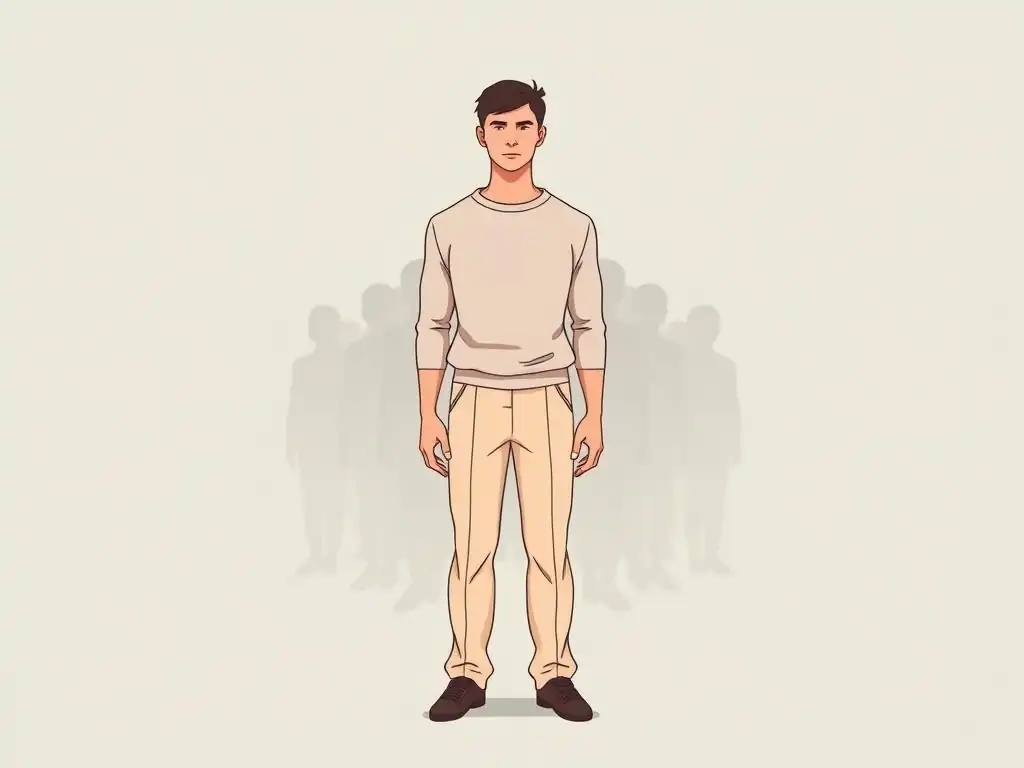
Ghosting, the sudden and unexplained cessation of communication in online dating, can significantly impact mental well-being. Building resilience is crucial to navigate this frustrating experience and protect your emotional health. This involves a multifaceted approach that goes beyond simply accepting rejection; it's about proactively building emotional fortitude and developing strategies to minimize the sting of being ghosted. Understanding that ghosting often stems from the ghoster's own insecurities and anxieties, not a reflection of your worth, is a critical first step. Remember, their behavior says more about them than it does about you.
Developing Healthy Coping Mechanisms for Rejection
Rejection, even in the relatively impersonal world of online dating, can be painful. Developing healthy coping mechanisms is paramount to building resilience against the emotional toll of ghosting. These mechanisms should be proactive, not reactive. Instead of dwelling on the silence, focus on activities that foster self-esteem and well-being.
This might include:
- Engaging in hobbies: Rediscovering old passions or pursuing new ones provides a healthy distraction and boosts self-worth. Think painting, writing, playing a musical instrument, or joining a sports team.
- Connecting with supportive friends and family: Sharing your experiences with trusted individuals provides emotional support and perspective. Talking through your feelings can help process the disappointment and prevent isolation.
- Practicing mindfulness and meditation: These techniques help to ground you in the present moment, reducing rumination on past events and fostering emotional regulation. Even short daily meditation sessions can make a significant difference.
- Journaling: Writing down your thoughts and feelings can be a powerful tool for processing emotions and gaining clarity. It allows you to analyze the situation objectively and identify patterns in your online dating experiences.
- Seeking professional help: If you find yourself struggling to cope with repeated instances of ghosting or experiencing significant emotional distress, don't hesitate to seek support from a therapist or counselor. They can provide personalized strategies and coping mechanisms tailored to your needs.
Remember, allowing yourself to feel the emotions associated with rejection is healthy. Suppression only prolongs the healing process. The key is to process these feelings constructively and not let them consume you.
Setting Realistic Expectations in Online Dating
One significant factor contributing to the emotional impact of ghosting is unrealistic expectations. The online dating landscape is often portrayed as a seamless journey to finding "the one," but the reality is far more nuanced. Setting realistic expectations about the process, including the possibility of rejection and ghosting, is crucial for protecting your mental health.
Understanding that not every connection will lead to a lasting relationship is vital. Many interactions will be brief, and some will end abruptly. This doesn't reflect negatively on you; it simply reflects the nature of online dating. Avoid idealizing potential partners or placing excessive pressure on individual interactions.
Consider these points:
- Focus on building genuine connections, not just accumulating matches: Quality over quantity is key. Engage meaningfully with those who spark your interest rather than superficially swiping through profiles.
- Embrace the learning process: Each interaction, even those ending in ghosting, provides valuable learning opportunities about yourself and what you seek in a partner.
- Maintain a balanced perspective: Don't let online dating consume your life. Keep your focus on other aspects of your well-being, such as work, hobbies, and friendships. This keeps the process in perspective and prevents it from becoming all-consuming.
By setting realistic expectations, you'll be better equipped to handle the inevitable setbacks and disappointments that come with online dating.
Prioritizing Self-Care During the Online Dating Process
Self-care is not a luxury; it's a necessity, especially when navigating the emotional rollercoaster of online dating. Prioritizing self-care involves actively engaging in activities that nurture your physical, mental, and emotional well-being. This is crucial to building resilience and mitigating the negative impact of ghosting.
Self-care practices should be tailored to your individual needs and preferences. They may include:
- Physical self-care: Getting enough sleep, eating nutritious food, exercising regularly, and maintaining good hygiene are fundamental to overall well-being. These practices enhance your mood, energy levels, and resilience to stress.
- Mental self-care: Engaging in activities that stimulate your mind, such as reading, learning new skills, or engaging in creative pursuits, can reduce stress and improve mental clarity.
- Emotional self-care: Practicing self-compassion, setting boundaries, and seeking support when needed are crucial for emotional well-being. Allow yourself to feel your emotions without judgment and seek support when necessary.
Remember, self-care is an ongoing process, not a one-time event. Make it a regular part of your routine, regardless of your online dating experiences. By prioritizing self-care, you'll be better equipped to handle the challenges of online dating and protect your mental health. It's an investment in your overall well-being and a key component in developing resilience against the potential negativity of online dating ghosting.
Building a Strong Support System for Emotional Well-being
Navigating the often-unpredictable world of online dating can take a toll on your mental health, and ghosting, in particular, can leave you feeling confused, rejected, and even worthless. Building a robust support system is crucial for mitigating these negative impacts and fostering resilience. This isn't just about having friends; it's about cultivating meaningful connections that provide emotional sustenance and a safe space for processing your experiences.
One vital aspect of this support system is confiding in trusted individuals. This could include close friends, family members, or a therapist. Sharing your experiences with someone who understands and empathizes can help normalize your feelings and prevent you from internalizing the rejection. Remember, it's perfectly okay to feel hurt or confused after being ghosted; talking about it can lessen the burden and help you gain perspective. Don't underestimate the power of simply voicing your feelings – it's a significant step towards healing.
Beyond simply sharing your experiences, a strong support system offers practical help. Perhaps a friend can distract you with a fun activity after a particularly disheartening online dating encounter. Maybe a family member can offer a listening ear and words of encouragement. This practical support is invaluable in helping you navigate the emotional rollercoaster of online dating and bounce back from setbacks. Consider identifying specific individuals who can provide different types of support – someone for emotional venting, someone for practical distractions, and someone for objective advice.
Furthermore, consider joining support groups, either online or in person, specifically focused on the challenges of online dating. Sharing your experiences with others who understand the unique pressures of this environment can be incredibly validating and empowering. These groups offer a sense of community and shared experience, reminding you that you're not alone in facing these difficulties. They also provide a platform for learning coping mechanisms and strategies from others who have successfully navigated similar situations. The collective strength and shared wisdom within these groups can be a powerful tool in building resilience.
Finally, remember that seeking professional help is a sign of strength, not weakness. A therapist can provide a safe and confidential space to explore your feelings, develop healthy coping strategies, and work through the emotional impact of ghosting. They can offer valuable insights and tools to help you build resilience and navigate future online dating experiences with greater emotional stability. Don't hesitate to reach out for professional support if you feel overwhelmed or struggling to cope on your own. Prioritizing your mental well-being is essential in navigating the complexities of online dating and building meaningful connections.
Strategies for Minimizing the Risk of Ghosting
Ghosting, the sudden and unexplained cessation of communication in online dating, can significantly impact mental health. Understanding the factors contributing to ghosting and proactively implementing preventative measures is crucial for a healthier online dating experience. This section focuses on practical strategies to minimize your risk of experiencing this disheartening phenomenon. We'll explore communication techniques, boundary setting, and red flag identification, empowering you to navigate the online dating world with greater confidence and emotional well-being. Remember, your mental health is paramount, and taking proactive steps is a sign of self-respect and resilience.
Improving Communication Skills to Reduce Ambiguity
Clear and consistent communication is the cornerstone of any healthy relationship, online or offline. Ambiguity leaves room for misinterpretation and can inadvertently contribute to ghosting. Instead of relying on cryptic messages or infrequent contact, strive for open and honest dialogue. For instance, instead of a simple "Hey," try, "Hey! I've been looking forward to chatting with you.
How was your week?" This more engaging approach shows genuine interest and encourages a reciprocal response. Furthermore, be upfront about your intentions and availability. If you're busy, let your potential partner know. If you're not feeling a connection, communicate that respectfully, rather than disappearing.
This approach, while potentially uncomfortable, shows respect for the other person’s time and emotions and significantly reduces the likelihood of being perceived as a ghost. Remember, effective online dating communication requires active listening and thoughtful responses, fostering a sense of mutual respect and understanding. Practice active listening by asking follow-up questions and reflecting on what the other person is saying. This demonstrates engagement and builds rapport.
Setting Clear Boundaries in Online Dating Interactions
Setting healthy boundaries protects your emotional well-being and reduces vulnerability to ghosting. This includes establishing expectations around communication frequency, the level of personal information shared early on, and the pace of the relationship. For example, you might establish a boundary such as, "I prefer to communicate daily, at least initially, to gauge compatibility."
Or, "I’m comfortable sharing my hobbies and interests, but I’ll wait until I feel more comfortable sharing deeper personal details." Communicating these boundaries early on helps to manage expectations and prevents misunderstandings. It also allows you to identify individuals who are incompatible with your needs and preferences.
Don't be afraid to say no to dates or requests that make you uncomfortable. Prioritizing your own well-being over pleasing others is a crucial aspect of setting healthy boundaries and protecting your mental health in online dating. Remember, you deserve respect, and setting boundaries is a powerful way to ensure you receive it.
Identifying Red Flags and Avoiding Potentially Ghosting Partners
Certain behavioral patterns can indicate a higher likelihood of being ghosted. Recognizing these red flags early on allows you to make informed decisions about whether to continue interacting with a potential partner. For example, inconsistent communication, vague responses, or a reluctance to schedule in-person meetings are all potential warning signs. Someone who avoids answering direct questions about their feelings or future plans might be hesitant to commit, increasing the risk of ghosting.
Similarly, a pattern of canceling dates at the last minute, consistently delaying responses, or exhibiting controlling behaviors are significant red flags. Analyzing communication patterns and paying close attention to how the other person makes you feel are essential steps in identifying potential ghosters. Trust your instincts; if something feels off, it's perfectly acceptable to end the interaction, prioritizing your mental well-being over pursuing a potentially problematic connection. Remember, your peace of mind is invaluable.
The Importance of Open and Honest Communication from the Start
Open and honest communication is paramount in mitigating the risk of ghosting in online dating. It sets a healthy foundation for potential relationships and helps establish clear expectations from the outset. Instead of playing games or hiding your true intentions, be upfront about what you're looking for. Are you seeking a casual relationship, something serious, or just exploring your options?
Communicating this clearly early on allows potential partners to self-select, ensuring you're both on the same page. This transparency minimizes the chances of misunderstandings and subsequent ghosting, which often stems from mismatched expectations. For example, if you're looking for a long-term commitment and your date is only interested in casual dating, stating your preferences early can prevent wasted time and emotional investment on both sides. This proactive approach reduces the likelihood of someone disappearing without explanation because they felt misled or pressured into something they didn't want.
The benefits extend beyond preventing ghosting; open communication fosters trust and genuine connection. Sharing your thoughts, feelings, and desires honestly, even if it feels vulnerable, builds a stronger bond with your date. It encourages reciprocal honesty and allows for a more authentic relationship to develop.
Remember, genuine connection is built on mutual understanding and respect. By fostering this from the start, you create a space where open dialogue is the norm, rather than the exception. This not only protects your mental health by reducing the chances of ghosting, but it also enhances the overall quality of your dating experience, leading to more fulfilling and meaningful connections.
Consider using clear and concise language when expressing your needs and desires, avoiding ambiguity that could lead to misinterpretations. Active listening is equally crucial; paying attention to your date's communication is key to understanding their intentions and expectations. This reciprocal communication fosters a healthy and respectful dating environment, minimizing the potential for ghosting and nurturing a more positive online dating experience.
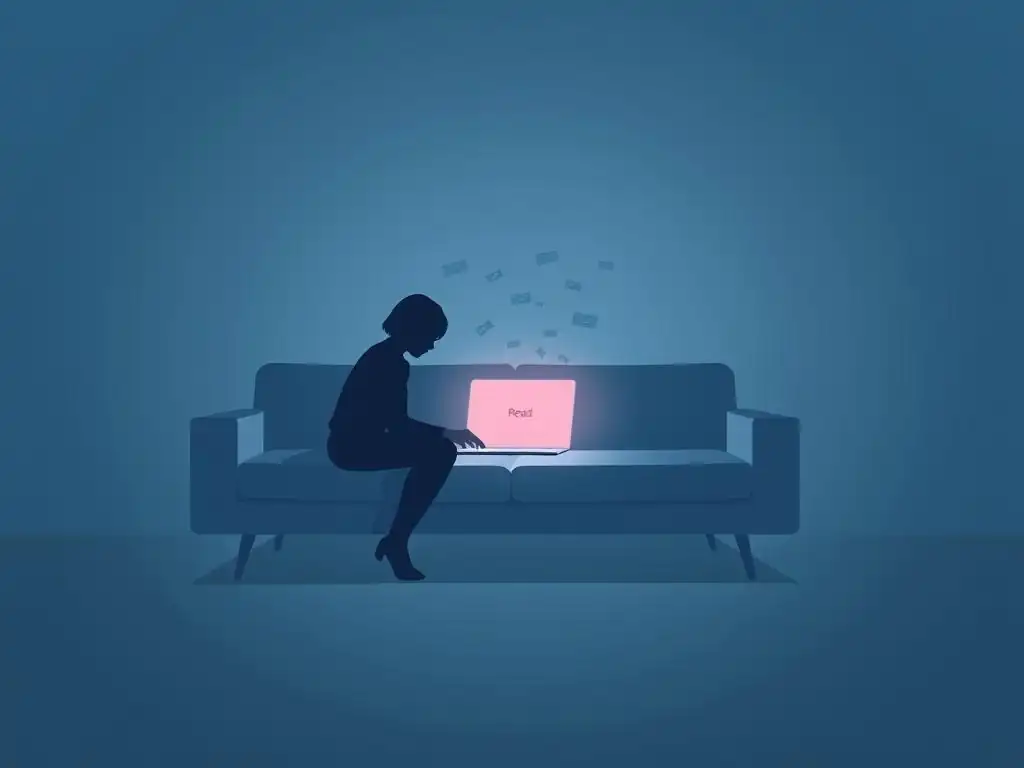
Online dating, while offering exciting possibilities for connection, can also significantly impact mental well-being. The unique challenges—rejection, ghosting, catfishing, and the constant pressure of presenting an idealized self—can lead to considerable emotional distress. Knowing when to seek professional help is crucial for protecting your mental health and navigating these complexities effectively. This section will help you identify signs that indicate it's time to reach out for support.
Recognizing the Need for Therapy or Counseling
The line between normal dating anxieties and a need for professional intervention can be blurry. However, several warning signs suggest that online dating-related distress is impacting your overall mental health. These include, but aren't limited to:
- Persistent sadness or low mood: Feeling consistently down or hopeless for extended periods, significantly impacting your daily life and activities, may indicate depression triggered by negative online dating experiences. This isn't simply a fleeting feeling of disappointment after a few bad dates; it's a pervasive and debilitating emotional state.
- Significant changes in sleep or appetite: Noticeable shifts in sleep patterns (insomnia or excessive sleeping) or appetite (significant weight loss or gain) are often telltale signs of underlying mental health concerns exacerbated by online dating struggles. These physical manifestations often accompany emotional distress.
- Increased anxiety and worry: Experiencing overwhelming anxiety about online dating, including excessive worrying about messages, profiles, or potential dates, to the point where it interferes with work, social life, or other aspects of your life, warrants professional attention. This isn't healthy anticipation; it's debilitating anxiety.
- Withdrawal from social activities: Avoiding social gatherings or interactions with friends and family due to the negativity associated with online dating is a concerning sign. Healthy relationships provide vital support, and isolating yourself can worsen mental health challenges.
- Self-harm or suicidal thoughts: These are extremely serious signs requiring immediate professional help. If you're experiencing thoughts of self-harm or suicide, please reach out to a crisis hotline or mental health professional immediately. Your life is valuable, and help is available.
Finding Mental Health Professionals Specializing in Relationship Issues
Finding the right therapist or counselor is a crucial step in addressing online dating-related distress. Not all therapists specialize in relationship issues, so it's essential to find someone with expertise in this area. Many therapists have specific experience working with clients struggling with the emotional challenges of modern dating, including the unique difficulties presented by online platforms.
Look for therapists with experience in:
- Relationship counseling: These therapists are skilled in helping individuals navigate relationship dynamics, communication issues, and conflict resolution. Their expertise can be invaluable in processing negative experiences from online dating.
- Cognitive Behavioral Therapy (CBT): CBT is a highly effective approach for managing anxiety and depression. It helps individuals identify and challenge negative thought patterns and develop coping mechanisms to manage difficult emotions.
- Trauma-informed therapy: If you've experienced significant emotional trauma related to online dating (e.g., harassment, stalking, or severe rejection), a trauma-informed therapist can provide a safe and supportive environment to process these experiences.
Remember to check credentials and seek recommendations. A good therapist will create a safe and empathetic space for you to explore your experiences and develop strategies for healing and moving forward.
Utilizing Online Resources and Support Groups for Online Dating Challenges
While professional help is vital for significant distress, various online resources and support groups can provide valuable assistance and a sense of community. These resources offer a space to connect with others facing similar challenges, share experiences, and gain support and encouragement.
These resources can complement professional therapy, providing additional support and a sense of community during challenging times. However, it's important to remember that online resources should not replace professional help if you are experiencing severe or persistent mental health issues. They are a valuable supplement, not a substitute. Consider exploring:
- Online forums and communities: Many online forums and communities are dedicated to discussing the challenges of online dating and providing mutual support. These spaces can offer a sense of connection and validation.
- Mental health apps: Several apps offer guided meditations, coping strategies, and connections to mental health professionals. These can be helpful tools for managing anxiety and stress.
- Self-help books and articles: Numerous resources are available online and in print offering practical advice on navigating the emotional complexities of online dating. These can provide valuable insights and coping mechanisms.
Remember, seeking support is a sign of strength, not weakness. Prioritizing your mental well-being is essential for a fulfilling and healthy life, both online and offline. Don't hesitate to reach out for the help you need. Your emotional health matters.
Moving Forward After Ghosting: Healing and Self-Discovery

Ghosting in online dating can leave a lasting impact on your mental health. The sudden silence, the unanswered questions, the feeling of rejection – these are all valid emotions that require processing. Understanding that you're not alone in this experience is the first step towards healing. Many people experience ghosting, and it's not a reflection of your worth. This section focuses on strategies for moving forward, focusing on self-compassion and personal growth. Remember, your emotional well-being is paramount.
Learning from the Experience and Growing Stronger
Ghosting, while painful, presents an opportunity for self-reflection and growth. Instead of dwelling on the negativity, consider what you can learn from the experience. Did you perhaps misinterpret signals? Did communication break down? Were your expectations realistic? Analyzing these aspects can equip you with valuable insights for future interactions.
For example, consider this scenario: You matched with someone who seemed incredibly enthusiastic initially, showering you with compliments and engaging in lengthy conversations. However, after a few days, the communication abruptly ceased. Instead of blaming yourself entirely, analyze the interaction. Were their messages consistently short and less engaging towards the end? Did they cancel plans last minute without explanation? These subtle cues could indicate a change in their interest, even if they didn't explicitly communicate it. Learning to recognize these red flags early on can prevent future disappointment.
Reflecting on past experiences allows you to develop stronger communication skills and healthier relationship expectations. This process of self-assessment is crucial for building resilience in online dating and beyond. It’s about refining your approach, not about fixing yourself.
Focusing on Self-Improvement and Personal Growth
The aftermath of ghosting can be a catalyst for positive change. Use this time to focus on your own well-being and personal development. This isn't about becoming someone else to attract others; it's about nurturing your own happiness and self-worth.
Consider incorporating these self-care strategies:
- Prioritize physical health: Regular exercise, a balanced diet, and sufficient sleep significantly impact mental well-being.
- Engage in hobbies and interests: Reconnect with activities you enjoy, fostering a sense of self-discovery and fulfillment.
- Cultivate strong social connections: Spend time with supportive friends and family, strengthening your social network.
- Practice mindfulness and meditation: These techniques can help manage stress and improve emotional regulation.
- Seek professional support: If you're struggling to cope, don't hesitate to reach out to a therapist or counselor. They can provide guidance and support during this challenging time.
Remember, your self-worth is not determined by the actions of others. Focusing on self-improvement empowers you to approach online dating with greater confidence and emotional resilience. The goal is not to avoid rejection entirely – that's unrealistic – but to develop coping mechanisms and build self-esteem that protects you from the sting of rejection.
Embracing the Positives of Online Dating Despite Setbacks
Online dating, despite its challenges, offers many opportunities to meet new people and build meaningful connections. Ghosting, while undeniably frustrating, shouldn't overshadow the positive aspects of this journey. It's important to maintain a balanced perspective and focus on the potential rewards.
Consider these points:
| Positive Aspect | Example |
|---|---|
| Expanding your social circle | Meeting people with shared interests you might not encounter otherwise. |
| Finding compatible partners | Connecting with individuals who align with your values and goals. |
| Improving communication skills | Practicing expressing yourself clearly and confidently in online interactions. |
| Learning about yourself | Gaining self-awareness through interactions and reflection. |
| Building self-confidence | Overcoming the fear of rejection and increasing self-assurance. |
Remember the goal: building meaningful connections. While ghosting is a setback, it doesn't negate the potential for positive experiences. Continue to refine your profile, improve your communication, and approach online dating with a positive mindset. Your journey towards finding a fulfilling relationship is ongoing, and setbacks are simply opportunities for growth and learning. The experience of online dating ghosting and mental health are intertwined, but focusing on self-care and positive self-talk can significantly ease the emotional burden. You deserve happiness, and pursuing it through online dating is a valid and worthwhile endeavor.
Preparing for Future Online Dating Experiences with Confidence
Ghosting can leave you feeling vulnerable and hesitant to re-enter the online dating world. However, it's crucial to remember that one negative experience doesn't define your worth or your potential for finding a fulfilling connection. Moving forward with confidence requires a proactive approach to self-care and a shift in perspective. This isn't about forgetting what happened, but about learning from it and building resilience.
One effective strategy is to actively practice self-compassion. Acknowledge the hurt and disappointment you've experienced. Allow yourself to grieve the loss of a potential connection, without judgment. Many people find journaling helpful in processing these emotions. Writing down your thoughts and feelings can provide a sense of release and clarity, allowing you to identify patterns of behavior or expectations that may have contributed to the experience. Remember, it's okay to feel the way you feel; these emotions are valid.
Furthermore, consider reframing your perspective on online dating. Instead of viewing it as a quest for "the one," shift your focus to building genuine connections and enjoying the process of getting to know different people. Each interaction is an opportunity for growth and learning, regardless of whether it leads to a long-term relationship. This approach reduces the pressure and allows you to appreciate the positive aspects of connecting with others. Remember, online dating is a numbers game; not every connection will be a success, and that's okay.
To build your confidence, focus on self-improvement. Engage in activities that bring you joy and enhance your self-esteem. This could involve pursuing hobbies, spending time with loved ones, or working towards personal goals. Feeling good about yourself will naturally translate into a more confident and positive online dating experience.
Remember, you are worthy of love and respect, and your value is not determined by the actions of others. Focus on self-love and self-care as a foundation for healthy relationships. Taking care of your mental and emotional well-being is paramount, and this will be reflected in your interactions with others online.
Finally, review your online dating profile. Is it an accurate reflection of your current self? Does it showcase your best qualities and attract the kind of people you're looking for? A well-crafted profile can significantly improve your online dating experience.
Consider seeking feedback from trusted friends or family members to ensure your profile is engaging and approachable. Remember, your profile is your first impression; make it count. By taking these proactive steps, you can prepare for future online dating experiences with a renewed sense of confidence and hope. The experience of ghosting, while painful, can ultimately serve as a catalyst for personal growth and a more fulfilling journey in finding meaningful connections.
Frequently Asked Questions
How does online dating ghosting affect mental health?
Ghosting can significantly impact mental health, leading to feelings of rejection, confusion, low self-esteem, and anxiety. It can disrupt your sense of self-worth and make it harder to trust others.
What are some coping mechanisms for dealing with ghosting?
Focus on self-care activities like exercise, spending time with loved ones, and pursuing hobbies. Journaling your feelings can be helpful, and talking to a therapist can provide professional support. Remember that you're not alone.
How can I reduce my chances of being ghosted on online dating?
Communicate your needs and expectations clearly from the start. Be mindful of your own communication style and ensure you're giving and receiving mutual attention. Look for red flags in early interactions.
Is it always a reflection of me when someone ghosts me online?
No, ghosting is often a reflection of the other person's insecurities or communication issues, not your worth. They may be struggling with their own emotional baggage or simply lack the maturity to handle difficult conversations.
Where can I find support if I'm struggling with the mental health effects of ghosting?
Consider reaching out to a mental health professional or a support group. Many online resources offer advice and support for dealing with the emotional impact of online dating experiences. Remember to prioritize your well-being.
Final Reflection: Healing from the Silence of Ghosting
The sting of being ghosted in online dating is a modern heartbreak, amplified by the impersonal nature of digital communication. It's a pervasive issue impacting the mental well-being of countless individuals navigating the complexities of modern romance. This isn't just about a few missed messages; it's about the erosion of trust, the questioning of self-worth, and the emotional toll of unanswered questions. The impact extends far beyond the initial disappointment, often leaving lingering feelings of insecurity and anxiety.
The pervasive nature of ghosting reflects a broader societal shift – a decline in direct communication and an increase in emotional detachment. The absence of closure is often more painful than the initial rejection itself.
This quote highlights the crucial need for open and honest communication, even in the face of difficult decisions. My own experiences, and those shared by many I've spoken with, underscore the importance of prioritizing self-respect and recognizing that your worth isn't diminished by someone else's cowardly actions. We must actively challenge the normalization of ghosting and advocate for healthier communication practices within the online dating sphere.
You, the reader, now hold the power to redefine your experience with online dating. Don't let the fear of ghosting dictate your choices or diminish your self-worth. Practice self-compassion, prioritize your mental health, and remember that your value is inherent and independent of the actions of others. Choose to engage with platforms and individuals who value open communication and respect. By fostering healthier relationship dynamics, both online and offline, we can collectively create a more compassionate and emotionally supportive dating landscape. Take control of your narrative, and build a dating experience that nurtures your well-being.
Rediscover Your Dating Confidence: Take Control of Your Online Experience
Thank you for exploring the complexities of ghosting in online dating. We hope this article provided valuable strategies to protect your mental well-being. Now, let's put that knowledge into practice!
- Prioritize self-care: Schedule some relaxing time this week – a long bath, a nature walk, or anything that helps you recharge. This is vital for building resilience when navigating the challenges of online dating.
- Set clear boundaries: Choose one specific boundary from the article to actively use in your next online interaction. Even small changes can significantly improve your experience.
- Share your experiences: Join the conversation in the comments below – what self-care strategies or boundaries resonated most with you?
What's one step you can take today to cultivate healthier online dating habits?