
Online Dating Safety: Your Guide to Protecting Your Personal Information

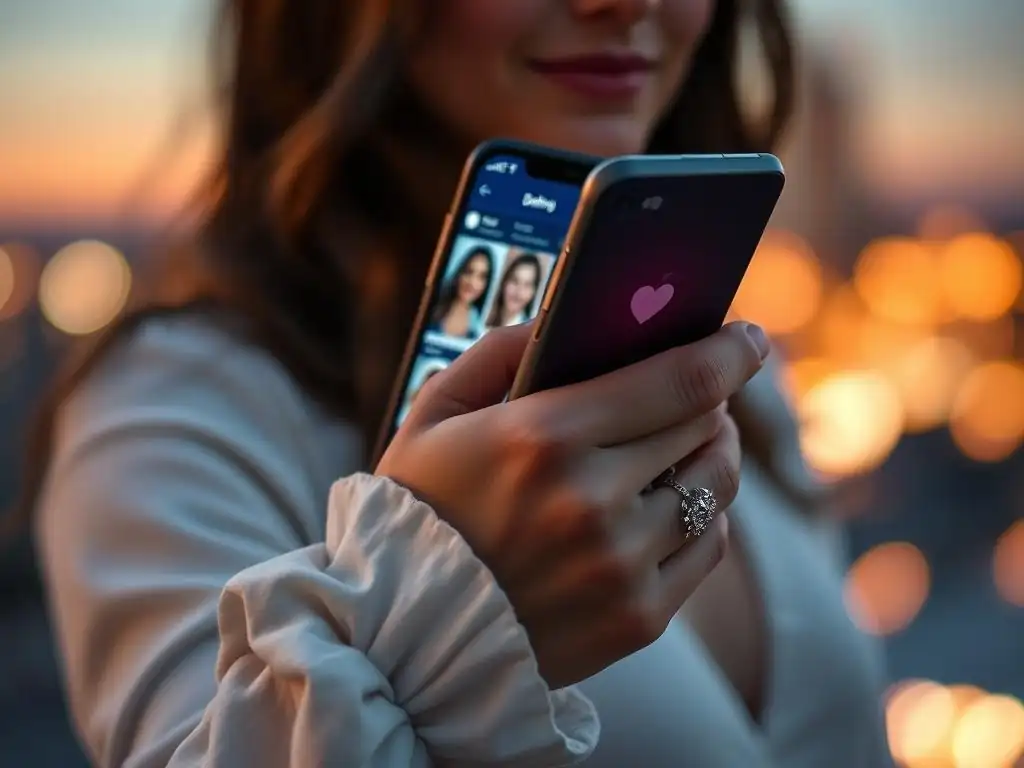
Welcome to OnlineDatingSuccess.org, your ultimate resource for navigating the exciting yet sometimes treacherous world of online dating. Are you ready to find genuine connections but hesitant about potential risks? Then you've come to the right place. We delve into the crucial topic of online dating safety tips, providing you with the essential knowledge to create a secure and rewarding experience. Discover how to protect your personal information and build meaningful relationships – safely and confidently. Let's get started!
- Understanding Online Dating Risks and Protecting Yourself
- Safe Online Dating Profile Creation: Protecting Your Privacy
- Secure Communication Strategies for Online Dating
- Maintaining Online Dating Safety: Ongoing Precautions
- Resources and Additional Support for Online Dating Safety
-
Frequently Asked Questions
- How can I protect my personal information while online dating?
- What are some red flags to watch out for in online dating?
- How can I verify someone's identity before meeting them in person?
- What should I do if I feel unsafe during an online dating interaction?
- Where can I find more information about online dating safety?
- Final Reflection: Navigating the Digital Landscape of Love
- Level Up Your Dating Safety Game!
Understanding Online Dating Risks and Protecting Yourself
Navigating the world of online dating offers incredible opportunities to connect with like-minded individuals and potentially find meaningful relationships. However, it's crucial to acknowledge the inherent risks involved. This guide focuses on online dating safety tips, equipping you with the knowledge and strategies to protect your personal information and well-being while searching for love online. The digital landscape presents unique challenges, from subtle scams to more overt predatory behavior.
Understanding these risks is the first step towards mitigating them and ensuring a safe and positive online dating experience. We'll explore practical strategies for identifying potential dangers, recognizing red flags, and implementing protective measures to safeguard your privacy and security. Remember, prioritizing your safety shouldn't diminish the excitement of meeting new people; rather, it enhances it by allowing you to focus on genuine connections without unnecessary worry. This guide aims to empower you to enjoy online dating confidently and responsibly.
Identifying Potential Scams and Red Flags in Online Dating Profiles
Online dating scams are unfortunately prevalent. Many scammers create fake profiles to exploit unsuspecting individuals, often for financial gain or personal information. Recognizing red flags is crucial to avoid becoming a victim. These red flags can be subtle or blatant, so vigilance is key.
Here are some common red flags to watch out for:
- Inconsistent profiles: Check for discrepancies in photos, biographies, and information provided across multiple platforms. A profile that lacks detail or contains contradictory information may indicate a fake account.
- Overly perfect profiles: Be wary of profiles that seem too good to be true. Everyone has flaws; a profile that presents an idealized image may be a fabrication.
- Requests for money or personal information: This is a significant red flag. Legitimate daters will not ask for financial assistance or sensitive personal details early in the relationship.
- Pressure to move quickly: Scammers often try to rush the relationship, pushing for quick commitments or meetings. Take your time and get to know someone gradually.
- Lack of video calls: Be hesitant about someone who avoids video calls or consistently makes excuses to avoid them. This can be a way to conceal their true identity.
- Grammar and spelling errors: While not always indicative of a scam, frequent grammatical errors can suggest a fake profile created hastily.
- Photos that appear to be stock images or taken from other sources: Reverse image search can help determine if photos are authentic.
Remember, trust your intuition. If something feels off, it probably is. Always err on the side of caution and avoid sharing sensitive information until you've met and verified the person's identity. Don't be afraid to report suspicious profiles to the dating platform.
Recognizing and Avoiding Online Dating Predators and Harassers
Online dating predators and harassers employ various tactics to manipulate and exploit their victims. These individuals may use charm and deception to gain trust, then use that trust to gain access to personal information or engage in abusive behavior. Recognizing and avoiding these individuals is a critical aspect of online dating safety.
Several warning signs can indicate predatory or harassing behavior:
- Aggressive or controlling behavior: Early displays of possessiveness, jealousy, or attempts to control your actions should be taken seriously.
- Excessive flattery and attention: While initial interest is normal, excessive praise and attention that feels insincere or overwhelming can be a red flag.
- Pressure to meet in person quickly: Similar to scams, predators often try to rush the process of meeting in person, potentially jeopardizing your safety.
- Attempts to isolate you from friends and family: Predators may try to cut you off from your support network.
- Sharing inappropriate or sexually explicit content without consent: This is a clear sign of harassment and should be reported immediately.
- Threats or intimidation: Any form of intimidation or threat is unacceptable and should be reported to the platform and, if necessary, law enforcement.
Protecting yourself involves setting boundaries, being assertive, and reporting any concerning behavior immediately. Always meet in a public place for the first date and let someone know your plans.
Protecting Your Personal Information: Best Practices for Online Daters
Safeguarding your personal information is paramount when using online dating platforms. Avoid sharing sensitive details like your full address, workplace, financial information, or social security number until you have established trust and met in person with someone you've met online.
Here are some best practices:
| Practice | Description |
|---|---|
| Use a strong password | Create a unique and complex password for each dating platform. |
| Enable two-factor authentication | Add an extra layer of security to your accounts. |
| Be mindful of photos | Avoid sharing photos that reveal too much personal information, such as your home address or workplace. |
| Don't share your full name early on | Use a nickname or initials initially to protect your privacy. |
| Reverse image search photos | Before meeting someone in person, verify that their photos are not stock images or stolen from another source. |
| Regularly review your privacy settings | Update your privacy settings on dating platforms to control what information is visible to others. |
| Be cautious about links | Do not click on suspicious links or attachments sent by individuals you don't know well. |
| Report suspicious activity | Report any inappropriate or suspicious behavior to the dating platform immediately. |
| Trust your instincts | If something feels wrong, it probably is. Don't hesitate to end contact with someone who makes you feel uncomfortable. |
By following these safety tips, you can significantly reduce your risks and enjoy a more positive and secure online dating experience. Remember, online dating safety is a continuous process, requiring vigilance and awareness.
Safe Online Dating Profile Creation: Protecting Your Privacy

Creating a compelling online dating profile is crucial, but prioritizing your safety shouldn't be an afterthought. Balancing the need to attract potential partners with the need to protect your personal information requires a thoughtful approach. This section provides concrete strategies to build a safe and effective profile, minimizing your vulnerability to scams and unwanted attention. Remember, your online safety is paramount. This is your guide to achieving both a successful and secure online dating experience.
Choosing a Username and Profile Picture: Tips for Safety and Privacy
Your username and profile picture are the first things potential matches see. Choosing wisely can significantly impact your safety. Avoid usernames that reveal personal details like your real name, location, or birthday. Instead, opt for creative and intriguing usernames that hint at your personality without giving away sensitive information. For example, instead of "JaneDoe_Chicago," consider "LiteraryLover88" or "AdventureSeeker23." The key is to be memorable without being overly revealing.
Your profile picture is equally important. While you want to showcase your best self, avoid photos that reveal too much personal information. Don't use pictures taken in front of your house, showing your license plate, or revealing your workplace. A clear, well-lit headshot is ideal, showing your face and a bit of your personality. Avoid group photos where identifying others might inadvertently expose your location or personal connections. Remember, online dating safety tips often revolve around limiting the amount of readily available information about yourself.
Knowing what information to share and what to withhold is crucial for online dating safety. Never share sensitive information like your full address, place of work, phone number, or social security number with someone you've only met online. Even seemingly harmless details, when combined, can be used to piece together your identity and location.
Here's a table summarizing what to share and what to avoid:
| Information to Share | Information to Avoid |
|---|---|
| General interests and hobbies | Full address, phone number, workplace |
| Age range (be cautious about exact age) | Social security number, bank details |
| Travel experiences (without specific locations) | Detailed family information |
| Professional field (without specific company names) | Photos revealing your home or workplace |
| Personality traits | Exact birthday and birthplace |
Remember, building trust takes time. Don't rush into sharing personal details. Verify the identity of potential partners before disclosing sensitive information. Always err on the side of caution. This proactive approach is one of the most effective online dating safety tips.
Managing Your Privacy Settings on Dating Apps and Websites
Dating apps and websites offer various privacy settings. Taking advantage of these features is a critical aspect of online dating safety. Familiarize yourself with the privacy settings available on each platform and adjust them to your comfort level. Here's what to look for:
- Who can see my profile? Restrict access to your profile to only those who have matched with you or those you've explicitly approved.
- Location sharing: Disable location sharing or set it to a broader area to avoid revealing your exact location.
- Profile visibility: Control who can see your photos and other personal details.
- Messaging settings: Use the "report" or "block" features if you encounter any inappropriate behavior.
- Notification settings: Manage your notification preferences to avoid unwanted contact.
Regularly review and adjust your privacy settings. App updates and platform changes may alter your settings, potentially compromising your privacy. Proactive management of your privacy is a continuous process, a key component of effective online dating safety tips. Prioritize your safety and enjoy the positive aspects of online dating with peace of mind.
Secure Communication Strategies for Online Dating
This section focuses on practical strategies to enhance your online dating safety by employing secure communication methods. Remember, protecting your personal information is paramount to a positive and safe online dating experience. The goal is to build trust gradually and avoid prematurely sharing sensitive details.
Safe Communication Practices: Tips for Avoiding Scams and Protecting Your Identity
Before diving into the intricacies of verifying profiles, let's establish a foundation of safe communication practices. These tips are crucial for mitigating risks and preventing scams. Many online dating scams hinge on building rapid trust and then exploiting that trust for financial or personal gain.
- Avoid sharing Personally Identifiable Information (PII) early on: This includes your full name, address, workplace, phone number, and social security number. Wait until you've met in person and established a significant level of trust. Even then, proceed with caution.
- Be wary of overly flattering or intense communication: Scammers often use exaggerated compliments and declarations of love to manipulate their targets. If someone is showering you with affection too quickly, it's a red flag.
- Never send money or gifts: This is a classic scam tactic. Legitimate relationships don't require financial transactions. If someone asks for money, it's almost certainly a scam.
- Use the dating app's messaging system: Avoid switching to alternative communication methods like email, text, or instant messaging until you've met in person and feel comfortable. Dating apps offer some level of security and monitoring.
- Be cautious about sharing photos: Only share photos you are comfortable with being publicly accessible. Consider the potential consequences of your photos being misused.
- Trust your instincts: If something feels off, it probably is. Don't hesitate to end communication with someone who makes you uneasy. Your safety and well-being are the top priority.
A recent study showed that 75% of online dating scams involve requests for financial assistance. This highlights the importance of being vigilant and cautious in your communications. Remember, building a genuine connection takes time; don't rush the process.
Verifying Profiles and Identities: Methods for Ensuring Authenticity
While dating apps employ verification processes, it's essential to supplement these measures with your own due diligence. Remember, not all profiles are genuine. Here's how to verify profiles and identities:
- Reverse image search: Use a reverse image search engine (like Google Images) to check if the profile pictures are authentic. This can help identify if the photos are stolen from another source.
- Check social media: If the profile provides links to social media accounts, verify their existence and consistency with the information provided on the dating app. Look for inconsistencies or red flags.
- Look for inconsistencies: Pay attention to inconsistencies in the profile information. Do the details add up? Are there any contradictions or gaps in the narrative?
- Video call: Suggest a video call as a way to confirm the person's identity and build trust. This can be a significant deterrent to scammers who often avoid visual interaction.
- Ask open-ended questions: Engage in conversations that encourage detailed responses. Generic answers or evasiveness can be warning signs.
Implementing these methods can significantly reduce the risk of encountering fake profiles and protect you from potential scams. Remember, a genuine profile will usually be forthcoming with information and will not be evasive when asked pertinent questions.
Reporting Suspicious Behavior: How to Report Scams and Harassment to Dating Platforms
Knowing how to report suspicious behavior is critical to your online safety. Dating platforms provide mechanisms to report scams and harassment. Don't hesitate to utilize these resources.
- Familiarize yourself with the reporting procedures: Each platform has a specific process for reporting inappropriate behavior. Locate and understand these procedures before you need them.
- Document all interactions: Screenshots and detailed records of conversations can be valuable evidence when reporting suspicious activity. Preserve these records carefully.
- Report immediately: Don't delay reporting suspicious behavior. Timely reporting allows platforms to investigate and take action more effectively.
- Contact law enforcement if necessary: If you believe you've been a victim of a crime, report it to the appropriate law enforcement agency. This is crucial for protecting yourself and potentially preventing others from falling victim to the same scam.
Remember, reporting suspicious activity is not just about protecting yourself; it's about contributing to a safer online dating environment for everyone. By reporting scams and harassment, you help platforms improve their safety measures and hold perpetrators accountable. Your proactive participation is crucial in the fight against online dating fraud.
Maintaining Online Dating Safety: Ongoing Precautions

This section focuses on proactive measures you can take to consistently protect your personal information and well-being while online dating. Remember, online dating safety isn't a one-time fix; it's an ongoing process requiring vigilance and adaptation. Think of it as a layered security system, with each precaution strengthening your overall protection. Consistent application of these online dating safety tips is key to a positive and safe experience.
Regularly Reviewing Your Privacy Settings: Maintaining Security on Dating Apps and Websites
Regularly reviewing your privacy settings is crucial for maintaining online dating safety. Dating apps and websites frequently update their features and security protocols. Failing to review these settings leaves you vulnerable to potential risks. Think of it like changing the locks on your front door periodically – it's a preventative measure that significantly reduces the chances of unwanted access.
Consider these specific steps:
- Check your profile visibility: Determine who can see your profile (everyone, only matches, etc.). Restricting visibility minimizes unwanted attention.
- Manage your location sharing: Many apps allow location sharing. Carefully consider the level of detail you're comfortable sharing. Over-sharing your location can compromise your safety.
- Review your connection settings: Examine who can contact you. Restricting contact to matches only reduces the risk of unsolicited messages and harassment.
- Examine notification settings: Manage which notifications you receive to avoid unwanted alerts or potential phishing attempts.
- Update your password regularly: Use strong, unique passwords for each dating app, and change them every few months. Consider using a password manager to help.
- Enable two-factor authentication (2FA): This adds an extra layer of security, requiring a code from your phone or email in addition to your password. This is one of the most effective online dating safety tips available.
Recognizing and Addressing Online Dating Harassment: Strategies for Self-Protection
Online harassment can take many forms, from unwanted messages to stalking and doxxing. Recognizing and addressing these situations promptly is vital for your mental health and safety. Remember, you have the right to a harassment-free online experience.
Here are some strategies for self-protection:
- Block and report: Don't hesitate to block users who engage in harassing behavior. Most platforms have reporting mechanisms; use them. Document instances of harassment with screenshots.
- Don't engage: Responding to harassment often escalates the situation. Ignoring the harasser is usually the best course of action.
- Save evidence: Keep records of harassing messages, emails, or other forms of contact. This evidence can be crucial if you need to report the behavior to the platform or law enforcement.
- Utilize platform features: Dating apps and websites often have built-in safety features, such as blocking, reporting, and safety tips. Familiarize yourself with these features.
- Seek support: If you're experiencing significant harassment, seek support from friends, family, or mental health professionals. Remember, you're not alone.
- Limit personal information sharing: Avoid sharing sensitive information like your full address, workplace, or financial details early in online interactions.
Staying Aware of Online Dating Safety Updates: Keeping Informed on New Threats and Scams
The online dating landscape is constantly evolving, with new scams and threats emerging regularly. Staying informed about these developments is crucial for maintaining your online dating safety. Think of it like staying updated on the latest security patches for your computer – neglecting updates makes you more vulnerable.
Here's how to stay informed:
- Follow reputable sources: Stay updated on online dating safety tips from trusted cybersecurity websites and organizations.
- Read app and website updates: Pay attention to announcements and updates from the dating platforms you use. These often include information about new security measures and emerging threats.
- Be aware of common scams: Familiarize yourself with prevalent scams, such as catfishing, romance scams, and phishing attempts. Knowing what to look for can help you avoid becoming a victim.
- Trust your instincts: If something feels off or too good to be true, it probably is. Don't hesitate to end contact if you feel uneasy about someone. Your gut feeling is a powerful online dating safety tool.
- Educate yourself continuously: Online dating safety is an ongoing learning process. Regularly research new threats and best practices to stay ahead of potential risks.
Remember, prioritizing your safety and well-being is paramount. By consistently applying these online dating safety tips, you can significantly reduce your risk and enjoy a more positive and secure online dating experience. Prioritizing your safety is not just about avoiding scams; it's about fostering a healthy and respectful online environment.
Resources and Additional Support for Online Dating Safety
This section provides crucial information on where to find help and support regarding online dating safety, encompassing both organizational resources and legal avenues. Understanding your options is a key component of maintaining your safety and well-being in the online dating world. Remember, you are not alone, and help is readily available. This information is designed to empower you to navigate online dating safely and confidently. The proactive approach to online dating safety is crucial in preventing potentially harmful situations.
Online Dating Safety Organizations and Hotlines: Where to Find Help and Support
Navigating the complexities of online dating can sometimes lead to uncomfortable or even dangerous situations. Fortunately, several organizations and hotlines are dedicated to providing support and guidance to individuals experiencing such issues. These resources offer a safe space to share your experiences, receive advice, and report incidents. Remember, reporting suspicious activity is crucial not only for your personal safety but also for the safety of others in the online dating community.
Here's a breakdown of the types of support you might find:
- National Domestic Violence Hotlines: While not exclusively focused on online dating, these hotlines offer vital support for individuals experiencing any form of abuse, including those stemming from online relationships. They can provide immediate crisis intervention, safety planning, and referrals to local resources. These services are often available 24/7.
- Cybersecurity Organizations: These organizations offer information and resources on protecting your digital identity and data, which is incredibly important in the context of online dating. They can provide advice on password security, phishing scams, and other online threats. Their expertise can help you build stronger online safety habits.
- Online Dating Safety Awareness Campaigns: Many organizations run campaigns specifically aimed at raising awareness about online dating safety. These campaigns often provide valuable tips, guides, and resources to help you stay safe while using online dating platforms. Looking for these campaigns can provide a wealth of preventative information.
- Support Groups and Forums: Connecting with others who have had similar experiences can be incredibly beneficial. Online support groups and forums provide a platform to share experiences, gain emotional support, and receive practical advice from others who understand the challenges of online dating. This peer-to-peer support can be invaluable.
It's important to note that the specific organizations and hotlines available may vary depending on your location. Searching online for "[your location] online dating safety resources" will provide the most relevant and up-to-date information for your area. Remember, seeking help is a sign of strength, not weakness.
Legal Resources for Online Dating Safety: Understanding Your Rights and Options
Understanding your legal rights and options is another crucial aspect of online dating safety. Knowing what constitutes harassment, stalking, or other illegal online behavior can empower you to take appropriate action if you encounter such situations. This knowledge can be instrumental in protecting yourself and holding perpetrators accountable.
Several resources can help you understand your legal rights:
- Local Law Enforcement: If you experience any form of harassment, threats, or illegal activity related to online dating, report it to your local law enforcement immediately. They can investigate the incident and take appropriate action. Detailed records of interactions can be incredibly useful in such situations.
- Legal Aid Organizations: Legal aid organizations can provide free or low-cost legal assistance to individuals who cannot afford a private attorney. They can advise you on your legal rights and options, and may be able to represent you in court if necessary. This support can be critical in navigating the legal process.
- Online Safety Legislation: Familiarize yourself with any relevant legislation in your jurisdiction related to online harassment, stalking, and privacy violations. Understanding these laws can help you protect yourself and know what steps to take if your rights are violated. Staying informed about legal changes is also essential.
- Civil Lawsuits: In some cases, you may be able to pursue a civil lawsuit against an individual who has harmed you through online dating. This option allows you to seek compensation for damages and hold the perpetrator accountable for their actions.
It's crucial to document all interactions, including messages, emails, and any other forms of communication, as this evidence can be crucial if you decide to pursue legal action. Remember, seeking legal counsel is a proactive step towards protecting your well-being and safety. Don't hesitate to reach out for help if you need it. Your safety and well-being are paramount.
Frequently Asked Questions
How can I protect my personal information while online dating?
Never share sensitive information like your full address, workplace, or financial details early on. Use a separate email address and phone number specifically for online dating, and be cautious about revealing too much in your profile. Verify the identity of anyone you meet online before meeting in person.
What are some red flags to watch out for in online dating?
Be wary of profiles with limited information, inconsistent details, or excessive flattery. Avoid anyone who pressures you to meet quickly, shares inappropriate content, or asks for financial assistance. Trust your instincts – if something feels wrong, it probably is.
How can I verify someone's identity before meeting them in person?
Perform a reverse image search of their profile picture. Try to find them on other social media platforms to cross-reference information. Video chat before meeting in person to confirm their identity and assess their demeanor. Consider meeting in a public place for your first encounter.
What should I do if I feel unsafe during an online dating interaction?
Immediately block and report the user to the dating platform. Save any evidence of inappropriate behavior, including messages and screenshots. Consider reporting the incident to the authorities if you feel threatened or harassed. Lean on your support network for emotional support.
Where can I find more information about online dating safety?
OnlineDatingSuccess.org offers many more practical tips and advice regarding online dating safety, including creating secure profiles, communicating effectively, and building healthy relationships. We also provide resources and guides to help you stay safe while navigating the online dating world.
The ease and accessibility of online dating have revolutionized romance, yet this convenience comes at a cost: a heightened risk to personal safety and security. Millions navigate the digital dating world daily, making the need for proactive safety measures more critical than ever. Ignoring these precautions isn't just careless; it's potentially dangerous.
The pervasiveness of online dating has irrevocably altered how we approach relationships, blurring the lines between the virtual and the real. This shift demands a constant reevaluation of our online behavior and a heightened awareness of potential threats. As we increasingly rely on digital platforms for connection, the responsibility for safeguarding our personal information falls squarely on our shoulders. The price of liberty is eternal vigilance,
and this holds true in the digital realm of dating as much as anywhere else. We must remain vigilant, informed, and proactive in protecting ourselves.
Consider the information shared in this article – the importance of verifying profiles, the dangers of sharing personal details too readily, and the power of setting clear boundaries. These aren't just suggestions; they are essential tools for navigating the complexities of online dating safely and confidently. You have the power to control your online experience and protect yourself. Take the time to review these tips, implement them into your dating strategy, and prioritize your safety above all else. Your well-being and peace of mind are worth the effort.
Level Up Your Dating Safety Game!
Thank you for taking the time to learn about online dating safety. You now have the knowledge to navigate the digital dating world with confidence! Ready to put your new skills to the test?
- Prioritize your privacy: Carefully review your social media privacy settings and consider creating a separate email address solely for online dating. This is crucial for your safety.
- Share this article with your friends: Help them protect themselves too! A little knowledge can go a long way in staying safe online.
- Join our OnlineDatingSuccess.org community forum: Share your experiences and ask any questions you may have. Let's work together to make online dating safer for everyone.
What's one safety measure you will implement today to improve your online dating experience?