
Communicating Your Needs Clearly: A Guide for Each Attachment Style


Ready to transform your online dating experience? At OnlineDatingSuccess.org, we understand the complexities of navigating the digital dating world. This isn't just about finding a match; it's about building meaningful connections. Discover how understanding your own online dating communication needs, and those of your potential partners, is the key to unlocking genuine relationships. Our guide on Attachment Styles & Online Dating will illuminate the path to success – are you ready to find out more?
- Understanding Your Attachment Style and its Impact on Online Dating Communication
- Communicating Your Needs as a Securely Attached Individual in Online Dating
- Navigating Online Dating Communication as an Anxious-Attached Individual
- Effective Online Dating Communication for Avoidantly Attached Individuals
- Online Dating Communication Strategies for Fearfully-Avoidantly Attached Individuals
- Improving Online Dating Communication Across All Attachment Styles
-
Frequently Asked Questions
- How can I communicate my needs effectively on online dating sites?
- What are some common communication mistakes to avoid in online dating?
- How does my attachment style affect my online dating communication?
- What if I'm struggling to express my needs to someone I'm dating online?
- Are there specific communication strategies for different stages of online dating?
- Final Reflection: Bridging the Communication Gap in Online Dating
- Unlock Deeper Connections: Take Charge of Your Communication
Understanding Your Attachment Style and its Impact on Online Dating Communication
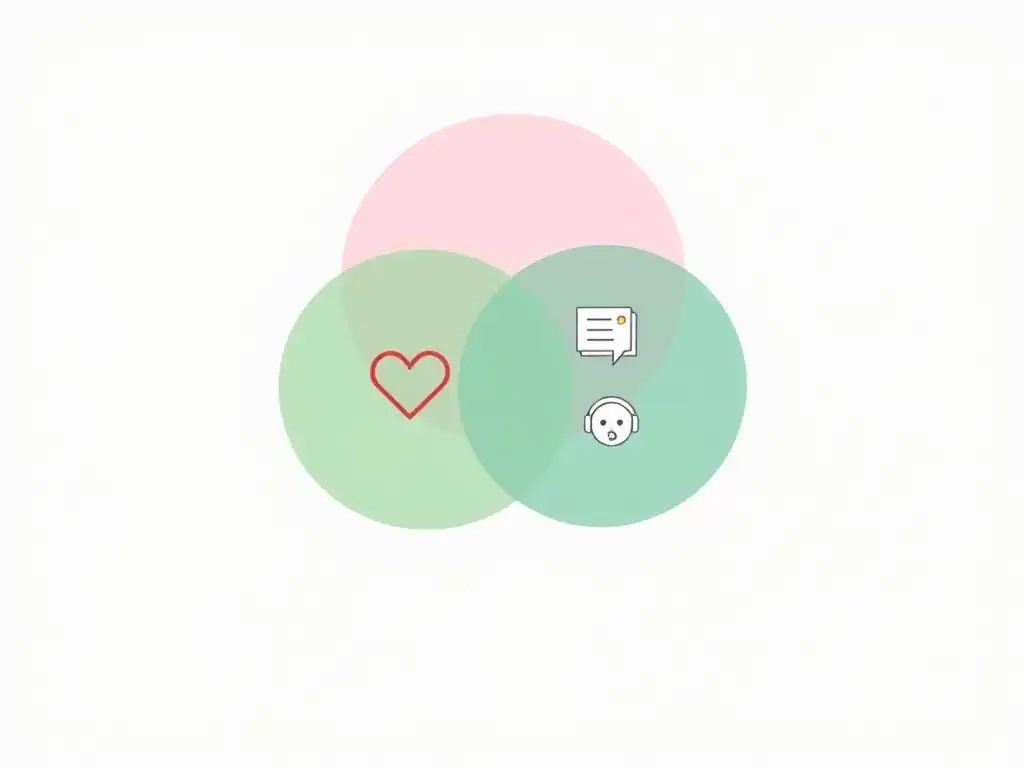
Navigating the world of online dating can feel like deciphering a complex code, especially when you consider the role of attachment styles. Understanding your own attachment style—whether secure, anxious, avoidant, or fearful-avoidant—is crucial for effective communication and building healthy relationships online. This guide will help you identify your attachment style and learn how it influences your communication needs in the online dating sphere, ultimately empowering you to create more meaningful connections. We'll explore how different attachment styles manifest in online interactions, providing practical strategies to improve your communication and increase your chances of finding a compatible partner.
Mastering online dating communication, especially when considering your attachment style, is key to unlocking fulfilling relationships. This article will equip you with the tools and knowledge to express your needs clearly and confidently, irrespective of your attachment style. Let's dive in!
Identifying Your Attachment Style: Secure, Anxious, Avoidant, and Fearful-Avoidant
Understanding your attachment style is the first step towards improving your online dating communication. Attachment theory categorizes individuals into four main styles: secure, anxious, avoidant, and fearful-avoidant. Each style presents unique communication patterns and needs.
- Secure Attachment: Securely attached individuals generally have a healthy sense of self and trust in others. They tend to communicate openly and honestly, expressing their needs and feelings comfortably. They are often good listeners and value reciprocity in relationships. In online dating, they might initiate conversations easily, respond promptly, and maintain consistent communication.
- Anxious Attachment: Anxiously attached individuals often crave closeness and reassurance but fear rejection. They may overthink messages, worry about responses, and become overly invested quickly. Their communication might be characterized by frequent messaging, seeking validation, and expressing anxieties about the relationship's progression. Online, this can manifest as repeatedly checking for messages or expressing insecurity.
- Avoidant Attachment: Avoidantly attached individuals prioritize independence and self-reliance, often valuing their personal space and autonomy. They may avoid deep emotional intimacy and struggle to express their needs directly. In online dating, they might respond less frequently, keep conversations brief, or avoid discussing personal feelings.
- Fearful-Avoidant Attachment: This style combines elements of both anxious and avoidant attachments. Individuals with this style desire closeness but fear intimacy and rejection, leading to inconsistent and often contradictory communication patterns. Online, they might express interest but then withdraw, leading to confusion for potential partners.
Consider these questions to reflect on your own attachment style:
| Question | Secure | Anxious | Avoidant | Fearful-Avoidant |
|---|---|---|---|---|
| How comfortable are you with intimacy? | Very comfortable | Somewhat uneasy | Uncomfortable | Very uncomfortable |
| How do you handle conflict? | Constructively | With anxiety | By withdrawing | Inconsistent ways |
| How easily do you trust others? | Easily | With difficulty | With difficulty | With great difficulty |
| How do you express your needs? | Openly and directly | Hesitantly | Indirectly or not at all | Inconsistently |
Remember, these are just general guidelines. Individual experiences can vary, and it's possible to have traits of multiple attachment styles.
How Attachment Style Affects Online Dating Communication Needs
Understanding how your attachment style shapes your communication is paramount for success in online dating. Each style presents unique challenges and opportunities:
- Secure Attachment: Secure individuals generally don't face significant communication hurdles. However, they can benefit from being mindful of potential partners' attachment styles and adjusting their communication accordingly. Maintaining healthy boundaries and respecting others' communication preferences is key.
- Anxious Attachment: Anxiously attached individuals need to practice self-soothing techniques and avoid excessive messaging. Focusing on building trust gradually and avoiding overwhelming potential partners with constant contact is crucial. Mindfulness and self-reflection can help manage anxieties.
- Avoidant Attachment: Avoidant individuals need to challenge themselves to communicate their needs more directly, albeit gradually. They can benefit from practicing vulnerability and expressing emotions in a controlled manner, starting with small steps. Learning to trust and accept intimacy is a key area for growth.
- Fearful-Avoidant Attachment: This style requires a more nuanced approach. Individuals with this attachment style need to work on managing both their fear of intimacy and their desire for connection. Therapy can be particularly helpful in addressing the underlying anxieties and developing healthier communication patterns. Seeking professional help is often beneficial for navigating the complexities of this attachment style.
By recognizing your attachment style and understanding its impact on your online dating communication, you can proactively address potential challenges and cultivate more fulfilling and authentic connections. Remember, self-awareness is the first step towards building healthy relationships. 💖
Communicating Your Needs as a Securely Attached Individual in Online Dating
Secure attachment, characterized by comfort with intimacy and independence, offers a solid foundation for healthy online dating communication. However, even securely attached individuals can benefit from strategies to ensure their needs are met. This section focuses on techniques to enhance communication and build meaningful connections.
Setting Healthy Boundaries in Online Dating Communication
Setting boundaries is crucial, even for those with secure attachment. It's about respecting your time and emotional energy. For example, a securely attached individual might establish a clear expectation of response times. Instead of passively waiting for a reply that may never come, they might proactively communicate their availability.
"I'm usually free to chat after 7 pm on weekdays," or "I'm busy this weekend, but I'll get back to you on Monday," are examples of setting healthy boundaries. This prevents misinterpretations and avoids feelings of being ignored or undervalued. Furthermore, establishing limits on sharing personal information early in the online dating process is vital. This proactive approach protects your privacy and ensures you feel safe and in control.
Consider using a phased approach to sharing information, revealing details only as you become more comfortable and confident in the relationship. Remember, setting boundaries is not about being cold or distant; rather, it's about self-respect and fostering healthy communication dynamics. A securely attached individual understands the importance of both connection and independence, and healthy boundaries are a manifestation of this balance.
Expressing Your Needs Directly and Respectfully
Direct and respectful communication is a hallmark of secure attachment. Instead of hinting or dropping subtle clues, securely attached individuals are more likely to express their needs clearly. For instance, if they desire more frequent communication, they might say, "I enjoy our conversations and would love to chat more often," rather than passively waiting for more messages. This direct approach minimizes misunderstandings and fosters open communication.
It’s important to remember to phrase requests with empathy and consideration for the other person's feelings and circumstances. For example, instead of saying "Why haven't you texted me back? ", a more effective approach might be "I've been looking forward to hearing from you. How's your week going?"
This approach shows genuine interest and avoids accusatory tones. The goal is to create a safe and comfortable space for open dialogue. Practicing active listening is equally important. Truly hearing and understanding the other person’s perspective allows for more effective and empathetic communication, strengthening the connection and building mutual respect.
Responding to Others' Communication Styles with Empathy
Securely attached individuals tend to be more adaptable to different communication styles. However, understanding different attachment styles can significantly enhance communication. For instance, someone with an anxious attachment style might over-communicate, while someone with an avoidant attachment style might be less responsive.
A securely attached individual can respond with empathy by acknowledging these differences. If someone is over-communicating, a gentle but firm response like, "I appreciate your enthusiasm, but I need a little space to respond thoughtfully," can establish healthy boundaries without making the other person feel rejected. If someone is less responsive, a securely attached individual might give them the space they need while still expressing their own needs.
They might say something like, "I understand you're busy, but I'd love to connect when you have some free time." This approach demonstrates understanding and respect for the other person's communication preferences, contributing to a more balanced and sustainable online dating experience. This flexibility and understanding are key to navigating the diverse communication styles encountered in online dating and building strong, healthy relationships.

Anxious-attached individuals often experience heightened emotional intensity in relationships, and online dating can amplify these feelings. The perceived lack of immediate feedback and the reliance on text-based communication can trigger anxieties about rejection or abandonment. Understanding how this attachment style manifests in online interactions is crucial for fostering healthy connections. This section focuses on practical strategies for anxious-attached daters to navigate the complexities of online communication, ultimately improving their chances of finding fulfilling relationships. Effective communication is key to online dating success, and for anxiously attached individuals, this requires mindful self-awareness and proactive strategies.
Managing Anxiety in Online Dating Interactions
The initial stages of online dating can be particularly challenging for those with an anxious attachment style. The constant anticipation of a reply, the perceived lack of emotional availability through a screen, and the fear of rejection can lead to overwhelming anxiety. To manage this, implement these techniques:
- Schedule specific times for checking dating apps: Avoid the constant refreshing and obsessive checking that fuels anxiety. Set aside 15-20 minutes twice a day to check messages and respond. This creates boundaries and reduces the overwhelming feeling of constant monitoring.
- Engage in self-soothing activities: Before logging onto dating apps, engage in activities that calm your nerves. This could include meditation, listening to calming music, spending time in nature, or practicing mindfulness techniques.
- Practice self-compassion: Remind yourself that it's okay to feel anxious. Dating is inherently uncertain, and experiencing some anxiety is normal. Treat yourself with the same kindness and understanding you would offer a friend facing similar challenges.
- Focus on self-care: Prioritize activities that nourish your emotional well-being. This includes adequate sleep, healthy eating, regular exercise, and engaging in hobbies you enjoy. A strong sense of self-worth reduces reliance on external validation from potential partners.
Avoiding Overthinking and Misinterpretations of Messages
Anxious attachment often leads to overthinking and misinterpreting messages. A short delay in a reply can be perceived as rejection, a casual tone as disinterest, and even a simple typo can be blown out of proportion. Combat this tendency by:
- Giving the other person the benefit of the doubt: Before jumping to conclusions, consider alternative explanations for delayed replies or ambiguous messages. They might be busy, have poor cell service, or simply have a different communication style.
- Avoiding reading between the lines: Focus on the literal meaning of the message rather than trying to decipher hidden meanings. If you're unsure, ask clarifying questions instead of assuming the worst.
- Practicing mindfulness: Pay attention to your thoughts and feelings without judgment. Recognize when you're starting to overthink and gently redirect your attention to something else.
- Journaling: Writing down your thoughts and feelings can help you process them more effectively and prevent them from spiraling out of control. This also helps you identify patterns in your thinking and develop strategies to manage them.
Communicating Your Needs Without Excessive Seeking of Reassurance
Anxious-attached individuals often seek excessive reassurance, which can be overwhelming for potential partners. While it's important to express your needs, it's equally crucial to do so in a way that respects the other person's boundaries. Therefore, focus on:
- Direct and clear communication: Instead of hinting or implying your needs, express them directly and clearly. For instance, instead of saying "Are you still interested? ", try "I've enjoyed our conversations so far, and I'm looking forward to getting to know you better. Would you be open to [suggest a specific next step, e.g., a video call]?"
- Setting healthy boundaries: Learn to say no to requests or interactions that make you uncomfortable. Prioritize your own well-being and avoid people who are not respectful of your limits.
- Focusing on your own feelings: Instead of constantly seeking reassurance from the other person, focus on identifying and validating your own feelings. This reduces dependence on external validation and builds a stronger sense of self.
- Accepting uncertainty: Dating involves an inherent degree of uncertainty. Accept that you cannot control the other person's actions or feelings, and focus on what you can control: your own thoughts, feelings, and behaviors. This fosters emotional resilience and reduces anxiety around the unpredictable nature of online dating.
This approach to online dating communication, tailored to the anxious-attached individual, emphasizes mindful self-awareness, proactive communication strategies, and emotional regulation techniques. By implementing these strategies, anxious-attached individuals can significantly improve their online dating experiences and increase their chances of finding meaningful connections.
Effective Online Dating Communication for Avoidantly Attached Individuals
Avoidant attachment styles, characterized by a tendency towards emotional distance and a fear of intimacy, present unique challenges in online dating. Successfully navigating the online dating world requires careful consideration of communication strategies that balance the need for connection with the desire for independence. Understanding how avoidant attachment manifests in online interactions is crucial for building healthy relationships.
This section explores effective communication techniques specifically tailored for individuals with avoidant attachment styles, focusing on strategies to express needs while maintaining a sense of self. The goal is to foster authentic connections without triggering the anxieties often associated with intimacy. Effective communication is key to overcoming the challenges inherent in online dating for those with avoidant attachment.
Balancing Connection and Independence in Online Dating
For avoidantly attached individuals, the delicate balance between connection and independence is paramount in online dating. The fear of engulfment often leads to withdrawal or avoidance of deeper conversations. However, suppressing needs entirely can lead to missed opportunities for meaningful connections. A helpful strategy is to set realistic expectations for the pace of the relationship.
Instead of rushing into intense emotional exchanges, focus on building a gradual connection through lighthearted conversations and shared interests. This approach allows for a sense of control and reduces the feeling of being overwhelmed, which is crucial for those with avoidant tendencies. Think of it like a slow dance – each step is measured and deliberate, leading to a comfortable rhythm of communication.
For example, instead of immediately responding to every message with lengthy replies, take some time to process your feelings and respond thoughtfully. This prevents impulsive reactions driven by anxiety and allows for more intentional communication. Another helpful tip is to schedule specific times for online interactions, limiting the amount of time spent messaging to avoid feeling bombarded. This mindful approach promotes emotional regulation and prevents feeling overwhelmed, which is a common trigger for avoidant individuals.
Communicating Needs Without Feeling Overwhelmed
Open and honest communication is essential for any healthy relationship, but it can be particularly challenging for those with an avoidant attachment style. Expressing needs directly can feel threatening, evoking feelings of vulnerability and loss of control. However, avoiding these conversations can lead to misunderstandings and ultimately hinder the development of a fulfilling relationship. The key lies in finding a balance between expressing needs and maintaining a sense of autonomy.
This involves using “I” statements to articulate feelings and needs without placing blame or making accusations. For instance, instead of saying, "You never call me," try "I feel a little neglected when I don't hear from you for a few days." This approach fosters a more collaborative and less confrontational atmosphere.
Furthermore, practicing assertive communication is crucial. This means expressing your needs clearly and directly, while still respecting the other person's boundaries and feelings. It's about finding your voice without being aggressive or passive. It’s about making sure your needs are understood without being demanding. Remember, clear communication is not about demanding compliance, but about fostering understanding and mutual respect. Learning to set boundaries is another vital component. This involves clearly defining what you are and are not comfortable with in a relationship, both online and offline. This protects your emotional space and helps to maintain a sense of control.
Recognizing and Addressing Potential Communication Barriers
Several communication barriers can hinder the progress of online dating for avoidantly attached individuals. One common barrier is a tendency towards minimizing or downplaying one's emotions. This can lead to misunderstandings and frustration for the other person. Another significant obstacle is the fear of rejection, which can cause individuals to avoid initiating contact or responding to messages. This fear often manifests as delayed responses or limited emotional expression, hindering the development of intimacy. Recognizing these tendencies is the first step towards addressing them.
To overcome these barriers, consider practicing self-compassion. Acknowledge the challenges associated with avoidant attachment and treat yourself with understanding and kindness. This fosters a more accepting attitude towards your own emotions and behaviors. Seeking professional help, such as therapy or counseling, can provide valuable support and guidance in navigating these complex emotional dynamics.
A therapist can help you identify and address underlying anxieties and develop healthier communication patterns. Remember, building healthy relationships requires self-awareness, self-compassion, and a willingness to address communication challenges proactively. This is especially true in the context of online dating, where initial interactions are crucial in building successful connections.
Online Dating Communication Strategies for Fearfully-Avoidantly Attached Individuals
Fearfully-avoidant attachment, a complex blend of wanting connection and fearing intimacy, presents unique challenges in online dating. Individuals with this attachment style often experience internal conflict, simultaneously craving validation and pushing potential partners away. Successfully navigating online dating requires a conscious effort to understand and manage these conflicting desires. Effective communication is key to overcoming these hurdles and building healthy relationships. This section provides actionable strategies tailored to the specific needs of fearfully-avoidantly attached individuals seeking connection online.
Addressing Underlying Fears and Insecurities
The first step towards effective online dating communication for fearfully-avoidant individuals involves confronting underlying fears and insecurities. Many individuals with this attachment style struggle with self-doubt and a fear of rejection. These feelings often manifest as hesitancy to initiate contact, reluctance to share personal information, or sudden withdrawal during interactions. Addressing these fears requires self-compassion and a willingness to engage in self-reflection.
Consider journaling to explore the root causes of your anxieties. Ask yourself: What past experiences have contributed to your fear of intimacy? What are your biggest fears about vulnerability in online dating? Identifying these triggers is crucial for developing coping mechanisms. Consider seeking professional support from a therapist specializing in attachment styles. Therapy can provide a safe space to process these emotions and develop healthy communication patterns. Remember, acknowledging and validating your feelings is the first step towards overcoming them. Self-acceptance is crucial for building healthy relationships, both online and offline.
Communicating Needs While Managing Ambivalence
Ambivalence is a hallmark of the fearfully-avoidant attachment style. This internal conflict can manifest as mixed signals in online communication. You might express interest in someone, only to later pull back, fearing rejection or feeling overwhelmed by the prospect of closeness. To mitigate this, practice mindful communication. Before responding to a message, take a moment to reflect on your feelings and intentions. This conscious pause can help avoid impulsive actions driven by fear.
Prioritize clear and concise messaging. Avoid ambiguous statements that could be interpreted in multiple ways. For example, instead of saying "Maybe we could chat sometime," try "I'd love to get to know you better. Are you free for a quick video call tomorrow evening?". Direct communication minimizes room for misinterpretation and reduces anxiety associated with uncertainty. Honesty is crucial, but remember to communicate your needs gradually and respectfully. This approach allows for a sense of security and control, reducing the likelihood of sudden withdrawal. Remember, building trust takes time.
Seeking Support to Improve Online Dating Communication
Navigating the complexities of online dating with a fearfully-avoidant attachment style can be challenging, but you don't have to do it alone. Seeking support from trusted friends, family, or a therapist can significantly improve your online dating experience. Friends or family who understand your attachment style can offer valuable emotional support and perspective. They can help you process difficult experiences and celebrate your successes.
A therapist specializing in attachment theory can provide personalized strategies to manage your anxieties and improve communication skills. They can help you identify unhealthy patterns in your communication and develop healthier alternatives. Support groups specifically for individuals with attachment issues can also be incredibly beneficial. Connecting with others who share similar experiences can foster a sense of community and validation, reducing feelings of isolation.
Remember, seeking help is a sign of strength, not weakness. Prioritizing your emotional well-being is essential for building healthy relationships. The journey to improved online dating communication is a process, and seeking support is a crucial step towards success.
Improving Online Dating Communication Across All Attachment Styles
This section focuses on enhancing communication strategies within the context of online dating, specifically addressing the diverse needs presented by different attachment styles. Effective communication is paramount for building healthy relationships, regardless of your attachment style, but understanding your own tendencies and those of potential partners is crucial for navigating the complexities of online interactions. Mastering online dating communication needs careful consideration and proactive strategies.
The goal is to foster genuine connections while minimizing misunderstandings and potential hurt feelings. This involves adapting your approach based on your own style and recognizing the nuances of others' communication styles. Let's explore how to improve communication across all attachment styles.
Active Listening and Empathetic Responses
Active listening is more than just hearing words; it's about understanding the underlying emotions and intentions behind them. This is particularly important in online dating, where nonverbal cues are limited. When engaging with someone online, focus on truly understanding their message. Consider their perspective, even if it differs from yours. Ask clarifying questions to ensure you grasp their meaning fully.
For example, instead of simply responding "That's cool," try "That sounds like a really interesting experience! Can you tell me more about [specific detail from their message]?". This demonstrates genuine interest and encourages deeper engagement. Empathetic responses, showing you understand their feelings, are key to building rapport.
Responding with phrases like, "I can see why that would be frustrating," or "That sounds like a difficult situation," validates their feelings and creates a safe space for open communication. Remember, the goal is to create a connection based on mutual understanding and respect, and active listening is the cornerstone of that. This is especially vital for those with anxious attachment styles, who may be more sensitive to perceived rejection or lack of responsiveness. Conversely, those with avoidant attachment styles may benefit from reassurance that their communication is being heard and valued.
Clear and Concise Messaging to Avoid Misunderstandings
Ambiguity is the enemy of successful online dating communication. Online communication often lacks the richness of in-person interactions, making clarity even more crucial. Avoid using sarcasm or humor that might be misinterpreted. Be direct and straightforward in expressing your needs and intentions. For example, instead of saying "Maybe we could hang out sometime," try "I'd love to get together for coffee next week.
Are you free on [specific day/time]?". This removes any guesswork and shows initiative. Short, concise messages are generally better for online communication, as long sentences can easily be overlooked or misunderstood. Break up long messages into smaller, more digestible chunks.
Use bullet points or numbered lists to organize your thoughts. Furthermore, proofread your messages before sending them to avoid typos and grammatical errors which can detract from your message and create a negative impression. This is particularly important for those with avoidant attachment styles who might be turned off by perceived "messiness" or lack of precision in communication. For those with anxious attachment, clear communication provides reassurance and reduces the likelihood of misinterpretations that could lead to insecurity.
Utilizing Nonverbal Cues Effectively in Online Communication (e.g., emojis, tone)
While online dating lacks face-to-face interaction, nonverbal cues still play a significant role. Emojis can add emotional context to your messages, helping to convey tone and intention. However, use them judiciously—overuse can seem childish or insincere. Similarly, be mindful of your writing style and tone.
A casual, friendly tone works best for most online interactions, but avoid overly informal language or slang that might alienate potential partners. Pay attention to punctuation and capitalization, as these can significantly impact the perceived tone of your message. For instance, a single exclamation mark can convey enthusiasm, while multiple exclamation marks might seem overly forceful or even aggressive. Consider how your choice of words and punctuation might be interpreted by someone with a different attachment style.
Someone with an anxious attachment style might misinterpret a brief message as disinterest, while someone with an avoidant attachment style might be overwhelmed by excessively lengthy or emotionally charged messages. Therefore, thoughtful consideration of your tone and the use of nonverbal cues is crucial for effective communication across all attachment styles in the online dating sphere. Finding the right balance – conveying warmth and enthusiasm without overwhelming your partner – is key to building a strong connection.
Frequently Asked Questions
How can I communicate my needs effectively on online dating sites?
Clearly state your dealbreakers and preferences early on. Be direct and honest about what you're looking for in a relationship. Don't be afraid to be vulnerable and share your emotions.
What are some common communication mistakes to avoid in online dating?
Avoid mixed signals and ghosting. Don't be overly critical or negative. Be respectful of the other person's time and feelings, even if things don't work out.
How does my attachment style affect my online dating communication?
Understanding your attachment style (secure, anxious, avoidant) helps you recognize your communication patterns. This awareness allows you to work on improving your communication skills and building healthier relationships.
What if I'm struggling to express my needs to someone I'm dating online?
Consider using "I" statements to express your feelings without blaming. Practice active listening to understand their perspective. If needed, seek advice from a therapist or relationship coach.
Are there specific communication strategies for different stages of online dating?
Yes, initial contact requires brevity and enthusiasm. As the relationship develops, deeper conversations become important. Always maintain open and honest communication throughout the process.
Final Reflection: Bridging the Communication Gap in Online Dating
Understanding your attachment style is not just a self-discovery exercise; it's the key to unlocking successful online dating. The ability to communicate your needs clearly, especially in the often-ambiguous world of digital romance, directly impacts your chances of finding a fulfilling connection. Ignoring this crucial element can lead to misinterpretations, unmet expectations, and ultimately, disappointment.
The impact of attachment styles on communication extends far beyond the realm of online dating; it shapes our relationships in all aspects of life. Understanding how our past experiences influence our present interactions is a powerful tool for self-improvement and healthier connections. The greatest discovery of all time is that a person can change his future by merely changing his attitude.
- Oprah Winfrey. This quote rings especially true when we actively work to understand and communicate our needs based on our attachment style. It's a journey of self-awareness that leads to more authentic and fulfilling relationships.
Now, consider your own attachment style. How has this article illuminated your communication patterns? What adjustments can you make to express your needs more effectively? Take the time to reflect on your past dating experiences, identify recurring patterns, and consciously apply the strategies discussed here. Embrace the opportunity to build stronger, healthier connections by mastering the art of clear and confident communication. You deserve to find a partner who understands and appreciates you, and this starts with understanding yourself.
Unlock Deeper Connections: Take Charge of Your Communication
Thank you for exploring how attachment styles impact communication! We hope you gained valuable insights into understanding yourself and your partner better. Now, let's put that knowledge to work.
Here's how to build stronger, more fulfilling relationships:
- Understand your attachment style and its communication patterns: This is crucial! Reflect on what you've learned and take time for self-reflection. Journaling or discussing your thoughts with a trusted friend can be helpful.
- Practice active listening and clear communication: Pay attention to both verbal and nonverbal cues. Focus on expressing your needs directly and empathetically.
- Share this article with someone who might find it helpful: Help them understand how attachment styles affect their relationships.
Ready to create more authentic and connected relationships? What's one communication skill you'll prioritize improving this week?