
The Hidden Link Between Your Attachment Style and Online Dating Success


Ready to unlock the secrets to finding lasting love online? At OnlineDatingSuccess.org, we believe everyone deserves a fulfilling relationship. But did you know your attachment style might be silently sabotaging your dating efforts? Discover the hidden connection between your attachment style and online dating success, and learn how to leverage this knowledge to finally find the connection you crave. Dive into our insightful article on "Attachment style online dating success" and transform your online dating experience today!
- Understanding Your Attachment Style: The Key to Online Dating Success
- Attachment Style and Online Dating Communication: First Messages and Beyond
- Attachment Style and Relationship Expectations in Online Dating
- Recognizing Red Flags Based on Your Attachment Style and Your Partner's
- Avoiding Common Pitfalls in Online Dating Based on Attachment Style
-
Strategies for Online Dating Success with Each Attachment Style
- Tips for Securely Attached Individuals to Thrive in Online Dating
- Strategies for Anxiously Attached Individuals to Find Healthy Relationships Online
- Advice for Avoidantly Attached Individuals to Navigate Online Dating Successfully
- Overcoming Challenges for Fearfully Attached Individuals in Online Dating
- The Role of Therapy in Improving Online Dating Success for Different Attachment Styles
- Long-Term Relationship Building After Online Dating Success: Maintaining Healthy Connections
-
Frequently Asked Questions
- How does my attachment style affect my online dating experience?
- What is the difference between secure, anxious, and avoidant attachment in online dating?
- Can I change my attachment style to improve my online dating success?
- Are there specific online dating strategies for each attachment style?
- How can I identify my attachment style to better navigate online dating?
- Final Reflection: Unlocking Love's Algorithm: Attachment Style and Online Dating
- Unlock Your Dating Potential: Master Your Attachment Style
Understanding Your Attachment Style: The Key to Online Dating Success
Finding love in the digital age can feel like navigating a minefield. Online dating, while offering incredible opportunities to connect with potential partners, often presents unique challenges. Understanding your attachment style is crucial to unlocking your online dating potential and building meaningful, lasting relationships. This article explores the powerful link between your attachment style – whether secure, anxious, avoidant, or fearful – and your success in the online dating world.
We'll delve into how your attachment style manifests in your online profile, communication, and overall dating experience, providing practical strategies to leverage your strengths and overcome potential obstacles. By gaining self-awareness and employing the right techniques, you can transform your online dating journey from frustrating to fulfilling. This journey towards understanding your attachment style and its impact on your online dating success is an investment in your emotional well-being and the potential for a healthier, more fulfilling relationship.
Identifying Your Attachment Style: Secure, Anxious, Avoidant, and Fearful
Understanding your attachment style is the first step toward online dating success. Attachment theory suggests four main styles:
- Secure: Securely attached individuals generally have a positive view of themselves and others. They feel comfortable with intimacy and independence. They tend to form healthy relationships built on trust and mutual respect.
- Anxious: Anxiously attached individuals often worry about abandonment and crave closeness. They may experience intense emotions and seek constant reassurance from their partners. They can be prone to jealousy and insecurity.
- Avoidant: Avoidantly attached individuals prioritize independence and often struggle with intimacy. They may avoid close relationships or emotional vulnerability. They may appear distant or emotionally unavailable.
- Fearful: Fearfully attached individuals experience a complex mix of anxiety and avoidance. They desire intimacy but fear rejection and vulnerability, leading to inconsistent behavior in relationships.
These styles aren't rigid categories; most people fall somewhere along a spectrum. Recognizing your dominant tendencies will illuminate your online dating behaviors and help you make conscious choices that lead to more positive outcomes. Identifying your attachment style allows you to understand your patterns and work towards healthier relationship dynamics.
How Attachment Style Impacts Online Dating Profile Creation
Your online dating profile is your first impression – a crucial element in attracting compatible partners. Your attachment style significantly influences how you present yourself and what you seek in a match.
Crafting a Profile that Reflects Your Secure Attachment Style
Securely attached individuals generally create profiles that are authentic and positive. They highlight their interests and values without excessive self-promotion. Their profiles often convey confidence and a sense of self-assuredness. They tend to use clear and concise language, focusing on what they're looking for in a partner without being overly demanding or needy. They project a sense of emotional availability and genuine interest in connecting with others.
Attracting the Right Matches with an Anxious Attachment Profile
Anxiously attached individuals may create profiles that are overly detailed or desperate for connection. They might overshare personal information or express a strong need for validation. To attract the right matches, they should focus on highlighting their strengths and positive qualities while avoiding language that conveys insecurity or neediness. Practicing self-compassion and focusing on building self-esteem can significantly improve their online dating experience. A more balanced approach, focusing on what they offer rather than what they crave, is key.
Overcoming Avoidant Attachment Challenges in Online Dating Profiles
Avoidantly attached individuals might create minimal profiles, lacking detail or emotional expression. This can hinder their chances of attracting compatible partners. They need to work on expressing their interests and desires authentically, even if it feels uncomfortable. Starting with smaller steps, gradually sharing more about themselves, can help them overcome their avoidance. Focusing on creating a profile that is both honest and inviting, without being overly revealing, is essential.
Navigating Online Dating as Someone with a Fearful Attachment Style
Fearfully attached individuals face a unique challenge: they desire connection but simultaneously fear intimacy and rejection. Their profiles might reflect this internal conflict, appearing both engaging and guarded. They need to find a balance between expressing their desires and protecting themselves from potential hurt. Focusing on self-compassion and gradual self-disclosure can help them navigate the online dating world more successfully. Setting realistic expectations and practicing self-care are crucial for managing the anxiety and vulnerability that often accompany their attachment style.
Attachment Style and Online Dating Communication: First Messages and Beyond
Understanding your attachment style is crucial for navigating the complexities of online dating communication. Your attachment style significantly influences how you initiate contact, respond to messages, and build rapport with potential partners. Mastering communication, tailored to your attachment style, is key to achieving online dating success.
This section delves into the nuances of online communication for each attachment style, offering practical strategies for improvement. Ignoring your inherent communication patterns can lead to missed opportunities or even damaging interactions, hindering your progress towards meaningful connections. Let's explore how your attachment style shapes your online interactions and what you can do to optimize your approach.
Secure Attachment: Healthy Communication in Online Dating
Individuals with a secure attachment style typically exhibit healthy communication patterns. They tend to be comfortable expressing their needs and feelings, are responsive to their partners' communication, and maintain a balanced approach to both giving and receiving affection. In online dating, this translates to confident profile creation, engaging first messages, and consistent, reciprocal communication.
They often craft thoughtful, personalized messages, demonstrating genuine interest in their potential matches' profiles. They're comfortable sharing personal information at an appropriate pace, building trust organically. They’re also adept at reading cues and responding appropriately, avoiding over-communication or ghosting. Their communication is characterized by honesty, directness, and emotional availability. A secure attachment style often leads to more fulfilling and sustainable relationships, both online and offline. They are less likely to experience the anxieties or avoidance behaviors that can derail online dating efforts. This confident and balanced approach is a significant contributor to their online dating success.
Anxious Attachment: Managing Anxiety in Online Dating Interactions
Those with an anxious attachment style often experience heightened anxiety in online dating. They may overthink messages, worry excessively about rejection, and struggle to manage their expectations. This can manifest as frequent messaging, excessive checking for replies, or quick escalation of intimacy in the early stages. They might send multiple messages without receiving a response, leading to feelings of insecurity and rejection.
To mitigate these anxieties, individuals with anxious attachment should practice mindful communication. This involves setting realistic expectations, avoiding overwhelming potential partners with constant messages, and focusing on building genuine connection rather than solely seeking validation. Techniques like scheduling specific times to check messages instead of constantly monitoring can be beneficial.
It's crucial to focus on self-soothing techniques to manage anxiety, reducing the urge to over-communicate or seek immediate reassurance. Learning to navigate the natural pacing of online dating is vital for online dating success for those with anxious attachment. Remember, a slow and steady approach is often more effective than frantic messaging.
Avoidant Attachment: Building Trust and Connection Online
Individuals with an avoidant attachment style often struggle with intimacy and emotional vulnerability. In online dating, this might manifest as limited self-disclosure, infrequent messaging, or a reluctance to commit to meeting offline. They may appear distant or unresponsive, even if genuinely interested, due to a fear of closeness or dependence. This can lead to missed connections and frustration for potential partners.
For those with an avoidant attachment style, online dating success hinges on gradually increasing emotional availability. This requires conscious effort to step outside their comfort zone. They should start by practicing short, concise communication, slowly increasing the depth and frequency of interactions as they feel comfortable. Focusing on building trust through consistent, reliable communication, rather than avoiding emotional engagement, is crucial.
Setting boundaries and managing expectations are equally important, ensuring they don't feel overwhelmed by the demands of a relationship. Small, manageable steps towards connection can lead to significant improvements in their online dating experience. Remember, building trust takes time, and patience is key.
Fearful Attachment: Balancing Vulnerability and Self-Protection
Individuals with a fearful-avoidant attachment style often experience a complex interplay of desires and anxieties in online dating. They deeply crave connection and intimacy, mirroring the longing inherent in all attachment styles. However, this yearning is frequently overshadowed by a profound fear of rejection and vulnerability. This fear stems from past experiences where their needs were unmet, leading to a deep-seated distrust of others and a belief that intimacy inevitably leads to pain. Consequently, they might engage in self-sabotaging behaviors, inadvertently undermining their chances of forming meaningful connections.
This internal conflict significantly impacts their online dating communication. They might initiate contact, demonstrating a desire for connection, but then pull back, becoming distant or unresponsive. This inconsistency can leave potential partners confused and frustrated, leading to a cycle of missed opportunities. For example, a person with a fearful attachment style might send a thoughtful, engaging first message, only to then become silent for days, even weeks, after receiving a positive response. This behavior isn't malicious; it's a manifestation of their fear of emotional intimacy and the potential for hurt.
The key to online dating success for individuals with a fearful attachment style lies in mindful self-awareness and gradual self-disclosure. They need to recognize their patterns of avoidance and actively work to counter them. This might involve setting realistic expectations, focusing on building trust incrementally, and practicing self-compassion. Instead of striving for immediate intimacy, they should aim for building a foundation of trust and mutual understanding through consistent, albeit measured, communication. Small steps, such as responding promptly to messages, engaging in lighthearted conversations, and gradually sharing personal details, can significantly improve their online dating experience.
Furthermore, they should prioritize their emotional well-being. Therapy or counseling can provide a safe space to explore their past experiences and develop healthier coping mechanisms for managing anxiety and fear. Learning to identify and manage their emotional triggers is crucial for navigating the vulnerabilities inherent in online dating.
By addressing their underlying anxieties and developing healthier communication patterns, individuals with a fearful attachment style can significantly increase their chances of finding fulfilling and lasting relationships. It's a journey that requires patience, self-compassion, and a willingness to challenge their ingrained beliefs about intimacy and relationships. The rewards, however, are well worth the effort.
Attachment Style and Relationship Expectations in Online Dating
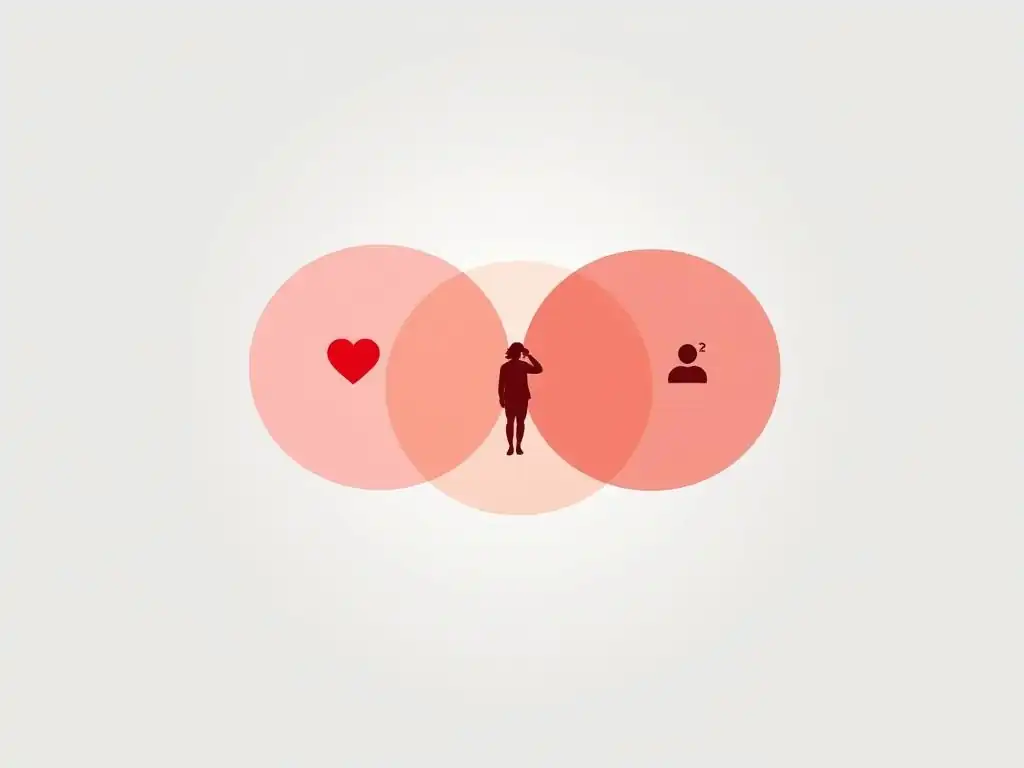
Understanding your attachment style is crucial for setting realistic expectations in the often-unpredictable world of online dating. Your attachment style, whether secure, anxious-preoccupied, dismissive-avoidant, or fearful-avoidant, significantly influences how you approach relationships and what you expect from them. Ignoring this can lead to disappointment and frustration. Let's explore how different attachment styles impact expectations.
Setting Realistic Expectations Based on Your Attachment Style
- Secure Attachment: Individuals with a secure attachment style generally have healthy relationship expectations. They understand that relationships require effort and compromise from both partners. They are comfortable with intimacy and independence, seeking partners who share similar values and communication styles. They tend to avoid idealizing potential partners and approach dating with a balanced perspective, recognizing that not every connection will lead to a long-term relationship. They are more likely to have successful online dating experiences because they approach it with a realistic and healthy mindset.
- Anxious-Preoccupied Attachment: Those with an anxious-preoccupied attachment style often have unrealistic expectations, yearning for instant connection and intense validation. They might idealize potential partners, projecting their desires onto them rather than seeing them for who they truly are. This can lead to disappointment when the online interaction doesn't immediately mirror their idealized vision. They may also struggle with jealousy and insecurity, leading to frequent communication and demanding responses, which can be off-putting to potential partners. Managing these expectations through self-reflection and setting boundaries is key for online dating success.
- Dismissive-Avoidant Attachment: Individuals with a dismissive-avoidant attachment style often have low expectations for relationships, prioritizing independence and self-reliance. They might enter online dating casually, avoiding deep emotional connections. This approach, while seemingly protective, can hinder the formation of meaningful relationships. They may struggle with vulnerability and intimacy, appearing distant or uninterested, even when genuinely attracted to someone. Learning to embrace vulnerability and communicate their needs is crucial for improving their online dating experiences.
- Fearful-Avoidant Attachment: This attachment style presents a complex mix of wanting intimacy and fearing closeness. Individuals with this style often have conflicting expectations, simultaneously desiring a deep connection while fearing rejection or abandonment. This internal conflict can manifest as inconsistency in online interactions, making it difficult to build trust and rapport. They might jump between intense engagement and withdrawal, confusing potential partners. Understanding this internal struggle and seeking professional help can significantly improve their chances of finding a healthy relationship online.
Recognizing Red Flags Based on Your Attachment Style and Your Partner's
Understanding your attachment style helps you identify potential red flags in online interactions. Your own attachment insecurities might lead you to overlook warning signs, while understanding your partner's attachment style can illuminate their behavior.
Recognizing Red Flags Based on Your Attachment Style and Your Partner's
- For Securely Attached Individuals: Even secure individuals can be susceptible to red flags. Look for inconsistencies between words and actions, a lack of respect for boundaries, or controlling behavior, regardless of your partner's attachment style.
- For Anxiously Attached Individuals: Be wary of partners who are overly critical, dismissive, or consistently unavailable. These behaviors can trigger your insecurities and reinforce negative patterns. Pay attention to whether your partner's communication mirrors your desire for constant reassurance or if they seem dismissive of your concerns.
- For Dismissively Attached Individuals: Be aware of partners who are overly needy, clingy, or demand constant attention. These behaviors can feel overwhelming and trigger your desire for distance. Observe if your partner respects your need for space and independence.
- For Fearfully Attached Individuals: Look for partners who exhibit inconsistent behavior, alternating between intense interest and withdrawal. Pay attention to whether your partner is able to maintain healthy boundaries and communicate openly about their feelings and fears. Also, identify partners who are dismissive of your feelings or trigger your fear of abandonment.
This awareness of potential red flags, informed by your attachment style and the potential attachment styles of your partners, is crucial for navigating the online dating world safely and effectively. Recognizing these patterns early can prevent wasted time and emotional distress.
Avoiding Common Pitfalls in Online Dating Based on Attachment Style
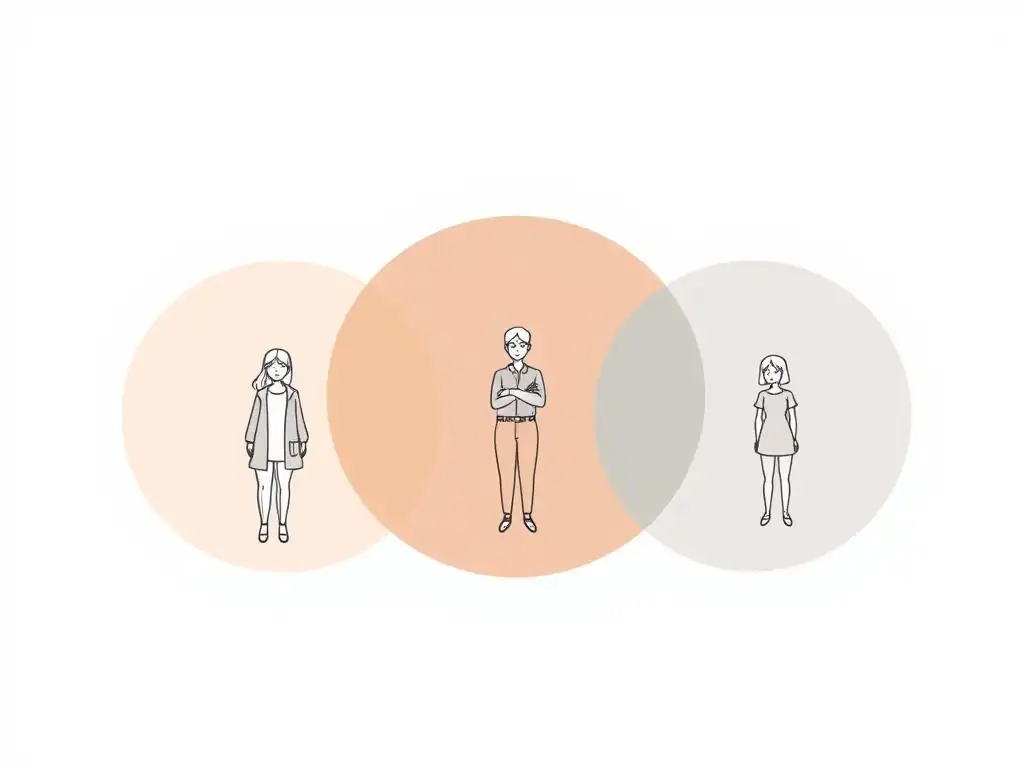
Your attachment style significantly influences your behavior in online dating, potentially leading to common pitfalls. Understanding these pitfalls allows you to proactively avoid them and increase your chances of success.
Avoiding Common Pitfalls in Online Dating Based on Attachment Style
- Anxious Attachment Pitfalls: Avoid over-messaging, excessive self-disclosure early on, and demanding constant reassurance. These behaviors can scare potential partners away. Focus on building a connection gradually and respecting boundaries.
- Avoidant Attachment Pitfalls: Avoid being too aloof or distant, ignoring messages, or ghosting potential partners. Practice vulnerability and open communication, even if it feels uncomfortable. Remember, healthy relationships require emotional investment.
- Fearful-Avoidant Attachment Pitfalls: Work on managing your conflicting desires for intimacy and independence. Seek professional help to understand and address your fears, improving your ability to form healthy relationships. Avoid jumping between intense engagement and complete withdrawal.
- Secure Attachment Pitfalls: Even with a secure attachment, maintaining healthy boundaries is important. Avoid getting too invested too quickly and always be mindful of respecting your own needs and those of your potential partner.
By understanding how your attachment style influences your online dating experiences, you can navigate the process more effectively, setting realistic expectations, recognizing red flags, and avoiding common pitfalls. This increased self-awareness is a powerful tool for building meaningful connections. Remember, self-compassion and a willingness to learn are essential components of online dating success, regardless of your attachment style.
Strategies for Online Dating Success with Each Attachment Style
Understanding your attachment style is crucial for navigating the complexities of online dating. Different attachment styles – secure, anxious, and avoidant – influence how we approach relationships, communication, and even our online profiles. This section explores tailored strategies for each style to maximize your chances of finding a compatible partner and fostering a healthy, fulfilling connection. Mastering your attachment style in the online dating world can significantly improve your success rate and overall experience. Optimizing your approach based on your attachment style is key to achieving Attachment style online dating success.
Tips for Securely Attached Individuals to Thrive in Online Dating
Securely attached individuals generally possess healthy self-esteem and comfortable intimacy levels. This translates to confident online dating profiles that authentically reflect their personalities. However, even securely attached individuals can benefit from refining their approach.
- Authenticity is Key: Your profile should showcase your genuine self. Use clear, concise language, and avoid overly staged or filtered photos. Let your personality shine through! Remember, authenticity attracts authentic connections.
- Balanced Communication: While you're comfortable with intimacy, avoid overwhelming potential partners. Maintain a healthy balance between engaging conversations and respecting their need for space.
- Realistic Expectations: While you're likely to approach online dating with a positive outlook, remember that not every connection will lead to a long-term relationship. Maintain a healthy perspective and celebrate the journey.
- Clear Boundaries: Even with healthy attachment, establishing clear boundaries from the start is essential. Don't be afraid to communicate your needs and expectations openly and respectfully.
Strategies for Anxiously Attached Individuals to Find Healthy Relationships Online
Anxiously attached individuals often crave closeness and reassurance, which can manifest as over-messaging or excessive checking of messages. Online dating presents unique challenges for this attachment style.
- Mindful Messaging: Avoid constant messaging or bombarding potential partners with messages. Give them space to respond and avoid overwhelming them. Practicing mindfulness in your communication can significantly improve your interactions.
- Self-Soothing Techniques: Engage in self-soothing activities to manage anxiety, such as meditation, exercise, or journaling. This helps prevent impulsive behaviors driven by insecurity.
- Focus on Quality over Quantity: Instead of focusing on accumulating matches, prioritize meaningful connections with individuals who genuinely resonate with you.
- Challenge Negative Thoughts: Anxious attachment often involves negative self-talk and fear of rejection. Actively challenge these thoughts and replace them with positive affirmations. This helps build self-confidence and improve your interactions.
Avoidantly attached individuals often struggle with intimacy and closeness, sometimes appearing distant or emotionally unavailable. Online dating requires a conscious effort to overcome these tendencies.
- Gradual Disclosure: Avoidantly attached individuals may find it difficult to share personal information. Practice gradual self-disclosure, starting with less intimate details and gradually building trust.
- Manage Fear of Intimacy: Acknowledge and address your fear of intimacy. Consider therapy or self-help resources to understand and manage these feelings. Addressing this underlying issue is crucial for Attachment style online dating success.
- Respect Boundaries: While avoiding closeness is a tendency, respect the boundaries of others. Avoid ghosting or disappearing without explanation.
- Prioritize Self-Reflection: Take time for self-reflection to understand your patterns and triggers. This increased self-awareness can help you navigate relationships in a more balanced and healthy way. Understanding your behaviors is crucial for creating positive online dating experiences and building meaningful connections.
Overcoming Challenges for Fearfully Attached Individuals in Online Dating
Fearful avoidant attachment, a complex blend of anxiety and avoidance, presents unique hurdles in the online dating landscape. Individuals with this attachment style often crave intimacy but simultaneously fear rejection and vulnerability, leading to self-sabotaging behaviors. This internal conflict manifests in various ways online, hindering their ability to form meaningful connections.
One common challenge is the tendency towards inconsistent communication. A fearfully attached individual might initiate contact enthusiastically, only to withdraw abruptly when the interaction intensifies. This inconsistency can leave potential partners confused and frustrated, ultimately driving them away. The fear of being hurt overrides the desire for connection, leading to a cycle of approach and avoidance. Understanding this pattern is crucial for both the individual and potential partners.
Another significant obstacle is the difficulty in trusting potential partners. Past negative experiences often fuel a deep-seated distrust, making it challenging to believe in the sincerity of others' intentions. This distrust can manifest as excessive questioning, constant reassurance-seeking, or a hyper-focus on potential flaws in the other person. This behavior can be perceived as clingy or demanding, pushing potential partners away. Building trust takes time and conscious effort, and it requires acknowledging and processing past traumas.
Furthermore, fearfully attached individuals often struggle with self-esteem issues. This can lead to a tendency to downplay their own positive qualities or overemphasize their perceived flaws in their online profiles and interactions. They might undervalue their worth, making it difficult to attract and maintain healthy relationships. Working on building self-esteem is crucial, and this might involve therapy or self-help techniques focused on self-compassion and self-acceptance.
Finally, managing anxiety is paramount. The anticipation of rejection or the fear of intimacy can trigger overwhelming anxiety. This anxiety can manifest in various ways, from overthinking messages to avoiding contact altogether. Learning coping mechanisms for anxiety, such as mindfulness exercises or deep breathing techniques, can be incredibly beneficial in navigating the pressures of online dating. Remember, self-care is not selfish; it is crucial for building resilience and healthy relationships. Prioritizing mental well-being allows for a more authentic and positive online dating experience.
The Role of Therapy in Improving Online Dating Success for Different Attachment Styles

Understanding your attachment style is a crucial first step towards online dating success. However, simply recognizing your style isn't always enough to overcome ingrained patterns and behaviors. This is where therapy can play a significant role, offering personalized strategies to navigate the complexities of online dating based on your specific attachment needs.
Therapy provides a safe and supportive environment to explore the root causes of your attachment style, understand its impact on your relationships, and develop healthier coping mechanisms. This is particularly relevant when considering the unique challenges of online dating, where initial interactions are often superficial and require careful navigation. The benefits extend beyond simply finding a partner; therapy fosters self-awareness and emotional regulation, leading to more fulfilling relationships overall.
How Therapy Can Help You Understand and Manage Your Attachment Style
Therapy offers a structured approach to understanding and managing your attachment style. For individuals with an anxious attachment style, therapy can help address underlying fears of abandonment and insecurity. Therapists can teach techniques like mindfulness and self-soothing to manage anxiety triggers, fostering healthier communication patterns in online interactions. This might involve practicing assertive communication, setting boundaries, and reframing negative self-talk. For example, a therapist might help an anxiously attached individual identify and challenge their tendency to overthink messages or become overly invested in early stages of online interactions. This leads to more balanced and sustainable connections.
For those with an avoidant attachment style, therapy can help address the fear of intimacy and commitment. Therapists work to increase emotional awareness and build comfort with vulnerability. This might involve exploring past relationship experiences that have shaped their avoidant tendencies. The goal is to foster a healthier balance between independence and connection, allowing them to engage more authentically in online dating without feeling overwhelmed or trapped. Techniques such as exploring personal values and identifying relationship goals can help avoidant individuals approach online dating with a more balanced perspective, leading to more meaningful connections.
Finally, for those with a secure attachment style, while generally more adept at navigating relationships, therapy can still be beneficial. It can help refine communication skills, address minor insecurities, and develop strategies for managing conflict constructively, ensuring healthy and fulfilling online interactions. Even securely attached individuals can benefit from learning techniques to manage stress and maintain emotional balance, particularly in the sometimes unpredictable world of online dating. Ultimately, the goal is to build stronger, healthier relationships regardless of attachment style. The emojis below represent the potential outcomes for each style: Anxious: 😌, Avoidant: 😊, Secure: 🥰
Finding a Therapist Specializing in Attachment and Relationships
Finding the right therapist is crucial for maximizing the benefits of therapy in the context of online dating and attachment styles. Look for therapists with specific experience in attachment theory and relationship dynamics. Many therapists specialize in particular approaches, such as Emotionally Focused Therapy (EFT) or Attachment-Based Therapy. It’s important to find a therapist whose approach resonates with you and your specific needs. During the initial consultation, discuss your online dating challenges and how your attachment style impacts them. A good therapist will be able to assess your needs and create a personalized treatment plan.
Consider factors such as the therapist's experience, their approach to therapy, and their availability. Don't hesitate to explore different therapists until you find the right fit. Remember, a supportive and understanding therapeutic relationship is essential for progress.
The process of finding the right therapist might involve some trial and error, but the investment in your emotional well-being is worthwhile, significantly impacting your "attachment style online dating success". Remember to prioritize finding a therapist who creates a safe and comfortable environment for you to explore your feelings and experiences openly and honestly. This open communication is key to achieving positive outcomes in both therapy and your online dating journey.
Long-Term Relationship Building After Online Dating Success: Maintaining Healthy Connections
Successfully navigating the online dating world is only half the battle. The real challenge lies in transitioning a promising online connection into a thriving, long-term relationship. Understanding your attachment style—whether secure, anxious-preoccupied, dismissive-avoidant, or fearful-avoidant—plays a crucial role in this transition. Many individuals find initial online dating success, only to falter when faced with the intimacy and commitment required for a lasting partnership. This section explores strategies for building healthy, enduring relationships after finding love online, specifically addressing how attachment styles influence this process. We will examine how to leverage self-awareness to foster connection and avoid common pitfalls.
Sustaining Healthy Relationships After Meeting Online: Considering Attachment Style
Successfully transitioning from online dating to a committed relationship requires mindful consideration of your attachment style. Individuals with a secure attachment style generally find this transition easier, as they tend to be comfortable with intimacy and commitment. They can more readily balance independence with interdependence in a relationship. However, even securely attached individuals can benefit from strategies to proactively nurture their connection.
Open and honest communication is paramount. This includes expressing needs and desires clearly and respectfully, actively listening to your partner's perspective, and working collaboratively to resolve conflicts. Regularly scheduling quality time together, free from distractions, fosters a strong bond. This could involve anything from a weekly date night to a shared hobby or simply enjoying quiet time together.
Conversely, those with anxious-preoccupied attachment styles may struggle with trust and insecurity, potentially leading to clinginess or excessive reassurance-seeking. Recognizing these tendencies is the first step toward managing them. Learning to self-soothe and building self-esteem can help alleviate anxieties. Practicing mindfulness and setting healthy boundaries are also crucial. It's important to remember that your partner is not responsible for fulfilling all your emotional needs.
Individuals with dismissive-avoidant attachment styles might resist intimacy and commitment, prioritizing independence to a fault. They may struggle with expressing emotions or seeking support. For them, the challenge lies in consciously choosing to be vulnerable and allowing themselves to connect deeply with their partner. This requires actively working against ingrained patterns of emotional distance. Therapy or relationship coaching can be invaluable in helping them navigate this process.
Finally, those with a fearful-avoidant attachment style face a complex interplay of desire for connection and fear of intimacy. They may experience intense emotional swings and struggle with trust issues. These individuals often benefit greatly from therapy to address underlying anxieties and develop healthier relationship patterns.
Learning to manage their fear of rejection and developing healthy coping mechanisms is essential for building lasting relationships. Understanding the impact of attachment style on relationship dynamics is crucial for fostering lasting connections after the initial online dating success. By proactively addressing these challenges and utilizing appropriate strategies, individuals can navigate the transition from online dating to long-term commitment with greater ease and success.
This section provides practical strategies and insights into maintaining healthy relationships after finding love online, focusing on the influence of different attachment styles. The information emphasizes the importance of self-awareness, communication, and boundary setting in building lasting connections. Remember, understanding your attachment style is a powerful tool for improving your relationships and achieving long-term online dating success. This knowledge empowers you to make conscious choices that promote healthy connection and prevent common relationship pitfalls.
Frequently Asked Questions
How does my attachment style affect my online dating experience?
Your attachment style significantly impacts how you approach online dating. Those with anxious attachment might overthink messages, while avoidant individuals may struggle with intimacy. Understanding your style helps you navigate these challenges.
What is the difference between secure, anxious, and avoidant attachment in online dating?
Securely attached individuals tend to have healthy relationships online. Anxiously attached people seek constant reassurance, while avoidantly attached individuals may shy away from commitment or deep connections, even online.
Can I change my attachment style to improve my online dating success?
While you can't fundamentally change your attachment style, you can learn coping mechanisms and communication strategies. Therapy or self-help resources can help you develop healthier relationship patterns, improving your online dating experience.
Are there specific online dating strategies for each attachment style?
Yes! Securely attached individuals can use their strengths. Anxiously attached people should focus on self-soothing and managing expectations. Avoidantly attached individuals might benefit from practicing vulnerability and mindful communication.
Take a reliable attachment style quiz online or consider working with a therapist. Self-reflection on past relationship patterns can also provide valuable insights into your attachment style and help you improve your online dating outcomes.
Final Reflection: Unlocking Love's Algorithm: Attachment Style and Online Dating
Understanding your attachment style is no longer a niche self-help topic; it's the key to unlocking genuine connection in the digital age of dating. The overwhelming prevalence of online dating means navigating complex emotional landscapes while simultaneously managing the pressure of curated profiles and fleeting interactions. Ignoring the powerful influence of our attachment styles on our online dating experiences is akin to ignoring the map when trying to navigate unfamiliar territory.
The impact of attachment on our relationships, both online and offline, is profound and far-reaching. It shapes how we perceive ourselves, how we interact with potential partners, and ultimately, whether we find lasting connection. The most important thing in a relationship is the ability to communicate openly and honestly.
This simple truth is often obscured by the anxieties and insecurities stemming from insecure attachment styles, making open communication even more challenging in the often superficial world of online dating. Understanding and addressing these anxieties is crucial for fostering healthy relationships, regardless of where they begin.
You now possess a powerful tool: the knowledge of how your attachment style influences your online dating journey. Take time to reflect on your own attachment style. Are you actively working to overcome insecurities or limiting beliefs? Are you choosing partners who reinforce unhealthy patterns, or are you consciously seeking healthier connections? The journey to finding lasting love is a personal one, but armed with this understanding, you have the power to rewrite your dating narrative and build the fulfilling relationships you deserve.
Unlock Your Dating Potential: Master Your Attachment Style
Thanks for exploring the fascinating connection between attachment style and online dating success! You've gained valuable insights into how your past relationships influence your current dating life. Now it's time to put that knowledge into practice.
- Identify your attachment style: Take our quick quiz (available on our website) to understand your attachment style and how it affects your dating experiences. This is the crucial first step towards positive change.
- Share your key insights: Did anything in the article particularly resonate with you? Share your biggest takeaway on social media using #AttachmentStyleDating and inspire others.
- Join our supportive community: Connect with other daters who are exploring these concepts and learn from their experiences. We'd love to hear your stories and support your journey.
Ready to transform your online dating experience and build healthier relationships? What small step will you take today to apply what you've learned?