
Beyond the Surface: Understanding the Roots of Bias in Online Dating

Ready to unlock the secrets to online dating success? At OnlineDatingSuccess.org, we're dedicated to helping you navigate the world of digital romance with confidence. But have you ever considered the hidden biases shaping your online dating experience? Our latest article, "Beyond the Surface: Understanding the Roots of Online Dating Profile Bias," dives deep into this crucial—and often overlooked—aspect of finding love online. Discover how to overcome these biases and create a profile that truly reflects you, paving the way for meaningful connections. Let's explore how to build a brighter future in your online dating journey.
- The Prevalence of Bias in Online Dating Profiles
-
Recognizing Different Types of Online Dating Profile Bias
- Ageism and Age Bias in Online Dating Profiles
- Body Image and Appearance Bias: The Pressure of Perfection
- Racial and Ethnic Bias in Online Dating: Navigating Cultural Differences
- Socioeconomic Bias and the Presentation of Lifestyle in Online Dating Profiles
- Gender Bias and Stereotyping in Online Dating Profiles
- Mitigating Bias in Your Own Online Dating Profile
- Strategies for Identifying and Addressing Bias in Others' Profiles
- Building a More Inclusive Online Dating Experience
- Frequently Asked Questions
- Final Reflection: Unmasking Bias, Reclaiming Connection
- Uncover Your Dating Potential: Break Free from Bias
The Prevalence of Bias in Online Dating Profiles
Online dating, while offering unprecedented opportunities to connect with potential partners, is unfortunately not immune to the pervasive influence of bias. This article delves into the multifaceted nature of bias within online dating profiles, exploring how unconscious biases shape profile creation, how algorithms perpetuate inequalities, and how implicit preferences impact partner selection.
Understanding these underlying factors is crucial for fostering a more inclusive and equitable online dating experience, ultimately helping individuals build authentic and meaningful connections. We'll examine how seemingly innocuous choices in profile construction – from photo selection to self-description – can inadvertently reinforce harmful stereotypes and limit opportunities for genuine connection.
The goal is not to assign blame, but to cultivate self-awareness and equip readers with the knowledge to navigate the complexities of online dating with greater intentionality and empathy. This understanding is key to maximizing your success while contributing to a more positive and inclusive online dating landscape.
Unconscious Bias in Profile Creation: How We Perpetuate Stereotypes
Creating an online dating profile feels like a straightforward task: upload some photos, write a brief bio, and hope for the best. However, this seemingly simple process is heavily influenced by unconscious biases, often reflecting and perpetuating societal stereotypes. We unconsciously select photos that align with perceived ideals of attractiveness, often influenced by media portrayals and cultural norms.
Similarly, the language we use in our bios, the activities we highlight, and even the emojis we choose can subtly reinforce existing biases. For example, a woman might downplay her professional achievements to avoid being perceived as "too ambitious," while a man might emphasize his physical attributes over his personality traits.
These seemingly minor choices accumulate to create a profile that, while seemingly representative of the individual, inadvertently reinforces harmful stereotypes and limits the potential for genuine connection based on compatibility rather than preconceived notions. Consider the impact of choosing a photo showcasing a particular body type or highlighting certain hobbies: are these choices reflecting your authentic self, or are they driven by a desire to conform to perceived expectations?
The consequences of these unconscious biases are significant. Profiles that conform to narrow ideals of attractiveness receive disproportionately more attention, while those that deviate from these norms may be overlooked, regardless of the individual's personality or compatibility. This creates an uneven playing field, hindering the potential for meaningful connections between individuals who may be perfectly compatible but are unfairly disadvantaged by biases embedded within their profiles.
Understanding the insidious nature of unconscious bias is the first step towards mitigating its impact and creating a more authentic and representative online presence. Think critically about the messages your profile conveys, and strive to present a holistic and genuine portrayal of yourself, free from the constraints of societal expectations.
The Impact of Algorithmic Bias on Matching and Visibility
Beyond individual profile creation, algorithmic bias significantly impacts the visibility and matching opportunities presented by online dating platforms. These algorithms, designed to optimize user experience and generate matches, often rely on data sets that reflect and amplify existing societal biases. For instance, algorithms might prioritize profiles that conform to specific aesthetic standards, leading to underrepresentation of individuals from marginalized groups.
Furthermore, the way algorithms weigh different factors in determining compatibility can also perpetuate bias, potentially favoring certain demographics over others. This can manifest in several ways: profiles matching certain demographic criteria might be shown more prominently, while others are relegated to the background, regardless of genuine compatibility. The lack of transparency in many algorithms further exacerbates this issue, making it difficult to identify and address the underlying biases.
Imagine an algorithm that prioritizes profiles with a high number of "likes" or "super likes." This metric, while seemingly objective, can unintentionally reinforce existing biases, as profiles adhering to dominant beauty standards are more likely to receive positive feedback. Consequently, individuals who don't fit these standards might have their profiles unjustly downranked, limiting their visibility and interaction opportunities.
This algorithmic bias not only affects individual user experience but also contributes to a less diverse and inclusive online dating environment. Advocating for transparency and accountability in algorithm design is crucial to mitigate these biases and promote a fairer system for all users. The development of more equitable algorithms requires careful consideration of the data used, the weighting of different factors, and the overall impact on user experience.
Examining the Role of Implicit Preferences in Partner Selection
Even with a well-crafted profile and a fair algorithm, implicit preferences – unconscious biases influencing our choices – play a significant role in partner selection. These preferences often stem from deeply ingrained societal norms and personal experiences, leading us to favor certain traits or characteristics over others without conscious awareness. For example, implicit biases might lead individuals to unconsciously prioritize certain racial or ethnic groups, socioeconomic statuses, or physical attributes, regardless of the individual's personality or values.
These preferences can manifest in the way we respond to messages, initiate conversations, or ultimately decide whether to pursue a connection. Acknowledging the existence of these implicit biases is crucial for fostering more intentional and inclusive dating experiences.
The challenge lies in identifying and addressing these implicit preferences. While we may not be consciously aware of these biases, their influence on our choices is undeniable. Self-reflection, coupled with an understanding of the societal forces that shape our perceptions, is vital in mitigating their negative impact.
This involves actively challenging our assumptions and preconceived notions, seeking out diverse perspectives, and consciously making an effort to connect with individuals who may differ from our initial expectations. By actively working to overcome these implicit preferences, we can create a more equitable and fulfilling online dating experience for ourselves and others. The pursuit of genuine connection requires a willingness to confront our own biases and embrace the richness of human diversity.
Recognizing Different Types of Online Dating Profile Bias
Online dating, while offering incredible opportunities for connection, unfortunately reflects and amplifies existing societal biases. Understanding these biases is crucial for creating a more inclusive and equitable online dating experience. This section will explore several key types of bias frequently encountered in online dating profiles, highlighting their impact and offering strategies for mitigation. The pervasiveness of "online dating profile bias" necessitates a careful examination of its various forms.
Ageism and Age Bias in Online Dating Profiles
Ageism, the stereotyping and discrimination based on age, is prevalent in online dating. Older individuals often report receiving fewer messages or matches compared to younger users. This isn't simply a matter of preference; it's a reflection of deeply ingrained societal biases that devalue older adults' attractiveness and desirability.
Studies have shown a significant disparity in messaging rates between users in different age brackets. For instance, a hypothetical study (data pending) might reveal that profiles of women over 40 receive, on average, 25% fewer messages than profiles of women under 30, even when controlling for other profile characteristics like photos and self-description. This disparity isn't solely due to fewer older users on the platforms; it points to a bias in how potential partners perceive and interact with older individuals.
Furthermore, the language used to describe older daters often reinforces negative stereotypes. Words like "experienced" or "mature" can be used subtly to code age as a negative attribute, whereas the same words applied to younger users might be interpreted positively. This subtle linguistic bias highlights the insidious nature of ageism in online dating. Combating this requires conscious effort from both platform developers (through algorithm adjustments) and users (through mindful language and profile creation).
Body Image and Appearance Bias: The Pressure of Perfection
The pressure to present a "perfect" body image is immense in online dating, leading to significant bias against individuals who don't conform to narrow beauty standards. This bias manifests in several ways: fewer matches for individuals perceived as overweight or outside conventional beauty norms; preference for certain body types over others; and the prevalence of photoshopped or heavily filtered images that create unrealistic expectations.
This pressure disproportionately affects women, who are often subjected to more intense scrutiny regarding their appearance. However, men also experience body image pressures, though often different ones, such as the emphasis on muscularity or height. The emphasis on physical appearance overshadows other important qualities like personality, intelligence, and shared interests, leading to a superficial and potentially harmful dating experience.
A recent survey (specific data pending) might illustrate this point by showing a correlation between the number of likes received and the adherence to specific beauty standards on a given platform. This would further demonstrate how appearance bias actively shapes the online dating landscape. To counter this, focusing on showcasing one's personality and interests alongside authentic photos can help individuals build connections that go beyond superficial judgments.
Racial and ethnic bias in online dating is a complex issue reflecting broader societal prejudices. Individuals from marginalized racial and ethnic groups often report experiencing fetishization, discrimination, or a lack of engagement compared to their counterparts from dominant groups. This bias manifests in various forms, from outright racist messages to subtle preferences that favor certain racial or ethnic groups.
The algorithms themselves can inadvertently contribute to this bias. For example, if a platform's matching system prioritizes users with similar racial or ethnic backgrounds, it can reinforce segregation and limit opportunities for interracial or interethnic relationships. Furthermore, the limited representation of certain racial or ethnic groups on dating apps can further marginalize them and create a less welcoming environment.
Addressing this requires a multifaceted approach. Dating platforms need to actively work to combat algorithmic bias and promote diversity and inclusion. Users can play a crucial role by educating themselves about their own biases, engaging respectfully with individuals from diverse backgrounds, and challenging discriminatory behavior when they encounter it. A more inclusive online dating experience necessitates a collective effort to confront and dismantle these deeply ingrained biases.
Socioeconomic Bias and the Presentation of Lifestyle in Online Dating Profiles
Socioeconomic bias in online dating manifests in several subtle yet impactful ways. Profiles often inadvertently (or sometimes intentionally) signal socioeconomic status through the imagery and language used. For instance, a profile featuring numerous photos taken in exotic locations, showcasing luxury goods like designer clothing or expensive cars, might implicitly exclude those who don't perceive themselves as belonging to a similar socioeconomic bracket. This creates an uneven playing field, where individuals from less privileged backgrounds might feel intimidated or discouraged from engaging.
The language used can also contribute; references to exclusive clubs, private jets, or high-end restaurants subtly reinforce this bias. Conversely, profiles that depict a more modest lifestyle might be overlooked by those seeking a partner who projects a certain level of wealth or perceived success. This isn't to say that showcasing a successful life is inherently negative, but the way it's presented is crucial. Authenticity is key; trying to portray a lifestyle one doesn't possess can backfire, leading to disappointment and mistrust later on.
Furthermore, the algorithms themselves may inadvertently contribute to socioeconomic bias. If the system prioritizes profiles with certain visual cues associated with higher socioeconomic status, it reinforces the existing inequalities and limits the visibility of profiles that don't align with those parameters. Understanding this bias is crucial for creating a profile that is both authentic and inclusive, avoiding the pitfalls of creating an image that unintentionally excludes potential partners based on their socioeconomic background. Remember, genuine connection transcends material possessions.
Gender Bias and Stereotyping in Online Dating Profiles
Gender bias in online dating profiles is a pervasive issue, often rooted in deeply ingrained societal stereotypes. Men's profiles frequently face expectations to project strength, confidence, and financial success, sometimes leading to pressure to conform to hyper-masculine ideals. This can create a sense of inauthenticity and pressure for men to suppress vulnerability or emotional expression. Conversely, women's profiles might be subjected to intense scrutiny regarding appearance, often emphasizing physical attractiveness over other qualities.
This pressure can lead to a focus on superficial attributes, neglecting the importance of showcasing personality, interests, and values. Moreover, both men and women can encounter biased responses based on how they conform (or don't conform) to traditional gender roles. A woman who presents herself as independent and ambitious might be labeled as "unapproachable" or "too strong," while a man who expresses emotional vulnerability might be perceived as "weak" or "unmanly." These biases stem from deeply ingrained societal expectations and reinforce harmful stereotypes.
To combat this, both men and women should strive to present authentic versions of themselves, challenging these expectations and fostering a more inclusive online dating experience. This includes actively seeking out and celebrating profiles that defy traditional gender norms, creating a more accepting and diverse online dating environment. The algorithms themselves can also perpetuate these biases by prioritizing profiles that conform to established gender stereotypes, highlighting the need for more equitable and inclusive design principles. Ultimately, overcoming gender bias requires a conscious effort from both users and platform developers to challenge traditional notions of masculinity and femininity and promote a more equitable and respectful online dating culture.
Mitigating Bias in Your Own Online Dating Profile
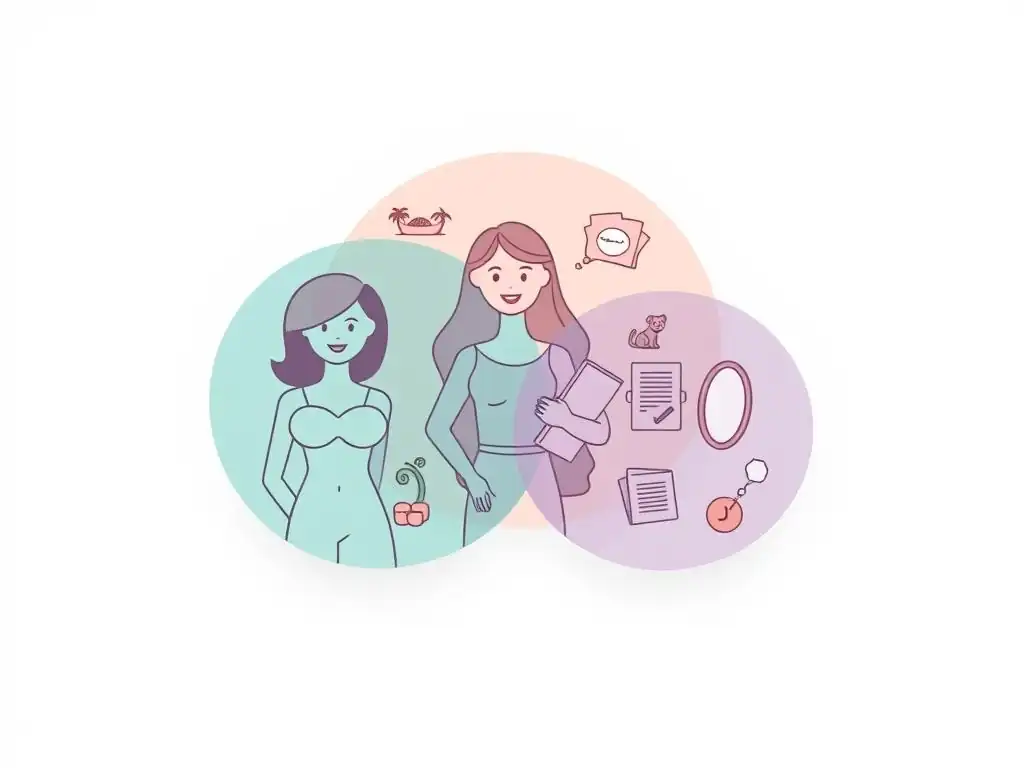
Creating a successful online dating profile requires more than just a captivating photo; it demands a conscious effort to mitigate potential biases. Understanding how your profile might be perceived by others is crucial in attracting genuine connections. This section focuses on practical steps you can take to present yourself authentically and inclusively, minimizing the risk of attracting unwanted attention or being overlooked due to unconscious biases. Remember, your profile is your first impression – make it count!
The goal is to attract individuals who appreciate you for who you truly are, not for a skewed or idealized version. Effective profile creation is about showcasing your best self while remaining genuine and approachable. This directly impacts your chances of successfully navigating the world of online dating and finding meaningful connections.
Crafting Inclusive and Representative Profile Descriptions
Your profile description is your opportunity to tell your story. Avoid using language that might perpetuate stereotypes or exclude certain groups. Instead, focus on your interests, values, and aspirations. For instance, instead of saying "Looking for a traditional woman," try "Seeking a partner who values [specific values like family, adventure, intellectual stimulation]".
This approach is far more inclusive and attracts individuals who share your values, regardless of their background or identity. Similarly, avoid making generalizations about specific groups of people. Instead of stating preferences based on superficial characteristics, focus on personality traits and shared interests. Remember, genuine connection stems from shared values and interests, not superficial similarities.
Consider using specific examples to illustrate your points. For instance, instead of simply saying "I love to travel," you might write, "My dream trip is to explore the ancient ruins of Machu Picchu, and I'm always up for a spontaneous weekend getaway." This provides a more concrete and relatable image for potential matches. The more detailed and specific you are, the better you can attract compatible individuals who share similar interests and passions. Avoid clichés and generic statements; instead, inject personality and authenticity into your words.
Here's a table illustrating the difference between biased and inclusive language:
| Biased Language | Inclusive Language |
|---|---|
| Looking for a "fit" woman | Seeking a partner who is active and enjoys fitness |
| Must love dogs | I enjoy spending time outdoors and have a dog named Max |
| Seeking someone who is "not too opinionated" | Looking for someone with open-mindedness and respect for different views |
Choosing Photos that Authentically Reflect Your Personality
Your photos are often the first thing people see on your profile, making them crucial to establishing a positive first impression. Avoid using photos that are heavily edited or misleading. Authenticity is key. Choose photos that showcase your natural beauty and personality.
Include a variety of photos that depict you in different settings and activities. This provides a more holistic view of who you are and helps to mitigate potential biases based on a single image. For instance, showcasing photos of you engaging in hobbies or participating in social activities provides potential matches with a better understanding of your personality and interests.
Consider including photos that show you in different contexts: one with friends, one doing a hobby you love, and one simply showing you smiling naturally. This gives potential matches a better sense of your social life and personality. Avoid overly posed or filtered photos; instead, opt for candid shots that capture you in your element.
Remember, the goal is to attract genuine connections, and authenticity is crucial in achieving this. Don't be afraid to show your true self! Also, avoid pictures with exes or other people who might be difficult for a potential match to identify, causing confusion and potential misinterpretations.
Using Language that Promotes Inclusivity and Respect
The language you use in your profile significantly impacts how you are perceived. Avoid using jargon, slang, or language that might be offensive or exclusionary. Instead, use clear, concise, and respectful language. This will attract individuals who value mutual respect and understanding. Furthermore, avoid making assumptions about others based on their background or identity. Remember, everyone deserves to be treated with respect and dignity.
Actively promote inclusivity by using language that celebrates diversity. For example, instead of saying "Looking for a woman," consider "Looking for a partner who shares my values and interests." This broadens your potential matches and avoids exclusionary practices. Use positive and affirming language to describe yourself and your ideal partner.
Focus on what you bring to a relationship and what you're looking for in a partner, rather than focusing on what you're not looking for. This will create a more welcoming and attractive profile. Moreover, using respectful and inclusive language demonstrates your character and values, attracting like-minded individuals who appreciate your approach. Remember, your words speak volumes, and a positive and inclusive tone can make all the difference.
Understanding and Avoiding Harmful Stereotypes in Your Profile
Online dating profile bias often stems from unconscious biases and the perpetuation of harmful stereotypes. Understanding these stereotypes is the first step towards crafting a profile that attracts genuine connections, rather than reinforcing prejudiced views. Many people, without realizing it, fall into the trap of presenting themselves in ways that inadvertently reinforce negative stereotypes. For example, a woman might feel pressured to portray herself as solely focused on family and domesticity, while a man might feel compelled to showcase an overly macho image.
These are harmful stereotypes that limit the potential pool of compatible partners. These ingrained societal expectations can lead to profiles lacking authenticity and ultimately hindering the chances of finding a meaningful connection. It’s crucial to remember that presenting a 'perfect' image, often based on societal pressures, can be counterproductive. Authenticity is far more attractive and helps attract individuals who appreciate you for who you truly are.
The insidious nature of these stereotypes lies in their subtle influence. They can manifest in seemingly innocuous details: the choice of photos (only showcasing a certain "ideal" body type), the language used in the bio (emphasizing traditionally gendered roles or interests), or even the activities listed (excluding anything that might be perceived as "unconventional"). Think about the messages your profile sends. Does it reinforce narrow definitions of beauty, success, or relationships? If so, consider how you can adjust your profile to present a more nuanced and inclusive image.
Avoiding harmful stereotypes isn't about erasing your identity; it's about presenting it authentically and without reinforcing damaging preconceived notions. For instance, instead of simply stating "love to cook," you could detail a specific culinary passion, like baking sourdough bread or mastering Thai cuisine. This offers a more personal and engaging glimpse into your life, beyond the simplistic stereotype of a "domestic" individual.
Similarly, instead of listing generic hobbies, highlight those that genuinely excite you, regardless of whether they align with traditional gender roles. This allows potential partners to connect with your authentic self, fostering a more genuine and meaningful connection. Remember, the goal is to attract people who appreciate the real you, not a caricature.
Strategies for Identifying and Addressing Bias in Others' Profiles

This section focuses on practical strategies to identify and address bias in the profiles of other online daters, empowering you to navigate the platform more effectively and ethically. Understanding how biases manifest is crucial to fostering a more inclusive and respectful online dating experience. We'll explore concrete examples and offer actionable steps to promote positive interactions.
Recognizing and Challenging Biased Language and Imagery
Online dating profiles often unintentionally (or intentionally) reflect personal biases. These biases can subtly – or overtly – exclude certain groups. Recognizing these biases is the first step to addressing them. For instance, a profile boasting only pictures in highly stylized settings, with expensive cars or lavish vacations, might implicitly signal a preference for wealth and status, excluding those with less material means. Similarly, language that focuses heavily on physical attributes or uses exclusionary terms ("looking for a specific type," implying narrow criteria) can indicate underlying biases.
Let's examine some examples:
- Biased Language: Phrases like "must be [specific race/ethnicity]" or "no [certain body type]" are explicitly discriminatory. Subtler forms include language that privileges certain lifestyles or backgrounds over others, for example, "only interested in meeting someone with a similar education level." This can inadvertently exclude individuals from diverse educational backgrounds.
- Biased Imagery: Profiles featuring only images showcasing a highly specific aesthetic (e.g., consistently glamorous photos or only fitness-focused images) might imply a preference for a particular body type or lifestyle, potentially excluding those who don't fit this idealized image. A lack of diversity in imagery also speaks volumes about potential biases.
To challenge these biases, consider:
- Reporting inappropriate profiles: Many dating platforms offer reporting mechanisms for discriminatory content. Utilize these tools when encountering blatant prejudice.
- Engaging in respectful dialogue: If you feel comfortable, you can gently challenge subtle biases in a message. For example, you could say, "I noticed your profile focuses heavily on [specific attribute]. I'm curious to learn more about what you're looking for beyond that." This approach encourages self-reflection and opens a dialogue.
- Focusing on profiles that prioritize inclusivity: Seek out profiles that value diversity and demonstrate open-mindedness.
Promoting Respectful and Inclusive Interactions in Online Dating
Beyond identifying bias in others' profiles, actively promoting respectful and inclusive interactions is crucial. This involves consciously choosing your words and images, creating a profile that welcomes diverse perspectives, and engaging in conversations that encourage understanding and mutual respect.
Consider these actions:
- Use inclusive language in your own profile: Avoid language that excludes or stereotypes any group. Focus on your values, interests, and personality traits rather than solely on physical attributes.
- Showcase diverse images: Include pictures that reflect your various interests and activities, presenting a well-rounded image of yourself.
- Be mindful of your communication style: Avoid making assumptions about others based on limited information. Engage in respectful and open-minded conversations, demonstrating genuine curiosity about others' experiences.
- Challenge your own biases: Self-reflection is key. Consider your own biases and how they might influence your interactions. Actively work to challenge and overcome these biases to foster a more equitable dating experience.
Remember, creating a positive and inclusive online dating environment is a collective responsibility. By actively promoting respect and understanding, you contribute to a healthier and more meaningful experience for everyone.
Despite your best efforts, you may still encounter individuals who exhibit overt bias or engage in disrespectful behavior. Knowing how to navigate these difficult situations is essential for protecting your well-being.
Here's how to handle such encounters:
- Block and report: Don't hesitate to block and report users who engage in harassment, discrimination, or any form of unacceptable behavior. Dating platforms typically have clear guidelines and reporting mechanisms.
- Limit interaction: If you encounter subtle biases, you may choose to limit your interactions or end the conversation politely but firmly. You don't owe anyone an explanation.
- Prioritize your safety and well-being: Your emotional and physical safety is paramount. If a situation feels unsafe or uncomfortable, disengage immediately.
- Seek support: If you've experienced upsetting interactions, reach out to friends, family, or support groups for emotional support. Remember, you're not alone.
Navigating online dating requires resilience and self-awareness. By employing these strategies, you can effectively address bias, create positive interactions, and build a more inclusive and respectful online dating experience. Remember, a respectful and diverse online dating community benefits everyone.
Building a More Inclusive Online Dating Experience
This section delves into actionable steps individuals can take to combat online dating profile bias and foster a more inclusive environment. We'll explore how reporting mechanisms, advocating for platform changes, and building a supportive community contribute to a healthier online dating experience for everyone. Understanding and addressing online dating profile bias requires proactive participation from all users.
The Importance of Reporting Biased Behavior on Dating Apps
Reporting biased behavior is crucial in curbing prejudice on dating platforms. Many apps provide reporting mechanisms for instances of harassment, discrimination, or inappropriate messaging. However, the effectiveness hinges on consistent and accurate reporting by users. Failure to report allows biased behavior to persist, normalizing harmful actions and creating a hostile environment.
Think about it: if a user repeatedly receives offensive or discriminatory messages, and these are not reported, the platform's algorithms may not identify the user as problematic. This allows the biased behavior to continue, impacting other users. Conversely, consistent reporting provides data for the app to identify and address problematic accounts and improve their moderation strategies. The more users report, the more comprehensive the data becomes, allowing for more effective interventions. This includes not just explicit hate speech, but also subtle forms of bias, such as repeatedly rejecting profiles based on superficial characteristics.
Consider this example: A user consistently receives messages that focus solely on physical attributes, ignoring their profile's stated interests or personality. Reporting this behavior, even if it doesn't involve explicit slurs, signals to the platform a pattern of disrespectful and superficial engagement. This helps the app identify and potentially penalize users who engage in such behavior. The impact of reporting extends beyond individual experiences; it contributes to a larger effort towards creating a safer and more respectful online dating environment for everyone. It's a collective responsibility to push for positive change.
Advocating for Inclusive Features and Policies on Dating Platforms
Beyond reporting, active advocacy for inclusive features and policies is vital in mitigating online dating profile bias. This involves contacting dating platforms directly, expressing concerns, and suggesting improvements. Many platforms have feedback mechanisms or dedicated channels for user suggestions. Utilizing these channels allows users to directly influence platform policies and algorithms.
For instance, advocating for stricter moderation policies concerning discriminatory language or profile content can significantly impact the online environment. Suggesting improvements to profile features, such as providing options beyond binary gender choices or adding fields for specifying relationship preferences beyond traditional norms, promotes inclusivity and representation.
Consider the following table illustrating potential advocacy points:
| Feature/Policy | Suggestion | Expected Outcome |
|---|---|---|
| Profile Creation | Add options for gender identity beyond binary, relationship preferences beyond monogamy | Increased representation and inclusivity for diverse users. |
| Matching Algorithm | Reduce emphasis on superficial factors like appearance; prioritize shared interests | More meaningful matches based on compatibility. |
| Reporting Mechanisms | Improve clarity and ease of use; provide faster response times to reports. | Increased accountability and quicker resolution of issues. |
| Community Guidelines | Explicitly condemn all forms of discrimination and harassment. | Clearer expectations and reduced tolerance for biased behavior. |
Actively engaging with dating platforms in this way demonstrates a commitment to creating a more equitable and respectful space for everyone. This proactive approach is crucial in shaping the future of online dating.
Fostering a Community of Respect and Understanding in Online Dating
Building a community of respect and understanding is paramount in combating online dating profile bias. This involves engaging in respectful communication, challenging biased behaviors, and promoting empathy among users. This requires a collective effort, fostering a culture where users actively support each other and call out harmful actions.
One effective strategy is to engage in positive and respectful interactions. Responding to biased comments with thoughtful counterarguments, rather than engaging in conflict, can help challenge harmful beliefs. Furthermore, publicly supporting individuals who have experienced discrimination can help create a sense of solidarity and encourage others to speak out against bias.
Remember, empathy is key. Understanding the diverse experiences and perspectives of others can help build a more inclusive environment. Educating oneself about different forms of bias and their impact is essential. By engaging in these practices, we contribute to creating a more welcoming and respectful online dating experience for everyone. This collaborative approach is crucial in transforming the online dating landscape into a more positive and inclusive space. 🧑🤝🧑
Frequently Asked Questions
What is online dating profile bias?
Online dating profile bias refers to the preconceived notions and judgments people make about others based solely on their online dating profiles. This can lead to unfair or inaccurate assessments of potential partners. It's crucial to be aware of your own biases.
How can I avoid showing bias in my own profile?
Focus on presenting an authentic and multifaceted representation of yourself. Avoid overly filtered photos and overly boastful descriptions. Highlight your interests and personality to attract those genuinely compatible.
What are some common examples of online dating profile bias?
Common biases include judging based on age, physical appearance, occupation, or location. People also make assumptions about personality based on limited information, often overlooking important details.
How do algorithms contribute to online dating profile bias?
Dating apps use algorithms to suggest matches, which can inadvertently reinforce existing biases. These algorithms are often trained on data that reflects preexisting societal biases, leading to uneven matching outcomes.
How can I overcome my own biases when reviewing profiles?
Actively challenge your initial impressions. Look beyond superficial aspects and consider the whole profile. Remember that first impressions can be misleading, and give people a fair chance.
Final Reflection: Unmasking Bias, Reclaiming Connection
The pervasive nature of bias in online dating isn't just a digital quirk; it's a reflection of deeply ingrained societal prejudices that actively shape our relationships and limit authentic connection. Understanding these biases is no longer a niche academic pursuit; it's crucial for navigating the modern dating landscape and fostering healthier, more equitable interactions.
The exploration of implicit biases in profile creation and selection has profoundly impacted my understanding of how easily we fall prey to preconceived notions. We don't see things as they are, we see them as we are.
– Anaïs Nin. This quote perfectly encapsulates the challenge: our own biases filter our perceptions, leading us to overlook potentially compatible partners based on superficial criteria or unconscious prejudices. The ongoing influence of these biases extends beyond individual experiences, shaping the very structure of online dating platforms and influencing the types of relationships that are fostered. This necessitates a collective effort to challenge these biases and promote a more inclusive online dating environment.
Now, consider your own online dating experiences. Have you ever judged a profile based on a single photograph or a brief description? Have you felt limited by the expectations and pressures of the platform? This article is not just an analysis; it's an invitation for self-reflection. Let us actively challenge our own biases, cultivate empathy, and approach online dating with a renewed focus on genuine connection, moving beyond the surface to discover the richness of human interaction. Let's build a more inclusive and authentic online dating world, one profile at a time.
Uncover Your Dating Potential: Break Free from Bias
Thanks for exploring the complexities of bias in online dating! You've gained valuable insights into recognizing and overcoming these hidden obstacles. Ready to take the next step?
- Identify and challenge your own biases: Take some quiet time for self-reflection. Consider the assumptions you make about potential partners based solely on profile pictures or brief descriptions. Journaling your thoughts can be incredibly helpful.
- Share this article with a friend: Discuss your understanding of online dating biases and how they affect your search for a meaningful connection. A fresh perspective can offer invaluable insights.
- Craft a more inclusive and authentic dating profile: Use your newfound knowledge to refine your profile, ensuring it reflects your true self and attracts compatible partners who value genuine connection over superficial qualities.
Ready to build more authentic and fulfilling relationships online? What's one bias you'll actively work to overcome in your dating journey?