
Privacy Matters: How to Be Safe and Smart in Online Dating

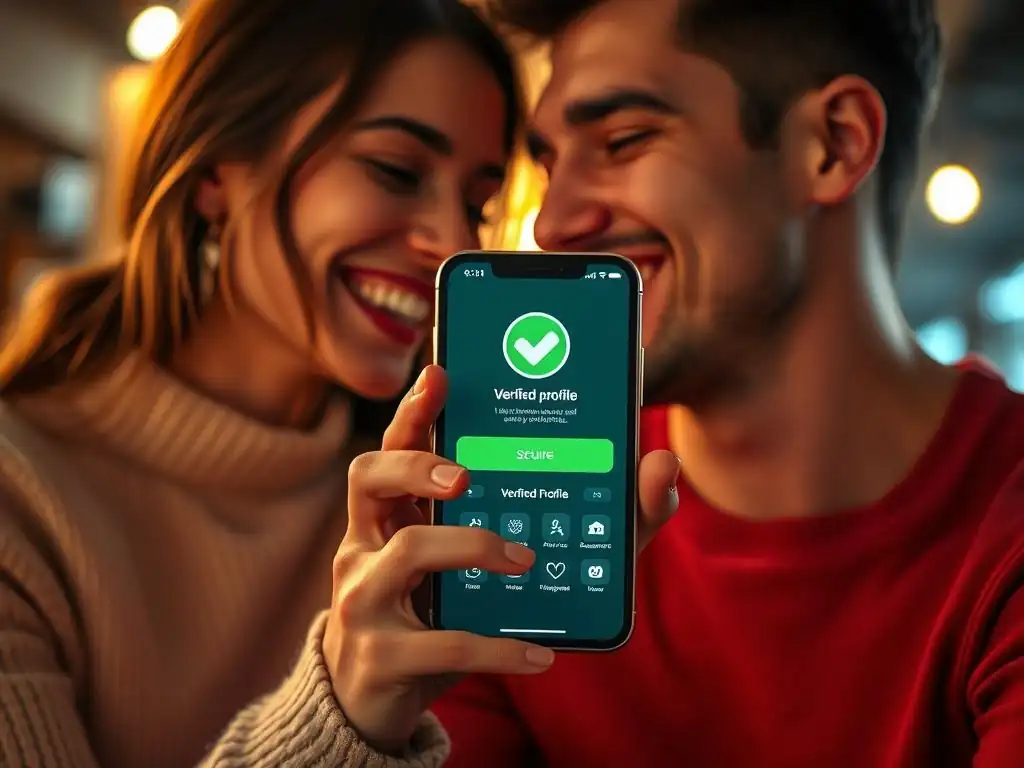
Welcome to OnlineDatingSuccess.org, your guide to navigating the exciting yet sometimes treacherous world of online dating. Are you ready to ditch the dating app disappointments and find genuine connection? Then you've come to the right place. We're dedicated to helping you build a successful online dating experience, from crafting the perfect profile to fostering meaningful relationships. But first, let's address a critical element often overlooked: your safety. Dive into our essential online dating safety tips, and learn how to protect yourself while searching for love. Discover how to create a secure and successful online dating journey.
- Protecting Your Personal Information in Online Dating: Essential Online Dating Safety Tips
- Safe Communication Strategies for Online Daters: Secure Messaging and Avoiding Scams
- Meeting in Person: Safety Precautions for First Dates and Beyond
- Managing Your Online Presence: Protecting Your Privacy Beyond Dating Apps
- Online Dating Safety Resources: Additional Help and Support
-
Frequently Asked Questions
- How can I protect my personal information while online dating?
- What are some red flags to watch out for in online dating profiles?
- How do I stay safe when meeting someone I met online in person?
- What should I do if I feel uncomfortable or threatened during an online dating interaction?
- What are the best practices for creating a safe online dating profile?
- Final Reflection: Reclaiming Control in the Digital Dating World
- Unlock Your Dating Confidence: Take Control of Your Online Privacy!
Protecting Your Personal Information in Online Dating: Essential Online Dating Safety Tips
Navigating the world of online dating presents exciting opportunities to connect with others, but it also introduces unique privacy and safety concerns. This article, focusing on "online dating safety tips," will equip you with the knowledge and strategies to protect yourself while enjoying the benefits of online dating. We'll explore the delicate balance between honesty and privacy, offering practical advice to help you build meaningful connections while safeguarding your personal information. The goal is to empower you to make informed decisions, fostering a safe and positive online dating experience.
Remember, your safety and well-being are paramount, and understanding the risks involved is the first step towards mitigating them. We'll delve into specific strategies for managing your online presence, securing your accounts, and communicating responsibly to create a secure and positive dating journey. Let's begin by examining how to share information strategically on your profile.
Creating an engaging online dating profile requires a delicate balance. You want to attract potential matches by showcasing your personality and interests, but you also need to prioritize your safety and privacy. Avoid including overly personal details that could be used to identify you or your location. For example, avoid mentioning your exact address, workplace, or the school your children attend. Instead, focus on sharing general information that paints a picture of who you are without compromising your safety.
Think strategically about the photos you include. Avoid images that clearly show your home's exterior or reveal specific locations you frequent. Consider using photos that depict you engaging in hobbies or activities, showcasing your personality without revealing too much identifying information. Remember, less is often more. A well-crafted profile that highlights your personality and interests without revealing sensitive data is far more effective and safer than one that overshares.
Avoiding Oversharing on Dating Apps: Protecting Your Privacy
Oversharing is a common pitfall in online dating, often stemming from a desire to connect authentically. However, it's crucial to remember that not every detail needs to be shared with a stranger online. Before sharing anything personal, consider whether the information is truly necessary for building a connection. Would a potential match really need to know your full birthdate or your financial status? Probably not.
Many dating apps offer features that allow you to control the level of information you share. Take advantage of these privacy settings to limit who can see your profile and to control who can contact you. Think carefully about the information you post on your profile and in your messages. Avoid sharing sensitive details, such as your financial information, your full address, or your place of employment.
Be cautious about sharing details about your family and friends, as this could inadvertently reveal information about you. Remember, building trust takes time, and rushing the process by oversharing can compromise your safety. A gradual approach to sharing personal information is often the safest and most effective strategy.
Securing Your Accounts: Password Management and Two-Factor Authentication for Online Dating Safety
Protecting your online dating accounts is crucial for maintaining your privacy and security. Start by creating strong, unique passwords for each of your dating profiles. Avoid using easily guessable passwords, such as your birthday or your pet's name. Instead, opt for complex passwords that combine uppercase and lowercase letters, numbers, and symbols. Consider using a password manager to help you generate and store strong, unique passwords for all your online accounts.
Enable two-factor authentication (2FA) whenever possible. This adds an extra layer of security by requiring a second form of verification, such as a code sent to your phone or email, in addition to your password. Even if someone gains access to your password, they will still be blocked from accessing your account without the second verification code.
Regularly review your account settings and privacy preferences to ensure that they remain up-to-date and reflect your desired level of security. By taking these proactive steps, you significantly reduce the risk of unauthorized access and protect your personal information. Remember, a secure account is the cornerstone of a safe and positive online dating experience.
Safe Communication Strategies for Online Daters: Secure Messaging and Avoiding Scams
Online dating safety tips extend beyond simply choosing the right platform; secure communication is paramount. Many dating sites offer integrated messaging systems, which are generally safer than exchanging personal contact information too early. These systems often have built-in reporting mechanisms for inappropriate behavior, offering a layer of protection. However, even within these systems, vigilance is crucial. Remember, the goal is to build trust gradually, not rush into sharing sensitive information.
Recognizing and Avoiding Dating Scams: Red Flags and Warning Signs
Dating scams are, unfortunately, prevalent. Recognizing red flags is the first line of defense in protecting yourself. Common warning signs include overly flattering profiles with unrealistic photos; requests for money, gifts, or financial assistance, especially under urgent or emotional pretenses; inconsistent stories or a reluctance to video chat; pressure to move the relationship off the dating platform quickly; and excessive flattery and promises. Be wary of profiles that seem too good to be true – they often are. For example, a profile boasting incredible wealth and promising a lavish lifestyle without any verifiable evidence should raise immediate suspicion.
Remember, a genuine connection develops organically, not through coercion or unrealistic promises. Always err on the side of caution. A detailed analysis of communication patterns—looking for inconsistencies or evasiveness—can also reveal potential scams. Consider documenting suspicious interactions; screenshots and saved messages can be valuable evidence if needed.
Safe Communication Practices: Protecting Yourself from Online Predators
Protecting yourself from online predators requires a proactive and cautious approach. Never share your full name, address, workplace, or other personally identifiable information (PII) until you've met in person and feel confident about the person's identity. Be mindful of the information you share on your profile; avoid revealing details that could easily be used to track you down or compromise your safety.
Limit the personal information disclosed in your profile to the absolute minimum necessary. Even seemingly innocuous details, when combined, can create a complete picture of your life, potentially leaving you vulnerable. Always meet in a public place for your first date, and let a trusted friend or family member know where you're going and when you expect to be back.
Trust your instincts; if something feels off, don't hesitate to end the conversation or interaction. Consider using a separate email address and phone number specifically for online dating to maintain a degree of separation from your personal life. This added layer of security can significantly reduce your risk.
Verifying Profiles: Strategies to Ensure Genuine Connections
While no online dating profile is ever 100% verifiable, taking steps to confirm a person's identity can significantly reduce the risk of encountering fake profiles or scams. Reverse image searching profile pictures can help determine if the same image appears elsewhere online, potentially revealing inconsistencies. Look for inconsistencies between the profile's claims and the information available through other public sources (such as LinkedIn or social media, if the person has publicly available profiles).
Engaging in video calls, even brief ones, can be a simple yet effective way to verify that the person is who they claim to be. Their appearance and demeanor in a video call can often provide more assurance than a simple text exchange. Don't be afraid to ask direct questions about their life and work; genuine individuals will usually be happy to answer honestly.
Be aware that some individuals might be adept at deception, so a combination of these methods is recommended for a thorough verification. Remember, the goal is to create a safe space for building authentic connections, and careful verification plays a critical role in achieving that goal.
Meeting in Person: Safety Precautions for First Dates and Beyond
Meeting someone you've connected with online for the first time can be exciting, but it's crucial to prioritize your safety. Online dating safety tips extend beyond crafting the perfect profile; they encompass every stage of the process, especially when transitioning from virtual interaction to in-person encounters. Remember, your safety is paramount, and taking proactive steps can significantly reduce risks.
Choosing Safe Meeting Locations: Prioritizing Your Safety
The location of your first date is a critical factor in ensuring your safety. Avoid secluded or poorly lit areas. Instead, opt for well-populated, public places where you feel comfortable and visible. Coffee shops, restaurants, or museums are generally good choices. Consider the accessibility of transportation; you want to ensure you have a reliable way to leave if needed.
It's also wise to choose a location familiar to you, or at least one you've researched beforehand. Knowing the area can boost your confidence and provide a sense of control. Sharing the location details with a trusted friend or family member is also a vital online dating safety tip. This allows someone to check in on you and know where to find you if necessary. Avoid meeting at someone's home, especially on a first date. This dramatically increases your vulnerability and reduces your options if the situation becomes uncomfortable.
Remember, your comfort level is key. If a proposed location makes you feel uneasy, don't hesitate to suggest an alternative or postpone the meeting altogether. Your safety should never be compromised for the sake of a date.
Informing Friends and Family: Sharing your Plans for Increased Security
One of the most effective online dating safety tips is to share your plans with trusted friends or family members. Before meeting someone from an online dating platform, inform them of the date, time, location, and the person's name and contact information. Consider sharing a real-time location tracker with them, so they can monitor your whereabouts.
This isn't about being overly cautious; it's about proactive risk management. Having someone aware of your plans provides an additional layer of security and allows for timely intervention if something goes wrong. They can check in on you and, if necessary, contact the authorities. This simple step can significantly increase your safety and peace of mind. Regular check-in calls or texts during and after the date can also be beneficial. This proactive approach is a vital component of practicing safe online dating.
Trusting Your Instincts: Recognizing Danger Signs During Dates
Your intuition is a powerful tool. Pay close attention to your feelings during the date. If something feels off, trust your gut. Discomfort, unease, or a feeling of being manipulated are all red flags. Don't dismiss these feelings; they often signal potential danger.
Common danger signs can include controlling behavior, excessive drinking or drug use, aggressive language, or a disregard for your boundaries. If you experience any of these, politely excuse yourself and leave. Have a pre-planned escape route in mind, such as a pre-arranged ride or a nearby friend's location. Remember, it's perfectly acceptable, and indeed crucial, to prioritize your safety over politeness.
Online dating safety tips are not just about avoiding danger; they are about empowering yourself to make informed decisions and protect your well-being. Prioritize your safety, and don't hesitate to end a date early if you feel uncomfortable. Your safety and well-being are always worth more than a date.
Managing Your Online Presence: Protecting Your Privacy Beyond Dating Apps
Protecting your privacy in online dating isn't just about what you share on dating apps; it's about managing your overall online presence. Potential dates – and unfortunately, malicious actors – can easily find information about you through various online channels. Proactive privacy management is crucial for online dating safety. This involves a multi-pronged approach, encompassing social media, search engines, and your general digital footprint. Failing to address these aspects can compromise your safety and potentially lead to unwanted attention or even harassment. Let's delve into the key strategies for safeguarding your personal information online.
Your social media profiles are treasure troves of personal information. A potential date, or someone with less-than-noble intentions, could easily piece together a detailed picture of your life from seemingly innocuous posts. Therefore, regularly reviewing and adjusting your privacy settings is paramount. This involves more than just limiting who can see your posts; it's about carefully considering what information you share publicly.
For instance, avoid posting your exact address, workplace details beyond a general industry, or detailed travel plans. Even seemingly harmless information, when combined, can create a comprehensive profile that compromises your safety. Think about it: a picture of you at a specific restaurant, coupled with a check-in at a local gym, and a mention of your dog's name, could easily provide enough information for someone to locate your home. Consider these steps:
- Limit your audience: Restrict access to your posts to friends only, or create separate, more private accounts for close friends and family.
- Tagging: Be cautious about tagging your location in photos or posts. Turn off location services for apps when not actively using them.
- Information sharing: Carefully review and manage the information you share on your profile. This includes your birthday, phone number, and email address. Consider removing any unnecessary details.
- Review your privacy settings regularly: Social media platforms frequently update their privacy policies and settings. Make it a habit to review these settings at least quarterly to ensure your information remains protected.
Remember, even seemingly minor details can be exploited by those seeking to cause harm. Proactive management of your social media presence is a vital component of online dating safety tips.
Google Yourself: Understanding Your Online Reputation
A crucial step in securing your online privacy is to understand your existing online reputation. Simply Googling your name can reveal surprising amounts of information. This allows you to identify any potentially sensitive or compromising information that's publicly accessible. This could include old social media posts, articles mentioning you, or even outdated contact information.
By performing a thorough self-Google search, you can proactively address any issues. This might involve contacting websites or platforms to request the removal of outdated or sensitive information, or adjusting your privacy settings on relevant platforms. Understanding what information is already out there empowers you to take control of your narrative and mitigate any potential risks. This proactive approach is a cornerstone of successful online dating safety. Don't underestimate the power of knowing what's already visible about you online.
Managing Your Digital Footprint: Protecting Your Privacy Long-Term
Protecting your privacy in online dating is an ongoing process, not a one-time fix. Managing your digital footprint requires consistent vigilance and proactive steps to minimize your online vulnerability. This involves being mindful of the information you share online, across all platforms, not just dating apps.
Consider these long-term strategies:
- Use strong passwords: Employ unique, strong passwords for all your online accounts, and consider using a password manager to streamline this process.
- Be cautious about sharing personal information: Avoid sharing sensitive details like your full address, financial information, or social security number online, even in seemingly secure channels.
- Be wary of phishing scams: Be vigilant about suspicious emails or messages requesting personal information. Never click on links from unknown sources.
- Regularly review your online accounts: Periodically review your accounts for any unauthorized activity or suspicious logins.
- Enable two-factor authentication: This adds an extra layer of security to your accounts, making them significantly more difficult to access even if your password is compromised.
By adopting these strategies, you can significantly enhance your online safety and build a more secure online presence. Remember, proactive privacy management is not just about protecting yourself from potential harm; it's about maintaining control over your personal information and fostering a positive and safe online dating experience. This holistic approach forms the core of effective online dating safety tips for a secure and fulfilling experience.
Online Dating Safety Resources: Additional Help and Support
Finding reliable information and support is crucial for navigating the sometimes treacherous waters of online dating. While this article provides valuable online dating safety tips, remember that you're not alone in this journey. Numerous resources exist to help you stay safe and empowered. Knowing where to turn for assistance, whether you're facing a minor concern or a serious issue, is a key component of online dating safety. This section outlines some avenues for additional help and support.
Reporting Suspicious Activity: Utilizing Dating App Reporting Mechanisms
Most reputable online dating platforms provide robust reporting mechanisms to address suspicious behavior. Don't hesitate to use them! Reporting suspicious profiles, inappropriate messages, or any activity that makes you uncomfortable is essential for maintaining a safer online dating environment for everyone. These reporting features are often easily accessible – usually a small flag or "report" button next to the offending content or profile.
The effectiveness of these reporting systems depends on user participation. By promptly reporting suspicious activity, you contribute to a safer platform and potentially protect others from similar experiences. The specifics of each platform's reporting process might differ, but generally involve providing details about the incident, including screenshots if possible. Many platforms also offer options to block users entirely, cutting off further communication. This is a proactive step you can take to protect your privacy and well-being. Remember to always keep records of your reports, including timestamps and any confirmation numbers provided.
The process of reporting is often straightforward. For example, many apps offer a drop-down menu with options like "inappropriate behavior," "spam," "harassment," or "fraud." Selecting the appropriate option allows you to provide additional context and details about the situation, helping the platform's moderation team to effectively address the issue. Following the app's specific instructions is vital for a successful report.
Seeking Professional Help: Resources for Victims of Online Dating Fraud
Online dating fraud, unfortunately, is a real and significant threat. Victims often experience significant financial and emotional distress. If you've been a victim of online dating fraud, know that you're not alone and help is available. Several resources can provide crucial support:
- Law Enforcement: Report online dating fraud to your local law enforcement agency. They can investigate the crime and potentially recover your losses. Provide them with as much information as possible, including communication records, transaction details, and the scammer's profile information.
- Federal Trade Commission (FTC): The FTC is a valuable resource for reporting online fraud of all kinds, including dating scams. They maintain a database of reported scams and can offer guidance on how to protect yourself in the future. Reporting to the FTC helps them track trends and take action against perpetrators.
- Victim Support Organizations: Various organizations offer support and resources to victims of fraud and other crimes. These groups provide emotional support, legal advice, and financial assistance. They can help you navigate the legal and emotional challenges you may be facing.
Remember, seeking help is a sign of strength, not weakness. Don't hesitate to reach out for support if you need it. The emotional toll of online dating fraud can be significant, and professional help can be invaluable in your recovery. Taking these steps is crucial for your well-being and for preventing others from falling victim to similar scams. Your safety and emotional health are paramount.
Frequently Asked Questions
How can I protect my personal information while online dating?
Never share sensitive information like your full address, workplace, or financial details with someone you've only met online. Verify profiles before meeting in person and use a separate email address for dating. Meet in public places for initial dates.
What are some red flags to watch out for in online dating profiles?
Be wary of profiles with limited information, poor-quality photos, or inconsistent details. Avoid individuals who are vague about their lives or press you for personal information too quickly. Report suspicious activity to the dating platform immediately.
How do I stay safe when meeting someone I met online in person?
Always tell a friend or family member where you're going, who you're meeting, and when you expect to be back. Meet in a public place for the first few dates, and avoid going back to their home or inviting them to yours. Trust your instincts; if something feels off, leave.
What should I do if I feel uncomfortable or threatened during an online dating interaction?
Immediately block and report the user to the dating platform and/or law enforcement if necessary. Save all communication as evidence. Reach out to a trusted friend or family member for support.
What are the best practices for creating a safe online dating profile?
Use a profile picture that clearly shows your face and avoid posting images that reveal too much personal information about your location. Be selective about the information you share publicly. Keep your profile updated and be mindful of the information you share on your social media.
Final Reflection: Reclaiming Control in the Digital Dating World
The ease and accessibility of online dating have revolutionized romance, but they've also created a landscape rife with potential dangers. Navigating this digital frontier requires vigilance, awareness, and a proactive approach to personal safety. Ignoring these crucial aspects can have severe consequences, impacting not only your emotional well-being but also your physical security.
The pervasiveness of online dating has fundamentally altered how we approach relationships, blurring the lines between the virtual and the real. This shift necessitates a constant reevaluation of our online habits and a commitment to responsible digital citizenship. The price of liberty is eternal vigilance,
and this holds true in the digital realm as much as it does in any other aspect of life. The ongoing challenge lies in fostering a culture of online safety that prioritizes informed consent, respect, and a healthy balance between connection and caution. We must actively shape the future of online dating, ensuring it's a space where genuine connections can flourish without compromising personal safety.
You now possess the knowledge to navigate the complexities of online dating with greater confidence and security. Take the time to reflect on your own online habits and identify areas where you can strengthen your safety protocols. Don't just passively consume information; actively implement these strategies into your online dating experience. By prioritizing your safety and well-being, you empower yourself to build meaningful connections in a responsible and fulfilling way. Embrace the power of informed choice and create a positive and safe online dating journey.
Unlock Your Dating Confidence: Take Control of Your Online Privacy!
Thank you for learning about online dating safety! We hope you feel empowered to navigate the digital world with confidence. Ready to put your knowledge into practice?
- Prioritize your privacy: Immediately review and adjust your privacy settings on all dating apps and social media platforms. This simple step significantly reduces your vulnerability.
- Share this information: Share this article with friends who also use online dating apps—let's build a safer online community together!
- Learn more: Explore additional online safety guides specific to online dating. You might discover valuable strategies to protect yourself.
What privacy setting will you adjust first?