
Protecting Your Privacy: Essential Tips for the Online Dating World

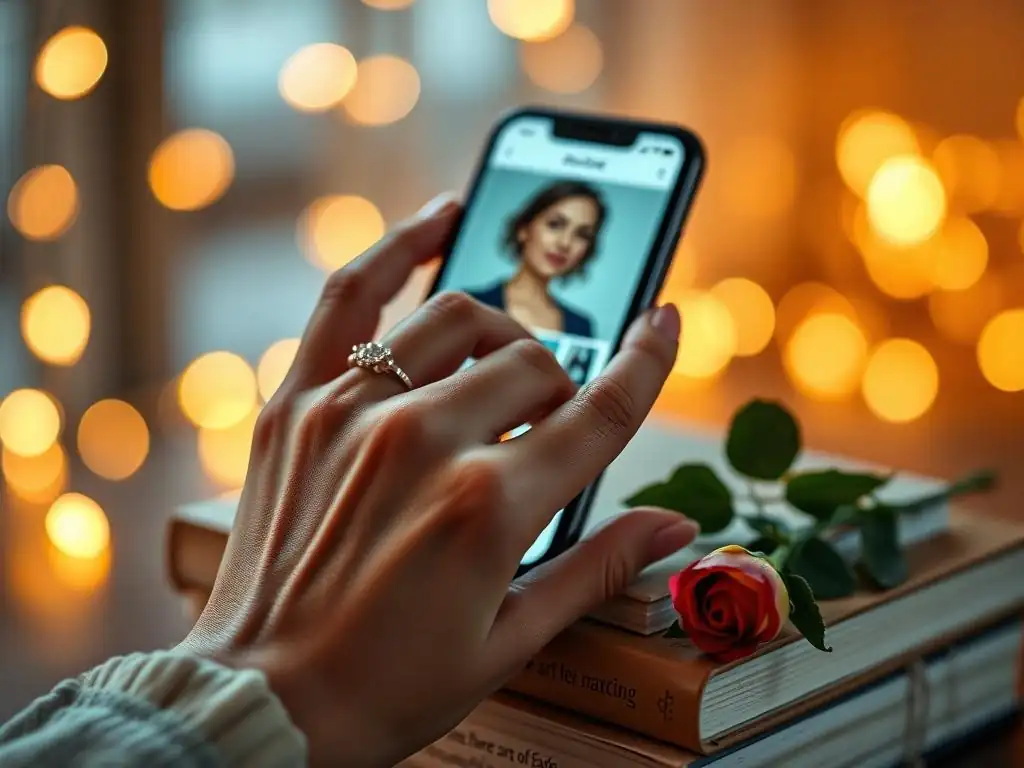
Welcome to OnlineDatingSuccess.org, your guide to navigating the exciting yet complex world of online dating. Are you ready to find meaningful connections but concerned about protecting your privacy? Then you've come to the right place. This website is dedicated to helping you build a successful online dating experience, and we'll start with something crucial: understanding and implementing essential online dating profile privacy tips. Discover how to safeguard your personal information while still presenting your best self. Let's dive in and explore the practical strategies that will empower you to date safely and confidently.
- Understanding Online Dating Profile Privacy Risks
- Online Dating Profile Privacy Tips: Creating a Secure Profile
- Safe Online Communication: Minimizing Risks During Interactions
- Managing Your Online Presence: Beyond the Dating Profile
- Red Flags and Warning Signs: Identifying Potential Privacy Threats
- Resources and Further Information: Additional Privacy Tools and Support
-
Frequently Asked Questions
- How can I protect my personal information on my online dating profile?
- What should I avoid sharing in my online dating profile pictures?
- Are there any privacy settings I should adjust on dating apps?
- How can I spot potential scams or catfishing on online dating sites?
- What should I do if I feel uncomfortable or unsafe after meeting someone from an online dating site?
- Final Reflection: Navigating Love and Privacy in the Digital Age
- Unlock Your Dating Confidence: Secure Your Privacy Now
Understanding Online Dating Profile Privacy Risks
Navigating the world of online dating requires a delicate balance: presenting yourself authentically while safeguarding your personal information. This article focuses on crucial privacy measures for online daters, helping you build a successful profile without compromising your safety and security. The digital landscape presents unique challenges, and understanding these risks is the first step towards mitigating them.
We'll explore practical strategies to protect your personal data, location information, and images, ensuring you can connect with others confidently and responsibly. This guide is designed to empower you to make informed decisions about what information you share and how you manage your online presence, ultimately contributing to a more positive and secure online dating experience. Remember, prioritizing your privacy doesn't mean being secretive; it's about being smart and proactive in protecting yourself in the digital sphere.
This is especially important given the rise in online scams and the potential for misuse of personal information. Let's delve into specific steps you can take to enhance your online dating profile privacy.
Protecting Your Personal Information: Email, Phone Number, and Address
Sharing personal contact details too early in the online dating process can expose you to unwanted attention and potential risks. Consider the following strategies to protect your email, phone number, and address:
- Use a dedicated dating email address: Avoid using your primary email address for online dating. Create a separate email account specifically for dating interactions. This helps to keep your personal and dating communications separate, improving your privacy and security.
- Avoid sharing your phone number until you've established trust: Don't include your phone number on your profile. Wait until you've had several positive interactions with someone and feel comfortable sharing this level of personal contact information.
- Never share your full address: Under no circumstances should you share your full home address with someone you've met online before meeting them in person, and even then, exercise extreme caution. Meeting in a public place for the first time is always recommended.
- Be mindful of information revealed indirectly: Even seemingly innocuous details, like your workplace or the name of your school, can be used to piece together more personal information. Be cautious about what you reveal in your profile and during your conversations.
Safeguarding Your Location: Avoiding Geo-Tagging and Precise Location Sharing
Location data can be easily revealed in online profiles and photos, making you vulnerable to unwanted attention or even stalking. Here's how to mitigate these risks:
- Disable location services on your dating app: Many dating apps automatically track your location. Check your app settings and disable location sharing unless you are actively using a feature that requires it, such as location-based matching.
- Avoid geo-tagging your photos: Geo-tagging automatically adds location data to your photos, potentially revealing your home or workplace. Always disable geo-tagging before uploading photos to your online dating profile.
- Be cautious about revealing specific landmarks: When discussing your life or plans, avoid mentioning specific landmarks or easily identifiable locations that could be used to pinpoint your whereabouts.
- Use caution with check-ins and location-based social media: Avoid checking into locations frequently on social media platforms, especially if these locations are also mentioned on your dating profile.
Your profile pictures are a crucial part of your online dating presence, but they can also be misused if not carefully managed. Follow these guidelines to protect your images:
- Use photos that don't reveal too much personal information: Avoid photos that show your home address, workplace, or other identifying features.
- Use recent photos: Out-of-date photos might show you in a different place of residence or with a different hairstyle which could reveal more information than you intend to.
- Be selective about the photos you share: Don't upload every photo you own. Choose carefully and only upload images that you feel comfortable with being publicly visible.
- Be aware of reverse image searches: Anyone can use a reverse image search to find out where else a photo has appeared online. Be mindful of this before posting any image to your dating profile.
- Report any misuse of your photos immediately: If you discover that your photos are being used without your permission, report it to the dating platform immediately and consider reporting it to law enforcement if necessary. This proactive approach is crucial for preventing further misuse.
Online Dating Profile Privacy Tips: Creating a Secure Profile

This section delves into practical strategies for maximizing your privacy while crafting an appealing online dating profile. Remember, striking a balance between showcasing your personality and safeguarding your personal information is key to a safe and positive online dating experience. The goal is to attract genuine connections while minimizing the risk of unwanted attention or identity theft. Let's explore some crucial aspects of building a secure profile.
Choosing a Username: Privacy-Focused Username Strategies
Selecting a username is your first step towards establishing your online dating presence. While a creative and memorable username can be beneficial, it's crucial to prioritize privacy. Avoid using your real name or easily identifiable information like your birthdate or location. Instead, consider these strategies:
- Use a combination of words and numbers: This makes it harder for someone to connect your username to your real identity through simple searches. For example, instead of "JohnDoe1985," try "OceanWave72."
- Employ pseudonyms or nicknames: Choose a username that's memorable and reflects your personality without revealing personal details.
- Check for existing accounts: Before settling on a username, ensure it's not already associated with other online accounts that might compromise your privacy. A quick Google search can be helpful.
- Avoid usernames that are too revealing: Refrain from including details like your profession, hobbies, or interests that could be used to identify you more easily.
Profile Picture Selection: Balancing Attractiveness with Privacy
Your profile picture is crucial for attracting attention, but it also presents a privacy risk if not carefully chosen. Avoid using images that reveal too much personal information. Here are some guidelines:
- Avoid pictures with identifying landmarks: Don't use photos taken in front of your house, workplace, or other easily recognizable locations. This could allow someone to pinpoint your address or daily routine.
- Use recent photos: Older photos might not accurately reflect your current appearance, and could lead to misunderstandings or disappointment upon meeting in person.
- Opt for close-up shots: While full-body shots can be appealing, they might unintentionally reveal more details about your surroundings. Close-up photos focus attention on you, while minimizing background details.
- Consider using a less revealing background: If using a photo with a background, ensure it's not too specific or revealing. A generic, unidentifiable background is preferable.
- Avoid pictures with other people: Unless you are comfortable with others seeing your friends and family in your profile picture, stick to solo shots.
Sharing too much personal information on your dating profile significantly increases the risk of privacy breaches and unwanted attention. It's essential to be selective about what you disclose. Consider these points:
| Information Type | Recommended Approach | Rationale |
|---|---|---|
| Full Name | Avoid using your full name; use a nickname or pseudonym. | Prevents unwanted searches and potential stalking. |
| Address/Location | Keep location information vague; avoid specifying exact addresses or neighborhoods. | Protects your physical safety and privacy. |
| Workplace/Profession | Consider omitting this information or using a general description. | Prevents unwanted contact at your workplace or targeted harassment. |
| Phone Number | Avoid sharing your phone number until you've established trust and vetted the person. | Protects against unwanted calls and potential misuse of your contact information. |
| Email Address | Consider using a dedicated email address specifically for online dating. | Prevents spam and keeps your personal email safe from unwanted messages. |
| Social Media Links | Avoid including direct links to your social media profiles. | Prevents unauthorized access to your personal information and social circles. |
| Financial Information | Never share any financial details. | Protects against fraud and identity theft. |
| Children's Information | Avoid mentioning your children or sharing their photos. | Protects their privacy and safety. |
Remember, building a successful online dating profile is a delicate balance between presenting yourself authentically and protecting your personal information. By following these privacy-focused strategies, you can significantly reduce your risks and enhance your online dating experience. Prioritizing your safety and well-being is paramount.
Privacy Settings on Dating Apps: Optimizing App Settings for Maximum Privacy
Understanding and utilizing the privacy settings within dating apps is crucial for protecting your personal information. Many apps offer a range of customization options, allowing you to control who can see your profile, contact you, and even the level of detail visible to others. Ignoring these settings leaves you vulnerable to unwanted attention and potential risks. Take the time to explore each setting thoroughly; don't just accept the defaults.
For instance, most apps allow you to control the visibility of your profile to only those who match your preferences. This significantly reduces the number of unsolicited messages and potential exposure to inappropriate individuals. Consider carefully who you allow to see your photos – some apps allow you to create private albums visible only to matched users, a valuable tool for maintaining your privacy.
Additionally, you can often choose to hide your age, location, or even your last active status. This level of control allows you to manage the information shared with potential matches, maintaining a balance between showing enough information to attract interest and avoiding overexposure.
Furthermore, many apps allow you to block specific users. This is a powerful tool for managing unwanted attention. If someone makes you uncomfortable, block them immediately. Don't hesitate to utilize this feature; it's designed to help you maintain a safe and positive online dating experience. Regularly review your blocked list and consider reporting any particularly problematic users to the app's administrators. Remember, your safety and comfort are paramount.
These settings are not just technicalities; they are essential tools for maintaining your online safety and peace of mind while navigating the world of online dating. The goal is to attract genuine connections while minimizing potential risks. Investing time in understanding and utilizing these features is a vital step in responsible online dating. Properly managing your privacy settings is a significant step towards creating a safer and more positive online dating experience. Don't underestimate the power of these often-overlooked features.
Safe Online Communication: Minimizing Risks During Interactions
This section focuses on practical strategies to mitigate risks associated with online communication within the context of online dating. Protecting your personal information while interacting with potential matches is crucial for a safe and positive online dating experience. Remember, your safety and wellbeing are paramount. Let's explore some key strategies for minimizing risks during your online dating interactions. Effective communication is key to building trust and healthy relationships, but it's equally important to maintain a strong sense of privacy.
Avoiding Oversharing: Protecting Your Personal Life Online
Oversharing personal information online, even seemingly innocuous details, can create vulnerabilities. Think before you post or share. Avoid revealing your full address, workplace, exact location (beyond a general city), or the names and details of family members. Remember, even seemingly harmless information can be pieced together by malicious individuals to construct a complete picture of your life, potentially compromising your safety.
Many online dating scams hinge on gaining access to personal information. By gradually revealing details about yourself, you build a sense of connection without unnecessarily exposing sensitive data. For instance, instead of immediately stating your exact workplace, you could mention your profession in a general way. This allows for a natural progression of disclosure, building trust over time.
Instead of sharing specific details, consider using more general terms. For instance, instead of saying "I work at Acme Corporation on Elm Street," you might say, "I work in the finance industry in the city center." This approach provides context without revealing specific information that could be used to identify your location or employer. This proactive approach to protecting your online dating profile privacy tips will help to safeguard your personal life.
This strategic approach allows for a natural unfolding of your personal narrative, fostering genuine connection while prioritizing your safety. Remember, building trust takes time, and it's always better to err on the side of caution when sharing personal details online. The goal is to cultivate a safe and positive online dating experience.
Verifying Profiles: Checking for Authenticity and Avoiding Scams
Verifying the authenticity of online dating profiles is a crucial step in protecting yourself from scams and potential harm. While online dating platforms employ various verification methods, it's vital to remain vigilant and employ your own due diligence. A common method is to reverse image search photos using Google Images or TinEye to check for inconsistencies or potential misuse of images.
Suspicious activity should be reported immediately to the platform. This includes profiles with inconsistent information, unusual requests for money, or overly flattering or generic profiles. Pay attention to red flags, such as requests for financial assistance, overly insistent communication, or a reluctance to video chat. Video calls can be a powerful tool for verifying identity and ensuring authenticity. If someone is consistently hesitant, it might be a warning sign.
Below is a table summarizing key indicators of potentially fake profiles:
| Indicator | Description | Action |
|---|---|---|
| Poorly written profile | Grammatical errors, inconsistent information, or unrealistic claims. | Be cautious and consider reporting the profile. |
| Stock photos or generic images | Images that appear to be taken from stock photo websites or are overly generic. | Reverse image search the photos to verify their authenticity. |
| Unwillingness to video chat | Consistent refusal to engage in video calls despite multiple requests. | This could indicate an attempt to conceal identity; consider terminating contact. |
| Requests for financial assistance | Requests for money, gifts, or other financial support. | Report the profile immediately; this is a strong indicator of a scam. |
| Inconsistencies in information | Discrepancies between information provided on the profile and during conversation. | Be cautious and verify information independently. |
Remember, your intuition is a valuable tool. If something feels off, it's best to err on the side of caution and end the interaction.
Secure Communication Channels: Protecting Your Conversations
Protecting your conversations within the online dating environment is crucial to maintaining your privacy and safety. Avoid sharing sensitive information through unsecured platforms or methods. Instead, favor the built-in messaging systems provided by reputable dating platforms. These systems often have added layers of security and privacy features compared to other communication channels. Remember that the platform's terms of service and privacy policies will outline the specifics of data protection for their messaging services.
Prioritize using the platform's built-in messaging system for initial contact. Once you've established some trust and are comfortable, you might consider switching to other secure messaging platforms that offer end-to-end encryption, such as Signal or WhatsApp. Avoid using email or SMS for sensitive information, as these methods may offer less security.
Never share your personal phone number or email address until you feel confident and safe in doing so. Always prioritize your safety and privacy when communicating with new people online. This is a crucial aspect of responsible online dating and will help you build trust and maintain a safe online dating environment.
Managing Your Online Presence: Beyond the Dating Profile
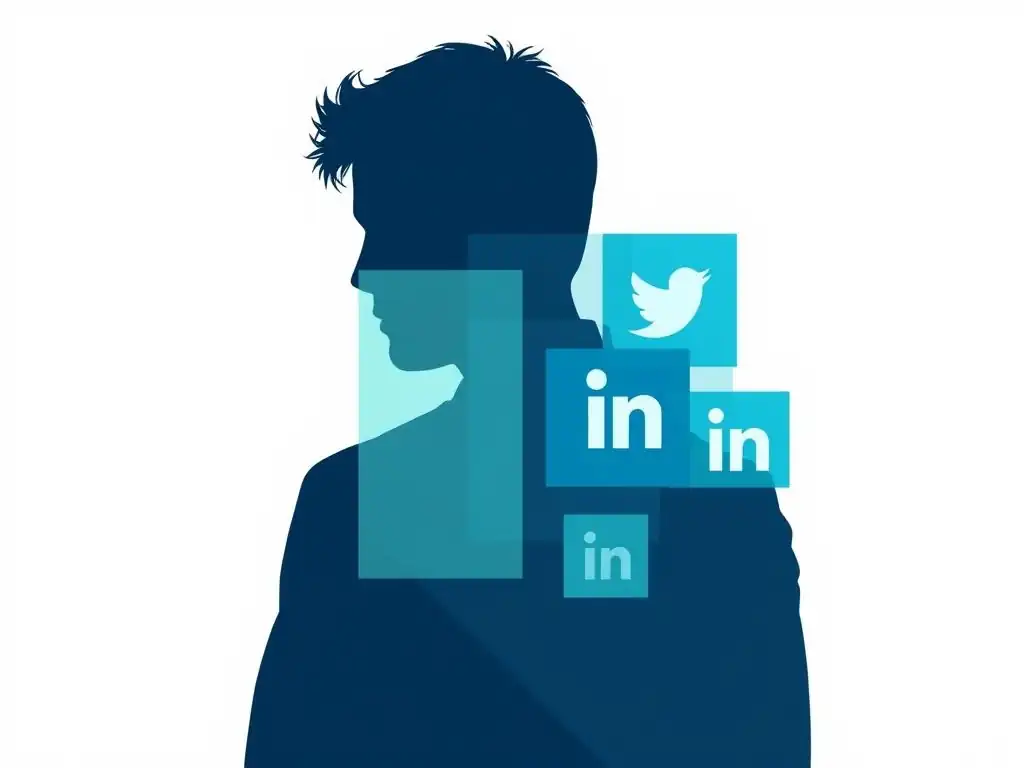
This section focuses on strategies to manage your overall online presence, extending beyond just your dating profile. Protecting your privacy in online dating requires a holistic approach; your dating profile is only one piece of the puzzle. A strong online reputation management strategy is crucial for mitigating risks and maintaining control over your personal information. Remember, potential matches might search for you online, so proactive steps are essential. This isn't about hiding; it's about responsible self-representation.
Many dating platforms allow you to link your social media accounts. While convenient, this practice presents significant privacy challenges. Connecting profiles increases your digital footprint, making more information about you readily accessible. Before linking accounts, carefully review your privacy settings on each platform. Consider these points:
- Facebook: Limit who can see your posts, friends list, and other information. Review your "About" section and ensure only essential details are publicly visible. Consider creating a separate, less revealing Facebook profile for dating purposes, if you feel comfortable with this additional step. This helps to separate your personal and dating lives.
- Instagram: Use a private account to control who sees your photos and stories. Carefully curate your posts; avoid sharing overly personal details or revealing locations. Think twice before tagging your location in photos, as this can be used to identify your residence.
- Twitter: Protect your tweets, limiting visibility to only your followers. Be mindful of the information you share publicly—avoid sensitive details like your address, workplace, or family information. Regularly review your follower list and remove any accounts that make you uncomfortable.
Remember, even if you're not directly linking your profiles, information can still be cross-referenced online. A simple Google search can reveal a surprising amount of data. Proactive privacy management across all platforms is vital for a safer online dating experience. Always err on the side of caution when sharing information online. Consider creating different profiles for professional and social networking to further compartmentalize your online presence.
Online Reputation Management: Protecting Your Online Image
Your online reputation extends beyond your social media and dating profiles. Anything publicly available online can impact your online dating experience. Negative reviews, old social media posts, or even inaccurate information can create a skewed perception of you. Proactive online reputation management is crucial for safeguarding your image.
Here's how to take control:
- Google Yourself: Regularly perform Google searches using your name and variations to see what information appears. This allows you to identify and address any potentially problematic content.
- Monitor Your Online Mentions: Use tools or services that monitor your online mentions across various platforms. This alerts you to new posts or comments that may affect your online image.
- Address Negative Content: If you discover negative or inaccurate information, try to contact the source and request its removal. If that fails, consider consulting a reputation management professional for assistance. Document everything.
- Build a Positive Online Presence: Focus on building a positive online presence by creating and maintaining professional profiles on relevant platforms. Share positive and engaging content that showcases your interests and achievements.
Proactive online reputation management is an ongoing process. It's about taking ownership of your online presence and safeguarding your digital identity. This careful approach will not only benefit your online dating experience but also contribute to a more secure and positive online presence overall. Remember that a positive, well-managed online reputation can significantly enhance your online dating success.
Red Flags and Warning Signs: Identifying Potential Privacy Threats
This section focuses on recognizing potential privacy threats in the online dating landscape. Understanding these red flags is crucial for maintaining your safety and protecting your personal information. Ignoring these signs can lead to serious consequences, ranging from minor inconveniences to significant breaches of your privacy and even personal safety. Remember, your online safety is paramount.
Suspicious Behavior: Recognizing and Avoiding Risky Interactions
Certain behaviors online should immediately raise red flags. These actions often signal a potential privacy violation or even a malicious intent. For instance, persistent requests for personal information beyond what's typically shared in online dating profiles (like your full address, social security number, or place of work) should be treated with extreme caution. Similarly, be wary of individuals who are overly eager to move conversations off the dating platform to less secure channels, such as text messaging or email, before establishing trust. This circumvents the platform's safety measures and increases your vulnerability.
Another significant red flag is pressure to share intimate photos or videos. Legitimate relationships are built on mutual respect and trust, not coercion. Never feel obligated to share anything you're uncomfortable with. Remember, once something is online, it's nearly impossible to completely remove. This includes seemingly innocuous details like your daily routine or your usual travel patterns. Sharing this information too readily can make you vulnerable to stalking or other forms of harassment.
Finally, be cautious of profiles that seem too good to be true. Perfection is rare, and overly idealized profiles often mask ulterior motives. Inconsistencies in a profile, such as blurry or missing photos, vague descriptions, or an absence of mutual friends or connections, can be indicative of a fake profile or someone attempting to conceal their identity. Trust your instincts; if something feels off, it probably is. Prioritize your safety and well-being above all else. Remember, online dating safety should always be a top priority.
Privacy Violations: Reporting and Addressing Privacy Concerns
If you encounter a privacy violation, it's crucial to take immediate action. This might involve reporting the offending user to the online dating platform you're using. Most platforms have robust reporting mechanisms to handle such situations. Familiarize yourself with the specific reporting procedures of your chosen platform. Providing detailed information about the violation, including screenshots or other evidence, will strengthen your report and assist the platform in taking appropriate action. These actions often involve suspending or permanently banning the offending user's account.
Beyond reporting to the platform, consider blocking the user to prevent further contact. This is a crucial step in protecting yourself from further harassment or unwanted advances. Blocking prevents the user from viewing your profile, messaging you, or interacting with you in any way. If the violation involves the sharing of your personal information without your consent, consider reporting it to the appropriate authorities. This may involve contacting the police or filing a complaint with the relevant regulatory body.
Document all instances of privacy violations, including dates, times, and details of the interactions. This documentation can be vital if you need to escalate the matter or take legal action. Remember, protecting your privacy is an ongoing process. Staying vigilant, educating yourself about potential threats, and taking prompt action when necessary are all essential aspects of maintaining your safety and well-being in the online dating world. Your online dating profile privacy is your responsibility, so take proactive steps to ensure your protection.
Resources and Further Information: Additional Privacy Tools and Support
This section provides you with additional resources and tools to bolster your online dating profile privacy. Remember, proactive measures are key to maintaining your safety and security in the digital dating world. Protecting your personal information is not just about preventing unwanted contact; it’s about maintaining control over your online identity and fostering positive dating experiences.
Privacy-Focused Online Dating Apps: Exploring Secure Alternatives
While many mainstream dating apps prioritize user growth, some platforms are specifically designed with privacy at their core. These apps often employ enhanced encryption methods, stricter verification processes, and limited data sharing policies. Understanding the differences in their privacy features is crucial in making an informed choice. Consider these factors when selecting an app:
- Data Minimization: Does the app collect only necessary data? Avoid apps that request excessive personal information.
- Encryption: Look for apps that use end-to-end encryption to protect your messages and personal data.
- Transparency: A reputable app will clearly outline its privacy policy and data handling practices. Review these policies carefully before signing up.
- Verification Processes: Apps with robust verification methods can help reduce the risk of encountering fake profiles or scams.
Consider researching apps that explicitly emphasize user privacy in their marketing materials. Pay close attention to user reviews, focusing on comments related to privacy and data security. Remember that even the most privacy-focused apps require you to exercise caution and good judgment.
Online Safety Resources: Accessing Helpful Information and Support
Beyond specific apps, several organizations offer valuable resources to help you navigate the complexities of online dating safely. These resources can provide guidance on everything from identifying potential scams to understanding your legal rights. It's always beneficial to stay informed and proactively enhance your digital safety practices. Some useful areas to explore include:
- Government Agencies: Many governmental bodies offer resources and advice on online safety and privacy, often including sections dedicated to online dating safety. These resources can provide valuable information on legal protections and reporting mechanisms.
- Non-Profit Organizations: Several non-profit organizations are dedicated to promoting online safety and digital literacy. They often provide educational materials, workshops, and support services for individuals concerned about online privacy and security.
- Cybersecurity Experts: Many cybersecurity experts and professionals offer online resources, blog posts, and webinars focused on online dating safety. These resources can provide technical insights and best practices for protecting your information.
Remember, staying informed is a crucial step in protecting your privacy. Regularly review your privacy settings on all your online accounts and be wary of suspicious activity or requests for personal information. By combining a proactive approach with the use of available resources, you can significantly enhance your safety and enjoy a more positive online dating experience. Your online dating profile privacy is paramount; prioritize it!
Frequently Asked Questions
How can I protect my personal information on my online dating profile?
Avoid including specific details like your full address, workplace address, or exact location. Use general location descriptions and be cautious about sharing identifying information in photos. Think twice before posting anything that could be used to track you down.
What should I avoid sharing in my online dating profile pictures?
Don't share photos that reveal too much personal information, like license plates, house numbers, or even easily identifiable landmarks. Avoid pictures with your children or other family members. Use diverse pictures, but be mindful of what's visible in the background.
Are there any privacy settings I should adjust on dating apps?
Yes! Most dating apps offer privacy settings to control who can see your profile, message you, or access your information. Review these settings carefully and adjust them to your comfort level. Consider limiting the visibility of your profile to only those who are a match.
How can I spot potential scams or catfishing on online dating sites?
Be wary of profiles with limited information, inconsistent details, or an unwillingness to video chat. If something feels off, trust your instincts and report suspicious activity to the platform immediately. Never send money or personal financial information.
What should I do if I feel uncomfortable or unsafe after meeting someone from an online dating site?
Prioritize your safety above all else. If a date makes you feel uneasy, end the interaction immediately. Inform a trusted friend or family member of your plans and check in with them regularly. If you feel threatened, contact the authorities.
The ease and convenience of online dating are undeniable, but so are the inherent risks to our personal privacy. A seemingly harmless profile can inadvertently expose sensitive information, leaving us vulnerable to scams, harassment, or even identity theft. This reality underscores the critical need for proactive measures to safeguard our digital selves.
The impact of online dating on our social landscape is profound, shaping how we connect, build relationships, and even perceive ourselves. The constant pressure to present a perfect online persona can be overwhelming, leading to anxieties about self-representation and authenticity. The internet is a powerful tool, but it's a tool that can be used for good or ill. We must be mindful of how we use it and protect ourselves from its potential harms.
This quote highlights the delicate balance we must strike between embracing the opportunities of online connection and protecting our privacy. It's a balance that requires constant vigilance and adaptation.
Now, consider your own online presence. What information are you sharing, and is it truly necessary? Take a moment to review your privacy settings on all dating platforms you use, and actively choose what you share. You deserve to feel safe and empowered in your search for love, and that starts with taking control of your digital footprint. Embrace the opportunity to build genuine connections while prioritizing your personal safety and well-being. The journey to finding love should be a positive and secure one.
Unlock Your Dating Confidence: Secure Your Privacy Now
Thank you for learning about online dating privacy! You've gained valuable knowledge to navigate the digital world safely and confidently. Let's put this into practice.
Here's how to take the next step:
- Prioritize your online safety: Review your privacy settings on all dating apps and social media. Share only information you're comfortable with. This significantly boosts your security.
- Use strong, unique passwords: Create a strong, unique password for each dating site; never reuse passwords. Consider using a password manager to help.
- Share your knowledge: Discuss these privacy tips with friends and family who also use online dating.
What's one privacy setting you'll adjust today to feel safer on your dating journey?