
Anxious Attachment Style? Master Online Dating by Knowing Your Triggers


Ready to transform your online dating experience? At OnlineDatingSuccess.org, we empower you to build genuine connections. Are you struggling with online dating anxious attachment and feeling overwhelmed? Discover how understanding your attachment style can unlock the secrets to confident, successful dating. Learn practical strategies to navigate your triggers and find the fulfilling relationship you deserve. Let's dive in!
- Understanding Anxious Attachment in Online Dating
- Identifying Your Personal Triggers in Online Dating
- Journaling and Self-Reflection Exercises for Identifying Online Dating Triggers
- Differentiating Between Healthy Anxiety and Anxious Attachment in Online Interactions
- Developing Coping Mechanisms for Online Dating Triggers
- Building Resilience and Self-Esteem in Online Dating
- Strategies for Successful Online Dating with Anxious Attachment
- Seeking Professional Support for Anxious Attachment
- Maintaining Healthy Online Dating Habits Long-Term
-
Frequently Asked Questions
- How does anxious attachment affect my online dating experience?
- What are some common online dating triggers for someone with anxious attachment?
- How can I manage my anxious attachment in online dating profiles?
- What communication strategies can help mitigate anxious attachment behaviors?
- Are there resources specifically for anxious attachment in online dating?
- Final Reflection: Navigating the Digital Landscape of Love
- Unlock Your Dating Potential: Take Control Now!
Understanding Anxious Attachment in Online Dating
Navigating the world of online dating can be challenging for anyone, but individuals with an anxious attachment style often face unique hurdles. This article delves into the complexities of anxious attachment and its significant impact on the online dating experience. We'll explore how understanding your attachment style and recognizing your triggers can dramatically improve your online dating success, fostering healthier relationships and reducing anxieties.
We aim to provide practical strategies and empathetic advice to help you navigate this digital landscape with greater confidence and self-awareness. Learning to manage your anxious attachment in the context of online dating isn't about changing who you are, but about equipping yourself with the tools to better understand your reactions and build more fulfilling connections.
This guide will empower you to take control of your online dating journey, transforming potential anxieties into opportunities for growth and meaningful relationships. We'll explore practical techniques for managing your triggers and building resilience.
Recognizing the Signs of Anxious Attachment in Your Online Dating Experience
Do you find yourself constantly checking your dating app for new messages? Do unanswered messages send you into a spiral of negative self-talk? These are common indicators of anxious attachment playing out in the online dating world. Anxious attachment often manifests as a heightened need for reassurance and validation, leading to behaviors that can hinder rather than help your dating efforts. For example, you might:
- Overanalyze every message: Pouring over every word, searching for hidden meanings and potential rejection.
- Send frequent messages: Feeling the need to constantly engage and maintain contact, potentially overwhelming potential partners.
- Become overly invested too quickly: Developing strong feelings and expectations early in the process, leading to disappointment if reciprocated feelings aren't immediately apparent.
- Experience intense jealousy or insecurity: Feeling threatened by other potential matches or perceived interactions.
- Fear of rejection: This fear can lead to avoidance or self-sabotaging behaviors.
Recognizing these patterns is the crucial first step towards managing them. Understanding your own triggers and reactions allows you to approach online dating with more self-compassion and intentionality. Remember, these behaviors are rooted in your attachment style, not a reflection of your worth.
Common Anxious Attachment Triggers in Online Dating: Delayed Responses, Unread Messages, Perceived Lack of Interest
Specific situations in online dating can significantly trigger anxious attachment responses. Some common triggers include:
- Delayed responses: A simple delay in receiving a reply can trigger feelings of rejection, abandonment, or inadequacy. The mind may start creating narratives around the delay, leading to increased anxiety.
- Unread messages: Seeing that a message has been read but not responded to can amplify feelings of being ignored or unimportant. This can lead to a cycle of sending more messages, further increasing the likelihood of feeling rejected.
- Perceived lack of interest: Even subtle cues, such as shorter responses or less frequent communication, can be misinterpreted as signs of disinterest, intensifying feelings of anxiety and insecurity. This can lead to self-doubt and a decrease in self-esteem.
These triggers often lead to a cascade of negative thoughts and behaviors. It's important to recognize that these triggers are often subjective interpretations of events, not necessarily objective realities. Learning to challenge these negative thought patterns is a key strategy in managing your anxious attachment.
The Impact of Anxious Attachment on Online Dating Success: Overthinking, Insecurity, Fear of Abandonment
The interplay between anxious attachment and online dating can significantly impact your success. The constant need for reassurance and validation often leads to:
- Overthinking: Spending excessive time analyzing interactions and searching for hidden meanings, creating unnecessary stress and anxiety.
- Insecurity: A persistent feeling of inadequacy or unworthiness, leading to self-doubt and hesitation in interactions.
- Fear of abandonment: An intense fear of being rejected or left alone, impacting your ability to form genuine connections.
These factors can create a self-fulfilling prophecy, leading to behaviors that inadvertently push potential partners away. By understanding these impacts and developing coping mechanisms, you can significantly improve your online dating experience and increase your chances of finding a fulfilling relationship. Remember, self-awareness is the first step towards building healthy and lasting connections.
Identifying Your Personal Triggers in Online Dating
Understanding your personal triggers is the first crucial step towards mastering online dating with an anxious attachment style. This isn't about eliminating anxiety entirely – a little nervousness is normal! It's about differentiating between healthy apprehension and the overwhelming, often debilitating, anxiety that stems from anxious attachment. This section will help you pinpoint those specific situations and interactions that send your anxiety soaring. Recognizing these patterns allows you to develop coping mechanisms and strategies to navigate them more effectively. Remember, self-awareness is key to managing online dating anxieties.
Identifying Your Specific Anxious Attachment Triggers: Ghosting, Infrequent Communication, Lack of Emotional Reciprocity
Many individuals with anxious attachment experience heightened anxiety around specific online dating behaviors. Let's delve into three common triggers:
- Ghosting: The sudden and unexplained disappearance of a potential partner is a major trigger for many. The lack of closure and the uncertainty surrounding the situation can fuel intense anxiety and rumination. This often leads to overthinking every interaction, searching for clues, and ultimately feeling rejected and worthless. For example, if someone you've been messaging stops responding after a seemingly positive exchange, the anxious attachment response might involve replaying the conversation repeatedly, analyzing each word for hidden meanings, and catastrophizing about what you may have done wrong.
- Infrequent Communication: Inconsistent messaging patterns can be incredibly triggering. The unpredictable nature of communication can create a cycle of hope and despair, leading to heightened anxiety and insecurity. Imagine this scenario: You've been messaging someone for a week, enjoying engaging conversations. Then, their responses become less frequent, taking hours or even days. This inconsistency can trigger obsessive checking of your phone, constant worry about whether they've lost interest, and a feeling of being unimportant.
- Lack of Emotional Reciprocity: Anxious attachment often involves a deep need for reassurance and validation. When this need isn't met, it can lead to significant distress. If you're pouring your heart out in messages and not receiving a similar level of emotional investment in return, this imbalance can be intensely triggering. This might manifest as feeling unheard, undervalued, and ultimately, unloved. For instance, sharing personal details and receiving minimal or generic responses can exacerbate feelings of insecurity and trigger anxious thoughts.
Journaling and Self-Reflection Exercises for Identifying Online Dating Triggers
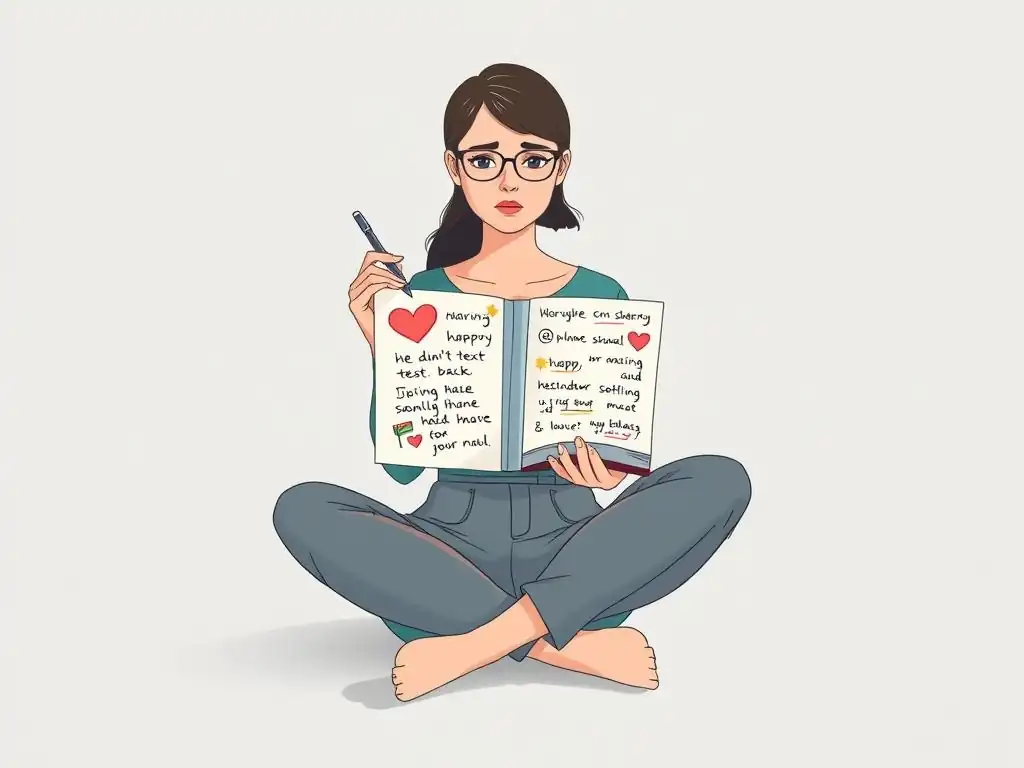
Actively tracking your emotional responses is invaluable. Keeping a journal dedicated to your online dating experiences can provide crucial insights into your triggers. Here are some effective journaling prompts:
- Describe the situation: Detail the specific interaction or event that triggered your anxiety. Be as precise as possible. What were you doing? Who were you interacting with? What were the exact words exchanged?
- Identify your emotional response: Note down how you felt. Use descriptive words to capture the intensity and nature of your emotions. Did you feel anxious, insecure, rejected, or something else?
- Analyze your thoughts: What thoughts went through your mind during and after the triggering event? Were they realistic, or did they involve catastrophizing or negative self-talk?
- Note any physical symptoms: Did your anxiety manifest physically? Did you experience increased heart rate, shortness of breath, or muscle tension?
- Explore underlying beliefs: What underlying beliefs or insecurities might be contributing to your anxious reaction? Are you afraid of rejection? Do you have low self-esteem?
By consistently journaling, you'll begin to identify patterns and recognize recurring triggers. This self-awareness will enable you to develop personalized strategies for managing your anxiety. Remember, consistency is key. Even short, daily entries can make a significant difference.
Differentiating Between Healthy Anxiety and Anxious Attachment in Online Interactions
It's important to distinguish between normal nervousness and the more intense anxiety associated with anxious attachment. Healthy anxiety might involve feeling slightly apprehensive before a first date, or feeling a little nervous when waiting for a response. However, anxious attachment often manifests as:
- Intense, overwhelming anxiety: The anxiety is disproportionate to the situation and significantly impacts your daily life.
- Constant worry and rumination: You spend excessive time replaying interactions, searching for hidden meanings, and constantly worrying about the other person's feelings and intentions.
- Fear of rejection and abandonment: You anticipate rejection and have a deep-seated fear of being abandoned or left alone.
- Difficulty regulating emotions: You struggle to manage your emotional responses and may experience extreme highs and lows.
- Self-sabotaging behaviors: You might engage in behaviors that unintentionally undermine your relationships, such as excessive reassurance seeking or clinginess.
Understanding these distinctions is crucial for developing effective coping mechanisms. If you consistently find yourself struggling with overwhelming anxiety and self-sabotaging behaviors, consider seeking professional help from a therapist specializing in attachment styles. They can provide personalized support and guidance in managing your anxiety and building healthier relationships.
Developing Coping Mechanisms for Online Dating Triggers

Navigating online dating with an anxious attachment style can feel like walking a tightrope. Understanding your triggers is the first step, but developing effective coping mechanisms is crucial for a positive experience. This section focuses on practical strategies to manage anxiety and build resilience in the online dating world. Remember, self-compassion is key; be kind to yourself throughout this process. It’s a journey, not a race.
Healthy Communication Strategies for Managing Anxious Attachment in Online Dating
Anxious attachment often manifests as overthinking and a need for constant reassurance. In online dating, this can lead to excessive messaging, quick escalation of intimacy, and intense emotional reactions to perceived slights or delays in response. Instead of reacting impulsively, practice mindful communication.
Consider these strategies:
- Pause before responding: When you receive a message that triggers anxiety (e.g., a delayed response, a seemingly short message), take a deep breath and wait before replying. This prevents impulsive, potentially needy messages.
- Focus on clarity and brevity: Avoid long, rambling messages that might overwhelm your potential partner. Stick to clear, concise communication.
- Express your needs directly, but respectfully: If you're feeling insecure, communicate your feelings honestly but avoid accusations or demands. For example, instead of saying "You haven't texted me all day, are you ignoring me? ", try "I've been feeling a little anxious because I haven't heard from you. Is everything okay?"
- Manage expectations: Understand that not every message will receive an immediate reply. People have lives beyond online dating. Accept that some delays are normal and not necessarily indicative of disinterest.
- Schedule communication: Instead of constantly checking your phone for messages, designate specific times to check your dating apps. This helps avoid the constant cycle of checking and re-checking.
Remember, healthy communication involves mutual respect and understanding. Openly discussing your needs, while remaining mindful of your partner's, is essential for building a secure connection.
Setting Boundaries and Expectations in Online Interactions to Reduce Anxiety
Setting boundaries is paramount for managing anxious attachment in online dating. Without clear boundaries, you might find yourself over-investing emotionally too quickly, leading to disappointment and increased anxiety.
Here's how to set healthy boundaries:
- Define your dating goals: What are you hoping to achieve through online dating? Having clear goals helps you avoid getting caught up in superficial interactions.
- Limit daily screen time: Excessive use of dating apps can fuel anxiety. Set limits on how much time you spend on them each day.
- Avoid excessive contact early on: Resist the urge to constantly message or call a new match. Allow the relationship to develop naturally.
- Don't share too much too soon: Protect your personal information and avoid oversharing sensitive details until you've established trust.
- Respect your own needs: Don't hesitate to unmatch or decline dates if someone isn't meeting your needs or making you uncomfortable. Prioritizing your well-being is crucial.
Think of boundaries as self-care. They protect your emotional well-being and allow you to approach online dating with greater confidence and stability.
Mindfulness and Self-Soothing Techniques for Managing Anxiety During Online Dating
Mindfulness and self-soothing techniques can significantly reduce anxiety associated with online dating. These strategies help you manage overwhelming emotions and stay grounded in the present moment.
Here are some effective techniques:
- Deep breathing exercises: When anxiety strikes, practice deep, slow breaths. Inhale deeply through your nose, hold for a few seconds, and exhale slowly through your mouth.
- Progressive muscle relaxation: Systematically tense and release different muscle groups in your body to reduce physical tension associated with anxiety.
- Mindful self-compassion: Treat yourself with the same kindness and understanding you would offer a friend struggling with anxiety.
- Engage in enjoyable activities: Distract yourself from anxious thoughts by engaging in activities you enjoy, such as reading, listening to music, or spending time in nature.
- Journaling: Writing down your thoughts and feelings can help process emotions and gain perspective.
Regular practice of these techniques can significantly improve your ability to manage anxiety and navigate online dating with greater ease and confidence. Remember, building resilience takes time and consistent effort. Be patient with yourself, and celebrate your progress along the way. The journey towards healthier online dating is worth the effort.
Building Resilience and Self-Esteem in Online Dating
Online dating, with its inherent uncertainties and potential for rejection, can be particularly challenging for individuals with an anxious attachment style. Building resilience and self-esteem is crucial for navigating this landscape successfully. It's not about becoming impervious to hurt feelings, but about developing coping mechanisms and a stronger sense of self-worth that allows you to bounce back from setbacks and approach online dating with a healthier perspective. This involves shifting your focus from external validation (likes, messages, matches) to internal validation, recognizing your inherent worth regardless of the responses you receive.
Practicing Self-Compassion and Self-Acceptance
Self-compassion is key to managing the anxieties that often accompany online dating for those with anxious attachment. Instead of harshly criticizing yourself after a negative experience—a lack of responses, a date that didn't go as planned, or a perceived rejection—treat yourself with the same kindness and understanding you'd offer a close friend facing similar challenges. Acknowledge your feelings without judgment. Remind yourself that everyone experiences rejection at some point, and it doesn't reflect your inherent worth. Journaling can be a powerful tool; write down your feelings, identify negative self-talk, and reframe those thoughts into more compassionate and self-affirming statements.
For example, instead of thinking "I'm unlovable," try "I'm experiencing disappointment, but it doesn't diminish my value." Remember, self-acceptance is a journey, not a destination. Embrace your imperfections and celebrate your strengths. The more you accept yourself, the less you'll rely on external validation for your self-worth.
Focusing on Self-Care and Wellbeing to Improve Online Dating Experiences
Prioritizing self-care is not a luxury; it's a necessity for managing anxiety in online dating. Engage in activities that nourish your mind, body, and spirit. This might involve regular exercise, healthy eating, sufficient sleep, spending time in nature, pursuing hobbies, or connecting with supportive friends and family.
When you're feeling depleted, your anxieties are likely to be amplified. By prioritizing self-care, you're building a strong foundation of wellbeing that can help you withstand the ups and downs of online dating. Consider incorporating mindfulness practices, such as meditation or deep breathing exercises, to manage anxious thoughts and feelings in the moment.
These techniques can help you regulate your emotional responses and approach online interactions with greater calm and clarity. Remember, a well-rounded life outside of online dating will contribute to a more positive and fulfilling online dating experience. It's about creating a balanced life where online dating is one aspect, not the defining factor of your self-worth.
Building Confidence and Assertiveness in Online Interactions
Confidence and assertiveness are powerful tools for navigating online dating, particularly for those with anxious attachment. Start by creating an online dating profile that authentically reflects your personality and values. Avoid overthinking or second-guessing your choices. Trust your judgment and present yourself confidently.
When communicating with potential matches, be clear and direct in your communication. Don't be afraid to express your needs and boundaries. Practice setting healthy boundaries from the outset; this might involve specifying what you're looking for in a partner, how often you prefer to communicate, and your expectations regarding dating etiquette. Remember, assertive communication isn't about being aggressive; it's about expressing your needs and preferences respectfully and confidently.
This will help you attract partners who appreciate and respect your boundaries. If you find yourself struggling with expressing your needs, consider role-playing with a friend or therapist to build your confidence and practice assertive communication techniques. Practice makes perfect! Building confidence is an ongoing process; celebrate your progress and continue to refine your approach over time.
Strategies for Successful Online Dating with Anxious Attachment

Navigating the world of online dating with an anxious attachment style can feel like walking a tightrope. The fear of rejection, the constant need for reassurance, and the tendency towards idealization can create significant challenges. However, with the right strategies and self-awareness, you can significantly improve your online dating experience and increase your chances of forming healthy, fulfilling relationships. This section will provide practical tools and techniques to help you manage your anxieties and build confidence in your online dating journey. Understanding your triggers is the first step towards mastering online dating with anxious attachment.
Creating a Positive and Realistic Online Dating Profile
Your online dating profile is your first impression – it's crucial to present yourself authentically and positively, while avoiding pitfalls that can exacerbate anxious attachment tendencies. Avoid overly idealized or filtered photos; instead, opt for natural pictures that showcase your personality and genuine self. Your bio should be honest and engaging, reflecting your interests and values without resorting to overly grandiose claims or desperate pleas for connection.
Remember, your profile isn't a desperate cry for validation. Instead, it's a confident presentation of who you are, what you offer, and what you're looking for. Focus on highlighting your strengths and positive attributes. For example, instead of writing "Looking for my soulmate," try something like "Seeking a genuine connection with someone who enjoys hiking and trying new restaurants." This subtle shift in language can make a big difference in attracting compatible partners who appreciate your authentic self.
Consider using bullet points to highlight key aspects of your personality and interests. This makes your profile easier to read and digest, increasing the likelihood of people engaging with your profile.
Here's an example of a more effective profile structure:
| Section | Example Content |
|---|---|
| Headline | Adventurous Foodie Seeking Genuine Connection |
| Photos | (3-5 photos showcasing genuine smiles, hobbies, and activities) |
| Bio | Enjoys exploring new cuisines and hiking trails. Passionate about sustainable living. Looking for someone with a good sense of humor and a love for outdoor adventures. |
This structured approach helps to present information clearly and concisely, making it easier for potential matches to understand who you are and what you're looking for. It's about attracting the right kind of attention, not just any attention.
Effective Communication Techniques for Reducing Anxiety During Online Dating
Once you start connecting with people, managing your anxiety becomes even more critical. Avoid over-messaging or constantly checking for replies. This behavior can stem from an anxious attachment style and can push potential partners away. Instead, focus on engaging in meaningful conversations, allowing for natural pauses and reciprocation.
Practice mindful communication. Before sending a message, take a moment to reflect on its content and tone. Avoid overly needy or demanding language. For instance, instead of “Why haven’t you responded?”, try a more relaxed approach like, “Hope you’re having a great week! I was just thinking about [shared interest].” This subtle change can make a significant difference in the dynamic of your interactions.
Remember, healthy communication involves give and take. Don't feel pressured to constantly initiate contact or respond immediately. Allow space for your potential partner to contribute to the conversation and reciprocate your efforts. This balanced approach fosters a more relaxed and enjoyable experience for both of you, reducing the pressure and anxiety associated with online dating. Setting healthy boundaries is key to managing expectations and avoiding overwhelming anxieties.
Managing Expectations and Avoiding Idealization in Online Relationships
One of the biggest challenges for individuals with anxious attachment in online dating is the tendency to idealize potential partners. This stems from a deep-seated fear of rejection and a desperate need for validation. It's crucial to counteract this tendency by focusing on realistic expectations and fostering a balanced perspective.
Remember that online profiles often present an idealized version of a person. Don't project your fantasies onto your matches; instead, get to know them authentically through genuine conversations and interactions. Engage in open and honest communication, allowing yourself to see them for who they truly are, flaws and all. This reduces the risk of disappointment and fosters a more grounded and sustainable connection.
It’s also crucial to avoid rushing the process. Take your time to get to know someone before moving into a more serious relationship. This allows you to build a solid foundation of trust and understanding, reducing the likelihood of heartache and disappointment. Online dating requires patience and self-compassion. Embrace the process, learn from each experience, and remember that finding the right connection takes time. Celebrate small victories and be kind to yourself throughout the journey. Remember, healthy relationships are built on mutual respect, trust, and realistic expectations.
Seeking Professional Support for Anxious Attachment
Navigating online dating with an anxious attachment style can be incredibly challenging. While self-help strategies and understanding your triggers are crucial, sometimes professional guidance is necessary to achieve lasting change and build healthier relationships. Recognizing when to seek professional support is a significant step towards improving your online dating experience and fostering healthier connections offline. This section explores the importance of seeking professional help and how to find the right therapist for your specific needs. Remember, seeking help isn't a sign of weakness; it's a sign of strength and commitment to your well-being.
When to Seek Professional Help for Anxious Attachment in Online Dating
Several indicators suggest that professional help might be beneficial for managing anxious attachment in the context of online dating. These aren't necessarily reasons to panic, but rather flags to consider when evaluating your overall well-being and progress. Consider seeking professional support if:
- Your anxiety significantly impacts your daily life: Is your anxiety about online dating interfering with your work, sleep, or relationships outside of the dating world? Persistent, overwhelming anxiety that disrupts daily functioning warrants professional intervention.
- You're experiencing significant emotional distress: Are you experiencing intense feelings of sadness, hopelessness, or worthlessness related to online dating? Prolonged periods of emotional distress can be detrimental to your mental health and should be addressed by a professional.
- You struggle to manage your emotional responses: Do you find yourself constantly checking messages, overthinking interactions, or engaging in behaviors that exacerbate your anxiety (e.g., excessive reassurance seeking)? Difficulty regulating emotions is a key area where therapy can provide valuable tools and strategies.
- Self-help strategies aren't enough: Have you tried various self-help techniques and resources, but still struggle to manage your anxious attachment in online dating? This highlights the need for a more personalized and structured approach offered by professional therapy.
- You experience recurring negative patterns: Are you repeatedly finding yourself in unhealthy online dating relationships characterized by insecurity, jealousy, or fear of abandonment? Identifying and breaking these patterns often requires professional guidance.
- You're engaging in self-sabotaging behaviors: Are you unintentionally sabotaging your online dating prospects through actions driven by anxiety (e.g., withdrawing from potential partners, pushing them away)? Therapy can help uncover the root causes of these behaviors and develop healthier coping mechanisms.
Types of Therapy That Can Help Manage Anxious Attachment
Several therapeutic approaches have proven effective in helping individuals manage anxious attachment. The best approach will vary depending on individual needs and preferences. Here are some common and effective options for addressing anxious attachment in the context of online dating:
- Cognitive Behavioral Therapy (CBT): CBT helps identify and challenge negative thought patterns and behaviors that contribute to anxiety. It teaches practical skills for managing anxious thoughts and feelings related to online dating interactions, such as overthinking or catastrophizing.
- Attachment-Based Therapy: This focuses specifically on understanding and healing attachment wounds from past relationships that contribute to anxious attachment. It explores past experiences and helps develop secure attachment patterns in current and future relationships, both online and offline.
- Emotionally Focused Therapy (EFT): EFT emphasizes understanding and regulating emotions, particularly in the context of relationships. It helps identify emotional triggers related to online dating and develop healthier ways of expressing and managing emotions.
- Dialectical Behavior Therapy (DBT): DBT is particularly helpful for individuals who struggle with intense emotions and impulsive behaviors. It teaches mindfulness skills, emotional regulation techniques, and distress tolerance strategies which are invaluable in navigating the often unpredictable nature of online dating.
Remember that finding the right type of therapy is a personal journey. Discuss your preferences and needs with potential therapists to find the best fit for you.
Finding a Therapist Specialized in Attachment Issues and Online Dating Challenges
Finding a therapist experienced in working with anxious attachment and online dating challenges is crucial for effective treatment. While many therapists address anxiety, specialization in attachment issues and online dating nuances enhances the therapeutic process. Here are some strategies to find a suitable therapist:
- Search for therapists specializing in attachment theory: Many online directories allow you to filter therapists based on their specialization. Look for keywords like "attachment-informed therapy," "adult attachment," or "relationship therapy."
- Check for experience with online dating issues: While not all therapists will explicitly list online dating as a specialty, inquire about their experience working with clients facing challenges in the digital dating landscape.
- Look for therapists with a strong focus on practical skills: Effective therapy for anxious attachment should equip you with practical tools and strategies for managing anxiety in real-world situations, including online dating.
- Schedule consultations: Most therapists offer free initial consultations. This allows you to discuss your specific needs and determine if the therapist's approach and personality are a good fit for you. Don't hesitate to ask questions about their experience, approach, and how they address anxiety in online dating.
- Consider online therapy: Online therapy offers flexibility and convenience, making it a viable option for many individuals. Ensure that the platform and therapist are reputable and qualified.
Finding the right support can significantly improve your online dating experience and help you build healthier relationships. Remember, seeking professional help is a positive step towards a more fulfilling and less anxious journey in the world of online dating.
Maintaining Healthy Online Dating Habits Long-Term
Successfully navigating online dating with an anxious attachment style isn't a sprint; it's a marathon. Consistent effort and mindful strategies are crucial for long-term success. Building resilience and establishing healthy patterns takes time and dedication, but the rewards – healthier relationships and a more positive self-image – are well worth the investment. This section focuses on maintaining the progress you've made and building a sustainable approach to online dating. Remember, setbacks are normal; the key is to learn from them and keep moving forward.
Long-Term Strategies for Managing Anxious Attachment in Relationships
Sustaining positive online dating habits requires a multifaceted approach. It's not just about avoiding immediate triggers; it's about building a foundation of self-awareness and healthy coping mechanisms. Here are some key long-term strategies:
- Regular Self-Reflection: Dedicate time each week to reflect on your online dating experiences. Journaling can be incredibly helpful. Note patterns in your thoughts, feelings, and behaviors. Identify situations that trigger anxious responses and analyze your reactions. Ask yourself: What worked well? What could I have done differently? This consistent self-assessment is crucial for identifying areas needing improvement.
- Continued Professional Support: Consider ongoing therapy or counseling. A therapist can provide ongoing support and guidance, helping you refine your coping mechanisms and address any lingering anxieties. Regular sessions can help you stay accountable and prevent a relapse into unhealthy patterns. Think of it as preventative maintenance for your emotional well-being.
- Building a Strong Support System: Lean on trusted friends and family for support. Share your experiences and challenges with them. Having a strong support network can significantly reduce feelings of isolation and provide a buffer against the potential disappointments of online dating. Their encouragement and perspective can be invaluable.
- Diversifying Activities and Interests: Don't let online dating become your sole focus. Maintain a balanced life by pursuing hobbies, spending time with loved ones, and engaging in activities that bring you joy. This helps prevent online dating from becoming an all-consuming source of anxiety. A fulfilling life outside of dating reduces its perceived importance and alleviates pressure.
Continuing Self-Care and Mindfulness Practices
Maintaining self-care and mindfulness practices is paramount for long-term success in online dating. These practices aren't just temporary fixes; they are essential tools for managing anxiety and building resilience. Consistent application is key.
- Mindfulness Meditation: Regular meditation, even for just 5-10 minutes a day, can significantly reduce stress and anxiety levels. Focusing on the present moment helps to interrupt the cycle of negative thoughts and worries that often accompany anxious attachment. Numerous apps offer guided meditations tailored to anxiety management.
- Physical Exercise: Physical activity releases endorphins, which have mood-boosting effects. Regular exercise can help to reduce stress, improve sleep, and increase overall well-being. Aim for at least 30 minutes of moderate-intensity exercise most days of the week.
- Healthy Diet and Sleep Hygiene: Nourishing your body with a healthy diet and ensuring adequate sleep are crucial for managing anxiety. A balanced diet provides the nutrients your brain needs to function optimally, while sufficient sleep allows your mind and body to rest and repair. Prioritize both for sustained emotional stability.
- Setting Boundaries: Learning to set healthy boundaries is crucial. This involves saying "no" to things that drain your energy or compromise your well-being. It also involves communicating your needs and expectations clearly to others. Setting boundaries protects your emotional health and prevents burnout.
Recognizing and Addressing Relapse in Anxious Attachment Behaviors in Online Dating
Even with the best intentions, relapses can occur. Recognizing these relapses early and addressing them effectively is crucial for preventing them from escalating. It's important to remember that setbacks are a normal part of the process.
- Identifying Triggering Situations: Pay close attention to situations that trigger anxious behaviors. These might include unanswered messages, slow responses, or perceived rejection. Identifying these triggers allows you to develop proactive coping strategies.
- Developing Coping Mechanisms: Develop a toolbox of coping mechanisms to use when triggered. This might include deep breathing exercises, mindfulness meditation, or engaging in a distracting activity. Having a plan in place helps to manage anxious feelings effectively.
- Seeking Support: Don't hesitate to reach out to your support system or therapist when you experience a relapse. Talking about your feelings and experiences can help you process them and prevent them from overwhelming you. Remember, seeking help is a sign of strength, not weakness.
- Self-Compassion: Be kind and compassionate to yourself during relapses. Avoid self-criticism and remember that everyone experiences setbacks. Focus on learning from your mistakes and moving forward. Treat yourself with the same kindness and understanding you would offer a friend.
Successfully managing anxious attachment in online dating is an ongoing process. By consistently implementing these strategies and prioritizing self-care, you can build a more positive and fulfilling online dating experience. Remember, progress, not perfection, is the goal. 😊
Frequently Asked Questions
How does anxious attachment affect my online dating experience?
Anxious attachment can lead to increased insecurity and neediness in online interactions. This might manifest as over-messaging, constant checking for replies, or intense emotional reactions to perceived slights. Managing these tendencies is crucial for success.
What are some common online dating triggers for someone with anxious attachment?
Triggers can include slow responses, perceived rejection (even minor), and a lack of consistent communication. Understanding your personal triggers is the first step towards managing them effectively.
How can I manage my anxious attachment in online dating profiles?
Focus on creating a profile that authentically reflects your personality without appearing overly needy or desperate. Avoid overly revealing or clingy language. Present a confident, yet approachable image.
What communication strategies can help mitigate anxious attachment behaviors?
Practice mindful communication, avoiding excessive messaging or demanding immediate responses. Give your matches space and time to respond. Focus on building genuine connections rather than chasing validation.
Are there resources specifically for anxious attachment in online dating?
Yes! Many therapists specialize in attachment styles and offer guidance on navigating relationships. Online resources and support groups can also provide valuable strategies and coping mechanisms for managing anxiety in the dating world.
Understanding anxious attachment in online dating isn't just about finding a partner; it's about building a healthier relationship with yourself. The digital age has amplified the anxieties inherent in dating, creating a pressure cooker environment where rejection feels immediate and validation feels fleeting. This article explored how recognizing your triggers—from incessant checking of messages to overthinking every interaction—is the first step towards navigating this complex terrain with greater self-awareness and emotional resilience.
The impact of anxious attachment extends far beyond the confines of online dating profiles; it shapes our entire approach to intimacy and connection. It influences how we perceive ourselves, how we interpret the actions of others, and ultimately, how we build lasting relationships. The most important relationship you will ever have is the one you have with yourself.
This quote rings particularly true in the context of online dating, where self-compassion and understanding are crucial for navigating the inevitable ups and downs. The journey to healthier attachment is a continuous process of self-discovery and growth, one that requires patience, self-reflection, and a willingness to challenge ingrained patterns.
You now possess the knowledge to begin your own journey towards healthier online dating experiences. Take the time to reflect on your own triggers and patterns. Practice self-compassion, celebrate your strengths, and remember that your worth is not determined by the number of likes or messages you receive. Embrace the opportunity to build authentic connections, not just fleeting matches. The path to fulfilling relationships begins with understanding yourself—and that journey starts now.
Unlock Your Dating Potential: Take Control Now!
Thanks for exploring the complexities of anxious attachment and online dating! You've gained valuable insights into understanding your anxieties and how to approach dating with greater confidence. Ready to put this knowledge into practice?
- Identify your three biggest dating anxieties: Take some time for self-reflection and write them down. This focused approach is the first step towards proactive self-management.
- Share your key takeaway: What was the most surprising or helpful piece of information from this article? Let's discuss it in the comments – share your thoughts and help others on their journey!
- Create a personalized anxiety management plan: Based on your identified triggers, develop a simple strategy for handling those situations. Even a small step forward can make a difference!
What's one small step you can take today to feel more confident in your dating life?