
Is Ghosting Ever Okay? Exploring the Ethics of Ending an Online Relationship

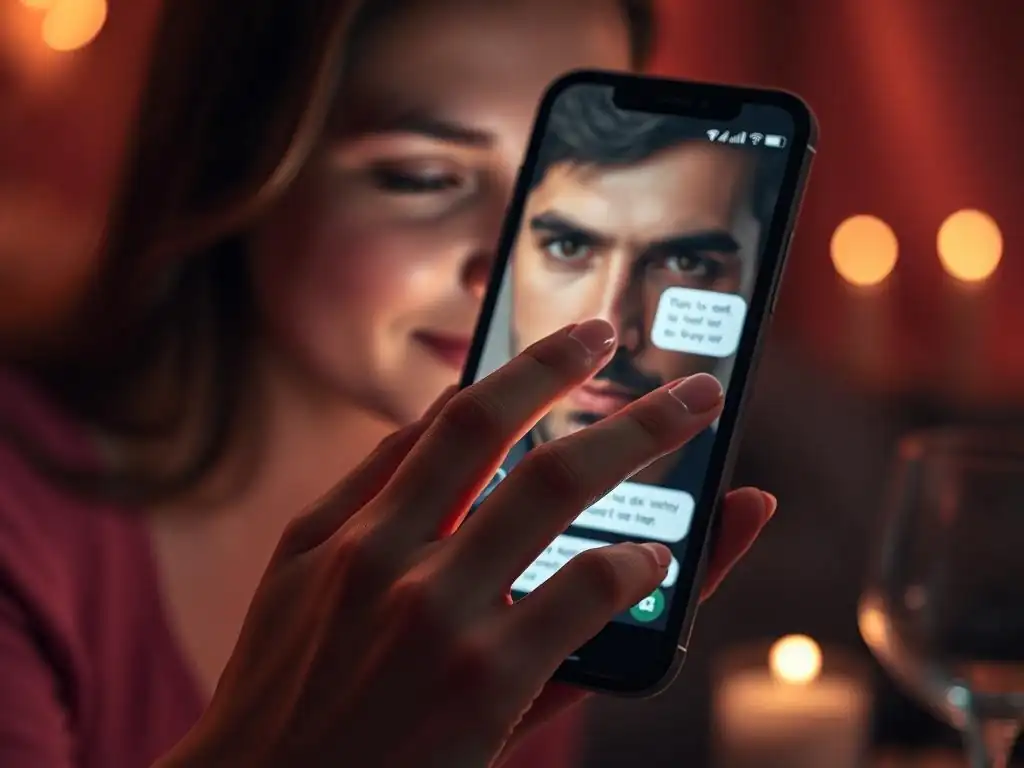
Welcome to OnlineDatingSuccess.org, your guide to navigating the exciting – and sometimes challenging – world of online dating. We're dedicated to helping you build meaningful connections, and that starts with understanding the complexities of online interactions. But is ghosting ever acceptable? This crucial question, explored in our latest article, "Is Ghosting Ever Okay? Exploring the Ethics of Ending an Online Relationship," delves into the sociological aspects of online dating and offers practical advice for respectful communication and relationship management. Discover the answers and unlock the secrets to a more successful online dating experience.
- Understanding Ghosting in Online Dating
- The Ethical Implications of Ghosting
- When is Ending an Online Relationship Acceptable Without Ghosting?
- Alternatives to Ghosting: Healthy Ways to End Online Relationships
- Navigating the Aftermath of Being Ghosted
- Recognizing Patterns and Avoiding Future Ghosting
- Building Resilience in Online Dating
- Frequently Asked Questions
- Final Reflection: The Lingering Ghost of Disrespect
- Uncover Your Dating Confidence: Take Control of Your Connections
Understanding Ghosting in Online Dating
Ghosting. The word itself evokes a chilling image: a sudden, unexplained disappearance from someone's life, leaving them bewildered and hurt. In the world of online dating, where connections are often formed quickly and sometimes lack the depth of traditional relationships, ghosting is, unfortunately, a pervasive issue. This article delves into the ethical complexities of ghosting, exploring its prevalence, motivations, and whether there are ever justifiable circumstances for this often-painful practice.
We'll examine the question on many daters' minds: "Is ghosting online dating okay?" The answer, as we'll see, is nuanced and depends heavily on context and individual circumstances. We'll offer practical advice and empathetic considerations to navigate this challenging aspect of modern dating. Understanding the reasons behind ghosting and its impact on individuals is crucial for fostering healthier and more respectful online dating experiences.
Defining Ghosting: The Silent Treatment in the Digital Age
Ghosting, in the context of online dating, refers to the abrupt cessation of all communication and contact with someone you've been dating, without any explanation or warning. It's the digital equivalent of vanishing into thin air, leaving the ghosted individual grappling with confusion, rejection, and often, a significant emotional toll. Unlike a direct breakup, which offers closure even if painful, ghosting leaves a void of unanswered questions and uncertainty.
This can be particularly damaging in the early stages of online dating, where individuals are still assessing compatibility and building trust. The sudden silence can feel deeply personal and disrespectful, especially when compared to the more transparent communication expected in established relationships. The ease of blocking someone on dating apps or social media exacerbates this issue, making the act of ghosting even simpler and more readily available.
The Prevalence of Ghosting in Online Dating
The prevalence of ghosting in online dating is significant, although precise figures are difficult to obtain due to the secretive nature of the act itself. Numerous studies and anecdotal evidence, however, point to a concerningly high rate. This high rate is likely influenced by several factors including the anonymity afforded by online platforms, the ease of initiating and ending contact with minimal accountability, and the sheer volume of potential partners available.
In essence, the abundance of choice contributes to a sense of disposability, making it easier for some individuals to simply move on without addressing the ending of a relationship. This impersonal approach to ending online relationships highlights the need for increased awareness and education about respectful communication and relationship closure. The casual nature of many online interactions often fails to prepare individuals for the emotional consequences of ghosting, both for the ghoster and the ghosted.
Why People Ghost: Exploring the Motivations Behind Disappearing
The motivations behind ghosting are complex and varied, ranging from fear of conflict and rejection to a lack of emotional maturity. Some individuals might ghost to avoid the discomfort of a direct confrontation, particularly if they perceive the other person as potentially volatile or aggressive. Others might lack the communication skills necessary to express their feelings or concerns effectively.
In some cases, ghosting might be a subconscious attempt to protect oneself from emotional pain, especially if they've experienced rejection or heartbreak in the past. However, it's crucial to emphasize that while the motivations might be understandable to some degree, ghosting is rarely a respectful or ethical way to end a relationship, regardless of the reasons.
It demonstrates a lack of consideration for the other person's feelings and well-being, and contributes to a culture of emotional detachment in online dating. A more mature approach involves direct, honest, and empathetic communication, even if it's difficult.
The Ethical Implications of Ghosting

Ghosting, the act of abruptly cutting off all contact with someone without explanation, presents significant ethical dilemmas in the context of online dating. While some might argue it's a simple avoidance of uncomfortable conversations, the ethical implications are far-reaching and demand careful consideration. Is ghosting online dating okay? The answer is a resounding no, from an ethical standpoint.
It disregards the basic principles of respect, honesty, and responsible communication, principles crucial for building healthy relationships, both online and offline. The ease of ghosting afforded by online platforms doesn't diminish its moral weight; instead, it amplifies the potential for harm. The lack of closure inflicted through this practice can be profoundly damaging, leaving the ghosted individual feeling confused, undervalued, and uncertain about their self-worth. This section delves deeper into the ethical ramifications, examining the impact on both the ghoster and the ghosted.
Respect and Consideration in Online Interactions
Fundamental to ethical online interactions is the principle of mutual respect. Ghosting fundamentally violates this principle. It treats the other person as an object to be discarded, rather than an individual deserving of courtesy and consideration. Even if the relationship was brief or lacked depth, a simple, respectful explanation saves the other person from unnecessary emotional distress.
Consider this: the ease of initiating contact online shouldn't equate to the ease of severing it without a word. Respectful communication, even in the context of ending a relationship, demonstrates emotional maturity and consideration for the other person's feelings. This isn't about prolonging a relationship that's not working; it's about acknowledging the human connection that existed, however fleeting, and treating it with the dignity it deserves.
Failing to do so diminishes the value placed on human interaction itself. The golden rule—treat others as you wish to be treated—applies strongly here. Imagine being on the receiving end of such disregard; it's a painful experience that can erode trust and self-esteem.
The Emotional Impact of Ghosting on the Recipient
The emotional fallout from ghosting can be significant. The abrupt cessation of contact leaves the ghosted individual grappling with uncertainty and a sense of rejection. They are left to imagine scenarios, often far more negative than reality, leading to feelings of self-doubt and questioning their own worth. This can be particularly acute in the context of online dating, where vulnerability is often heightened.
The lack of closure prevents the ghosted individual from processing the situation and moving on healthily. They may experience anxiety, depression, and a decreased sense of self-esteem. Studies have shown a correlation between experiencing ghosting and heightened feelings of loneliness and isolation.
Furthermore, repeated experiences of ghosting can lead to a pattern of negative self-perception and mistrust in future relationships. The emotional scars of ghosting can be far-reaching and linger long after the initial incident. It’s crucial to understand that the emotional consequences often outweigh the perceived convenience of avoiding a difficult conversation.
Ghosting vs. Other Forms of Relationship Termination: A Comparison
Ghosting differs significantly from other methods of ending a relationship. Unlike a direct, albeit difficult, conversation, ghosting lacks transparency and honesty. Consider the alternative approaches: a direct, yet compassionate, explanation, even a brief message acknowledging the end of the interaction, shows respect and allows for closure. These methods minimize emotional distress compared to the sudden silence of ghosting. A clear and concise explanation, while potentially uncomfortable, is far more ethical and mature.
Even stating that the connection isn't there, without further elaboration, is vastly superior to ghosting. The difference lies in the level of consideration shown to the other person's feelings and well-being. While ending a relationship is never easy, choosing respectful communication over ghosting demonstrates emotional intelligence and responsible behavior. This reflects positively on the character of the individual and contributes to a healthier online dating environment for everyone.
Is Ghosting a Form of Online Dating Abuse?
Ghosting, while often perceived as a cowardly way to end a relationship, can in certain contexts cross the line into abusive behavior. The key differentiator isn't the act of disappearing itself, but the context and the impact it has on the person being ghosted. A single, brief interaction where there's no established expectation of continued contact may not constitute abuse. However, repeated instances of ghosting, particularly after building a significant level of emotional connection and intimacy, can be deeply damaging. This is especially true if the ghosting is used as a pattern of control or manipulation.
Consider a scenario where someone invests considerable time and emotional energy into a budding online relationship, only to be abruptly cut off without explanation. The lack of closure can be profoundly unsettling, leading to feelings of self-doubt, anxiety, and even depression. This is particularly true when the ghoster has actively cultivated the relationship, leading the other person to believe in its potential longevity. The sudden disappearance can leave the victim feeling confused, rejected, and questioning their self-worth. This emotional distress, fueled by the uncertainty and lack of communication, can be a significant form of emotional abuse.
Furthermore, the power dynamic inherent in ghosting contributes to its potential for abuse. The ghoster holds all the power, choosing to cut off contact without any accountability or responsibility for their actions. This unilateral decision, made without regard for the other person's feelings or well-being, can be deeply disrespectful and manipulative. The victim is left with no opportunity to address the situation, understand the reasons behind the sudden ending, or even say goodbye. This lack of agency intensifies the feeling of powerlessness and contributes to the potential for emotional harm.
While not all instances of ghosting are abusive, it's crucial to recognize the potential for harm. The emotional impact on the victim should be the primary consideration. If the ghosting leaves a person feeling significantly distressed, confused, and questioning their own value, it's essential to consider it a form of emotional abuse, regardless of the ghoster's intentions.
Recognizing this potential harm is the first step in addressing the ethical implications of ghosting in online dating. Seeking support from friends, family, or mental health professionals can help individuals cope with the emotional fallout of being ghosted. Understanding the potential for harm empowers individuals to set healthier boundaries and prioritize their emotional well-being in online relationships.
When is Ending an Online Relationship Acceptable Without Ghosting?
Ghosting, the act of abruptly ceasing all communication without explanation, is widely considered unethical in online dating. However, there are situations where ending a budding online relationship without direct contact might be understandable, though still not ideal. This section explores scenarios where a less abrupt, though perhaps indirect, approach might be justified.
It's crucial to remember that even in these instances, open and honest communication, when possible and safe, is always preferable. The question "Is ghosting online dating okay?" should always be answered with a resounding no, but understanding the nuances of difficult situations helps navigate the complexities of online relationships.
Communicating Your Disinterest Respectfully: Tips for Direct Communication
Direct communication, while challenging, is the most ethical way to end an online relationship. However, the manner of this communication is crucial. Avoid accusatory or judgmental language. Instead, focus on expressing your feelings and needs honestly but gently. Consider these tips:
- Keep it brief and to the point: Long, drawn-out explanations can be overwhelming and unproductive. A concise message acknowledging the connection but expressing a lack of romantic interest is often sufficient.
- Use "I" statements: Focus on your own feelings and experiences ("I don't feel a romantic connection," "I'm not looking for a relationship at this time") rather than blaming the other person ("You're not right for me," "You're too [insert negative trait]").
- Be empathetic: Recognize that rejection can be painful. A simple expression of understanding can help ease the sting. For example, you could add something like, "I wish you all the best in finding someone compatible."
- Avoid offering false hope: Refrain from suggesting future friendship or continued contact unless you genuinely intend to follow through. This can prolong the other person's pain and confusion.
- Be prepared for a reaction: The other person may respond with anger, sadness, or confusion. Try to respond calmly and respectfully, but don't feel obligated to engage in a prolonged discussion.
Handling Rejection Gracefully: Strategies for Both Parties
Rejection is an inevitable part of online dating. Learning to handle it gracefully is essential for both the person initiating the end of the relationship and the person receiving the news. For the recipient, it's important to allow yourself to feel the emotions without dwelling on them excessively. Focus on self-care and remember that rejection doesn't reflect your worth. Consider these strategies:
- Acknowledge your feelings: Allow yourself to feel the disappointment or hurt. Don't suppress your emotions.
- Seek support: Talk to trusted friends or family members. Sharing your feelings can help you process the experience.
- Avoid dwelling on the "what ifs": It's easy to get caught up in wondering what you could have done differently. Focus on moving forward.
- Learn from the experience: Reflect on what you learned about yourself and your preferences in a partner.
For the person initiating the rejection, remember that even with careful wording, rejection can be hurtful. Be prepared for a range of emotional responses, and be patient and respectful. Avoid ghosting at all costs, as it is never an acceptable way to handle a situation.
Recognizing Red Flags and Setting Boundaries Early On
Proactive behavior can significantly reduce the need for difficult breakups later. Identifying red flags early on and establishing clear boundaries from the start can save both parties time and emotional distress. Some red flags to watch for include:
| Red Flag Category | Specific Examples | Impact on Relationship |
|---|---|---|
| Communication Style | Inconsistent responses, overly demanding messages, gaslighting | Creates insecurity and imbalance of power |
| Values and Beliefs | Incompatible life goals, differing views on major issues | Leads to conflict and frustration |
| Behavior and Actions | Disrespectful behavior, controlling tendencies, dishonesty | Erodes trust and creates an unhealthy dynamic |
| Online Profile Discrepancies | Misleading information, excessive use of filters, catfishing | Breaks trust from the very beginning |
Setting boundaries means clearly communicating your needs and expectations. This could involve setting limits on the frequency of contact, specifying your expectations for honesty and respect, or declining requests that make you uncomfortable. By establishing clear boundaries early, you can avoid potentially painful situations later on and answer the question, "Is ghosting online dating okay?" with a definitive "no" by preventing the need for it entirely. Remember, prioritizing your well-being and safety is paramount in the online dating world.
When to Consider Unmatching Instead of Ghosting
Unmatching, a feature available on most online dating platforms, presents a less emotionally charged alternative to ghosting. It's a clean break, devoid of the ambiguity and potential hurt feelings associated with disappearing without explanation. Consider unmatching when you've had a few interactions with someone and realize there's simply no romantic connection. Perhaps the conversation fizzled out, you discovered incompatible values, or their personality didn't align with what you're seeking. Unmatching in these situations is a respectful way to manage your time and energy, rather than prolonging a fruitless interaction.
It's a straightforward signal that you're not interested, without the added drama of ghosting. Think of it as a polite "no thank you" in the digital realm. Remember, you are not obligated to justify your decision to unmatch; it's a tool for managing your dating experience. The lack of explanation inherent in unmatching can be less hurtful than a potentially clumsy or hurtful explanation delivered via text. While ghosting leaves the other person wondering what went wrong, unmatching simply indicates that you've chosen to move on.
This subtle difference can significantly impact the other person's emotional well-being. In short, unmatching provides a less confrontational, yet still definitive, way to end a nascent online relationship. It's a crucial tool in your online dating toolkit, allowing you to navigate the complexities of modern romance with grace and respect. Many users find this approach far more preferable than the often-painful experience of ghosting, promoting healthier and more respectful online dating practices. The key is to use it judiciously – not as a knee-jerk reaction, but as a considered action in situations where a connection clearly isn't developing.
Alternatives to Ghosting: Healthy Ways to End Online Relationships
Ghosting, the act of abruptly ceasing all communication without explanation, is sadly prevalent in online dating. While the ease of disappearing behind a screen might seem tempting, it's rarely the kindest or most respectful approach. Is ghosting online dating okay? Absolutely not. It leaves the ghosted individual feeling confused, hurt, and undervalued. Fortunately, there are healthier, more ethical alternatives. Ending a relationship, even an online one, requires consideration and empathy. The goal should always be to minimize unnecessary pain and promote emotional well-being for all involved. This doesn't necessitate a lengthy explanation, but a brief, respectful closure is essential.
Direct Communication Strategies: Examples and Templates
Direct communication, though challenging, is the most ethical way to end an online relationship. It demonstrates respect for the other person's feelings and allows for closure. Instead of silence, consider a brief message expressing your feelings honestly but gently. Avoid blame or harsh criticism. Focus on your own needs and reasons for ending the connection.
Here are some examples of direct communication strategies, keeping in mind the varying levels of intimacy:
- For a few dates: "Hey [Name], I've enjoyed getting to know you these past few dates, but I don't feel a romantic connection developing. I wish you all the best in your search."
- For a longer-term online relationship: "Hi [Name], this is difficult to write, but I feel it's important to be honest. I've been doing some soul-searching, and I've realized that we're not quite the right fit for each other long-term. I value the time we've spent together, but I think it's best if we move on separately. I wish you all the best."
- If safety is a concern: "I'm writing to let you know I won't be continuing our online relationship. I'm not comfortable sharing the reasons, but I wish you well." (Note: If you feel genuinely unsafe, prioritize your well-being and immediately block the individual.)
Remember to keep the message concise and to the point. Avoid lengthy explanations or justifications that might lead to further discussion or prolong the inevitable. It's okay to be brief and direct, as long as it's kind.
Utilizing Dating App Features: Blocking and Unmatching
Dating apps provide built-in tools to manage interactions. While blocking and unmatching aren't substitutes for direct communication, they can be helpful in certain situations, particularly when direct communication feels unsafe or unproductive. Blocking prevents further contact, offering a layer of protection. Unmatching removes the connection, but the other person might still be able to find your profile if they search. Remember, while these features can provide a sense of control, they are not a replacement for ethical consideration. If possible, a brief message before blocking or unmatching is still the preferred approach.
Consider this scenario: you've been on a few dates with someone, but you've realized you're not compatible. You could unmatch them on the dating app, and then consider sending a brief message explaining that you enjoyed meeting them but don't see a romantic future. This approach combines the convenience of the app's features with a respectful acknowledgment of the relationship. This shows you’re taking care of your emotional well-being while considering theirs.
Seeking Support: Utilizing Online Resources and Therapy
Navigating the complexities of online dating, particularly when dealing with difficult situations like ending a relationship, can be emotionally taxing. Remember that you are not alone. Many online resources offer support and guidance for navigating relationships and managing difficult emotions. These resources can provide valuable coping strategies and help you develop healthy communication skills. If you're struggling to cope with the emotional fallout of ghosting or ending a relationship, consider seeking professional help from a therapist or counselor.
They can provide a safe and supportive space to process your feelings and develop effective strategies for future interactions. Prioritizing your mental health is crucial, especially in the often-challenging world of online dating. Remember, healthy relationships are built on mutual respect and open communication. Choosing to handle relationship endings with grace and respect, even in the digital realm, contributes to a more positive and fulfilling online dating experience.
Being ghosted—the abrupt and unexplained cessation of communication by someone you've been dating online—is a painful experience. It leaves you questioning your worth and the nature of the connection you believed you had. The sting of rejection can be amplified by the impersonal nature of online dating, where a simple lack of response feels particularly cold. Understanding this pain is the first step towards healing. This section focuses on developing healthy coping mechanisms to deal with the emotional fallout of being ghosted.
Coping Mechanisms for Dealing with Rejection
Dealing with the emotional aftermath of being ghosted requires self-compassion and proactive strategies. It's crucial to remember that being ghosted says more about the ghoster than it does about you. Their actions reflect their inability to communicate honestly and respectfully, not a deficiency in your character or worth.
Here are some practical coping mechanisms:
- Acknowledge your feelings: Allow yourself to feel the sadness, anger, or confusion. Suppressing emotions will only prolong the healing process. Journaling can be a powerful tool for processing these feelings. Write down what happened, how you feel, and what you need.
- Seek support: Talk to trusted friends, family members, or a therapist. Sharing your experience can provide validation and perspective. A therapist can offer professional guidance and tools to navigate the emotional turmoil.
- Focus on self-care: Engage in activities that nurture your well-being. This might include exercise, spending time in nature, pursuing hobbies, or practicing mindfulness techniques. Prioritizing self-care helps you regain a sense of control and self-worth.
- Avoid rumination: While reflecting on the experience is healthy, avoid getting stuck in negative thought patterns. Challenge negative self-talk and replace it with positive affirmations. Remind yourself of your strengths and accomplishments.
- Set boundaries: After being ghosted, it's essential to establish clear boundaries for future online interactions. This could involve being more selective in who you choose to engage with or setting expectations for communication early on.
- Remember your worth: It's easy to internalize the ghoster's actions and question your value. Remind yourself that you deserve respect and genuine connection. Being ghosted is not a reflection of your worthiness of love and happiness.
Recognizing Patterns and Avoiding Future Ghosting

While being ghosted is never pleasant, understanding the underlying reasons can help you avoid similar situations in the future. Identifying recurring patterns in your online dating experiences can be key to building healthier relationships. This involves self-reflection and careful observation of your interactions.
Recognizing Patterns and Avoiding Future Ghosting
Analyzing past experiences can reveal potential contributing factors to being ghosted. Were there red flags you missed? Did you initiate contact disproportionately? Were your communication styles mismatched? Consider these points:
- Early communication styles: Did you engage in excessive texting or constant messaging before even meeting in person? This can be overwhelming and lead to someone feeling pressured or suffocated. A healthy balance of communication is key.
- Mismatched expectations: Did you have different ideas about the pace of the relationship or the level of commitment? Open communication about expectations early on can prevent misunderstandings and potential ghosting.
- Red flags: Were there any warning signs from the other person that you overlooked? Did they exhibit inconsistent behavior or avoid direct answers to your questions? Learning to recognize red flags is crucial for avoiding future ghosting.
- Personality compatibility: Sometimes ghosting occurs simply due to a lack of compatibility. Focusing on finding someone who shares your values and communication styles can increase the likelihood of a healthy and fulfilling relationship.
Building Resilience in Online Dating
Online dating can be emotionally challenging. Resilience—the ability to bounce back from adversity—is crucial for navigating its complexities. Building resilience involves developing coping strategies, fostering self-compassion, and maintaining a positive outlook.
Building Resilience in Online Dating
Resilience isn't about avoiding setbacks; it's about developing the skills to manage them effectively. Here are some strategies to build resilience in online dating:
- Maintain a positive mindset: Focus on the positive aspects of online dating, such as the opportunity to meet new people and expand your social circle. Avoid dwelling on negative experiences.
- Set realistic expectations: Online dating is a process, and it takes time to find a compatible partner. Avoid putting too much pressure on yourself to find "the one" quickly.
- Learn from your experiences: Use each experience, both positive and negative, as an opportunity for growth and learning. Reflect on what worked well and what didn't, and adjust your approach accordingly.
- Celebrate small victories: Acknowledge and celebrate your progress, no matter how small. This could include having a positive interaction, going on a successful date, or simply feeling more confident in yourself.
- Practice self-compassion: Be kind and understanding towards yourself. Remember that everyone makes mistakes, and it's okay to not always get it right. Treat yourself with the same kindness and empathy you would offer a friend. The journey to finding meaningful connection is rarely linear, and setbacks are a normal part of the process. Embrace them as learning opportunities and continue to move forward with confidence and self-belief.
Frequently Asked Questions
Is ghosting in online dating ever acceptable?
No, ghosting is rarely acceptable. While ending communication without explanation might seem easier, it's inconsiderate and hurtful. Open and honest communication, even if difficult, is always preferred.
What are some better alternatives to ghosting someone I met online?
Consider a brief, respectful message explaining you're not interested in continuing. Even a short statement acknowledging the other person's time is more considerate than silence. Honesty, though difficult, is the best policy.
How can I avoid being ghosted in online dating?
Focus on building genuine connections rather than superficial ones. Clear communication from the start about expectations and intentions can help reduce the likelihood of being ghosted. Be upfront about what you're looking for.
What should I do if I've been ghosted on an online dating app?
It's painful, but try to focus on self-care. Recognize that it's not a reflection of your worth. It's their behavior, not yours. Move on and continue to engage positively with others.
Does ghosting damage my online dating reputation?
While there's no formal "reputation," constantly ghosting others creates a negative impression among those who find out. It reflects poorly on your character and maturity. Building positive relationships requires respectful behavior.
Final Reflection: The Lingering Ghost of Disrespect
The casual dismissal of human connection through ghosting is not only prevalent in online dating but reflects a broader societal issue of valuing convenience over empathy. This seemingly simple act of disappearing without explanation carries significant emotional weight, leaving the ghosted individual feeling confused, hurt, and devalued. The ease of online communication ironically exacerbates this problem, making it easier to sever ties without facing the consequences of direct confrontation.
The impact of ghosting extends far beyond the immediate sting of rejection. It contributes to a culture of emotional detachment and a diminished sense of accountability in relationships. It normalizes disrespect and undermines the importance of honest communication, even in the context of fleeting online connections. The greatest glory in living lies not in never falling, but in rising every time we fall.
- Nelson Mandela. This quote, while not directly about ghosting, speaks to the resilience needed to navigate the emotional fallout and the importance of learning from these experiences, both for those who ghost and those who are ghosted.
Consider the impact of your actions. Are you contributing to a culture of emotional disregard, or are you striving to foster respectful and honest interactions, even when ending a relationship is difficult? You have the power to choose empathy over convenience. Challenge yourself to communicate openly and honestly, even when it's uncomfortable. Let's collectively work towards a digital landscape where human connection is valued, respected, and treated with the dignity it deserves.
Uncover Your Dating Confidence: Take Control of Your Connections
Thanks for exploring the complexities of ghosting with us! You've gained valuable insights into navigating the ethical challenges of online dating. Let's put that knowledge to work.
- Develop a clear communication strategy: Define your boundaries and preferred ways to respectfully end online connections. This is key to approaching future interactions with confidence.
- Share this article with a friend who might find it helpful. Talking openly about healthy relationship communication is crucial.
- Consider journaling about your experiences with ghosting—reflecting on what you've learned and how to build healthier relationship habits.
Ready to build healthier, more transparent online dating experiences? What small step will you take today to improve your communication?