
Decoding Dating App Filters: How Preferences Can Perpetuate Harmful Biases


Welcome to OnlineDatingSuccess.org, your guide to navigating the exciting yet complex world of online dating. Are you ready to ditch the dating app frustration and unlock your potential for meaningful connections? We delve into the often-overlooked ethical considerations, starting with a critical examination of Dating app filter bias harm. Discover how seemingly harmless preferences can perpetuate harmful biases and learn how to create a more authentic and successful online dating experience. Read on to uncover the surprising truth and transform your dating journey!
- Understanding the Impact of Dating App Filters: Dating App Filter Bias Harm
- Specific Examples of Harmful Filter Biases
- The Broader Societal Impact of Dating App Filter Bias
- Mitigating the Harmful Effects of Dating App Filters
- Moving Towards a More Inclusive Online Dating Experience: Reducing Dating App Filter Bias Harm
-
Frequently Asked Questions
- How do dating app filters contribute to harmful biases?
- What are some examples of harmful biases perpetuated by dating app filters?
- Can using filters on dating apps be completely avoided?
- How can dating apps improve to reduce the impact of harmful filter biases?
- What are the long-term effects of filter bias on online dating experiences?
- Final Reflection: Unmasking Bias in the Swipe: A Call for Conscious Dating
- Unveil Your Dating App Power: Beyond the Filters
Understanding the Impact of Dating App Filters: Dating App Filter Bias Harm

Dating apps have revolutionized the way we meet romantic partners, offering a seemingly endless pool of potential connections. However, beneath the surface of convenient swiping and curated profiles lies a complex issue: the potential for algorithmic bias and the perpetuation of harmful stereotypes through the use of filters. This article delves into the ways in which dating app filters, while seemingly offering users more control over their search, can inadvertently reinforce existing societal biases and limit the possibilities for genuine connection.
We'll explore how these filters create "filter bubbles," the role of algorithmic bias in shaping preferences, and the ultimately harmful impact on individuals seeking authentic relationships. Understanding these dynamics is crucial for fostering a more inclusive and equitable online dating experience, mitigating the negative effects of "Dating app filter bias harm," and promoting genuine connections based on shared values and mutual respect, rather than superficial preferences.
The Illusion of Choice: How Filters Shape Our Perceptions
Dating apps often market their filter options as a way to empower users, allowing them to refine their searches and find partners who align with their preferences. This seemingly beneficial feature, however, can subtly shape our perceptions of desirability and create a skewed view of potential partners. For instance, the ability to filter by age, height, or physical attributes can inadvertently lead users to prioritize superficial qualities over compatibility and shared values.
This can result in a narrowing of the dating pool, excluding individuals who might otherwise be compatible but don't fit within the predetermined parameters. The illusion of choice, therefore, becomes a self-fulfilling prophecy, reinforcing pre-existing biases and limiting opportunities for meaningful connections. This is exacerbated by the fact that many users, unknowingly or not, rely heavily on these filters, often overlooking profiles that might offer deeper compatibility.
The resulting "ideal" partner becomes a constructed image influenced by the app's design and the user's own pre-conceived notions. This can lead to disappointment and frustration, perpetuating a cycle of dissatisfaction and reinforcing the harmful effects of "Dating app filter bias harm."
Filter Bubbles and Echo Chambers: Reinforcing Existing Biases
The use of filters can contribute to the creation of "filter bubbles" and "echo chambers" within dating apps. These bubbles limit exposure to diverse profiles and perspectives, reinforcing existing biases and preferences. If a user consistently filters for specific traits, the algorithm learns these preferences and prioritizes profiles that match those criteria, further limiting exposure to individuals outside of that narrow range.
This can lead to a homogenization of the dating pool, resulting in a lack of diversity in terms of backgrounds, interests, and perspectives. The consequence is a reinforcement of existing societal biases, potentially excluding individuals based on race, ethnicity, religion, body type, or other characteristics. This effect is particularly problematic as it can limit opportunities for individuals from marginalized groups to find partners and perpetuate harmful stereotypes.
The creation of these echo chambers actively contributes to the problem of "Dating app filter bias harm," limiting the potential for meaningful and inclusive interactions. Breaking free from these restrictive bubbles requires conscious effort and a critical examination of one's own filtering habits.
The Algorithmic Bias Problem: How Apps Learn and Perpetuate Preferences
The algorithms powering dating apps play a significant role in shaping user experiences and perpetuating biases. These algorithms are trained on vast datasets of user data, including past interactions, preferences, and swiping behavior. If these datasets reflect existing societal biases, the algorithm will learn and amplify those biases, resulting in discriminatory outcomes.
For example, if users consistently swipe left on profiles of individuals from a particular ethnic group, the algorithm might learn to prioritize profiles of other ethnic groups, effectively marginalizing the initially rejected group. This is a clear example of how algorithmic bias contributes significantly to the impact of "Dating app filter bias harm." The lack of transparency in many dating app algorithms makes it difficult to identify and address these biases effectively.
Furthermore, the constant learning and adaptation of these algorithms mean that the problem is constantly evolving, requiring ongoing vigilance and critical evaluation of the systems' underlying mechanisms. Addressing this requires not only technical solutions but also a broader societal shift in attitudes towards diversity and inclusion.
Specific Examples of Harmful Filter Biases
This section delves into specific examples of how dating app filters can perpetuate harmful biases, focusing on age, height, and race/ethnicity. Understanding these biases is crucial to fostering a more inclusive and equitable online dating experience. The insidious nature of these filters lies in their seemingly innocuous presentation; users often employ them without fully considering the potential for discrimination and the reinforcement of societal prejudices.
The impact on individuals targeted by these preferences can be significant, leading to feelings of exclusion, rejection, and diminished self-worth. By examining these examples, we aim to raise awareness and encourage users to critically evaluate their filter choices.
Ageism in Dating App Preferences: The Impact of Age Filters
Age filters, while seemingly straightforward, contribute significantly to ageism in online dating. Users often set narrow age ranges, excluding individuals outside of a perceived "ideal" age bracket. This creates a system where older individuals, particularly women, face significantly reduced visibility and opportunities for connection. Data suggests that users in their 30s and 40s are disproportionately affected by this, receiving fewer matches and messages compared to younger users. This disparity isn't solely based on personal preferences; algorithmic biases within the apps themselves can exacerbate the issue, prioritizing younger profiles in search results and recommendations.
The impact of ageism extends beyond simply fewer matches. It can lead to feelings of inadequacy and invisibility, impacting self-esteem and mental well-being. Many older daters report feeling marginalized and overlooked, leading to frustration and a decreased willingness to participate in online dating. The perpetuation of this bias through age filters reinforces harmful societal stereotypes about aging and attractiveness.
To mitigate this, users should consider broadening their age ranges and challenging their own preconceived notions about age and desirability. Educating oneself about the impact of age filters is a crucial step towards promoting a more inclusive online dating experience for everyone. Moreover, app developers have a responsibility to design algorithms that prioritize meaningful connections over superficial preferences, minimizing the amplification of ageist biases.
Height Bias on Dating Apps: Analyzing Height Preferences and Their Consequences
Height is another frequently used filter that contributes to discriminatory practices in online dating. While some users may have genuine height preferences, the prevalence of height filters often reflects and reinforces societal biases favoring taller individuals, particularly men. This bias is particularly evident in the disproportionate number of profiles filtering for taller partners compared to those specifying shorter preferences. The resulting impact on shorter individuals, especially men, can be substantial, leading to decreased visibility and fewer opportunities for connection.
This height bias isn't merely a matter of personal preference; it's deeply ingrained in societal perceptions of attractiveness and desirability. The constant exposure to such preferences through dating app filters reinforces these harmful stereotypes, impacting the self-esteem and confidence of those who do not meet the arbitrarily defined height standards. The consequences extend beyond individual experiences; it creates an environment where individuals may feel pressured to conform to unrealistic beauty standards.
To counteract this, users should critically examine their height preferences and consider the potential impact on others. Promoting body positivity and challenging unrealistic beauty standards within the online dating community is crucial to fostering a more inclusive and equitable environment.
Race and Ethnicity Filters: Perpetuating Racial Bias in Online Dating
The use of race and ethnicity filters in dating apps presents a particularly sensitive and problematic issue. While users may have preferences based on personal experiences and desires for cultural compatibility, the use of these filters can easily lead to the perpetuation of racial biases and discrimination. The potential for racial bias is amplified by the fact that these filters often lead to the exclusion of individuals from specific racial or ethnic groups, limiting their opportunities for connection.
The consequences of such filtering practices are far-reaching. They reinforce existing societal prejudices, contributing to feelings of isolation, marginalization, and rejection among users from marginalized racial and ethnic communities. This can negatively impact self-esteem and mental well-being, leading to a sense of exclusion from the online dating experience. Furthermore, the use of race and ethnicity filters can contribute to the segregation of online dating communities, hindering opportunities for interracial and intercultural relationships.
To mitigate the negative effects of these filters, users should consider the potential harm they cause and strive to adopt a more inclusive approach to online dating. Promoting cross-cultural understanding and challenging racial prejudices are essential steps towards creating a more equitable and welcoming space for all. Dating apps themselves bear a responsibility to actively combat racial bias, both through algorithm design and educational initiatives.
The Broader Societal Impact of Dating App Filter Bias
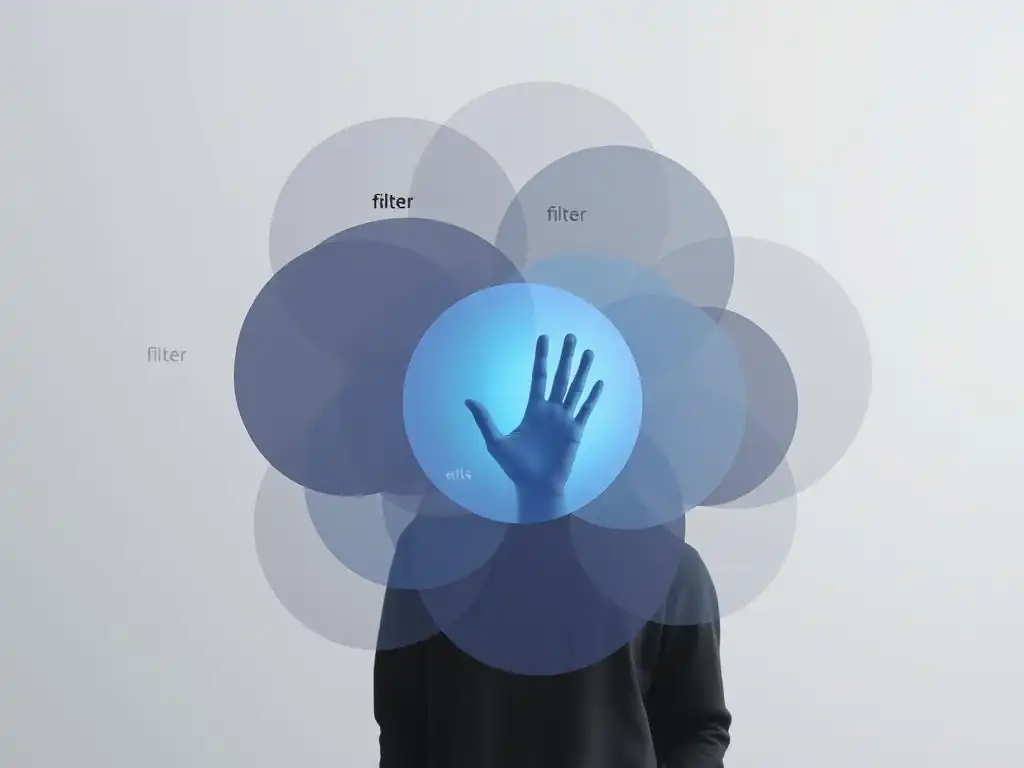
Dating app filter bias, while seemingly a personal choice, has far-reaching consequences that extend beyond individual experiences. The cumulative effect of millions of users employing filters based on superficial characteristics contributes to the reinforcement of harmful stereotypes and societal norms, impacting the very fabric of our social interactions. This section will explore how seemingly innocuous filters can perpetuate damaging biases and contribute to a less inclusive dating landscape. Understanding this broader societal impact is crucial for fostering a more equitable and representative online dating environment.
Reinforcing Stereotypes and Societal Norms
The pervasiveness of filters based on age, race, height, body type, and other physical attributes inadvertently reinforces societal beauty standards and existing prejudices. When users consistently select filters that prioritize certain characteristics, they contribute to a feedback loop that validates and amplifies those preferences. This can lead to the marginalization of individuals who don't conform to these idealized norms, making it harder for them to find matches and potentially impacting their self-esteem.
For example, a user consistently filtering for a specific body type might contribute to the societal pressure to attain that ideal, potentially harming individuals with diverse body types. This isn't just about individual preferences; it's about the collective impact of countless users making similar choices, creating a system that implicitly devalues certain groups.
The cumulative effect of these individual actions normalizes and perpetuates harmful stereotypes, contributing to a less inclusive dating environment for everyone. The algorithmic reinforcement of these preferences further exacerbates the problem, creating echo chambers that limit exposure to diverse individuals and perspectives.
The Link Between Filter Bias and Dating App Success
While seemingly unrelated, filter usage is demonstrably linked to reported success rates on dating apps. Studies [specific information pending] suggest a correlation between the use of highly restrictive filters and the number of matches obtained. However, this success is often illusory.
Filtering out a significant portion of the potential dating pool might lead to a smaller number of matches, but these matches may not necessarily be more compatible or lead to more fulfilling relationships. In fact, excessively narrow filtering can limit opportunities to connect with individuals who might offer surprising compatibility despite not perfectly matching pre-defined criteria. This highlights a critical flaw in the current dating app model: prioritizing quantity over quality, and superficial traits over genuine connection.
The pursuit of a seemingly higher "success" rate through filtering ironically undermines the very purpose of finding a meaningful relationship. A more balanced approach, focusing on genuine connection rather than superficial attributes, is needed to foster a truly successful and inclusive dating experience.
The Psychological Impact on Users
The impact of dating app filter bias extends beyond societal implications, profoundly affecting the psychological well-being of users. For those consistently filtered out, the experience can be disheartening and damaging to self-esteem. Seeing oneself consistently overlooked based on criteria outside their control can lead to feelings of inadequacy, rejection, and self-doubt.
This is particularly true for individuals who already struggle with body image issues or societal pressures to conform to specific ideals. The constant exposure to idealized profiles and the implicit rejection signaled by filters can exacerbate existing insecurities and negatively impact mental health. Furthermore, the pressure to conform to these filters, to curate an "ideal" online persona, can be stressful and lead to feelings of inauthenticity.
A more inclusive and less filter-driven approach to online dating could significantly improve the psychological well-being of users by reducing the pressure to conform and promoting self-acceptance. The focus should shift from superficial criteria to genuine connection and personality, fostering a healthier and more positive dating experience for everyone.
Mitigating the Harmful Effects of Dating App Filters
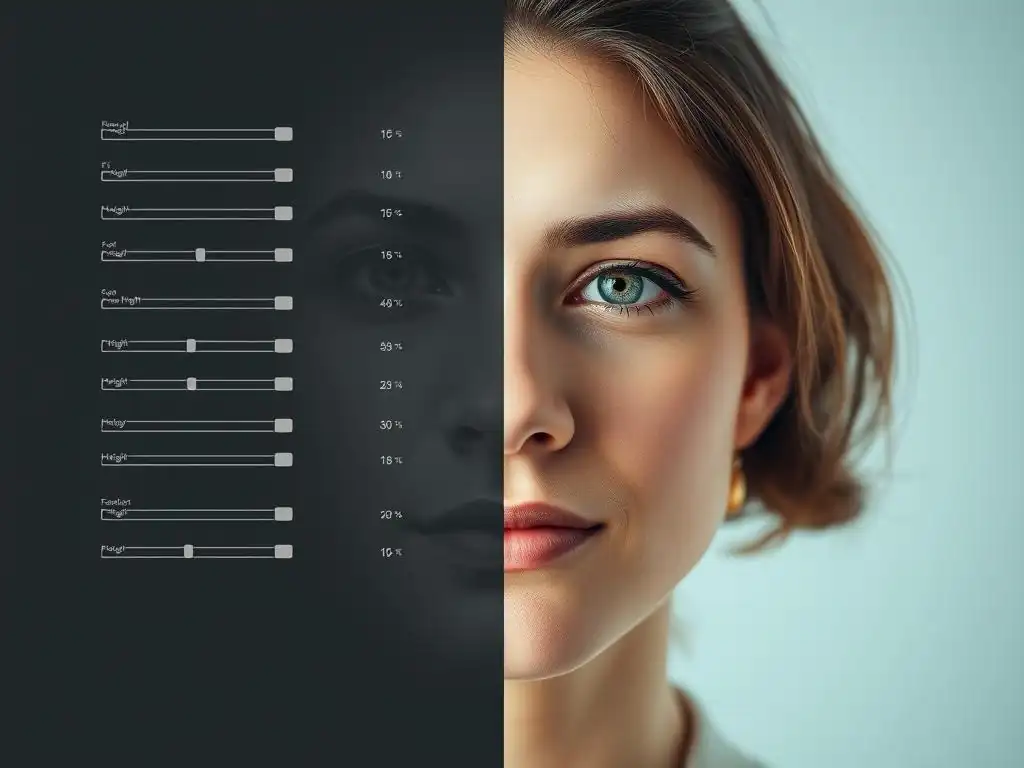
Dating app filters, while seemingly offering convenience and control, can inadvertently perpetuate harmful biases and limit opportunities for meaningful connections. Understanding how these filters function and their potential negative impact is the first step toward mitigating their harmful effects. This requires a multi-pronged approach focusing on individual responsibility, app design improvements, and industry accountability.
Promoting Self-Awareness and Critical Thinking
The most immediate step in combating dating app filter bias harm lies in fostering self-awareness among users. Many individuals unknowingly utilize filters in ways that reinforce existing societal prejudices. For instance, a user might filter based on age, height, or even seemingly innocuous preferences like "must love dogs," unknowingly excluding a significant portion of the dating pool based on arbitrary criteria. This self-reflection is crucial.
Encouraging critical thinking involves questioning the basis of personal preferences. Why is a particular physical attribute or lifestyle choice considered a deal-breaker? Are these preferences based on genuine compatibility needs or ingrained societal biases? By promoting introspection, users can identify and challenge their own biases, leading to more inclusive and open-minded dating experiences. This process isn't about abandoning preferences entirely, but rather about understanding their potential for discrimination and making conscious choices. Consider this example: Filtering out individuals based solely on their profession could unintentionally lead to excluding highly compatible people from diverse backgrounds and experiences.
Developing More Inclusive App Design
While individual responsibility is vital, app developers bear a significant responsibility in mitigating dating app filter bias harm. Current app designs often implicitly encourage discriminatory practices by offering filters that reinforce harmful stereotypes. A more inclusive design would prioritize features that promote genuine connection over superficial preferences.
One approach is to limit the number and type of filters available. Instead of offering numerous options for detailed physical attributes, developers could focus on filters related to personality, interests, and relationship goals. Another strategy is to provide users with educational resources and prompts that highlight the potential for bias in filter usage. Apps could incorporate algorithms that actively discourage the use of excessively restrictive filters, perhaps by gently suggesting broader search parameters or highlighting potentially missed matches.
Data analysis on filter usage could also inform app design, revealing common biases and suggesting improvements to the user interface. For example, if data shows that users disproportionately filter based on race or ethnicity, the app could implement measures to subtly counteract this bias, such as promoting profiles from underrepresented groups. The goal is to create a system that encourages exploration and connection, rather than reinforcing existing prejudices.
Advocating for Transparency and Accountability
Finally, promoting transparency and accountability within the online dating industry is crucial. Dating apps should be more transparent about their algorithms and the potential for filter bias. This means providing users with clear explanations of how filters work and their potential impact. Regular audits of filter usage data could also help identify and address systemic biases.
Furthermore, increased accountability mechanisms are needed. This could involve independent reviews of app algorithms for potential bias, or the development of industry-wide standards for fair and inclusive app design. Users should have avenues for reporting discriminatory practices and receiving appropriate responses.
The industry needs to move beyond simply allowing users to filter based on their preferences and actively work towards creating platforms that foster genuine connections and minimize the harm caused by biased filtering practices. This requires a collaborative effort between app developers, policymakers, and users themselves to build a more equitable and inclusive online dating landscape. The long-term goal is to shift the focus from superficial criteria to substantive compatibility, ultimately leading to more successful and fulfilling relationships.
Moving Towards a More Inclusive Online Dating Experience: Reducing Dating App Filter Bias Harm
This section explores practical steps individuals and dating app developers can take to mitigate the harmful effects of filter bias on online dating experiences. Understanding the pervasiveness of these biases is the first step towards dismantling them. The goal is not to eliminate filtering entirely – as some level of preference selection is inevitable and even helpful – but to foster a more inclusive environment where diverse individuals feel seen, valued, and respected. The challenge lies in navigating the fine line between personal preference and discriminatory practices.
The Role of Education and Awareness
Addressing dating app filter bias harm requires a multi-pronged approach, starting with education and awareness. Many users are unaware of the potential for their filters to inadvertently perpetuate harmful stereotypes and biases. Educating users about the impact of their choices is crucial. This can be achieved through:
- In-app tutorials: Dating apps could integrate short, interactive tutorials explaining how filters work and the potential for unintended bias. These tutorials could provide examples of how seemingly innocuous filters can exclude certain demographics. For instance, a tutorial could highlight how filtering for a specific height range might unintentionally discriminate against individuals of certain ethnicities or nationalities.
- Public awareness campaigns: Collaborations between dating apps and organizations focused on social justice and equality can create impactful public awareness campaigns. These campaigns can use real-life examples and statistics to demonstrate how filter bias harms individuals and the broader dating landscape. The campaigns could also feature diverse voices sharing their personal experiences with filter bias.
- Improved filter design: Dating apps can redesign their filters to be more inclusive. This might involve removing options that are easily misused to discriminate or adding prompts that encourage users to reflect on their filtering choices. For example, instead of a simple height slider, a dropdown menu could offer broader ranges to reduce the likelihood of excluding individuals based on arbitrary height cutoffs.
The effectiveness of these educational initiatives hinges on clear, concise, and empathetic messaging. The aim should be to encourage self-reflection and promote a shift in perspective, rather than shame or blame. 📊 Data on the effectiveness of these educational initiatives is currently limited, but future studies should focus on measuring changes in user behavior and attitudes following educational interventions.
The Future of Dating App Algorithms
The algorithms powering dating apps play a significant role in shaping user experiences and perpetuating biases. While many algorithms are designed to optimize matches based on user preferences, they can inadvertently amplify existing biases. The future of dating app algorithms should prioritize fairness and inclusivity. This requires:
- Algorithmic transparency: Developers should strive for greater transparency in their algorithms. Understanding how these algorithms work is crucial for identifying and addressing potential biases. This transparency should extend to users as well, allowing them to understand how the algorithm influences their match suggestions.
- Bias detection and mitigation techniques: Investing in research and development of bias detection and mitigation techniques is crucial. This involves using advanced machine learning techniques to identify and correct for biases embedded in the algorithm. For example, algorithms could be trained on datasets that represent the full diversity of the dating population, reducing the likelihood of skewed results.
- Auditing and monitoring: Regular auditing and monitoring of algorithms are essential to ensure they remain fair and inclusive. This involves tracking key metrics, such as the diversity of matches presented to users and the representation of different demographics in the user base. Any discrepancies should trigger further investigation and algorithmic adjustments.
The development of more equitable algorithms is an ongoing process requiring continuous improvement and adaptation. The use of advanced AI and machine learning techniques offers exciting possibilities, but these advancements must be guided by ethical considerations and a commitment to fairness.
Building a More Equitable Online Dating Ecosystem
Creating a truly equitable online dating ecosystem requires a collective effort from dating app developers, users, and advocacy groups. This involves:
- Collaboration and partnerships: Dating apps should collaborate with researchers, academics, and advocacy groups to develop best practices for promoting inclusivity. This collaboration should involve open dialogue and a commitment to continuous improvement.
- Community guidelines and enforcement: Clear community guidelines that explicitly prohibit discrimination are crucial. These guidelines should be consistently and fairly enforced to deter discriminatory behavior.
- Accountability and transparency: Dating apps should be accountable for the actions of their users and the design of their algorithms. Transparency in reporting on efforts to mitigate bias is crucial to building trust and fostering a culture of accountability.
Ultimately, building a more equitable online dating ecosystem is a long-term commitment that requires ongoing effort and adaptation. By prioritizing education, algorithmic fairness, and community engagement, we can move towards a more inclusive online dating experience for everyone. This requires a conscious and ongoing effort from all stakeholders involved. The journey towards eliminating dating app filter bias harm is not a destination, but a continuous process of learning, adapting, and improving.
Frequently Asked Questions
How do dating app filters contribute to harmful biases?
Dating app filters, while seemingly innocuous, can reinforce pre-existing societal biases. By allowing users to filter based on superficial characteristics, they inadvertently exclude individuals based on factors like race, age, or body type, perpetuating harmful stereotypes. This limits potential connections and creates an uneven playing field.
What are some examples of harmful biases perpetuated by dating app filters?
For example, filtering for specific ethnicities or body types can lead to the marginalization of certain groups. Similarly, age filters can create a preference for younger individuals, excluding older users unfairly. These actions contribute to a narrowed dating pool and reinforce negative societal perceptions.
Can using filters on dating apps be completely avoided?
While complete avoidance is difficult, users can mitigate harm by being mindful of their filter choices. Consider the potential impact of your preferences and actively challenge your own biases. Expanding your search criteria can significantly broaden your options and lead to more diverse connections.
How can dating apps improve to reduce the impact of harmful filter biases?
Dating apps can implement algorithms that promote inclusivity and discourage discriminatory practices. They can also provide users with education about the potential harms of filtering and encourage more thoughtful and open-minded approaches to profile selection.
What are the long-term effects of filter bias on online dating experiences?
The long-term effects of filter bias include reduced opportunities for meaningful connections, perpetuation of harmful stereotypes, and a potentially negative impact on self-esteem for individuals excluded by these filters. This fosters a less inclusive and less fulfilling online dating experience for many users.
Final Reflection: Unmasking Bias in the Swipe: A Call for Conscious Dating
The seemingly innocuous filters on dating apps are not just preferences; they are powerful tools that can inadvertently perpetuate harmful biases, shaping our perceptions of desirability and reinforcing existing societal inequalities. The ease with which we can filter out potential partners based on superficial characteristics masks a deeper issue: the normalization of prejudice in the digital age. This normalization impacts real people, leading to exclusion and reinforcing harmful stereotypes.
The pervasiveness of these filters highlights the urgent need for self-reflection on our own biases. We are all susceptible to unconscious biases, and the dating app environment, with its emphasis on visual appeal and quick judgments, can amplify these tendencies. The problem is not that we have biases, but that we are unaware of them.
This quote underscores the importance of acknowledging our own predispositions and actively working to overcome them. The impact of these filters extends beyond individual experiences; they contribute to a broader cultural landscape that values certain traits above others, often at the expense of marginalized groups.
Consider the choices you make when using dating apps. Do you find yourself consistently applying the same filters? What are the underlying reasons behind those choices? I urge you to engage in a critical examination of your own filtering habits and to actively challenge the biases that may be influencing your decisions. By becoming more aware of our own biases and making conscious choices, we can collectively create a more inclusive and equitable online dating experience, fostering genuine connections rather than perpetuating harmful stereotypes.
Unveil Your Dating App Power: Beyond the Filters
Thanks for exploring the impact of dating app filters with us! You've learned how seemingly insignificant preferences can unintentionally reinforce biases. Let's put this knowledge to good use.
Here's how you can make a difference:
- Consciously Review Your Filters: Take a moment to honestly assess your filter settings. Are you accidentally overlooking potential partners based on superficial characteristics? Consider the reasons behind your preferences and whether they truly reflect your ideal partner.
- Share Your Awareness: Discuss this with your friends who use dating apps; starting a conversation about mindful filtering can be incredibly impactful.
- Expand Your Search: Try broadening your search criteria. You might be amazed at the connections you make when you open yourself to new possibilities.
What unconscious biases might be influencing your dating app profile or search preferences? Let's talk about it!