
Swipe Left on Prejudice: How to Identify and Avoid Discriminatory Profiles


Ready to ditch the dating disappointments and find genuine connection? At OnlineDatingSuccess.org, we empower you to navigate the world of online dating with confidence and intention. But first, let's address a critical hurdle: avoiding dating profile discrimination. Our latest article, "Swipe Left on Prejudice: How to Identify and Avoid Discriminatory Profiles," dives deep into this crucial topic, revealing strategies to ensure your online dating experience is both safe and fulfilling. Discover how to create a positive and respectful online dating environment – read on to learn more!
- Understanding Unconscious Bias in Online Dating Profiles
-
Recognizing Discriminatory Dating Profiles: Red Flags to Watch For
- Profiles Promoting Stereotypes and Harmful Generalizations
- Profiles Exhibiting Prejudice Based on Race, Ethnicity, or Religion
- Profiles Demonstrating Ageism or Size Discrimination
- Profiles Containing Hate Speech or Offensive Language
- Profiles Expressing Extreme Preferences or Unrealistic Expectations
- Profiles Focusing on Stereotypical or Demeaning Representations of Certain Groups
- Strategies to Avoid Discriminatory Profiles and Promote Inclusive Dating
- Building a Positive and Respectful Online Dating Experience
- Resources for Addressing Discrimination in Online Dating
-
Frequently Asked Questions
- How can I identify discriminatory profiles on online dating sites?
- What should I do if I encounter a discriminatory profile?
- How can I avoid appearing discriminatory in my own profile?
- Is it okay to have preferences in a partner? How do I express them without being discriminatory?
- What if I'm being discriminated against on a dating site?
- Final Reflection: Reclaiming Connection in the Digital Age
- Unleash Your Authentic Self: Build a Bias-Free Dating Profile
Understanding Unconscious Bias in Online Dating Profiles
Navigating the world of online dating requires more than just a captivating profile picture and a witty bio. It demands a critical awareness of our own biases and the potential for discrimination within these digital spaces. This article, "Swipe Left on Prejudice: How to Identify and Avoid Discriminatory Profiles," will equip you with the tools to recognize and counteract prejudice, both in your own dating preferences and in the profiles of others.
We'll explore how unconscious biases influence our choices, how to identify discriminatory language and imagery, and the lasting impact of microaggressions on building genuine connections. Ultimately, our aim is to foster a more inclusive and respectful online dating environment where everyone has the opportunity to find meaningful relationships, free from the constraints of prejudice.
This is crucial for creating authentic connections and building healthy relationships, moving beyond superficial judgments and embracing genuine compatibility. The ability to identify and avoid dating profile discrimination is a key step towards a more positive and fulfilling online dating experience.
Recognizing Implicit Biases in Your Own Profile Preferences
We all hold unconscious biases, often stemming from societal conditioning and personal experiences. These biases can subtly influence our dating choices, leading us to overlook potentially compatible partners based on factors like race, age, body type, or religion. To combat this, consider the following:
- Self-Reflection: Take time to honestly assess your own dating preferences. Are you consistently swiping left on profiles that differ from a specific “ideal”? If so, why? Understanding the root of your preferences is the first step towards challenging them.
- Expanding Your Search Criteria: Deliberately broaden your search parameters. Experiment with different filters and actively seek out profiles that challenge your usual preferences.
- Challenging Assumptions: Ask yourself: What assumptions am I making about this person based on their profile? Are these assumptions fair and accurate, or are they based on stereotypes?
- Seeking Feedback: Ask trusted friends or family for honest feedback on your dating profile and preferences. An outside perspective can offer valuable insights you might have missed.
Remember, diversity enriches our lives. By actively challenging our own implicit biases, we open ourselves to a wider pool of potential partners and increase our chances of finding a truly compatible match. Dating apps often provide algorithms and suggestions intended to help you find your match, but it's important to use your own judgment and actively combat biases that may be perpetuated by these systems.
Identifying Discriminatory Language and Imagery in Other Profiles
Discriminatory language and imagery are unfortunately prevalent in online dating profiles. This can manifest in various ways, from overtly hateful comments to subtle microaggressions. Learning to identify these red flags is crucial for your safety and well-being.
- Examples of Discriminatory Language: Look for language that denigrates specific groups, expresses prejudice based on race, religion, sexual orientation, gender, or other protected characteristics, or promotes harmful stereotypes. This might include derogatory terms, exclusionary statements, or biased generalizations.
- Examples of Discriminatory Imagery: Be aware of photos that perpetuate harmful stereotypes or display offensive symbols. This can include images promoting hate speech or using imagery that sexualizes or objectifies individuals.
- Reporting Mechanisms: Most dating apps have reporting mechanisms in place to flag inappropriate profiles. Don't hesitate to use these tools to report discriminatory content. Your action can contribute to a safer online environment for everyone.
- Protecting Yourself: If you encounter a discriminatory profile, immediately unmatch and block the user. Your safety and emotional well-being are paramount.
By actively identifying and reporting discriminatory behavior, you are not only protecting yourself but also contributing to a more inclusive and respectful online dating community. Remember, you have the power to create positive change.
The Impact of Microaggressions in Online Dating Interactions
Microaggressions – subtle, often unintentional acts of discrimination – can significantly impact online dating interactions. These seemingly insignificant comments or actions can cumulatively create a hostile and unwelcoming environment.
- Examples of Microaggressions: These might include unsolicited advice on how to appear "more attractive," comments that minimize someone's experiences based on their identity, or assumptions about someone's interests or preferences based on stereotypes.
- The Cumulative Effect: While individual microaggressions might seem minor, their cumulative effect can be damaging, leading to feelings of frustration, isolation, and diminished self-worth.
- Responding to Microaggressions: Addressing microaggressions can be challenging. You may choose to directly address the behavior, ignore it, or report it to the platform, depending on the situation and your comfort level.
- Promoting Respectful Interactions: Encourage respectful and inclusive interactions by modeling positive behavior and speaking out against discrimination. Remember, building a supportive community starts with each of us.
Understanding the impact of microaggressions is crucial for creating positive change. By actively challenging these subtle forms of discrimination, we can contribute to a more welcoming and respectful online dating experience for everyone. Remember, a supportive and inclusive dating experience starts with us.
Recognizing Discriminatory Dating Profiles: Red Flags to Watch For
Navigating the world of online dating requires vigilance. While many users seek genuine connections, some profiles openly display discriminatory attitudes and prejudices. Learning to identify these red flags is crucial for protecting your well-being and ensuring a positive online dating experience. This section will equip you with the knowledge to avoid discriminatory profiles and foster a more inclusive dating environment. Remember, avoiding dating profile discrimination is about self-respect and creating a safer space for everyone.
Profiles Promoting Stereotypes and Harmful Generalizations
Many discriminatory profiles subtly (or not so subtly) promote harmful stereotypes and generalizations. These profiles often rely on clichés and biased assumptions about certain groups of people. Instead of showcasing a person's unique qualities, they perpetuate negative and unfair representations.
For example, a profile might state a preference for "traditional women" or "alpha males," implying a rigid and limiting definition of gender roles. Such statements often mask underlying biases and exclude individuals who don't conform to these narrow ideals. Another red flag is the use of overly simplistic or offensive generalizations about particular groups, such as making sweeping statements about an entire nationality or profession.
Consider this example: "Looking for a woman who loves cooking and cleaning – no career-driven women, please." This statement reveals a bias against women who prioritize their careers, perpetuating a harmful stereotype. Avoid profiles that resort to such generalizations; they often indicate a lack of respect for diversity and individuality. Remember, a truly respectful and inclusive dating profile focuses on genuine connection, not preconceived notions.
Profiles Exhibiting Prejudice Based on Race, Ethnicity, or Religion
Openly prejudiced profiles explicitly express preferences or dislikes based on race, ethnicity, or religion. This is a clear violation of ethical online dating practices and should be immediately flagged or reported. Such profiles often use derogatory language or express exclusionary sentiments, actively creating a hostile environment for certain groups.
Examples include profiles that state a preference for individuals of a specific race or ethnicity, or those who explicitly exclude certain religious groups. These statements are not only discriminatory but also harmful, promoting intolerance and prejudice. These profiles actively contribute to a negative and unwelcoming online dating environment, undermining the goal of finding genuine connections. Protecting yourself from such prejudice requires active vigilance and a commitment to reporting such profiles.
The prevalence of such discriminatory language underscores the need for dating apps to implement robust reporting mechanisms and actively combat hate speech. Users should be empowered to report these profiles to create a safer space for everyone. Remember, fostering an inclusive environment benefits everyone.
Profiles Demonstrating Ageism or Size Discrimination
Ageism and size discrimination are unfortunately prevalent in online dating. Profiles exhibiting these biases often explicitly state age or weight preferences that are overly restrictive or discriminatory. For instance, a profile might state a preference for individuals within a very narrow age range or explicitly exclude individuals above a certain weight.
These preferences often stem from superficial judgments and ignore the richness and diversity of human experience. Focusing solely on physical attributes such as age or weight ignores the far more important aspects of personality, values, and compatibility. Consider the impact of such preferences on individuals who are already vulnerable to such biases. Reporting these profiles is a crucial step in fostering a more accepting and inclusive dating environment.
The consequences of ageism and size discrimination extend beyond individual hurt feelings; they perpetuate harmful societal norms. By actively avoiding such profiles and reporting them when encountered, you contribute to a more positive and representative online dating experience for everyone. Remember, true connection transcends superficial judgments.
Profiles Containing Hate Speech or Offensive Language
Hate speech and offensive language are blatant indicators of a discriminatory profile. These profiles often employ derogatory terms targeting specific groups based on race, religion, gender, sexual orientation, or other protected characteristics. The language used can range from subtly biased remarks to outright hateful pronouncements. For example, a profile might contain phrases like "no [racial slur] allowed" or "only looking for traditional [gender role] women."
Such statements clearly signal an unwillingness to engage with individuals from certain backgrounds, making it crucial to avoid interacting with such profiles. Remember, online dating platforms often have community guidelines prohibiting hate speech; reporting such profiles helps maintain a safer and more inclusive environment for everyone. Don't hesitate to report profiles that display this kind of harmful language; your action contributes to a more positive online dating experience for all users. Ignoring these red flags can lead to unpleasant and potentially harmful interactions.
Prioritizing your safety and well-being means recognizing and avoiding profiles that promote hatred and intolerance. The presence of such language is not merely a matter of rudeness; it's a sign of deeply ingrained prejudice that should be avoided at all costs. Protecting yourself from potential harm requires actively recognizing and rejecting these profiles.
Profiles Expressing Extreme Preferences or Unrealistic Expectations
While everyone has preferences, some profiles go beyond expressing preferences and delve into unreasonable demands and expectations, often masking underlying discriminatory attitudes. For example, a profile might specify an extremely narrow range of acceptable physical attributes, demanding specific body types or facial features, which can be a subtle way of excluding individuals who don't fit these unrealistic ideals. Similarly, a profile might explicitly state a preference for a particular nationality or ethnicity, potentially excluding others based on their background.
These profiles reveal a lack of openness and a tendency towards discriminatory behavior. It's important to differentiate between genuine preferences and discriminatory demands. A profile stating a preference for someone with shared interests is different from one demanding a specific race or body type.
The key is to identify profiles that go beyond expressing preferences and instead impose restrictive requirements that inherently discriminate. These stringent criteria are often used to filter out large segments of the population, signaling a potential for prejudice in future interactions. Recognize that healthy relationships are built on mutual respect and appreciation, not on adhering to unrealistic or discriminatory standards.
Profiles Focusing on Stereotypical or Demeaning Representations of Certain Groups
Discriminatory profiles often rely on harmful stereotypes to portray specific groups in a negative or demeaning light. This can manifest in various ways, such as using derogatory terms to describe certain groups or employing offensive jokes and humor that rely on prejudice. For instance, a profile might make generalizations about a specific ethnic group's characteristics or perpetuate harmful myths about a particular gender or sexual orientation.
Such profiles promote harmful stereotypes and contribute to a culture of discrimination. Recognizing these stereotypes is crucial to avoiding profiles that perpetuate harmful biases. Be wary of profiles that rely on generalizations and clichés rather than individual descriptions.
Remember that judging individuals based on harmful stereotypes is never fair or accurate. Instead, focus on profiles that showcase genuine personality and individual experiences, avoiding those that rely on biased and offensive portrayals. Actively choosing to avoid these profiles is a step towards creating a more inclusive and respectful online dating environment.
Strategies to Avoid Discriminatory Profiles and Promote Inclusive Dating
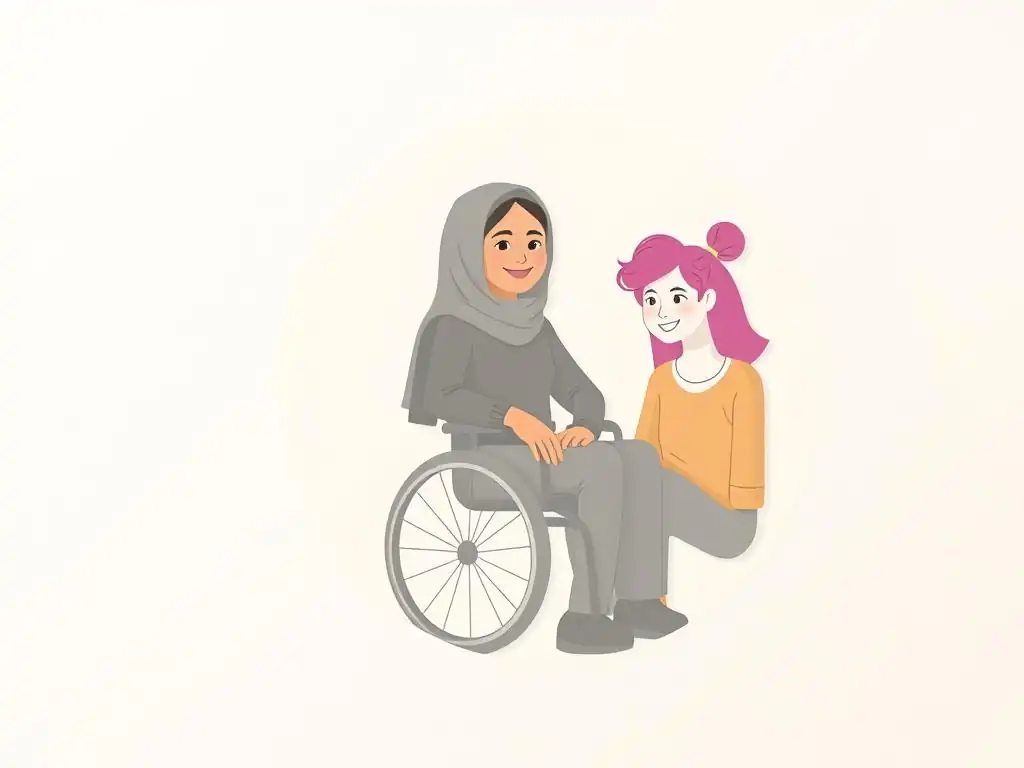
This section offers practical strategies to navigate the online dating world responsibly, avoiding discriminatory profiles and fostering an inclusive environment. Remember, avoiding dating profile discrimination starts with you. By actively promoting inclusivity, you contribute to a more positive and respectful online dating experience for everyone. Let's explore how to identify and sidestep prejudiced profiles, creating a safer and more enjoyable space for connection.
Creating an Inclusive and Welcoming Dating Profile
Your dating profile is your first impression. Crafting a welcoming profile is crucial to attracting compatible partners and avoiding attracting those with discriminatory biases. Avoid using language that excludes certain groups. For example, phrases like "looking for someone traditional" or "must be [specific body type]" can inadvertently signal prejudice. Instead, focus on your values, interests, and what you're looking for in a relationship. Be specific about your aspirations, hobbies, and the kind of connection you desire. This attracts those who share your values and avoids attracting those who may hold discriminatory views.
Consider these points when crafting your profile:
- Focus on personality: Highlight your personality traits, sense of humor, and passions. This attracts individuals drawn to your character, not superficial characteristics.
- Use positive language: Frame your preferences positively. Instead of saying "no smokers," try "enjoying an active and healthy lifestyle."
- Be open-minded: Express your openness to diverse perspectives and experiences. This shows you value inclusivity and are unlikely to discriminate.
- Showcase your values: Emphasize your commitment to equality, respect, and kindness. This attracts like-minded individuals who share your values.
For example, instead of writing: "Looking for a tall, slim blonde who loves hiking," try: "Enthusiastic hiker seeking someone adventurous and kind with a shared love for the outdoors." The second example is significantly more inclusive and welcoming.
Choosing Photos that Reflect Your Authentic Self
Your profile pictures are powerful tools. They communicate volumes about you before anyone even reads your bio. Choosing photos that authentically represent you is key to attracting genuine interest and avoiding those who might be drawn to superficial characteristics. Avoid photos that are overly edited, staged, or misleading. Instead, select photos that showcase your natural self in diverse settings.
Here are some tips to ensure your photos promote inclusivity and avoid attracting discriminatory attitudes:
- Variety is key: Include a variety of photos showcasing different aspects of your personality and lifestyle. This gives potential matches a more complete picture of who you are.
- Natural lighting and settings: Opt for natural lighting and uncluttered backgrounds. This creates a more approachable and genuine impression.
- Show your interests: Include photos that showcase your hobbies and passions. This helps attract people with shared interests.
- Avoid overly posed or filtered photos: These can create an unrealistic impression and may attract individuals who are drawn to superficiality.
- Include full-body shots: This helps avoid misunderstandings and prevents attracting people with specific body type preferences.
Remember, authenticity attracts genuine connections. Presenting your true self ensures you attract those who appreciate you for who you are.
Using Inclusive Language in Your Profile Description
The words you use in your profile description significantly impact the type of people you attract. Using inclusive language is crucial for attracting compatible partners and avoiding discriminatory profiles. Avoid using jargon, slang, or phrases that might exclude certain groups. Instead, use clear, concise language that is easy to understand and welcoming to all.
Consider the following:
- Avoid gendered or stereotypical language: Use neutral language that doesn't reinforce harmful stereotypes.
- Avoid exclusionary terms: Refrain from using language that excludes people based on race, religion, sexual orientation, ability, or any other protected characteristic.
- Be specific about your interests: Clearly articulate your passions and interests, creating a path for people with similar interests to connect.
- Use positive and welcoming language: Create a tone that is inclusive and welcoming to a wide range of individuals.
- Proofread carefully: Ensure your profile is free of grammatical errors and typos, creating a professional and polished impression.
By following these guidelines, you create a dating profile that not only attracts compatible partners but also actively works against discrimination and promotes inclusivity. Remember, creating a positive and respectful online dating experience benefits everyone involved. This proactive approach to avoiding dating profile discrimination strengthens the community and helps build meaningful connections.
Reporting Discriminatory Profiles and Behavior
Many dating platforms offer robust reporting mechanisms to address discriminatory profiles and behavior. Understanding how to utilize these tools is crucial in fostering a more inclusive online dating environment. Reporting isn't just about protecting yourself; it's about contributing to a safer space for everyone.
When you encounter a profile exhibiting blatant prejudice – whether it's explicitly stated preferences against certain races, religions, genders, or body types – reporting it is the responsible action. Most platforms have a clear reporting process, often involving a button or link directly on the profile or within the messaging interface. This usually prompts a short form where you can detail the specific offense and provide any supporting evidence, such as screenshots of discriminatory messages.
It's important to remember that the effectiveness of reporting relies on clear and concise reporting. Avoid vague accusations; instead, focus on the specific details of the discriminatory content. For example, instead of simply saying "This profile is offensive," specify, "This profile explicitly states a preference against individuals of Asian descent."
The more detailed your report, the better equipped the platform is to take appropriate action. While immediate removal isn't always guaranteed, consistent reporting helps the platform identify patterns of discriminatory behavior and improve its algorithms to detect and prevent such instances in the future. Furthermore, many platforms offer resources and support for users who have experienced discrimination, providing a safe space to share their experiences and receive assistance.
Remember, your voice matters in shaping a more inclusive online dating experience. By actively reporting discriminatory behavior, you are actively contributing to a safer and more respectful community for all users. This collective effort is vital in tackling the issue of "avoid dating profile discrimination" and creating a positive environment for everyone.
Engaging in Respectful and Considerate Online Interactions
Beyond reporting, actively promoting respectful interactions is key to avoiding discriminatory profiles and fostering an inclusive online dating experience. This begins with self-reflection and understanding your own biases. We all hold unconscious biases, and acknowledging them is the first step towards mitigating their impact. Before crafting your profile or sending messages, consider the language you use and the image you project.
Avoid using language that could be interpreted as discriminatory or exclusionary. For instance, instead of listing specific physical attributes as requirements, focus on personality traits and shared interests. This approach avoids perpetuating harmful stereotypes and encourages connections based on genuine compatibility rather than superficial preferences.
Furthermore, engage thoughtfully with others' profiles. Avoid making assumptions about individuals based on limited information. Remember that a profile is a snapshot, not a complete picture of a person. Approach each interaction with empathy and respect, recognizing that everyone deserves to be treated with dignity and kindness. When communicating with potential matches, maintain a polite and considerate tone.
Avoid making offensive jokes or comments, and be mindful of the impact your words can have. Open and honest communication is crucial for building healthy relationships, both online and offline. By choosing your words carefully and fostering a culture of respect, you contribute significantly to a safer and more inclusive dating experience. This proactive approach to respectful communication directly addresses the goal of avoiding dating profile discrimination and fosters a more positive online dating environment for everyone. Remember, building a meaningful connection starts with respectful and considerate engagement.
Building a Positive and Respectful Online Dating Experience
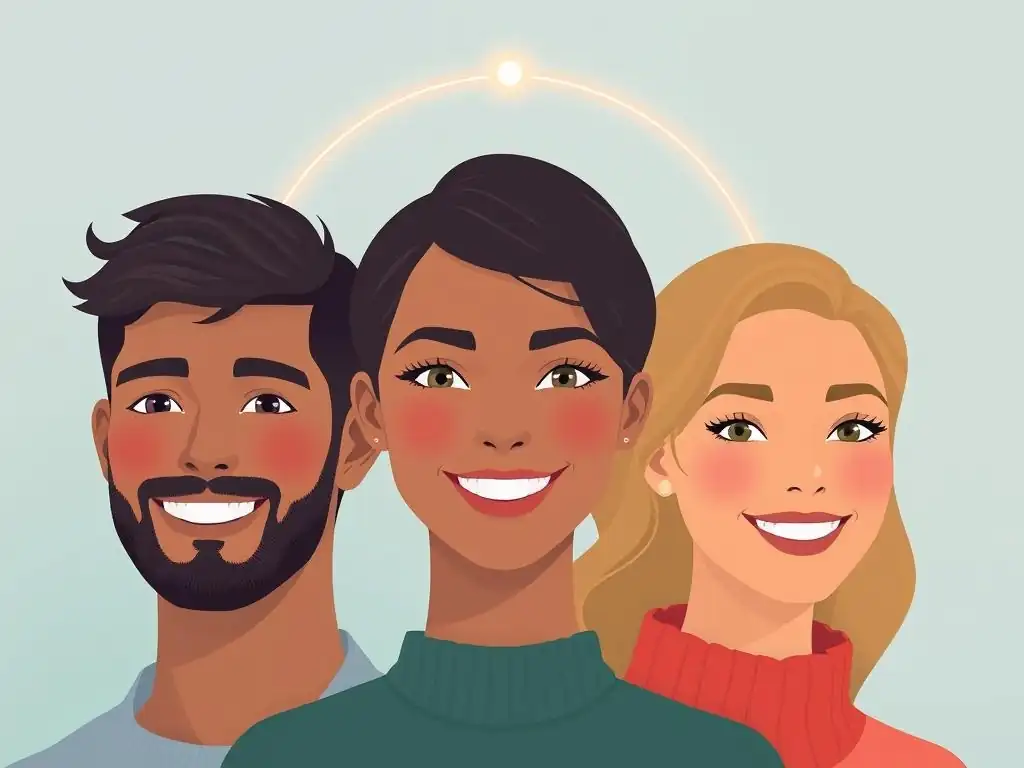
This section focuses on proactively building a positive and respectful online dating experience, directly addressing how to avoid dating profile discrimination. A key aspect of avoiding discrimination is cultivating a positive and inclusive online environment. This starts with each individual user. By actively promoting respect and understanding, we can collectively contribute to a more welcoming and equitable online dating landscape. This involves challenging prejudiced attitudes and behaviours both within ourselves and in others. Remember, a welcoming environment benefits everyone involved, leading to more authentic connections and a richer online dating experience.
Fostering a Culture of Inclusivity in Online Dating
Creating a genuinely inclusive online dating experience requires conscious effort and a commitment to fostering a culture of respect. This means actively challenging discriminatory language and behavior. We should all strive to be mindful of our own biases and actively work to counter them. For example, instead of focusing solely on superficial characteristics, prioritize profiles that highlight personality, values, and interests. Engage in respectful conversations, avoiding generalizations and stereotypes.
Report any instances of harassment or discrimination to the platform administrators. By actively participating in creating a positive and inclusive environment, we can all contribute to a more welcoming online dating community. Remember, diversity enriches our lives and contributes to more fulfilling relationships. The goal is to build a community where everyone feels safe, valued, and respected, regardless of their background or identity. This is crucial in avoiding dating profile discrimination.
Practicing Self-Reflection and Identifying Personal Biases
A crucial step in avoiding dating profile discrimination is engaging in self-reflection to identify and address our own unconscious biases. We all carry implicit biases, often developed through societal conditioning. These biases can subtly influence our choices, leading to discriminatory behavior without us even realizing it. Regular self-assessment is key. Consider using online bias tests or engaging in reflective journaling to uncover hidden prejudices.
Ask yourself: Do I tend to favor certain types of profiles based on superficial characteristics? Am I overlooking profiles that don’t fit my preconceived notions of an ideal partner? Honest self-evaluation is the first step towards conscious and inclusive behavior. By acknowledging and addressing these biases, we can make more informed and equitable choices in our online dating journey, directly contributing to avoiding dating profile discrimination. The more self-aware we are, the more effectively we can combat prejudice in our online interactions.
Promoting Positive and Constructive Communication
Effective communication is essential for building healthy relationships, both online and offline. In online dating, this means communicating with respect, empathy, and a genuine interest in getting to know the other person. Avoid using language that perpetuates stereotypes or makes assumptions about someone's identity or background. Focus on open-ended questions that encourage meaningful conversations and avoid judgmental or dismissive comments.
Remember, everyone deserves to be treated with respect and dignity, regardless of how well they fit your preconceived notions. Active listening and thoughtful responses are paramount in fostering positive interactions and avoiding dating profile discrimination. By prioritizing respectful and inclusive communication, we can collectively build a more positive and equitable online dating experience for everyone. This creates a safer space for authentic connections and relationships to flourish.
Maintaining a Safe and Supportive Online Dating Environment
Creating a positive online dating experience hinges on fostering a safe and supportive environment. This means actively working to mitigate the risks associated with online interactions and promoting respectful communication. One key aspect is prioritizing your personal safety. This includes being mindful of the information you share in your profile and during initial conversations.
Avoid disclosing overly personal details, such as your exact address or workplace, until you've established a strong level of trust with someone. Remember, you are in control of the information you share; err on the side of caution. Many dating apps offer safety features such as background checks or in-app communication; utilize these tools to enhance your security.
Furthermore, establishing healthy communication boundaries is crucial. It's perfectly acceptable to end a conversation if you feel uncomfortable or unsafe. Don't feel obligated to respond to messages that make you feel uneasy, and don't hesitate to block or report users who exhibit disrespectful or harassing behavior. Remember, your well-being is paramount.
A supportive online dating environment starts with setting clear boundaries and prioritizing your own comfort and safety. If you encounter any harassment or discrimination, report it immediately to the dating app's support team. Many platforms have robust reporting mechanisms in place to address such issues promptly and effectively.
Don't suffer in silence—reporting helps create a safer space for everyone. By taking these steps, you contribute to a more positive and inclusive online dating community where everyone feels safe and respected. Remember, a safe environment is not just about avoiding immediate danger, but also about cultivating a sense of psychological safety and mutual respect among users.
The importance of reporting discriminatory behavior cannot be overstated. By reporting instances of prejudice and hate speech, you are actively contributing to a more inclusive and welcoming online dating environment. Not only does reporting protect yourself, but it also helps to create a safer space for others who may be experiencing similar issues.
Dating apps often rely on user reports to identify and address problematic accounts, so your actions can have a significant impact. Think of it as a collective effort to combat discrimination and build a better online dating experience for everyone. Furthermore, many platforms actively encourage reporting and provide clear guidelines on how to do so effectively.
Familiarize yourself with your chosen platform's reporting procedures to ensure you can act swiftly and efficiently when needed. Your vigilance and proactive reporting are essential tools in the fight against discrimination on dating apps. This contributes directly to a safer, more inclusive space for everyone seeking connection.
Resources for Addressing Discrimination in Online Dating
This section provides vital resources to help you navigate discriminatory experiences on online dating platforms. Knowing where to turn for support is crucial in combating prejudice and fostering a more inclusive online dating environment. Remember, you are not alone in facing these challenges.
Relevant Organizations and Support Groups
Several organizations actively work to combat discrimination and promote inclusivity in various sectors, including online dating. These groups offer valuable resources, support networks, and avenues for reporting discriminatory behavior. Finding a group that aligns with your specific identity or experience can provide crucial emotional support and practical advice.
Here’s a breakdown of the types of support you might find:
- Organizations focused on specific demographics: Many organizations champion the rights and well-being of specific communities frequently targeted by discrimination in online dating. These groups often provide tailored resources and support systems. For example, organizations focused on LGBTQ+ rights, racial justice, or disability rights may offer specific guidance on addressing discrimination within the context of online dating. Their websites often include detailed information on navigating bias and reporting incidents.
- General anti-discrimination organizations: These broader organizations may not exclusively focus on online dating, but they offer valuable resources and legal advice applicable to online harassment and discrimination. They can provide information on your rights and how to pursue legal action if necessary.
- Mental health support: Experiencing discrimination online can be emotionally taxing. Seeking support from mental health professionals is crucial for managing the emotional impact. Therapists specializing in online harassment or discrimination can provide coping mechanisms and strategies for managing the stress.
Articles and Studies on Online Dating Bias
Understanding the prevalence and nature of discrimination in online dating is the first step towards effectively combating it. Academic research and journalistic investigations shed light on the systemic biases embedded within these platforms and their impact on users. This research provides valuable insights into the types of discrimination users face and the strategies used to perpetuate these biases.
Exploring these resources can help you:
- Recognize patterns: Studies often reveal common discriminatory practices and language used in online dating profiles and interactions. Understanding these patterns enables you to more effectively identify and avoid discriminatory profiles. You can better prepare yourself by anticipating the types of biases you might encounter.
- Gain perspective: Learning about the broader societal context of online dating discrimination helps contextualize your personal experiences and empowers you to challenge these biases more effectively. Research often highlights the systemic nature of discrimination, underscoring the importance of collective action.
- Inform your advocacy: Research findings can be valuable tools in advocating for change within dating apps and promoting greater inclusivity. Data-driven arguments are far more compelling when advocating for policy changes or improved platform moderation.
Remember to critically evaluate the sources you consult and look for studies conducted using rigorous methodologies.
Tips for Reporting Hate Speech and Harassment on Dating Apps
Dating apps often have internal reporting mechanisms designed to address hate speech and harassment. Knowing how to utilize these tools effectively is essential in creating a safer online dating environment for everyone. While the specific steps may vary across platforms, the core principles remain consistent.
Here’s what you should keep in mind when reporting:
- Document everything: Screenshot offensive messages, profiles, and interactions. The more evidence you can provide, the stronger your report will be. Detailed documentation can help the platform take appropriate action.
- Follow the platform's guidelines: Each app has its own reporting process. Carefully review their terms of service and safety guidelines to understand how to file a report effectively.
- Be clear and concise: In your report, clearly explain the nature of the discriminatory behavior, providing specific examples and timestamps. The clearer your explanation, the easier it is for the platform to understand the situation and take action.
- Be persistent: If you don't receive a response or if the discriminatory behavior continues, consider contacting the app's customer support or escalating your report to a higher level of management. Persistence is key to ensuring your safety and advocating for a more inclusive platform. Remember to also consider reporting to relevant authorities if the harassment escalates beyond the app's purview.
By utilizing these resources and reporting mechanisms, you contribute to creating a safer and more inclusive online dating experience for everyone. Remember, reporting discriminatory behavior is not just about protecting yourself; it’s about fostering a culture of respect and accountability within the online dating community.
Frequently Asked Questions
How can I identify discriminatory profiles on online dating sites?
Look for profiles containing explicitly biased language targeting specific groups based on race, religion, gender, age, etc. Pay attention to negative stereotypes and overly specific requirements that exclude certain demographics. Red flags include hateful comments or exclusionary statements.
What should I do if I encounter a discriminatory profile?
Report the profile to the dating site's moderators using their reporting mechanisms. You can also block the user to prevent further contact. Consider sharing your experience if the platform allows it.
How can I avoid appearing discriminatory in my own profile?
Use inclusive language and focus on your personality and interests, avoiding language that could be interpreted as exclusionary. Avoid overly specific physical requirements or preferences that could unintentionally discriminate.
Is it okay to have preferences in a partner? How do I express them without being discriminatory?
Yes, having preferences is natural, but express them in a positive and respectful way. Focus on compatibility and shared values, rather than making demands based on protected characteristics. For example, instead of saying "no smokers," try "I enjoy an active, healthy lifestyle."
What if I'm being discriminated against on a dating site?
Document the instances of discrimination, including screenshots. Report the behavior to the dating site and consider contacting relevant anti-discrimination organizations for support and advice. Remember to prioritize your well-being and safety.
Final Reflection: Reclaiming Connection in the Digital Age
The fight against prejudice isn't confined to the streets; it's happening right now, in the seemingly harmless swipes of online dating. The ease of connection offered by dating apps is unfortunately shadowed by the insidious persistence of discrimination. We've explored how seemingly innocuous profile choices can perpetuate harmful stereotypes and limit opportunities for genuine connection. This isn't just about finding a date; it's about fostering a more inclusive and equitable online environment.
The impact of discriminatory profiling extends far beyond individual experiences; it shapes our collective understanding of relationships and belonging. It reinforces harmful biases, limiting who we consider worthy of connection and perpetuating a cycle of exclusion. As we navigate the complexities of online dating, we must actively challenge these biases within ourselves and others. The only way to overcome prejudice is to understand it, and the only way to understand it is to confront it.
- Unknown. This quote underscores the importance of self-reflection and proactive engagement in dismantling discriminatory practices.
You hold the power to reshape the landscape of online dating. By consciously choosing to create inclusive profiles, actively challenging discriminatory behavior, and fostering empathy in your interactions, you become a catalyst for change. Examine your own biases, question your assumptions, and actively seek out connections beyond your comfort zone. Let's build a digital dating world where everyone feels seen, valued, and empowered to find genuine connection.
Unleash Your Authentic Self: Build a Bias-Free Dating Profile
Thank you for learning how to create a more inclusive and welcoming online dating profile. You now have the tools to craft a profile that attracts genuine connections. Ready to put your new knowledge into practice?
- Showcase your unique personality: Focus on what makes you special and let your personality shine. Avoid stereotypes and generalizations. Highlight your individual interests, passions, and values.
- Share this article: Help your friends build inclusive profiles and contribute to a kinder online dating environment.
- Share your thoughts: What's one change you'll make to your profile to be more inclusive?
What small step will you take today to foster a more accepting online dating experience for everyone?