
Stay Alert: How to Recognize Scammers on Dating Websites


Ready to ditch the dating disappointments and find genuine connection? At OnlineDatingSuccess.org, we're dedicated to helping you navigate the world of online dating with confidence. But before you dive in, it's crucial to know how to spot the red flags. This article on dating site scammer detection will equip you with the knowledge you need to stay safe and focus on building meaningful relationships, not dodging deceptive profiles. Learn the telltale signs and protect yourself – your happily ever after starts with awareness.
- Understanding Dating Site Scammer Detection: Red Flags to Watch For
- Advanced Dating Site Scammer Detection Techniques
- How to Report Dating Site Scammers and Protect Yourself
- Staying Safe While Dating Online: Best Practices for Safe Online Dating
- Frequently Asked Questions
- Final Reflection: The Enduring Fight Against Online Deception
- Secure Your Online Dating Journey: Take Charge of Your Safety
Understanding Dating Site Scammer Detection: Red Flags to Watch For
Navigating the world of online dating can be exciting, offering the potential to connect with new people and build meaningful relationships. However, it's crucial to be aware of the potential risks, including encountering scammers who prey on vulnerable individuals seeking love and companionship. This article provides practical guidance on identifying and avoiding dating site scammers, empowering you to protect yourself and ensure a safer online dating experience.
We'll explore common scammer tactics, techniques for recognizing fake profiles, and strategies for handling high-pressure situations. Learning to identify these red flags is the first step towards a successful and secure online dating journey. Mastering dating site scammer detection is key to protecting your heart and your wallet.
Identifying Common Scam Tactics Used on Dating Sites
Dating site scammers employ a variety of manipulative tactics to gain your trust and ultimately exploit you. Understanding these common methods is crucial for effective protection. Here are some prevalent strategies to watch out for:
- The "Emergency" Plea: Scammers often fabricate urgent financial needs, claiming emergencies like medical bills, family crises, or travel difficulties requiring immediate financial assistance. They may present a compelling narrative designed to evoke sympathy and a desire to help. This is a classic tactic, and one to be highly suspicious of.
- The "Romance" Scam: This involves building a rapid, intense emotional connection, often showering you with compliments and professions of love within a short time. This whirlwind romance creates a sense of urgency and vulnerability, making you more likely to trust their requests.
- The "Investment" Opportunity: Scammers might present themselves as successful investors or entrepreneurs, offering you a chance to participate in a lucrative scheme or business opportunity. They promise high returns with minimal risk, often pressuring you to invest quickly.
- The "Catfishing" Technique: This involves using fake photos and stolen identities to create an alluring profile. They may use images from models or celebrities, and their profile information may be inconsistent or fabricated.
- The "Gift Card" Request: Many scammers request gift cards for various reasons – often claiming they can’t access their funds or need to pay for unexpected expenses. This tactic is easy for them to execute, and difficult to trace.
Recognizing Fake Profiles: Spotting Inconsistencies and Red Flags
Spotting inconsistencies in a profile is a key aspect of dating site scammer detection. Pay close attention to these warning signs:
| Red Flag | Description | Example |
|---|---|---|
| Stock Photos/Generic Images | Profiles using readily available stock photos or images that appear too perfect or professional. | A profile picture that looks like it came from a modeling agency's website. |
| Limited Personal Information | Profiles lacking detail or providing vague information about their life and interests. | A profile with only a few sentences and no specific hobbies listed. |
| Inconsistencies in Profile Details | Discrepancies between information provided in different sections of the profile or on other platforms. | Age discrepancies between their profile and their social media accounts. |
| Grammar and Spelling Errors | Poor grammar and spelling can indicate a fake profile created by someone who isn't a native English speaker, or isn't paying attention to detail. | Numerous grammatical errors throughout the profile description. |
| Suspicious Links or External Websites | Profiles that contain links to external websites that seem untrustworthy or unrelated to dating. | A link to a website that appears to be a phishing attempt. |
Remember, a profile that seems "too good to be true" often is. Take your time, and don't rush into anything.
Beware of Pressure Tactics: High-Pressure Communication and Urgent Requests
Scammers often employ high-pressure tactics to manipulate you into acting quickly before you have time to think critically. This includes:
- Rapid escalation of intimacy: They quickly profess deep feelings and express a desire for a serious relationship within a very short period.
- Constant demands for attention: They may constantly message you, call you, or expect immediate responses to their messages.
- Requests for personal information: Be cautious about sharing sensitive information, such as your financial details, address, or place of work.
- Urgent financial requests: As previously mentioned, never send money to someone you've only met online, regardless of the circumstances. This is a major red flag.
- Isolation tactics: They may try to isolate you from friends and family, making you more dependent on them.
If you feel pressured or uncomfortable in any way, it's crucial to end communication immediately. Your safety and well-being are paramount. Remember, a genuine connection will never involve pressure or manipulation. 🕵️♀️ Trust your instincts; if something feels off, it probably is.
Advanced Dating Site Scammer Detection Techniques
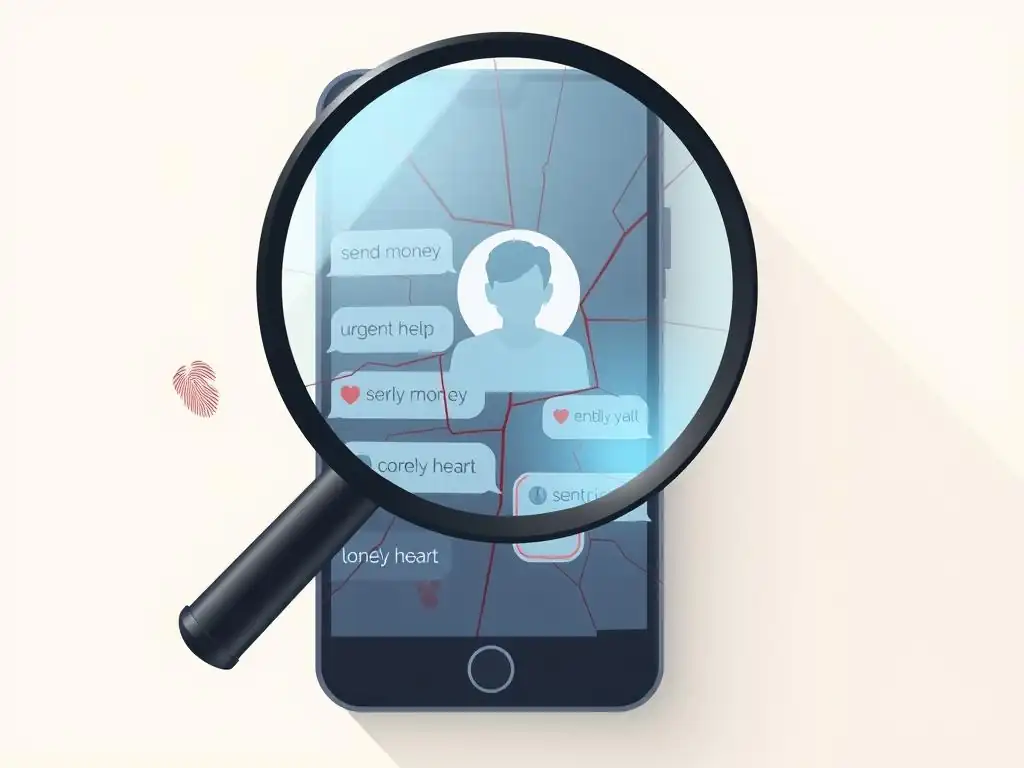
This section delves into sophisticated techniques to identify potential scammers on dating websites, going beyond the basics. Mastering these methods will significantly enhance your ability to protect yourself and avoid becoming a victim of online dating fraud. Remember, vigilance is key in the world of online dating. Effective "dating site scammer detection" requires a multi-pronged approach.
Analyzing Communication Patterns: Unrealistic Promises and Inconsistencies
Scammers often employ manipulative communication tactics to quickly gain your trust and elicit emotional responses. Identifying these patterns is crucial for effective scammer detection. Pay close attention to the following red flags:
- Unrealistic Promises: Be wary of individuals who make grandiose promises early in the relationship. Promises of quick riches, lavish gifts, or immediate commitment should raise serious concerns. For example, a scammer might claim to be a wealthy entrepreneur working overseas, promising to send you large sums of money or propose marriage after only a few virtual interactions. These are classic signs of a potential scam.
- Inconsistencies in their Story: Scammers often struggle to maintain consistent narratives. Their stories may contain contradictions or gaps in information. For instance, they might claim to be a doctor but lack specific knowledge about medical procedures, or describe their daily life in conflicting ways across different messages. This inconsistency is often a telltale sign.
- Pressure for Quick Commitment: Legitimate relationships develop gradually. If someone pushes you to make significant commitments (financial or otherwise) very quickly, be extremely cautious. This rapid escalation is a common tactic used to exploit your emotions and vulnerabilities.
- Excessive Compliments and Flattery: While genuine compliments are nice, excessive flattery, especially early in the interaction, should be viewed with suspicion. Scammers often use this tactic to manipulate their targets into trusting them.
Don't rely solely on the information presented on a dating profile. Conduct thorough background checks to verify their claims. Here's how:
- Reverse Image Search: Use a reverse image search engine (like Google Images or TinEye) to check if the profile pictures are genuine. This can reveal if the photos are stolen from another source or belong to someone else entirely. A mismatch between the profile picture and other online presence is a significant red flag.
- Social Media Checks: Try searching for the individual on various social media platforms (Facebook, Instagram, LinkedIn, etc.) using the name and other information provided on their dating profile. A lack of social media presence or inconsistencies between their online profiles and the dating profile can indicate a fabricated identity.
- Cross-Referencing Information: Compare the information provided on their dating profile with what you find on other platforms. Discrepancies in age, profession, location, or interests should be investigated further. This thorough cross-checking helps establish the authenticity of the profile.
- Professional Verification (if applicable): If they claim to have a specific profession, try verifying their credentials through professional directories or company websites. This step is particularly important when dealing with individuals who claim to be doctors, lawyers, or other professionals.
Protecting Your Personal Information: Safe Communication Practices and Data Security
Protecting your personal information is paramount when using dating websites. Never share sensitive details prematurely and always prioritize secure communication channels.
- Avoid Sharing Financial Information: Never share your bank account details, credit card numbers, or other financial information with anyone you meet online, regardless of how well you think you know them. This is a critical step in preventing financial scams.
- Secure Communication Channels: Stick to the messaging system provided by the dating website or app. Avoid sharing your email address, phone number, or other contact details until you have verified the person's identity and built a reasonable level of trust.
- Be Wary of Urgent Requests: Scammers often create a sense of urgency to pressure you into making quick decisions. If someone asks for money or personal information urgently, be suspicious. Take your time and carefully consider your actions.
- Regularly Review Your Privacy Settings: Regularly review and update your privacy settings on dating websites and social media platforms to limit the amount of personal information that is publicly accessible. This proactive measure minimizes your vulnerability to scammers.
This detailed guide provides a comprehensive approach to "dating site scammer detection". Remember, a combination of caution, critical thinking, and thorough investigation will significantly improve your online dating safety. Trust your instincts – if something feels wrong, it probably is.
How to Report Dating Site Scammers and Protect Yourself
Dating site scammer detection is crucial for your safety and well-being. While preventative measures are essential, knowing how to report suspicious activity and protect yourself after an encounter is equally important. This section outlines the steps you should take if you suspect you've encountered a scammer. Remember, reporting helps protect others from falling victim to the same scams.
Reporting Suspicious Activity: Procedures for Reporting Scammers on Various Platforms
Reporting a scammer varies depending on the platform you're using. It's crucial to utilize the reporting mechanisms provided by each dating website or app. Most platforms have a dedicated "report" or "block" button usually located on the user's profile page or within the messaging interface. This button often triggers an internal review process where moderators assess the reported profile or interaction for violations of the platform's terms of service.
Here's a general guide, but remember to always check the specific instructions on the platform you're using:
- Gather Evidence: Before reporting, collect as much evidence as possible. This includes screenshots of messages, profile pictures, and any other communication that reveals suspicious behavior. Note the user's username and any other identifying information provided.
- Follow the Platform's Instructions: Each platform has its own reporting procedure. Carefully read the instructions and follow them precisely. Providing detailed and accurate information significantly increases the chances of a successful investigation.
- Be Persistent: If you don't receive a response or feel your report wasn't adequately addressed, consider contacting the platform's customer support directly. Persistence is key to ensuring action is taken against scammers.
- Report to Law Enforcement: In cases involving significant financial loss or threats, don't hesitate to report the incident to your local law enforcement authorities. They can investigate the crime and potentially track down the scammer.
Protecting Your Financial Information: Avoiding Financial Scams and Phishing Attempts
Financial scams are a common tactic employed by online dating scammers. They often lure victims with promises of romance or investment opportunities, ultimately leading to substantial financial losses. Protecting your financial information requires vigilance and caution.
Here are some essential steps:
- Never Share Financial Details: Avoid sharing sensitive financial information like bank account numbers, credit card details, or social security numbers with anyone you meet online, regardless of how trustworthy they seem. Legitimate dating platforms will never request this information.
- Be Wary of Unsolicited Requests: Be suspicious of any unsolicited requests for money, gifts, or loans, especially early in the online relationship. This is a major red flag indicating a potential scam.
- Verify Requests Independently: If someone claims to need financial assistance, verify their story through independent sources before sending any money. Don't rely solely on their claims.
- Monitor Your Accounts Regularly: Regularly check your bank and credit card statements for any unauthorized transactions. This allows for early detection of fraudulent activity.
- Use Strong Passwords and Two-Factor Authentication: Protect your online accounts by using strong, unique passwords and enabling two-factor authentication whenever possible. This adds an extra layer of security to your accounts.
Seeking Support: Resources and Help for Victims of Online Dating Scams
Falling victim to an online dating scam can be emotionally distressing and financially damaging. It's important to remember that you're not alone, and resources are available to help you cope and recover.
- Victim Support Organizations: Several organizations specialize in providing support to victims of online scams. These organizations offer confidential counseling, legal advice, and practical assistance.
- Law Enforcement Agencies: Report the incident to your local law enforcement agency to file a formal complaint. They can investigate the crime and may be able to recover some of your losses.
- Financial Institutions: Contact your bank or credit card company immediately if you suspect fraudulent activity on your accounts. They can help you dispute unauthorized charges and take steps to protect your finances.
- Friends and Family: Don't hesitate to reach out to trusted friends and family members for emotional support and guidance during this difficult time. Talking about your experience can be cathartic and helpful in your recovery. Remember, seeking help is a sign of strength, not weakness. 🫂
Remember, staying vigilant and educated is the best defense against online dating scams. By following these steps and utilizing available resources, you can significantly reduce your risk and protect yourself from becoming a victim.
Staying Safe While Dating Online: Best Practices for Safe Online Dating
This section focuses on proactive measures you can take to minimize your risk of encountering dating site scammers. Remember, prevention is key in avoiding online dating scams. By implementing these best practices, you significantly reduce your vulnerability. This isn't about being paranoid; it's about being smart and informed. The goal is to enjoy the online dating experience while safeguarding your well-being and personal information. Effective dating site scammer detection starts with you.
Creating a Secure Profile: Protecting Your Privacy and Personal Information
Your online dating profile is your first impression. While you want to present yourself authentically and attractively, revealing too much personal information can make you a target. Avoid including details that could easily be used to identify you offline. This includes your full name (use a nickname if you prefer), exact address, workplace, phone number, and social media handles.
Think critically about the photos you upload. Avoid images that clearly show your home address, workplace, or license plate numbers. Consider using a profile picture that doesn't show your face directly—a well-chosen photo that partially obscures your identity is a good strategy. Remember, a scammer may use your image against you.
Here's a checklist for a safer profile:
- [ ] Use a nickname instead of your full name.
- [ ] Avoid posting photos that reveal identifying information (address, workplace, etc. ).
- [ ] Don't share your phone number or email address immediately.
- [ ] Be cautious about sharing your location.
- [ ] Keep your personal details private until you've built trust.
This proactive approach to profile creation is a crucial aspect of effective dating site scammer detection. A secure profile minimizes the information available to potential scammers, thereby reducing your risk.
Communicating Safely: Tips for Safe Online Interactions
Once you start communicating with potential matches, it's vital to maintain a healthy level of caution. Never rush into sharing personal details or meeting in person. Scammers often try to build rapport quickly, pushing for immediate intimacy or financial assistance. Pay attention to the red flags we'll discuss later in this article.
Always conduct your initial communications through the dating site's messaging system. Avoid switching to external platforms like email, text, or social media too soon. This allows the dating site to monitor interactions and intervene if necessary. Be wary of anyone who pressures you to move off the platform quickly.
Here are some additional tips for safe online interactions:
- Video calls can help verify someone's identity and build trust more quickly than text-based communication. Consider initiating a video call after a few messages to confirm their identity.
- Be cautious of overly romantic or complimentary messages. Scammers often use flattery to manipulate their targets.
- Never send money or gifts to someone you've only met online. This is a classic sign of a scam.
- If something feels off, trust your instincts. It's always better to err on the side of caution.
Remember, building trust takes time. Don’t let anyone rush you into anything you aren't comfortable with. This cautious approach to communication is a vital component of dating site scammer detection.
Building Healthy Relationships: Recognizing Healthy Relationship Dynamics
Healthy relationships are built on mutual respect, trust, and open communication. A healthy relationship will never involve coercion, manipulation, or financial exploitation. If someone you're communicating with exhibits any of these behaviors, it's a major red flag.
Consider these key aspects of healthy relationships:
| Healthy Relationship Characteristic | Unhealthy Relationship Characteristic |
|---|---|
| Mutual respect and trust | Control, manipulation, jealousy |
| Open and honest communication | Secretive behavior, dishonesty |
| Equal power dynamics | Power imbalance, coercion |
| Shared decision-making | One person making all the decisions |
| Respect for personal boundaries | Disregard for personal boundaries |
| Emotional support and understanding | Emotional abuse, manipulation |
Understanding these differences is crucial for dating site scammer detection. By recognizing the signs of an unhealthy relationship, you can protect yourself from manipulative and potentially dangerous individuals. Prioritize your safety and well-being above all else. Remember, a healthy relationship is built on mutual respect and trust, not coercion or pressure.
Frequently Asked Questions
How can I spot a scammer on a dating site?
Scammers often use fake profiles with stolen photos and inconsistent information. They may also ask for money or personal details very quickly. Be wary of anyone who seems too good to be true.
What are some common scammer tactics?
Common tactics include love bombing, creating a sense of urgency, and requesting financial assistance. They may also try to isolate you from friends and family. Beware of inconsistencies in their stories.
What should I do if I suspect someone is a scammer?
Immediately stop all communication. Report the profile to the dating site and block the user. Do not send money or share personal information. Consider reporting to the authorities if you've been defrauded.
How can I protect myself from dating site scams?
Verify profiles by checking for inconsistencies, reverse image searching photos, and being cautious about overly perfect profiles. Never share sensitive information, especially financial details. Meet in public places for your first few dates.
What are the warning signs of a romance scam?
Requests for money are a major red flag. Other warning signs include inconsistent stories, pressure to move the relationship quickly offline, and an inability to video chat. Trust your instincts – if something feels off, it probably is.
Final Reflection: The Enduring Fight Against Online Deception
The rise of online dating has unfortunately brought with it a parallel surge in sophisticated scams, making vigilance more crucial than ever. Protecting yourself from these predators isn't just about avoiding financial loss; it's about safeguarding your emotional well-being and maintaining trust in the digital world. The consequences of falling victim to a dating scam can be devastating, impacting self-esteem and leaving lasting emotional scars.
The pervasiveness of online dating scams highlights a larger societal shift – the blurring of lines between the virtual and the real. We're increasingly reliant on digital interactions to form connections, and this vulnerability is exploited by those seeking to manipulate and profit from others' desires for companionship. The internet is a powerful tool, but it's also a breeding ground for deception. We must learn to navigate it with caution and critical thinking.
This quote underscores the need for constant awareness and education in the face of evolving scam tactics. The emotional toll these scams take is often overlooked, leaving victims feeling betrayed and ashamed, further emphasizing the importance of preventative measures.
You now possess the knowledge to identify red flags and protect yourself. Take the time to review the warning signs discussed in this article, and actively apply them to your online dating experiences. Don't let the fear of rejection or the allure of a seemingly perfect match overshadow your common sense. Empower yourself with knowledge, and approach online dating with a healthy dose of skepticism and self-preservation. Your safety and well-being are paramount, and by staying alert, you can navigate the world of online dating with confidence and peace of mind.
Secure Your Online Dating Journey: Take Charge of Your Safety
Thank you for taking the time to learn about online dating safety! We hope this guide has provided you with valuable tools to protect yourself. Now, let's put that knowledge into practice.
Here are some steps you can take immediately to enhance your online dating experience:
- Review your dating profile: Carefully examine your profile for any personally identifiable information, such as your full address or workplace, and remove or modify it as needed. This is a crucial first step.
- Report suspicious behavior: If you encounter anything or anyone suspicious, report it to the dating platform immediately.
- Share this information: Help your friends and family stay safe online by sharing this article on social media—you never know who might find it helpful!
What other safety precautions would you recommend for online dating? Let's discuss in the comments!