
Red Flags in Dating Profiles: What to Watch Out For to Stay Safe

Ready to ditch the dating app disappointments and find genuine connection? At OnlineDatingSuccess.org, we're dedicated to helping you navigate the world of online dating with confidence. But beware – not every profile is what it seems. This article dives deep into online dating profile red flags, revealing the subtle (and not-so-subtle) signs to watch out for to protect yourself and ensure your online dating journey leads to meaningful relationships. Discover how to avoid scams and build a safer, more successful dating experience – let's get started!
-
Spotting Suspicious Online Dating Profiles: Key Red Flags
- Incomplete or Vague Profiles: Missing Information as a Warning Sign
- Photos That Are Too Perfect: Signs of Catfishing and Fake Profiles
- Inconsistencies in Profile Information: Discrepancies to Watch Out For
- Excessive Self-Promotion and Bragging: A Red Flag in Online Dating
- Grammar and Spelling Errors: Poor Communication as a Potential Issue
- Demands for Money or Financial Assistance: A Clear Sign of a Scam
- Pressure for an Immediate Meeting: Why Rushing is a Red Flag
- Unusual or Unrealistic Requests: Identifying Unreasonable Demands
- Understanding the Psychology Behind Dating Profile Red Flags
-
How to Protect Yourself from Online Dating Scams
- Verify Profile Information: Simple Steps to Cross-Check Details
- Use Reverse Image Search: Confirming Photo Authenticity
- Slow Down Communication: Avoid Rushing into Relationships
- Never Send Money or Personal Information: Protecting Your Finances
- Report Suspicious Profiles: Helping to Keep the Online Dating Community Safe
- Trust Your Instincts: Recognizing Your Gut Feeling
- Staying Safe While Dating Online: Best Practices
- Moving Forward Safely: Next Steps After Spotting a Red Flag
-
Frequently Asked Questions
- What are some common red flags in online dating profiles?
- How can I spot a fake profile on a dating site?
- What should I do if I encounter a red flag in a dating profile?
- How important is it to verify information from online dating profiles?
- Are there any specific red flags related to communication on dating sites?
- Final Reflection: Navigating the Digital Dating Landscape Safely
- Unlock Safer Dating: Spot the Red Flags & Find Your Match
Spotting Suspicious Online Dating Profiles: Key Red Flags
Navigating the world of online dating can be exciting, but it's crucial to be aware of potential risks. This article serves as your guide to identifying red flags in dating profiles, helping you stay safe and avoid potentially harmful situations. We'll explore common warning signs that indicate a profile might be fake, misleading, or associated with malicious intent. Understanding these red flags is the first step toward protecting yourself and ensuring a positive online dating experience. We'll delve into specific examples and offer practical advice to help you make informed decisions and prioritize your safety while searching for genuine connections. Remember, your safety and well-being are paramount, and being vigilant is key to a successful and secure online dating journey. This guide focuses on helping you identify potential scammers and avoid becoming a victim. Learning to recognize these red flags is an essential skill for anyone using online dating platforms.
Incomplete or Vague Profiles: Missing Information as a Warning Sign
Incomplete or vague profiles are a significant red flag in online dating. A profile lacking essential details often suggests an attempt to conceal identity or avoid scrutiny. Consider these points:
- Missing photos or blurry images: A profile with few or no clear photos, or only blurry or low-quality images, should raise suspicion. Legitimate daters typically include several photos to showcase their personality and appearance.
- Limited personal information: A lack of details about hobbies, interests, occupation, or lifestyle should be viewed with caution. A genuine profile usually offers enough information to start a conversation and gauge compatibility.
- Generic descriptions: Vague statements like "I love to have fun" or "I'm looking for someone special" without any specifics are often used to attract a wide range of people without revealing much about the person's actual personality or preferences.
- Avoidance of specific questions: If you attempt to engage in conversation and the person consistently avoids answering direct questions about their life or background, this is another significant red flag.
Remember, a profile that lacks substantial information makes it difficult to assess the person's authenticity and intentions. A genuine profile strives to provide enough details to build trust and facilitate meaningful connections. Be wary of profiles that seem too good to be true or lack the necessary information to build a connection.
Photos That Are Too Perfect: Signs of Catfishing and Fake Profiles
Highly polished, professional-looking photos can sometimes be a sign of a fake profile. While some people may genuinely have access to high-quality photography, be aware of these clues:
- Photos that look like they are from a photoshoot: Unnaturally perfect lighting, poses, and backgrounds often indicate that the photos are stock images or professionally taken for the specific purpose of creating an appealing online persona.
- Lack of casual or candid photos: A profile with only highly stylized photos may lack genuine representation of the person's everyday life and personality.
- Photos that are too similar to those found online: Reverse image searches can help you determine if the photos have been used on other profiles or websites. This is a common tactic used by catfishes and those creating fake profiles.
- Inconsistencies between photos and profile information: If the photos appear to be of a different age, ethnicity, or body type than described in the profile, this is a major red flag.
These inconsistencies signal a potential attempt to misrepresent oneself, which is a hallmark of catfishing or creating a fraudulent online persona. Always be cautious of profiles that seem overly perfect or lack the natural variation seen in genuine photo collections.
Inconsistencies in Profile Information: Discrepancies to Watch Out For
Inconsistencies in profile information are another strong indicator of potential deception. Pay close attention to these details:
- Conflicting information across different sections of the profile: For instance, a discrepancy between the stated age and the apparent age in the photos. Or, a mismatch between the stated occupation and the apparent lifestyle described in the profile.
- Grammar and spelling errors: While not always an indicator of deception, a high number of grammatical errors or spelling mistakes can suggest a lack of care or attention to detail, potentially hinting at a fake profile.
- Unrealistic claims or boastful language: Exaggerated claims about wealth, achievements, or lifestyle should be viewed with skepticism. Authentic profiles tend to present information in a more balanced and realistic manner.
- Overly generic or formulaic language: If the profile uses phrases that seem copied and pasted, or if the language sounds insincere or overly romantic, this could be a sign of a template or automated profile.
By carefully examining the details, you can identify inconsistencies and discrepancies that might indicate a deceptive or fraudulent profile. Remember, a genuine profile is characterized by consistency and transparency in the information provided. Be wary of profiles that lack this crucial element.
Excessive Self-Promotion and Bragging: A Red Flag in Online Dating
Excessive self-promotion is a major red flag in online dating profiles. While it's natural to want to present yourself in a positive light, a profile overflowing with boasts and self-aggrandizement can be a sign of insecurity or even manipulative tendencies. Instead of showcasing genuine personality traits and interests, these profiles often focus on material possessions, accomplishments, and physical attributes, often in an exaggerated or unrealistic manner. For example, a profile might repeatedly mention their expensive car, lavish lifestyle, or numerous business ventures without any supporting evidence or context.
This kind of boasting can be a way to attract attention but often masks a lack of genuine self-awareness and emotional maturity. Remember, genuine connection comes from shared values and interests, not from a laundry list of accomplishments. A truly confident person doesn't need to constantly tell you how amazing they are; their actions and genuine interactions will speak for themselves.
Look for profiles that highlight personality, interests, and values rather than simply listing achievements. Authenticity is key to building a meaningful connection online. Avoid profiles that seem more like a resume than a personal introduction.
Grammar and Spelling Errors: Poor Communication as a Potential Issue
While minor typos are understandable, consistent and significant grammar and spelling errors in an online dating profile can be a red flag. These errors can suggest a lack of attention to detail, poor communication skills, or even a deliberate attempt to appear less sophisticated than they actually are. This isn't about judging someone's education level; rather, it's about assessing their communication style and ability to express themselves clearly. Effective communication is crucial for building healthy relationships, both online and offline.
A profile riddled with errors might indicate difficulties in expressing thoughts and feelings clearly, which could lead to misunderstandings and conflict later on. Conversely, a well-written profile demonstrates care and attention to the process of creating a positive first impression. Consider it a small window into their overall communication style. Pay attention to the overall quality of writing, not just the presence or absence of errors.
Does the profile flow smoothly? Is the language used thoughtful and engaging? These are important aspects to consider when evaluating a potential match. Remember, online dating is about building connections, and clear communication is the foundation of any successful relationship.
Demands for Money or Financial Assistance: A Clear Sign of a Scam
Perhaps the most glaring red flag in online dating is a direct or indirect request for money or financial assistance. This is a classic hallmark of online dating scams, and should be treated with extreme caution. Scammers often create elaborate profiles, building rapport and trust before making their requests. These requests can range from seemingly small amounts of money for emergency situations to significant sums for investment opportunities. They might invent compelling stories of hardship or financial difficulty to elicit sympathy and encourage you to send money.
Never send money to someone you've only met online, regardless of how convincing their story might seem. Legitimate relationships don't involve financial transactions in the early stages. If someone asks for money, it's a clear indication that they are not interested in a genuine connection and are likely attempting to exploit you financially. Report such profiles to the dating platform immediately and block the user.
Remember, your safety and financial security should always come first. Protecting yourself from online scams is crucial for a positive and safe online dating experience. Never feel pressured to send money, and always trust your instincts. If something feels off, it likely is.
Pressure for an Immediate Meeting: Why Rushing is a Red Flag
Feeling rushed in online dating is a major red flag. Legitimate connections develop organically; they take time to build trust and comfort. Anyone pushing for an in-person meeting before you've had a chance to properly get to know each other through messaging and video calls is behaving suspiciously. This urgency often masks ulterior motives. They might be trying to avoid scrutiny, hide their true identity, or have something more nefarious in mind.
Think about it: would you trust someone who demands a face-to-face encounter before you've even exchanged a few meaningful conversations? Probably not. A genuine connection allows for a gradual progression, beginning with online communication, possibly moving to video calls, and only then considering a safe, public first meeting. Rushing this process significantly increases your risk of encountering dangerous individuals. Remember, safety should always be your priority in online dating.
Take your time, get to know your match, and don't let anyone pressure you into a situation you're uncomfortable with. Trust your instincts; if something feels off, it probably is. Prioritizing your safety and well-being is paramount. Don't be afraid to politely decline any requests that make you feel uneasy. Your safety is more important than seeming polite.
Unusual or Unrealistic Requests: Identifying Unreasonable Demands
Another significant indicator of a potentially dangerous profile is the presence of unusual or unrealistic requests. These requests often serve as a means for scammers to manipulate or exploit their targets. For example, requests for financial assistance, often disguised as emergencies or investment opportunities, are classic red flags. Similarly, requests for personal information beyond what's necessary for general communication should raise your suspicions. This could include requests for your full address, social security number, bank details, or other sensitive data.
Sharing this information prematurely exposes you to identity theft and financial fraud. Be wary of overly generous offers or promises that seem too good to be true. These are often used to lure victims into scams. Consider requests to send gifts or money as a major red flag, especially if the rationale behind the request is vague or unconvincing. Always remember that genuine connections don't involve such demands.
If someone you've met online makes unusual or unrealistic requests, it's best to immediately cease communication and report the profile to the dating platform. Protecting your personal information and financial security is crucial. Remember, legitimate relationships are built on mutual respect, trust, and transparency – not on demands or pressure. Prioritize your safety and well-being above all else in your online dating journey.
Understanding the Psychology Behind Dating Profile Red Flags

Online dating profile red flags aren't just random inconsistencies; they're often deliberate attempts to manipulate or deceive. Understanding the psychology behind these flags is crucial to effectively identifying and avoiding potentially harmful situations. Scammers and those with malicious intent utilize psychological principles to prey on vulnerabilities, hoping to gain trust and ultimately exploit their victims. This section delves into the motivations and methods used to create deceptive profiles and engage in manipulative communication. Learning to recognize these patterns empowers you to protect yourself and make informed decisions.
Why Scammers Create Fake Profiles: Understanding their Motivations
The motivations behind creating fake online dating profiles are multifaceted, but often boil down to financial gain, emotional exploitation, or a desire for control. Financial scams are prevalent, with perpetrators aiming to extract money through various schemes, often involving fabricated emergencies or investment opportunities. For example, a scammer might create a profile portraying a wealthy individual facing unexpected financial hardship, appealing to the target's empathy and generosity. The scammer then uses this established trust to request financial assistance.
Other motivations include the thrill of manipulation, a need for validation, or even a desire to inflict emotional harm. Understanding these diverse motivations helps to contextualize the red flags you might encounter. It’s important to remember that these individuals are skilled manipulators, often employing sophisticated techniques to build rapport and gain trust quickly. This is why vigilance and skepticism are essential.
How to Identify Emotional Manipulation Tactics: Recognizing Red Flags in Communication
Emotional manipulation is a cornerstone of many online dating scams. Scammers often employ tactics designed to evoke strong emotional responses – empathy, sympathy, or even infatuation – to lower your defenses and make you more susceptible to their schemes. This often involves:
- Love bombing: An overwhelming display of affection and attention in the early stages of communication. This rapid escalation of intimacy is designed to create a strong emotional bond quickly, bypassing normal relationship development.
- Gaslighting: Making you doubt your own perceptions and memories. A scammer might deny saying something they did, or twist events to make you feel confused and insecure.
- Guilt-tripping: Making you feel guilty for questioning their behavior or expressing concerns. This tactic is used to control your actions and prevent you from seeking help or advice from others.
- Playing the victim: Presenting themselves as constantly wronged or misunderstood to garner sympathy and prevent you from holding them accountable for their actions.
These tactics are subtle but powerful. Pay close attention to the overall tone and pattern of communication. If something feels "off" or too good to be true, trust your instincts. Remember, healthy relationships are built on mutual respect, trust, and open communication, not manipulation and control. Consistent inconsistencies and evasiveness are also key indicators.
Recognizing Pressure Tactics and Controlling Behavior: Early Warning Signs
Pressure tactics and controlling behavior are significant red flags in online dating. These tactics aim to isolate you from your support network and exert undue influence over your decisions. This might manifest as:
- Rapid escalation of the relationship: Expecting commitment or exclusivity very early on, without proper time for getting to know each other.
- Isolation from friends and family: Discouraging you from spending time with loved ones or seeking their advice.
- Controlling your finances: Requesting access to your bank accounts or pressuring you into making financial decisions.
- Threats or intimidation: Using fear or coercion to manipulate your behavior.
- Excessive jealousy or possessiveness: Expressing unreasonable anger or suspicion about your interactions with others.
These behaviors are indicative of a potentially abusive relationship. It's crucial to recognize these warning signs early on and prioritize your safety and well-being. Remember, a healthy relationship should be built on mutual respect, trust, and open communication—not control and manipulation. If you encounter these red flags, do not hesitate to end contact immediately and seek support from trusted friends, family, or professionals. Your safety and emotional well-being are paramount.
How to Protect Yourself from Online Dating Scams
This section focuses on practical strategies to mitigate the risks associated with online dating scams. Understanding common red flags is crucial, but equally important is proactively implementing protective measures. Remember, your safety and well-being are paramount. By employing these techniques, you significantly reduce your vulnerability to deceptive individuals. We'll explore simple yet effective methods to verify information, authenticate photos, and manage the pace of online interactions. This proactive approach is key to navigating the online dating world safely and successfully. The goal is to build genuine connections, not fall victim to scams. Let's delve into the specifics.
Verify Profile Information: Simple Steps to Cross-Check Details
Verifying profile information is a cornerstone of safe online dating. Don't rely solely on what's presented; take the initiative to corroborate details. A seemingly innocuous discrepancy can be a significant red flag. For instance, a claimed profession can be easily checked via a quick online search. Inconsistencies between a profile's stated location and the user's claimed employment history should raise suspicion. Similarly, vague or overly generic descriptions of hobbies or interests can signal a lack of authenticity. Remember, consistency is key.
Here's a simple checklist for verifying profile details:
- Profession: Use LinkedIn or other professional networking sites to cross-reference claimed occupations.
- Location: Check for inconsistencies between stated location and other profile details (e.g., work history, photos).
- Education: Verify educational claims using publicly available university directories or alumni databases.
- Photos: Use reverse image searches (discussed in the next section) to check for image duplication or misrepresentation.
- Interests: Look for genuine detail; overly generic interests may indicate a fabricated profile.
By undertaking these simple checks, you significantly reduce the chances of interacting with a fraudulent profile. Remember, a little due diligence can go a long way in protecting yourself from online dating scams. Don't hesitate to question inconsistencies – it’s better to be cautious than sorry. This proactive approach is a crucial element in your online dating safety strategy.
Use Reverse Image Search: Confirming Photo Authenticity
One of the most effective ways to identify fake profiles is through reverse image searches. This simple technique allows you to determine if a profile picture has been stolen or is being used deceptively across multiple platforms. Many search engines, including Google and Bing, offer this functionality. Simply upload the image or provide its URL, and the search engine will return similar images found online. If the image appears on multiple dating profiles or unrelated websites, it’s a strong indicator of a potentially fraudulent account.
Consider these points when conducting a reverse image search:
- Multiple Matches: Numerous instances of the same image across various platforms is a major red flag.
- Inconsistencies: Discrepancies between the image and other profile details further confirm suspicion.
- Stock Photos: Be wary of stock photos; these are frequently used by scammers to create fake profiles.
Using reverse image searches is a proactive step in verifying the authenticity of online dating profiles. It's a quick and easy method that can significantly reduce your risk of encountering fraudulent activity. This simple tool empowers you to take control of your online safety and make informed decisions about who you interact with. It is a vital part of navigating the complexities of online dating safely.
Slow Down Communication: Avoid Rushing into Relationships
Scammers often employ pressure tactics to rush potential victims into relationships. They may shower you with excessive compliments, profess deep feelings quickly, or make grand promises early in the interaction. This is a classic red flag. Genuine relationships develop organically, taking time to build trust and understanding. Resist the urge to rush into anything; take your time getting to know someone.
Here's how to avoid being rushed:
- Maintain Healthy Boundaries: Don't share personal information too readily.
- Verify Information Independently: Don't solely rely on what you're told; conduct your own research.
- Trust Your Instincts: If something feels off, it probably is. Don't ignore your intuition.
- Video Calls: Suggest a video call to verify the person's identity and build trust.
Remember, building a meaningful relationship requires patience and trust. Don't let pressure tactics undermine your judgment. By slowing down communication and maintaining healthy boundaries, you significantly reduce your risk of falling victim to online dating scams. This cautious approach is key to ensuring your safety and well-being while navigating the online dating world. Prioritize genuine connections over rushed interactions.
Never Send Money or Personal Information: Protecting Your Finances
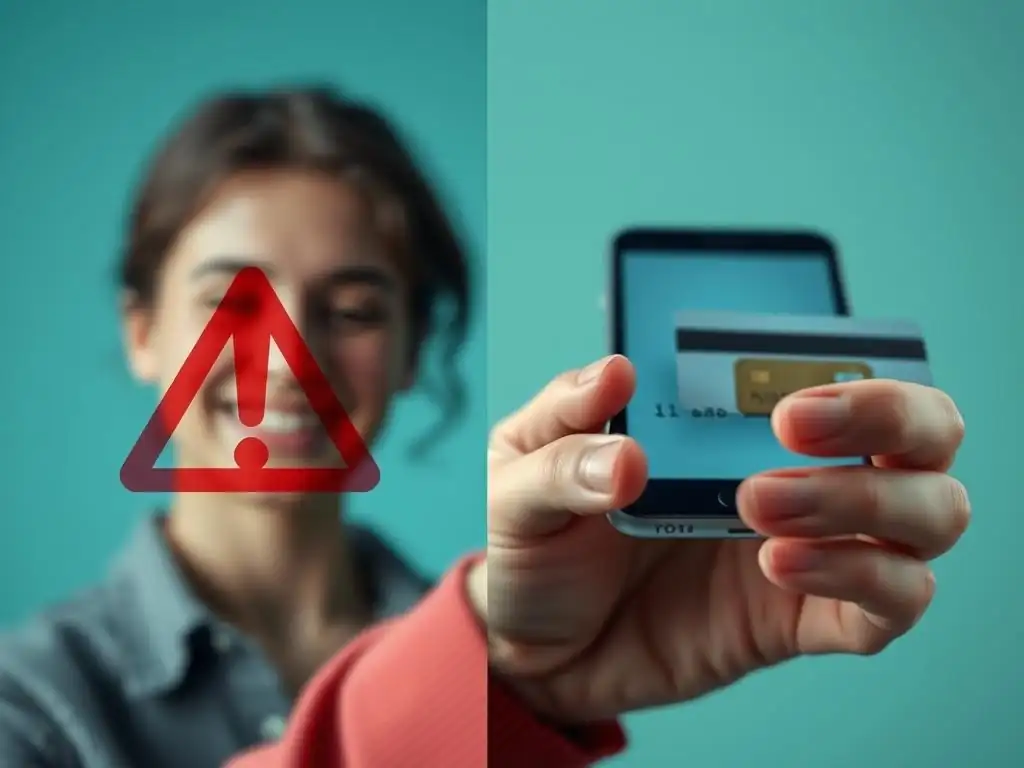
This is perhaps the most crucial aspect of online dating safety. Legitimate daters will never ask you for money or your sensitive personal information, such as bank details, social security numbers, or passport information, early in the relationship. Requests for financial assistance, often disguised as emergencies or unexpected hardships, are classic scammer tactics. They may feign a desperate situation, promising repayment or lavish rewards later.
Remember, true connection is built on trust and mutual respect, not financial transactions. Never share your financial details with someone you've only met online, regardless of how charming or convincing they may seem. If someone pressures you for money, it's a major red flag indicating a potential scam. Protect your financial well-being by firmly refusing all such requests and immediately reporting the user.
Consider setting up separate bank accounts and credit cards for online interactions to further minimize your risk. Regularly monitor your accounts for any unauthorized activity. Your financial security is paramount, and prioritizing it will help you avoid significant emotional and financial distress. Remember, a genuine connection doesn't hinge on financial transactions.
Report Suspicious Profiles: Helping to Keep the Online Dating Community Safe
Reporting suspicious profiles is not just about protecting yourself; it's about contributing to a safer online dating environment for everyone. Many dating platforms provide mechanisms to report users exhibiting suspicious behavior, such as those who are clearly violating the platform's terms of service, requesting money, or displaying manipulative behavior. Take advantage of these reporting tools.
Detailed reports, including screenshots of concerning messages or profile information, are invaluable in helping dating platforms identify and remove scammers. Even if you're unsure whether a profile is entirely fraudulent, reporting it is always better than ignoring it. Your report can help prevent others from falling victim to the same scammer.
Remember, reporting doesn't just protect others; it also helps improve the overall quality of the online dating experience. By actively participating in reporting, you contribute to a more secure and trustworthy community where genuine connections can thrive. Think of it as a collective effort to combat online dating fraud.
Trust Your Instincts: Recognizing Your Gut Feeling
Your intuition is a powerful tool. If something feels off about a profile, a message, or a potential date, trust your gut feeling. Don't dismiss those initial reservations or uneasy sensations. Scammers are often masters of manipulation, but your instincts can often detect inconsistencies or red flags that your conscious mind might miss.
Perhaps their story seems too perfect, their responses are evasive, or their profile lacks genuine personal details. Maybe they're constantly making excuses for why they can't meet in person or video chat. These are all potential signs that something isn't right. It's okay to be cautious and to prioritize your safety.
If something doesn't feel right, it's perfectly acceptable to end the conversation or interaction immediately. Don't feel pressured to continue engaging with someone who makes you feel uncomfortable. Prioritizing your safety and well-being should always be your top priority. Remember, a genuine connection will not involve pressuring you to ignore your instincts or compromise your safety.
Staying Safe While Dating Online: Best Practices
Online dating offers exciting possibilities, but safety should always be your top priority. Navigating this landscape requires proactive measures and a healthy dose of skepticism. This section focuses on practical steps you can take to minimize risks and maximize your chances of a positive experience. Remember, your safety is paramount, and no connection is worth compromising your well-being. Understanding and implementing these best practices is crucial in your journey to finding meaningful connections while staying safe online. This proactive approach to online dating safety is key to avoiding potential "online dating profile red flags".
Prioritizing Your Safety: A Holistic Approach to Online Dating
Protecting yourself online starts long before you even exchange messages. It involves a multi-layered approach, encompassing profile creation, communication strategies, and responsible online behavior. Consider these crucial steps:
- Create a strong, but not revealing, profile: Showcase your personality and interests without divulging overly personal information. Avoid posting your exact location, workplace address, or full name. Use a profile picture that accurately represents you, but avoid anything too revealing. Think carefully about what information you share, considering the potential risks associated with each piece of data.
- Verify profiles: Many online dating platforms offer verification features. Use them! Verified profiles offer a degree of assurance, though they are not foolproof. Look for indicators that a profile is genuine, such as multiple pictures, detailed descriptions, and consistent information across different social media platforms (if available and you've taken the precaution of checking).
- Meet in public places: For your initial meetings, always choose well-lit, public locations. Let a friend or family member know where you're going, who you're meeting, and when you expect to be back. This simple step can be a lifesaver.
- Trust your instincts: If something feels off, it probably is. Don't feel pressured to continue interacting with someone who makes you uncomfortable, regardless of how charming or persuasive they may seem. Your gut feeling is often your best guide.
- Background checks (optional, but recommended): For serious relationships, consider conducting a background check – this is an additional layer of security, but remember to respect privacy laws.
Building Healthy Communication Habits: Protecting Yourself Through Interaction
The way you communicate online can significantly impact your safety. Avoid revealing too much personal information too early. Pay attention to red flags in their communication style. Here's how to build healthy communication habits:
- Slow and steady: Don't rush into deep conversations or sharing sensitive information. Take your time to get to know someone before revealing personal details.
- Watch for inconsistencies: Be wary of profiles with vague or contradictory information. Look for inconsistencies in their stories or explanations.
- Beware of pressure: If someone pressures you to meet quickly or share personal information, it's a significant red flag. Healthy relationships are built on trust and respect, not pressure.
- Report suspicious activity: If you encounter a suspicious profile or experience harassment, report it to the dating platform immediately. Many platforms have robust reporting mechanisms in place.
- Use a separate email address: Consider creating a dedicated email address for online dating to maintain privacy and avoid unwanted spam or unwanted contact outside the platform.
Utilizing Online Dating Platform Safety Features: Leveraging Built-in Protection
Most online dating platforms offer various safety features designed to protect users. Familiarize yourself with these tools and use them actively.
- Blocking and reporting: Learn how to block users and report inappropriate behavior. These features are crucial for managing unwanted interactions and protecting yourself from harassment.
- Privacy settings: Adjust your privacy settings to control who can see your profile and contact you. Limit access to your information to increase your level of security.
- Two-factor authentication: Enable two-factor authentication (2FA) wherever possible. This adds an extra layer of security to your account, making it much harder for unauthorized individuals to access your profile.
- Review platform policies: Familiarize yourself with the platform's safety guidelines and reporting procedures. Knowing how to use these features effectively is key to staying safe.
- Regularly review your profile: Periodically review your profile to ensure you haven't inadvertently shared too much personal information. Removing unnecessary details can further enhance your security. This is an ongoing process of managing your online dating profile red flags.
Remember, staying safe online requires constant vigilance and proactive measures. By implementing these best practices, you can significantly reduce your risks and enjoy the benefits of online dating with greater confidence and peace of mind.
Moving Forward Safely: Next Steps After Spotting a Red Flag

Once you've identified a red flag in an online dating profile – whether it's inconsistent information, overly generic phrasing, or a suspicious request for money – it's crucial to take immediate action to protect yourself. Ignoring these warning signs can lead to frustrating experiences, wasted time, and, in some cases, serious harm. This section outlines the steps you should take to ensure your safety and well-being. Remember, your safety and peace of mind are paramount in the online dating world.
Blocking and Reporting Suspicious Users: Taking Action
The most direct way to deal with a suspicious profile is to block and report the user. Most online dating platforms provide straightforward mechanisms for doing so. Blocking prevents the user from contacting you further, while reporting alerts the platform's moderators to potentially fraudulent or harmful activity. Don't hesitate to use these tools; they're designed to protect users like you.
Documenting the profile and the suspicious activity (screenshots, for example) can be helpful when reporting. Consider the specifics of the red flag: was it a request for financial assistance, an unusually generic profile, or inconsistencies in their provided information? Providing this detail to the platform will assist them in their investigation and help them identify and remove problematic users more quickly. Many dating sites have dedicated email addresses or help centers for reporting suspicious behavior.
Use these resources; they're there to help. Remember, reporting suspicious profiles is not just about protecting yourself; it's about contributing to a safer online dating environment for everyone. Taking this action is a significant step in maintaining a positive experience.
Moving On and Finding Genuine Connections: Maintaining a Positive Outlook
After encountering a suspicious profile, it’s natural to feel frustrated or even discouraged. However, it’s important to remember that not everyone online is trying to deceive you. Many genuine and kind people use online dating to find meaningful connections. Focus on maintaining a positive outlook and continuing your search.
Review your own profile to ensure it accurately reflects who you are and what you're looking for. A clear and honest profile can help attract compatible matches. Remember the red flags you've learned to recognize, and use that knowledge to make informed decisions about who you interact with. Engage in conversations that feel natural and authentic.
Don't rush into anything; take your time to get to know someone before sharing personal information or meeting in person. Remember, building trust takes time, and it's crucial to prioritize your safety and emotional well-being throughout the process. Finding genuine connections requires patience and persistence, but the reward of finding someone compatible is worth it.
Resources for Further Assistance: Where to Find Support and Information
While online dating platforms offer reporting mechanisms, additional resources can provide support and guidance. Many organizations specialize in online safety and fraud prevention. These resources can offer valuable information, tips, and support if you encounter further issues or need additional guidance. They often provide advice on identifying scams, protecting your personal information, and navigating difficult online interactions.
Remember that seeking help is a sign of strength, not weakness. Don't hesitate to reach out if you need support or have any questions. Your safety and well-being are paramount, and there are resources available to help you maintain a positive and safe online dating experience. Looking for external support can provide you with valuable tools and strategies for moving forward with confidence and building genuine connections online.
Frequently Asked Questions
What are some common red flags in online dating profiles?
Several red flags include vague profiles, lack of photos, or photos that seem professionally done or stolen. Suspicious profiles often contain inconsistencies or excessive negativity. Look for missing or limited personal information.
How can I spot a fake profile on a dating site?
Fake profiles often have stock photos, limited personal information, or grammatical errors. They may also send generic messages or ask for money or personal details very quickly. Be wary of profiles that seem too good to be true.
What should I do if I encounter a red flag in a dating profile?
If you notice a red flag, don't engage further. Report the profile to the dating site's moderators. It's better to be cautious and avoid potentially harmful situations. Prioritize your safety.
How important is it to verify information from online dating profiles?
It's crucial to verify information whenever possible. Don't solely rely on what's written; use reverse image searches for photos and be cautious about sharing personal details before you've built trust through multiple interactions.
Be wary of individuals who are excessively complimentary too quickly, avoid answering direct questions, or pressure you to move the conversation offline quickly. Pay attention to inconsistencies in their stories and demands for money or favors.
The rise of online dating has revolutionized romance, but it's also created a new landscape of potential pitfalls. Understanding the red flags present in dating profiles is no longer a matter of caution; it's a crucial skill for navigating this increasingly complex world and ensuring personal safety. Ignoring these warning signs can have serious consequences, impacting not only your emotional well-being but also your physical safety.
The pervasiveness of online dating means that the lessons learned from identifying red flags are constantly evolving, adapting to new trends and scams. The subtle nuances of deception are constantly being refined, making vigilance an ongoing necessity. The only way to do great work is to love what you do.
While this quote from Steve Jobs might seem unrelated, its essence applies here: Loving and respecting yourself enough to protect your well-being requires active participation in recognizing and avoiding potential dangers. This includes understanding the subtle and not-so-subtle red flags that can signal trouble in online dating profiles.
You, the reader, now possess a valuable toolset for navigating the digital dating world. Don't simply passively consume this information; actively integrate these insights into your online dating experience. Scrutinize profiles carefully, trust your intuition, and prioritize your safety above all else. Remember, a healthy relationship begins with a foundation of respect, transparency, and mutual understanding – and recognizing red flags is the first step towards building that foundation. Take control of your online dating journey, and may your experience be one filled with genuine connection and respect.
Unlock Safer Dating: Spot the Red Flags & Find Your Match
Thank you for learning how to spot red flags in online dating profiles! You've gained valuable knowledge to protect yourself and make smarter choices. Ready to apply this knowledge?
- Review your own profile: Are you unintentionally projecting any red flags? Take a fresh look and ensure you present yourself honestly and safely.
- Discuss dating safety with a friend: Sharing strategies and experiences can significantly improve online safety for everyone.
- Practice identifying red flags: Try analyzing online profiles (without contacting anyone) to hone your skills and better protect yourself.
Have you ever encountered a particularly subtle or surprising red flag? Share your experiences in the comments below!