
Attachment Styles and Online Dating Expectations: Setting Realistic Goals


Ready to unlock the secrets to fulfilling online dating experiences? At OnlineDatingSuccess.org, we empower you to navigate the world of online romance with confidence. But are your attachment style expectations hindering your success? Discover how understanding your attachment style can transform your online dating journey, leading you towards more meaningful connections. Dive into our insightful article on "Online dating attachment style expectations" to learn how to set realistic goals and find the love you deserve.
- Understanding Your Attachment Style and its Impact on Online Dating
- Online Dating Expectations Based on Attachment Style
- Navigating Online Dating Challenges with Different Attachment Styles
- Strategies for Success in Online Dating Considering Attachment Style
-
Frequently Asked Questions
- How do attachment styles affect my online dating experience?
- What are realistic expectations regarding communication in online dating, considering attachment styles?
- Can I find a compatible partner despite having an "insecure" attachment style?
- How do I manage my expectations about the speed of finding a relationship online?
- What are some red flags to watch out for in online dating related to attachment styles?
- Final Reflection: Rewiring Expectations in the Digital Age of Love
- Unlock Your Dating Potential: Set Yourself Up for Success
Understanding Your Attachment Style and its Impact on Online Dating
Navigating the world of online dating can be challenging, even for the most seasoned romantics. Success often hinges on more than just a captivating profile picture; it's deeply intertwined with our understanding of ourselves and our relationship patterns. This article delves into the crucial connection between attachment styles and online dating expectations, helping you set realistic goals and foster healthier, more fulfilling connections.
Understanding your attachment style – whether secure, anxious, or avoidant – is key to navigating the complexities of online dating and avoiding common pitfalls. By recognizing your tendencies and expectations, you can proactively create a more positive and successful online dating experience, ultimately leading to more meaningful relationships. We'll explore how your attachment style impacts everything from profile creation to communication and boundary setting, empowering you to approach online dating with greater self-awareness and intention.
Let's embark on this journey of self-discovery to unlock your online dating potential! 🎉
Identifying Your Attachment Style: Secure, Anxious, Avoidant
Understanding your attachment style is the first step towards online dating success. Attachment theory suggests we develop distinct patterns of relating to others based on our early childhood experiences. These patterns significantly influence how we approach romantic relationships, including those formed online.
There are three main attachment styles:
- Secure Attachment: Securely attached individuals generally have a positive view of themselves and others. They feel comfortable with intimacy and independence, seeking healthy relationships built on trust and mutual respect. In online dating, they tend to have realistic expectations, communicate openly, and are less likely to experience extreme highs and lows based on online interactions.
- Anxious Attachment: Individuals with an anxious attachment style often have a negative view of themselves and a positive view of others. They crave intimacy and validation but fear abandonment. Online, this can manifest as constantly checking messages, overthinking interactions, and becoming overly invested too quickly. They might struggle with setting boundaries and may experience intense emotional reactions to perceived rejection or lack of responsiveness.
- Avoidant Attachment: Avoidantly attached individuals often have a positive view of themselves but a negative view of others. They value independence and may fear intimacy or commitment. In online dating, they might limit communication, avoid vulnerability, and struggle with emotional closeness. They may appear distant or uninterested, even if they are secretly hoping for a connection.
Understanding which category best describes you is crucial. Consider your past relationships and how you generally interact with others. Are you comfortable with intimacy? Do you tend to overthink interactions? Do you value independence above all else? Answering these questions honestly will illuminate your attachment style and help you navigate online dating with greater self-awareness.
How Attachment Style Influences Online Dating Profile Creation
Your attachment style significantly impacts how you present yourself online. A well-crafted profile is crucial for attracting compatible partners, and understanding your inherent biases is vital for creating an authentic and effective one.
| Attachment Style | Profile Tendencies | Potential Pitfalls | Strategies for Improvement |
|---|---|---|---|
| Secure | Balanced, honest, realistic expectations | May appear too straightforward or lack a "hook" | Add a touch of personality and humor; highlight unique qualities |
| Anxious | May overshare personal information; overly positive profile | Can appear desperate or clingy; unrealistic expectations | Focus on strengths; avoid overly self-deprecating language |
| Avoidant | Minimal information; vague or impersonal profile | May appear uninterested or unapproachable; difficulty connecting | Be more specific about interests; showcase personality subtly |
For example, someone with an anxious attachment style might create a profile that's overly positive and desperate for connection. Conversely, an avoidant individual might create a minimalistic profile lacking in personal detail, potentially hindering their chances of attracting compatible matches. By recognizing these tendencies, you can create a profile that accurately reflects your personality while minimizing potential pitfalls.
Attachment Style and Communication in Online Dating: Setting Healthy Boundaries
Effective communication is the cornerstone of any successful relationship, and online dating is no exception. Your attachment style profoundly influences how you communicate, impacting the quality of your interactions and the potential for building meaningful connections.
Setting healthy boundaries is essential, regardless of your attachment style. Anxiously attached individuals might struggle with setting limits, leading to over-communication or neglecting their own needs. Avoidantly attached individuals may struggle with expressing their feelings or establishing clear expectations. Securely attached individuals are generally better at establishing and maintaining healthy boundaries.
Remember, online dating is a process. It's okay to take your time, to be selective, and to prioritize your own well-being. By understanding your attachment style and its influence on your communication, you can cultivate healthier relationships, both online and offline. Learning to communicate your needs and respect the boundaries of others is crucial for creating a positive and fulfilling online dating experience. This includes setting clear expectations about communication frequency, avoiding overly intense interactions early on, and respecting the other person's need for space. Remember, healthy relationships are built on mutual respect and understanding.
Online Dating Expectations Based on Attachment Style
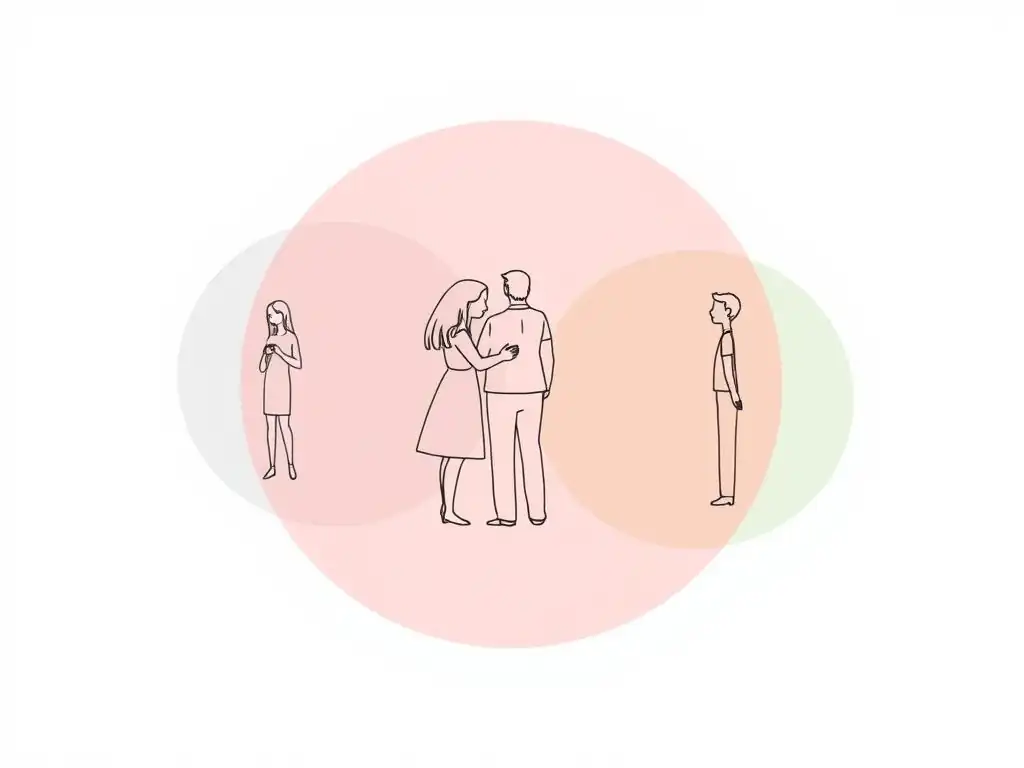
Understanding your attachment style is crucial for navigating the complexities of online dating and setting realistic expectations. Different attachment styles—secure, anxious, and avoidant—lead to varying approaches to relationships and, consequently, different experiences in the online dating world. This section explores how these styles influence expectations and offers strategies for managing them. Successfully navigating online dating involves self-awareness and adjusting your approach to align with your attachment style. This will improve your chances of finding a compatible partner and building a healthy relationship. Ignoring your attachment style can lead to disappointment and repeated negative patterns.
Realistic Expectations for Securely Attached Individuals in Online Dating
Securely attached individuals generally have a healthy sense of self and comfortable intimacy. They tend to approach online dating with a balanced perspective, understanding that finding a compatible partner takes time and effort. Their expectations are typically realistic and grounded in the understanding that not every connection will lead to a long-term relationship.
They prioritize building genuine connections over superficial interactions. They're less likely to idealize potential partners or become overly invested too quickly. Instead, they focus on getting to know individuals authentically, appreciating both the positive and negative aspects of each person they meet.
Secure individuals tend to communicate their needs and boundaries clearly and respectfully, fostering healthy communication from the outset. They approach rejection with resilience, understanding that it’s a normal part of the dating process. They don't personalize rejection and maintain a positive self-image regardless of the outcome of a particular interaction.
Their online dating experience is often characterized by a healthy balance of optimism and realism. They know what they want in a partner but are open to possibilities beyond their initial expectations. This flexibility and emotional maturity often lead to more fulfilling and sustainable relationships.
Managing Expectations for Anxiously Attached Individuals in Online Dating
Anxiously attached individuals often crave intimacy and validation, which can lead to unrealistic expectations in online dating. They might over-analyze messages, constantly seek reassurance, and become overly invested in potential partners early on. This can manifest as excessive texting, frequent checking of dating apps, and a tendency to jump to conclusions based on limited information.
Managing expectations requires conscious effort. Anxiously attached individuals should focus on self-soothing techniques to manage anxiety, such as mindfulness exercises or journaling. They should prioritize self-care and avoid relying solely on validation from potential partners. Setting boundaries is crucial; they should avoid excessive communication or constant contact in the early stages of getting to know someone.
It's important for anxiously attached individuals to remember that a lack of immediate response doesn't necessarily mean rejection. They should practice patience and avoid catastrophizing potential negative outcomes. They should also actively challenge negative thought patterns and replace them with more realistic and balanced perspectives. Professional guidance, such as therapy, can be incredibly helpful in addressing underlying anxieties and developing healthier relationship patterns. Learning to trust the process and appreciate the journey, rather than solely focusing on the outcome, is key.
Setting Realistic Goals for Avoidantly Attached Individuals in Online Dating
Avoidantly attached individuals often fear intimacy and commitment, leading them to subconsciously sabotage potential connections. They might create unrealistic expectations, such as expecting instant compatibility or avoiding vulnerability. They may also prioritize independence to the point of neglecting potential relationships. This often manifests as inconsistent communication, reluctance to share personal information, and a tendency to withdraw emotionally.
Setting realistic goals for avoidantly attached individuals involves acknowledging their fear of intimacy. They need to understand that healthy relationships require vulnerability and emotional connection. They should start by setting small, achievable goals, such as engaging in brief, non-committal conversations online before progressing to in-person meetings.
Gradually increasing the level of emotional investment is crucial. They should practice self-reflection to identify and challenge their avoidance behaviors. Understanding the root causes of their attachment style can be empowering and help them develop more constructive approaches to relationships. Therapy or counseling can provide valuable support in this process, helping them navigate their fears and develop healthier coping mechanisms. Focusing on building trust in themselves and others is essential for fostering meaningful connections. They need to learn that emotional intimacy doesn't equate to loss of independence.
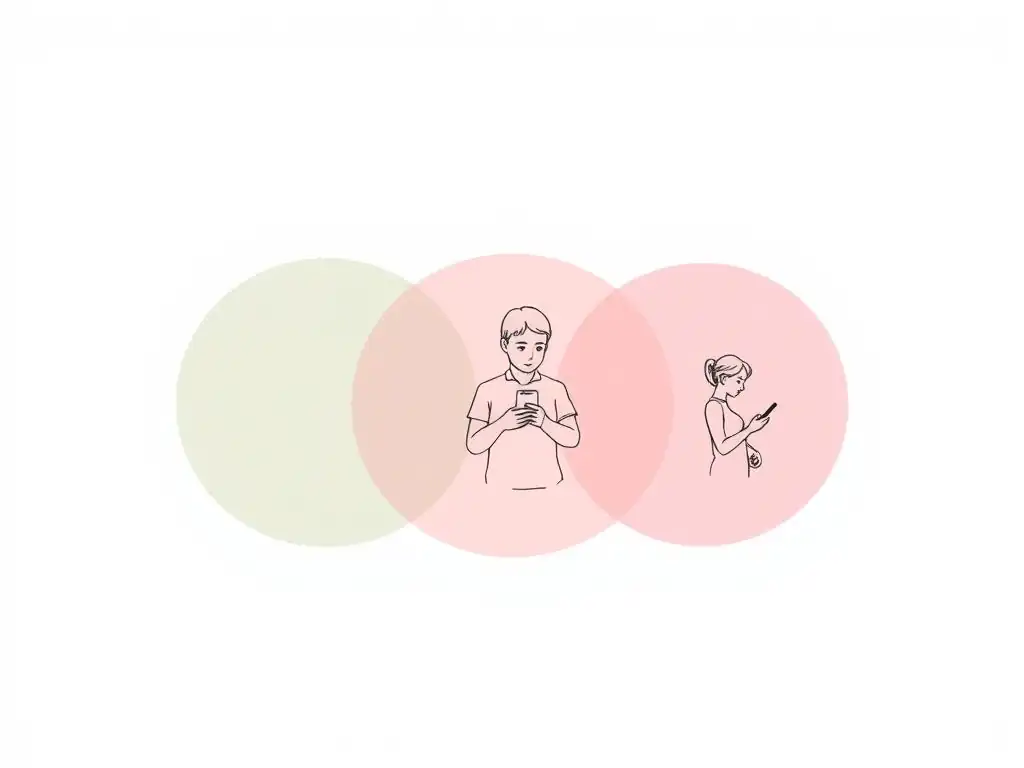
Online dating presents unique challenges, amplified by individual attachment styles. Understanding your attachment style—whether secure, anxious-preoccupied, dismissive-avoidant, or fearful-avoidant—is crucial for setting realistic expectations and navigating the complexities of online interactions. Ignoring your attachment style can lead to frustrating experiences, repeated negative patterns, and ultimately, hinder your ability to form meaningful connections.
This section explores how different attachment styles manifest in online dating, offering practical strategies for managing potential pitfalls. The goal is to help you leverage self-awareness to improve your online dating experience and increase your chances of finding a compatible partner. Mastering the nuances of online dating and your attachment style is key to unlocking successful relationships.
Dealing with Rejection in Online Dating Based on Attachment Style
Rejection is an inevitable part of online dating. However, how we experience and process rejection is heavily influenced by our attachment style.
- Securely attached individuals: Tend to handle rejection with relative ease. They understand that not every connection will be a match and can move forward without excessive self-blame or emotional distress. They might analyze what went wrong in a constructive way, but avoid dwelling on the negative. For example, a securely attached person might view a lack of response as simply a mismatch in preferences and readily move on to the next profile.
- Anxiously attached individuals: Often experience rejection intensely, interpreting it as a personal failure or confirmation of their fears of unworthiness. They may overanalyze messages, read into silences, and repeatedly contact potential partners, leading to further rejection. A common scenario is sending multiple messages without receiving a response, leading to feelings of anxiety and self-doubt.
- Dismissively attached individuals: May appear unaffected by rejection on the surface. However, they might use rejection as confirmation of their belief that intimacy is unnecessary or undesirable. They may quickly move on to the next potential partner, avoiding deeper emotional engagement. They might rationalize the lack of connection rather than truly processing their feelings.
- Fearfully attached individuals: Experience a complex mix of emotions following rejection. They may crave connection yet simultaneously fear intimacy, leading to self-sabotaging behaviors and heightened emotional distress. This can manifest as both clinging and withdrawing, making consistent engagement challenging. They may experience a cycle of hope and disappointment, further intensifying their anxiety.
To manage rejection effectively, regardless of your attachment style, consider practicing self-compassion, focusing on your strengths, and engaging in self-care activities. Mindfulness techniques can also help to reduce overwhelming emotions and promote emotional regulation. Remember that rejection is not a reflection of your worth, but rather an indication that a specific connection wasn't meant to be.
Managing Fear of Intimacy in Online Dating: An Attachment-Based Approach
Fear of intimacy is a common challenge in online dating, particularly for those with avoidant attachment styles. This fear can manifest in various ways: avoiding deeper conversations, keeping interactions superficial, or sabotaging potential relationships. Understanding the root of this fear within the context of your attachment style is the first step to overcoming it.
For individuals with avoidant attachment styles, the fear often stems from past experiences of betrayal or emotional unavailability. They may subconsciously protect themselves from potential hurt by keeping emotional distance. They might prioritize independence and self-reliance, fearing vulnerability and dependence.
For those with anxious attachment styles, the fear of intimacy can be paradoxical. They deeply desire connection but fear rejection or abandonment, leading to clingy behavior that can push potential partners away. This creates a self-fulfilling prophecy where their fear of intimacy contributes to its absence.
To manage this fear, consider gradual exposure to intimacy. Start with small steps, such as sharing personal information incrementally, engaging in meaningful conversations, and allowing yourself to be vulnerable in controlled settings. Therapy can provide invaluable support in addressing underlying anxieties and developing healthier relationship patterns. Learning to trust others, even in the context of online dating, requires conscious effort and self-compassion. Remember that healthy relationships are built on mutual trust and respect, not fear.
Building Healthy Relationships Online: Considering Attachment Style
Building healthy relationships online requires self-awareness, clear communication, and realistic expectations. Your attachment style significantly impacts how you approach these aspects.
| Attachment Style | Strengths in Online Dating | Challenges in Online Dating | Strategies for Success |
|---|---|---|---|
| Secure | Comfortable with vulnerability, clear communication, healthy boundaries | Relatively few, easily adaptable | Maintain open communication, set realistic expectations |
| Anxious-Preoccupied | Enthusiastic, engaging, highly communicative | Clinginess, overthinking, fear of rejection | Practice self-soothing, avoid excessive messaging, manage expectations |
| Dismissive-Avoidant | Independent, self-sufficient, maintains boundaries | Difficulty with intimacy, emotional unavailability, superficiality | Focus on emotional availability, practice vulnerability gradually |
| Fearful-Avoidant | Desire connection but fears vulnerability | Inconsistent behavior, self-sabotage, intense emotional swings | Seek therapy, manage expectations, practice self-compassion |
By acknowledging your attachment style and its influence on your online dating experiences, you can proactively address potential challenges and cultivate healthier, more fulfilling relationships. Remember, understanding your attachment style is not about labeling yourself, but about gaining valuable self-awareness that empowers you to navigate the complexities of online dating with greater success and emotional well-being. The journey to finding a compatible partner is unique to each individual, and understanding your own attachment style is a powerful tool in that journey.
Strategies for Success in Online Dating Considering Attachment Style
Understanding your attachment style is crucial for navigating the complexities of online dating and achieving your relationship goals. Different attachment styles—secure, anxious-preoccupied, dismissive-avoidant, and fearful-avoidant—influence how we approach relationships, communicate, and manage expectations. Ignoring these inherent tendencies can lead to repeated negative experiences and frustration. This section offers practical strategies tailored to each attachment style to foster healthier online dating experiences.
Improving Communication Skills for Better Online Dating Outcomes
Effective communication is the cornerstone of any successful relationship, and online dating is no exception. However, communication styles are significantly impacted by attachment styles. For example, individuals with an anxious-preoccupied attachment style might over-communicate, leading to overwhelming their partners. Conversely, those with a dismissive-avoidant style might under-communicate, creating distance and misunderstandings.
To improve communication, consider these steps:
- Self-awareness: Identify your communication patterns and their connection to your attachment style. Recognizing your tendencies is the first step towards changing them. Journaling your online dating interactions can be particularly helpful in identifying patterns.
- Mindful messaging: Before sending a message, take a moment to reflect on your intentions and the potential impact of your words. Avoid impulsive or reactive messaging, especially when feeling insecure or frustrated.
- Active listening: When responding to messages, actively listen to your partner's perspective and avoid interrupting. Focus on understanding their point of view before formulating your response.
- Setting boundaries: Establish healthy boundaries regarding communication frequency and expectations. This is especially important for those with anxious attachment who might struggle with setting limits. For example, explicitly state your preferred communication frequency to avoid misinterpretations.
- Seeking feedback: Ask your online dating partners for feedback on your communication style. Constructive criticism can help you identify areas for improvement.
Remember, healthy communication is a two-way street. While you are working on improving your own skills, remember to be patient and understanding of your partner's communication style as well.
Setting Clear Expectations to Avoid Disappointment in Online Dating
Unrealistic expectations are a significant contributor to disappointment in online dating, regardless of attachment style. However, certain attachment styles are more prone to harboring unrealistic ideals. Anxious individuals might idealize potential partners, leading to disappointment when reality falls short. Avoidant individuals, on the other hand, may have difficulty forming close connections, leading to dissatisfaction with the dating process itself.
To set realistic expectations:
- Define your needs and wants: Before starting your online dating journey, clearly identify your non-negotiables and preferences. This self-reflection will prevent you from wasting time on incompatible matches.
- Focus on compatibility, not perfection: No one is perfect. Focus on finding someone compatible with your values and goals, rather than searching for an idealized version of a partner.
- Manage your expectations about the timeline: Online dating can take time. Avoid comparing your journey to others' and celebrate small victories along the way. Avoid setting arbitrary deadlines for finding a partner.
- Embrace the learning process: View each online dating experience as an opportunity for self-discovery and growth. Even unsuccessful interactions can provide valuable insights into your preferences and needs.
- Practice self-compassion: Be kind to yourself throughout the process. Don't beat yourself up over setbacks or rejections. Remember that online dating is a numbers game and that it's okay to take breaks when needed.
Recognizing Red Flags in Online Dating Based on Attachment Style
Recognizing red flags is crucial for protecting yourself from potentially harmful relationships. However, the types of red flags we notice and how we respond to them are influenced by our attachment style. For instance, someone with an anxious attachment might overlook red flags due to a fear of rejection, while someone with an avoidant attachment might dismiss red flags to maintain distance.
Here are some red flags to be mindful of, categorized by potential impact on different attachment styles:
| Red Flag | Impact on Anxious Attachment | Impact on Avoidant Attachment | General Impact |
|---|---|---|---|
| Inconsistent communication | Heightened anxiety, insecurity | Perceived as normal, easily dismissed | Potential for emotional manipulation |
| Lack of emotional availability | Increased neediness, clinginess | Reinforced avoidance, detachment | Sign of incompatibility |
| Controlling or possessive behavior | Overlooked due to fear of rejection | Triggering, leading to withdrawal | Major red flag, potential abuse |
| Disrespectful or demeaning language | Internalized self-blame | Rationalized, downplayed | Unacceptable behavior, end the contact |
| Pressure to move too quickly | Overwhelmed, pressured to commit | Triggering, leading to avoidance | Sign of incompatibility, potential manipulation |
Remember, trusting your intuition is key. If something feels off, it's important to listen to your gut feeling and prioritize your well-being. Don't hesitate to end contact with someone who consistently displays red flags, regardless of your attachment style. Your safety and emotional health should always come first.
Frequently Asked Questions
How do attachment styles affect my online dating experience?
Your attachment style significantly impacts your online dating expectations and behavior. Anxious attachment might lead to clinginess, while avoidant attachment could cause emotional distance. Understanding your style helps manage these tendencies.
What are realistic expectations regarding communication in online dating, considering attachment styles?
Realistic expectations involve patient communication, recognizing that responses may be delayed. Avoid over-analyzing messages based on your attachment anxieties. Focus on building genuine connections, not instant gratification.
Can I find a compatible partner despite having an "insecure" attachment style?
Absolutely! Self-awareness is key. Understanding your attachment style allows you to address potential challenges proactively. Therapy or self-help resources can help you build healthier relationship patterns.
How do I manage my expectations about the speed of finding a relationship online?
Online dating takes time. Avoid setting unrealistic timelines based on societal pressure or personal anxieties. Focus on building connections authentically, rather than solely on finding a partner quickly.
Watch for signs of controlling behavior, constant neediness, or extreme avoidance of emotional intimacy. These could indicate unhealthy attachment styles that might lead to relationship difficulties. Trust your instincts.
Final Reflection: Rewiring Expectations in the Digital Age of Love
The anxieties and hopes surrounding online dating are inextricably linked to our attachment styles, shaping our experiences and ultimately, our success in finding meaningful connections. Understanding these deeply ingrained patterns is not merely academic; it's the key to unlocking healthier, more fulfilling relationships in the digital age. Ignoring this crucial link only perpetuates a cycle of disappointment and frustration.
The impact of attachment styles on online dating extends far beyond the initial swipe. It influences how we present ourselves, what we seek in a partner, and how we react to both successes and setbacks. The way we love is often a reflection of how we were loved.
This quote highlights the enduring power of our past experiences in shaping our present-day relationships, even in the seemingly impersonal world of online dating. Recognizing this allows us to approach the process with greater self-awareness and compassion, both for ourselves and for potential partners.
Now, consider your own attachment style. How has it influenced your online dating journey? What expectations have you carried into this digital landscape, and how might adjusting your approach, armed with this new understanding, lead to a more positive and rewarding experience? Take the time to reflect on these questions, and remember that self-awareness is the first step towards building healthier, more fulfilling relationships, both online and off. The journey to finding love is a personal one, and understanding your attachment style is your compass.
Unlock Your Dating Potential: Set Yourself Up for Success
Thanks for exploring the world of attachment styles and how they impact your online dating journey! You've gained valuable insights into setting realistic expectations. Ready to put this knowledge into action?
- Understand Your Attachment Style: Take some time for self-reflection to identify your primary attachment style. This self-awareness is crucial for building healthier relationships.
- Share Your Discoveries: Discuss your insights with a trusted friend or family member. Talking about your experiences can solidify your understanding and provide valuable support. You might be surprised how many people share similar experiences.
- Try New Approaches: Experiment with new strategies based on your newfound knowledge and observe how they affect your online interactions. Even small changes can significantly improve your dating experience.
What's one specific dating habit you're ready to change based on your understanding of your attachment style? Let's discuss your experiences in the comments!