
Online Dating Safety: How Reverse Image Search Keeps You Secure

Ready to transform your online dating experience? At OnlineDatingSuccess.org, we empower you to find genuine connections. But navigating the world of online dating requires awareness. This is why we're diving deep into a crucial safety measure: online dating safety reverse image searches. Discover how this simple technique can help you avoid scams and protect yourself, ensuring your online dating journey is both exciting and secure. Learn more and start dating smarter, not harder!
- Understanding the Risks of Online Dating Scams
- Introducing Reverse Image Search for Online Dating Safety
- Step-by-Step Guide: Performing a Reverse Image Search on a Dating Profile
- Enhancing Your Online Dating Safety with Reverse Image Search
- Reverse Image Search: A Crucial Tool for Online Dating Safety
-
Frequently Asked Questions
- What is reverse image search, and how does it relate to online dating safety?
- How can I perform a reverse image search?
- Are all reverse image search results completely reliable?
- What other safety measures should I take alongside reverse image searching?
- Can reverse image search help me identify fake profiles entirely?
- Final Reflection: Navigating the Digital Landscape of Love
- Unlock Your Dating Confidence: Take Control of Your Safety
Understanding the Risks of Online Dating Scams
Online dating offers incredible opportunities to connect with new people and build meaningful relationships. However, the virtual world also presents unique challenges, particularly the risk of encountering scams and malicious actors. Navigating the complexities of online dating safely requires vigilance and awareness of potential threats. This article focuses on a crucial safety tool: reverse image search.
We'll explore how this simple yet powerful technique can significantly reduce your risk of becoming a victim of online dating fraud, protecting your emotional well-being and financial security. Understanding the common tactics employed by scammers, recognizing red flags in profiles, and proactively protecting your personal information are essential steps in creating a safer online dating experience. By the end of this guide, you'll be equipped with the knowledge and tools to confidently navigate the online dating world while minimizing potential risks. Let's dive into the specifics of how to stay safe.
Common Online Dating Scams and Their Tactics
Online dating scams are unfortunately prevalent. Scammers employ various deceptive tactics to exploit unsuspecting individuals. Some common schemes include:
- Catfishing: This involves creating a fake online persona using stolen or fabricated photos and information to lure victims into a relationship. The scammer often portrays themselves as someone they are not, often with exaggerated wealth, success, or attractiveness. The goal is often to gain emotional trust and eventually exploit the victim financially or emotionally.
- Romance Scams: These scams focus on building a false romantic connection to gain the victim's trust. The scammer will shower the victim with affection and promises, building a strong emotional bond before requesting money or personal information under various pretexts (e.g., medical emergencies, business ventures, travel expenses).
- Financial Scams: Many scams culminate in financial requests. Scammers may ask for money directly or indirectly through elaborate schemes designed to drain the victim's bank accounts. They often use sophisticated techniques to make their requests seem legitimate.
- Data Theft: Beyond financial gain, some scammers aim to steal personal information, such as social security numbers, credit card details, or addresses. This information can be used for identity theft or other fraudulent activities.
The tactics employed are often highly sophisticated and emotionally manipulative. Scammers are skilled at building rapport and exploiting vulnerabilities. They may use fake profiles on multiple dating platforms, creating a sense of legitimacy and trustworthiness. Their communications are designed to elicit strong emotional responses from their victims, making them more susceptible to their manipulations.
Identifying Red Flags in Online Dating Profiles
Recognizing red flags is crucial in avoiding online dating scams. Some common warning signs include:
- Photos that seem too good to be true: Perfectly posed, professional-looking photos, especially those lacking candid shots, can be a red flag. This is where reverse image search becomes incredibly valuable.
- Inconsistent information: Discrepancies between the profile information and what the person shares in conversations should raise suspicion. Pay attention to conflicting details about their location, job, or lifestyle.
- Requests for money or personal information too early in the relationship: Legitimate relationships don't involve financial transactions at the outset. Any requests for money should be treated with extreme caution.
- Avoidance of video calls or in-person meetings: A persistent unwillingness to engage in video calls or meet in person may signal that the person is hiding their true identity.
- Overly enthusiastic or romantic messages: While initial excitement is normal, excessively passionate or overly complimentary messages, especially from someone you haven't met, can be a red flag.
- Grammar and spelling errors: While not always indicative of a scam, poor writing skills can be a sign of a fake profile created by someone whose first language isn't English or someone who is trying to hide their identity.
By paying close attention to these red flags, you can significantly reduce your chances of encountering a scammer.
The Importance of Protecting Your Personal Information Online
Protecting your personal information is paramount when using online dating platforms. Never share sensitive details such as your full address, social security number, bank account information, or place of work with someone you haven't met in person and thoroughly vetted. Be cautious about sharing too much personal information on your profile itself. Limit the details you include to those that are absolutely necessary.
Remember, online dating is a public space, and anything you post can be viewed and potentially misused. Additionally, be mindful of the information you share through private messages. Avoid sending photos that could be used to identify you or your location. By being proactive in protecting your information, you can significantly reduce your vulnerability to online scams and protect yourself from potential harm.
Introducing Reverse Image Search for Online Dating Safety

Online dating offers exciting possibilities for connection, but it also presents unique safety challenges. Catfishing, fake profiles, and scams are unfortunately prevalent. One powerful tool to mitigate these risks is the often overlooked, yet incredibly effective, reverse image search. This technique allows you to verify the authenticity of photos used in online dating profiles, significantly reducing the chances of encountering fraudulent activity.
Understanding how and when to use reverse image search is a crucial step in enhancing your online dating safety. By proactively employing this simple yet powerful method, you can significantly improve your chances of connecting with genuine individuals and avoiding potentially harmful situations. This section will guide you through the process, empowering you to navigate the online dating world with greater confidence and security.
What is Reverse Image Search and How Does it Work?
Reverse image search is a technique that allows you to find instances of a specific image online. Instead of entering keywords into a search engine, you upload an image (or provide its URL) and the search engine will locate where else that image appears on the internet. This is invaluable in online dating because it helps you determine if a profile picture is genuinely that person's photo or if it has been stolen from another source. Think of it as a digital detective tool for your online dating profile investigations.
How does it work? The search engine uses sophisticated algorithms to analyze the image's unique characteristics—like pixel patterns and metadata—to compare it against its vast database of images. If the image is found elsewhere, the search engine will display links to those locations. This could reveal the image's original source, potentially exposing a fake profile using a stolen photo. For example, you might find the same image on a stock photo website, a celebrity's social media account, or even another dating profile—all clear indicators of potential deception. The process is remarkably straightforward and requires only a few clicks.
Utilizing Reverse Image Search to Verify Online Dating Profiles
Before engaging with anyone you meet online, verifying their profile is paramount. Reverse image searching provides a simple, effective way to do this. Start by saving the profile picture you want to verify. Then, upload that image to a reverse image search engine. Pay close attention to the results. Are there multiple instances of the image? Where are those instances located? Does the image appear on multiple dating profiles, stock photo sites, or other unrelated websites? These results can indicate whether the image is legitimate or potentially fraudulent.
For instance, if a profile picture shows up on a stock photography website, it's highly likely that the person is using a fake or misleading image. Similarly, finding the same picture on several dating profiles under different names raises significant red flags. Conversely, if the image only appears on the individual's social media accounts or other verified profiles, it increases confidence in the profile's authenticity. Remember, a lack of results doesn't necessarily guarantee authenticity; however, it does reduce the likelihood of the profile using a stolen or manipulated image. Always consider the totality of the information you gather.
Best Reverse Image Search Engines for Online Dating Safety
Several excellent reverse image search engines are available, each offering slightly different features and capabilities. Choosing the right one depends on your individual needs and preferences. However, some consistently reliable options include Google Images, TinEye, and Yandex Images. These platforms are known for their extensive image databases and ability to quickly and accurately identify image matches. Each platform has a user-friendly interface, making the process of reverse image searching straightforward even for those unfamiliar with the technology.
Remember to approach each search with a critical eye. While these tools are incredibly helpful, they aren't foolproof. A lack of results doesn't guarantee authenticity, and sophisticated scammers may employ techniques to evade detection. Therefore, always combine reverse image searching with other safety measures, such as verifying information across multiple platforms and engaging in cautious communication before meeting in person. Using multiple search engines can also help increase the accuracy of your results. Think of it as cross-referencing your findings to ensure a more comprehensive assessment. Prioritizing your safety online is always the best approach.
Step-by-Step Guide: Performing a Reverse Image Search on a Dating Profile
This section provides a detailed, step-by-step guide on how to perform a reverse image search on a dating profile picture to verify the authenticity of the profile and enhance your online dating safety. Remember, proactive safety measures are crucial in the world of online dating. Protecting yourself should always be a top priority.
Step 1: Obtain the Image from the Dating Profile
Before you can perform a reverse image search, you need to obtain a clear copy of the profile picture you want to verify. This might seem obvious, but it's crucial to get a high-resolution image for the best results. A blurry or low-quality image will yield less accurate and comprehensive results.
Several dating platforms allow you to save images directly. Look for options like "save image," "download image," or a similar function. If the platform doesn't offer a direct download, you can usually take a screenshot. On Windows, this is typically done by pressing the Print Screen key (or Alt + Print Screen for the active window). On a Mac, it's Command + Shift + 3 (for the entire screen) or Command + Shift + 4 (for a selected area).
Remember to respect the individual's privacy. Downloading and using their image for anything other than a reverse image search for your personal safety is unethical and potentially illegal. Only use this process to protect yourself.
It's also important to note that some dating profiles use multiple images. If you are suspicious, consider performing a reverse image search on all the images provided. This comprehensive approach increases your chances of uncovering inconsistencies or potential red flags.
Step 2: Select a Reliable Reverse Image Search Engine
Several reputable reverse image search engines are available. The choice depends on your preference and the specific features you need. Some popular options include Google Images, TinEye, and Yandex Images. Each engine has its own strengths and weaknesses concerning the breadth and depth of its image index.
Consider the following factors when choosing an engine:
- Database Size: A larger database increases the likelihood of finding matches. Engines with billions of indexed images offer a greater chance of uncovering duplicates or similar images.
- Accuracy: While no engine is perfect, some generally offer more accurate results than others. Look for engines with strong reputations for reliable results.
- Additional Features: Some engines offer advanced features like visual similarity searches, which can be helpful in identifying images that are visually similar, even if they aren't exact duplicates.
Choosing the right engine is a crucial step in your online dating safety strategy. Experiment with a few different engines to see which one you find the most user-friendly and reliable for your needs.
Step 3: Upload the Image and Analyze the Results
Once you've chosen your reverse image search engine, uploading the image is usually straightforward. Most engines provide a simple interface where you can either paste a URL to the image or upload it directly from your computer.
After uploading, the engine will start searching its database for matches. This process can take a few seconds to several minutes, depending on the size of the image and the engine's workload.
Interpreting the Results: The results will show you visually similar images and the websites or pages where those images appear. Carefully analyze the results. Look for inconsistencies between the dating profile and the locations where the image appears. For example:
- Multiple Profiles: If the same image appears on multiple dating profiles, it could indicate a fake profile or a catfishing attempt.
- Stock Photos: If the image is a stock photo, it's a clear indication that the profile is using a fake image.
- Mismatched Information: Check if the information on the websites where the image appears matches the information provided on the dating profile. Discrepancies could be a warning sign.
Remember, a reverse image search is just one tool in your online dating safety arsenal. Combine this technique with other safety measures for maximum protection. Always trust your instincts – if something feels off, it probably is. Using reverse image search improves your ability to identify potential scams and keeps you safe while you navigate the world of online dating.
Step 4: Interpreting the Search Results for Potential Red Flags
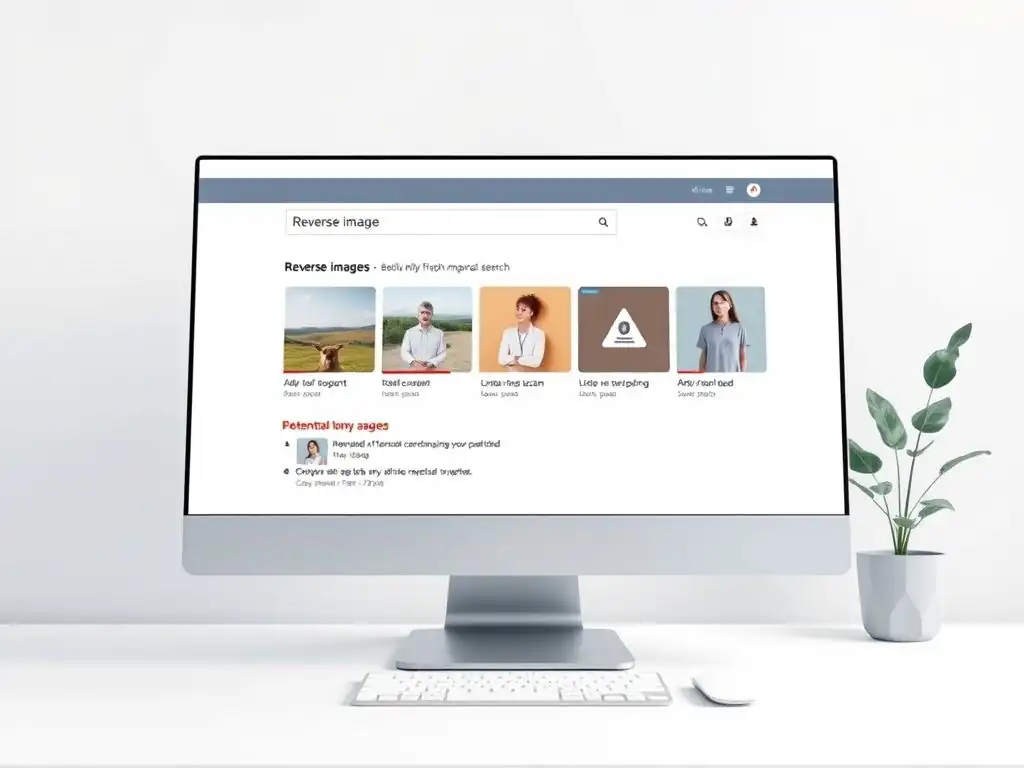
After initiating your reverse image search, carefully analyze the results. Don't just skim; take your time. A single, innocuous result doesn't necessarily indicate a problem, but multiple occurrences of the same image across various websites—especially unrelated ones—should raise a red flag. Pay close attention to the context in which the image appears. Is it used on multiple dating profiles? Does it show up on stock photo websites, suggesting the image is not authentic? Is the image associated with negative news articles or suspicious online activity?
Consider these specific scenarios:
- Multiple Dating Profiles: Finding the same profile picture on several dating platforms under different names is a significant warning sign. This strongly suggests the individual is using fake identities or attempting to deceive potential partners. This is a clear indication of potential catfishing.
- Stock Photo Websites: If the image appears on stock photo websites like Shutterstock or iStockphoto, it's almost certainly a fake profile. Legitimate daters use their own personal photos. The use of stock photos almost always indicates fraudulent intent.
- Association with Negative News or Suspicious Activity: This is a less common but equally serious red flag. If the image appears in conjunction with negative news reports or online forums discussing scams or fraud, you should immediately cease all contact.
- Inconsistencies: Pay attention to inconsistencies between the image and other information provided on the profile. For example, a picture showing a person in a specific location might contradict the profile's stated location. Such discrepancies can be a sign of deception.
Remember, your intuition is valuable. If something feels off, even without concrete evidence from the reverse image search, trust your gut feeling and proceed with caution. Online dating safety is paramount; it's better to err on the side of caution. The goal is to identify potential red flags indicative of a scammer or someone with malicious intent before you invest your time and emotions.
Step 5: Further Verification Steps After Reverse Image Search
A reverse image search is a powerful tool, but it's not foolproof. It's a crucial first step in verifying a dating profile's authenticity, but it shouldn't be the only one. After performing your search, consider these additional verification steps to enhance your online dating safety:
- Social Media Cross-Referencing: Try searching for the person on various social media platforms using the name and any other information provided on their dating profile. Compare the photos and information found on social media with those on the dating profile. Discrepancies could indicate a fake profile. Look for inconsistencies in their online presence.
- Video Call: Propose a video call relatively early in the communication process. This is one of the most effective methods to verify someone's identity. A genuine person will usually be happy to video chat, while a scammer will often make excuses to avoid it. Pay close attention to the background and overall appearance during the call.
- Background Check (Optional): For serious relationships, a background check—though not always necessary—provides an extra layer of security. This can reveal any criminal records or other red flags that might not surface through other methods. However, always ensure you are using a reputable and legal background check service.
- Slow and Steady Approach: Don't rush into a relationship. Take your time to get to know the person online before meeting in person. This gives you ample opportunity to verify their identity and assess their intentions. Remember, building trust takes time.
By combining a reverse image search with these additional verification steps, you significantly reduce your risk of encountering scammers and ensure a safer online dating experience. Remember, your safety and well-being are always the top priority. Prioritize caution and thorough verification to protect yourself.
Enhancing Your Online Dating Safety with Reverse Image Search

Reverse image searching is a powerful tool in your online dating safety arsenal. It allows you to verify the authenticity of a potential match's profile picture, significantly reducing the risk of encountering fake profiles or catfishing attempts. By simply uploading a profile picture to a reverse image search engine, you can quickly see where else that image appears online. This simple action can uncover inconsistencies that might otherwise go unnoticed, potentially saving you from emotional distress and financial loss.
Remember, online dating safety is paramount, and proactive measures like reverse image searches are crucial steps towards a safer and more positive experience. Don't underestimate the power of this readily available tool; it's a significant step towards protecting yourself in the online dating world. The more you utilize these techniques, the better equipped you'll be to navigate the complexities of online dating safely.
Combining Reverse Image Search with Other Safety Measures
Reverse image searching shouldn't be your only safety precaution. It's a vital component of a comprehensive online dating safety strategy. Think of it as one piece of a larger puzzle. Consider these additional steps to maximize your protection:
- Video Calls: Before meeting in person, schedule a video call. This allows you to visually confirm the person's identity and assess their authenticity. Discrepancies between their profile picture and their appearance on a video call are a major red flag.
- Slow and Steady Communication: Avoid rushing into deep conversations or sharing personal information too quickly. Take your time to get to know someone, and build trust gradually.
- Meet in Public Places: When you do decide to meet in person, always choose a well-lit and public location. Let a friend or family member know where you're going, who you're meeting, and when you expect to return.
- Background Checks (optional): For serious relationships, consider performing a background check, although this is often a paid service. This can provide additional verification and peace of mind.
- Trust Your Instincts: If something feels off or doesn't seem quite right, trust your gut feeling. It's always better to err on the side of caution. Your safety and well-being are the top priority.
Protecting Yourself from Catfishing and Fake Profiles
Catfishing, the act of creating a fake online persona to deceive others, is a prevalent issue in online dating. Reverse image searching is an effective tool to combat this. By using it, you can identify if a profile picture is stolen from another source, indicating a potentially fake profile. For example, if you reverse search a picture and find it's been used on multiple dating profiles, or belongs to a completely different person, it's a strong indication of a catfish.
Furthermore, inconsistencies between the profile picture and other images found during the reverse image search can raise serious concerns. Always be vigilant and don't hesitate to report suspicious profiles to the dating platform. Remember, protecting yourself from catfishing and fake profiles is crucial for a positive online dating experience. Prioritize your safety and well-being.
Building Trust and Avoiding Online Dating Scams Through Verification
Building trust is a cornerstone of any successful relationship, and it's especially critical in the online dating world. Reverse image searching helps establish a foundation of trust by verifying the identity of your potential match. When you confirm that a profile picture is genuine, it's a significant step towards building rapport and avoiding potential scams. Remember, scammers often use stolen images to create fake profiles, often to gain your trust and eventually ask for money or personal information.
By proactively using reverse image searches, you significantly reduce your vulnerability to these types of scams. Combine this verification method with other safety measures to create a comprehensive approach to online dating safety. Your diligence and proactive approach will contribute to a safer and more rewarding experience.
Reporting Suspicious Profiles and Protecting Your Online Presence
Identifying and reporting suspicious profiles is a crucial aspect of online dating safety. Many dating platforms provide mechanisms for reporting users exhibiting suspicious behavior, such as those using fake photos, sending inappropriate messages, or requesting money. Familiarize yourself with the reporting procedures of each platform you use. Detailed reports, including screenshots of messages and profile information, are often more effective.
Remember, your safety is paramount, and reporting suspicious activity helps protect not only yourself but also other users. Don't hesitate to report anything that makes you uncomfortable; even seemingly minor inconsistencies can be red flags. The more users report suspicious activity, the better the platform can monitor and remove fraudulent profiles, improving the overall safety and trustworthiness of the online dating environment.
Beyond reporting, proactively protecting your online presence is equally important. This involves being mindful of the information you share online, both on dating platforms and on social media. Avoid sharing personally identifiable information (PII) like your full address, place of work, or exact location. Scammers can use this information to target you more effectively. Similarly, be cautious about sharing photos that reveal too much about your daily routine or habits.
A picture of you outside your workplace or in front of your house, for example, could compromise your security. Consider using a different photo for your dating profile than the ones you use on other social media platforms. This adds an extra layer of protection and limits the information readily accessible to potential scammers. Remember, even seemingly innocuous details can be pieced together to create a comprehensive profile of your life, increasing your vulnerability.
Prioritize privacy settings on all your online accounts. Regularly review and update your privacy settings to ensure you're controlling the information shared about you. This proactive approach to privacy significantly reduces the risk of becoming a victim of online dating scams and enhances your overall online safety. Your digital footprint is a valuable asset – protect it wisely.
Reverse Image Search: A Crucial Tool for Online Dating Safety
Reverse image search is quickly becoming an indispensable tool for online dating safety. It allows you to take an image—a profile picture, for instance—and search the internet for its origin. This seemingly simple action can uncover a wealth of information, potentially revealing inconsistencies or outright deception in a potential date's profile.
The implications for online dating safety are significant, offering a proactive approach to risk mitigation that goes beyond simple profile scrutiny. Understanding how to effectively utilize reverse image search is a critical step in creating a safer online dating experience. Many dating platforms lack robust verification systems, making this user-initiated verification crucial.
The Benefits of Proactive Safety Measures in Online Dating
Proactive safety measures, such as employing reverse image search, are paramount in online dating. They shift the focus from reactive responses to scams (dealing with the aftermath) to preventing them altogether. This proactive approach significantly reduces the chances of encountering fraudulent profiles or engaging with individuals who may be misrepresenting themselves.
The peace of mind gained from knowing you've taken steps to verify a potential date's identity is invaluable. Consider this scenario: you match with someone who seems perfect, but their profile picture feels slightly off. A quick reverse image search might reveal the photo is stock imagery, used on multiple dating profiles, or even associated with a completely different identity.
This simple check could save you considerable time and emotional distress. Furthermore, proactively verifying profiles can help build trust and confidence in the online dating process, allowing you to focus on building genuine connections rather than constantly worrying about potential dangers. This proactive approach to online dating safety reverse image searches contributes greatly to a more positive and secure online dating experience.
Staying Vigilant and Educated to Avoid Online Dating Risks
While reverse image search is a powerful tool, it's not a foolproof solution. It's crucial to maintain a vigilant approach and remain educated about common online dating scams. Even if a profile picture comes up clean, other red flags might indicate a problem.
Inconsistencies in a person's profile information, overly generic or vague language, requests for money or personal details early in communication—these are all warning signs that should raise your suspicion, regardless of the reverse image search results. Staying informed about the latest scams and techniques used by fraudsters is equally important. Regularly checking reputable online resources dedicated to online dating safety and participating in online communities that discuss these issues can significantly enhance your awareness and help you stay ahead of the curve.
Remember, a multi-layered approach to safety is always best. Combine reverse image searches with careful profile analysis, cautious communication, and a healthy dose of skepticism to minimize your risks.
Creating a Safer Online Dating Experience Through Verification and Awareness
Creating a safer online dating experience involves a combination of technological tools, like reverse image search, and personal awareness. While technology can assist in identifying potentially fraudulent profiles, your own judgment and critical thinking remain vital. Don't solely rely on a reverse image search to determine the authenticity of a profile; consider it one tool among many in your safety arsenal.
Always meet in public places for first dates, inform a friend or family member of your plans, and trust your instincts. If something feels wrong, it probably is. The more educated and proactive you are, the more you can protect yourself from potential dangers.
Utilizing online dating safety reverse image searches alongside other preventative measures empowers you to take control of your online dating safety and create a more positive and secure experience, fostering genuine connections with confidence. Remember, your safety is paramount, and proactive measures are key to building a successful and safe online dating journey.
Frequently Asked Questions
What is reverse image search, and how does it relate to online dating safety?
Reverse image search allows you to upload an image and find where else it appears online. In online dating, this helps verify if a profile picture is genuine and hasn't been stolen from another source, protecting you from potential scams or catfishing.
How can I perform a reverse image search?
Several websites and apps offer this service, including Google Images, TinEye, and Yandex Images. Simply upload the image you want to check, and the search engine will show you similar images and their sources. This helps verify the authenticity of the profile.
Are all reverse image search results completely reliable?
While reverse image searches are a valuable tool, they aren't foolproof. Slight alterations to an image might prevent a match, and some images may not be indexed by all search engines. Use it as one tool among many to assess profile authenticity.
What other safety measures should I take alongside reverse image searching?
Never share personal information too early in online interactions. Verify information provided by matches using other means (e.g., social media profiles, if comfortable). Trust your instincts: if something feels off, it probably is.
Can reverse image search help me identify fake profiles entirely?
Reverse image search is a strong tool for detecting potentially fake profiles, but it's not a guarantee. Combine it with other safety checks and cautious communication to maximize your online dating safety.
The ease and accessibility of online dating have revolutionized romance, but this convenience comes at a cost: a heightened risk of scams and online predation. Protecting yourself in this digital frontier is no longer optional; it's a necessity. This article highlighted the crucial role of reverse image search as a readily available tool to verify profiles and identify potential red flags, empowering users to take control of their online safety.
The impact of online dating on modern relationships is undeniable, shaping how we connect, form bonds, and navigate the complexities of love in the 21st century. The potential for deception, however, casts a long shadow. This constant tension between the promise of connection and the threat of exploitation underscores the importance of digital literacy and proactive safety measures. As the poet Maya Angelou wisely said, Nothing can dim the light which shines from within.
Protecting yourself online allows that inner light to shine brightly, free from the fear of manipulation or harm.
Now, consider your own online interactions. Are you actively employing tools like reverse image search to safeguard your well-being? This isn't about living in fear, but about being informed and empowered. Take the time to learn about other safety measures, and remember that your online safety is directly linked to your emotional and mental well-being. Embrace the power of knowledge and technology to build healthy, authentic connections in the digital world. Your safety, and your happiness, are worth it.
Unlock Your Dating Confidence: Take Control of Your Safety
Thank you for taking the time to learn about online dating safety! You now have the knowledge to protect yourself and navigate the online dating world with greater confidence. Ready to put your new skills to the test?
- Always reverse image search profile pictures. This is your most powerful tool to verify authenticity and avoid scams. It's a simple step with significant benefits!
- Share this article with friends who are also using online dating—let's spread awareness about safe dating practices!
- Consider joining our online forum to discuss your experiences and share tips for staying safe. We're building a supportive community where your insights are invaluable.
What other proactive steps are you taking to enhance your online safety while dating? Let's discuss!