
The Power of Verification: Using Reverse Image Search for Safe Dating

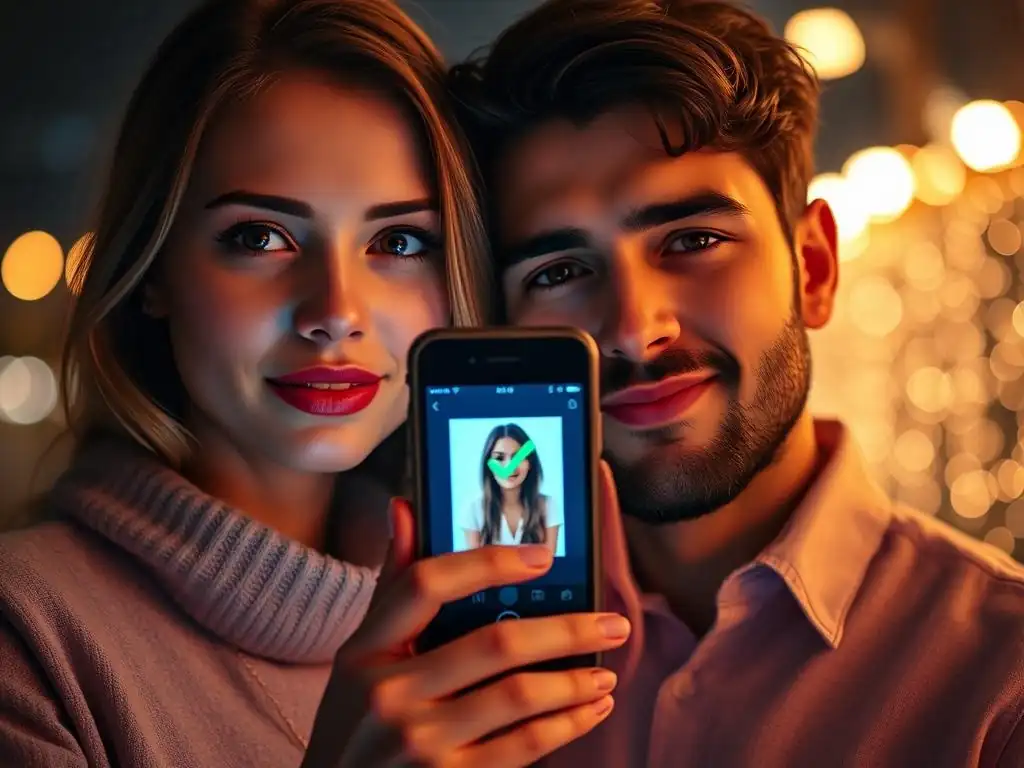
Dive into the world of confident online dating! At OnlineDatingSuccess.org, we empower you to navigate the digital dating landscape with ease and safety. Are you ready to unlock the secrets to building genuine connections? Learn how a simple safe dating reverse image search can dramatically improve your online dating experience and protect you from potential scams. Discover the power of verification and start your journey towards a more secure and fulfilling dating life – read on to learn more!
- Understanding the Risks of Online Dating Scams
- Introducing Reverse Image Search for Safe Dating
- Safe Dating Reverse Image Search: A Step-by-Step Guide
- Beyond Reverse Image Search: Additional Verification Methods for Safe Online Dating
- Protecting Yourself: Safe Dating Practices Beyond Image Verification
-
Frequently Asked Questions
- What is reverse image search, and how can it help me stay safe online dating?
- How do I perform a reverse image search?
- Are there any limitations to using reverse image search for online dating safety?
- Can I use reverse image search on photos from dating apps?
- What other safety measures should I combine with reverse image search?
- Final Reflection: The Lasting Impact of Verified Identities in Online Dating
- Unmask the Truth: Take Control of Your Online Safety
Understanding the Risks of Online Dating Scams
Online dating, while offering exciting possibilities for connection and romance, presents significant risks. The anonymity afforded by the internet can unfortunately attract individuals with malicious intent, leading to emotional distress, financial loss, and even physical danger. Navigating this landscape requires vigilance and proactive safety measures.
This article focuses on a powerful tool readily available to everyone: reverse image search. Learning to effectively utilize reverse image search is a crucial step in practicing safe dating and mitigating the risks associated with online scams. We will explore how this simple technique can help you verify the authenticity of profiles, identify potential red flags, and ultimately protect yourself from harmful interactions.
This empowers you to take control of your online dating experience and build meaningful connections with confidence, knowing you've taken steps to minimize potential threats. The goal is to equip you with the knowledge and skills to engage in safe and rewarding online dating.
Identifying Red Flags in Online Dating Profiles
Before diving into the technical aspects of reverse image search, let's first identify some common red flags in online dating profiles that should trigger your suspicion and prompt you to employ verification methods. These red flags often indicate a higher likelihood of encountering a scam or fake profile. Look out for:
- Inconsistencies in Profile Information: Discrepancies between the information provided in the profile (age, occupation, location) and other readily available information online. This often signals a fabricated profile.
- Stock Photos or Unrealistic Images: Profiles using generic stock photos or images that appear too perfect or professionally done. A reverse image search can quickly reveal if the image has been used elsewhere.
- Limited Personal Information: Profiles lacking detail or personal information, making it difficult to verify the person's identity. Genuine profiles usually showcase more personal details and photos.
- Overly Romantic or Pressuring Language: Messages that are excessively romantic or push for a quick meeting or financial transaction should raise immediate concerns.
- Requests for Money or Personal Information: Any request for financial assistance or sensitive personal information (bank details, social security number) is a major red flag and should never be complied with.
Remember, your intuition is key. If something feels off, it's important to trust your gut feeling and proceed with caution.
Common Tactics Used by Online Dating Scammers
Online dating scammers employ various tactics to deceive their victims. Understanding these tactics helps you recognize potential threats and stay protected. Some common tactics include:
- Catfishing: Using fake profiles with stolen photos and fabricated identities to lure victims into relationships. Reverse image search is invaluable in uncovering catfishing attempts.
- Romance Scams: Building trust and emotional connections with victims over time to eventually solicit money or personal information. These scams often involve fabricated sob stories or promises of future riches.
- Fake Investment Opportunities: Scammers may lure victims with false promises of high returns on investment, leading to significant financial losses.
- Extortion: After establishing a relationship, scammers may threaten to reveal compromising information unless money is paid.
- Identity Theft: Scammers may attempt to gather personal information to steal a victim’s identity for fraudulent purposes.
The Importance of Due Diligence in Online Dating
Due diligence is paramount in online dating. It's not about being suspicious of everyone, but about taking proactive steps to protect yourself and ensure you're interacting with genuine individuals. Reverse image search is one crucial tool in your due diligence toolkit. By verifying profile photos and identifying potential red flags, you significantly reduce the risk of encountering scammers.
This proactive approach allows you to build trust gradually and ensures your online dating experience remains safe and rewarding. Remember, a little caution can go a long way in protecting your safety and well-being in the world of online dating. Always prioritize your safety and engage in online interactions with a healthy dose of skepticism and careful verification.
Introducing Reverse Image Search for Safe Dating
Online dating offers incredible opportunities to connect with people, but it also presents unique safety challenges. One crucial tool in your arsenal for safe dating is the reverse image search. This simple yet powerful technique allows you to verify the authenticity of photos used in dating profiles, helping you avoid potential scams and protect yourself from deceptive individuals. By understanding how reverse image search works and utilizing it effectively, you significantly reduce your risk and increase your chances of a positive online dating experience.
This section will equip you with the knowledge and practical steps to confidently navigate the digital dating landscape. Remember, proactive safety measures are key to a successful and secure online dating journey. Prioritizing your safety should always be your top priority.
What is Reverse Image Search and How Does it Work?
Reverse image search is a technique that allows you to find instances of an image online by uploading it to a search engine. Instead of typing keywords, you use an image as your search query. The search engine then compares your image to its vast database and returns results showing where that image, or visually similar images, have appeared online. This process helps you determine if a profile picture is genuine, has been stolen from another source, or is associated with suspicious activity.
Think of it like this: imagine you find a stunning photo on a dating profile. Instead of simply trusting the image at face value, you can use a reverse image search to see if that same photo appears elsewhere. If you find the same picture on a stock photo website, a completely different dating profile, or even a news article, it raises a red flag.
This could indicate that the person is using a fake profile, attempting to catfish you, or engaging in other deceptive behavior. The technology behind reverse image search involves sophisticated algorithms that analyze the image's unique visual characteristics, such as color patterns, textures, and objects within the image, to find matches. This provides a valuable layer of verification in the often-uncertain world of online dating.
Utilizing Google Images, TinEye, and Yandex Images for Verification
Several reliable reverse image search engines are available, each with its strengths. Google Images, TinEye, and Yandex Images are three popular options. Let's explore how to use them effectively for safe dating verification:
- Google Images: Simply go to images.google.com and click the camera icon in the search bar. You can then either paste the image URL or upload the image directly from your computer. Google Images will then display visually similar images and webpages where the image appears.
- TinEye: TinEye (tineye.com) is known for its robust image recognition capabilities. Similar to Google Images, you can upload an image or paste its URL. TinEye excels at finding even slightly modified versions of the original image, making it particularly useful for spotting manipulated or altered photos.
- Yandex Images: Yandex Images (images.yandex.com) is another powerful option, particularly effective in regions where Google's reach is limited. Its interface is similar to Google Images, allowing you to upload or paste image URLs for reverse image searching.
It's recommended to use multiple reverse image search engines for comprehensive verification. Each engine may have different results and databases, providing a more complete picture of the image's origin and usage. This layered approach significantly enhances the accuracy of your verification process. Remember to always be cautious, even if an image doesn't show up in any search results – it doesn't necessarily mean it's genuine.
Best Practices for Conducting a Reverse Image Search
While reverse image search is a powerful tool, remember to use it responsibly and effectively. Here are some best practices:
- High-Resolution Images: The clearer the image, the more accurate the results will be. A blurry or low-resolution image may yield fewer or less reliable results.
- Multiple Searches: Always perform searches on multiple platforms like Google Images, TinEye, and Yandex Images to maximize your chances of finding relevant results.
- Context is Key: Don't just look at where the image appears; consider the context. Is the image used appropriately? Does the surrounding information align with the person's profile? Discrepancies should raise concerns.
- Don't Rely Solely on Reverse Image Search: Use reverse image search as one tool among many in your safe dating strategy. It's part of a larger process that includes careful profile review, communication verification, and a cautious approach to meeting in person.
- Report Suspicious Profiles: If you discover a profile using stolen photos or engaging in other deceptive behavior, report it to the dating platform immediately. This helps protect other users and maintain a safer online dating environment.
By incorporating these best practices and utilizing the power of reverse image search, you can significantly enhance your online dating safety and increase your chances of forming genuine connections. Remember, a proactive and informed approach is crucial for a positive and secure online dating experience. Safe dating requires vigilance and a multi-faceted approach. 🥂
Safe Dating Reverse Image Search: A Step-by-Step Guide
This section details how to perform a reverse image search to verify the identity of someone you've met online. Practicing safe dating is crucial, and utilizing readily available tools like reverse image searches can significantly reduce your risk of encountering scams or fraudulent profiles. Remember, your safety and well-being are paramount. This guide will empower you with the knowledge to conduct thorough verification checks.
Step 1: Obtain the Image You Want to Verify
Before you begin your reverse image search, you need a clear, high-resolution image of the person you're verifying. This is critical for accurate results. A blurry or low-quality image will likely yield inconclusive results. Ideally, you should obtain multiple images from different angles and in varying contexts. This helps to build a more comprehensive picture and strengthens verification efforts. Avoid using heavily filtered or edited photos, as these can hinder the search process.
Requesting multiple photos from your online date is a perfectly reasonable request. Phrase it casually and naturally within the context of your conversation. For example, you could say something like, "I'd love to see more pictures of you! What are you up to this weekend?" Be mindful of the pace of your interaction and don't bombard them with requests. A gradual approach helps to build trust and rapport, while ensuring your safety. Remember, if they are hesitant to provide additional photos or are evasive about your requests, that should raise a red flag.
Step 2: Upload the Image to a Reverse Image Search Engine
Several reputable reverse image search engines are available. These engines utilize sophisticated algorithms to compare your uploaded image against billions of images across the internet. This process quickly reveals if the image has been used elsewhere, potentially indicating identity theft or a fake profile. The most popular options are generally quite user-friendly, requiring only a simple upload process.
Once you've selected your chosen engine, upload the image you wish to verify. Most platforms offer a simple drag-and-drop interface, or an option to select the image from your computer's file system. After uploading, the engine will begin its search. The processing time can vary depending on the engine's load and the image's size. Be patient and allow the engine sufficient time to complete its search before reviewing the results. You might consider trying multiple engines for a more comprehensive analysis.
Step 3: Analyze the Search Results for Inconsistencies
After the reverse image search is complete, carefully analyze the results. Pay close attention to the websites and platforms where the image appears. If the image appears on multiple dating profiles, stock photo websites, or websites unrelated to the person's claimed identity, this could be a strong indicator of a fake profile or a scam.
Here's a table summarizing potential red flags to look for:
| Red Flag | Description |
|---|---|
| Image on multiple dating sites | The same picture is used on several different dating profiles. |
| Image from a stock photo site | The image is readily available on a stock photo website. |
| Image linked to a different name/identity | The image appears on a profile or website with a different name or identifying details. |
| Inconsistent information | Information in the image contradicts information provided by your online date. |
| Limited or no results | The reverse image search yields very few or no results. |
Inconsistencies between the information in the image and the information provided by your date should be carefully considered. For instance, if the image shows a person in a specific location, but your date claims to live elsewhere, this warrants further investigation. Remember, a thorough verification process is crucial for safe dating. If you discover any inconsistencies, proceed with extreme caution and consider ending contact with the individual. 🕵️♀️ Your safety is paramount.
Step 4: Cross-Reference Information with the Dating Profile
Once you have a list of potential matches from your reverse image search, the next crucial step is to meticulously compare the results with the information provided in the dating profile. Inconsistencies are a major red flag. Don't just skim; delve deep.
For example, if the profile states the person is a successful lawyer in New York City, but the image search reveals photos of them in casual attire in a completely different location, this discrepancy warrants further investigation. Perhaps the profile is using stock photos, or worse, the photos belong to someone else entirely. Always cross-check the claimed profession, location, and lifestyle details against the visual information unearthed by the reverse image search.
Even small inconsistencies, like a different hairstyle or the absence of a distinctive tattoo mentioned in the profile, can be cause for concern. Remember, a meticulous approach is key to safe dating. The goal is not to be suspicious of everyone, but to be informed and cautious.
This cross-referencing process is particularly effective in identifying potential catfishing attempts. Catfishing involves creating a fake online persona using stolen photos and fabricated information. By comparing the image search results to the profile, you can significantly reduce the risk of encountering a catfish. Pay close attention to the context of the photos you find. Are they from a personal blog? A social media profile?
The source of the image can provide valuable clues about the person's true identity and online presence. Comparing the overall aesthetic of the images with the dating profile's presentation can also be insightful. A profile boasting a luxurious lifestyle might be inconsistent with images showing a more modest reality. These subtle discrepancies can be incredibly telling. Don't hesitate to err on the side of caution; your safety and well-being are paramount.
Beyond Reverse Image Search: Additional Verification Methods for Safe Online Dating
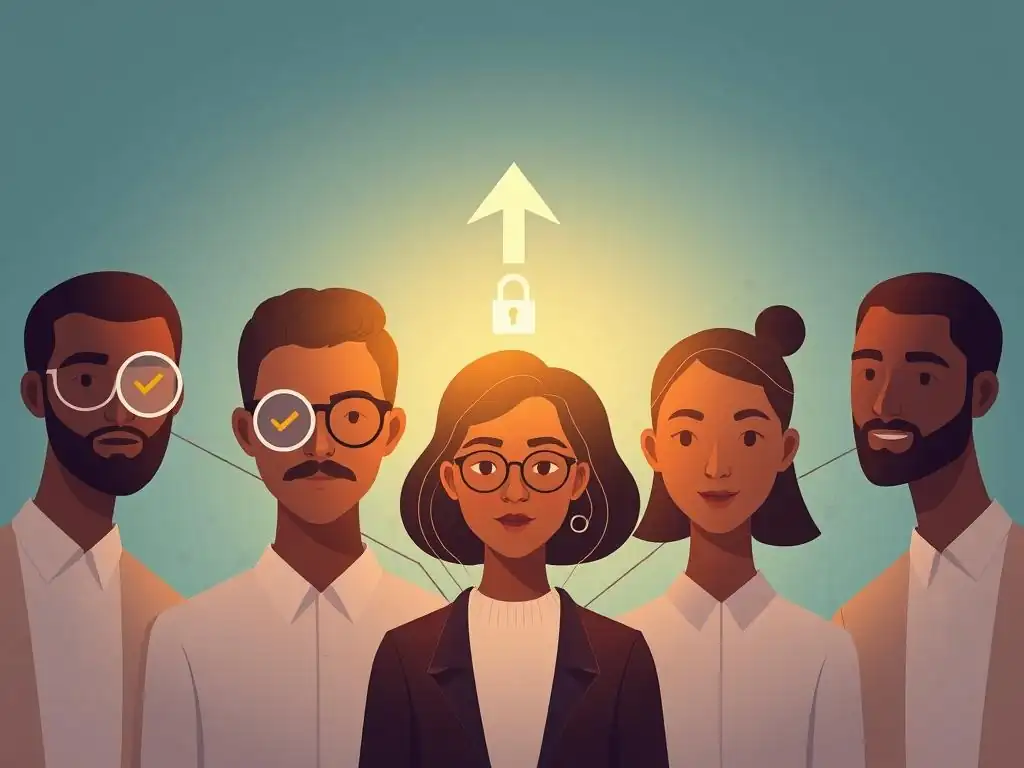
Reverse image searching is a powerful first step in verifying someone's online identity, but it shouldn't be your only method. A truly comprehensive approach to safe dating requires a multi-layered verification process. Think of reverse image search as the foundation – now let's build upon it with additional strategies to ensure your safety and peace of mind. Remember, even with verification, always exercise caution and trust your instincts. Your safety is paramount.
Don't just rely on a profile picture; delve deeper into their social media presence. A consistent online persona across multiple platforms strengthens the likelihood of authenticity. Look for details that corroborate information they've shared with you. For example:
- Cross-referencing details: Does their LinkedIn profile match their stated profession on their dating profile? Do their Facebook posts align with their claimed hobbies and interests? Inconsistencies should raise a red flag.
- Photo consistency: Do the photos on their dating profile match those on their other social media accounts? Significant differences might indicate a deceptive profile.
- Friends and connections: Examine their friends' profiles. Are they real people with established online presences? A network of seemingly fake or inactive accounts could be a warning sign.
- Timeline analysis: Look at the length and activity of their accounts. Newly created profiles with limited activity or engagement can be suspicious. A long-standing profile with a consistent history is more reassuring.
- Privacy settings: Pay attention to their privacy settings. While complete transparency isn't always necessary, excessive secrecy can be a cause for concern.
Remember, not all social media profiles are created equal. A lack of social media presence doesn't automatically mean someone is untrustworthy, but it does limit your ability to verify their identity. Always consider this information alongside other verification methods. Using a combination of approaches is key to safe dating.
Using People Search Engines
People search engines are online tools that aggregate publicly available information about individuals. These engines can provide valuable insights beyond what you might find on social media. While they won't reveal everything, they can offer clues about someone's background, address history, and even potential legal issues. Use these tools cautiously and be aware that the information presented may not always be entirely accurate or up-to-date.
Here's what to look for:
- Address verification: Does their listed address match the location they claim to live in? Discrepancies could signal deception.
- Past addresses: Investigating past addresses can reveal patterns of relocation or potential inconsistencies in their story.
- Professional history: Does their reported employment align with the information found on people search engines? This can help confirm their professional background and credibility.
- Public records: While access is limited, some people search engines may reveal public records, such as court filings or bankruptcies. This information should be considered carefully and ethically. It's crucial to remember that past mistakes don't necessarily define a person, but it's important to have a complete picture.
It's essential to use these tools responsibly and ethically. Respect individual privacy and avoid using this information to harass or stalk anyone. The goal is verification, not invasion of privacy.
Checking for Online Reputation
Beyond social media and people search engines, consider investigating their online reputation. While a clean online presence isn't a guarantee of trustworthiness, a history of negative reviews, complaints, or legal issues should raise concerns.
- Online reviews: Search for their name associated with business reviews or online forums. Negative feedback on platforms like Yelp or Trustpilot can indicate potential red flags.
- News articles: A quick search for their name might reveal any news articles or mentions connecting them to negative events or controversies.
- Social media mentions: Beyond their personal profiles, look for mentions of their name on other social media platforms. Negative comments or discussions could provide valuable insights.
Remember, a lack of negative information doesn't automatically equate to trustworthiness. However, a pattern of negative online activity should be taken seriously and considered alongside other verification methods. Trust your gut feeling; if something seems off, it's always best to err on the side of caution. Safe dating requires vigilance and a comprehensive approach to verification.
Protecting Yourself: Safe Dating Practices Beyond Image Verification
Safe dating isn't solely about verifying profiles with a reverse image search; it's a holistic approach encompassing various safety measures. While reverse image searches are a powerful tool in identifying potential scams and fake profiles, they are just one piece of a larger puzzle. Think of it as a crucial first step, but not the final destination in your quest for safe and meaningful connections. This section delves into essential practices that complement image verification and contribute to a safer online dating experience. Remember, your safety and well-being are paramount.
Communicating Safely Online
Effective communication is key to building trust and assessing compatibility, but it also presents potential risks. Avoid sharing overly personal information during initial conversations. Instead, focus on building rapport gradually. Consider these tips for safer online communication:
- Start with public platforms: Keep your initial conversations on the dating app itself. This offers a degree of protection and a record of your interactions. Moving to personal messaging platforms should only happen after you've built a level of trust.
- Be cautious about sharing phone numbers and email addresses: Don't rush into sharing your personal contact information. Wait until you've had several meaningful conversations and feel comfortable with the other person.
- Avoid revealing too much about your daily routine or whereabouts: This information could be used to track your movements or compromise your safety. Keep your personal details private until you’ve met in person and feel completely secure.
- Report suspicious behavior: If someone is pressuring you to share personal information too quickly, is making you uncomfortable, or behaving suspiciously, report them to the dating app immediately. Your safety is always the priority.
Avoiding Sharing Personal Information Too Early
Sharing personal information prematurely can significantly increase your vulnerability. Many scammers prey on individuals who disclose sensitive details too early in the dating process. This can lead to identity theft, financial scams, or even physical danger. Protect yourself by adhering to the following guidelines:
- Never share your full address or workplace information: Even seemingly innocuous details can be used to locate you. Always meet in public spaces for your first few dates.
- Be wary of requests for financial assistance: Legitimate relationships don't involve asking for money, especially early on. If someone asks for money, it's a major red flag.
- Don't share your social security number, bank account details, or other sensitive financial information: This is never appropriate in an online dating context.
- Verify their identity through multiple channels: Don't solely rely on what they tell you. Try to independently verify their information, if possible, using public records or social media (while exercising caution).
Trusting Your Instincts and Recognizing Warning Signs
Your intuition is a powerful tool. Pay attention to your gut feeling. If something feels off or makes you uncomfortable, trust your instincts and take a step back. Don't dismiss your concerns or try to rationalize suspicious behavior. Here are some warning signs to watch out for:
- Inconsistent information: Discrepancies in their profile, stories, or behavior should raise concerns.
- Pressure to move quickly: If they're rushing the relationship or pushing you to meet in person before you're ready, be cautious.
- Excessive flattery or unrealistic promises: Be wary of anyone who seems too good to be true.
- Avoiding video calls: A reluctance to have a video call could indicate they are hiding their true identity.
- Grammar and spelling errors throughout their profile and messages: This might be a sign of a less genuine profile.
Remember, online dating should be a fun and positive experience. By combining reverse image searches with these additional safety measures, you can significantly reduce your risk and increase your chances of finding a genuine connection. Prioritize your safety and well-being above all else. 🥂
Frequently Asked Questions
What is reverse image search, and how can it help me stay safe online dating?
Reverse image search allows you to upload an image and find where else it appears online. This helps verify a person's identity and detect potential catfishing or the use of stolen photos. It's a crucial tool for safe online dating.
How do I perform a reverse image search?
You can use services like Google Images, TinEye, or Yandex Images. Simply upload the image you want to check, and the search engine will show you similar images and websites where it appears. This helps you assess the authenticity of a profile.
Are there any limitations to using reverse image search for online dating safety?
Yes, a perfectly faked profile might still slip through. Reverse image search is a tool, not a guarantee. Always use multiple verification methods for comprehensive safety.
Can I use reverse image search on photos from dating apps?
Yes, you can typically screenshot photos from dating apps and then use a reverse image search engine to check their origin and usage. This is a great way to verify the legitimacy of a potential date's profile picture.
What other safety measures should I combine with reverse image search?
Reverse image search is part of a larger safety strategy. Combine it with video calls, meeting in public places, and telling a friend about your date for maximum safety.
Final Reflection: The Lasting Impact of Verified Identities in Online Dating
The ease of creating deceptive online profiles has made verifying identities a crucial component of safe dating in the digital age. This isn't just about avoiding catfishing; it's about protecting personal safety and fostering genuine connections. The potential for harm, both emotional and physical, underscores the urgent need for proactive measures like reverse image searches.
The impact of readily available misinformation on dating apps is profound, eroding trust and creating a climate of fear. It's changed the way many approach online dating, forcing a shift from spontaneous connection to cautious verification. This constant vigilance, while necessary, can also be exhausting. Trust, but verify,
a phrase often attributed to Ronald Reagan, perfectly encapsulates the modern dating landscape. We must be diligent in protecting ourselves while still embracing the potential for meaningful connections.
Now, consider your own online dating experiences. Have you ever felt uneasy about a profile? Have you taken steps to verify the information presented? This article has equipped you with a powerful tool – the reverse image search – to enhance your online safety. Take control of your digital interactions; use the resources available to you to build trust and navigate the world of online dating with confidence and awareness.
Unmask the Truth: Take Control of Your Online Safety
Thanks for learning about the power of reverse image searches in online dating! You've gained a crucial tool for safer connections. Ready to use your new knowledge?
- Prioritize your safety: Before meeting anyone you've met online, always verify their identity. A simple reverse image search of their profile pictures can uncover inconsistencies or red flags.
- Share your newfound wisdom: Help your friends and family stay safe online by sharing this information with them. A little knowledge can go a long way in protecting yourself and others.
- Join the conversation: Have you ever discovered something surprising using a reverse image search? Share your experiences and tips in the comments below!
What other safety precautions do you take when meeting people from online dating sites?