
Dating App Security: Essential Tips for a Safer Online Dating Experience

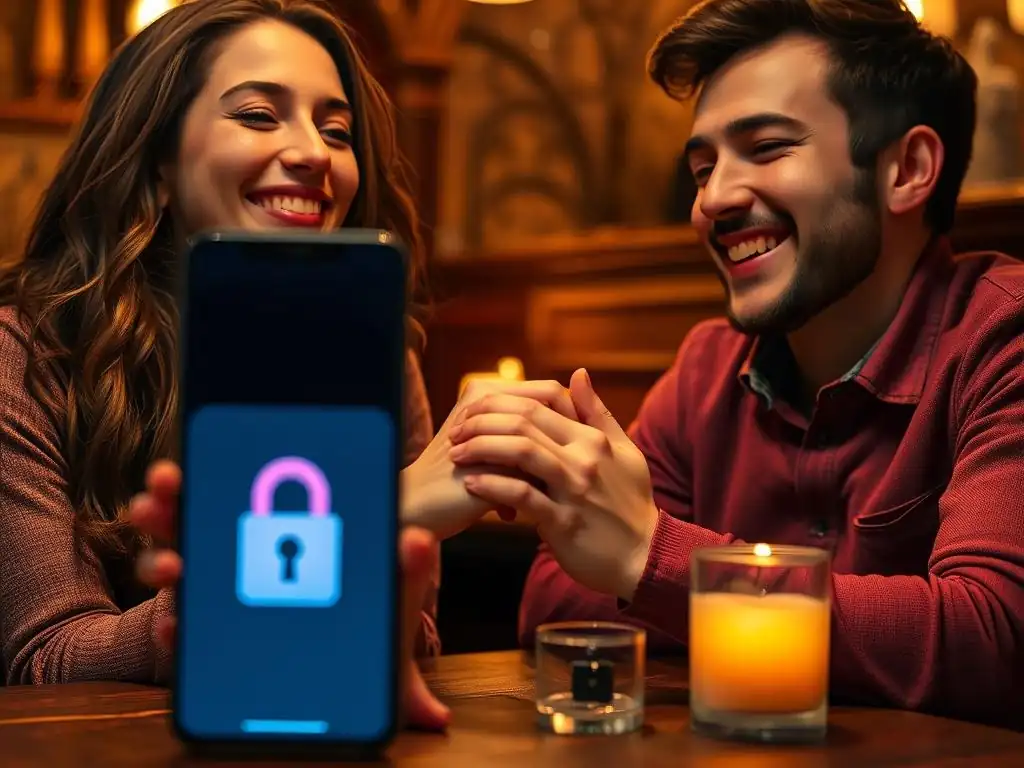
Ready to transform your online dating experience from frustrating to fulfilling? At OnlineDatingSuccess.org, we empower you to navigate the world of online dating with confidence. This isn't just about finding a match; it's about building meaningful connections while prioritizing your safety. Discover essential online dating safety tips in our latest article, and learn how to avoid scams and create a truly secure and rewarding dating journey. Let's get started!
- Understanding Online Dating Safety Risks
- Enhancing Your Online Dating Profile Security
- Safe Online Dating Communication Strategies
- Building Trust and Maintaining Safety During Online Dating Interactions
- Resources for Enhanced Online Dating Safety
-
Frequently Asked Questions
- How can I verify the authenticity of a profile on a dating app?
- What information should I avoid sharing on dating apps?
- What are some safe practices for meeting someone from a dating app in person for the first time?
- How can I report suspicious behavior or a potentially unsafe profile?
- What should I do if I feel uncomfortable or unsafe during a date?
- Final Reflection: Navigating the Digital Landscape of Love
- Secure Your Swipe: Take Control of Your Online Dating Safety
Understanding Online Dating Safety Risks
Navigating the world of online dating offers incredible opportunities to connect with like-minded individuals and build meaningful relationships. However, the digital landscape also presents unique safety challenges. This article focuses on essential online dating safety tips, equipping you with the knowledge and strategies to enjoy a safer and more positive online dating experience. We'll explore common scams, fraudulent tactics, and best practices for protecting your personal information, empowering you to confidently navigate the complexities of online dating while minimizing potential risks.
Understanding these risks is the first step towards building a secure and fulfilling online dating journey. Remember, prioritizing your safety shouldn't compromise the excitement of finding connection; rather, it enhances it. 💖
Identifying Potential Scams and Red Flags in Online Dating Profiles
Online dating profiles are often the first point of contact, and it's crucial to develop a keen eye for potential red flags. Many scams begin with a seemingly genuine profile, carefully crafted to lure unsuspecting individuals. Here's what to look out for:
- Inconsistent or Missing Information: Be wary of profiles lacking basic details, featuring blurry or stock photos, or containing conflicting information. A lack of transparency is a major red flag.
- Overly Perfect Profiles: Profiles that seem too good to be true often are. Beware of profiles boasting unrealistic accomplishments, flawless physiques, or an excessive number of positive attributes.
- Requests for Money or Financial Assistance: This is a classic scam tactic. Legitimate daters won't ask for money, gifts, or loans early in the relationship. 🚫
- Unusual Language or Grammar: Poor grammar, inconsistent writing styles, or the use of overly romantic or emotionally charged language can indicate a fake profile.
- Pressure for Quick Offline Meetings: Legitimate daters generally prefer to build rapport online before meeting in person. Be cautious of individuals who pressure you into meeting too quickly.
- Lack of Personal Details: Genuine profiles usually reveal some personal details and interests. Profiles lacking personal information or those that feel generic should be approached with caution.
Remember, trust your gut. If something feels off about a profile, it's best to err on the side of caution and move on.
Recognizing and Avoiding Online Dating Fraud: Common Tactics
Online dating fraudsters employ various tactics to deceive their victims. Understanding these tactics is crucial for protecting yourself. Some common tactics include:
- Catfishing: This involves creating a fake online persona using stolen photos and fabricated information. Catfishers often disappear once they've gained your trust.
- Romance Scams: These scams involve building a false sense of intimacy and trust to manipulate victims into sending money or personal information. Romance scammers often create elaborate backstories and profess deep feelings quickly.
- Phishing: Fraudsters may attempt to obtain your personal information through phishing emails or messages disguised as legitimate communication from the dating app. Never click on suspicious links or provide sensitive information via email.
- Fake Investment Opportunities: Some scammers will lure victims with promises of high returns on investments, often disappearing with the money once it's transferred.
- Extortion: In some cases, scammers will threaten to reveal personal information or photos unless you comply with their demands.
Always be vigilant and report suspicious activity to the dating app and the appropriate authorities.
Protecting Your Personal Information While Online Dating: Best Practices
Protecting your personal information is paramount when using online dating apps. Here are some key best practices:
- Use a Strong Password: Choose a strong, unique password that is difficult to guess. Consider using a password manager to help you manage your passwords securely.
- Enable Two-Factor Authentication: This adds an extra layer of security to your account, making it more difficult for unauthorized individuals to access it.
- Avoid Sharing Sensitive Information: Refrain from sharing your full address, place of work, financial details, or other sensitive information with someone you haven't met in person and thoroughly vetted.
- Be Cautious About Sharing Photos: Avoid posting photos that reveal too much personal information, such as your location or license plate numbers.
- Verify Profiles: Whenever possible, verify the authenticity of profiles by checking for social media connections or cross-referencing information.
- Meet in Public Places: When meeting someone in person for the first time, always choose a public place with plenty of people around. Let a friend or family member know where you're going and when you expect to be back.
- Trust Your Instincts: If something feels wrong, it probably is. Don't hesitate to end contact with someone who makes you uncomfortable.
By following these safety tips, you can significantly reduce your risk of encountering scams and fraudulent activities while enjoying the benefits of online dating. Remember, staying safe shouldn't overshadow the joy of connection; it enhances it. ✨
Enhancing Your Online Dating Profile Security

This section focuses on proactive measures you can take to bolster your online dating profile's security, minimizing the risk of exposure to malicious actors and protecting your personal information. Remember, a secure profile is the first line of defense in online dating safety.
Securing Your Dating App Accounts: Strong Passwords and Two-Factor Authentication
Strong passwords are fundamental to online dating safety. Avoid easily guessable passwords like your birthday or pet's name. Instead, opt for complex passwords incorporating uppercase and lowercase letters, numbers, and symbols. Aim for a minimum length of 12 characters. Password managers can help you generate and securely store these complex passwords.
Consider enabling two-factor authentication (2FA) whenever possible. 2FA adds an extra layer of security by requiring a second verification method, such as a code sent to your phone or email, in addition to your password. This significantly reduces the risk of unauthorized access, even if your password is compromised. Many dating apps offer 2FA; check your app's settings to activate this crucial security feature. Think of 2FA as an insurance policy against account takeovers – a small investment for significant peace of mind.
Many dating apps also allow you to set up login alerts. These notifications alert you whenever someone logs into your account from a new device or location. This provides an early warning system for potential unauthorized access. Regularly reviewing these alerts can help you detect suspicious activity promptly.
Privacy Settings Optimization for Enhanced Online Dating Safety
Optimizing your privacy settings is paramount for online dating safety. Carefully review the privacy settings within each dating app you use. Understand the implications of each setting and adjust them to your comfort level. For instance, some apps allow you to control who can see your profile, send you messages, or view your photos.
Consider limiting the information you share publicly. Avoid posting your full name, workplace, or exact location. Generic location references are often sufficient. Be mindful of the photos you upload; avoid pictures that reveal identifying details about your home or workplace. Remember, the less personal information you publicly share, the better protected you are.
Regularly review and update your privacy settings. Dating apps often update their features and privacy policies, so it's crucial to stay informed and adjust your settings accordingly. Think of this as ongoing maintenance for your online dating safety – a continual process, not a one-time task.
Managing Your Online Presence: Protecting Your Identity and Reputation
Protecting your identity and reputation extends beyond the dating app itself. Be cautious about sharing personal information outside the app, such as on social media platforms. Avoid linking your dating profiles directly to your other online accounts. This prevents potential stalkers or malicious actors from easily accessing more information about you.
Be aware of reverse image searches. Malicious individuals might use your profile picture to find additional information about you online. Use unique photos for your dating profile that are not readily available elsewhere on the internet.
Regularly monitor your online presence for any unauthorized use of your images or personal information. If you discover any such instances, report them to the relevant platforms and authorities immediately. Protecting your online reputation is a continuous effort, requiring vigilance and proactive measures. Think of it as safeguarding your digital footprint – a crucial aspect of online dating safety.
Safe Online Dating Communication Strategies
This section focuses on practical strategies to enhance your online dating safety by improving your communication practices. Remember, even with robust security features, your communication habits significantly influence your overall safety. Smart communication is a crucial component of online dating safety tips.
Secure Messaging Practices: Avoiding Phishing and Malware
Phishing and malware are significant threats in the online dating world. Scammers often use sophisticated tactics to gain access to your personal information or infect your devices. Therefore, understanding how to avoid these threats is paramount to your online dating safety.
One of the most important online dating safety tips is to be wary of suspicious links. Never click on links sent by someone you haven't thoroughly verified. Legitimate dating platforms rarely require you to click external links for account verification or other crucial processes. If you receive a link that seems out of place or too good to be true (e.g., promising significant financial rewards), it's almost certainly a phishing attempt.
Furthermore, be cautious about downloading files from unknown sources. Malware can easily be disguised within seemingly harmless attachments. Always check the sender's identity and the file's extension before downloading anything. Avoid opening files with suspicious extensions or from senders you don't trust. Remember, a single click can compromise your entire system, putting your personal data at risk. This is a critical aspect of practicing online dating safety tips.
Here's a simple checklist to help you avoid phishing and malware:
- [ ] Verify the sender: Always check the sender's profile and communication history before interacting.
- [ ] Inspect links carefully: Hover over links without clicking to see the actual URL.
- [ ] Avoid suspicious attachments: Don't download files from unknown sources.
- [ ] Use strong passwords and two-factor authentication: This adds an extra layer of security to your accounts.
- [ ] Regularly update your software: This helps patch security vulnerabilities.
Verifying Profiles and Identities: Tips for Safe Online Interactions
Verifying the identities of individuals you meet online is crucial for online dating safety. While dating platforms implement verification systems, they aren't foolproof. Always take proactive steps to confirm the authenticity of profiles. This is a key aspect of online dating safety tips.
One effective strategy is to perform reverse image searches on profile pictures. This can help identify if the images are stolen from another source. Inconsistencies between the profile information and the image search results should raise red flags. Similarly, pay close attention to the profile's details. Look for inconsistencies or information that seems fabricated. Be wary of profiles with limited information or those that seem too perfect to be true.
Engage in video calls before meeting in person. A video call allows you to see and interact with the person in real-time, confirming their identity and assessing their authenticity. This is a proactive step in practicing online dating safety tips.
Remember, a combination of careful observation, thorough investigation, and healthy skepticism are essential for verifying online identities. Don't rush into interactions; take the time to verify the person's claims and ensure their profile's authenticity.
Avoiding Sharing Sensitive Information: Protecting Your Privacy
Protecting your personal information is paramount to your online safety. Never share sensitive details like your full address, workplace, financial information, or social security number with someone you've only met online. This is a fundamental online dating safety tip.
Even seemingly harmless information can be used by scammers to build a more convincing narrative or to target you for identity theft. Avoid sharing details about your daily routine, travel plans, or family members. This information can be used to exploit you or your loved ones.
Instead of revealing your exact location, suggest meeting in a public place where you feel safe and comfortable. Always inform a trusted friend or family member about your plans, including the person's name and contact information. This allows someone to check in on you and ensure your safety.
Remember, protecting your privacy is a continuous process. Regularly review your privacy settings on your dating apps and social media accounts. Be mindful of the information you share, and always prioritize your safety and well-being. These are critical considerations within the broader context of online dating safety tips.
Building Trust and Maintaining Safety During Online Dating Interactions

Building trust is paramount in online dating, but it should be approached cautiously and strategically. Remember, verifying a person's identity and intentions online is crucial before meeting in person. Don't rush the process; take your time to get to know someone virtually before agreeing to a face-to-face encounter. This allows you to assess their personality, communication style, and overall compatibility, reducing the risk of encountering potentially dangerous individuals. The goal is to establish a level of comfort and mutual understanding before transitioning to offline interactions. This process significantly enhances your online dating safety.
Establishing Safe Meeting Protocols for First Dates and Beyond
Prioritizing safety during your first date and subsequent meetings is non-negotiable. Always meet in a well-lit, public place, and inform a trusted friend or family member of your plans, including the date's name, location, and estimated time of return. Share your live location with them using a location-sharing app, providing an extra layer of security. Consider having a pre-arranged "check-in" system, where you text or call them at a specific time to confirm you're safe.
Never allow your date to pick you up or drop you off at your home, especially on a first date. Maintain control of your transportation throughout the date. This simple precaution reduces vulnerability and gives you more control over the situation. If at any point you feel uncomfortable or unsafe, leave immediately. Trust your instincts – your safety is paramount. Remember, a successful date should be enjoyable and respectful, never intimidating or threatening. Prioritizing safety is a key aspect of online dating safety tips.
Recognizing Warning Signs of Abusive or Predatory Behavior
Recognizing red flags early on is crucial for avoiding potentially harmful situations. Abusive or predatory behavior can manifest in various ways, often subtly at first. Be vigilant for inconsistencies in their stories, overly aggressive or possessive behavior, attempts to control your actions or decisions, or a sudden push for an offline meeting before you're comfortable. If they pressure you to share personal information prematurely, exhibit controlling behaviors, or make you feel threatened or uncomfortable, it's essential to distance yourself immediately. These are vital online dating safety tips to keep in mind.
Here's a table summarizing some common warning signs:
| Warning Sign | Description | Action |
|---|---|---|
| Inconsistent stories | Their accounts of their life or background don't match up or seem fabricated. | Investigate further or avoid further contact. |
| Overly aggressive or possessive | They quickly become overly demanding of your time and attention, exhibiting jealousy. | Establish clear boundaries and limit contact. |
| Controlling behavior | They try to dictate your choices, isolate you from friends and family, or monitor you. | Distance yourself immediately; prioritize your safety. |
| Pressure for offline meeting | They push for an in-person meeting before you're ready or comfortable. | Refuse the meeting; ensure the interaction remains online for now. |
| Financial requests | They ask for money or financial assistance under various pretexts. | Never send money; report the profile immediately. |
Remember, your intuition is a valuable tool. If something feels off, it probably is. Prioritizing your safety is always the right decision.
Reporting Suspicious Activity and Seeking Help When Needed
If you encounter suspicious behavior or believe someone is violating the platform's terms of service, report it immediately to the dating app's support team. Most platforms have robust reporting mechanisms in place to address such issues. Document all interactions, including screenshots of messages and profiles. This evidence can be invaluable if you need to report the user to the appropriate authorities.
If you feel threatened or have experienced any form of harassment or abuse, contact the authorities and seek support from a trusted friend, family member, or professional organization specializing in domestic violence or online safety. Knowing where to turn for help is a crucial part of online dating safety tips. Remember, you're not alone, and seeking help is a sign of strength, not weakness. Taking proactive steps to ensure your safety is essential for a positive and secure online dating experience.
Resources for Enhanced Online Dating Safety
This section provides a comprehensive overview of resources available to enhance your online dating safety. We understand that navigating the world of online dating can feel daunting, and having access to the right tools and information is crucial for a positive and secure experience. Remember, proactive safety measures are key to minimizing risks and maximizing your chances of finding a genuine connection.
Recommended Security Tools and Apps for Online Daters
Many tools and apps can bolster your online dating security. These range from privacy-enhancing apps to those that help verify profiles. Consider incorporating several of these into your online dating routine for a layered approach to safety.
Choosing the right tools depends on your specific needs and comfort level. Some users may prioritize privacy, while others focus on profile verification. It’s important to research and choose tools that align with your individual online dating safety strategy.
Here's a breakdown of different categories of helpful tools:
- Privacy-focused Apps: These apps help mask your IP address or phone number, providing an additional layer of anonymity when interacting with potential matches. Effective privacy measures can help protect your personal information from unwanted access.
- Profile Verification Apps: These apps often cross-reference profile information with other online sources to help you identify potentially fake profiles. While not foolproof, they can significantly reduce the risk of encountering fraudulent accounts. Remember, no verification method is 100% accurate, so always maintain a healthy dose of skepticism.
- Social Media Monitoring Tools: These tools can help you track whether your potential date has a history of fraudulent behavior or negative online interactions, providing a crucial insight into their online presence.
Here's a table summarizing the key features of different types of apps, keeping in mind that specific features and availability may vary:
| App Type | Key Features | Benefits | Considerations |
|---|---|---|---|
| Privacy-focused Apps | IP masking, phone number obfuscation | Increased anonymity, reduced risk of doxing | May impact functionality of some dating apps |
| Profile Verification | Cross-referencing profiles with public data | Helps identify potentially fake or fraudulent profiles | Not foolproof; always exercise caution and critical thinking |
| Social Media Monitoring | Tracks online activity and reputation | Provides insights into potential date’s online behavior and history | Requires careful interpretation; focus on patterns, not isolated incidents |
Remember to carefully review the privacy policies and permissions requested by any app before downloading and using it. Prioritizing apps with strong privacy protections is a crucial aspect of online dating safety.
Reliable Websites and Organizations Providing Online Dating Safety Advice
Numerous reliable sources offer valuable guidance on online dating safety. Consulting these resources can significantly improve your understanding of potential risks and best practices. These resources often provide up-to-date information and advice tailored to the ever-evolving landscape of online dating.
Seeking advice from trustworthy sources is crucial. Don't solely rely on information found on individual blogs or forums; prioritize reputable organizations and established websites with a proven track record of providing accurate and helpful information.
Here are some categories of resources you might find helpful:
- Government Agencies: Many governments have agencies dedicated to consumer protection that may offer advice on online scams and fraud, including those related to online dating.
- Non-profit Organizations: Several non-profits focus on online safety and security. They often provide detailed guides, webinars, and support resources for individuals navigating the complexities of online dating.
- Reputable News Outlets and Magazines: Reputable news sources often publish articles and reports on online dating safety, providing valuable insights into current trends and emerging threats.
It's essential to cross-reference information from multiple sources to ensure accuracy and gain a comprehensive understanding of online dating safety.
Understanding Your Rights and Legal Recourse in Cases of Online Dating Fraud
Being aware of your rights and legal options is paramount in protecting yourself from online dating fraud. Understanding the legal recourse available can empower you to take action if you become a victim of a scam or fraudulent activity.
Knowing what constitutes online dating fraud is the first step. This can include situations ranging from catfishing and identity theft to financial scams. Familiarize yourself with the common tactics employed by fraudsters.
Documenting interactions and preserving evidence is crucial. This includes saving messages, emails, and any financial transactions related to the interaction. This documentation can be vital if you choose to pursue legal action.
Reporting incidents to the appropriate authorities is a critical step. This might involve contacting law enforcement agencies, the dating platform itself, or consumer protection organizations. Each platform has its own reporting mechanisms; familiarize yourself with those procedures.
Remember, seeking legal advice from a qualified professional is essential if you believe you’ve been a victim of online dating fraud. They can help guide you through the legal process and advise you on the best course of action. Don’t hesitate to seek professional assistance; your well-being is paramount.
Frequently Asked Questions
How can I verify the authenticity of a profile on a dating app?
While no method is foolproof, look for profiles with multiple photos, showing the person in various settings. Reverse image search any photos to check for duplicates across other platforms. Also, be wary of profiles lacking personal details or those that seem too good to be true.
What information should I avoid sharing on dating apps?
Never share your full address, workplace address, or place of employment. Avoid revealing your exact location in real-time and be cautious about sharing your financial information or other sensitive personal data. Keep your conversations on the app until you feel comfortable meeting in person.
What are some safe practices for meeting someone from a dating app in person for the first time?
Always meet in a public place for your first date. Let a friend or family member know where you're going and when you expect to be back. Share your live location with someone you trust during your date.
How can I report suspicious behavior or a potentially unsafe profile?
Most dating apps have a built-in reporting system. Utilize this feature to report any suspicious activity, including harassment, inappropriate messages, or fake profiles. Blocking users is also a crucial safety measure.
What should I do if I feel uncomfortable or unsafe during a date?
Trust your instincts. If you feel uncomfortable, you have the right to leave the date immediately. Have an escape plan in place, and don't hesitate to call a friend or family member for help. Your safety is paramount.
The rise of online dating has fundamentally altered how we connect, but with this convenience comes a crucial need for vigilance. The ease of access to potential partners also presents a heightened risk of scams, harassment, and privacy violations. Ignoring these risks is not an option; prioritizing online safety is paramount to a positive and secure dating experience.
The impact of online dating on our social landscape is undeniable, shaping how we perceive relationships and intimacy. It's a double-edged sword, offering incredible opportunities for connection while simultaneously exposing us to new vulnerabilities. The constant evolution of dating apps and the ever-present threat of malicious actors necessitate a continuous learning process. As the poet Maya Angelou wisely said, Nothing can dim the light which shines from within.
This inner light of self-awareness and caution is our strongest defense in the digital world of dating. We must actively cultivate this awareness to protect ourselves and build healthy, respectful relationships.
Now, consider your own online dating habits. Are you actively practicing the safety tips outlined in this article? Do you regularly review your privacy settings? I urge you to take a moment to reflect on your digital footprint and make conscious choices to prioritize your safety and well-being. Remember, a secure online dating experience is not just about avoiding danger; it's about empowering yourself to build authentic connections with confidence and peace of mind. Take control of your digital life, and let your genuine self shine brightly.
Secure Your Swipe: Take Control of Your Online Dating Safety
Thank you for learning about safer online dating! We hope you feel empowered to navigate the digital dating world with more confidence. Ready to apply what you've learned?
- Prioritize your privacy: Carefully review your dating app's privacy settings and adjust them to share only the information you're comfortable with. This simple step significantly reduces your risk.
- Verify profiles: If a profile picture seems suspicious, consider using a reverse image search to check its authenticity and protect yourself from potential scams.
- Share this advice: Share this article with your friends and family to help create a safer online dating community for everyone.
What's one small step you can take today to improve your online dating safety?