
Is It Love or a Scam? How to Identify Fake Profiles

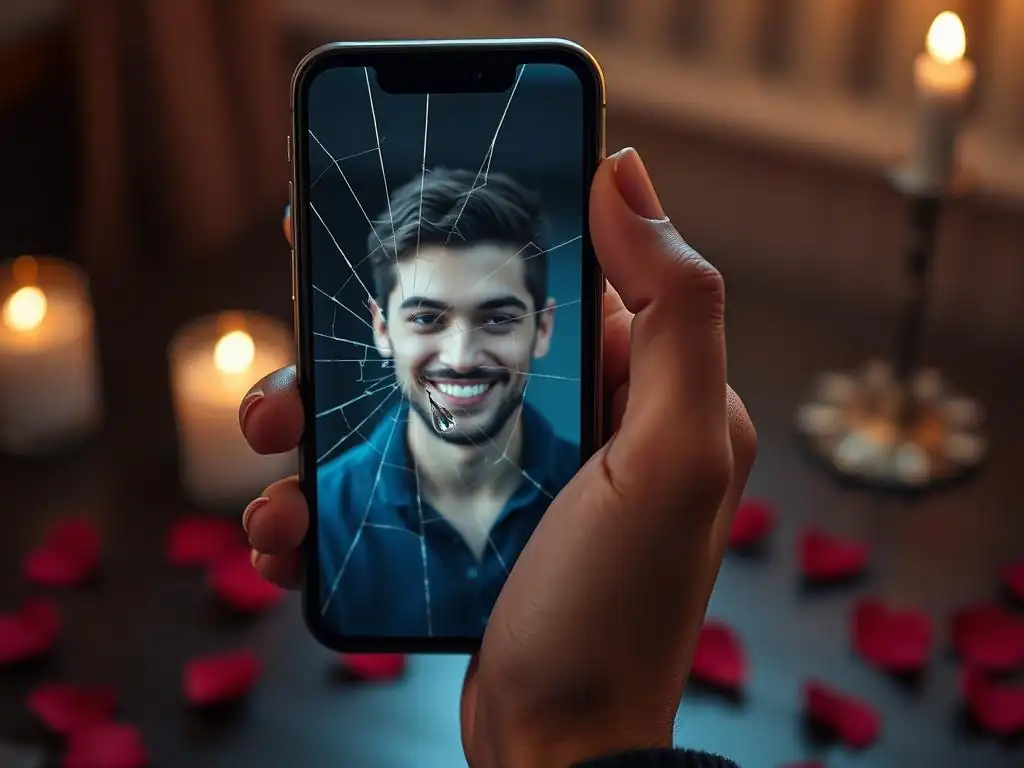
Ready to ditch the dating app disappointments and find genuine connection? At OnlineDatingSuccess.org, we empower you to navigate the world of online dating with confidence. But first, a crucial step: learning to spot fake dating profiles. This isn't just about avoiding heartbreak; it's about protecting yourself and finding the authentic relationship you deserve. Dive in and discover the secrets to identifying deceptive profiles – your journey to meaningful connections starts now!
- Spotting Fake Dating Profiles: Red Flags to Watch Out For
- How to Verify a Profile's Authenticity
- Common Tactics Used by Fake Profiles
- Protecting Yourself from Online Dating Scams
- Building Healthy Online Dating Habits
- Frequently Asked Questions
- Final Reflection: Navigating the Digital Landscape of Love
- Unmask the Truth: Take Control of Your Online Dating Safety
Spotting Fake Dating Profiles: Red Flags to Watch Out For
Navigating the world of online dating can be exciting, but it also presents unique challenges. One of the most significant concerns is encountering fake profiles—profiles created with malicious intent, often to scam users out of money or personal information. This article provides practical guidance on identifying these deceptive profiles, empowering you to protect yourself and build genuine connections.
Learning to spot fake dating profiles is crucial for maintaining your mental well-being and online safety; it allows you to focus your energy on authentic interactions and avoid potentially harmful situations. We'll explore key red flags, helping you differentiate between genuine profiles and those designed to deceive. Understanding these warning signs will significantly improve your online dating experience and help you find meaningful connections, free from the worry of scams.
Recognizing Inconsistencies in Profile Information
Inconsistencies are a major red flag when evaluating online dating profiles. Fake profiles often contain contradictory or illogical information, suggesting a lack of authenticity. Pay close attention to details like age, location, and occupation. Do their claims align with the photos and other information provided?
For example, a profile claiming to be a successful surgeon in New York City but posting photos in what appears to be a rural setting should raise immediate suspicion. Also, be wary of profiles that boast unrealistic achievements or extravagant lifestyles without providing verifiable evidence. Cross-reference information where possible. If someone claims to work at a specific company, try searching their name on LinkedIn or the company website.
A lack of online presence that contradicts their claims is another significant warning sign. Remember, inconsistencies aren't always deliberate lies; sometimes they're mistakes, but in the context of online dating safety, it's better to err on the side of caution. Thoroughly scrutinizing profile details can save you from potential heartache and financial loss.
Identifying Photoshopped or Stolen Images
Images are a crucial part of online dating profiles, but they can also be easily manipulated. Fake profiles frequently use photoshopped images or stolen photos from other sources. A quick reverse image search using Google Images or TinEye can reveal if a profile picture has been used elsewhere online.
This is a powerful tool for uncovering fake profiles. Look for inconsistencies in lighting, background, or the person's appearance across multiple photos. If the photos appear overly polished or unrealistic, or if the subject's appearance significantly changes from one image to the next, it may indicate photo manipulation.
Additionally, be wary of profiles with very few photos, or those where all the photos are of exceptionally high quality, suggesting professional photography, which is uncommon for a casual dating profile. Remember, a lack of genuine, everyday photos can be a telltale sign of a fake profile. Protecting yourself from deception starts with a critical eye towards the visual aspects of the profile.
Beware of Vague or Missing Personal Details
A lack of detail or overly generic information is another significant indicator of a fake profile. Authentic profiles usually include specific details about hobbies, interests, and lifestyle. Be cautious of profiles that are vague, using generic phrases or clichés to describe themselves without providing concrete examples.
For instance, a profile that simply states "I love traveling" without mentioning specific destinations or travel experiences should raise a red flag. Similarly, avoid profiles that lack personal information, such as age, location, or employment details. These omissions could indicate an attempt to conceal their identity.
A genuine profile usually contains enough details to paint a picture of the person's life and personality. Missing information often suggests the profile's creator is trying to remain anonymous, which is a major cause for concern in the context of online dating safety. Always prioritize profiles that present a clear and consistent picture of the individual, ensuring your interactions are built on transparency and honesty.
Unusual Language and Communication Patterns
One of the most significant red flags when spotting a fake dating profile is unusual language and communication patterns. Authentic profiles usually reflect a person's natural way of speaking. Fake profiles, on the other hand, often exhibit inconsistencies and irregularities that betray their artificial nature. This can manifest in several ways.
For example, the profile might contain overly formal language, inconsistent use of grammar and spelling, or an abrupt shift in tone from one message to the next. Imagine receiving a message filled with flowery, almost poetic language, only to have the next message be short, abrupt, and filled with internet slang. This jarring inconsistency is a major warning sign.
Furthermore, pay close attention to the content of their messages. Do they frequently use generic compliments or phrases that seem copied and pasted from other sources? Do they avoid personal questions or detailed answers to your inquiries? A genuine connection involves a reciprocal exchange of information and personal details, building trust over time.
Fake profiles often evade such exchanges, sticking to superficial interactions to avoid revealing their lack of substance. They might also employ overly romantic language disproportionate to the length of your interaction, showering you with professions of love or commitment prematurely. This is a classic tactic to manipulate and gain your trust quickly.
Another key indicator is a lack of spontaneity in their communication. Authentic conversations flow naturally, with a back-and-forth exchange of ideas and experiences. Fake profiles often respond in a canned or robotic manner, failing to engage in genuine conversation. Their replies may seem delayed or oddly timed, suggesting they are managing multiple profiles simultaneously.
You might even notice a pattern of repetitive responses, suggesting they are using pre-written templates to interact with different users. Remember, genuine connections are built on authentic communication; any deviation from this should raise a red flag. Ultimately, trust your gut feeling; if something feels off about their communication style, it's best to err on the side of caution.
How to Verify a Profile's Authenticity
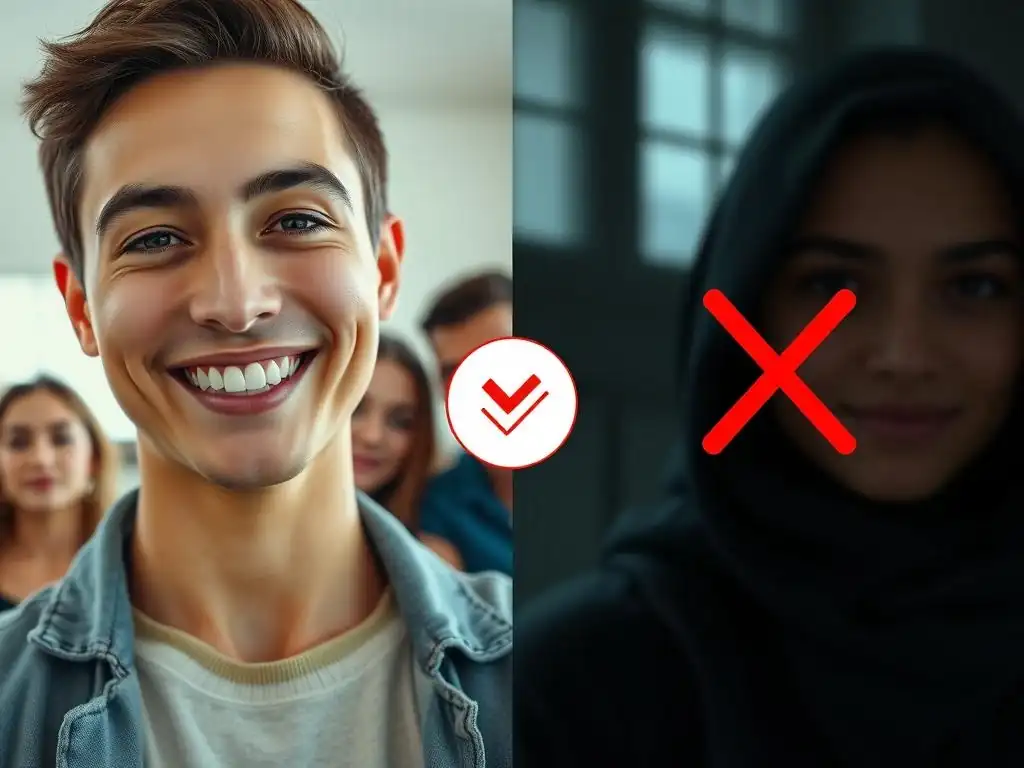
This section delves into practical techniques to assess the authenticity of profiles you encounter on online dating platforms. Spotting fake dating profiles requires a discerning eye and a proactive approach. Remember, your safety and emotional well-being are paramount. Don't hesitate to report suspicious profiles and err on the side of caution. The goal is to build genuine connections, and verifying profiles is a crucial first step.
Reverse Image Search Techniques for Profile Pictures
One of the most effective ways to spot fake dating profiles is by performing a reverse image search on profile pictures. Many scammers use stolen photos, often from models or social media accounts. Reverse image searching allows you to determine if the image appears elsewhere online. This can quickly reveal inconsistencies and red flags.
For example, if a profile picture shows a person in a seemingly professional setting, but a reverse image search reveals the same photo used on multiple dating profiles with vastly different descriptions, it's a strong indicator of a fake profile. Similarly, if the image turns up on a stock photo website, it's almost certainly a fabricated profile.
The process is straightforward: You simply upload the image to a reverse image search engine (like Google Images or TinEye) and see where else that image appears on the web. The more discrepancies found, the higher the likelihood of encountering a fake profile. This method helps you identify inconsistencies and potential deception, allowing you to proceed with caution or avoid interaction altogether. Remember to always be vigilant and trust your instincts.
Beyond reverse image searches, corroborating information found on a dating profile with the individual's social media presence can be invaluable. However, proceed with caution; don't disclose your own social media handles prematurely. Instead, subtly try to find the person's social media accounts using the information provided on their dating profile (name, profession, interests, etc. ).
If their social media presence is minimal or inconsistent with their dating profile, it could be a red flag. For example, if the profile claims to be a successful entrepreneur but their social media activity is sparse and lacks any evidence of business ventures, this warrants further investigation. Likewise, a significant discrepancy between their online personality and their dating profile description should raise concerns.
Inconsistencies in photos across platforms are another critical indicator. If the photos on their dating profile are dramatically different from those on their social media, it suggests a potential attempt to misrepresent their appearance or even identity. A lack of consistent online presence across various platforms should be treated as a significant warning sign.
Analyzing Profile Creation Date and Activity
The date a profile was created and its activity level can provide valuable insights into its authenticity. Newly created profiles with minimal activity or engagement should raise suspicion. Scammers often create numerous profiles, quickly cycling through them to avoid detection.
Conversely, profiles that have been active for a considerable length of time, have numerous photos, and have engaged in meaningful interactions with other users are generally more likely to be genuine. However, even long-standing profiles can be fake, so this is just one factor to consider in your overall assessment.
To access this information, check the profile's settings or activity logs (if available on the platform). The information may vary depending on the specific dating site or app you are using. Pay attention to the dates of photos uploaded, messages sent, and other profile updates. Unusual patterns or sudden spikes in activity could indicate suspicious behavior. By carefully observing these details, you can significantly improve your ability to spot fake dating profiles and protect yourself from potential scams.
Investigating Their Email Address and Phone Number (If Provided)
Many scammers use disposable email addresses or phone numbers to avoid detection. A quick reverse email lookup can reveal if the email address is associated with multiple accounts or known scams. Similarly, a reverse phone lookup might show the number is linked to numerous complaints or negative reviews. If the provided email address is generic or uses a free email provider like Gmail or Yahoo, but the profile claims a more professional or established background, this could raise a red flag.
For example, a profile claiming to be a successful CEO using a free email address is highly suspicious. Be wary of profiles that avoid providing contact information altogether, especially if they consistently try to steer communication towards less traceable platforms. Remember, legitimate daters are generally more comfortable sharing verified contact details as a sign of their authenticity and commitment to building trust. Always prioritize profiles offering verifiable contact information, and use caution when interacting with those that don't.
Consider the consistency between the information provided and the overall profile presentation; mismatches can be a telltale sign of a fake profile. If the phone number provided shows up in numerous online searches associated with scams, it's a strong indicator that you should proceed with extreme caution, or avoid contact altogether. Protecting your personal information is paramount, so never share sensitive data unless you are absolutely certain of the other person's identity. Remember, your safety and well-being are more important than any potential connection.
Common Tactics Used by Fake Profiles
Online dating presents a unique set of challenges, and one of the most significant is the prevalence of fake profiles. These profiles, often created with malicious intent, employ various tactics to lure unsuspecting individuals into scams or harmful situations. Understanding these common strategies is crucial for spotting fake dating profiles and protecting yourself. Learning to effectively spot fake dating profiles is a vital skill for navigating the online dating world safely.
The "Too Good to Be True" Syndrome
Fake profiles often present an idealized version of reality. Think impossibly perfect photos, flawless grammar, and a biography brimming with achievements and positive qualities, lacking any hint of imperfection or vulnerability. This "too good to be true" syndrome is a major red flag. Real people have flaws, inconsistencies, and less-than-perfect moments.
A profile that seems too polished and perfect may be masking a deceptive intent. For example, a profile might boast about owning multiple successful businesses, traveling the world extensively, and possessing an array of impressive skills – all without a single slightly negative detail. This level of perfection should raise immediate suspicion. Scrutinize the details; inconsistencies often reveal themselves upon closer examination.
Are their photos professionally done? Do they lack any casual or candid shots? This lack of realism is a key indicator of a potentially fake profile. Remember, genuine profiles showcase a balanced portrayal of a person's life, including both highs and lows.
Pressure for Quick Commitment or Financial Assistance
Another hallmark of fake profiles is the rapid escalation of the relationship and requests for financial assistance. A scammer will often express intense feelings very quickly, showering you with compliments and professing deep love within a short period. This accelerated timeline aims to overwhelm your judgment and make you more susceptible to their requests.
These requests might start subtly, perhaps asking for help with an unexpected expense or a "small loan" that will be repaid quickly. They may weave elaborate stories of misfortune to justify their need for financial aid. Be wary of any requests for money, gift cards, or personal financial information, no matter how compelling the story.
Genuine connections develop gradually, allowing time for trust and understanding to build organically. A significant indicator of a fake profile is the persistent pressure for financial assistance, often escalating quickly after initial contact. Always be cautious and never send money to someone you've only met online.
Requests for Personal Information or Financial Details
Legitimate dating profiles prioritize privacy and will rarely, if ever, ask for sensitive information upfront. Fake profiles, conversely, often try to extract personal details under various pretexts. This information could range from your full name and address to your bank account details or social security number. They might claim to need this information for "verification purposes," for "sending a gift," or for other seemingly legitimate reasons. Never share sensitive information with someone you've met online before thoroughly verifying their identity and building trust.
This is crucial for protecting your personal safety and financial security. A suspicious request for personal information, especially financial details, is a clear indication of a fraudulent profile. Remember, legitimate dating platforms prioritize user privacy and would never explicitly request such sensitive information. Always err on the side of caution and protect your personal data.
Unusual Requests and Strange Behavior Patterns
Fake profiles often exhibit unusual requests or strange behavior patterns that deviate significantly from normal online dating interactions. These irregularities can serve as crucial red flags, alerting you to potential deception. For instance, a profile might consistently request money, gift cards, or other financial assistance under various pretexts, such as claiming urgent family emergencies or sudden financial hardship. These requests, especially early in the "relationship," should raise serious concerns. Legitimate daters rarely make such demands, and the urgency often employed is a classic tactic to pressure victims into acting quickly before they can rationally assess the situation.
Another common tactic is to avoid video calls or in-person meetings. While some individuals may be understandably hesitant about revealing their identity online, a persistent refusal to engage in any form of visual interaction, even after extended periods of online communication, should be a major warning sign. This avoidance often indicates that the profile is concealing a false identity or is controlled by someone who doesn't want to be exposed.
The consistent use of generic or stock photos, coupled with a reluctance to share personal details, also strongly suggests a fake profile. Remember, genuine connections involve a gradual unveiling of personal information and a willingness to build trust through open communication and interaction.
Furthermore, pay close attention to inconsistencies in their stories. Fake profiles often weave elaborate narratives that are difficult to verify or contain contradictions. Their personal details may be vague, inconsistent, or lack the specificity that is typical of genuine profiles. For example, a profile might claim to be a successful doctor but lack concrete details about their workplace or specialization.
Or, they might mention a specific event or hobby but provide information that contradicts publicly available knowledge. This lack of transparency and the presence of conflicting information are significant indicators of a deceptive profile. Always cross-reference information provided with publicly accessible data to verify its authenticity. A quick online search can often reveal discrepancies and inconsistencies that would otherwise go unnoticed.
Trust your instincts; if something feels off, it probably is. Prioritizing your safety and well-being is paramount in the online dating world. Remember, a genuine connection is built on trust and transparency, not suspicious requests or evasive behavior.
Protecting Yourself from Online Dating Scams

This section focuses on proactive measures you can take to minimize your risk of encountering fake profiles and falling victim to online dating scams. Remember, prevention is key when it comes to "spotting fake dating profiles". While no method is foolproof, implementing these strategies significantly reduces your vulnerability.
Maintaining Privacy and Protecting Your Personal Information
Never share sensitive personal information with someone you've only met online, no matter how much you trust them. This includes your full name, address, workplace, financial details, social security number, and any other data that could be used to identify or harm you. Think before you post; even seemingly innocuous details can be pieced together by scammers to create a complete picture of your life.
Avoid posting photos that reveal too much about your daily routine. For example, a picture taken outside your home clearly shows your address, while a picture of your workplace could expose your employment details. Remember, the goal is to build a connection, not to broadcast your life story to strangers.
Consider using a different email address and phone number specifically for online dating. This adds an extra layer of protection, separating your dating life from your personal and professional communications. This helps you to better "spot fake dating profiles" as you maintain a degree of anonymity.
Here's a helpful checklist to keep in mind:
- [x] Avoid sharing your full name immediately.
- [x] Don't reveal your exact location.
- [x] Don't share financial details.
- [x] Don't post photos that reveal identifying information.
- [x] Use a separate email address and phone number.
Reporting Suspicious Profiles to the Dating Platform
Most reputable dating platforms have mechanisms in place to report suspicious profiles. If you encounter a profile that seems fake, incomplete, or exhibits suspicious behavior, don't hesitate to report it. This helps the platform identify and remove fraudulent accounts, contributing to a safer environment for everyone. This is a crucial step in helping others avoid being targeted by scammers and effectively "spot fake dating profiles."
Look for a "report" or "flag" button on the profile in question. Usually, you'll be given the option to explain why you believe the profile is suspicious. Provide as much detail as possible, including specific examples of suspicious behavior or inconsistencies. The more information you give, the better equipped the platform is to investigate.
Remember, reporting a suspicious profile isn't tattling; it's an act of community responsibility. By reporting these profiles, you're actively contributing to a safer online dating experience for everyone.
Using Enhanced Privacy Settings on Dating Apps
Most dating apps offer various privacy settings that allow you to control the visibility of your profile. Take advantage of these features to limit the amount of information visible to others. This is a proactive way to "spot fake dating profiles" and reduce your chances of being targeted by scammers.
For example, you can often choose to:
- Limit who can see your photos: Restrict access to only those who have matched with you or are part of your network.
- Control your profile visibility: Make your profile visible only to certain groups or within a specific geographic radius.
- Manage your location sharing: Avoid sharing your precise location with strangers. Many apps offer options to blur or hide your location altogether.
- Restrict who can message you: Allow only matched users or those you've approved to contact you directly.
By carefully managing your privacy settings, you can significantly reduce your exposure to potential scams and create a more secure online dating experience. Remember, a little extra caution can go a long way in protecting yourself.
Prioritizing Safety and Trust in Online Interactions
Building trust online requires a cautious and considered approach. It's crucial to remember that you're interacting with strangers, and while genuine connections are possible, there's always a risk. Protecting yourself begins with understanding that rushing into intimacy or sharing personal information prematurely is a major red flag. Take your time getting to know someone, and don't feel pressured to reveal more than you're comfortable with. A genuine connection will grow organically, respecting your boundaries and pacing.
One effective strategy is to employ a "slow reveal" approach. Don't divulge sensitive information like your full name, address, or workplace in the initial stages of online communication. Start with general conversations, sharing interests and hobbies, and gradually revealing more personal details as you build rapport and confidence in the other person's authenticity. Be wary of anyone who presses you to share personal information too quickly or seems overly interested in your financial situation.
Remember, your safety and well-being are paramount. If something feels off, trust your instincts. Don't hesitate to end the conversation or block a user if you feel uneasy, regardless of how charming or persuasive they may seem. Your intuition is a powerful tool in spotting potential red flags, and it's always better to err on the side of caution. Online dating should be an enjoyable experience, and prioritizing your safety ensures that it remains so.
Maintaining a healthy skepticism and practicing self-preservation is key to navigating the online dating world responsibly. Remember, a genuine connection will respect your boundaries and understand your need for safety. Don't compromise your well-being for the sake of a potential relationship. Your safety is worth more than any fleeting connection.
Building Healthy Online Dating Habits
This section focuses on proactive strategies to minimize your risk of encountering fake profiles while cultivating positive online dating experiences. Remember, prevention is key when it comes to spotting fake dating profiles. Building healthy habits from the outset significantly reduces your vulnerability.
Fostering Healthy Communication and Boundaries
Effective communication is crucial, not just for building genuine connections, but also for identifying potential red flags. Avoid rushing into deep, personal conversations too quickly. Scammers often try to build rapport rapidly, creating a false sense of intimacy to manipulate their targets. Instead, focus on light, engaging conversations initially. Ask open-ended questions to encourage genuine responses and observe how much detail they provide. Inconsistencies or evasiveness could be warning signs.
For example, if someone claims to be a successful entrepreneur but provides vague answers about their work or avoids specific questions, it's a cause for concern. Similarly, be wary of overly complimentary messages that lack substance. Genuine interest is shown through thoughtful engagement, not generic flattery.
Establish clear boundaries from the start. Don't share sensitive personal information, such as your full address, financial details, or social security number, until you've met in person and built trust. This protective approach helps you spot fake dating profiles because scammers often push for this information early in the interaction.
Remember, healthy communication involves mutual respect and transparency. If someone makes you feel uncomfortable or pressured, trust your instincts and disengage.
Prioritizing In-Person Meetings for Verification
One of the most effective ways to spot fake dating profiles is to prioritize meeting potential partners in person. Online interactions can be deceiving; a carefully crafted profile and engaging messages don't guarantee authenticity. A face-to-face meeting allows you to assess their body language, verify their identity, and observe if their online persona aligns with their real-life presence.
Before committing to an in-person meeting, suggest a video call first. This can help you verify their identity and assess their demeanor. Many scammers avoid video calls, citing various excuses. If this happens, it's a significant red flag.
When arranging a meeting, choose a public place for your first encounter. Let a friend or family member know where you're going and who you're meeting. These precautions are essential for your safety and help mitigate potential risks associated with meeting strangers from online dating platforms. Remember, safety should always be your top priority.
Trusting Your Instincts and Recognizing Warning Signs
Your intuition is a powerful tool in identifying deception. If something feels off, don't dismiss it. Pay attention to inconsistencies in their stories, evasiveness about personal details, or a pressure to move the relationship forward quickly. These are common warning signs of fraudulent profiles.
Here's a table summarizing some key warning signs to watch out for:
| Warning Sign | Description |
|---|---|
| Vague or inconsistent profiles | Missing information, contradictory details, or overly generic descriptions. |
| Overly flattering messages | Generic compliments without any substance or genuine interest in getting to know you. |
| Pressure for quick meetings | Urging you to meet in person without sufficient interaction or building trust. |
| Requests for money or financial assistance | Asking for money, gifts, or loans under various pretexts. |
| Avoidance of video calls | Refusal to engage in video calls despite repeated requests. |
| Unrealistic promises | Making promises that sound too good to be true. |
Learning to spot fake dating profiles involves a combination of proactive measures, healthy communication habits, and trusting your instincts. By prioritizing your safety and well-being, you can significantly improve your online dating experience and build meaningful connections. Remember, taking your time and being cautious is far better than rushing into a potentially harmful situation.
Frequently Asked Questions
How can I spot a fake profile on a dating site?
Look for inconsistencies in photos, limited or generic profile information, and suspicious requests for money or personal details. Be wary of profiles with overly flattering photos or those that seem too good to be true.
What are some common red flags to watch out for?
Inconsistencies in their story, grammar errors, and a reluctance to video chat are major red flags. Also be suspicious of profiles that are newly created and have very few friends or connections.
What should I do if I suspect someone's profile is fake?
Report the profile to the dating site immediately. Do not engage further with the person, and block them to prevent future contact. Preserve any evidence of suspicious activity.
How can I protect myself from fake profiles?
Use reputable dating sites with strong verification processes. Verify their identity through video chat or by asking detailed questions about their life. Trust your instincts; if something feels off, it probably is.
Are all fake profiles easy to spot?
No, some fake profiles are very sophisticated. Scammers are constantly evolving their tactics. Staying vigilant, being cautious, and utilizing the safety features offered by dating sites are crucial for your online safety.
The proliferation of online dating has undeniably revolutionized romance, but it's also created a breeding ground for deception. The ability to spot fake profiles is no longer a niche skill; it's a crucial form of digital literacy in today's world. Failing to recognize the red flags can lead to heartbreak, financial loss, and even endangerment. This isn't just about finding "the one"; it's about protecting yourself in a rapidly evolving digital landscape.
The impact of fake profiles extends far beyond individual experiences; it erodes trust in online interactions and perpetuates a climate of suspicion. This constant vigilance, this need to question authenticity, subtly alters how we engage with others online, even beyond the realm of dating. The internet is a powerful tool, but it's also a double-edged sword. We must learn to wield it wisely and cautiously.
This quote encapsulates the delicate balance we must strike – embracing the opportunities of online connection while remaining acutely aware of the potential pitfalls.
So, what's the takeaway? Don't let the fear of deception paralyze you from seeking connection. Instead, equip yourself with the knowledge and tools to navigate the digital dating world safely and confidently. Take the time to learn the warning signs, to verify information, and to trust your instincts. Remember, genuine connection thrives on authenticity, and by being discerning, you increase your chances of finding it. Embrace the journey, but always prioritize your safety and well-being.
Unmask the Truth: Take Control of Your Online Dating Safety
Thank you for learning how to identify fake profiles! You've gained valuable knowledge to navigate online dating safely and confidently. Ready to use this knowledge?
- Report suspicious profiles. This is the first step in creating a safer online dating experience for everyone.
- Share this article with friends; spreading awareness is crucial.
- Join our community forum for in-depth discussions on online dating safety and real-life experiences.
Now, what specific red flags will you be watching for?