
The Intriguing World of Online Scams: How to Spot and Avoid Them


Welcome to OnlineDatingSuccess.org, your guide to navigating the exciting – yet sometimes treacherous – world of online dating. We're dedicated to helping you find meaningful connections, and that starts with safety. *This is why we're focusing on a crucial topic today: online dating scam prevention. Learn how to identify red flags and protect yourself from fraudulent profiles and harmful interactions. Discover the strategies you need to build genuine connections while staying safe. Ready to unlock the secrets to a secure and successful online dating experience? Let's dive in!
- Understanding Online Dating Scam Prevention: Recognizing the Red Flags
- Protecting Yourself from Online Dating Scams: Practical Strategies
- Advanced Online Dating Scam Prevention: Beyond the Basics
-
Building a Safe and Successful Online Dating Experience
- Creating a Secure Online Dating Profile: Privacy Settings and Information Sharing
- Communicating Safely Online: Protecting Your Identity and Avoiding Personal Information Disclosure
- Building Healthy Relationships Online: Trust, Transparency, and Respect
- Resources for Online Dating Safety and Scam Prevention
- Frequently Asked Questions
- Final Reflection: Navigating the Digital Minefield: Protecting Yourself from Online Deception
- Unmask Online Deception: Protect Yourself Now!
Understanding Online Dating Scam Prevention: Recognizing the Red Flags
Navigating the exciting yet sometimes treacherous waters of online dating requires awareness and proactive measures. This article delves into the crucial topic of online dating scam prevention, equipping you with the knowledge and strategies to protect yourself from potential harm and ensure a safe and rewarding online dating experience. The prevalence of online scams targeting dating app users is alarmingly high, making understanding how to identify and avoid these deceptive tactics essential for anyone seeking connection and companionship online.
We will explore various types of scams, highlighting common red flags and providing practical advice to help you build trust and avoid becoming a victim. Remember, staying vigilant and informed is your best defense in the digital dating world.
This guide is designed to empower you to take control of your online safety and make informed decisions to protect your personal information and emotional well-being. Let's dive in and learn how to confidently navigate the online dating landscape while minimizing risks.
Common Online Dating Scams and Their Tactics
Online dating scams employ a variety of deceptive tactics, often exploiting the vulnerability and desire for connection inherent in the online dating experience. Understanding these tactics is the first step toward effective prevention. Here are some common examples:
- The "Emergency" Scam: This involves a scammer creating a seemingly genuine profile, building a rapport, and then suddenly facing a fabricated crisis (e.g., needing money for medical expenses, travel emergencies, or legal issues). They'll often pressure you for immediate financial assistance. 🚩 Red Flag: Sudden requests for money, especially under duress, should always raise suspicion.
- The "Investment" Scam: The scammer may portray themselves as a successful investor or entrepreneur, promising high returns on investment. They'll often entice you with promises of quick riches, leading you to invest your money in fraudulent schemes. 💰 Red Flag: Unsolicited investment offers, especially those promising unrealistic returns, are major warning signs.
- The "Romance" Scam (Catfishing): This involves creating a fake persona to build a strong emotional connection with the victim. The scammer may spend weeks or months cultivating a relationship before asking for money or personal information. 💔 Red Flag: Inconsistent information, reluctance to video chat, and requests for money are all indicators of a potential romance scam.
| Scam Type | Common Tactics | Red Flags |
|---|---|---|
| Emergency Scam | Fabricated emergencies requiring immediate financial aid | Sudden requests for money, pressure tactics, vague explanations of need |
| Investment Scam | Promises of high returns on fraudulent investments | Unsolicited investment offers, unrealistic promises of quick riches |
| Romance/Catfishing Scam | Building a strong emotional connection, fake persona | Inconsistent information, reluctance to video chat, requests for money, lack of mutual effort in the relationship |
Identifying Phishing Attempts and Fake Profiles in Online Dating
Phishing attempts and fake profiles are prevalent in the online dating world. These scams aim to steal your personal information or financial data. Here's how to identify them:
- Fake Profiles: These profiles often use stolen images, generic information, and inconsistent details. They may have few or no photos, or the photos may be of unusually high quality. They often avoid detailed conversations, focusing instead on quickly gaining your trust. 🕵️ Red Flag: Lack of personal details, inconsistent information, or overly generic profiles.
- Phishing Attempts: These may involve emails, messages, or links that appear legitimate but redirect you to fraudulent websites that collect your personal information (passwords, credit card numbers, etc.). These messages often use urgency and fear tactics to pressure you into acting quickly. 🎣 Red Flag: Suspicious links, requests for personal information, urgent or threatening language. Always verify the authenticity of any website or email before clicking links or providing personal information.
Recognizing Signs of Catfishing and Romance Scams
Catfishing, a form of online deception, involves creating a false online persona to lure someone into a relationship. Romance scams often overlap with catfishing, using fabricated identities to manipulate victims emotionally and financially. Key indicators include:
- Inconsistency: Information provided by the individual is contradictory or changes over time. Their story might not add up, or details could be easily disproven through online searches.
- Avoidance of Video Calls or In-Person Meetings: The scammer will consistently find excuses to avoid video calls or in-person meetings, claiming various reasons such as busy schedules or technical difficulties. This is to conceal their true identity.
- Excessive Compliments and Declarations of Love: The scammer will shower you with excessive compliments and declarations of love within a short period of time, creating an unrealistic sense of connection.
- Requests for Financial Assistance: After building trust, the scammer will invent situations that necessitate financial help, often involving emergencies or unexpected expenses. They may ask for money through wire transfers or gift cards, making it difficult to trace the funds.
Recognizing these red flags and being cautious about sharing personal information or money online are crucial steps towards protecting yourself from catfishing and romance scams. Remember, genuine relationships build trust gradually, and excessive pressure or requests for money should be treated with extreme caution.
Protecting Yourself from Online Dating Scams: Practical Strategies
Online dating offers exciting possibilities for connection, but it's crucial to be aware of the potential risks. Successful online dating scam prevention hinges on proactive measures and a healthy dose of skepticism. This section focuses on practical strategies to protect yourself from various online dating scams, ensuring a safer and more positive experience. Remember, your safety and well-being are paramount.
Safe Online Dating Practices: Securing Your Personal Information
Protecting your personal information is the cornerstone of online dating scam prevention. Never share sensitive details like your full address, social security number, bank account information, or place of work with someone you've only met online, no matter how much you trust them. Even seemingly innocuous information can be pieced together by scammers to build a comprehensive profile for identity theft or other malicious activities.
Consider using a separate email address and phone number specifically for online dating. This creates a layer of separation between your personal and online dating communications, limiting the exposure of your primary contact information. Be cautious about sharing photos. Avoid posting images that reveal too much personal information about your location or lifestyle. Use strong, unique passwords for all your online dating accounts and enable two-factor authentication whenever possible. Regularly review your privacy settings on all dating platforms to ensure you're sharing only the information you're comfortable with.
Think of it like this: you wouldn't give your house keys to a stranger on the street; treat your personal information with the same level of caution online. A little extra vigilance goes a long way in online dating scam prevention.
Verifying Profiles and Background Checks for Online Dating
While many dating sites employ verification processes, it's essential to take additional steps to verify the authenticity of profiles. Be wary of profiles with limited information, blurry or inconsistent photos, or grammatical errors. Conduct a reverse image search on any photos to see if they appear elsewhere online. This can help reveal if the images are stolen or being used deceptively.
Consider using a reputable background check service (if available and legal in your jurisdiction) to gain additional insight into a potential match's background. This is especially important if you're considering meeting someone in person. Remember, a thorough check can help you identify any inconsistencies or red flags that might otherwise be missed. Always approach online relationships with a healthy skepticism and don't be afraid to ask probing questions. The goal is to verify their identity and intentions. Don't rush the process; take your time to get to know someone before sharing personal details or meeting in person.
Setting Boundaries and Communication Strategies to Avoid Scams
Effective communication is key to online dating scam prevention. Establish clear boundaries from the outset. Don't feel pressured to share personal information or meet in person before you feel comfortable and have had sufficient time to get to know someone. Be wary of individuals who are overly persistent, pushy, or avoid answering direct questions.
Learn to recognize common scam tactics, such as requests for money, gifts, or financial assistance. Legitimate relationships don't involve such requests, especially in the early stages. If someone asks for money or financial help, it's a major red flag. 🚩 Report suspicious activity to the dating platform immediately. Most reputable sites have mechanisms in place to report and investigate suspicious profiles and activities.
Remember, building trust takes time. If something feels off or too good to be true, it probably is. Trust your instincts. Your safety and well-being are more important than a potential romantic connection. Prioritize your security and don't be afraid to end contact with anyone who makes you feel uncomfortable or uneasy. This proactive approach is vital for effective online dating scam prevention.
Reporting Suspicious Activity
Reporting suspicious activity is crucial for online dating scam prevention. If you encounter a profile or interaction that raises red flags—excessive requests for money, inconsistent stories, pressure to move communication off the platform, or any behavior that makes you uncomfortable—don't hesitate to report it. Most reputable online dating platforms have robust reporting mechanisms in place. These mechanisms allow their teams to investigate suspicious accounts and potentially prevent others from falling victim to the same scams.
Take screenshots of incriminating messages or profile information as evidence. Detailed reports, including dates, times, and specific examples of suspicious behavior, are significantly more helpful to investigators. Remember, reporting is not just about protecting yourself; it's about helping protect the broader online dating community. The more reports platforms receive, the better they can identify and remove fraudulent accounts, contributing significantly to online dating scam prevention.
Don't feel ashamed or embarrassed to report; your vigilance is a valuable asset in the fight against online dating fraud. Many platforms offer anonymity during the reporting process, further ensuring your safety and privacy. By actively reporting suspicious activity, you become a crucial part of the solution.
Protecting Your Digital Footprint
Protecting your digital footprint is paramount in online dating scam prevention. Avoid sharing overly personal information, such as your full address, workplace address, or the exact location of your children's school. Be cautious about posting pictures that reveal too much about your daily routine or your home's surroundings. These details can be used by scammers to target you more effectively.
Instead of sharing your full name on your profile, consider using a nickname or initials. Similarly, be selective about the photos you upload. Choose images that don't reveal too much about your life outside of the dating app. Think twice before sharing your phone number or email address too early in the online dating process.
Use a dedicated email address for online dating, separate from your primary email account, to minimize the risk of unwanted spam or phishing attempts. Regularly review your privacy settings on all social media platforms and dating apps to ensure that you're only sharing information you're comfortable with. By being mindful of your online presence and limiting the amount of personal information you share, you can significantly reduce your vulnerability to online dating scams and enhance your overall online safety. Remember, a strong digital footprint management strategy is a key component of effective online dating scam prevention.
Advanced Online Dating Scam Prevention: Beyond the Basics
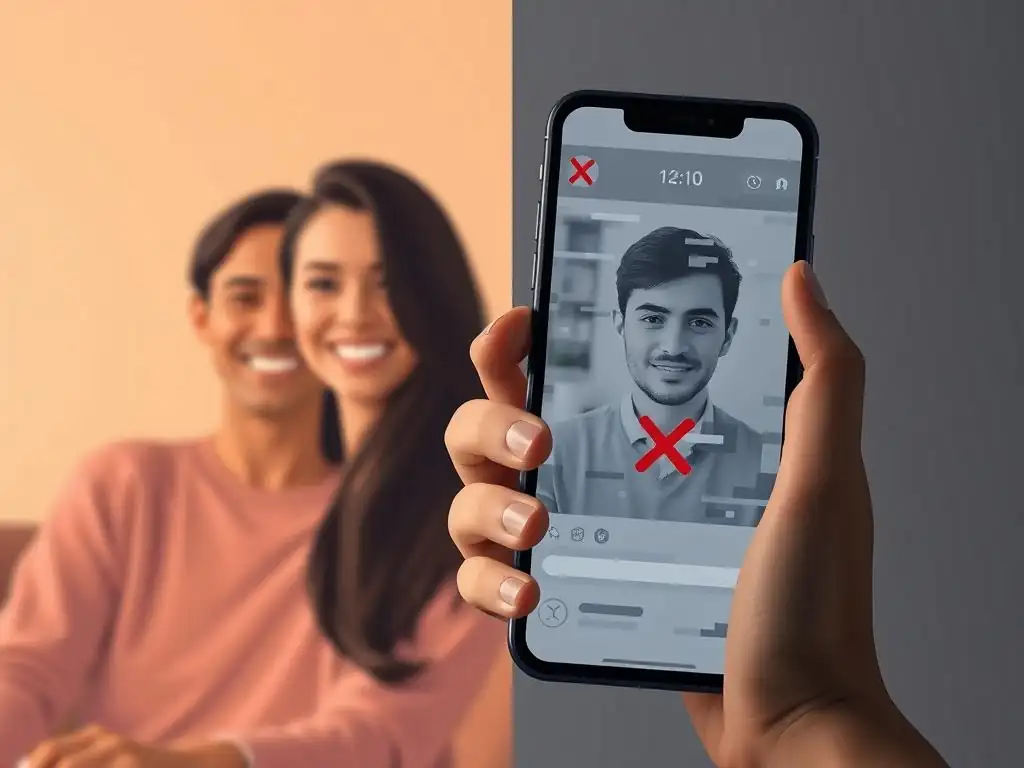

This section delves into sophisticated online dating scam prevention techniques, moving beyond the commonly known red flags. We'll explore how to protect your financial well-being, identify and counteract emotional manipulation, and understand your legal options if you become a victim. Remember, proactive measures are key to successful online dating scam prevention. The goal is not just to avoid scams, but to cultivate a safe and positive online dating experience.
Financial Security in Online Dating: Avoiding Money Requests and Transfers
Financial scams are a prevalent aspect of online dating fraud. Perpetrators often employ elaborate schemes to extract money from their victims. A common tactic involves creating a sense of urgency and need, weaving compelling narratives about unforeseen financial hardships or emergencies. These stories might involve medical bills, family crises, or business setbacks, designed to evoke empathy and prompt financial assistance.
Never, under any circumstances, send money to someone you've only met online, regardless of how convincing their story may seem. Legitimate relationships don't require financial transactions. If someone asks for money, it's a significant red flag indicative of a potential scam. Be wary of requests for gift cards, wire transfers, or cryptocurrency, as these are difficult to trace and recover.
Here's a table summarizing common financial scam tactics and how to avoid them:
| Scam Tactic | Red Flags | Prevention Strategy |
|---|---|---|
| Requesting Money for Emergencies | Urgent requests, vague details, pressure to act fast | Verify the story independently; never send money. |
| Investment Opportunities | Unusually high returns, lack of transparency | Research the investment thoroughly; consult a financial advisor. |
| Fake Charity Donations | Pressure to donate; lack of verifiable information | Research the charity; donate through established channels. |
Remember, genuine connections don't involve financial transactions. Prioritize your financial security and protect yourself from these manipulative tactics. Building trust takes time, and a legitimate partner will understand and respect your boundaries.
Emotional Manipulation Tactics and How to Counter Them
Online dating scammers are masters of emotional manipulation, using psychological tactics to gain your trust and exploit your vulnerabilities. They often employ "love bombing," showering you with excessive affection and compliments in the early stages of the relationship. This creates a strong emotional bond, making you more susceptible to their later requests.
Another common tactic is gaslighting, where they subtly manipulate your perception of reality, making you question your own judgment and instincts. They might deny previous conversations, twist your words, or dismiss your concerns. This can lead to feelings of confusion and self-doubt, making you more likely to comply with their requests.
To counter these tactics:
- Maintain your independence: Don't let the relationship consume your entire life. Maintain your hobbies, friendships, and other commitments.
- Trust your instincts: If something feels off, don't ignore it. Your gut feeling is often right.
- Take your time: Don't rush into a relationship. Get to know someone gradually and cautiously.
- Seek external validation: Talk to trusted friends or family members about your online dating experiences.
Learning to recognize and counter these manipulative techniques is crucial for effective online dating scam prevention. Your emotional well-being is paramount, and protecting it is just as important as protecting your finances.
Legal Recourse for Victims of Online Dating Scams
If you've become a victim of an online dating scam, several legal avenues may be available to you. Reporting the scam to the appropriate authorities is the first step. This includes contacting your local law enforcement and the Federal Trade Commission (FTC). Documenting all communication, financial transactions, and personal information related to the scammer is crucial for your investigation.
Depending on the nature of the scam, you may be able to pursue civil action against the scammer to recover your losses. This might involve filing a lawsuit to recover the money you lost. You should consult with an attorney specializing in fraud and cybercrime to explore your legal options and determine the best course of action.
Remember that recovering your losses is not always guaranteed, but taking legal action can be a powerful step in holding the scammer accountable and preventing future victims. Seeking legal counsel is an important aspect of online dating scam prevention, providing a sense of security and support in the aftermath of a difficult experience.
Building a Safe and Successful Online Dating Experience
This section focuses on proactive strategies to minimize your risk of encountering online dating scams while maximizing your chances of forming genuine connections. Remember, online dating scam prevention is a multifaceted process requiring vigilance and awareness.
Creating a Secure Online Dating Profile: Privacy Settings and Information Sharing
Crafting a compelling online dating profile involves a delicate balance: showcasing your personality while safeguarding your personal information. Over-sharing can make you a target for scams. Think of your profile as a carefully curated window into your life, not an open book.
Here's how to strike that balance:
- Privacy Settings: Utilize all available privacy settings on the dating platform. Limit who can view your photos, contact you, and see your profile details. Many platforms offer granular control – take advantage of it! For example, you might choose to only allow messages from users who meet specific criteria (e.g., verified profiles, certain age ranges).
- Information Sharing: Avoid revealing personally identifiable information (PII) in your profile or initial messages. This includes your full name, address, workplace, phone number, social media handles, and exact location. Instead, use general descriptions. For example, instead of saying "I work at Acme Corp on Elm Street," you could write, "I work in the tech industry in a mid-sized city."
- Photo Selection: Be mindful of the photos you share. Avoid images that reveal too much about your daily life or location (e.g., photos taken in front of your house, with your license plate visible, or showing your workplace). Opt for photos that showcase your personality and interests without compromising your security.
- Profile Verification: Many dating platforms offer profile verification features. Take advantage of these! A verified profile signals to other users that you are a genuine person, helping to deter scammers.
Communicating Safely Online: Protecting Your Identity and Avoiding Personal Information Disclosure
Even with a secure profile, maintaining safe communication is crucial for online dating scam prevention. Scammers are adept at building trust and extracting information.
Here are some key precautions:
- Suspicious Requests: Be wary of requests for financial assistance, gifts, or personal information early in the communication process. Legitimate relationships don't rely on financial transactions. 🚩 Red Flag: A sudden request for money, especially under duress or with a sob story, is a major warning sign.
- Slow and Steady: Don't rush into deep conversations or sharing personal details. Take your time to get to know someone before revealing sensitive information. Build trust gradually.
- Verify Information: If someone claims to be a doctor, lawyer, or military personnel, verify their identity through independent channels. Don't rely solely on their words.
- Video Calls: Propose a video call early in the process. This is an effective way to verify someone's identity and authenticity. A scammer is less likely to agree to a video call.
- Reverse Image Search: If you're unsure about someone's profile picture, perform a reverse image search to check if the photo appears elsewhere online. This can help uncover potential catfishing.
Building Healthy Relationships Online: Trust, Transparency, and Respect
Developing healthy online relationships requires a foundation of trust, transparency, and mutual respect. These principles are vital not only for building a fulfilling relationship but also for online dating scam prevention.
Remember these crucial points:
- Trust Your Instincts: If something feels off or makes you uncomfortable, trust your gut feeling. It's always better to err on the side of caution.
- Transparency: Be open and honest about your intentions and expectations. Avoid misleading information or hiding aspects of your life.
- Respect Boundaries: Respect the boundaries of the other person, both online and offline. Avoid pressuring someone into doing something they're not comfortable with.
- Mutual Support: A healthy relationship involves mutual support and understanding. If you're ever feeling pressured or manipulated, seek advice from friends, family, or a support group.
By following these guidelines, you can significantly reduce your risk of encountering online dating scams and increase your chances of forming meaningful connections. Remember, online dating scam prevention is an ongoing process—stay vigilant, and prioritize your safety and well-being.
Resources for Online Dating Safety and Scam Prevention
Numerous resources exist to help you navigate the sometimes treacherous waters of online dating and avoid scams. Understanding where to find reliable information is crucial for your safety and peace of mind. Many organizations and platforms dedicate themselves to educating users about online dating safety and scam prevention. These resources often provide practical tips, real-life examples of scams, and advice on how to report suspicious activity.
One valuable resource is often found directly within the online dating platforms themselves. Many reputable platforms have built-in safety features and resources, including help centers with FAQs, articles, and videos addressing common scams and safety concerns. These internal resources are often tailored to the specific platform's policies and user base, making them highly relevant and practical. Take the time to explore these resources – they are often a first line of defense against scams.
Beyond the platforms themselves, governmental agencies and consumer protection organizations also provide valuable information on online dating safety. These organizations often publish guides and alerts on prevalent scams, offering advice on how to identify and avoid them. Their information frequently includes legal advice and steps to take if you believe you've been a victim of a scam. Checking your country's or region's consumer protection website is a smart move to stay informed about current trends in online dating scams.
Furthermore, independent websites and blogs focused on online safety and cybersecurity often dedicate sections to online dating safety. These resources frequently provide in-depth analysis of different scam techniques, offer advice on protecting your personal information, and may even provide community forums where users can share their experiences and learn from each other. However, it's crucial to critically evaluate the credibility of such sources, ensuring that the information aligns with reputable sources like governmental agencies or established cybersecurity organizations. Cross-referencing information across multiple sources is always a good practice.
Finally, remember that your personal network can be a valuable resource. Talking to trusted friends and family about your online dating experiences can provide a supportive environment and help you identify potential red flags you might otherwise miss. Sharing your concerns and experiences can not only provide emotional support but also offer valuable perspectives from those outside the online dating world. Open communication is key to staying safe and building meaningful connections online. Don't hesitate to reach out for support – a trusted friend or family member can often provide a much-needed second opinion.
Frequently Asked Questions
How can I spot a potential online dating scam?
Be wary of profiles with limited information, poor-quality photos, or excessive flattery. Look for inconsistencies in their stories and be cautious of anyone who pressures you for money or personal details too quickly. Red flags are crucial to watch out for.
What are some common tactics used by online dating scammers?
Scammers often create a sense of urgency, claiming to be in a difficult situation needing financial help. They may also try to isolate you from friends and family or move the conversation quickly off the dating platform. Always be suspicious of requests for money or sensitive information.
How can I protect my personal information while online dating?
Never share your full name, address, phone number, or social security number with someone you've only met online. Use a separate email address for online dating and be careful about the photos you share. Verify profiles through reverse image searches.
What should I do if I think I'm being scammed?
Immediately stop all communication with the suspicious individual. Report the profile to the dating platform and consider reporting it to the authorities. Document all communication and transactions for potential future investigations.
Where can I find more information on online dating safety?
OnlineDatingSuccess.org offers comprehensive guides and practical advice on staying safe while online dating. We also provide resources to help you identify and avoid scams, and build healthy relationships. Visit our site for more information.
The rise of online interactions has brought unprecedented opportunities, but it has also created a fertile ground for sophisticated scams. The ease of connection, while revolutionary, simultaneously makes us vulnerable to those who prey on our trust and desires. Understanding the tactics employed by online scammers is no longer a niche skill; it's a crucial element of digital literacy in today's world.
The pervasiveness of online dating scams, in particular, highlights the urgent need for awareness and proactive measures. These scams prey on our fundamental human needs for connection and belonging, making them particularly insidious. The emotional manipulation involved can leave lasting scars, far beyond the financial losses. The best way to avoid being scammed is to be informed and vigilant.
This simple truth underscores the importance of continuous learning and critical thinking when navigating the digital landscape. The emotional toll of these scams shouldn't be underestimated; it's a crucial aspect often overlooked in discussions about online safety.
You, the reader, now possess the knowledge to identify and avoid many common online scams. Take this information and use it to build a safer and more informed online experience. Don't let fear paralyze you; instead, let knowledge empower you. Be skeptical, verify information, and trust your instincts. Your online safety is not just about protecting your finances; it's about protecting your emotional well-being and your right to genuine connection in the digital age. Take control of your online journey, and build a future free from the shadows of deception.
Unmask Online Deception: Protect Yourself Now!
Thank you for learning about online scams. You've gained valuable knowledge to enhance your online safety. Ready to take the next step?
- Implement these three crucial safety tips today: Regularly review your privacy settings on all your accounts, thoroughly research online profiles before interacting, and never share sensitive personal information like passwords or financial details. This significantly reduces your risk of becoming a victim.
- Share this article with your friends and family to help spread awareness and protect your loved ones from online scams. A little knowledge can make a big difference!
- Join the conversation below! Share your most effective anti-scam technique. Let's build a stronger, safer online community together.
What simple step can you take right now to improve your online security?