
Attachment Styles and the Fear of Vulnerability Online


Ready to unlock the secrets to finding lasting love in the digital age? At OnlineDatingSuccess.org, we equip you with the knowledge and strategies to navigate the complexities of online dating. But what if your attachment style is secretly sabotaging your chances of finding a meaningful connection? This article dives deep into the crucial link between online dating vulnerability and your attachment style, revealing how understanding your patterns can transform your dating experience. Discover how to overcome anxieties and build healthier relationships – let's get started!
- Understanding Your Attachment Style in Online Dating
- The Fear of Vulnerability and Online Dating
- Attachment Styles and Online Dating Success
- Practical Tips for Managing Vulnerability in Online Dating
- Finding Love Online Despite Attachment Insecurity
-
Frequently Asked Questions
- How does my attachment style affect my online dating experience?
- What is the connection between vulnerability and online dating success?
- I'm afraid of being vulnerable online. Is this normal?
- How can I manage my fear of vulnerability while online dating?
- Are there specific online dating strategies for people with different attachment styles?
- Final Reflection: Unveiling the Vulnerable Heart in the Digital Age
- Uncover Your Online Dating Potential: Embrace Vulnerability, Find Connection
Understanding Your Attachment Style in Online Dating
Navigating the world of online dating can feel like traversing a minefield, especially when you consider the complexities of human connection and the vulnerability inherent in putting yourself out there. This article delves into the crucial intersection of attachment styles and online dating, exploring how your attachment style – whether secure, anxious, or avoidant – significantly impacts your online dating experience, from crafting your profile to engaging in conversations.
Understanding your attachment style is key to unlocking more fulfilling and authentic connections, minimizing potential pitfalls, and ultimately, achieving online dating success. We'll equip you with the knowledge to recognize your own patterns, understand their origins, and consciously work towards healthier online dating interactions.
Learning to manage vulnerability online is a crucial step towards building meaningful relationships, and this guide provides the tools to do just that. Let's explore how your attachment style shapes your online dating journey and how to navigate it effectively.
Identifying Your Attachment Style: Secure, Anxious, Avoidant
Understanding your attachment style is the first step towards navigating online dating with greater self-awareness. Attachment theory suggests three primary styles: secure, anxious, and avoidant. Each style stems from early childhood experiences and significantly influences how we approach relationships, particularly in the context of online vulnerability.
- Secure Attachment: Individuals with a secure attachment style generally feel comfortable with intimacy and independence. They trust others, communicate openly, and have a healthy sense of self. In online dating, they tend to create authentic profiles, communicate clearly, and are less likely to overthink messages or become overly invested too quickly.
- Anxious Attachment: Those with an anxious attachment style often crave intimacy and validation but fear abandonment. They may overthink messages, constantly seek reassurance, and become overly invested in potential partners quickly. Their online profiles might reflect this need for validation, potentially showcasing a more desperate or needy tone.
- Avoidant Attachment: Individuals with an avoidant attachment style often prioritize independence and avoid intimacy. They may create vague profiles, respond infrequently to messages, and struggle with expressing vulnerability. Their fear of closeness can manifest as emotional unavailability and reluctance to engage deeply in online conversations.
Understanding which category best describes you is crucial. Consider your past relationships and how you typically approach intimacy. Do you find it easy to connect with others, or do you tend to pull away? Do you worry about abandonment, or are you more independent? Reflecting on these questions will provide valuable insights into your attachment style and guide you towards healthier online dating strategies.
How Attachment Styles Manifest in Online Dating Profiles
Your attachment style subtly, yet powerfully, shapes the way you present yourself online. Let's examine how each style manifests in online dating profiles:
| Attachment Style | Profile Characteristics | Potential Pitfalls |
|---|---|---|
| Secure | Authentic, positive, clear communication of interests and goals | May appear too straightforward or less exciting to some |
| Anxious | Detailed, potentially overly expressive, seeking validation | May appear desperate or clingy |
| Avoidant | Vague, limited information, few photos, infrequent updates | May appear uninterested or unapproachable |
For example, an individual with an anxious attachment style might include numerous photos showcasing their best features and a lengthy profile detailing their hopes and dreams, perhaps even highlighting their desire for a long-term relationship. Conversely, someone with an avoidant attachment style might post only a few photos and a minimal profile, leaving much to the imagination. Recognizing these patterns in your own profile—and those of potential partners—can be incredibly insightful.
Attachment Style and Online Communication: Decoding Your Messaging Patterns
The way you communicate online is another significant area where attachment styles play a role.
- Secure: Secure individuals tend to communicate openly, honestly, and directly. They respond promptly and maintain a healthy balance between expressing interest and respecting personal space.
- Anxious: Anxious individuals might over-message, constantly check for responses, and interpret silence negatively. They may engage in excessive self-disclosure early on, seeking reassurance and validation.
- Avoidant: Avoidant individuals might respond infrequently, keep messages brief, and avoid deeper conversations. They may struggle to express emotions and may appear distant or uninterested, even if they are attracted to the other person.
Understanding these communication patterns is vital for managing expectations and fostering healthy interactions. If you identify with an anxious attachment style, consciously practice pausing before sending messages, and avoid excessive self-disclosure early in the communication process. If you identify as avoidant, challenge yourself to be more present and responsive, allowing yourself to engage in more meaningful conversations. Remember, self-awareness is the first step towards healthier online dating interactions.
The Fear of Vulnerability and Online Dating

The online dating world presents a unique challenge: forging connections with strangers while simultaneously managing the inherent risks associated with sharing personal information. For many, this process is complicated by their attachment style, particularly for those with anxious-preoccupied or dismissive-avoidant attachment styles. These individuals often grapple with a deep-seated fear of vulnerability, impacting their ability to form meaningful relationships, both online and offline. This fear manifests in various ways, from hesitancy to share personal details to difficulty trusting potential partners.
Understanding this interplay between attachment style and online dating vulnerability is crucial for navigating the complexities of modern romance. The keyword "online dating vulnerability attachment style" directly addresses this critical intersection. Successfully managing this vulnerability is key to finding fulfilling connections.
Vulnerability and Rejection: The Online Dating Paradox
The paradox of online dating lies in its inherent duality: it offers unprecedented opportunities for connection, yet simultaneously amplifies the fear of rejection. Individuals with anxious-preoccupied attachment styles, characterized by a high need for closeness and reassurance, often experience heightened anxiety in online dating. The perceived anonymity of the online world can paradoxically intensify their fear of rejection, leading to behaviors such as excessive messaging, constant reassurance-seeking, and oversharing personal information prematurely.
This behavior, while stemming from a desire for connection, can actually deter potential partners, creating a self-fulfilling prophecy of rejection. Conversely, those with dismissive-avoidant attachment styles may exhibit the opposite behavior, minimizing emotional expression and creating distance to avoid perceived vulnerability. This can manifest as brief, superficial interactions, a reluctance to commit to dates, and an overall avoidance of deeper emotional engagement.
Data suggests that individuals with secure attachment styles tend to navigate this paradox more successfully, balancing self-disclosure with a healthy sense of self-worth and boundaries. They understand the need for vulnerability but don't let fear dictate their actions.
Sharing personal information online inherently involves risk. However, the level of risk varies greatly depending on the individual's attachment style and their capacity for emotional regulation. Those with anxious-preoccupied attachment styles may be more inclined to overshare personal details early in the dating process, driven by a desire to foster intimacy and accelerate the relationship. This can leave them vulnerable to manipulation or exploitation.
Conversely, dismissive-avoidant individuals might be overly cautious, withholding personal information to maintain emotional distance and control. This can hinder the development of genuine intimacy and create barriers to forming meaningful connections. A balanced approach is crucial: carefully considered and gradual self-disclosure is key.
It's important to remember that building trust takes time. Starting with sharing general interests and gradually revealing more personal details as the relationship progresses minimizes risk while still allowing for genuine connection. Building trust is a gradual process, and rushing it can have negative consequences, especially for those prone to online dating vulnerability.
Building Trust Online: Strategies for Secure Attachment in Online Interactions
Developing secure attachment behaviors in online dating requires conscious effort and self-awareness. This involves recognizing and managing your attachment style's impact on your online interactions. For individuals with anxious-preoccupied attachment styles, this might involve practicing mindfulness, setting boundaries, and resisting the urge to overshare. Learning to regulate emotions and avoid impulsive behaviors is crucial.
For those with dismissive-avoidant attachment styles, the focus should be on allowing themselves to be vulnerable and embracing the possibility of emotional intimacy. This might involve actively listening to their date's experiences, expressing their own feelings authentically, and being open to deeper connection. Regardless of attachment style, setting clear communication expectations, prioritizing safety, and using online dating platforms responsibly are essential.
Remember, building trust online requires mutual respect, open communication, and a willingness to be vulnerable in a gradual and safe manner. Focusing on these strategies can significantly improve online dating experiences and increase the likelihood of forming healthy, meaningful relationships. This mindful approach helps navigate the complexities of online dating vulnerability and fosters secure attachment.
Attachment Styles and Online Dating Success
This section delves into the intricate relationship between attachment styles and online dating success, focusing specifically on how understanding your attachment style can significantly impact your experience and outcomes. We'll explore strategies for navigating the complexities of online interactions based on your unique attachment style, ultimately helping you build more meaningful connections. The goal is to equip you with the knowledge and tools to foster healthier, more fulfilling relationships in the digital age. Remember, self-awareness is the first step towards online dating success.
Secure Attachment and Online Dating Success: Strategies for Building Meaningful Connections
Individuals with a secure attachment style generally exhibit healthy emotional regulation, self-esteem, and trust. This translates to a more confident and authentic online dating presence. They tend to present themselves honestly, communicate openly, and are comfortable with both intimacy and independence. However, even secure individuals can benefit from strategies to optimize their online dating experience.
Here are some tips for secure individuals to maximize their online dating success:
- Authentic Profile Creation: Showcase your true self through genuine photos and a detailed, honest profile description. Avoid filters or overly staged images. Let your personality shine through!
- Clear Communication: Express your needs and desires directly and respectfully. Don't be afraid to initiate conversations and maintain open communication throughout the dating process.
- Healthy Boundaries: While comfortable with intimacy, secure individuals also understand the importance of setting healthy boundaries. This includes being clear about your expectations and respecting the boundaries of others.
- Realistic Expectations: Secure attachment doesn't mean immunity to disappointment. Maintain realistic expectations about the dating process and celebrate small wins along the way.
- Balanced Approach: Maintain a balance between online dating and offline activities. Don't let online dating consume your life.
Anxious Attachment and Online Dating: Managing Anxiety and Insecurity
Anxious attachment is characterized by a fear of abandonment and a strong desire for closeness and reassurance. In online dating, this can manifest as excessive checking of messages, overthinking interactions, and a tendency to become overly invested too quickly. Managing anxiety is crucial for online dating success in this context.
Here's how to navigate the challenges:
- Self-Compassion: Practice self-compassion and acknowledge your anxieties. Understand that these feelings are valid but don't have to dictate your actions.
- Mindfulness Techniques: Incorporate mindfulness practices such as meditation or deep breathing to manage anxious thoughts and promote emotional regulation.
- Gradual Engagement: Avoid rushing into intense relationships online. Take things slowly and focus on building trust gradually.
- Avoid Over-Analyzing: Resist the urge to over-analyze every message or interaction. Give the other person the benefit of the doubt and avoid jumping to conclusions.
- Professional Support: If anxiety significantly impacts your online dating experience, consider seeking professional support from a therapist or counselor. They can provide personalized strategies for managing anxiety and improving your overall well-being. This is particularly important when dealing with online dating vulnerability and attachment style issues.
Avoidant Attachment and Online Dating: Overcoming Fear of Intimacy
Individuals with an avoidant attachment style often struggle with intimacy and closeness. They may fear vulnerability and commitment, leading to avoidance behaviors in online dating. This can manifest as limited communication, superficial interactions, and a reluctance to share personal information.
Overcoming these challenges requires conscious effort and self-reflection:
- Self-Awareness: Recognize your avoidant tendencies and understand the underlying reasons for your fear of intimacy.
- Gradual Self-Disclosure: Start by sharing small amounts of personal information and gradually increase the level of intimacy as you feel more comfortable.
- Mindful Communication: Practice mindful communication, focusing on being present and engaged in conversations.
- Challenge Negative Thoughts: Identify and challenge negative thoughts and beliefs about intimacy and relationships.
- Set Realistic Goals: Don't expect instant connection or effortless intimacy. Set realistic goals for yourself and celebrate small victories.
- Prioritize Self-Care: Engage in self-care activities that promote emotional well-being and reduce stress. This will help build your capacity for intimacy.
Remember, understanding your attachment style is a powerful tool in navigating the complexities of online dating. By acknowledging your tendencies and implementing the appropriate strategies, you can increase your chances of finding meaningful connections and building healthy relationships. Addressing online dating vulnerability related to attachment style takes time and effort, but the rewards are well worth it.
Overcoming Online Dating Fears Through Self-Awareness and Boundaries
Understanding your attachment style is the first crucial step towards conquering the fear of vulnerability in online dating. Many individuals with anxious-preoccupied or fearful-avoidant attachment styles struggle with self-doubt and fear of rejection, leading to hesitancy in online interactions. This hesitancy often manifests as reluctance to share personal information, initiate conversations, or even respond to messages. Self-awareness allows you to recognize these patterns and understand their root in your attachment style. It's about acknowledging these feelings without judgment, recognizing them as stemming from past experiences, and choosing to approach online dating differently.
Once you've identified the root of your fear, you can start building healthy boundaries. This isn't about closing yourself off; rather, it's about protecting your emotional well-being. For example, setting limits on the amount of time you spend online dating each day prevents burnout and emotional exhaustion. Similarly, choosing to only share information you feel comfortable with, at your own pace, prevents you from feeling overwhelmed or exposed. This might mean avoiding sharing deeply personal details early on in a conversation, focusing instead on building rapport through lighthearted exchanges and shared interests.
Another important boundary involves managing expectations. Online dating, while offering immense potential, is not a guaranteed path to finding "the one." Remember that rejection is a part of the process, and it doesn't reflect your worth.
By reframing rejection as an opportunity to learn and grow, you can reduce the emotional sting. Furthermore, setting clear expectations about what you are looking for in a partner helps you identify matches who align with your values and desires, minimizing the risk of disappointment. This proactive approach allows you to focus your energy on meaningful connections rather than getting caught up in the anxieties of the online dating landscape.
Finally, remember to practice self-compassion. Online dating can be challenging, regardless of your attachment style. Be kind to yourself, acknowledge your progress, and celebrate your small victories. These achievements, whether it's sending a message to someone you find interesting or having a positive conversation, are important steps in building confidence and overcoming the fear of vulnerability.
Progress, not perfection, should be your guiding principle. By consistently practicing self-awareness, setting healthy boundaries, managing expectations, and prioritizing self-compassion, you can navigate the complexities of online dating with greater confidence and emotional resilience. This journey towards overcoming vulnerability is a personal one, but with the right tools and understanding, it's entirely achievable.
Practical Tips for Managing Vulnerability in Online Dating
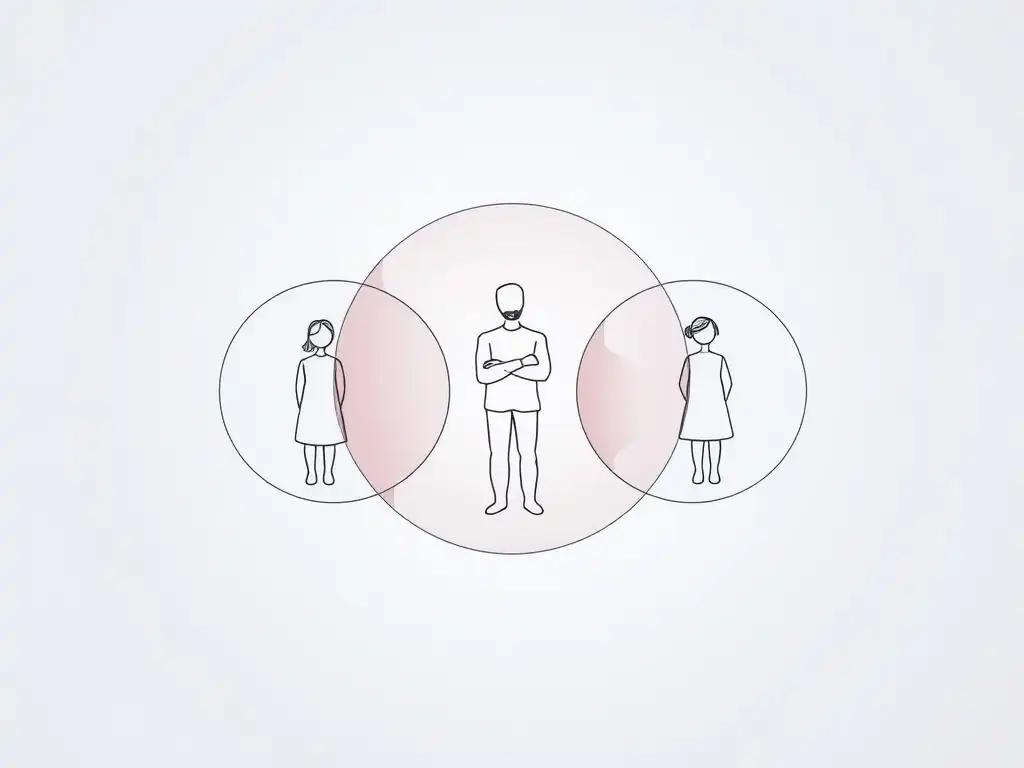
Online dating vulnerability is a common concern, especially when considering attachment styles. Understanding how your attachment style influences your behavior online is crucial for navigating the dating world successfully. This section offers practical strategies to manage vulnerability and build healthy relationships, addressing the keyword "online dating vulnerability attachment style" and its semantic variations.
Setting Healthy Boundaries in Online Communication
Setting boundaries is paramount to protecting your emotional well-being in online dating. It's about defining what you're comfortable sharing and what you're not. This isn't about being closed off; it's about self-preservation and respecting your own emotional space.
Many people, especially those with anxious attachment styles, might feel pressured to overshare early on to build connection. Resist this urge! Start with light, general conversation. Gradually reveal personal information as you build trust. Consider the following:
- Time Limits: Set a specific time for daily or weekly communication. This prevents overwhelming yourself and ensures you maintain a balanced life outside the dating app.
- Topic Restrictions: Avoid discussing highly personal or sensitive subjects until you've established a comfortable level of trust. Keep initial conversations focused on shared interests and hobbies.
- Communication Channels: Stick to the dating app's messaging system initially, rather than immediately sharing personal phone numbers or email addresses. This adds a layer of protection and control.
- Responding to Pressure: If someone pressures you to share information you're uncomfortable with, politely but firmly decline. Remember, a healthy relationship respects your boundaries.
For example, instead of immediately sharing your full work history or personal address, you might say, "I'd love to tell you more about my work, but let's chat more about [shared interest] first." This allows you to control the pace of the disclosure and avoid feeling pressured.
Protecting Your Personal Information Online
Protecting your personal information is crucial for safety in online dating. Remember, you're sharing information with strangers, and caution is always advisable. This is especially important for those with avoidant attachment styles who might be hesitant to share information, but also need to ensure their safety.
Here's a checklist for protecting your data:
| Type of Information | Recommendation | Example |
|---|---|---|
| Full Name | Use a nickname or shortened version on your profile initially. | Instead of "Jane Doe," use "Jane D." or "JD." |
| Address | Never share your full address or even your neighborhood. | Avoid mentioning specific landmarks or streets. |
| Workplace | Avoid mentioning specific company names or job titles. | Instead of "Senior Accountant at Acme Corp," say "Work in Finance." |
| Phone Number | Avoid sharing your personal phone number until you’ve met in person. | Use the app's messaging system as much as possible. |
| Photos | Avoid posting photos that reveal too much personal information about your location. | Don't include images with visible license plates or house numbers. |
Remember, it's better to err on the side of caution. Sharing too much information too soon can compromise your safety and privacy. A gradual approach, aligned with building trust, is key.
Building Resilience After Rejection in Online Dating
Rejection is an inevitable part of online dating, regardless of your attachment style. However, how you handle rejection significantly impacts your future dating experiences. Learning to build resilience is key to maintaining a positive outlook.
Individuals with anxious attachment styles might take rejection personally, while those with avoidant styles might shut down emotionally. Both responses can be detrimental. Here are some tips for building resilience:
- Self-Compassion: Treat yourself with kindness and understanding. Rejection doesn't define your worth. Remind yourself of your positive qualities and past successes.
- Perspective: Rejection in online dating doesn't necessarily mean you're "unworthy" of love. It simply means that this particular connection wasn't a match. There are plenty of other people out there.
- Focus on Self-Improvement: Use rejection as an opportunity for growth. Reflect on your dating profile, communication style, and expectations. What could you improve?
- Healthy Distractions: Engage in activities you enjoy to take your mind off rejection. Spend time with friends, pursue hobbies, and engage in self-care.
Remember, building resilience is a process. It takes time and practice to develop coping mechanisms for handling rejection. Be patient with yourself and celebrate your progress. Online dating can be challenging, but with the right approach and self-compassion, you can navigate it successfully and build meaningful connections.
Seeking Support: Therapy and Community Resources for Online Dating Challenges
Navigating the complexities of online dating, especially when grappling with vulnerability issues stemming from attachment styles, can be incredibly challenging. It's crucial to remember that seeking support isn't a sign of weakness, but rather a proactive step towards building healthier relationships. Many resources are available to help you manage the anxieties and insecurities that can arise in the online dating world.
One of the most effective avenues for support is therapy. A therapist specializing in relationships or attachment theory can provide a safe and confidential space to explore the roots of your vulnerability concerns. They can help you understand how your attachment style influences your online dating behaviors and develop strategies to manage anxieties related to rejection, intimacy, and commitment.
Therapy offers personalized guidance tailored to your specific needs and experiences, helping you unpack past relationship patterns and develop healthier coping mechanisms for future interactions. Consider seeking a therapist with experience in Emotionally Focused Therapy (EFT), a modality particularly effective in addressing attachment-related issues. Finding a good therapist might involve some research, but the benefits of professional guidance are immeasurable.
Beyond individual therapy, community resources can offer invaluable support. Online forums and support groups dedicated to online dating or attachment styles can provide a sense of community and shared experience. Connecting with others who understand the challenges you face can be incredibly validating and empowering. Sharing your experiences, learning from others' journeys, and receiving encouragement can significantly lessen feelings of isolation and increase your confidence in navigating the online dating landscape.
While online communities can be beneficial, remember to approach them with caution and prioritize your safety and well-being. Be mindful of the information you share and avoid disclosing personally identifying details that could compromise your privacy. Remember that the goal is to find support and connection, not to expose yourself to undue risk.
Finally, consider exploring workshops or seminars focused on healthy relationships and attachment styles. These educational opportunities can equip you with practical tools and strategies for improving your communication skills, setting healthy boundaries, and building more secure attachments in your relationships. These resources can supplement therapy or serve as a valuable introduction to the topic before pursuing individual counseling.
These workshops often offer a structured learning environment with opportunities for group interaction and discussion, fostering a sense of community and providing additional support beyond individual work. Remember that building healthy relationships takes time and effort, and seeking support is a crucial part of that journey.
Finding Love Online Despite Attachment Insecurity
Online dating vulnerability is a significant hurdle for many, particularly those with insecure attachment styles. Understanding how your attachment style impacts your online dating experience is the first step towards overcoming these challenges and finding a fulfilling relationship. This section focuses on practical strategies to navigate the anxieties and fears associated with vulnerability in the digital dating world, specifically addressing the keyword "Online dating vulnerability attachment style". We'll explore techniques to manage anxieties, build confidence, and foster healthier relationship dynamics.
Reframing Negative Thoughts and Beliefs About Online Dating
Individuals with anxious-preoccupied or fearful-avoidant attachment styles often harbor negative beliefs about online dating. These beliefs, often rooted in past experiences, can manifest as catastrophic thinking ("No one will ever like me"), self-doubt ("I'm not good enough"), or hyper-vigilance ("They're probably just playing games"). To combat this, cognitive restructuring is key. This involves identifying these negative thoughts, challenging their validity, and replacing them with more realistic and positive affirmations.
For example, instead of thinking "No one will ever like me," consider a more balanced perspective: "It's possible I haven't found the right person yet, but I'm working on presenting my best self and staying open to new connections." This requires conscious effort and practice, but consistently challenging negative self-talk can significantly reduce anxiety and improve your online dating experience. Keep a journal to track your negative thoughts and their corresponding reframed, positive alternatives. This provides a tangible record of your progress and reinforces the new, healthier thought patterns. Remember, progress, not perfection, is the goal. 📈
Focusing on Self-Compassion and Self-Care
Self-compassion is crucial in navigating the vulnerability inherent in online dating, especially for those with insecure attachment styles. The rejection and uncertainty involved can be emotionally taxing. Practicing self-compassion means treating yourself with the same kindness and understanding you would offer a close friend facing similar challenges. This involves acknowledging your feelings without judgment, recognizing that everyone experiences setbacks, and reminding yourself of your strengths and worth.
Self-care is equally important. Engaging in activities that nourish your mind, body, and spirit can buffer against the stress of online dating. This could include exercise, meditation, spending time in nature, pursuing hobbies, or connecting with supportive friends and family. Prioritizing self-care helps regulate emotions, build resilience, and prevents burnout. Think of it as preventative maintenance for your emotional well-being. Schedule specific times for self-care activities, just as you would schedule any other important appointment. Make it a non-negotiable part of your routine. 🧘♀️
Celebrating Small Victories and Progress in Online Dating
Online dating can feel like a marathon, not a sprint. It's easy to get discouraged by setbacks, especially when dealing with attachment insecurity. However, focusing solely on the ultimate goal—finding a partner—can overshadow the smaller achievements along the way. Celebrating these small victories is essential for maintaining motivation and building self-esteem.
These victories might include: writing a compelling dating profile, having a positive first conversation, going on a successful first date, or even simply feeling more confident in your online interactions. Acknowledge and appreciate these milestones, no matter how small they may seem. Keep a "success journal" to record your accomplishments and revisit it when you're feeling discouraged. This positive reinforcement can significantly impact your overall experience and outlook. 🎉 Remember, every step forward, however small, contributes to your journey towards finding a healthy and fulfilling relationship.
Frequently Asked Questions
How does my attachment style affect my online dating experience?
Your attachment style significantly impacts your online dating behavior. Those with anxious attachment might overthink messages, while avoidant individuals may struggle with intimacy and commitment, even online. Understanding your style is key to self-awareness and improvement.
What is the connection between vulnerability and online dating success?
Authenticity and vulnerability are crucial for building meaningful connections. Sharing personal information, while maintaining safety, shows trust and encourages reciprocation. However, it's vital to manage vulnerability gradually and appropriately.
I'm afraid of being vulnerable online. Is this normal?
Yes, feeling vulnerable online is completely normal, especially given the potential for rejection or negative experiences. The key is to gradually increase vulnerability, start with small disclosures, and prioritize your safety and well-being.
How can I manage my fear of vulnerability while online dating?
Start by practicing self-compassion and focusing on building trust in yourself. Consider seeking support from a therapist or counselor to work through any underlying attachment insecurities. Gradually sharing more about yourself will help build confidence and resilience.
Are there specific online dating strategies for people with different attachment styles?
Yes, absolutely. Anxious individuals should practice mindfulness and avoid over-analyzing messages. Avoidant individuals might benefit from focusing on building trust and allowing themselves to connect emotionally. Securely attached individuals can leverage their strengths to build healthy, balanced relationships.
Final Reflection: Unveiling the Vulnerable Heart in the Digital Age
The anxieties surrounding vulnerability in online dating are not simply technological glitches; they are deeply rooted in our attachment styles, shaping our experiences of connection and intimacy in the digital sphere. These ingrained patterns, formed in early childhood, significantly impact how we navigate the complexities of modern relationships, influencing everything from our profile creation to our interactions with potential partners. Ignoring this crucial link leaves us vulnerable to repeated patterns of disappointment and disconnection.
The exploration of attachment styles in the context of online dating reveals a fascinating interplay between our internal world and the external digital landscape. We are constantly negotiating the perceived safety and risk inherent in sharing our authentic selves online, a process heavily influenced by our attachment anxieties. This delicate dance between self-protection and the desire for connection underscores the importance of self-awareness. The greatest of follies is to sacrifice health for any other kind of happiness.
– Arthur Schopenhauer. This quote, while not directly about online dating, speaks to the broader truth that prioritizing emotional well-being, even in the face of potential rejection, is paramount.
Consider your own attachment style. How does it manifest in your online dating experiences? Are you hesitant to share personal information, fearing rejection or abandonment? Or perhaps you overshare, seeking validation and fearing isolation? Take this opportunity to reflect on these patterns, to understand their origins, and to consciously choose healthier ways of connecting with others online. By acknowledging the influence of our attachment styles, we can cultivate more authentic and fulfilling relationships, both online and offline, building a foundation of trust and mutual respect that transcends the digital divide.
Uncover Your Online Dating Potential: Embrace Vulnerability, Find Connection
Thanks for exploring the complexities of attachment styles and online dating! You've gained valuable insight into how your past experiences influence your present relationships. Ready to use this knowledge to build more fulfilling connections?
- Understand your attachment style: Take time for honest self-reflection, using the information provided. Knowing yourself is crucial for healthier relationships.
- Show your true self online: Share something authentic and personal in your profile and messages, while still prioritizing your safety. Observe how this changes your interactions.
- Join the discussion below! Share your experiences – what resonates with you, and what challenges are you facing?
What small step can you take today to connect more authentically online and step outside your comfort zone?