
Protecting Your Privacy: Using Reverse Image Search for Online Dating

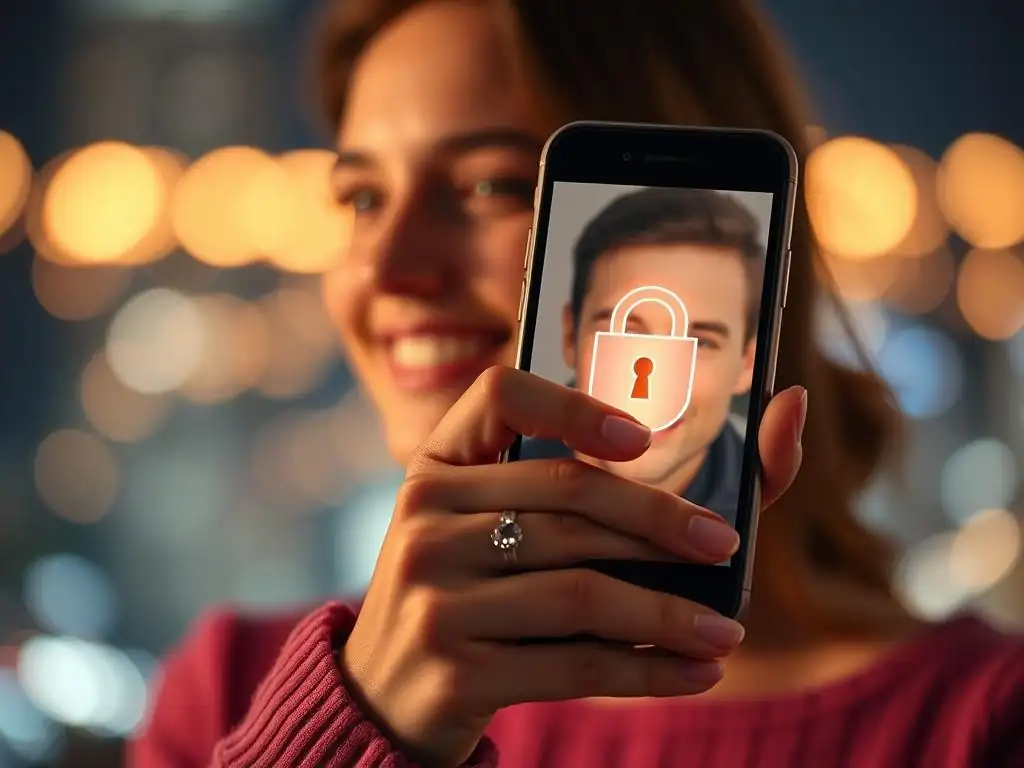
Dive into the world of online dating with confidence! At OnlineDatingSuccess.org, we empower you to build meaningful connections while prioritizing your safety. Are you concerned about potential scams or fake profiles? Learn how a simple yet powerful tool, the online dating reverse image search, can significantly improve your safety and help you navigate the complexities of online dating. Discover how to protect yourself and find genuine connections – read on to unlock the secrets to a safer and more successful online dating experience.
- Understanding the Risks of Fake Profiles in Online Dating
- Online Dating Reverse Image Search: Your First Line of Defense
- Effective Strategies for Using Reverse Image Search in Online Dating
- Beyond Reverse Image Search: Additional Safety Measures for Online Dating
- Building Trust and Avoiding Online Dating Scams
-
Frequently Asked Questions
- What is a reverse image search, and how does it relate to online dating?
- Why should I use a reverse image search on online dating profiles?
- Which websites or apps can I use for a reverse image search?
- How effective is a reverse image search in preventing online dating scams?
- Are there any other privacy measures I should take while online dating besides reverse image searches?
- Final Reflection: The Power of Vigilance in the Digital Dating World
- Unmask the Truth: Take Control of Your Online Dating Safety
Understanding the Risks of Fake Profiles in Online Dating
Navigating the world of online dating can be exciting, but it's crucial to be aware of the potential dangers lurking beneath the surface. One of the most significant threats is the prevalence of fake profiles, designed to deceive and exploit unsuspecting individuals. This article will delve into the importance of protecting your privacy while online dating, specifically focusing on the powerful tool of reverse image search as a crucial step in verifying profiles and avoiding scams.
We'll explore how to identify red flags, understand the scope of the problem, and mitigate the financial and emotional risks associated with encountering fake profiles. By learning to utilize reverse image search effectively, you can significantly reduce your vulnerability and increase your chances of building genuine, safe connections in the online dating sphere. Remember, your safety and well-being are paramount, and proactive measures are key to a positive online dating experience.
Identifying Red Flags in Dating Profiles
Before even resorting to a reverse image search, learning to spot red flags in profiles can save you valuable time and potential heartache. Many fake profiles exhibit telltale signs. These can include:
- Poorly written profiles: Profiles filled with grammatical errors, inconsistencies, or overly generic statements are often a warning sign.
- Lack of personal details: A profile that avoids sharing specific information about their life, hobbies, or interests might be hiding something.
- Stock photos or unrealistic images: This is where a reverse image search becomes invaluable. Many fake profiles use readily available images found online.
- Inconsistent information: Discrepancies between information provided in the profile and what they share in messages should raise concerns.
- Requests for money or personal information early on: This is a major red flag indicating a potential scam.
- Avoidance of video calls: A reluctance to engage in video calls could suggest they are hiding their true identity.
Remember, trust your instincts. If something feels off, it probably is. A combination of these red flags, coupled with a reverse image search, can help you effectively weed out fake profiles.
The Prevalence of Catfishing and Romance Scams
The problem of fake profiles in online dating is widespread. Catfishing, the act of creating a fake online persona to deceive someone into a relationship, is unfortunately common. Similarly, romance scams, where individuals feign romantic interest to manipulate victims into sending money or personal information, are a serious concern. The sheer number of reported cases highlights the need for heightened awareness and proactive safety measures.
[Specific statistics on catfishing and romance scam prevalence pending]. The emotional toll of these scams can be devastating, leading to feelings of betrayal, embarrassment, and financial ruin. Understanding the scale of this problem underscores the importance of tools like reverse image search in protecting yourself.
Financial and Emotional Risks Associated with Fake Profiles
Engaging with fake profiles carries significant risks. Financially, victims of romance scams can suffer substantial losses, often losing thousands of dollars to perpetrators. The emotional impact is equally damaging.
The betrayal of trust, the emotional investment in a fabricated relationship, and the subsequent feelings of shame and vulnerability can have long-lasting effects on mental health. Moreover, the sharing of personal information with individuals who are not who they claim to be can lead to identity theft and other serious security breaches. Utilizing reverse image search, along with other safety precautions, is a critical step in minimizing these risks and safeguarding your well-being in the online dating world.
Online Dating Reverse Image Search: Your First Line of Defense

This section delves into the crucial role of reverse image search in protecting your privacy and safety while navigating the world of online dating. The prevalence of catfishing and online scams necessitates proactive measures, and utilizing reverse image search is a powerful tool readily available to everyone. By understanding how this technology works and employing it effectively, you significantly reduce your risk of encountering fraudulent profiles and potentially harmful individuals. Mastering online dating reverse image search empowers you to take control of your online safety and build genuine connections with confidence.
What is Reverse Image Search and How Does it Work?
Reverse image search is a powerful technique that allows you to identify the origin and potential other uses of an image. Instead of searching with text, you search with an image. You upload a picture (like a profile photo from a dating app) to a reverse image search engine, and the engine then scours its vast database to find visually similar images or websites where that image appears.
This process helps determine if the image is authentic, stolen, or manipulated. The underlying technology uses complex algorithms that analyze the image's pixels, identifying unique features and comparing them to its index of billions of images. Think of it as a digital detective, helping you uncover the truth behind a profile picture.
The results can reveal if the image is from a stock photo site, a different social media profile, or even a completely unrelated context, all vital pieces of information when assessing the authenticity of an online dating profile. Learning to effectively use online dating reverse image search is a fundamental step in protecting yourself from scams and building safer connections.
Utilizing Google Images, TinEye, and Yandex Images for Verification
Several robust reverse image search engines are available, each with its strengths. Google Images, TinEye, and Yandex Images are three popular and effective options.
- Google Images: Google's reverse image search is arguably the most widely used and readily accessible. Its vast index and sophisticated algorithms often yield comprehensive results, identifying similar images across various websites and platforms. It's incredibly user-friendly, requiring only an image upload or URL input.
- TinEye: TinEye boasts a unique approach, focusing on identifying exact image matches, rather than just visually similar ones. This is particularly useful for detecting instances of image duplication or theft. It excels at finding the original source of an image, even if it has been slightly modified.
- Yandex Images: Yandex, a Russian search engine, offers a robust reverse image search with a strong international reach. Its database often contains images not indexed by other search engines, providing a broader perspective and potentially uncovering information missed by other tools.
Using a combination of these engines increases the chances of uncovering any inconsistencies or red flags. For example, if a profile picture shows up in multiple unrelated contexts or on stock photo websites, it's a clear indication of potential deception. Remember, consistency across different searches is key to reliable verification. Inconsistencies should raise immediate concerns.
Step-by-Step Guide to Performing a Reverse Image Search
Performing a reverse image search is straightforward. This guide will walk you through the process using Google Images as an example, but the principles are largely the same for other engines.
- Locate the Image: Find the profile picture you want to verify on the dating app or website.
- Access Google Images: Go to images.google.com.
- Upload the Image: Click the camera icon in the search bar. You can either upload the image directly from your computer or paste the image URL.
- Analyze the Results: Carefully review the search results. Pay attention to the websites where the image appears, the context in which it's used, and the overall similarity to the profile picture.
- Repeat with Other Engines: For enhanced verification, repeat steps 2-4 using TinEye and Yandex Images. Cross-referencing the results from multiple engines strengthens the accuracy of your assessment.
- Interpret the Findings: If the image appears in multiple unrelated contexts or on stock photo websites, it's a strong indication of potential deception. If the image only appears on the dating profile and nowhere else, it's a more positive sign, but further investigation might still be prudent. Remember, even seemingly innocuous inconsistencies should prompt further caution. Trust your instincts. Your safety is paramount. Using online dating reverse image search is just one tool in your arsenal for safer online dating.
Effective Strategies for Using Reverse Image Search in Online Dating
This section delves into practical strategies for leveraging reverse image search to enhance your online dating safety and verify the authenticity of profiles. Understanding how to effectively utilize this tool is crucial in navigating the complexities of online dating and minimizing the risk of encountering fraudulent profiles or scams. Remember, proactive measures are key to a safer and more positive online dating experience.
Verifying Profile Pictures
One of the most effective ways to use reverse image search in online dating is to verify the authenticity of profile pictures. Many scammers use stolen or manipulated images to create fake profiles. By performing a reverse image search, you can quickly determine if a picture has been used elsewhere online. This process involves uploading the image to a reverse image search engine (like Google Images, TinEye, or Yandex Images) and reviewing the results. A simple match with a different online profile, a stock photo website, or even a completely unrelated context should raise a red flag.
For example, you might find that a profile picture supposedly depicting someone enjoying a beach vacation actually appears on multiple dating profiles, or even on a stock photography website. This discrepancy immediately suggests potential deception. Don't hesitate to conduct thorough searches; sometimes, even minor variations in the image (cropping, filters) can still yield results pointing to the image's true origin. Remember, a lack of readily available results doesn't automatically guarantee authenticity, but it does decrease the likelihood of encountering a fraudulent profile. Always cross-reference your findings with other information from the profile.
Cross-Referencing Information from Different Sources
Don't rely solely on reverse image search. While it's a powerful tool for verifying profile pictures, it's even more effective when combined with other verification methods. Cross-referencing information found through a reverse image search with details provided in the dating profile itself is crucial. Inconsistencies between the image's context and the profile's information are significant warning signs.
For instance, if a reverse image search reveals that a profile picture is actually a stock photo of a model, but the profile claims the individual works as a veterinarian, this glaring discrepancy warrants immediate caution. Similarly, if the image shows a person in a specific location, but the profile states they live elsewhere, this inconsistency should also raise concerns. Thorough cross-referencing significantly increases the accuracy of your assessment of profile authenticity.
Another effective strategy involves comparing profile pictures with images found on social media platforms. If the individual has a publicly accessible social media presence (Facebook, Instagram, etc. ), you can compare the images on their dating profile to the images on their social media accounts. This comparison can reveal inconsistencies or confirm authenticity.
Consider this scenario: a dating profile picture shows a person smiling in a casual setting. A reverse image search doesn't yield immediate results, but a subsequent search for the person's name on social media reveals a profile with several similar photos. This corroboration, combined with a consistent online presence, significantly increases the likelihood of the profile's authenticity.
However, remember that even social media profiles can be faked, so always maintain a healthy level of skepticism and continue employing other verification techniques. The goal is to gather as much corroborating evidence as possible to support the profile's legitimacy. Remember, online safety is paramount in the world of online dating.
Beyond Reverse Image Search: Additional Safety Measures for Online Dating

Reverse image searching is a powerful tool, but it's only one piece of the online dating safety puzzle. Think of it as a first line of defense; a crucial step, but not a guarantee of complete safety. To truly protect yourself, you need a multi-layered approach. This section details other vital strategies to complement your reverse image searches and maximize your safety while online dating. Remember, your safety and well-being are paramount.
Protecting Your Personal Information
Never share Personally Identifiable Information (PII) too early in the online dating process. This includes your full name, address, workplace, phone number, social security number, and any other information that could be used to identify or locate you. Even seemingly innocuous details, when combined, can create a complete picture of your life, making you vulnerable.
Consider this: a scammer might use a reverse image search to find a seemingly harmless photo of you online. But if they also know your name and city, they can then cross-reference this information with social media profiles and potentially gain access to far more personal data. This could lead to identity theft, stalking, or other serious consequences.
Instead of sharing PII directly, focus on building rapport and trust through communication. Use the dating platform's messaging system initially, and only share your phone number or other contact information when you feel entirely comfortable and have verified the person's identity through multiple methods, including reverse image searches and video calls.
Remember, it's better to err on the side of caution. Protecting your privacy is an ongoing process, not a one-time event. Regularly review your privacy settings on all online platforms and be mindful of the information you share.
Communicating Safely
Safe communication is crucial in online dating. While reverse image search helps verify profiles, it doesn't protect against manipulative or deceitful communication. Be wary of anyone who pressures you to move quickly to off-platform communication or who seems overly eager to share intensely personal information too soon.
Here are some tips for safe communication:
- Be cautious of overly flattering or perfect profiles: If someone's profile seems too good to be true, it probably is.
- Watch out for red flags: These include inconsistent stories, evasiveness, pressure to meet quickly, and requests for money or financial assistance.
- Video call early: A video call can quickly verify a person's identity and help build trust, acting as a more robust verification method than just photos.
- Meet in a public place: When you finally decide to meet in person, always choose a well-lit, public location where you can easily leave if you feel uncomfortable. Let a friend or family member know your plans, including the time, location, and the person's name.
Remember, your intuition is your best friend. If something feels off, trust your gut and don't hesitate to end the conversation.
Reporting Suspicious Profiles and Scams
If you encounter a suspicious profile or believe you've been scammed, report it immediately to the dating platform. Most platforms have robust reporting mechanisms in place to help identify and remove fraudulent accounts. Providing detailed information about the suspicious profile—including screenshots, messages, and any other relevant evidence—will help the platform investigate and take appropriate action.
Don't be afraid to report suspicious activity. You're not alone, and reporting helps protect other users from potential harm. By working together, we can create safer online dating environments for everyone. Remember, reporting a suspicious profile is not tattling; it's an act of community responsibility. It demonstrates your commitment to online safety and helps maintain a more trustworthy online dating experience for everyone.
Building Trust and Avoiding Online Dating Scams
Building trust is paramount in online dating, especially when navigating the potential pitfalls of scams. A proactive approach, combining careful profile evaluation with cautious communication, significantly reduces your vulnerability. Remember, rushing into a relationship online can cloud judgment and make you more susceptible to manipulative tactics. The goal isn't to be suspicious of everyone, but to be discerning and informed.
This empowers you to make safer choices and foster genuine connections. Using tools like reverse image searches is just one piece of a larger strategy to protect yourself. Let's delve into specific ways to mitigate risk and build healthy relationships.
Recognizing and Avoiding Common Scam Tactics
Online dating scammers employ various tactics to deceive and exploit their targets. Recognizing these patterns is crucial for self-protection. Common red flags include:
- Excessively fast progression: A scammer might profess deep feelings and commitment within days or weeks of initial contact. Genuine connections take time to develop.
- Inconsistent information: Discrepancies in their profile, stories, or photos should raise suspicion. This is where a reverse image search proves invaluable.
- Requests for money or financial assistance: This is a classic scam tactic. Legitimate relationships don't involve financial transactions early on.
- Pressure to move off the dating platform quickly: Scammers often try to steer conversations to other platforms (e.g., email, messaging apps) to avoid scrutiny.
- Vague or evasive answers: If they consistently avoid answering direct questions or provide unclear responses, it's a warning sign.
- Professional photos that seem too good to be true: This is where a reverse image search can be exceptionally useful. Many scammers use stolen photos of models or celebrities.
Consider this example: A profile boasts stunning photos of a supposed doctor, but a reverse image search reveals those images belong to a stock photo agency or a different person entirely. This immediately signals a potential scam. Remember, consistent vigilance is key.
The Importance of Slow and Steady Communication
Patience is a virtue in online dating, particularly regarding building trust. Avoid rushing into deep conversations or sharing personal information prematurely. Start with casual exchanges, gradually revealing details as you get to know the other person. Remember, building a genuine connection takes time and effort.
Slow and steady communication allows you to observe their behavior and assess their sincerity. This approach reduces your risk of becoming a victim of a scam, and improves your chances of finding a genuine connection. Don't let pressure from the other person rush the process. Trust your instincts; if something feels off, it probably is.
A key aspect of slow and steady communication is verifying information. If they claim to be a certain profession, subtly ask questions that would only be known to someone in that field. This will help in identifying inconsistencies and potential deception. Maintain a healthy skepticism until you have established a solid foundation of trust.
Knowing When to Seek Professional Help
While reverse image searches and cautious communication are powerful tools, some situations might require professional assistance. If you suspect you're being scammed, or if you're experiencing emotional distress related to online dating, don't hesitate to seek help. There are resources available to support you.
- Report suspicious profiles: Most online dating platforms have mechanisms to report suspicious activity. Utilize these resources to protect yourself and others.
- Contact law enforcement: If you've been a victim of a scam involving financial loss or threats, report it to the appropriate authorities.
- Seek emotional support: Talking to a therapist or counselor can provide valuable emotional support and guidance during challenging experiences. They can help you process your emotions and develop healthy coping mechanisms.
Remember, seeking help is a sign of strength, not weakness. Prioritizing your well-being is crucial, and there are people who want to help you navigate these complex situations. Don't suffer in silence. Reach out for support when you need it.
Frequently Asked Questions
What is a reverse image search, and how does it relate to online dating?
A reverse image search allows you to find out where an image originates. In online dating, this is crucial for verifying the authenticity of a potential date's photos and detecting catfishing or the use of stolen images. It helps protect your safety and prevents you from being scammed.
Why should I use a reverse image search on online dating profiles?
Using a reverse image search helps verify the identity of your matches. It can reveal if a profile picture is stolen from another source, is associated with multiple profiles, or has been used in suspicious contexts, helping you avoid potentially harmful situations.
Which websites or apps can I use for a reverse image search?
Several options exist, including Google Images, TinEye, and Yandex Images. These tools allow you to upload an image or paste a URL, returning similar images and their sources, enabling you to cross-reference with your potential date's profile information.
How effective is a reverse image search in preventing online dating scams?
While not foolproof, a reverse image search is a powerful tool for minimizing risks. It significantly increases your chances of identifying fake profiles and potential scams by quickly revealing inconsistencies between a profile's image and its claimed identity.
Are there any other privacy measures I should take while online dating besides reverse image searches?
Yes! Always be cautious about sharing personal information, meet in public places for first dates, and verify information independently. Trust your instincts – if something feels off, it probably is.
Final Reflection: The Power of Vigilance in the Digital Dating World
The ease and accessibility of online dating have unfortunately created fertile ground for deception and scams. Protecting your personal safety and privacy online is no longer a luxury, but a necessity, especially within the often-unpredictable landscape of online romance. The potential consequences of neglecting online safety measures are simply too significant to ignore.
The impact of readily available tools like reverse image searches is profound. It empowers individuals to take control of their online safety, moving beyond passive acceptance of profiles at face value. The best way to find out if someone is telling the truth is to verify their claims independently.
This simple yet powerful statement underscores the importance of proactive measures in navigating the complexities of online dating. The ability to quickly verify a profile picture's authenticity, or to uncover potential inconsistencies, is a game-changer in the fight against online fraud and catfishing.
You now possess a powerful tool to enhance your online dating experience: the reverse image search. Don't let fear paralyze you; instead, use this knowledge to approach online interactions with informed confidence. Take the time to verify profiles, trust your instincts, and remember that your safety and well-being are paramount. Embrace the power of vigilance and make informed choices to create a safer and more authentic online dating journey.
Unmask the Truth: Take Control of Your Online Dating Safety
Thank you for taking the time to learn about protecting your privacy while online dating! You've gained valuable knowledge to navigate the digital world more safely. Let's put that knowledge into practice.
- Master reverse image search: Begin by performing a reverse image search on your dating profile photos. This simple step can reveal unexpected results and help you maintain control over your online image.
- Share this article: Spread the word! Help your friends and family stay safe online by sharing this important information.
- Join the conversation: What other safety measures have you found effective in online dating? Share your tips in the comments below!
Ready to take the next step in protecting your online privacy and building a safer dating experience?