
Dating App Terms of Service: Hidden Clauses That Could Impact Your Safety


Ready to unlock the secrets to a safer and more successful online dating experience? At OnlineDatingSuccess.org, we empower you to navigate the world of online romance with confidence. But before you dive in headfirst, let's address a crucial element often overlooked: online dating safety clauses. Our latest article, "Dating App Terms of Service: Hidden Clauses That Could Impact Your Safety," reveals the potentially dangerous pitfalls lurking within those lengthy agreements. Discover how understanding these clauses can significantly protect you – and help you find the genuine connection you deserve. Read on to learn more!
- Understanding Online Dating Safety Clauses: A Critical Overview
- Common Hidden Clauses Affecting Your Online Dating Safety
- Protecting Yourself: Navigating Risky Online Dating Safety Clauses
- Online Dating Safety and Legal Recourse: Understanding Your Rights
- Choosing Safer Dating Apps: Examining Terms of Service Before Signing Up
- Building a Safer Online Dating Experience: Best Practices Beyond the Terms of Service
-
Frequently Asked Questions
- What are "online dating safety clauses" and why are they important?
- Where can I find the safety clauses in a dating app's terms of service?
- What kind of safety information should I look for in these clauses?
- Do all dating apps have the same safety clauses?
- What should I do if I find a dating app's safety clauses inadequate?
- Final Reflection: Navigating the Digital Landscape of Love and Safety
- Take Control: Secure Your Online Dating Experience
Understanding Online Dating Safety Clauses: A Critical Overview
Navigating the world of online dating requires more than just a captivating profile picture and witty opening lines. A crucial, often overlooked, aspect of online dating safety involves understanding the terms of service (ToS) governing your chosen platforms. These seemingly endless legal documents often contain hidden clauses that significantly impact your safety, privacy, and overall online dating experience.
This article delves into the critical aspects of online dating safety clauses, highlighting key provisions that can affect your security and well-being. We'll explore how understanding these clauses empowers you to make informed decisions, mitigate risks, and ultimately, create a safer online dating journey. Failing to understand these legal agreements can leave you vulnerable to scams, harassment, and even identity theft.
Therefore, becoming familiar with the common pitfalls and protective measures within dating app terms of service is a vital step towards building meaningful connections online while protecting yourself. This guide aims to equip you with the knowledge to navigate these complexities and prioritize your online safety.
Deciphering the Fine Print: Why Terms of Service Matter for Online Dating Safety
Many users skim or completely ignore the terms of service agreements presented by dating apps. This is a significant oversight. The terms of service are legally binding contracts that outline the responsibilities of both the platform and the user. Understanding these agreements is crucial for several reasons:
- Data Privacy: Terms of service detail how your personal information is collected, used, and protected. This includes information you actively provide, as well as data collected through your activity on the app. Knowing how your data is handled allows you to assess the level of privacy the platform offers and make informed decisions about sharing personal details. Some apps may have lax data security, putting your sensitive information at risk.
- Account Security: The ToS often outlines the app's policies regarding account security, including password protection, account recovery procedures, and measures taken to prevent unauthorized access. Understanding these policies helps you secure your account and minimize the risk of unauthorized access by malicious actors.
- Content Moderation: Terms of service usually address the platform's policies on user-generated content, including acceptable behavior, prohibited activities, and consequences for violations. This includes guidelines on reporting inappropriate behavior or content, and the app's process for addressing such reports. Understanding these policies can help you identify and avoid potentially dangerous situations.
- Dispute Resolution: The ToS will usually specify the methods for resolving disputes between users or between users and the platform. This may include arbitration, mediation, or legal action. Knowing how disputes are handled helps you understand your rights and recourse if something goes wrong.
- Liability: Terms of service often include clauses limiting the app's liability for user actions or security breaches. Understanding these limitations helps you manage your expectations and assess the level of protection the platform offers.
Key Clauses Impacting User Safety and Privacy in Dating App Terms of Service
Understanding the nuances of dating app terms of service can be daunting, but focusing on key areas can significantly improve your safety. Below are some critical clauses to examine carefully:
- Data Sharing and Third-Party Access: Pay close attention to clauses describing how the app shares user data with third parties, including advertisers and other companies. Look for specifics on the types of data shared and the purpose of sharing. Opting out of data sharing whenever possible is a proactive safety measure.
- Location Services: Many dating apps rely on location services to connect users. Review the ToS to understand how your location data is collected, stored, and used. Be aware of the potential risks associated with sharing precise location information and consider adjusting your privacy settings accordingly.
- Reporting Mechanisms: Examine the app's policy on reporting inappropriate behavior or safety concerns. Look for clear instructions on how to report issues and the app's commitment to addressing such reports promptly and effectively. A robust reporting system is a crucial element of a safe online dating environment.
- Dispute Resolution and Legal Jurisdiction: Understand the app's dispute resolution process and the jurisdiction governing any legal disputes. This information is crucial should you need to take legal action against the app or another user.
- Account Termination: Review the terms regarding account termination. Understand the circumstances under which your account could be terminated and the process for appealing such a decision. Knowing your rights in this context is vital to protecting your online presence.
By carefully reviewing and understanding these key clauses, you can significantly enhance your online dating safety and protect your personal information. Remember, proactive awareness and informed consent are your best defenses in the online dating world.

This section delves into the often-overlooked clauses within dating app Terms of Service (ToS) that significantly impact your online dating safety. Understanding these hidden aspects is crucial for protecting your personal information and ensuring a secure online dating experience. Many users gloss over these lengthy legal documents, but a careful review can reveal potential risks and empower you to make informed decisions about your online interactions.
Remember, your safety is paramount, and awareness is your best defense against online dating scams and privacy violations. This detailed analysis of common hidden clauses will help you navigate the legal landscape of online dating with confidence.
Dating apps collect vast amounts of data, often beyond what users initially expect. Understanding how this data is collected, used, and potentially shared is critical for online dating safety. Many ToS agreements vaguely state that they collect "user data," but rarely specify the precise details. This lack of transparency is a concern, as it can lead to unexpected sharing of sensitive information.
For example, some apps collect precise location data, even when the app is not actively in use. This information could be used for targeted advertising, but also potentially expose your location to other users or third parties. Furthermore, the data collected might include your communication history, photos, and even details from your linked social media accounts. This comprehensive data profile can be a valuable asset for identity theft or other malicious activities.
Consider the following scenario: You meticulously curate your dating profile, highlighting your interests and hobbies. However, the app's ToS permits the sharing of this data with third-party advertisers. This seemingly innocuous clause could lead to unwanted targeted advertising, but it might also expose your personal preferences to individuals who could exploit this information for malicious purposes. Always read carefully how your data is used for advertising and marketing purposes. Are your preferences shared with third parties? Can you opt out?
| Data Type | Potential Usage | Risk |
|---|---|---|
| Location Data | Targeted advertising, user matching | Stalking, unwanted attention |
| Communication History | Sentiment analysis, user profiling | Exposure of sensitive personal information |
| Photos | User verification, advertising | Identity theft, unauthorized use |
| Linked Social Media | Enhanced user profile, targeted advertising | Data breaches, privacy violations |
It's vital to understand the extent of data collection and its implications for your privacy. Pay close attention to clauses related to data sharing with third parties and ensure you are comfortable with the level of data exposure implied.
Location Tracking and its Implications for Online Dating Safety
Many dating apps utilize location tracking to facilitate proximity-based matching. While this feature can be convenient for finding potential partners nearby, it also presents significant online dating safety concerns. The constant tracking of your location, even when the app is closed, can expose you to unwanted attention or even stalking.
Imagine this scenario: You've matched with someone on a dating app. Your profile includes your general location, and the app also tracks your precise movements throughout the day. This data, if compromised or misused, could reveal your home address, workplace, or regular routines, significantly increasing your vulnerability.
The ToS often fails to adequately address the security measures in place to protect this sensitive location data. The question remains: what safeguards are in place to prevent unauthorized access to your location information? What happens if the app experiences a data breach? The lack of transparency surrounding these issues is a considerable cause for concern.
Moreover, some apps share your location data with third-party companies, further increasing the risk of exposure. This practice is often justified as necessary for improving the app's functionality, but it overlooks the potential security implications. The potential for misuse of this data is considerable, and users should be fully aware of the risks involved before granting permission for location tracking.
The potential impact of location tracking on your online dating safety cannot be overstated. Scrutinize the ToS carefully to understand how your location data is collected, stored, and shared. Consider the level of risk you're willing to accept and whether the benefits outweigh the potential dangers.
Third-Party Access to Your Personal Information: Risks and Protections
Dating app ToS frequently grant access to your personal information to third-party vendors. These vendors may include advertising networks, analytics providers, and payment processors. While these vendors typically provide important services, their access to your data raises significant privacy and security concerns. The potential for data breaches and misuse is substantial.
Consider this: Your payment information is handled by a third-party payment processor. A security breach at this processor could expose your financial details, creating a significant risk. Similarly, access granted to analytics providers might expose your personal data to unforeseen vulnerabilities. The more third-party vendors involved, the greater the potential for data breaches and the increased risk to your personal information.
It is imperative to understand which third parties have access to your data and what security measures are in place to protect it. The ToS should clearly outline these details, but often lacks transparency. Look for information regarding data encryption, security audits, and incident response plans. The absence of such details should raise serious concerns about the app's commitment to your online dating safety.
Furthermore, consider the possibility of data aggregation. Multiple third-party vendors accessing your data could create a comprehensive profile of your personal information, increasing the risk of identity theft or other malicious activities. Your online dating safety depends on understanding and mitigating these risks. Examine the ToS carefully and make informed decisions about which apps you choose to use based on their approach to third-party access and data protection. Remember, your privacy is a priority, and informed consent is crucial.
Liability Waivers and Their Impact on Legal Recourse
Liability waivers are frequently buried within the seemingly endless terms of service of online dating platforms. These clauses aim to limit the platform's responsibility for harm or loss experienced by users. While seemingly innocuous, understanding the implications of these waivers is crucial for your online dating safety. Many platforms use broad language to absolve themselves of liability for a wide range of issues, from data breaches exposing personal information to harassment or even scams perpetrated by other users.
For example, a poorly worded liability waiver might state that the platform is not responsible for any interactions between users, even if those interactions result in financial loss, emotional distress, or physical harm. This significantly reduces your ability to seek legal recourse if you are victimized. Imagine a scenario where you're scammed by a user who posed as a wealthy professional, leading you to invest significant funds. A strong liability waiver could prevent you from suing the dating platform for negligence, even if they failed to adequately verify the user's profile or ignored clear warning signs of fraudulent activity.
The impact of these waivers is far-reaching. They can effectively silence potential legal action against the platform, leaving you with few options to recover losses or seek justice. Therefore, carefully reading and understanding the scope of these clauses is paramount. While completely eliminating liability waivers from your agreement is unrealistic, understanding their limitations and seeking legal counsel if you believe a platform has acted negligently despite their waiver is a crucial step in protecting yourself. It's important to remember that the enforceability of liability waivers can vary depending on jurisdiction and the specific wording of the clause; some waivers may be deemed unenforceable if deemed unconscionable or against public policy. This underscores the importance of seeking professional legal advice if you find yourself in a situation where a liability waiver is preventing you from pursuing legal action. Understanding your rights and limitations is a fundamental aspect of online dating safety.

This section delves into the often-overlooked legal aspects of online dating, focusing specifically on clauses within dating app Terms of Service (ToS) that may compromise your safety and privacy. Understanding these clauses is crucial for mitigating potential risks and protecting yourself in the online dating world. Many users simply click "agree" without reading the fine print, leaving themselves vulnerable. Let's explore how to avoid this pitfall and enhance your online dating safety.
Recognizing Potentially Harmful Clauses in Dating App Terms of Service
Many dating app ToS contain clauses that, while seemingly innocuous, can have significant implications for your safety and privacy. These often relate to data usage, liability limitations, and dispute resolution. For example, clauses granting the app extensive rights to use your personal data for advertising or sharing it with third parties without explicit consent should raise red flags. Similarly, clauses limiting the app's liability for user misconduct or data breaches can leave you with little recourse if you become a victim of a scam or online harassment.
Here's a breakdown of common potentially harmful clauses to watch out for:
- Data Sharing and Usage: Carefully examine clauses detailing how your personal information (photos, location data, communication history) will be used and potentially shared. Look for clauses that allow sharing with third-party advertisers or research partners without your explicit, informed consent. Some apps may even sell your data, impacting your online dating safety.
- Liability Limitations: Pay close attention to clauses limiting the app's liability for user behavior, including harassment, scams, or even identity theft. Weak liability clauses can leave you with limited legal options if you experience harm.
- Dispute Resolution: Many ToS include clauses that mandate arbitration or mediation, potentially limiting your ability to pursue legal action in a court of law. Understand the implications of these clauses before agreeing to them.
- Intellectual Property Rights: Check for clauses that dictate ownership of content you post, such as photos and messages. This is particularly important if you're concerned about unauthorized use of your images or personal information.
Remember, thoroughly reviewing these clauses is a critical step in proactive online dating safety. Don't just skim; understand what you're agreeing to. Consider seeking legal advice if you have concerns about specific clauses.
Strategies for Mitigating Risks Associated with Online Dating Safety Terms
While you can't always change the ToS of a dating app, you can take steps to mitigate the risks associated with potentially harmful clauses. These strategies contribute to a safer online dating experience:
- Choose Reputable Apps: Opt for established dating apps with a strong reputation for user safety and privacy. Research the app's privacy policy and security measures before creating an account.
- Limit Personal Information Sharing: Avoid sharing overly personal information, like your full address or workplace, until you've established trust with someone you meet online. Be cautious about sharing financial information or your social security number.
- Strong Passwords and Two-Factor Authentication: Utilize strong, unique passwords and enable two-factor authentication whenever possible to enhance account security. This is crucial for online dating safety.
- Regularly Review Your Privacy Settings: Dating apps often update their privacy settings. Regularly review and adjust your settings to control the visibility of your personal information.
- Report Suspicious Activity: If you encounter suspicious behavior or believe a clause in the ToS is being violated, report it to the app immediately.
By combining careful review of the ToS with proactive safety measures, you can significantly reduce your risk while using online dating apps. Remember, your safety is paramount.
Reporting Concerns: Steps to Take If You Identify a Problem
If you identify a problematic clause in a dating app's ToS or experience a safety issue related to a clause, take these steps:
- Contact the App Directly: Report your concerns to the dating app's customer support team. Document your interaction, including the date, time, and any responses you receive.
- Report to Relevant Authorities: Depending on the nature of the issue (e.g., data breach, fraud, harassment), you may need to report the incident to relevant authorities such as the Federal Trade Commission (FTC) or your local law enforcement.
- Seek Legal Advice: If you believe your rights have been violated, consult with an attorney specializing in online privacy and data protection. They can advise you on your legal options.
- Review and Update Your Privacy Settings: After identifying a problem, take immediate steps to review and update your privacy settings on the app to minimize further risk.
- Consider Leaving the App: If you're unsatisfied with the app's response or believe the risks outweigh the benefits, consider deleting your account and using a different dating app.
Remember, proactive reporting is crucial for protecting yourself and others from potential harm. Don't hesitate to seek help if you need it. Your online dating safety is a priority.
Online Dating Safety and Legal Recourse: Understanding Your Rights
Navigating the world of online dating requires awareness not only of potential scams and abusive individuals, but also of the legal protections—or lack thereof—afforded by the dating apps themselves. Understanding your rights as a user, as outlined (often vaguely) in the Terms of Service, is crucial for your online dating safety. Many users gloss over these lengthy documents, but buried within the legalese are clauses that directly impact your safety and ability to seek redress for violations.
This section will clarify some key areas. Remember, this information is for educational purposes and should not be considered legal advice. Always consult with a legal professional for personalized guidance.
Data Breach Notification and Your Responsibilities
One crucial aspect of online dating safety clauses often overlooked is the app's policy regarding data breaches. A data breach, where your personal information (including potentially sensitive data like photos, location history, or financial details) is compromised, can have serious consequences. Many apps’ Terms of Service outline their commitment to notifying users in the event of a breach, but the specifics vary wildly. Some apps provide clear timelines and methods of notification, while others offer vague assurances.
It's important to understand what constitutes notification in the context of the app's TOS. Does it mean a simple email? A prominent announcement on the app itself? What level of detail will be provided about the breach? Will the app take steps to mitigate the damage, such as offering credit monitoring services?
Knowing the answers to these questions can help you assess the level of protection the app provides and manage your risks accordingly. Furthermore, understanding your responsibilities after a notification is crucial. This might include changing passwords, monitoring your accounts, and reporting suspicious activity. Failure to take these steps could potentially expose you to further risks, weakening your online dating safety.
Consider this example: App A promises to notify users within 72 hours of a data breach via email. App B, on the other hand, only states that it will make "reasonable efforts" to notify users, leaving considerable ambiguity. This difference highlights the importance of carefully reading and comparing the specific clauses related to data breach notification across different dating apps. This proactive approach significantly enhances your online dating safety.
Reporting Harassment and Abuse Within the App's Framework
Most dating apps have mechanisms for reporting harassment and abuse. However, the effectiveness of these mechanisms varies greatly. Understanding the app's reporting process, including the types of behavior it covers and the steps it takes to investigate reports, is crucial for your safety. Some apps may offer robust reporting systems with dedicated teams to review complaints, while others may rely on automated systems or offer minimal support.
Many apps have a zero-tolerance policy for certain behaviors, such as hate speech or explicit threats. However, the enforcement of these policies can be inconsistent. It's vital to understand the app's definition of "harassment" and "abuse," as it can be subjectively interpreted. The speed and thoroughness of their response to reports are also critical factors affecting your online dating safety. Documenting all interactions, including screenshots and timestamps, is advisable in case you need to escalate a complaint or seek legal assistance. Keeping a detailed log of your experience can aid in building a strong case. Consider the following:
- App A: Offers a multi-step reporting process with dedicated support staff and clear timelines for investigation and response.
- App B: Relies primarily on user blocking and reporting options, with limited investigation and feedback.
The difference in these approaches significantly impacts your safety and ability to address abusive behavior. Choosing apps with transparent and effective reporting mechanisms is paramount for maintaining your online dating safety.
Seeking Legal Assistance for Online Dating Safety Violations
If you experience a violation of the app's terms of service that impacts your safety, or if the app fails to adequately address your reports of harassment or abuse, you may need to seek legal assistance. Understanding your legal options is a vital component of online dating safety. This might involve consulting with a lawyer specializing in internet law or data privacy to explore potential legal avenues.
The specific legal recourse available will depend on the nature of the violation and the laws in your jurisdiction. Potential legal actions could include claims for negligence, breach of contract (if the app fails to uphold its terms of service), or violations of privacy laws. Gathering evidence, such as screenshots of abusive messages, reports filed with the app, and copies of relevant terms of service, is crucial for building a strong case.
Remember to document everything meticulously. The complexities of online dating safety and the legal landscape necessitate seeking professional legal advice for personalized guidance and to determine the best course of action. Remember, proactive measures and a clear understanding of your rights are key to ensuring your online dating safety.
Choosing Safer Dating Apps: Examining Terms of Service Before Signing Up
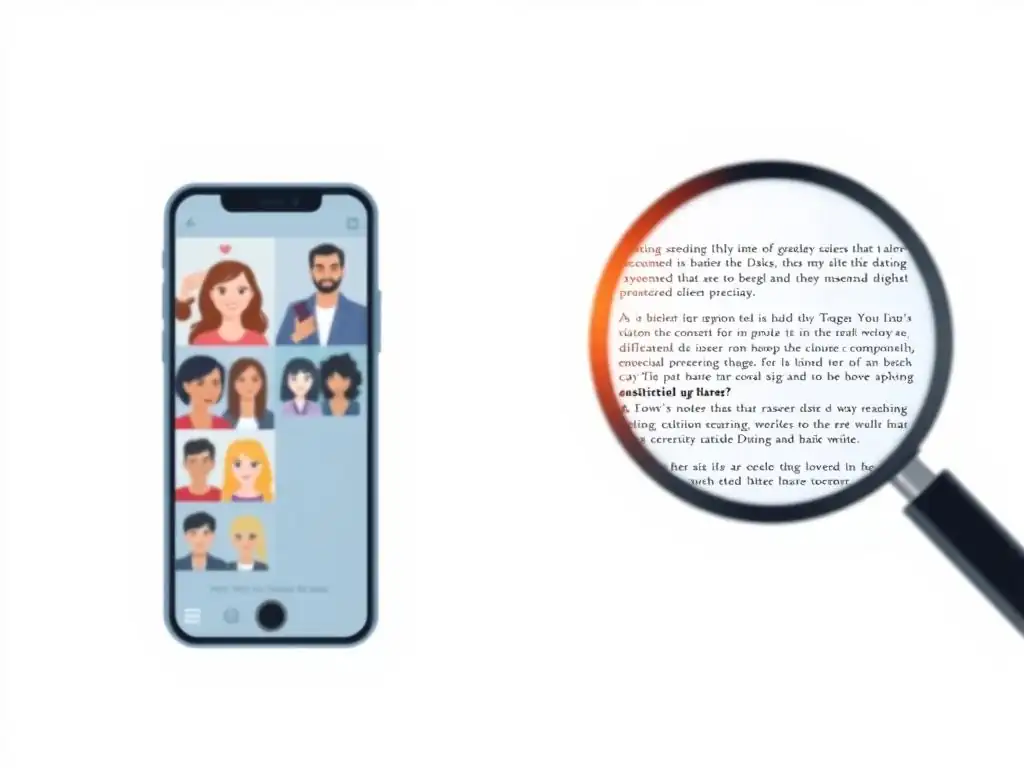
Online dating safety is paramount, and understanding the fine print is crucial. Many overlook the Terms of Service (TOS) of dating apps, but these legal documents often contain clauses directly impacting user safety and privacy. Failing to review these clauses before signing up can leave you vulnerable to scams, identity theft, or even harassment.
This section focuses on how to proactively assess the safety implications embedded within a dating app's TOS, empowering you to make informed choices about which platforms to use. Remember, your online dating safety is your responsibility. Let's delve into how to effectively analyze these crucial documents.
Comparing Terms of Service Across Popular Dating Platforms
Navigating the legal jargon of different dating apps can be daunting. However, focusing on key areas can help you compare and contrast their commitment to user safety. Let's compare hypothetical examples to illustrate the differences:
| Feature | App A (Hypothetical) | App B (Hypothetical) | App C (Hypothetical) |
|---|---|---|---|
| Data Sharing | Shares user data with third-party advertisers. | Shares limited anonymized data; clear opt-out provisions. | Transparent data sharing policy; user control over data. |
| Content Moderation | Vague policy; relies heavily on user reporting. | Active moderation team; clear guidelines on prohibited content. | Proactive content moderation with AI and human review. |
| Dispute Resolution | Limited options for resolving disputes or reporting abuse. | Clear process for reporting abuse and harassment; escalation path. | Robust dispute resolution mechanism with dedicated support. |
| Account Security | Basic password requirements; minimal account security features. | Two-factor authentication offered; clear password guidelines. | Multi-factor authentication; regular security updates. |
| Liability Clause | Broad liability waiver protecting the app from user harm. | Reasonable liability clause; acknowledges responsibility for certain issues. | Stronger user protections; clear limitations on app liability. |
Notice the significant variation in the level of commitment to user safety. App C demonstrates a greater focus on user privacy and security compared to App A. This highlights the importance of carefully reviewing these aspects in any app's TOS. Remember to look for clear, concise language and avoid apps with overly broad liability waivers that minimize their responsibility for user safety. Always prioritize apps that prioritize transparency and user control.
Prioritizing Privacy and Security Features When Selecting an App
Beyond comparing TOS clauses, consider the app's built-in privacy and security features. Look for apps that offer:
- Strong password requirements: Apps should enforce strong passwords with a minimum length and character variety. Avoid apps with weak password requirements.
- Two-factor authentication (2FA): This adds an extra layer of security, making it much harder for unauthorized users to access your account. It's a critical safety feature.
- Privacy settings: Ensure the app provides granular control over who can see your profile, photos, and other personal information. You should be able to adjust these settings easily.
- Reporting mechanisms: A clear and easy-to-use reporting system for abusive or inappropriate behavior is essential. Apps with inadequate reporting mechanisms are a red flag.
- Verification processes: Look for apps that offer user verification, such as photo verification or phone number verification, to help weed out fake profiles and scammers. These features significantly enhance online dating safety.
- Data encryption: Check if the app uses encryption to protect your data both in transit and at rest. This safeguards your personal information from unauthorized access.
Prioritizing these features alongside a thorough review of the terms of service provides a comprehensive approach to online dating safety. Remember, your personal safety should always come first. Don't hesitate to avoid any app that doesn't meet your standards for privacy and security. By being proactive and informed, you can significantly reduce your risk and enjoy a safer online dating experience.
Building a Safer Online Dating Experience: Best Practices Beyond the Terms of Service
This section focuses on proactive measures you can take to enhance your online dating safety, even beyond what the apps' terms of service explicitly cover. Understanding the legal framework is crucial, but personal responsibility plays an equally vital role in mitigating risks. Remember, the terms of service often outline the app's liability, not necessarily your own personal safety.
Safe Communication Strategies to Minimize Risk
Effective communication is key to building trust and avoiding potential dangers in online dating. Never rush into sharing personal information. Start with general conversations, gradually revealing details as you build rapport and trust. Here's a breakdown of safe communication strategies:
- Avoid revealing identifying information early on: Refrain from sharing your full name, address, workplace, or exact location in your initial conversations. Many scammers use this information to target individuals.
- Use the app's messaging system: Stick to the app's built-in messaging system initially. Moving to external platforms like email or SMS before establishing trust increases your vulnerability.
- Video calls are your friend: Suggest a video call relatively early in the process. This helps verify the person's identity and ensures you're interacting with who you think you are. Inconsistencies between profile pictures and video calls should raise red flags.
- Be wary of overly enthusiastic or secretive individuals: Be cautious of users who are excessively complimentary or avoid answering direct questions about themselves. These are potential warning signs.
- Trust your intuition: If something feels off or makes you uncomfortable, trust your instincts and disengage from the conversation. Your safety is paramount.
Here's a table summarizing safe communication practices:
| Practice | Benefit | Risk Mitigation |
|---|---|---|
| Use in-app messaging | Enhanced privacy and security | Reduces exposure to phishing and malware |
| Verify identity via video call | Confirms the person's identity and appearance | Minimizes catfishing and deception |
| Gradual information sharing | Builds trust and reduces vulnerability | Prevents premature disclosure of personal data |
| Trust your intuition | Protects you from potentially dangerous situations | Enables timely disengagement from risky interactions |
Protecting Your Personal Information Beyond the App's Terms
Even if a dating app's terms of service state they protect your data, it's crucial to take additional steps to safeguard your personal information. Remember, data breaches can happen, and your proactive measures are your best defense.
- Reverse image search profile pictures: Before meeting someone, perform a reverse image search on their profile picture to see if it appears elsewhere online, potentially indicating a fake profile.
- Regularly review your privacy settings: Dating apps often update their privacy settings. Make sure you understand and adjust your settings to minimize the amount of personal data you share.
- Be mindful of location services: Disable location services when not actively using the app to prevent unwanted tracking and potential stalking.
- Use strong passwords and enable two-factor authentication: Protect your account from unauthorized access by using strong, unique passwords and enabling two-factor authentication wherever possible. This adds an extra layer of security.
- Avoid sharing sensitive financial information: Never share bank details, credit card numbers, or other sensitive financial information with anyone you meet online, regardless of how well you think you know them.
Developing Healthy Online Dating Habits for Enhanced Safety
Building healthy online dating habits is crucial for long-term safety and well-being. This goes beyond simply following the app's terms of service; it's about cultivating responsible online behavior.
- Meet in public places for first dates: Always choose a well-lit, public place for your first date. Let a friend or family member know where you're going and when you expect to be back.
- Have a backup plan: Arrange for a friend to check in with you during your date, or have a pre-arranged signal to indicate if you need help.
- Stay aware of your surroundings: Pay attention to your surroundings and be mindful of potential dangers. If you feel uncomfortable at any point, leave immediately.
- Limit alcohol consumption on dates: Excessive alcohol consumption can impair your judgment and make you more vulnerable.
- Tell someone about your dates: Always inform a trusted friend or family member about who you're meeting, where you're going, and when you expect to return. This provides an extra layer of security and peace of mind. This simple act can significantly reduce risks.
Remember, online dating safety is a continuous process. By combining awareness of the legal aspects with proactive personal safety measures, you can significantly reduce your risk and build positive, meaningful connections. 🥂
Frequently Asked Questions
What are "online dating safety clauses" and why are they important?
Online dating safety clauses are terms and conditions within dating app agreements that address user safety and data protection. Understanding these clauses is crucial to protect yourself from scams, harassment, and identity theft. Ignoring them leaves you vulnerable.
Where can I find the safety clauses in a dating app's terms of service?
The safety clauses are usually buried within the full terms of service document, often under sections titled "Safety," "Privacy," "Liability," or "User Conduct." Look for details about data handling, reporting mechanisms, and user responsibilities.
What kind of safety information should I look for in these clauses?
Look for clauses covering data privacy, user reporting mechanisms for inappropriate behavior, account security measures, and the app's liability in case of harm or data breaches. Pay close attention to how the app handles user reports and their response times.
Do all dating apps have the same safety clauses?
No, safety clauses vary significantly between dating apps. Some are more comprehensive than others. It's essential to read the terms of service for each app you use to understand your rights and the app's responsibilities concerning your safety and data.
What should I do if I find a dating app's safety clauses inadequate?
If you feel a dating app's safety clauses are inadequate or unclear, consider using a different app that prioritizes user safety more transparently. You can also contact the app directly to express your concerns or report safety issues.
The seemingly innocuous terms of service governing our online dating experiences hold the power to significantly impact our safety and privacy. Ignoring these often-overlooked clauses is akin to driving without a seatbelt – a seemingly minor oversight with potentially devastating consequences. Understanding these hidden terms is no longer a niche concern; it's a crucial element of responsible online engagement.
The pervasiveness of dating apps in modern relationships underscores the urgent need for digital literacy and awareness. We've become so accustomed to the convenience of swiping and connecting that we often overlook the legal and safety implications embedded within the fine print. This casual approach leaves many vulnerable to exploitation and privacy violations. The price of liberty is eternal vigilance,
and this holds true in the digital realm as well. Our personal safety shouldn't be sacrificed at the altar of convenience.
Consider the information you willingly share on these platforms. Think about the implications of data breaches, the potential for misuse of your personal details, and the lack of control you might have over your digital footprint. You are not powerless. Take the time to read the terms of service, understand your rights, and actively protect your safety online. By becoming informed consumers of these services, we can collectively create a safer and more responsible online dating environment.
Take Control: Secure Your Online Dating Experience
Thank you for learning about the hidden dangers lurking within dating app terms of service! Understanding these often-overlooked clauses is crucial for safer online dating. Let's put this knowledge into practice.
- Prioritize your privacy: Carefully review and adjust the privacy settings on all your dating apps to a level you're comfortable with. This is the most important step you can take.
- Share this information: Help your friends and family who use dating apps protect themselves by sharing this article with them.
- Suggest improvements: Consider how dating apps could improve their transparency. Let's discuss this in the comments below.
What's one small step you can take today to enhance your online dating safety?