
Dating App Allies: How to Support Others Facing Discrimination

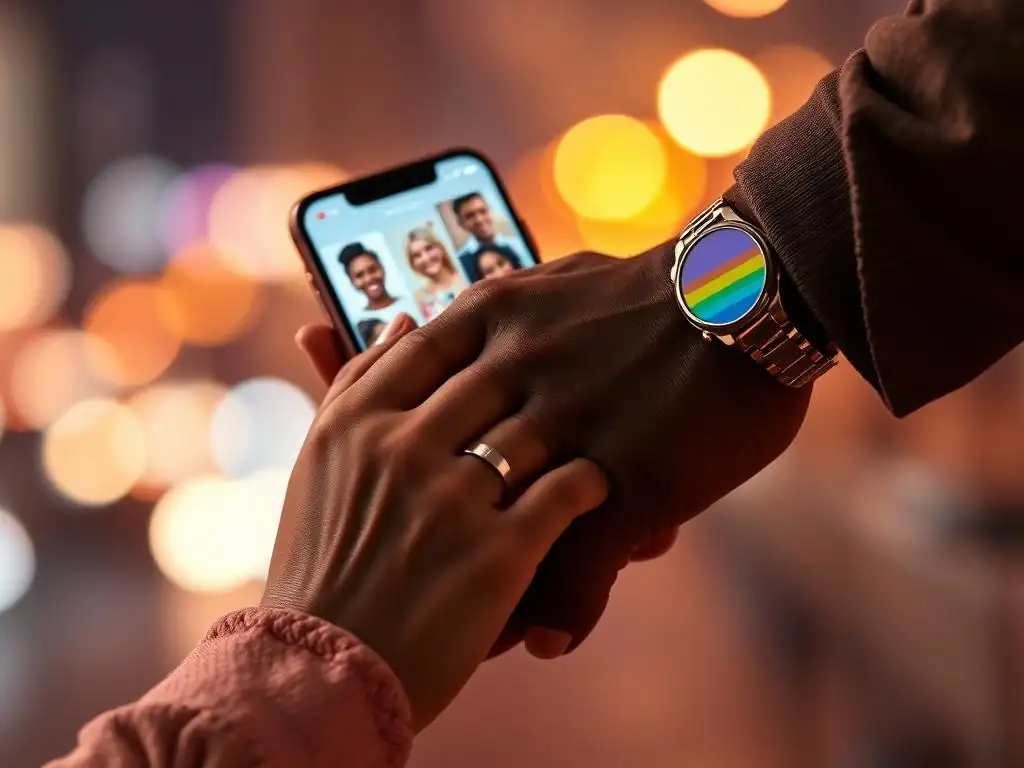
Tired of witnessing unfair treatment on dating apps? At OnlineDatingSuccess.org, we believe everyone deserves a chance at finding love. This is why we're diving into the crucial topic of Support online dating discrimination, exploring how to be an ally and create a more inclusive online dating experience for everyone. Discover practical strategies to combat prejudice and help build a kinder, more respectful online dating community. Let's work together to foster genuine connections, free from discrimination. Read on to learn how you can make a difference.
- Understanding Online Dating Discrimination: Recognizing the Signs
-
How to Be an Ally: Practical Steps to Support Others
- Educating Yourself on Different Forms of Discrimination
- Responding to Discriminatory Behavior: Direct and Indirect Approaches
- Reporting Hate Speech and Harassment on Dating Apps
- Offering Support and Encouragement to Victims of Online Discrimination
- Promoting Inclusive Language and Behavior in Online Dating
- Creating a More Inclusive Online Dating Environment
- Resources and Further Information: Where to Find Help and Support
-
Frequently Asked Questions
- What is online dating discrimination?
- How can I recognize online dating discrimination?
- What are some ways I can support others facing discrimination on dating apps?
- How can I help create a more inclusive online dating experience?
- Where can I find more resources on combating online dating discrimination?
- Final Reflection: Cultivating Kindness in the Digital Dating World
- Ignite Inclusive Dating: Take Action Today!
Understanding Online Dating Discrimination: Recognizing the Signs
Navigating the world of online dating can be exciting, but it's crucial to acknowledge the pervasive issue of discrimination that many users face. This article explores how to effectively support others experiencing bias and prejudice within dating apps, fostering a more inclusive and respectful online dating environment. We will delve into the various forms discrimination can take, providing practical strategies to identify and address these issues, ultimately promoting a safer and more positive experience for everyone.
Understanding the subtle and overt ways discrimination manifests is the first step towards building a supportive community and combating prejudice in the online dating sphere. This guide aims to equip you with the knowledge and tools to be an ally and help create a more equitable online dating landscape for all. Remember, fostering inclusivity benefits everyone involved, creating a richer and more rewarding experience for all users.
Identifying Bias Based on Race, Ethnicity, and Nationality
Online dating profiles and interactions often reveal subtle – and sometimes blatant – biases based on race, ethnicity, and nationality. This can manifest in several ways. For example, users might receive fewer messages or matches if their profile picture doesn't conform to certain beauty standards often associated with specific racial or ethnic groups.
Others might experience overtly racist or discriminatory messages directly. Some users might even be excluded from matches based on their stated nationality or ethnicity, reflecting a deeply ingrained prejudice. It's important to recognize that these biases are often unconscious and deeply rooted in societal structures.
The impact, however, is very real and can be incredibly hurtful and isolating for those affected. For instance, a user might feel invisible or marginalized if they consistently receive minimal engagement despite having a well-crafted profile. This lack of engagement can lead to feelings of self-doubt and frustration, highlighting the need for a more supportive and inclusive online dating experience.
Furthermore, the algorithms of some dating apps themselves may inadvertently perpetuate these biases, prioritizing certain profiles based on factors that disproportionately favor specific racial or ethnic groups. This algorithmic bias is a complex issue requiring investigation and reform from app developers. Identifying these instances requires a keen eye and a commitment to recognizing subtle yet significant patterns of discrimination.
Recognizing Discrimination Due to Gender Identity and Sexual Orientation
Discrimination against individuals based on their gender identity and sexual orientation is sadly prevalent in online dating. This can range from subtle microaggressions to outright harassment and rejection. For example, transgender and non-binary users might face misgendering, derogatory comments, or being excluded from matches based solely on their gender identity.
Similarly, LGBTQ+ users may experience homophobic or transphobic remarks, or find that their profiles are less likely to receive positive engagement compared to those of heterosexual cisgender users. The emotional toll of this constant exposure to prejudice can be significant, leading to feelings of isolation, anxiety, and even depression. These experiences emphasize the urgent need for greater inclusivity and safety measures within online dating platforms.
Recognizing these forms of discrimination requires empathy and an understanding of the unique challenges faced by LGBTQ+ and gender non-conforming individuals. Active listening and a willingness to learn are crucial steps in becoming a supportive ally.
It's crucial to remember that these experiences are not isolated incidents, but rather reflect systemic issues that require a collective effort to address. Supporting those affected involves actively challenging discriminatory behavior and advocating for safer, more inclusive spaces within online dating.
Spotting Ageism and Size Discrimination in Dating App Interactions
Ageism and size discrimination are two other significant forms of prejudice frequently encountered in online dating. Older users might find themselves receiving fewer messages or matches, simply due to their age. Similarly, individuals who don't conform to societal beauty standards regarding body size might experience rejection or negative comments.
These biases often stem from societal pressures and unrealistic expectations perpetuated by media portrayals. The consequences can be deeply damaging to self-esteem and confidence, further isolating individuals already facing societal pressures related to age and body image. For example, a user might feel pressured to misrepresent their age or body size to increase their chances of finding a match, highlighting the need for a more accepting and inclusive environment.
Identifying ageism and size discrimination requires recognizing both overt and subtle cues. This includes paying attention to the language used in profiles and messages, as well as noticing patterns of exclusion or rejection based on age or body size. Building a supportive community means actively challenging these biases and advocating for a more body-positive and age-inclusive online dating experience. Promoting self-acceptance and challenging harmful stereotypes are crucial steps in creating a more welcoming and supportive environment for all users.
Detecting Ableist Language and Attitudes Online
Ableism in online dating manifests in subtle and overt ways. It's crucial to recognize both to effectively support those facing discrimination. Subtle ableism might involve overlooking profiles of individuals with disabilities, or making assumptions about their capabilities based on limited information. For instance, someone might avoid messaging a profile mentioning a wheelchair, unconsciously assuming a lack of compatibility due to perceived limitations. This is a form of internalized ableism, where societal biases influence individual choices.
Overt ableism is more direct and often unacceptable. This could include derogatory comments about disabilities, mocking someone's assistive devices, or making jokes that belittle individuals with disabilities. Such comments directly invalidate the person's worth and create a hostile environment. Remember, even seemingly harmless remarks can be hurtful if they perpetuate negative stereotypes or reinforce ableist attitudes. Learning to identify these subtle and overt expressions is the first step in becoming a better ally.
Be mindful of language used to describe physical or mental health conditions. Using euphemisms or derogatory terms, instead of respectful and accurate language, is a clear sign of ableism. Paying attention to the overall tone and context of the interaction is also essential; sometimes, seemingly innocent language can contribute to a pattern of ableist behavior. For example, repeatedly questioning a person's capabilities or independence, even if phrased politely, can be emotionally taxing and discriminatory.
It's important to understand that ableism isn't always intentional. Many people might hold unconscious biases without realizing the impact of their words and actions. Therefore, educating yourself and others about ableist language and attitudes is crucial in fostering a more inclusive online dating environment.
This includes understanding the difference between unintentional microaggressions and outright discrimination. Microaggressions, while seemingly insignificant individually, contribute to a cumulative effect that can be deeply harmful to individuals with disabilities. Learning to recognize these microaggressions and respond appropriately is a key element of allyship.
For example, instead of ignoring a profile because of a mention of a disability, take the time to consider what that person might be looking for in a partner. Remember, people with disabilities are just as diverse and complex as anyone else, and deserve to be treated with respect and dignity. Actively challenging ableist language and behavior wherever you encounter it is key to creating a safer and more welcoming online dating experience for everyone.
How to Be an Ally: Practical Steps to Support Others
Navigating online dating can be challenging enough without facing discrimination. Being an ally means actively working to create a more inclusive and respectful online dating environment for everyone. This involves understanding the different forms of discrimination, knowing how to respond effectively, and utilizing reporting mechanisms available on dating apps. This section offers practical steps to become a more effective ally in combating discrimination within the online dating sphere. Remember, even small acts of support can make a significant difference in someone's experience.
Educating Yourself on Different Forms of Discrimination
Understanding the nuances of discrimination is the first step to effective allyship. Discrimination in online dating manifests in various ways, extending beyond the obvious. It's not just overt racism, sexism, homophobia, or transphobia; it's also subtle biases and microaggressions that can significantly impact a person's experience.
For example, consider the subtle ways ageism might play out: older users might be overlooked for younger profiles, receiving fewer messages or matches despite possessing desirable qualities. Similarly, ableism can manifest through assumptions about physical capabilities or disabilities, leading to exclusionary language or behaviors. Body shaming, fatphobia, and other forms of appearance-based discrimination are rampant, often hidden behind seemingly innocuous comments or preferences. Religious discrimination, targeting specific faiths or beliefs, is another form often overlooked.
Learning to recognize these subtle forms of discrimination, often masked as preferences, is crucial. Actively seeking out resources and information about different types of discrimination, including reading articles and studies on the subject, will greatly enhance your understanding and ability to support others effectively. Consider participating in online discussions or workshops focused on diversity and inclusion in online dating. The more informed you are, the better equipped you are to identify and address these issues.
Responding to Discriminatory Behavior: Direct and Indirect Approaches
Witnessing discriminatory behavior can be uncomfortable, but remaining silent enables its continuation. Responding effectively requires sensitivity and awareness. There are various approaches, depending on the severity and context of the incident.
Direct confrontation might be appropriate in some cases. This could involve politely but firmly challenging the discriminatory comment or behavior. For instance, if you see someone using offensive language targeting a specific group, you might say something like, "I'm uncomfortable with that language; it's not acceptable to make those kinds of generalizations." However, safety should always be prioritized. Direct confrontation may not always be the safest option, especially if the perpetrator is aggressive or threatening.
Indirect approaches can also be effective. You can offer support to the victim of discrimination by privately messaging them words of encouragement and solidarity. You can also subtly counter discriminatory narratives by actively promoting inclusive language and behavior in your own interactions. Reporting the incident to the dating app is another crucial step, as explained in the following section. Remember, your response should always prioritize the safety and well-being of the person experiencing discrimination. Choosing the most appropriate response depends on the specific situation and your own comfort level.
Reporting Hate Speech and Harassment on Dating Apps
Most dating apps have mechanisms for reporting hate speech, harassment, and other forms of discrimination. Utilizing these tools is a vital step in combating these issues. Reporting allows the app to take action against the perpetrator, which can range from warnings to account suspension or even permanent bans. The specifics of the reporting process vary depending on the app, but generally involves identifying the offensive content or behavior and submitting a report detailing the incident.
When reporting, be as specific as possible. Include screenshots or other evidence, if possible, and clearly describe the discriminatory behavior. Remember to focus on the actions and language used, avoiding subjective interpretations. While the app may not always take immediate action, reporting contributes to a larger effort to create a safer online dating environment.
Your report, along with others, helps build a dataset that informs the app's policies and enforcement measures. By actively reporting discriminatory behavior, you are contributing directly to the fight against "support online dating discrimination." This collective action is crucial for fostering a more inclusive and welcoming online dating experience for everyone.
Offering Support and Encouragement to Victims of Online Discrimination
Experiencing discrimination on dating apps can be incredibly disheartening. Victims often feel isolated, vulnerable, and unsure how to proceed. Offering support means actively listening without judgment, validating their feelings, and letting them know they're not alone. This isn't about fixing the problem instantly; it's about providing a safe space for them to share their experiences and process their emotions. Remember, empathy is key. Phrases like, "I'm so sorry you went through that," or "That sounds incredibly unfair," can go a long way in making someone feel heard and understood.
Beyond listening, consider offering practical assistance. This could involve helping them report the incident to the dating app's support team, suggesting resources for dealing with online harassment, or even simply offering to distract them with a fun activity to take their mind off the negativity. Remember to respect their boundaries; don't push them to share more than they're comfortable with. Your role is to be a supportive presence, not a therapist or investigator.
Sometimes, just knowing someone cares and is there for them can make a world of difference in their healing process. The impact of online dating discrimination can be profound, affecting self-esteem and trust. Your consistent support can help rebuild their confidence and encourage them to continue navigating the online dating world safely and with renewed hope.
Offering support also involves educating yourself about different forms of discrimination and the impact they have. Understanding the nuances of racism, sexism, homophobia, transphobia, ableism, and other forms of prejudice will allow you to offer more informed and effective support. Knowing the resources available and how to access them is also crucial.
This could involve knowing the reporting procedures of various dating apps, understanding the legal avenues available to victims, or being aware of support groups and organizations that can provide additional assistance. By being a knowledgeable and compassionate ally, you can empower those who have experienced discrimination to reclaim their agency and continue their search for meaningful connections.
Promoting Inclusive Language and Behavior in Online Dating
Promoting inclusivity starts with ourselves. We need to actively challenge discriminatory language and behavior whenever we encounter it, both online and offline. This includes calling out casual racism, sexism, homophobia, and other forms of prejudice. Don't be afraid to speak up, even if it's uncomfortable.
A simple "That's not okay" or "That's offensive" can make a significant difference. Remember, silence can be interpreted as complicity. Moreover, actively promoting inclusive language in your own online dating profile and interactions sets a positive example for others. Use gender-neutral language where appropriate, avoid making assumptions about someone's identity or background, and be mindful of the language you use to describe yourself and others.
Beyond individual actions, we can promote inclusivity by advocating for better policies and practices within dating apps themselves. This involves contacting dating app companies to report discriminatory behavior, suggesting improvements to their reporting mechanisms, and pushing for greater transparency in their algorithms to ensure they are not perpetuating bias. We can also support organizations and initiatives that are working to promote diversity and inclusion in online dating.
By actively engaging in these efforts, we contribute to a safer and more welcoming online dating environment for everyone. This includes demanding better moderation and reporting mechanisms from dating apps themselves; these platforms have a responsibility to create a safe space for all users.
Furthermore, supporting initiatives that promote digital literacy and responsible online behavior can help mitigate the impact of discrimination and promote a culture of respect. Remember, building a truly inclusive online dating experience requires a collective effort from individuals, organizations, and the platforms themselves.
Creating a More Inclusive Online Dating Environment
This section focuses on proactive strategies to foster inclusivity and combat discrimination within online dating spaces. We'll explore practical steps individuals can take to create a more welcoming and respectful environment for everyone. Remember, supporting others facing discrimination in online dating means actively working towards systemic change and promoting a culture of understanding and acceptance.
Advocating for Improved Reporting Mechanisms on Dating Apps
Dating apps have a responsibility to provide robust and effective reporting mechanisms for instances of discrimination. However, the current systems often fall short. Many users report difficulties in getting their reports addressed effectively, leading to a sense of frustration and powerlessness. To advocate for improvement, we need to:
- Document instances of discrimination: Keep detailed records of discriminatory behavior encountered, including screenshots, timestamps, and the platform where it occurred. This detailed documentation is crucial when reporting to the app and/or relevant authorities. The more data collected, the stronger the case for change.
- Contact app support directly: Don't hesitate to report discriminatory behavior directly to the app's customer support team. Clearly and concisely outline the incident, providing all relevant evidence. Track your interactions with support, noting response times and resolutions (or lack thereof).
- Publicly share experiences (responsibly): Sharing experiences responsibly, while protecting personal information, can raise awareness and pressure app developers to improve their reporting processes. Consider anonymizing identifying details while highlighting the systemic issues at play.
- Engage in collective action: Join or create online communities dedicated to addressing online dating discrimination. Collective action through petitions, social media campaigns, and collaborative reporting can be significantly more effective than individual efforts.
- Demand transparency: Apps should be transparent about their reporting processes, including response times, investigation methods, and consequences for violators. Advocating for transparency holds them accountable and allows users to assess the effectiveness of their systems.
Supporting Organizations Fighting Online Dating Discrimination
Numerous organizations are dedicated to combating discrimination in online spaces, including dating apps. Supporting these organizations is crucial to amplify their efforts and promote broader change. Here's how you can contribute:
- Donate to relevant charities: Many non-profits focus on digital rights, online safety, and anti-discrimination efforts. Financial contributions directly support their investigations, advocacy, and educational initiatives.
- Volunteer your time and skills: Offer your expertise in areas such as technology, legal advocacy, or community outreach to assist these organizations in their mission. Even small contributions of time can make a significant difference.
- Spread awareness: Share information about these organizations and their work through social media, email, and word-of-mouth. Raising awareness is a critical step in creating a more inclusive online dating environment.
- Participate in campaigns: Many organizations run campaigns to raise awareness and advocate for policy changes. Participating in these campaigns, whether through signing petitions or sharing campaign materials, amplifies their impact.
| Organization Type | Example Focus | Ways to Support |
|---|---|---|
| Non-profit | Combating online hate speech and harassment | Donate, volunteer, share their resources |
| Advocacy Group | Promoting inclusive online dating practices | Participate in campaigns, sign petitions |
| Research Institute | Studying online dating discrimination patterns | Share survey responses, support their research |
Promoting Positive and Respectful Online Interactions
Beyond reporting and supporting organizations, fostering a positive and respectful online dating environment requires proactive engagement. This means actively promoting kindness, empathy, and inclusivity in your own interactions:
- Challenge discriminatory behavior directly (safely): When you witness discrimination, politely and firmly challenge the behavior. Prioritize your safety, and if the situation feels unsafe, report it to the app and/or block the user.
- Use inclusive language: Be mindful of the language you use. Avoid stereotypes, generalizations, and derogatory terms. Strive for respectful and inclusive communication.
- Educate yourself and others: Learn about different forms of discrimination and how they manifest in online dating. Share this knowledge with others to raise awareness and encourage understanding.
- Be an ally: Actively support and advocate for marginalized groups within online dating spaces. This includes amplifying their voices and challenging discriminatory practices.
- Practice empathy: Put yourself in the shoes of others who have experienced discrimination. Understanding their perspectives fosters greater empathy and encourages more inclusive interactions. Remember that even seemingly small actions can make a big difference in creating a more welcoming environment for everyone.
Supporting online dating discrimination requires a multi-pronged approach. By actively participating in these strategies, we can collectively build a more inclusive and respectful online dating experience for all.
Encouraging Diversity and Inclusion in Dating App Profiles and Bios
Dating profiles are often the first impression someone gets of you online. To combat discrimination, we need to actively promote diverse and inclusive profiles. This means encouraging users to showcase their authentic selves, regardless of race, ethnicity, religion, sexual orientation, gender identity, body type, or ability. Avoid generic or overly-filtered photos; instead, show a range of pictures that reflect your personality and interests.
Your bio should be more than just a list of hobbies; it should highlight what makes you unique and what you value in others. Consider mentioning your cultural background, if comfortable, or your passion for social justice initiatives. This not only helps you connect with like-minded individuals but also sends a powerful message that you support inclusivity.
Remember, authenticity is key! A genuine profile attracts people who appreciate you for who you are. The more diverse and inclusive profiles are, the better the overall dating app experience becomes for everyone.
A significant aspect of creating inclusive profiles involves using respectful and inclusive language. Avoid using terms that could be considered offensive or discriminatory. For instance, instead of using vague descriptors like “fit,” provide more specific details about your lifestyle, such as your love of hiking or cycling. This allows others to connect with you based on shared interests rather than superficial judgments.
Moreover, actively challenge stereotypes. If you see profiles using derogatory language or perpetuating harmful stereotypes, report them to the dating app platform. This demonstrates your commitment to a positive and respectful online dating community. By actively promoting diversity and inclusion in your own profile and reporting harmful content, you are contributing to a more equitable space for everyone.
Finally, consider the visuals you choose. Images should reflect your personality and interests, but also be mindful of how they might be perceived. Avoid photos that perpetuate unrealistic beauty standards. Include pictures that showcase your diverse interests and the things that bring you joy, helping others connect with the real you.
Remember, your profile is a reflection of your values. By consciously making choices that promote inclusivity, you create a more welcoming and accepting online dating environment for everyone. Let your profile be a beacon of acceptance and inclusivity, demonstrating that all forms of love and connection are valid and worthy of celebration. This active participation in building a positive online space is crucial in the fight against discrimination.
Resources and Further Information: Where to Find Help and Support
Navigating the world of online dating can be challenging, and unfortunately, many individuals face discrimination based on various factors such as race, gender, sexual orientation, age, body type, or disability. Experiencing this type of rejection can be incredibly disheartening. This section provides resources and information to help those affected by online dating discrimination and those who want to support them. Understanding where to turn for help is a crucial step in fostering a more inclusive and respectful online dating environment. Remember, you are not alone.
Online Resources for Victims of Online Dating Discrimination
Finding support online can be a vital first step for those experiencing discrimination on dating apps. Several websites and platforms offer resources, advice, and communities where individuals can share their experiences and find solace. While specific platforms dedicated solely to online dating discrimination support may be limited, many broader online support communities can offer valuable assistance.
It's crucial to prioritize your safety and well-being. If you've experienced harassment or threats, document the interactions (screenshots, etc.) and report them to the dating app's support team and, if necessary, law enforcement. Remember, reporting incidents is crucial for holding platforms accountable and preventing future occurrences.
Many general online forums and support groups dedicated to combating discrimination and providing emotional support can be helpful. Searching for keywords like "online harassment support," "cyberbullying help," or "discrimination support groups" can lead you to relevant resources. Remember to be cautious and discerning when using online resources, and prioritize your safety and privacy.
Organizations Dedicated to Fighting Online Discrimination
Several organizations actively work to combat online discrimination and harassment across various platforms, including dating apps. These organizations often provide legal aid, advocacy, and educational resources. While many focus on broader online safety, their expertise can be invaluable in addressing issues specific to online dating.
Finding these organizations requires targeted searches. You can begin by searching for terms such as "anti-discrimination organizations," "online safety advocacy groups," or "digital rights organizations." Many national and international organizations dedicated to fighting discrimination based on race, gender, sexual orientation, and other factors also provide relevant resources and support.
Remember to thoroughly research any organization before engaging with them, ensuring their legitimacy and alignment with your needs. Look for transparent information about their mission, activities, and impact.
Educational Materials on Diversity and Inclusion in Online Dating
Understanding the complexities of diversity and inclusion within the online dating landscape is critical for both individuals seeking relationships and for the platforms themselves. Educational resources can help promote empathy, understanding, and respectful interactions.
Many organizations dedicated to diversity and inclusion offer educational materials, workshops, and training programs that address bias and discrimination in online spaces. These resources can provide valuable insights into the experiences of marginalized groups and equip individuals with the tools to create a more inclusive online dating experience.
Look for resources that address topics such as:
- Unconscious bias: Understanding how implicit biases can affect our interactions and choices.
- Intersectionality: Recognizing how multiple forms of discrimination can intersect and affect individuals.
- Inclusive language: Learning how to use respectful and inclusive language in online profiles and communication.
- Bystander intervention: Understanding how to safely intervene when witnessing discriminatory behavior.
By actively seeking and engaging with these resources, we can collectively work towards creating a more welcoming and equitable online dating experience for everyone. The fight against online dating discrimination requires collective effort, education, and a commitment to fostering a more inclusive and respectful online environment. 🌍❤️
Frequently Asked Questions
What is online dating discrimination?
Online dating discrimination refers to negative experiences faced by users based on their race, gender, sexual orientation, age, body type, or other personal attributes. This can range from subtle biases to overt harassment and rejection.
How can I recognize online dating discrimination?
Look for patterns of exclusion or negativity directed at specific groups. This might include offensive messages, unwarranted rejection, or a lack of matches despite a seemingly strong profile. Pay attention to the language used and the overall tone of interactions.
What are some ways I can support others facing discrimination on dating apps?
You can show support by actively challenging discriminatory behavior, reporting offensive profiles or messages, and creating a more inclusive online dating environment. Simply being a supportive and respectful presence can make a big difference.
How can I help create a more inclusive online dating experience?
Promote positive and respectful interactions. Report discriminatory behavior when you see it. Use your own profile to champion diversity and inclusion through your photos, bio and interactions.
Where can I find more resources on combating online dating discrimination?
Organizations dedicated to social justice and online safety often offer resources and support. Many dating apps themselves also provide reporting mechanisms and community guidelines to address discrimination.
Final Reflection: Cultivating Kindness in the Digital Dating World
The fight against discrimination in online dating isn't just a niche concern; it's a crucial battle for inclusivity in a space increasingly central to modern relationships. The pervasiveness of prejudice online, whether based on race, gender, sexuality, or ability, demands our attention and proactive intervention. We must move beyond passive observation to active allyship.
The impact of online dating discrimination extends far beyond individual experiences; it shapes the very fabric of our social interactions and perceptions of self-worth. The casual cruelty often found in dating apps normalizes prejudice and reinforces harmful stereotypes. This creates a chilling effect, silencing marginalized voices and limiting opportunities for genuine connection. As Audre Lorde powerfully stated, Caring for myself is not self-indulgence. It is self-preservation, and that is an act of political warfare.
Supporting others facing discrimination in online dating is an act of self-preservation for the entire community, ensuring a safer and more equitable digital space for everyone.
Now, consider your own role in this landscape. Are you actively challenging prejudice when you see it? Are you creating space for marginalized voices to be heard and respected? I urge you to reflect on your own online interactions and commit to becoming a more conscious and active ally. This isn't about perfection; it's about consistent effort, empathy, and a willingness to learn and grow. Let's work together to build a dating world where everyone feels safe, valued, and empowered to find love and connection.
Ignite Inclusive Dating: Take Action Today!
Thank you for learning how we can foster a more inclusive dating experience. You've gained valuable insights into supporting those facing discrimination—now let's put that knowledge into practice!
- Lead the change: Share this article with your friends and on social media—let's start a conversation about respectful dating.
- Reflect on your dating experiences: Consider how you can actively promote inclusivity in your interactions. What small changes can you make to be more welcoming and understanding?
- Challenge bias directly: If you witness discriminatory behavior online or in person, speak up! Even a simple comment can make a difference.
What positive steps will you take to create a kinder, more accepting dating world?