
Cultivating Kindness: Fostering Respectful Interactions in LGBTQ+ Dating


Welcome to OnlineDatingSuccess.org, your guide to navigating the exciting yet sometimes challenging world of online dating. We're dedicated to helping you build meaningful connections, and that starts with respect. Are you ready to learn how to create a dating profile that celebrates your authenticity and attracts genuine connections, especially within the LGBTQ+ community? Discover the secrets to fostering respectful interactions and find out how to cultivate kindness in your online dating journey—read more about LGBTQ+ dating profile respect now and unlock the potential for a more fulfilling experience.
- Understanding Respect in LGBTQ+ Dating Profiles
- Navigating Potential Prejudice in LGBTQ+ Online Dating
- Building Respectful Connections in LGBTQ+ Dating
- Fostering a Culture of Respect in LGBTQ+ Online Dating
- Resources for Respectful LGBTQ+ Dating
-
Frequently Asked Questions
- How can I ensure my online dating profile shows respect for the LGBTQ+ community?
- What are some common disrespectful behaviors to avoid in LGBTQ+ online dating?
- How do I respond to disrespectful messages or comments on my profile?
- Are there specific profile details I should include to show my respect for LGBTQ+ individuals?
- How can I find other respectful and considerate LGBTQ+ singles online?
- Final Reflection: The Ripple Effect of Kindness in LGBTQ+ Dating
- Unleash the Power of Kindness: Start Your Journey to Respectful Dating
Understanding Respect in LGBTQ+ Dating Profiles
Navigating the world of online dating can be challenging for anyone, but LGBTQ+ individuals often face unique hurdles, including prejudice, discrimination, and a lack of understanding. This article focuses on cultivating kindness and fostering respectful interactions within the LGBTQ+ dating landscape. Building a respectful online dating profile is crucial for creating positive connections and finding meaningful relationships.
We'll explore practical strategies for crafting profiles that celebrate authenticity, avoid harmful stereotypes, and promote inclusivity, ultimately contributing to a safer and more welcoming online dating experience for everyone. By understanding the nuances of respectful communication and profile creation, LGBTQ+ daters can significantly improve their chances of finding genuine connections and building healthy relationships.
This guide is designed to empower you to create a profile that reflects your true self while fostering respect and understanding within the LGBTQ+ community and beyond. Let's delve into the key elements of creating a respectful and effective LGBTQ+ dating profile that attracts genuine connections.
Creating a Respectful LGBTQ+ Dating Profile: Showcasing Authenticity
Authenticity is key to building genuine connections in online dating. When crafting your profile, focus on showcasing your true self, avoiding the temptation to conform to stereotypes or expectations. Instead of trying to fit into a pre-defined box, highlight your unique personality, interests, and values. Share details that genuinely represent who you are—your passions, hobbies, and what you're looking for in a partner. Remember, honesty and transparency build trust, which is fundamental to any healthy relationship.
Use high-quality, recent photos that accurately reflect your appearance and personality. Avoid overly edited or misleading images. Be upfront about your relationship goals and what you're looking for in a partner. This transparency helps attract compatible individuals and avoids misunderstandings down the line.
Consider using a profile headline that is both intriguing and reflective of your personality. For example, instead of a generic phrase, try something like, "Kind, adventurous soul seeking genuine connection." This allows potential matches to get a glimpse of your personality before even reading your profile description. Remember, your profile is your first impression; make it count by showcasing your authentic self with confidence and respect.
Avoiding Stereotypes and Harmful Language in Your LGBTQ+ Dating Profile
It's crucial to avoid perpetuating harmful stereotypes and using language that could be considered offensive or discriminatory. This includes refraining from using derogatory terms or making generalizations about specific identities within the LGBTQ+ community. Instead, focus on celebrating the diversity within the community and using inclusive language that respects everyone's individuality. For example, avoid using phrases that reinforce gender stereotypes or assume someone's sexual orientation or gender identity based on their appearance.
Focus on describing your personality and interests rather than relying on labels or clichés. Be mindful of the words you choose and how they might be interpreted. A simple phrase can unintentionally perpetuate harmful stereotypes, so careful consideration of language is crucial. Similarly, avoid using humor that could be offensive or insensitive.
What might seem funny to one person could be deeply hurtful to another. Strive for respectful and inclusive language that creates a welcoming and safe space for all. Remember, your profile reflects your values and character; ensure it promotes respect and understanding.
The Importance of Inclusive Language in Your LGBTQ+ Dating Profile Description
Using inclusive language is paramount in creating a respectful and welcoming LGBTQ+ dating profile. Avoid gendered assumptions and instead utilize gender-neutral terms whenever possible. For example, instead of saying "looking for a boyfriend," consider using "looking for a partner" or "seeking a meaningful connection." This approach demonstrates inclusivity and opens your profile to a wider range of potential matches.
Furthermore, be mindful of using inclusive pronouns. If you're unsure of someone's pronouns, it's always best to err on the side of caution and use gender-neutral terms like "they/them" until you've clarified their preference. Actively promote inclusivity by stating your support for LGBTQ+ rights and equality.
This can be a powerful way to attract like-minded individuals who value respect and understanding. Remember that inclusivity is not just about language; it's about creating a welcoming atmosphere where everyone feels accepted and respected. By incorporating inclusive language and demonstrating your commitment to equality, you create a positive and welcoming online dating experience for everyone.

Finding love online should be a positive experience, but the reality for many in the LGBTQ+ community includes navigating prejudice and discrimination. Understanding the potential challenges and developing effective coping mechanisms is crucial for maintaining a healthy and positive online dating experience. This section focuses on proactive strategies to mitigate negative interactions and prioritize your well-being. The prevalence of prejudice varies across different platforms and geographic locations, but the core principles of self-respect and boundary-setting remain constant.
Remember, your safety and emotional health are paramount. This guide provides tools to help you navigate these complexities and foster respectful interactions. By understanding the nuances of online prejudice and equipping yourself with the right strategies, you can significantly improve your online dating experience and increase your chances of finding a meaningful connection. Prioritizing your emotional wellbeing is key to successful LGBTQ+ dating.
Recognizing and Addressing Microaggressions in Online Dating Messages
Microaggressions, seemingly subtle acts of discrimination, can significantly impact your mental health and online dating experience. These often take the form of seemingly innocuous comments that reveal underlying biases. Examples include questioning someone's gender identity or sexual orientation repeatedly, making assumptions about relationships based on stereotypes, or using outdated or offensive terminology. It's important to recognize that even seemingly small acts can accumulate, causing significant stress and frustration.
For example, receiving repeated messages questioning your gender identity despite clearly stating it in your profile can be exhausting and emotionally draining. Learning to identify these microaggressions is the first step towards addressing them effectively. Consider keeping a record of such instances to analyze patterns and potentially block or report persistent offenders.
Remember, you are not obligated to engage with these messages and prioritizing your mental well-being is crucial. Developing strategies for self-care, such as taking breaks from the app or seeking support from friends or community groups, can be incredibly helpful. Remember, you deserve respect and kindness.
Responding to Prejudice and Discrimination in LGBTQ+ Online Dating: Strategies for Handling Hateful Comments
Unfortunately, some individuals may express blatant prejudice and discrimination through hateful comments or messages. This can range from homophobic or transphobic slurs to offensive generalizations about the LGBTQ+ community. Your response should always prioritize your safety and well-being. While engaging with hateful comments might feel like a necessary action, it's often counterproductive and can escalate the situation. Instead, focus on self-preservation.
Many dating apps provide robust reporting mechanisms; utilize these tools to flag abusive behavior. Blocking the user immediately is also recommended to prevent further harassment. Consider saving screenshots of offensive messages as evidence for reporting. Remember, you have the right to a safe and respectful online dating experience. Ignoring hateful comments doesn't equate to accepting them; it's a strategic decision to protect your mental health.
Moreover, engaging with hate speech often only validates and empowers the perpetrator. Your energy is better spent on creating a positive dating experience for yourself. Focus on building connections with respectful individuals who value your identity and appreciate your authenticity. This is crucial for fostering a positive and successful LGBTQ+ dating journey.
Setting Boundaries and Protecting Your Mental Health in LGBTQ+ Online Dating
Protecting your mental health is paramount in navigating the complexities of online dating, especially within the LGBTQ+ community. Setting clear boundaries is crucial to maintaining a positive and healthy experience. This involves defining what kind of interactions you are willing to engage with and what you won't tolerate. This could include limiting the amount of time you spend on dating apps, refusing to engage with disrespectful individuals, or taking breaks when feeling overwhelmed.
Prioritizing self-care activities, such as spending time with loved ones, pursuing hobbies, or engaging in mindfulness practices, can help mitigate the potential negative impacts of online dating. Remember that your mental health is not a luxury, but a necessity. Creating a supportive network of friends, family, or community groups can provide a vital safety net and emotional support. Seeking professional help from a therapist or counselor specializing in LGBTQ+ issues is also a valuable option if you're experiencing significant distress.
Building resilience and self-compassion are key to navigating potential challenges and fostering a positive and successful LGBTQ+ dating experience. Remember, your well-being is the ultimate priority. Prioritize self-care and establish healthy boundaries to create a safe and fulfilling online dating journey.
Building Respectful Connections in LGBTQ+ Dating
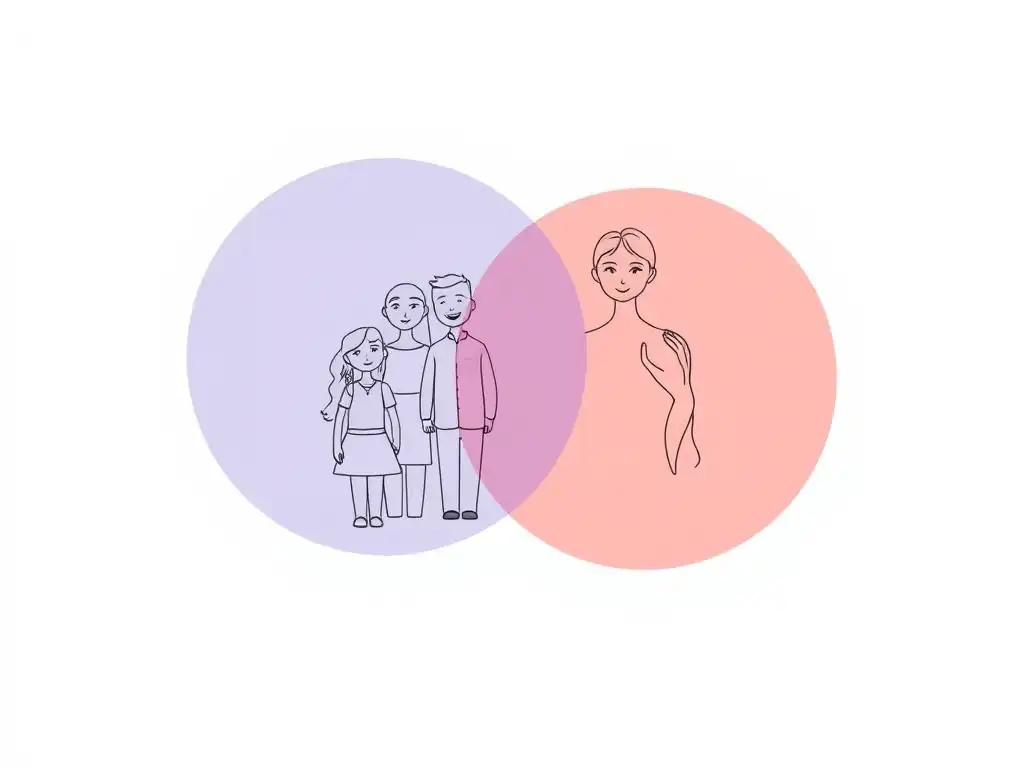
This section focuses on practical strategies for fostering respectful interactions within the LGBTQ+ online dating landscape. Navigating this space requires a heightened awareness of potential biases and a proactive commitment to inclusivity. Remember, the goal is to build meaningful connections based on mutual respect and understanding, not just find a date. Let's delve into specific strategies to achieve this.
Initiating Conversations with Respect and Inclusivity in LGBTQ+ Dating
Starting a conversation respectfully is crucial. Avoid generic openers; personalize your message. Instead of a simple "Hi," try something like, "I noticed your profile mentions [specific detail from their profile, showing you've read it carefully]. That's really interesting to me, because [relate it to your own experience or interest]." This demonstrates genuine interest and avoids the feeling of being mass-messaged.
Furthermore, be mindful of language. Using inclusive language is paramount; avoid making assumptions about someone's gender identity, sexual orientation, or relationship status. Using terms like "partner" instead of "boyfriend/girlfriend" can be more inclusive. Respecting chosen names and pronouns is non-negotiable. Always double-check their profile for pronouns, and if they aren't listed, politely ask. For example: "Hi [Name], I noticed your profile – what pronouns do you prefer?"
Consider the recipient's comfort level. Avoid overly sexualized or suggestive messages in initial contact. Build rapport and trust before transitioning to more intimate conversations. Respectful communication is the foundation of a healthy relationship, and it starts from the very first message. Remember, patience and genuine interest are key to building a respectful connection.
Maintaining Respectful Communication in LGBTQ+ Online Dating
Beyond the initial message, maintaining respectful communication throughout the dating process is vital. This involves active listening, empathy, and a willingness to understand different perspectives. Avoid making assumptions or imposing your beliefs on others.
Be mindful of your tone, both written and verbal. Sarcasm or humor that may seem harmless to you could be misinterpreted. Always consider the other person's feelings and perspectives. Disagreements are inevitable, but it's how you handle them that matters. Respectful communication involves expressing your opinions clearly but without aggression or judgment.
It's equally important to respect boundaries. If someone indicates a lack of interest or discomfort, respect their decision and refrain from further contact. This includes responding appropriately to "no" or requests for space. Persistent messaging after a clear indication of disinterest is disrespectful and potentially harassing.
Respectful Dating Practices: Consent and Boundaries in the LGBTQ+ Community
Consent and boundaries are non-negotiable aspects of respectful dating in any community, but especially within the LGBTQ+ community where experiences of discrimination and violation can be more prevalent. Consent must be enthusiastic, informed, and ongoing. It's not simply the absence of "no," but the presence of a clear and enthusiastic "yes."
Establishing clear boundaries is crucial. Communicate your needs and expectations openly and honestly. This could include setting limits on physical intimacy, sharing personal information, or frequency of contact. Respecting someone's boundaries shows consideration and maturity.
Remember, consent can be withdrawn at any time. If someone changes their mind or feels uncomfortable, respect their decision immediately. Ignoring or pressuring someone after they've withdrawn consent is a serious violation. Understanding and respecting consent and boundaries is fundamental to building healthy and respectful relationships within the LGBTQ+ community and beyond. Prioritizing these principles ensures a safer and more positive dating experience for everyone.
Fostering a Culture of Respect in LGBTQ+ Online Dating

This section focuses on practical strategies for cultivating a respectful environment within the LGBTQ+ online dating sphere. Building a positive experience requires proactive measures from both individuals and platforms. Ignoring hateful behavior only emboldens it; addressing it directly is crucial for fostering a safer and more inclusive space for everyone. The goal is to create an online dating landscape where all users, regardless of their identity or expression, feel valued, respected, and safe. This requires a conscious effort from all participants.
Reporting Hate Speech and Harassment in LGBTQ+ Online Dating Platforms
Reporting mechanisms are the first line of defense against hate speech and harassment. However, their effectiveness depends on several factors. Firstly, the ease of use is paramount. A complicated reporting process often discourages users from reporting incidents, allowing harmful behavior to persist. Secondly, the transparency and responsiveness of the platform are crucial. Users need to know that their reports are being taken seriously and that action is being taken against offenders. A lack of transparency breeds mistrust and discourages future reporting.
Many platforms offer different reporting options, such as reporting specific profiles, individual messages, or even entire conversations. Knowing which option to use can be confusing; clear instructions and examples would greatly improve the user experience and increase reporting rates. For example, a table could illustrate the different reporting options and when to use each:
| Reporting Option | When to Use | Example |
|---|---|---|
| Report Profile | Offensive profile pictures or bio information | Profile picture depicting hate symbols |
| Report Message | Harassment, hate speech, or inappropriate content | Message containing homophobic slurs |
| Report Conversation | Persistent harassment or abusive behavior | Repeated offensive messages despite warnings |
Thirdly, the consequences for offenders are vital. Platforms must demonstrate a commitment to enforcing their terms of service and taking appropriate action, which might include warnings, suspensions, or permanent bans. Consistent enforcement is key to deterring future offenses and creating a culture of accountability. The lack of clear consequences often leads to a perception of impunity, worsening the problem.
Finally, feedback to reporters is often overlooked yet essential. Letting users know that their report has been received and what action, if any, has been taken, builds trust and encourages future reporting. This closed-loop feedback system is essential for maintaining user confidence in the platform's commitment to safety.
Advocating for a More Inclusive LGBTQ+ Online Dating Environment
Beyond individual actions, advocating for a more inclusive environment requires collective effort. This involves engaging with online dating platforms directly, providing feedback on their policies and procedures, and urging improvements to their reporting mechanisms. Constructive criticism, backed by data and examples of problematic behavior, can be significantly more effective than simply complaining. For example, suggesting the implementation of AI-powered hate speech detection tools could be a valuable contribution. This proactive engagement encourages platforms to prioritize user safety and improve their services.
Furthermore, supporting and promoting LGBTQ+-friendly dating apps and websites is a powerful way to advocate for inclusivity. By choosing to use platforms that actively foster respectful environments, we send a clear message to the industry about our values. This involves researching platforms known for their commitment to inclusivity and actively recommending them to others.
Moreover, participating in online discussions and forums related to LGBTQ+ online dating allows for the sharing of experiences, the identification of problematic trends, and the collective brainstorming of solutions. This collaborative approach can be incredibly powerful in pushing for meaningful change. A lack of proactive engagement leaves these platforms to self-regulate, often resulting in insufficient action against harassment.
Creating Positive and Supportive LGBTQ+ Dating Communities Online
Building positive communities requires a proactive approach to fostering connection and support. This involves actively promoting kindness, empathy, and respect in all interactions. Simple acts, such as offering words of encouragement, celebrating successes, and providing support during difficult times, can significantly contribute to a more welcoming environment.
This positive reinforcement helps to counterbalance the negativity that can sometimes be prevalent in online spaces. Moreover, creating and participating in online groups or forums specifically designed for LGBTQ+ individuals can offer a sense of belonging and shared experience. These spaces can provide a safe haven for individuals to connect with like-minded people, share their experiences, and offer mutual support.
A key aspect of creating supportive communities is actively challenging harmful stereotypes and prejudices. This can involve politely correcting misinformation, educating others about LGBTQ+ issues, and providing counter-narratives to harmful stereotypes. This requires a delicate balance between assertiveness and empathy, ensuring that corrections are made with respect and understanding. The goal is not to alienate or silence those who hold harmful views but to educate and encourage them to reconsider their perspectives.
This approach fosters a more inclusive and accepting environment where everyone feels comfortable expressing themselves authentically. Remember, fostering a respectful environment is a continuous process requiring consistent effort and commitment from all participants. The positive impact on individual well-being and community growth is invaluable.
Resources for Respectful LGBTQ+ Dating
Finding love online should be a positive and empowering experience. However, navigating the complexities of LGBTQ+ dating requires extra awareness and proactive steps to ensure respectful interactions. This section provides resources to help you cultivate kindness and build meaningful connections while staying safe online. The goal is to foster an environment where everyone feels valued and respected, promoting positive LGBTQ+ dating profile respect.
Organizations Supporting LGBTQ+ Individuals in Online Dating
Several organizations actively work to support LGBTQ+ individuals in online dating, offering resources, community, and advocacy. These groups often provide crucial information on safety, respectful communication, and navigating potential prejudice. They represent a vital network for those seeking guidance and support within the online dating landscape. Understanding their roles and the services they offer is key to fostering a safer and more inclusive online dating experience for everyone.
Many organizations provide educational materials and workshops on topics such as safe online practices, identifying and addressing harassment, and building healthy relationships. Some also offer direct support services, such as helplines and crisis intervention. They advocate for policy changes to improve LGBTQ+ representation and protections in online dating platforms and actively combat discrimination and prejudice. Learning about these organizations and their initiatives empowers individuals to navigate online dating more confidently and safely. Their work directly contributes to improving LGBTQ+ dating profile respect and creating a more inclusive online community.
Their involvement is crucial in shaping a more positive and equitable online dating experience for LGBTQ+ individuals. Their collective efforts promote a culture of respect and understanding, mitigating the potential for harassment and prejudice. By actively engaging with these organizations, individuals can contribute to building a stronger and more supportive community.
Helpful Articles and Guides on LGBTQ+ Dating and Respectful Communication
Beyond organizational support, numerous articles and guides offer valuable insights into respectful communication and navigating the nuances of LGBTQ+ dating. These resources provide practical tips and strategies for building healthy relationships online, focusing on fostering mutual respect and understanding. They often cover topics such as creating respectful profiles, communicating effectively with potential partners, and setting healthy boundaries.
These guides often highlight the importance of clear and honest communication in establishing healthy relationships. They emphasize the need for respectful language and the importance of understanding different communication styles and cultural backgrounds within the LGBTQ+ community. Furthermore, many articles offer advice on handling difficult conversations, managing conflict, and recognizing and addressing red flags in online interactions. They often provide examples of respectful and disrespectful communication, helping users to identify and avoid potentially harmful behaviors. Understanding these nuances is crucial for fostering LGBTQ+ dating profile respect and contributing to a positive online dating experience.
Access to these resources is essential for creating a more inclusive and respectful online dating environment. Utilizing these resources empowers users to navigate the complexities of online dating with greater confidence and sensitivity, fostering positive and meaningful connections. By actively seeking out and applying the guidance provided, individuals can contribute to a more respectful and supportive community for all. This proactive approach to learning and self-improvement directly contributes to improving LGBTQ+ dating profile respect and building a more inclusive online dating experience.
Frequently Asked Questions
How can I ensure my online dating profile shows respect for the LGBTQ+ community?
Use inclusive language and avoid stereotypes. Showcase your acceptance and understanding of diverse identities and experiences. Focus on your personality and interests, not assumptions about others.
What are some common disrespectful behaviors to avoid in LGBTQ+ online dating?
Refrain from making assumptions about someone's identity or sexual orientation. Avoid using offensive slang or slurs. Respect others' pronouns and boundaries.
How do I respond to disrespectful messages or comments on my profile?
Report the user to the dating platform. Do not engage with negativity. Block the user to protect yourself.
Are there specific profile details I should include to show my respect for LGBTQ+ individuals?
Highlight your support for LGBTQ+ rights and causes. Mention your openness and inclusivity in your bio. Use a profile picture that reflects your authentic self.
How can I find other respectful and considerate LGBTQ+ singles online?
Choose dating platforms known for their inclusive communities and strong moderation policies. Look for profiles that emphasize respect, kindness, and understanding. Engage with those who share your values.
Final Reflection: The Ripple Effect of Kindness in LGBTQ+ Dating
The need for respectful interactions in LGBTQ+ dating is not merely a nicety; it's a fundamental requirement for building healthy, thriving relationships and a more inclusive community. Ignoring this crucial element perpetuates harmful stereotypes and undermines the potential for genuine connection. The impact of unkindness, whether subtle or overt, can be devastating, leaving lasting scars on individuals already navigating a world that can often feel hostile.
The journey towards fostering respect in LGBTQ+ dating is a continuous process, one that requires constant self-reflection and a commitment to empathy. It's about recognizing the unique vulnerabilities and experiences within the community and actively working to create safer spaces for connection. As Audre Lorde eloquently stated, Caring for myself is not self-indulgence, it is self-preservation, and that is an act of political warfare.
This quote resonates deeply because self-care, respect for oneself, and the extension of that respect to others are all intrinsically linked. Building a culture of kindness within LGBTQ+ dating is not just about individual actions; it's about collective responsibility.
Consider the power you hold to shape the narrative of LGBTQ+ dating. You have the ability to choose kindness, to challenge disrespectful behavior, and to create a more welcoming environment for everyone. Start by examining your own interactions, your language, and your expectations. Then, extend that self-awareness to your online and offline interactions with others. Let's work together to cultivate a dating landscape where respect is the norm, not the exception. Let's build a community where love can truly flourish.
Unleash the Power of Kindness: Start Your Journey to Respectful Dating
Thank you for exploring the importance of kindness in LGBTQ+ dating! We hope you gained valuable insights into building more respectful and fulfilling relationships. Now, let's put those insights into action.
- Prioritize genuine connection: Focus on active listening and showing genuine interest in your potential partner. This is crucial for building positive relationships. For example, instead of focusing solely on yourself, ask thoughtful questions and truly listen to their answers.
- Share your learnings: Spread the word about respectful dating! Share this article with friends or on social media, sparking conversations about creating a kinder online dating community.
- Reflect and discuss: Consider how you've witnessed kindness—or its absence—in your own dating experiences. Join the discussion below and share your thoughts, challenges, and successes. Let's create a space where understanding and respect thrive.
Ready to make a difference? What small act of kindness can you incorporate into your dating life today to enrich your experiences?