
The Heart of Connection: Building Lasting Bonds in LGBTQ+ Dating


Ready to unlock the secrets to finding meaningful connections in the world of LGBTQ+ dating? At OnlineDatingSuccess.org, we're dedicated to helping you navigate the exciting yet sometimes challenging landscape of online romance. This isn't just about swiping right—it's about building genuine connections. Discover our expert advice, starting with essential tips for crafting a captivating LGBTQ+ dating profile that truly reflects who you are and attracts the right person. Let's embark on this journey together and find the love you deserve.
- Understanding the Unique Landscape of LGBTQ+ Dating
- Crafting a Compelling LGBTQ+ Dating Profile
- Effective Communication Strategies for LGBTQ+ Daters
- Safety and Security in LGBTQ+ Online Dating
- Cultivating Lasting Bonds in LGBTQ+ Relationships
-
Frequently Asked Questions
- How can I create a compelling LGBTQ+ dating profile?
- What are some effective ways to communicate with potential matches on LGBTQ+ dating apps?
- How can I ensure my safety while using LGBTQ+ dating apps?
- What are some common mistakes to avoid when dating within the LGBTQ+ community?
- How can I build a meaningful connection beyond the initial online interaction?
- Final Reflection: Cultivating Authentic Connection in LGBTQ+ Dating
- Unleash Your Connection: Find Your Person Today
Understanding the Unique Landscape of LGBTQ+ Dating
Navigating the world of online dating can be challenging for anyone, but the experience is uniquely shaped for LGBTQ+ individuals. This article delves into the specific considerations and strategies for building successful and lasting connections within the LGBTQ+ community. We will explore the nuances of creating compelling profiles, communicating effectively, and fostering meaningful relationships while addressing the specific prejudices and discrimination that LGBTQ+ daters often face online.
Our goal is to empower you with the knowledge and tools to find genuine connection and build lasting bonds, regardless of the unique challenges you might encounter. We'll cover practical tips to help you craft an LGBTQ+ dating profile that attracts the right people, while also highlighting strategies for navigating the sometimes difficult aspects of online dating within this community. This guide is designed to be informative and empathetic, acknowledging the hurdles while providing actionable advice to foster positive experiences.
Remember, finding love and connection is possible, and we're here to support you every step of the way. This article focuses on optimizing your online presence to attract genuine connections, focusing specifically on what makes crafting an effective LGBTQ+ dating profile different, and how to overcome potential obstacles.
Choosing the right dating app is the first step. Many mainstream apps now offer robust LGBTQ+ inclusion, but some cater specifically to this community. Understanding the nuances of each platform is crucial. Some apps prioritize casual encounters, while others focus on long-term relationships. Consider your dating goals and preferences when making your selection.
Beyond app selection, navigating the app itself requires a keen eye. Many LGBTQ+ individuals have shared experiences with unwanted attention, harassment, or even discrimination. It's essential to utilize the safety features offered by the apps, such as blocking and reporting mechanisms. Remember to be mindful of the information you share in your profile and during conversations, protecting your personal safety and privacy.
This includes being cautious about sharing your exact location or revealing too much personal information too early in the conversation. Building trust takes time, and prioritizing your safety is paramount. Remember to trust your instincts – if something feels off, it probably is. Don't hesitate to disconnect or report inappropriate behavior.
Common Challenges Faced by LGBTQ+ Daters Online
LGBTQ+ daters often encounter unique challenges online, including:
- Increased visibility of prejudice and discrimination: Many LGBTQ+ individuals report experiencing hateful messages or discriminatory behavior on dating apps. This can range from subtle biases to overt hostility.
- Misrepresentation and fetishization: Some individuals may engage in fetishizing behaviors or project inaccurate assumptions onto LGBTQ+ profiles.
- Difficulty finding compatible matches: The smaller pool of potential partners within specific niches of the LGBTQ+ community can sometimes make finding compatible matches more challenging.
- Safety concerns: The risk of encountering prejudice and discrimination can heighten safety concerns, especially for those in less accepting communities. This can lead to increased caution and hesitation in online interactions.
- Navigating diverse identities: The LGBTQ+ community is incredibly diverse, with individuals identifying in many different ways. Clearly communicating your identity and expectations is crucial for finding compatible matches.
Overcoming Prejudice and Discrimination in Your Dating Profile
Crafting a dating profile that attracts genuine connections while mitigating the risk of prejudice and discrimination requires a thoughtful approach. Clearly stating your identity and preferences is a powerful step. Use your profile to showcase your personality and interests, making it clear what kind of connection you seek. Choose photographs that authentically reflect you.
While showcasing your best self, avoid images that could be easily misinterpreted or used to fuel prejudice. Remember that your profile is a reflection of you; let your genuine self shine through. A strong profile also acts as a filter, attracting individuals who are respectful of your identity and values, and discouraging those who are not.
Reporting inappropriate behavior is also crucial; utilize the reporting mechanisms provided by the dating app. By actively participating in creating a safer online environment, you contribute to a more positive experience for the entire LGBTQ+ community. Remember, building a positive online experience takes time and effort, but the rewards of finding genuine connection are worth it.
Crafting a Compelling LGBTQ+ Dating Profile
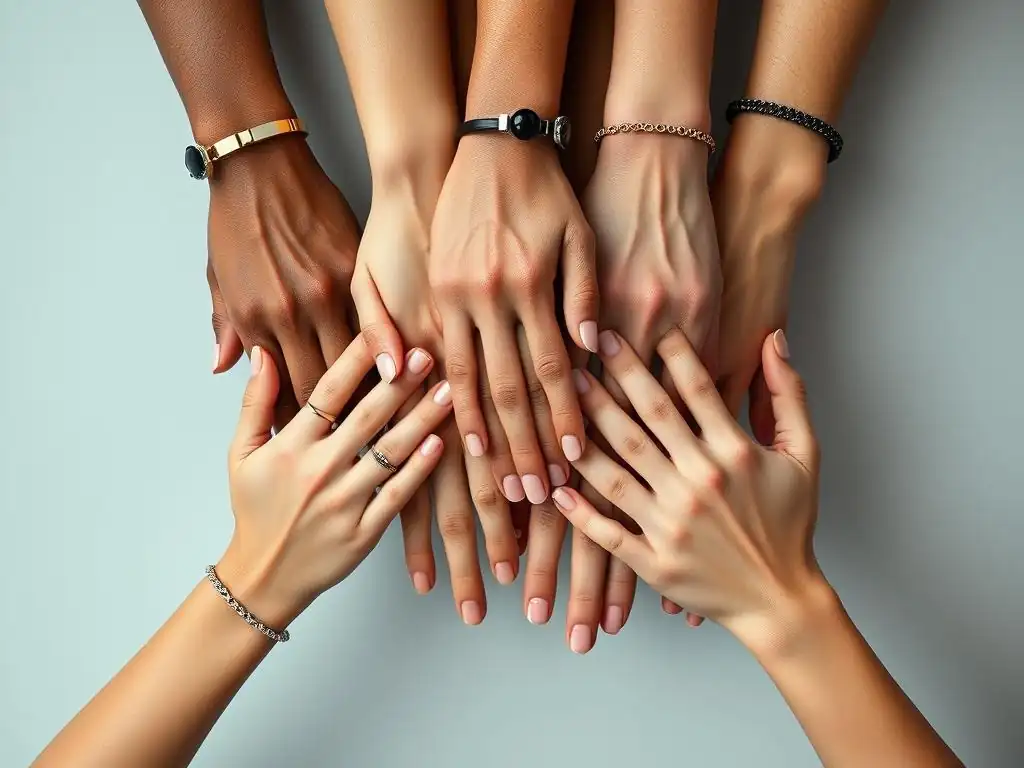
This section focuses on creating an online dating profile that authentically represents you and attracts compatible partners within the LGBTQ+ community. Remember, your profile is your first impression – make it count! We'll explore strategies to showcase your individuality while navigating the unique aspects of LGBTQ+ dating. Effective profiles are key to successful LGBTQ+ dating, and mastering this crucial first step dramatically increases your chances of finding a meaningful connection.
LGBTQ+ Dating Profile Tips: Showcasing Your Authentic Self
Authenticity is paramount in LGBTQ+ dating. Many individuals within the community have experienced invalidation or prejudice, making genuine self-expression even more vital. Avoid generic phrases; instead, let your personality shine through. Think about what makes you you.
Are you a witty bookworm, a passionate hiker, a creative soul? Use descriptive language to paint a vivid picture of your life and interests. For example, instead of writing "I like to travel," try "My dream trip is backpacking through Southeast Asia, immersing myself in different cultures and trying exotic foods 🍜." This provides concrete details and allows potential matches to connect with your specific passions.
Consider adding a short paragraph about your values and what you're looking for in a relationship. Are you seeking a long-term commitment, casual dating, or something in between? Being upfront about your relationship goals saves time and prevents misunderstandings later. This transparency fosters trust and attracts individuals aligned with your desires. Remember, honesty attracts honesty.
Using humor appropriately can also be a great way to show personality. A well-placed joke or witty observation can make your profile memorable and approachable. Just make sure your humor aligns with your overall tone and doesn't come across as offensive or insensitive.
Highlighting Your Interests and Values in Your Profile
Beyond showcasing your personality, your profile should highlight your interests and values. These are crucial for attracting compatible matches. Think about your hobbies, passions, and what's important to you. Are you involved in any social causes? Do you volunteer your time? Do you have a favorite band or TV show? Sharing these details helps potential partners get a sense of your lifestyle and values. This is particularly important in LGBTQ+ dating, where shared values and life goals can be even more influential in determining compatibility.
Consider using bullet points or lists to organize your interests. This makes your profile easier to read and digest. For example:
- Hobbies: Hiking, cooking, photography, attending concerts 🎶
- Values: Equality, kindness, open-mindedness, respect
- Looking for: A genuine connection, someone to share adventures with, mutual respect and understanding.
By clearly articulating your interests and values, you attract people who share your passions and life outlook. This increases the likelihood of forming meaningful connections and reduces the chances of incompatibility down the line.
Choosing Photos that Reflect Your Personality and Preferences
Your profile photos are arguably the most important element of your online dating profile. They are often the first thing potential matches see, and they significantly influence whether someone decides to view your profile further. Therefore, choosing the right photos is crucial for successful LGBTQ+ dating.
Select photos that accurately reflect your current appearance and personality. Avoid using outdated or misleading photos. Include a variety of photos that showcase different aspects of your life. A mix of solo shots, photos with friends, and photos showcasing your hobbies will give potential matches a more comprehensive view of who you are.
Ensure your photos are high-quality, well-lit, and show you in a positive light. Avoid blurry, dark, or poorly composed photos. A clear, well-lit photo where you're smiling naturally is always a good choice 😊. Consider including photos that showcase your interests or hobbies, such as a photo of you hiking or playing a musical instrument. This adds depth and interest to your profile and can spark conversation. Remember, your photos should tell a story about you and invite connection. Authenticity and positivity are key!
Writing a Bio that Attracts Genuine Connections
Crafting a compelling bio is crucial for attracting genuine connections in LGBTQ+ dating. It's your opportunity to showcase your personality, interests, and values, attracting individuals who resonate with you. Avoid generic statements; instead, inject authenticity and humor. Think about what makes you unique and what you're looking for in a partner. Do you enjoy hiking in national parks? Are you passionate about a specific cause? Mentioning these details provides potential matches with specific talking points, sparking engaging conversations.
For example, instead of writing "Looking for someone nice," try something like, "Passionate about sustainable living and exploring new breweries. Bonus points if you can beat me at a board game!" This approach is more engaging and gives potential partners a clearer picture of your personality and interests. Remember, your bio is a snapshot of who you are; make it count!
Don't be afraid to show vulnerability and showcase your imperfections – authenticity is key to building lasting connections. A well-written bio can help you filter out incompatible matches and attract those who truly appreciate you for who you are. Consider what aspects of your personality you want to highlight and what kind of partner you envision.
This will help you craft a bio that resonates with your ideal match. Remember to keep it concise and easy to read; no one wants to wade through a wall of text. A few well-chosen sentences can be far more effective than a lengthy, rambling description.
Finally, regularly review and update your bio. Your interests and priorities may evolve over time, so it's important to ensure your profile reflects your current self. This demonstrates that you are actively engaged in the dating process and serious about finding a meaningful connection. Think of your bio as a living document, constantly evolving to accurately represent your authentic self.
Using Keywords Effectively in Your LGBTQ+ Dating Profile
Optimizing your LGBTQ+ dating profile with relevant keywords is essential for increasing your visibility and attracting compatible matches. Think about the terms that accurately describe your identity, interests, and relationship goals. Instead of simply stating your sexual orientation, consider using more specific keywords. For example, instead of just "gay," you could use "gay man interested in long-term relationships" or "queer, polyamorous, and looking for ethical non-monogamy."
Beyond sexual orientation, consider adding keywords related to your lifestyle, values, and interests. Are you an avid traveler? Mention specific locations or types of travel. Do you enjoy specific activities like hiking, gaming, or volunteering? Include those keywords to attract people with shared interests. Similarly, use keywords that reflect your desired relationship dynamic. Are you looking for a casual relationship, a serious partnership, or marriage? Clearly stating your goals helps attract individuals who are seeking the same thing.
Remember to use a mix of broad and specific keywords. Broad keywords, such as "LGBTQ+ friendly," help cast a wider net, while specific keywords, like "femme lesbian," help attract a more targeted audience. However, avoid keyword stuffing. Naturally incorporating these terms into your profile description, rather than simply listing them, creates a more authentic and engaging profile.
Using keywords effectively will significantly improve your chances of connecting with compatible matches who share your values and aspirations. The key is to strike a balance between visibility and authenticity, creating a profile that is both discoverable and reflective of your true self. Think of it as a digital handshake, offering a clear and concise introduction to your world.
Effective Communication Strategies for LGBTQ+ Daters
This section focuses on refining your communication skills within the context of LGBTQ+ dating, a space that often requires extra sensitivity and understanding. Mastering these strategies can significantly increase your chances of forming genuine connections and fostering lasting relationships. Effective communication is key to navigating the complexities of LGBTQ+ dating and building meaningful bonds. We'll explore how to initiate conversations, build rapport, and set healthy boundaries. Remember, authenticity and respect are paramount.
Initiating Conversations with Potential Matches
Starting a conversation can feel daunting, but a thoughtful approach can make all the difference. Forget generic "hey" messages; instead, personalize your opening line. Refer to something specific in their profile – a shared interest, a travel photo, or a cause they support. This demonstrates you've taken the time to learn about them, showing genuine interest.
For example, instead of a simple "Hi," try: "I saw you're a big fan of [Band/Movie/Activity mentioned in profile]! I've been a fan for years too – what's your favorite [Album/Character/Aspect]?" This opens the door for a more engaging conversation, moving beyond superficial pleasantries. Remember, the goal is to spark a genuine connection, not just get a response.
Avoid overly suggestive or sexually explicit opening lines. These can come across as disrespectful and may deter potential matches. Focus on building a connection based on shared interests and values. Consider the tone and context of your message; a lighthearted approach is often best, unless their profile suggests a more serious demeanor. Experiment with different opening lines to see what resonates best with your matches. Track your success rate to refine your approach.
Building Rapport and Trust Through Meaningful Interactions
Initiating contact is only the first step. Building rapport and trust requires consistent effort and genuine engagement. Ask open-ended questions that encourage your match to share their thoughts and feelings. Avoid questions that can be answered with a simple "yes" or "no."
For instance, instead of asking "Do you like hiking? ", try "What are some of your favorite outdoor activities and why do you enjoy them?" This prompts a more detailed response, allowing you to learn more about their personality and preferences. Actively listen to their answers, showing genuine interest through thoughtful responses and follow-up questions.
Share about yourself authentically, revealing aspects of your personality and experiences. However, remember to maintain a balance; it's a two-way street. Don't dominate the conversation. Be mindful of sharing too much personal information too early in the interaction. Building trust takes time; prioritize quality interactions over quantity. Remember that honesty and vulnerability are key to establishing a strong connection, but proceed with caution and respect their boundaries.
Respectful Communication and Boundary Setting
Respectful communication is crucial in any relationship, but especially in the LGBTQ+ community where individuals may have experienced discrimination or prejudice. Be mindful of your language and avoid using derogatory or offensive terms. Respect your match's pronouns and preferred name. LGBTQ+ identities are diverse, so be open-minded and avoid making assumptions.
Setting boundaries is essential for protecting your well-being and fostering healthy relationships. Communicate your limits clearly and respectfully. If you're uncomfortable with a particular topic or behavior, don't hesitate to express it. This could involve anything from setting limits on the frequency of contact to establishing expectations around sharing personal information.
For example, you might say: "I appreciate your interest, but I'm not comfortable sharing [specific personal detail] yet." Or, "I'm enjoying our conversations, but I prefer to meet in person before sharing [specific information]." Remember, healthy boundaries are not about rejection; they're about self-respect and creating a safe space for connection. If you encounter disrespectful or harmful behavior, don't hesitate to block or report the user. Your safety and well-being are paramount. Prioritizing your own emotional health is crucial for a successful LGBTQ+ dating experience.
LGBTQ+ Dating Profile Tips: Avoiding Common Communication Pitfalls
Navigating the world of LGBTQ+ dating online requires a nuanced approach to communication. While the desire for connection is universal, the unique challenges faced by LGBTQ+ individuals necessitate careful consideration of how we present ourselves and interact with potential partners. Many common communication pitfalls can hinder the formation of meaningful relationships, so let's explore some key strategies to avoid them.
One frequent mistake is the overreliance on stereotypes and generalizations. While humor can be a great icebreaker, relying on tired tropes about LGBTQ+ identities can be offensive and alienating. Instead, focus on showcasing your authentic self and your unique personality. Avoid making assumptions about someone's identity or experiences based on limited information from their profile. Remember, everyone is an individual, and respecting that individuality is crucial. For example, instead of starting a conversation with a joke about "gaydar," try engaging with something specific from their profile, demonstrating genuine interest.
Another common pitfall is the use of overly aggressive or demanding language. While confidence is attractive, coming across as entitled or demanding can be a major turn-off. Respectful and courteous communication is essential, even in the initial stages of online dating. Avoid making excessive demands or issuing ultimatums. Instead, focus on building a connection through shared interests and respectful dialogue. For instance, avoid phrases like "You must be into [specific hobby]," and opt for something like, "I'm really into [specific hobby], are you?" This opens a dialogue instead of dictating terms.
Furthermore, be mindful of your tone and language. Sarcasm, while sometimes appreciated, can easily be misinterpreted online, leading to misunderstandings and hurt feelings. The absence of nonverbal cues makes it crucial to be explicit and clear in your communication. Use emojis sparingly and thoughtfully, as their meaning can vary greatly depending on context and individual interpretation. Always err on the side of caution and strive for clarity. For example, if you're making a joke, consider adding a clarifying emoji like a smiley face to avoid misinterpretation.
Finally, remember to be patient and understanding. Not every conversation will lead to a connection, and that's okay. Rejection is a part of dating, and it's important to handle it with grace and respect. Avoid sending multiple messages without a response, and respect someone's decision to not pursue a relationship. Remember, building meaningful connections takes time, and focusing on genuine engagement is far more rewarding than aggressive pursuit. Responding with understanding to a lack of response shows maturity and respect. This demonstrates emotional intelligence, a highly valued trait in any relationship.
Safety and Security in LGBTQ+ Online Dating

Navigating the world of LGBTQ+ dating requires a heightened awareness of safety and security. While online dating offers incredible opportunities to connect with like-minded individuals, it's crucial to prioritize your well-being throughout the process. This section delves into practical strategies to protect yourself and build trust in a sometimes unpredictable digital landscape. Remember, your safety is paramount, and proactive measures are key to a positive dating experience. This advice applies to all stages of online dating, from creating your profile to meeting in person. Remember, being cautious isn't being cynical; it's being smart.
Protecting Your Personal Information Online
Protecting your personal information is fundamental to safe LGBTQ+ dating. Avoid sharing overly specific details in your profile or early messages. This includes your full name, exact address, workplace, or even the specific neighborhood you live in. Instead, opt for more general descriptions. For example, instead of saying "I work at Acme Corp, downtown," you could write "I work in the tech industry in the city center."
Think carefully about the photos you upload. Avoid pictures that reveal too much about your surroundings – a picture of your house, for example, is a big no-no. Similarly, avoid images with identifying details such as license plates or street signs visible in the background. Consider using profile pictures that don't directly reveal your face.
- Never share your financial information with anyone you meet online. This includes bank details, credit card numbers, or social security numbers. Scammers often target online daters, so vigilance is crucial.
- Be wary of unsolicited links. Don't click on links sent by people you don't know or trust, especially if they seem suspicious.
- Use strong passwords and enable two-factor authentication wherever possible on your dating apps and social media accounts. This adds an extra layer of security against unauthorized access.
- Review your privacy settings regularly on all your social media platforms. Limit who can see your location and other personal information.
Remember, the more information you share publicly, the more vulnerable you become. Protecting your privacy is an ongoing process, requiring constant attention and vigilance.
Identifying and Avoiding Red Flags
Recognizing red flags is a crucial skill in online dating, particularly within the LGBTQ+ community. These warning signs can manifest in various ways, and learning to identify them can prevent potentially harmful situations. Trust your instincts; if something feels off, it probably is.
Some common red flags include:
- Inconsistency in their profile or messages: Do their words and actions match? Are there inconsistencies in their stories or claims?
- Excessive flattery or overly intense interest early on: Be wary of anyone who seems overly enamored too quickly. This can be a manipulative tactic.
- Pressure to meet in person too soon: A healthy relationship develops gradually. Resist pressure to meet before you feel comfortable and safe.
- Avoidance of video calls: While not always a red flag, a persistent refusal to video chat can be suspicious. It can be a way to hide their true identity.
- Requests for money or financial assistance: This is a classic scam tactic. Legitimate relationships don't involve financial transactions early on.
- Aggressive or disrespectful communication: Any form of verbal abuse or aggression is a major red flag and should never be tolerated.
Here's a table summarizing these red flags:
| Red Flag | Description | Action |
|---|---|---|
| Inconsistent Profile/Messages | Discrepancies in their online persona and communication. | Investigate further, be cautious. |
| Excessive Flattery/Intense Interest | Overly effusive praise and rapid escalation of intimacy. | Slow down the pace of communication, observe their behavior closely. |
| Pressure to Meet Too Soon | Urgent requests to meet in person before you feel comfortable. | Decline the offer, prioritize your safety. |
| Avoidance of Video Calls | Reluctance or refusal to engage in video calls. | Question their intentions, proceed with caution. |
| Requests for Money/Financial Assistance | Asking for money or financial help under various pretenses. | Report them to the dating platform and law enforcement if necessary. |
| Aggressive or Disrespectful Communication | Rude, abusive, or threatening language. | Immediately block and report them. |
Strategies for Safe First Dates
Even after careful vetting, meeting someone in person for the first time still requires precautions. Choose public places for your first date, ideally during the day. Let a friend or family member know where you're going, who you're meeting, and when you expect to be back. Share your location in real-time with a trusted person using a location-sharing app.
- Meet in a well-lit, public space: A crowded café or restaurant is a much safer option than a secluded bar or someone's home.
- Have your own transportation: This gives you the freedom to leave whenever you feel uncomfortable.
- Limit alcohol consumption: Being intoxicated can impair your judgment and make you more vulnerable.
- Trust your instincts: If something feels wrong, leave. Don't feel obligated to continue a date if you're feeling uneasy.
- Inform someone of your plans: Let a friend or family member know the details of your date, including the time, location, and the person's name and contact information. Consider sharing your live location with them.
Remember, prioritizing your safety doesn't diminish the joy of dating; it enhances it. By taking these precautions, you can enjoy the exciting possibilities of LGBTQ+ dating while safeguarding your well-being. A positive and safe dating experience begins with proactive measures and a healthy dose of caution.
Building a Support System Within the LGBTQ+ Community
Building a strong support network is crucial for navigating the complexities of LGBTQ+ dating, especially online. The unique challenges faced by LGBTQ+ individuals in dating, such as potential discrimination and prejudice, necessitate a supportive environment. This support system can act as a buffer against negativity and offer guidance during difficult experiences. Finding your community can be done in a variety of ways, from joining online forums and groups specifically designed for LGBTQ+ singles to attending local LGBTQ+ events and meetups.
These spaces offer a safe haven to share experiences, both positive and negative, and receive empathy and understanding from others who truly get it. Sharing your online dating journey with trusted friends or family members within the LGBTQ+ community can also provide valuable emotional support. Remember, it's okay to talk about your anxieties and frustrations; suppressing these feelings can be detrimental to your mental wellbeing. A supportive network can help you process these emotions and maintain a healthy perspective on your dating journey.
Consider seeking out mentorship from experienced individuals within the LGBTQ+ community who have successfully navigated online dating. Their insights and advice can be invaluable, offering practical strategies and helping you avoid common pitfalls. These mentors can also provide crucial guidance on recognizing and addressing potentially harmful situations. A supportive community isn't just about emotional support; it's about building a network of resources and guidance that can help you thrive in the online dating world.
Remember, you are not alone in this journey. Lean on your community for strength and resilience. The power of shared experience and mutual support cannot be underestimated in fostering a positive and safe online dating experience.
Cultivating Lasting Bonds in LGBTQ+ Relationships
This section delves into the core elements of fostering enduring and fulfilling relationships within the LGBTQ+ community, focusing on practical strategies applicable to connections formed both online and offline. We'll explore how open communication, mutual respect, and effective conflict resolution contribute to lasting bonds. Remember, building a strong relationship takes time, effort, and a willingness to work through challenges together. These tips can help you navigate the unique aspects of LGBTQ+ dating and build a meaningful connection.
Open Communication and Emotional Intimacy
Open and honest communication is the bedrock of any successful relationship, and this is especially crucial in LGBTQ+ relationships where societal pressures and unique experiences can sometimes create communication barriers. Sharing your feelings, needs, and desires openly and honestly creates a safe space for vulnerability and emotional intimacy. This includes actively listening to your partner, validating their feelings, and expressing your own emotions without judgment.
Many LGBTQ+ individuals have experienced discrimination or prejudice, impacting their ability to trust and open up. Creating a space free from judgment is paramount. This might involve explicitly stating your commitment to open communication and emotional safety early in the relationship. Consider using "I" statements to express your feelings without blaming your partner. For example, instead of saying "You never listen to me," try "I feel unheard when I don't feel like my concerns are being addressed."
Regular check-ins, even short ones, can help maintain open communication. These can be brief conversations about your day, your feelings, or any concerns you might have. These small acts of connection reinforce the importance of open communication and emotional intimacy, fostering a stronger bond. Remember, consistent effort is key to maintaining this essential aspect of a healthy relationship. Consistent effort in communication strengthens the foundation of the relationship and allows for deeper intimacy.
Building a Strong Foundation of Mutual Respect and Trust
Trust and respect form the cornerstone of any healthy relationship, but building this foundation can be particularly challenging in the context of LGBTQ+ dating. Historical and ongoing societal biases can impact trust levels, requiring extra effort and intentionality from both partners. Mutual respect involves valuing each other's opinions, boundaries, and identities, acknowledging that these aspects may differ from societal norms.
Building trust requires consistent actions that demonstrate reliability and honesty. This includes following through on commitments, being transparent about your actions and feelings, and actively listening to your partner's concerns. It's also crucial to respect your partner's privacy and boundaries. Avoid making assumptions about your partner's experiences or feelings, and instead, actively seek to understand their perspective. This empathetic approach fosters a deeper sense of connection and mutual understanding. Remember, trust is earned, not given, and requires consistent effort and commitment.
Consider creating shared values and goals as a couple. This could involve anything from planning future vacations to discussing long-term life goals. Working towards shared goals reinforces mutual respect and trust, building a stronger foundation for the relationship. This collaborative approach helps solidify the relationship, making it more resilient to external pressures.
Disagreements are inevitable in any relationship, but navigating conflicts constructively is essential for maintaining a healthy and lasting bond. In LGBTQ+ relationships, these conflicts can be further complicated by external pressures, societal expectations, and past experiences with discrimination. Learning to communicate effectively during disagreements is crucial.
Effective conflict resolution involves active listening, empathy, and a willingness to compromise. Avoid accusatory language and personal attacks; instead, focus on expressing your feelings and needs clearly and respectfully. Using "I" statements, as mentioned earlier, can be incredibly helpful in this process. For example, instead of saying "You always do this," try "I feel hurt when this happens."
Seeking professional help is not a sign of weakness but a sign of strength and commitment to the relationship. A therapist specializing in LGBTQ+ relationships can provide valuable tools and strategies for navigating conflicts effectively and fostering healthy communication patterns. They can help you identify underlying issues contributing to conflict and develop healthier coping mechanisms. Remember, seeking professional support is a proactive step towards building a stronger and more resilient relationship. Many couples find that professional guidance provides invaluable support in navigating relationship challenges.
Celebrating Your Unique Relationship
Building a lasting bond in any relationship requires acknowledging and celebrating its unique aspects. In the LGBTQ+ community, this is particularly crucial, as relationships can deviate significantly from heteronormative expectations. Openly embracing your relationship's individuality, whether it’s a non-traditional family structure, a chosen family dynamic, or a unique expression of love and commitment, fosters a strong sense of identity and shared experience. This shared identity forms a powerful foundation for weathering the storms that inevitably arise in any relationship.
For example, consider couples who have navigated the complexities of coming out to family and friends. Sharing these experiences, the challenges overcome, and the resulting strength builds an unbreakable bond. Similarly, couples who actively participate in LGBTQ+ community events or support organizations find a shared sense of belonging that reinforces their connection. This shared experience transcends the everyday and creates a deeper layer of intimacy and understanding.
Celebrating your unique relationship doesn't always require grand gestures. Small, consistent acts of appreciation and recognition of each other's individuality are equally important. This might involve publicly expressing affection, sharing personal stories that highlight your unique journey together, or simply making space for open and honest communication about your individual needs and desires within the relationship.
These small gestures, accumulated over time, create a rich tapestry of shared memories and experiences that solidify your bond. Remember, the most authentic celebrations are those that reflect the unique and beautiful nature of your relationship. Don't be afraid to deviate from societal expectations and create a celebration that truly represents your love story.
Frequently Asked Questions
How can I create a compelling LGBTQ+ dating profile?
Authenticity is key! Focus on showcasing your personality and interests rather than adhering to stereotypes. Use high-quality photos that reflect your true self.
What are some effective ways to communicate with potential matches on LGBTQ+ dating apps?
Be respectful and genuine in your messages. Show interest in their profile and initiate conversations based on shared interests. Avoid generic pick-up lines.
How can I ensure my safety while using LGBTQ+ dating apps?
Prioritize meeting in public places for first dates and always let a friend or family member know your plans. Trust your instincts—if something feels off, remove yourself from the situation.
What are some common mistakes to avoid when dating within the LGBTQ+ community?
Avoid making assumptions about someone's identity or experiences. Be mindful of inclusive language and avoid using outdated or offensive terms. Respect boundaries.
How can I build a meaningful connection beyond the initial online interaction?
Focus on genuine communication and finding common ground. Suggest activities that allow you to get to know each other better beyond messaging. Be patient and respectful of the dating process.
Final Reflection: Cultivating Authentic Connection in LGBTQ+ Dating
The search for meaningful connection transcends labels; it's a universal human desire, and for LGBTQ+ individuals, navigating this landscape often requires a unique approach. Finding love and building lasting bonds within the LGBTQ+ community demands authenticity, self-awareness, and a willingness to embrace vulnerability. This journey, though sometimes challenging, is ultimately deeply rewarding.
The evolving landscape of LGBTQ+ dating, fueled by technology and shifting social norms, presents both opportunities and obstacles. While dating apps offer unprecedented access to potential partners, they also highlight the importance of cultivating genuine connection amidst a sea of profiles. The pressure to present a perfect image can overshadow the true self, hindering authentic relationships. As Audre Lorde wisely stated, Caring for myself is not self-indulgence, it is self-preservation, and that is an act of political warfare.
This quote resonates deeply, reminding us that self-love and self-acceptance are foundational to building healthy relationships. Our profiles, therefore, should reflect this inner strength and authenticity.
Now, consider your own dating journey. What resonates most with you from this exploration of building lasting bonds? What steps can you take today to cultivate more authentic connections, both online and offline? Embrace your unique identity, be brave in your vulnerability, and remember that lasting love is built on a foundation of genuine connection and mutual respect. The journey may have its bumps, but the rewards of finding someone who truly sees and appreciates you are immeasurable.
Unleash Your Connection: Find Your Person Today
Thank you for exploring the world of building lasting bonds within the LGBTQ+ dating scene. We hope you found valuable insights and practical tips to enhance your dating experience. Now it's time to put that knowledge into action!
- Prioritize authenticity: Reflect on the advice provided and identify one area where you can be more genuine in your profile and interactions. This is key to attracting someone truly compatible.
- Engage mindfully: Start a conversation with someone who genuinely interests you. Approach the conversation with curiosity, not expectation. Ask a thoughtful question that goes beyond the usual superficial introductions.
- Share the love: Help others navigate the exciting (and sometimes challenging!) world of LGBTQ+ dating by sharing this article with someone who might find it helpful. Let's build a supportive community together.
Ready to make a meaningful connection? What's one small step you'll take today to embrace more authentic dating?