
Privacy Power: Taking Control of Your Personal Information Online

Welcome to OnlineDatingSuccess.org, your guide to navigating the exciting world of online dating! Are you ready to unlock the secrets to finding meaningful connections? We believe everyone deserves a safe and successful online dating experience, and that starts with understanding how to protect your personal information. This article on Online dating profile privacy will empower you to take control of your data and build a secure foundation for lasting relationships. Discover how to manage your privacy settings effectively and confidently navigate the online dating landscape. Let's dive in!
- Understanding Online Dating Profile Privacy Risks
- Strategies for Protecting Your Online Dating Profile Privacy
- Securing Your Personal Information Beyond Your Dating Profile
- Building Trust and Maintaining Privacy in Online Dating
- Reviewing and Updating Your Online Dating Privacy Settings
- The Long-Term Benefits of Prioritizing Online Dating Profile Privacy
-
Frequently Asked Questions
- How can I protect my personal information on dating apps?
- What information should I never share on an online dating profile?
- Are dating apps safe regarding my personal data?
- How can I manage my profile's visibility on dating sites?
- What should I do if I suspect my personal information has been compromised?
- Final Reflection: Reclaiming Your Narrative in the Digital Age
- Unlock Your Digital Privacy: Take Charge Today!
Understanding Online Dating Profile Privacy Risks
Navigating the world of online dating requires a delicate balance: presenting your best self to potential partners while safeguarding your personal information. This article delves into the crucial aspect of online dating profile privacy, exploring the potential risks of oversharing and providing practical strategies to maintain control over your personal data. In today's digital landscape, where information can spread rapidly and unexpectedly, understanding and mitigating these risks is paramount for a safe and positive online dating experience.
We'll examine the various ways your privacy can be compromised, identify the information you should protect, and offer actionable steps to create a profile that attracts potential partners without jeopardizing your safety and security. Ultimately, achieving a successful online dating experience hinges on striking a balance between honesty and discretion, a balance that this guide will help you master.
This is especially critical given the sensitive nature of online dating, where personal information is often readily shared. Remember, protecting your privacy is not about hiding who you are; it's about being smart and proactive about how you share your information.
Protecting Your Personal Information on Dating Sites
Protecting your personal information on dating sites is crucial for maintaining your safety and privacy. Many people unknowingly share far too much detail, opening themselves up to potential risks such as stalking, harassment, identity theft, and even scams. Think of your profile as a carefully curated window into your life—reveal enough to spark interest but avoid giving away the key to your entire house.
Here's a breakdown of key strategies for protecting your data:
- Limit the information you share publicly: Avoid including your full name, exact address, workplace, or phone number directly on your profile. Instead, consider using nicknames or initials.
- Use caution with photos: Avoid posting photos that reveal your location (e.g., pictures taken in front of your house) or that show identifying features like license plates or unique tattoos.
- Be wary of location services: Disable location services on dating apps unless you're actively using the app to meet someone nearby. Over-sharing your location can put you at risk.
- Think twice before sharing personal details: Don't disclose sensitive information like your social security number, bank account details, or other financial information, under any circumstances. This is never appropriate in an online dating context.
- Review your privacy settings: Familiarize yourself with the privacy settings on each dating site or app you use and adjust them to your comfort level. Regularly review these settings as they may change.
- Report suspicious activity: If you encounter any suspicious behavior or profiles, report them immediately to the dating platform.
The Dangers of Over-Sharing on Dating Profiles
Over-sharing personal information on dating profiles can have serious consequences. While it's important to be open and honest, revealing too much too soon can make you vulnerable to various forms of online abuse and fraud. This includes, but is not limited to:
- Stalking and harassment: Providing detailed information about your daily routine, workplace, or living situation can make you an easy target for stalkers or harassers.
- Identity theft: Sharing sensitive personal information like your full name, address, and date of birth can facilitate identity theft.
- Catfishing and scams: Dishonest individuals may use the information you share to create fake profiles or engage in fraudulent activities. They may use this information to gain your trust and then exploit you financially or emotionally.
- Privacy violations: Even seemingly innocuous details can be pieced together by malicious actors to build a comprehensive picture of your life, potentially leading to privacy violations.
- Unwanted attention: Overly revealing profiles can attract unwanted attention from individuals who are not genuinely interested in getting to know you.
Identifying Personally Identifiable Information (PII) in Your Profile
Understanding what constitutes Personally Identifiable Information (PII) is key to protecting your privacy. PII is any data that can be used to identify an individual. In the context of online dating profiles, this includes:
| Type of PII | Example | Risk |
|---|---|---|
| Full Name | Jane Doe | Identity theft, stalking |
| Address | 123 Main Street, Anytown, CA | Stalking, physical harm |
| Phone Number | (555) 123-4567 | Harassment, unwanted calls |
| Email Address | jane.doe@email.com | Spam, phishing, unwanted communication |
| Workplace | Acme Corporation | Stalking, harassment, potential workplace issues |
| Date of Birth | 01/01/1980 | Identity theft |
| Social Security Number | XXX-XX-XXXX | Identity theft, fraud |
| Financial Information | Bank account details, credit card info | Identity theft, financial fraud |
| Specific Location Details | "I live near the beach" (too specific) | Can reveal more than intended, stalking |
By carefully reviewing your profile and removing or obfuscating this PII, you significantly reduce your risk of becoming a victim of online dating-related crimes. Remember, a little mystery can go a long way in online dating!
Strategies for Protecting Your Online Dating Profile Privacy
This section delves into practical strategies to safeguard your personal information while maintaining an engaging online dating profile. Balancing honesty with privacy is crucial for a positive and safe online dating experience. Remember, your online dating profile privacy is paramount.
Crafting a Private Yet Engaging Online Dating Profile
Creating a compelling profile without revealing too much personal information requires a delicate balance. The key lies in being selective about the information you share and how you present it. Instead of explicitly stating your exact address, you might mention your neighborhood or a nearby landmark. For example, instead of "I live in 123 Main Street, Anytown," try "I enjoy exploring the vibrant cafes and parks in the Willow Creek neighborhood." This provides context without compromising your precise location.
Similarly, when discussing your work, avoid using your full job title and company name if you're concerned about unwanted attention. A general description of your profession is often sufficient. Instead of "Senior Software Engineer at TechGiant Corp," you could say "I work in the tech industry, and I'm passionate about [specific area of your work]."
Remember to be mindful of the photos you upload. Avoid images that clearly show your home's exterior, license plates, or other identifying details. Backgrounds should be generic enough to not give away too much information about your daily life and location.
Here's a table summarizing effective strategies:
| Information Type | What NOT to Share | What TO Share |
|---|---|---|
| Address | Exact address, street name, house number | Neighborhood, nearby landmarks |
| Workplace | Full job title, company name, exact location | General profession, industry, area of expertise |
| Photos | Images revealing your home, car, or personal details | Pictures showcasing your hobbies and personality |
| Personal Details | Full birthdate, social security number, etc. | Age range, interests, hobbies |
Using these techniques helps you control the narrative and maintain your online dating profile privacy effectively. The goal is to attract genuine connections while protecting your personal safety.
Using Pseudonyms and Avoiding Real Names in Online Dating
While many dating platforms encourage authentic profiles, using a pseudonym can offer an added layer of security, especially in the initial stages of online dating. This doesn't mean you have to be completely anonymous; rather, it allows you to control the amount of personal information readily available.
Consider using a variation of your name, perhaps a nickname or a combination of initials and a descriptive word. This helps maintain a level of privacy while still allowing you to connect with others. However, remember that complete anonymity can raise suspicion, so find a balance that feels comfortable and authentic to you.
It's crucial to be consistent with your chosen pseudonym across all platforms to avoid confusion and maintain a cohesive online presence. Consistency helps build trust and prevents any potential misidentification. Remember, using a pseudonym is just one tool in your online dating profile privacy arsenal.
Managing Your Privacy Settings on Popular Dating Apps
Most popular dating apps offer various privacy settings that allow you to control who can see your profile, contact you, and access your information. Taking advantage of these settings is crucial for maintaining your online safety and privacy.
Familiarize yourself with the specific privacy options available on each app you use. This might include features like:
- Profile Visibility: Limiting who can view your profile to people within a certain age range, distance, or who have similar interests.
- Messaging Controls: Enabling options that allow you to filter messages from people you're not interested in, or only allow messages from matched users.
- Location Sharing: Choosing to share only a general location instead of your exact coordinates.
- Photo Approval: Reviewing and approving any potential matches before they can see your photos.
- Blocking and Reporting: Utilizing the app's blocking and reporting features to remove unwanted users from your experience.
Regularly review and adjust your privacy settings as needed. App policies and features can change, so staying informed is key to maintaining control over your online dating profile privacy. Proactive management of these settings is a crucial component of a safe and positive online dating experience. Don't underestimate the power of these tools in protecting your personal information and fostering a more secure online environment.
Protecting Your Location and Address Information
Protecting your location and address is paramount when using online dating platforms. Revealing too much geographical information can put you at risk. Avoid explicitly stating your exact address or even your specific neighborhood in your profile or initial messages. Many platforms offer built-in privacy settings that allow you to mask your precise location, showing only a broader region. Utilize these features! Even seemingly innocuous details, such as mentioning a landmark easily identifiable on Google Maps, can compromise your safety.
Instead of giving away your exact location, consider using more general terms. For example, instead of saying "I live in the Oakwood neighborhood of Denver," you could write, "I live in the Denver metro area and love exploring the mountains." This still gives potential matches a general idea of your location without revealing your exact address, making it harder for someone to track you down. Remember, building a connection should be based on shared interests and personality, not readily available geographical data.
Furthermore, be cautious about sharing photos that explicitly display your home or workplace. A seemingly harmless picture of you outside your house could inadvertently reveal your address to someone with malicious intent. Always be mindful of the background in your photos and opt for locations that don't offer clues to your private life. Maintaining a degree of mystery is not only intriguing but also a crucial aspect of online dating profile privacy, especially when protecting your physical location. Err on the side of caution; it's always better to be too careful than not careful enough.
Safeguarding Your Photos and Images Online
Protecting your photos online is crucial for maintaining your online dating profile privacy. Avoid using images readily available elsewhere online, like your Facebook or Instagram profile pictures. This can make it easier for someone to find more information about you than you intend to share. Instead, take new photos specifically for your dating profile, ensuring that the backgrounds are unidentifiable and that you're not wearing any clothing or accessories that could reveal personal information.
Consider the context of each photo. A picture of you at a family gathering might inadvertently reveal details about your family members. Similarly, a photo taken at your workplace could reveal your employer or your daily routine. Always be mindful of the information your photos might unintentionally reveal. Using a variety of images showcasing different aspects of your personality and hobbies is a good strategy, but always prioritize privacy.
Moreover, be wary of reverse image searches. Websites and apps can identify images across the internet, potentially revealing where else your photos appear online. This can expose more of your personal life than you intend to share. Therefore, using unique photos for your online dating profile helps maintain a stronger level of online dating profile privacy. Remember, your photos are a representation of yourself – make sure they reflect your personality and interests while protecting your privacy. Taking these precautions helps maintain control over your personal information and keeps your online dating experience safer and more enjoyable.
Securing Your Personal Information Beyond Your Dating Profile
This section focuses on extending your online dating profile privacy efforts beyond just your dating profile itself. Many assume that protecting their profile is enough, but your digital footprint extends far wider. Think about the information you share across other platforms that could be linked back to your dating profile, potentially compromising your safety and privacy.
This includes everything from your social media accounts to your email address and phone number. Effective online dating profile privacy necessitates a holistic approach, encompassing all aspects of your online presence. Remember, even seemingly innocuous information can be pieced together by malicious actors to create a comprehensive profile of you.
Safe Online Communication Practices for Dating
Online dating profile privacy is inextricably linked to your communication practices. Never share Personally Identifiable Information (PII) prematurely. This includes your full name, address, workplace, and the names of your family members. Avoid revealing specific details about your daily routine, like your usual commute or the times you’re typically at home or at the gym.
These details could be used to track your movements or even target you for physical harm. Instead, opt for general descriptions and avoid overly specific details. For instance, instead of saying “I work at Acme Corp. on Main Street,” you could say “I work in the tech industry in the city center.”
Prioritize safe communication channels. While some dating platforms offer in-app messaging, consider using encrypted messaging apps for more sensitive conversations once you've built some trust. These apps often offer end-to-end encryption, meaning only you and the recipient can read your messages. Remember, even on encrypted platforms, avoid sending sensitive information. Always meet in a well-lit and public place for your first date, and let a friend or family member know where you are going and when you expect to be back. This proactive approach is vital for maintaining your online dating profile privacy and your overall safety.
Protecting Your Email Address and Phone Number
Your email address and phone number are valuable pieces of information that should be carefully protected. Avoid directly sharing these on your dating profile. Many dating sites offer features to allow communication without directly revealing your contact details. Use these features whenever possible. If you choose to share your phone number or email, wait until you’ve had several positive interactions with a potential match and feel reasonably confident in their trustworthiness.
Consider creating a dedicated email address specifically for online dating. This helps to isolate potential spam and phishing attempts. If you receive suspicious emails or messages, do not respond. Instead, report them to the dating platform and block the sender. Similarly, be cautious about sharing your phone number too early. If someone pressures you to share your phone number before you're comfortable, it's a red flag. Remember, protecting your email address and phone number is a crucial aspect of maintaining your online dating profile privacy and avoiding potential harassment or scams.
Avoiding Phishing and Scams on Dating Platforms
Phishing and scams are unfortunately prevalent on online dating platforms. These scams often involve individuals creating fake profiles to solicit money or personal information. Be wary of profiles that seem too good to be true, or those that ask for financial assistance early in the "relationship." Never send money or gift cards to someone you've only met online, regardless of how convincing their story may be.
Always verify the identity of someone you’re communicating with. Look for inconsistencies in their profile or their stories. Reverse image searches can help identify if a profile picture is being used fraudulently. If something feels off, trust your instincts and don't hesitate to report the suspicious profile to the dating platform. Staying vigilant and educated about common scams is essential for protecting your online dating profile privacy and avoiding becoming a victim of fraud. Remember, legitimate platforms will never ask for your banking details or other sensitive financial information. Always be cautious and prioritize your safety.
Recognizing and Reporting Suspicious Activity
Protecting your personal information extends beyond simply securing your online dating profile. Vigilance is key in identifying and addressing suspicious activity that could compromise your safety and privacy. Understanding what constitutes suspicious behavior is the first step towards effective protection. This includes unsolicited messages containing overtly sexual content, requests for personal financial information, or attempts to lure you off the dating platform to other communication channels.
Be wary of profiles that seem too good to be true, exhibiting inconsistencies or lacking sufficient details. These may be fake profiles designed to extract information or engage in fraudulent activities. Remember, genuine connections develop organically; suspicious activity often involves a sense of urgency or pressure.
Furthermore, reporting suspicious activity is crucial. Most online dating platforms provide mechanisms for reporting inappropriate behavior or profiles. Utilize these tools promptly and thoroughly. Provide detailed information about the suspicious activity, including screenshots, dates, and times.
The more information you provide, the better equipped the platform is to investigate and take appropriate action. Remember, you are not alone in this; many others may have experienced similar situations, and reporting contributes to a safer online dating environment for everyone. Don't hesitate to report even seemingly minor incidents; they could be indicators of a larger pattern of harmful behavior.
Reporting also helps protect other users from potential harm, making your actions a significant contribution to the online dating community. Your proactive involvement in reporting helps platforms continuously improve their safety measures and create a more trustworthy space for users. Always trust your instincts; if something feels off, it's best to err on the side of caution and report it.
Building Trust and Maintaining Privacy in Online Dating
Online dating profile privacy is a delicate balancing act. It's crucial to present an accurate and appealing version of yourself to attract potential matches, but oversharing can expose you to risks, from unwanted attention to identity theft. This section explores strategies for building trust while protecting your personal information. Remember, online dating profile privacy isn't about deception; it's about strategic disclosure.
Balancing Honesty and Privacy in Your Online Dating Profile
The key to navigating this challenge lies in careful selection of information. Honesty is paramount, but it doesn't necessitate revealing every detail of your life. Think of your profile as a curated introduction – a highlight reel, not a documentary.
For instance, instead of stating your exact address, you might mention your neighborhood or a nearby landmark. Instead of listing your workplace, you could mention your industry. This offers context without compromising your safety. Similarly, while sharing your hobbies is encouraged (it sparks conversation! ), avoid overly specific details that could be used to track your movements or routines. For example, mentioning "hiking in the local mountains" is fine, but avoid specifying exact trails or times.
Consider this table illustrating the difference between honest and overly revealing information:
| Honest & Safe | Overly Revealing & Risky |
|---|---|
| "I enjoy cooking." | "I make dinner every Tuesday night at 7 PM." |
| "I work in finance." | "I'm a Senior Analyst at [Company Name] and my office is on the 12th floor." |
| "I love traveling." | "I'm currently planning a trip to Italy in October, staying at the [Hotel Name] in Rome." |
Remember, the goal is to attract genuine interest, not to provide a blueprint of your life. Your profile should be engaging and informative, but ultimately, it should leave potential matches wanting to learn more through conversation.
Communicating Boundaries and Expectations with Matches
Open and honest communication is essential for establishing healthy boundaries from the outset. Even with a carefully crafted profile, conversations can reveal sensitive information unintentionally. Therefore, proactively setting boundaries is key to maintaining your online dating profile privacy.
Here are some examples of setting boundaries:
- Avoid revealing your full name early on. Use a nickname or shortened version until you feel more comfortable.
- Be cautious about sharing phone numbers or social media links. Wait until you've had several positive interactions and feel confident in the person's intentions.
- Suggest meeting in public places for your first date. This ensures your safety and provides a neutral environment.
- Inform your match about your comfort levels with sharing personal information. For example, you might say something like, "I'm happy to share more about my life as we get to know each other better, but I prefer to take things slowly."
By explicitly stating your boundaries, you empower yourself and encourage respectful interaction. This proactive approach is far more effective than reacting to unwanted advances or disclosures. Remember, you are in control of the information you share, and your comfort level is paramount.
The Importance of Gradual Information Sharing
Building trust takes time, and so should the disclosure of personal information. Avoid rushing into sharing sensitive details early in the dating process. Instead, adopt a gradual approach, revealing information incrementally as you gain confidence in the match and the relationship develops.
Think of it like peeling back the layers of an onion 🧅. You start with the outer layers – general interests and hobbies – and gradually reveal more intimate details as you feel comfortable. This allows you to assess the person's trustworthiness and respect for your boundaries. If at any point you feel uncomfortable or uneasy, you have the right to stop sharing information and even discontinue contact.
This strategy not only protects your privacy but also fosters a healthier and more meaningful connection built on mutual respect and trust. Prioritizing your online dating profile privacy is not just about safety; it's about building genuine connections based on mutual respect and understanding.
Reviewing and Updating Your Online Dating Privacy Settings
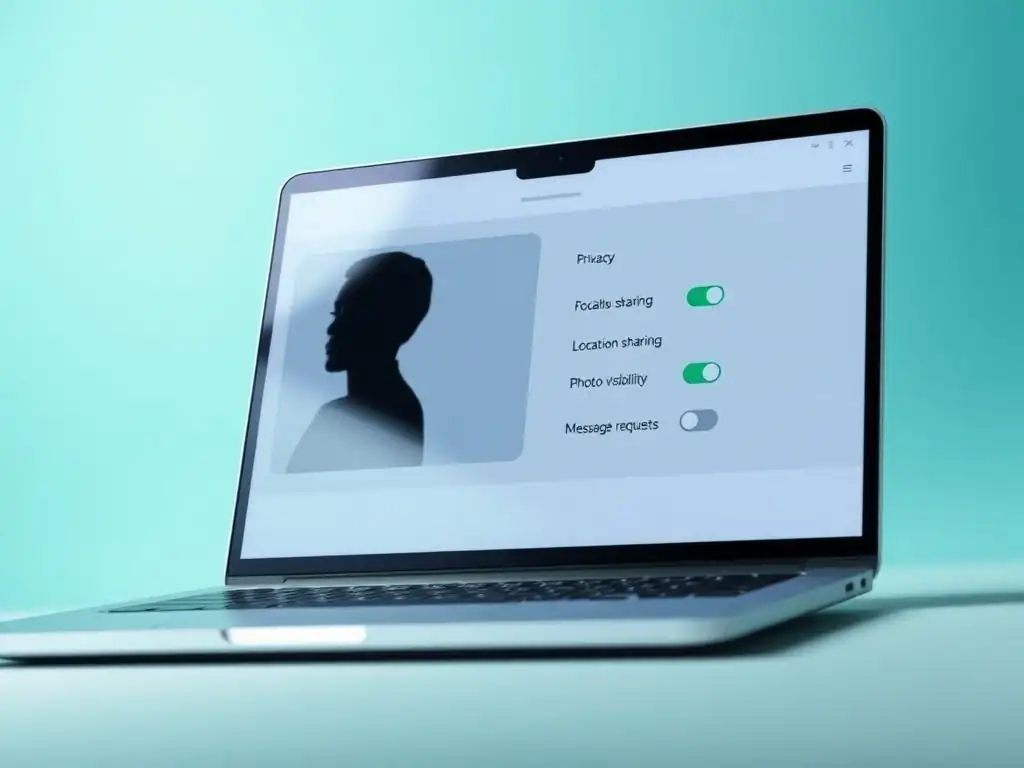
Maintaining robust online dating profile privacy requires proactive management of your settings. Many dating platforms offer a range of customization options, allowing you to control the visibility of your personal information. Ignoring these settings leaves you vulnerable to unwanted attention or even identity theft. Let's explore how to effectively review and update these crucial privacy safeguards.
Regularly Checking Your Privacy Preferences on Dating Apps
Dating apps frequently update their features and privacy policies. This means your previously set preferences might become outdated or less effective. It's crucial to regularly review your privacy settings, ideally every few months, to ensure they align with your comfort level. This involves checking parameters like:
- Profile Visibility: Who can see your profile? Consider limiting visibility to only those who have matched with you, or opting for stricter controls if you're uncomfortable with widespread access. Many platforms allow you to choose whether to be visible in search results. Think carefully about the level of visibility that best suits your dating goals and comfort level.
- Photo Settings: Decide which photos are public and which are only visible to matches. Avoid posting photos that reveal identifying information about your home or workplace. Remember that even seemingly innocuous details can potentially be used to compromise your privacy.
- Messaging Controls: Some apps allow you to restrict who can message you. You might prefer to only receive messages from people you've matched with, or even to disable messaging entirely if you prefer to communicate through the app's other features.
- Location Sharing: Many apps use location services to connect users in proximity. Carefully review your location sharing settings; you may choose to disable location sharing altogether or to limit its precision. Consider the trade-offs between convenience and privacy.
Staying Informed About Privacy Policy Updates
Staying abreast of privacy policy updates is paramount for maintaining your online dating profile privacy. Dating apps are obligated to inform users of significant changes to their policies. However, these notifications can be easily missed. Therefore, proactively checking for updates is crucial. Here’s how:
- Regularly Visit the App's Privacy Policy Page: Most dating apps have a dedicated page outlining their privacy practices. Bookmark this page and check it periodically for updates. Look for changes in data collection practices, data sharing agreements, or modifications to user control options.
- Enable Notification Settings (If Available): Some apps provide notification settings for privacy policy updates. Enable these notifications to receive alerts directly when changes are implemented.
- Read Email Updates Carefully: Pay attention to emails from the dating app regarding policy changes. Don't simply delete them; take the time to understand the implications of any modifications.
Protecting Your Identity Across Multiple Online Platforms
Your online dating profile privacy extends beyond the dating app itself. The information you share on other social media platforms can inadvertently compromise your safety and privacy on dating sites. Consider these crucial steps:
- Limit Information Sharing on Social Media: Avoid posting information that could easily be used to identify you on a dating site, such as your full name, address, workplace, or even the specific school you attended. Remember, a potential date might try to cross-reference information from your dating profile with your social media presence.
- Reverse Image Search Your Photos: Before posting photos on your dating profile, perform a reverse image search to ensure they haven't been used elsewhere online without your knowledge or consent. This can help prevent unwanted exposure or the misuse of your image.
- Maintain Separate Online Identities (If Necessary): For enhanced privacy, consider creating a separate email address and social media accounts specifically for online dating. This helps to isolate your dating activity from other aspects of your digital life. This segmentation significantly reduces the risk of your online dating profile being connected to your other online profiles.
Remember, your online safety and privacy are your responsibility. By diligently reviewing your settings, staying informed about policy changes, and being mindful of your online presence across multiple platforms, you can significantly enhance your online dating profile privacy and enjoy a safer and more enjoyable dating experience.
The Long-Term Benefits of Prioritizing Online Dating Profile Privacy
Prioritizing your online dating profile privacy isn't just about immediate safety; it's a strategic investment in your long-term well-being and relationship success. Many people underestimate the lasting impact of information shared online. A seemingly innocuous detail today could have unforeseen consequences down the line. This section explores the significant, long-term advantages of maintaining a strong privacy posture in your online dating journey.
Think of it as building a robust foundation for healthy, fulfilling relationships. Protecting your personal information is akin to safeguarding your emotional and psychological well-being. The more control you exert over your digital footprint, the more empowered you'll feel in navigating the complexities of online dating. This proactive approach significantly reduces the risk of future problems and empowers you to build authentic connections based on genuine interest, rather than exploitation or manipulation.
Maintaining Control Over Your Personal Information
Maintaining control over your personal information is paramount in the digital age. This involves a multi-pronged approach encompassing several key areas. First, be discerning about the information you share on your profile. Avoid including highly personal details like your exact address, workplace, or full name (unless you're comfortable with the potential implications). Second, regularly review your privacy settings on dating apps and websites.
Most platforms offer a range of customization options allowing you to control who can see your profile, message you, or access your personal data. Third, be mindful of the information you share in conversations. Avoid revealing sensitive details prematurely, especially before establishing trust. Remember, even seemingly harmless information can be pieced together to create a complete picture of your life. Think of it like building a house: you wouldn't leave the front door unlocked, and similarly, you shouldn't leave your personal information vulnerable.
Consider the following table illustrating the potential risks of oversharing:
| Information Shared | Potential Risk | Mitigation Strategy |
|---|---|---|
| Exact address | Stalking, home invasion | Use a general location or avoid mentioning your address altogether |
| Workplace | Harassment, stalking, unwanted contact | Use a general industry or avoid mentioning your employer |
| Full name | Identity theft, doxing | Use a nickname or initials until you establish trust |
| Phone number | Spam calls, harassment | Avoid sharing your phone number until you've met in person |
| Social media links | Exposure to a wide audience, potential for misuse of information | Avoid linking social media until trust is fully established |
Finally, remember that you have the right to request the deletion or correction of your personal information held by dating platforms. Exercise this right whenever necessary to maintain a healthy level of control over your online presence. This proactive approach safeguards your privacy and ensures a more positive online dating experience.
Reducing Risks of Identity Theft and Stalking
Protecting your online dating profile privacy significantly minimizes your risk of identity theft and stalking. These serious crimes can have devastating consequences, impacting your financial security, emotional well-being, and even physical safety. By limiting the amount of personal information accessible to others, you create a significant barrier against potential perpetrators. Remember, the less information available, the harder it is for someone to exploit or misuse your identity.
The risk of identity theft is particularly acute when sharing sensitive data such as your social security number, bank account details, or full date of birth. Such information should never be shared on a dating profile or in online conversations. Similarly, revealing personal details like your home address or workplace increases your vulnerability to stalking. A stalker might use this information to track your movements, harass you, or even commit violent acts.
Here's a checklist to help reduce risks:
- [x] Avoid sharing your full name and address.
- [x] Use a different email address specifically for online dating.
- [x] Be cautious about sharing photos that reveal too much about your daily routine or whereabouts.
- [x] Regularly review and adjust your privacy settings on dating apps.
- [x] Report any suspicious activity or harassment to the dating platform and law enforcement.
Taking these precautions significantly lowers the probability of becoming a victim of identity theft or stalking. Protecting your personal information is an act of self-care, a crucial step towards a safer and more positive online dating experience. Remember, your safety and security should always be your top priority.
Building Healthy and Respectful Relationships Online
Prioritizing online dating profile privacy isn't just about security; it’s integral to fostering healthy and respectful relationships. When you control the information you share, you create a space for genuine connection, rather than superficial attraction based on incomplete or misleading information. This approach encourages authentic interactions focused on shared values, interests, and personalities, rather than superficial judgments based on readily available data. Sharing only what you're comfortable with allows potential partners to appreciate you for who you truly are, fostering a more meaningful and respectful connection.
Furthermore, a measured approach to sharing personal information helps establish healthy boundaries from the outset. It demonstrates respect for your own privacy and signals to potential partners that you value a reciprocal approach to information sharing. This contributes to a more balanced and respectful dynamic in your online interactions. Building trust requires mutual respect and a willingness to share information at a pace that feels comfortable for both parties.
By prioritizing privacy, you set the stage for a relationship built on genuine understanding and mutual respect. This mindful approach to online dating cultivates a healthier and more fulfilling experience. It’s a testament to your self-respect and your commitment to building meaningful connections.
Frequently Asked Questions
How can I protect my personal information on dating apps?
Privacy on dating apps is crucial. Use strong passwords, limit information shared in your profile (address, workplace, etc.), and be cautious about sharing photos showing your location. Enable two-factor authentication whenever possible.
Never share your full address, place of work, or exact location. Avoid posting photos that reveal too much about your daily routine or easily identifiable landmarks. Protect your financial information completely.
Are dating apps safe regarding my personal data?
While many dating apps have improved their security measures, no app is completely risk-free. Be proactive in protecting your information by following best practices, and report any suspicious activity immediately to the app and authorities if necessary.
How can I manage my profile's visibility on dating sites?
Most dating sites allow you to adjust your profile's privacy settings. Carefully review these options to control who can see your profile, photos, and contact information. Restrict access to only those you've matched with or approved.
What should I do if I suspect my personal information has been compromised?
Immediately change your passwords on all affected accounts, including your dating app and other related accounts. Report the incident to the dating app and consider filing a police report. Monitor your bank accounts and credit reports for any unauthorized activity.
Final Reflection: Reclaiming Your Narrative in the Digital Age
The fight for online privacy isn't just a technical challenge; it's a fundamental assertion of self-determination. In an era saturated with data collection and algorithmic manipulation, understanding how to protect your personal information, especially within the seemingly intimate space of online dating, is more crucial than ever. The vulnerability inherent in sharing personal details online demands a proactive and informed approach, one that prioritizes security without sacrificing connection.
The impact of unchecked data collection on our sense of self and our relationships is profound. We are constantly negotiating our identities in the digital sphere, often without fully understanding the consequences. The ease with which our personal information can be accessed and utilized raises serious questions about agency and control. As the poet Adrienne Rich eloquently stated, The most common way people give up their power is by thinking they don't have any.
This rings especially true in the context of online dating, where vulnerability is inherent and the potential for misuse of personal data is high. We must actively challenge this power imbalance and reclaim our narratives.
You hold the power to shape your online presence. Take the time to review your privacy settings on all platforms, understand what data you are sharing, and actively choose what information you make public. Don't be afraid to limit your online footprint, to be selective about the platforms you use, and to prioritize your safety and well-being above the pressure to constantly share. By taking control of your digital narrative, you are not only protecting yourself but also contributing to a healthier, more responsible online environment for everyone. Start today. Your privacy, your power, your future.
Unlock Your Digital Privacy: Take Charge Today!
Thank you for learning how to better protect your personal information online! We hope you found practical strategies to enhance your digital privacy. Now, let's put that knowledge into action.
- Strengthen your privacy settings on all your online accounts. This is the most impactful step you can take to protect yourself. Review your settings on social media, dating apps, and email accounts. Pay close attention to the permissions you grant to each application.
- Use a robust password manager. This simplifies password management and significantly strengthens your overall online security. A good password manager generates strong, unique passwords for each of your accounts, making it much harder for hackers to gain access.
- Share this article with friends and family—let's work together to build a more privacy-conscious community!
What's one small privacy setting you'll adjust this week? Let's discuss in the comments below!