
How to Recognize and Avoid Consent Violations in Online Dating


Ready to navigate the world of online dating with confidence and respect? At OnlineDatingSuccess.org, we empower you to build meaningful connections. But before diving in, understanding boundaries is crucial. This is why we're focusing on a critical topic: online dating consent violation examples. Learn how to identify red flags and protect yourself from potentially harmful situations. Discover the essential steps to ensure your online dating journey is both successful and safe. Read on to learn more.
- Understanding Consent in the Context of Online Dating
-
Common Online Dating Consent Violations: Examples and Red Flags
- Unwanted Sexual Advances and Explicit Content: Identifying and Responding to Harassment
- Pressure and Coercion Tactics: Recognizing Manipulation in Online Dating
- Violation of Privacy: Sharing Personal Information Without Consent
- Non-Consensual Sharing of Intimate Images: Understanding Revenge Porn and its Implications
- Online Dating Consent Violation Examples: Case Studies and Scenarios
-
Protecting Yourself from Consent Violations: Practical Strategies
- Setting Boundaries and Communicating Your Limits Clearly
- Recognizing and Avoiding Red Flags: Identifying Potentially Abusive Behavior
- Utilizing Online Dating Platform Safety Features: Reporting and Blocking Mechanisms
- Documenting Interactions: Saving Screenshots and Messages as Evidence
- Seeking Support: Resources and Help for Victims of Online Abuse
- Legal Implications of Consent Violations in Online Dating
- Building Healthy Online Relationships Based on Mutual Respect
-
Frequently Asked Questions
- What constitutes a consent violation in online dating?
- Are there specific examples of online dating consent violations?
- How can I avoid committing a consent violation in online dating?
- What should I do if I experience a consent violation in online dating?
- How can I create a safer online dating experience to minimize the risk of consent violations?
- Final Reflection: Reclaiming Consent in the Digital Dating World
- Unveil Your Dating Confidence: Take Control of Consent
Understanding Consent in the Context of Online Dating
Navigating the world of online dating requires more than just a captivating profile picture and witty opening messages. It demands a deep understanding of ethical boundaries and, crucially, consent. This article delves into the often-blurred lines of consent in online dating, providing clear examples of violations and offering practical strategies to ensure respectful and safe interactions. We'll explore what constitutes consent, the subtle differences between implicit and explicit agreements, and how consent evolves as online relationships progress.
Understanding these nuances is paramount to fostering healthy, respectful connections and avoiding potentially harmful situations. By the end, you'll be better equipped to identify and prevent consent violations, making your online dating experience safer and more fulfilling. Remember, a successful online dating journey is built on mutual respect and clear communication, starting with a firm grasp of consent.
Defining Consent: What it Means and Doesn't Mean in Online Interactions
Consent, in the simplest terms, is a freely given, enthusiastic agreement to participate in an activity. In online dating, this translates to agreeing to engage in communication, sharing personal information, or progressing to more intimate interactions. Crucially, consent must be freely given. This means it cannot be coerced, pressured, or manipulated in any way. It's not something that can be assumed, implied, or withdrawn retrospectively. Think of it as a continuous, active process, not a one-time event.
Let's clarify what consent doesn't mean:
- Silence is not consent: If someone doesn't explicitly say "yes," it's not a "yes." A lack of response should be interpreted as a lack of consent.
- Intoxication or impairment is not consent: If someone is under the influence of alcohol or drugs, they cannot give valid consent.
- Past consent does not imply future consent: Just because someone consented to something once, doesn't mean they consent to it again in the future. Consent must be reaffirmed for each instance.
- Pressure or coercion is not consent: Any form of pressure, whether subtle or overt, invalidates consent. This includes persistent messaging, guilt-tripping, or threats.
Consent should always be enthusiastic and affirmative. Think of it like this: a hesitant "maybe" or a reluctant "okay" is not consent. It's vital to ensure that every interaction is based on a clear, enthusiastic "yes."
Recognizing the Nuances of Online Consent: Implicit vs. Explicit Agreements
While explicit consent is straightforward—a clear and direct "yes"—implicit consent can be more ambiguous and requires careful consideration. Implicit consent might involve a series of interactions where both parties seem to be engaging willingly. For example, continuing a conversation after an initial introduction could be interpreted as implicit consent to further communication. However, the line between implicit and non-consent can be easily crossed.
It's important to note that relying solely on implicit consent can be risky. Misinterpretations can easily occur, leading to uncomfortable or even harmful situations. The safest approach is always to err on the side of caution and seek explicit consent whenever possible, especially when moving towards more intimate interactions. This reduces the chances of misunderstandings and ensures that all parties are comfortable and on the same page. Remember, ambiguity can breed conflict. Clear communication eliminates this risk.
Consider these scenarios: A user sending sexually suggestive photos without prior explicit consent is a clear violation. Even a seemingly harmless joke that crosses a boundary can be interpreted as a violation if the recipient does not feel comfortable. Always prioritize clear and open communication.
Consent and the Evolution of Online Relationships: From Initial Contact to Intimacy
The concept of consent isn't static; it evolves as online relationships develop. What constitutes consent during initial contact differs significantly from what's required for more intimate interactions. A simple "hello" doesn't imply consent to share personal details or engage in sexually explicit conversations. As the relationship progresses, consent must be continuously reaffirmed and explicitly given for each new level of intimacy.
This progressive nature of consent is crucial to understand. Moving from casual conversation to sharing personal information requires explicit or implicit consent, which should be clear and unambiguous. Further escalation to intimate conversations or sharing of explicit content necessitates explicit consent, ideally in writing. This prevents any misunderstandings or potential accusations of coercion or violation.
Remember, consent is an ongoing, dynamic process, not a one-time occurrence. Open communication and mutual respect are key to navigating this evolving landscape responsibly. Regularly checking in with your partner to ensure continued comfort and agreement is a sign of a healthy relationship, both online and offline.
Common Online Dating Consent Violations: Examples and Red Flags
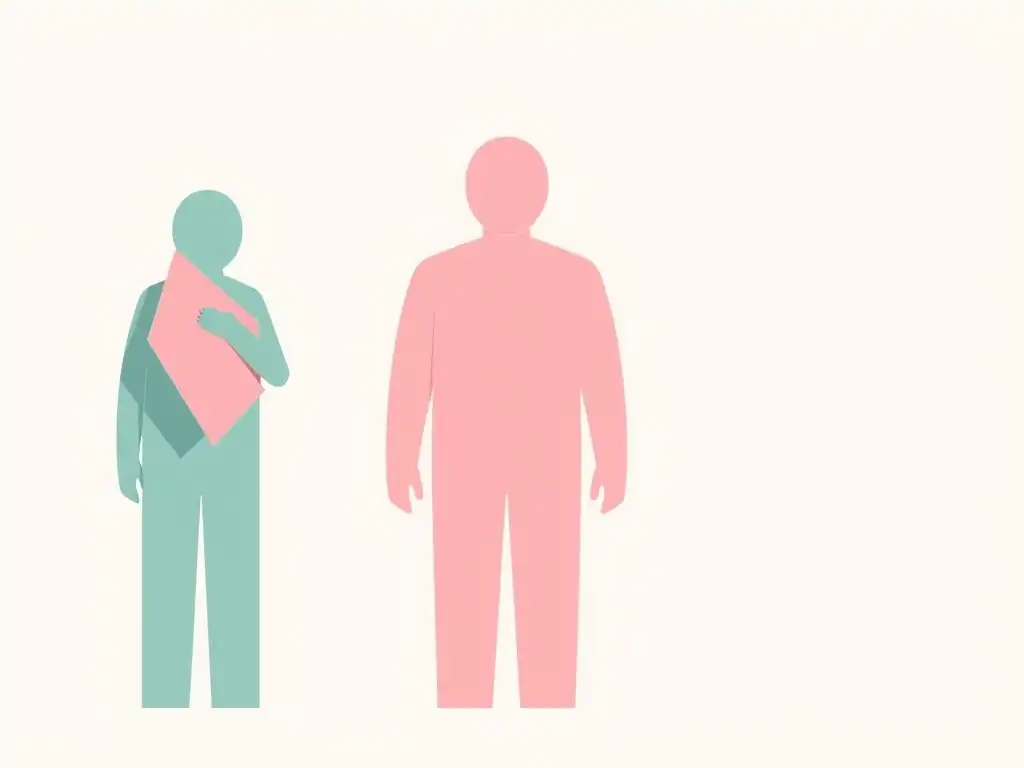
This section delves into specific examples of consent violations frequently encountered in the online dating world. Understanding these scenarios is crucial for protecting your well-being and fostering respectful interactions. Remember, consent is enthusiastic, informed, and freely given; it can be withdrawn at any time. Any action taken without explicit consent is a violation. Let's explore some common red flags.
Unwanted Sexual Advances and Explicit Content: Identifying and Responding to Harassment
Unwanted sexual advances and explicit content are clear violations of consent. This encompasses unsolicited nude photos, sexually suggestive messages, or persistent requests for sexual acts despite clear indications of disinterest. The severity can range from mildly inappropriate to severely harassing.
For example, imagine receiving graphic images from someone you've only exchanged a few messages with. This is a blatant violation, regardless of your previous interactions. Another example could be persistent requests for explicit photos or videos after you've politely declined. This persistent pursuit, despite your clear lack of consent, constitutes harassment.
It's important to remember that even if you've shared some intimate information previously, that doesn't automatically imply consent for further escalation. Consent is specific to each interaction and can be revoked at any point.
Responding to such violations requires clear and firm boundaries. Report the user to the dating platform immediately. Block them to prevent further contact. Save all evidence (screenshots, messages) as this might be needed for future reporting or legal action. Remember, you are not obligated to engage or justify your refusal. Your safety and comfort are paramount.
Pressure and Coercion Tactics: Recognizing Manipulation in Online Dating
Pressure and coercion are insidious forms of consent violation, often subtly disguised as persuasion or affection. This involves manipulating someone into engaging in activities they don't want to participate in. Examples include:
- Guilt-tripping: Using statements like, "If you really cared about me, you'd..." to pressure someone into sexual activity or sharing personal information.
- Emotional blackmail: Threatening to end the relationship or spread rumors if someone doesn't comply with requests.
- Gaslighting: Making someone question their own perception of reality to justify manipulative behavior.
- Love bombing: Overwhelming someone with excessive attention and affection early in the relationship to gain their trust and then use that trust to manipulate them.
These tactics often erode a person's self-confidence and ability to make autonomous choices. If you feel pressured or manipulated into doing something you're uncomfortable with, it's a clear indication of a consent violation. Trust your instincts; if something feels wrong, it probably is. Remember, a healthy relationship is built on mutual respect and trust, not manipulation and control.
Violation of Privacy: Sharing Personal Information Without Consent
Sharing personal information without consent is another significant online dating consent violation. This includes but is not limited to:
| Type of Information | Example | Severity |
|---|---|---|
| Location Information | Sharing your exact address or workplace details | High – potential for stalking or harassment |
| Personal Photos | Sharing photos without permission | Medium – breach of trust and privacy |
| Contact Information | Sharing your phone number or email address without consent | Medium – potential for unwanted contact |
| Private Conversations | Sharing screenshots of private conversations | High – breach of trust and potential for humiliation |
This violation can have serious consequences, ranging from unwanted contact and harassment to identity theft and stalking. Always be cautious about the information you share, especially early in an online relationship. Never share sensitive information unless you are absolutely certain of the other person's trustworthiness and you've built a strong foundation of trust and mutual respect. Prioritize your safety and privacy. Remember, you have the right to control your personal information and who has access to it. Never feel pressured to share something you're not comfortable with.
Non-Consensual Sharing of Intimate Images: Understanding Revenge Porn and its Implications
Sharing intimate images or videos without consent is a serious violation, often referred to as "revenge porn." This act can have devastating consequences for the victim, leading to emotional distress, social isolation, and even physical harm. The impact extends beyond the immediate emotional trauma; victims often face reputational damage, difficulty finding employment, and persistent harassment. The legal ramifications are also significant, with many jurisdictions enacting laws specifically criminalizing the non-consensual distribution of intimate images. Understanding the severe implications is crucial in preventing such violations.
It's important to remember that consent given for sharing an image in a specific context doesn't automatically extend to other contexts or to different individuals. For instance, consent to share a photo with a partner doesn't grant permission to share it with others, even close friends or family. Furthermore, consent can be withdrawn at any time. If someone asks you to remove an intimate image, you must comply immediately. Ignoring such a request constitutes a clear violation of consent and can lead to severe legal penalties.
The emotional scars of revenge porn can be long-lasting, impacting self-esteem, trust, and future relationships. Support resources are available for victims, providing guidance on legal avenues, emotional support, and safety planning. Remember, your privacy and bodily autonomy are paramount; protecting your intimate images is a fundamental aspect of online safety and maintaining healthy relationships. The consequences of non-consensual sharing are far-reaching and devastating, highlighting the importance of respecting boundaries and obtaining explicit consent before sharing any intimate material.
Online Dating Consent Violation Examples: Case Studies and Scenarios
Let's examine some real-world scenarios illustrating online dating consent violations. One common example involves pressure to engage in sexual activity or share intimate images before a relationship has been established and mutual trust is present. For instance, a person might feel coerced into sending nude photos after receiving numerous suggestive messages, even if they initially hesitated. This subtle pressure, often disguised as flattery or romantic interest, constitutes a violation of consent. Another scenario might involve the unauthorized use of a dating profile picture for purposes other than its intended use. Someone might take a profile photo and use it for advertising or other purposes without the individual's consent.
This misuse can lead to identity theft and reputational harm. A further example involves misrepresentation of intentions. Someone might feign romantic interest to gain access to personal information or manipulate a person into a compromising situation. This deception undermines the foundation of consent, as it is based on false pretenses. In a different context, the continuation of contact after a clear expression of disinterest constitutes a violation. Ignoring requests to stop contacting someone, especially after repeated rejections, is a form of harassment and a clear violation of consent.
These examples highlight the diverse ways consent violations can occur in online dating. It’s crucial to be aware of these potential scenarios and to understand that consent must be freely given, informed, and enthusiastic. Any pressure, coercion, or deception invalidates consent. Remember, you have the right to say no and to set boundaries without feeling guilty or obligated. Being aware of these potential violations empowers you to protect yourself and build healthy, respectful relationships. Always prioritize your safety and well-being; if a situation feels uncomfortable or wrong, trust your instincts and seek support.
Protecting Yourself from Consent Violations: Practical Strategies

This section focuses on proactive measures you can take to minimize your risk of experiencing consent violations in the online dating world. Remember, your safety and comfort are paramount. Understanding your rights and setting clear boundaries are crucial steps towards a positive and respectful online dating experience. Learning to recognize and react to red flags is equally important in preventing potential harm. This empowers you to navigate the online dating landscape with confidence and agency.
Setting Boundaries and Communicating Your Limits Clearly
Establishing healthy boundaries is the cornerstone of protecting yourself from consent violations. This involves clearly communicating your comfort levels and expectations to potential dates before and during interactions. This isn't about being rigid or unapproachable; it's about ensuring mutual respect and understanding.
For example, if you're uncomfortable sharing personal information early on, explicitly state that. You might say something like, "I prefer to get to know someone better before sharing my address or workplace details." Similarly, if you're not comfortable with explicit conversations or suggestive photos, make it clear from the outset. Direct communication prevents misunderstandings and sets the stage for a respectful relationship.
Consider these practical boundary-setting strategies:
- Pre-date communication: Before meeting in person, discuss your expectations for the date—location, time, activities. This helps avoid uncomfortable surprises and sets the tone for a safe and consensual encounter.
- During the date: If something makes you uncomfortable, speak up. Don't feel obligated to continue an interaction that violates your boundaries. A simple "I'm not comfortable with this" is perfectly acceptable.
- Post-date communication: If you had a negative experience, don't hesitate to communicate your feelings. This can help prevent future violations and set boundaries for future interactions.
Remember, healthy communication is a two-way street. If your date doesn't respect your boundaries, that's a significant red flag. Prioritizing your comfort and well-being is always the right choice. Ignoring your gut feeling can have serious consequences, so trust your instincts.
Recognizing and Avoiding Red Flags: Identifying Potentially Abusive Behavior
Identifying potential red flags is crucial for avoiding consent violations in online dating. These warning signs can manifest in various ways, from subtle pressure to overt aggression. Understanding these indicators empowers you to make informed decisions and protect yourself from harmful situations.
Here are some examples of red flags to watch out for:
| Red Flag Category | Specific Examples | Impact |
|---|---|---|
| Pressure and Control | Demanding immediate responses, ignoring your boundaries, controlling your actions | Erosion of autonomy, manipulation, potential for coercion and abuse. |
| Aggression and Threats | Using threatening language, making you feel unsafe, intimidating behavior | Direct threat to physical and emotional safety, potential for violence. |
| Violation of Privacy | Sharing your personal information without consent, stalking, unwanted contact | Breach of trust, invasion of privacy, potential for harassment and stalking. |
| Gaslighting and Manipulation | Twisting your words, making you doubt your own perception, emotional abuse | Disorientation, self-doubt, erosion of self-esteem, potential for abuse. |
These are just some examples; the specific red flags might vary depending on the individual and the context. If you encounter any behavior that makes you feel uneasy or unsafe, trust your instincts and remove yourself from the situation.
Utilizing Online Dating Platform Safety Features: Reporting and Blocking Mechanisms
Most reputable online dating platforms offer safety features designed to protect users from harassment and abuse. Familiarizing yourself with these tools and using them proactively is a vital step in ensuring your safety. These features are often overlooked but can be extremely effective in preventing and addressing consent violations.
These mechanisms include:
- Reporting mechanisms: Most platforms provide clear pathways to report abusive or inappropriate behavior. Use these tools to report any violations of their terms of service or actions that make you feel unsafe. Detailed reports with screenshots and timestamps can be particularly helpful.
- Blocking features: Utilize the blocking feature to prevent unwanted contact from individuals who have violated your boundaries or made you feel uncomfortable. Blocking prevents them from messaging you, seeing your profile, or interacting with you in any way.
- Privacy settings: Review and adjust your privacy settings regularly to control the information visible to others on the platform. Limiting access to your personal data can reduce the risk of unwanted attention or stalking.
Proactive use of these safety features empowers you to manage your online interactions and create a safer dating experience. Remember, reporting and blocking are not signs of weakness; they are tools that help you maintain control and prioritize your well-being. Don't hesitate to use them if needed. Your safety and comfort are always the priority.
Documenting Interactions: Saving Screenshots and Messages as Evidence
Digital communication leaves a trail. Screenshots and saved messages can serve as crucial evidence if you experience a consent violation in online dating. This documentation isn't just for potential legal action; it can also be invaluable in reporting the violation to the dating platform itself. Many platforms have policies against harassment and abuse, and providing concrete evidence significantly increases the likelihood of a response and action being taken against the offender.
Think of it like this: Imagine a scenario where someone repeatedly sends unwanted explicit messages despite your clear requests to stop. Saving screenshots of these messages, including timestamps, demonstrates a pattern of behavior and your attempts to communicate your boundaries. Similarly, if someone shares intimate images without your consent, saving the image and the communication surrounding it is vital.
This documentation helps paint a complete picture of the violation and strengthens your case significantly. Remember to save these materials in a secure, organized manner, ideally in a password-protected folder on your computer or cloud storage. Consider also noting the date and time of each communication, and any relevant context, in a separate document.
This meticulous approach provides a clear timeline of events, adding weight to your evidence. The more comprehensive your documentation, the stronger your position will be should you need to pursue further action. Remember, documenting these interactions is not only about protecting yourself legally, but also about preserving your emotional well-being and empowering you to take control of the situation.
Seeking Support: Resources and Help for Victims of Online Abuse
Experiencing a consent violation in online dating can be incredibly isolating and distressing. It's crucial to remember that you are not alone, and there are resources available to offer support and guidance. Many organizations specialize in assisting victims of online abuse, providing a safe space to share your experience and access various forms of assistance. These resources can range from emotional support and counseling to legal advice and advocacy.
These organizations often offer confidential helplines and online support groups, connecting you with others who understand what you're going through. Sharing your experience can be a powerful step in your healing process, and the collective support offered within these communities can be invaluable. Furthermore, some organizations offer legal assistance, helping you navigate the complexities of reporting a violation and pursuing legal action if necessary. They can provide guidance on what steps to take, how to document your evidence, and what your legal options might be.
Remember, seeking help is a sign of strength, not weakness. Reaching out to these resources can empower you to take control of the situation, heal from the trauma, and prevent similar experiences from happening in the future. Don't hesitate to utilize the support available; your well-being and safety are paramount. There are people who care and want to help you navigate this difficult time.
Legal Implications of Consent Violations in Online Dating
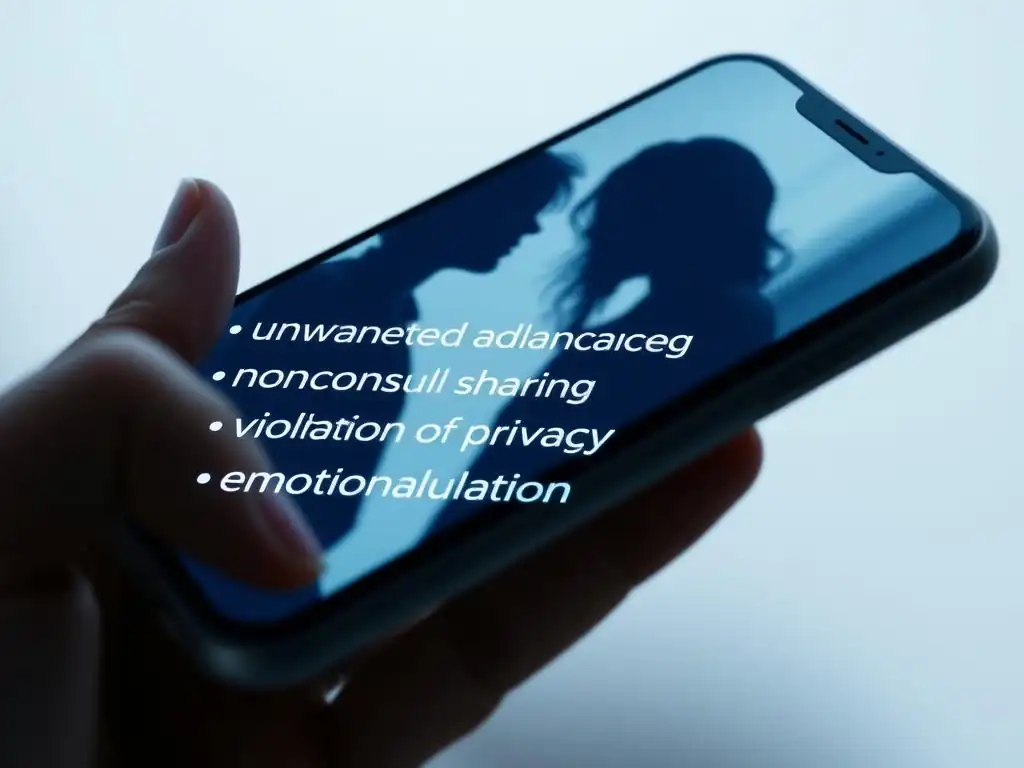
Navigating the world of online dating requires awareness not only of ethical considerations but also of the potential legal ramifications of actions. Understanding the legal framework surrounding consent violations is crucial for both protecting yourself and avoiding potential legal repercussions. This section will explore the legal implications of consent violations within the context of online dating, focusing on online harassment and abuse, reporting procedures, and available civil remedies.
Ignoring these legal aspects can have serious consequences, impacting your safety and well-being. The term "online dating consent violation examples" often encompasses a wide range of behaviors, and it's vital to understand where the line is drawn legally.
Understanding the Legal Framework Surrounding Online Harassment and Abuse
The legal landscape surrounding online harassment and abuse in the context of online dating is complex and varies by jurisdiction. However, several key legal concepts consistently apply. Many jurisdictions have laws prohibiting harassment, stalking, and cyberstalking, all of which can arise from online dating interactions. These laws often define harassment as a course of conduct intended to cause emotional distress or fear.
Examples of actions that could constitute harassment include repeated unwanted messages, threatening communications, the sharing of intimate images without consent (revenge porn), and the creation of fake profiles to impersonate or defame someone. The severity of the punishment depends on the nature and extent of the violation, with more severe penalties reserved for acts involving physical threats or violence. It's important to note that even seemingly minor actions, when repeated or combined, can constitute illegal harassment.
For instance, a pattern of unwanted messages, even if individually innocuous, can be considered harassment under the law. This is where understanding the nuances of "online dating consent violation examples" becomes critical. The accumulation of seemingly small violations can build a strong case for legal action.
Reporting Consent Violations to Law Enforcement: Procedures and Steps
If you experience a consent violation in online dating, reporting it to law enforcement is a crucial step in seeking justice and protection. The process often begins by contacting your local police department or a specialized agency that deals with cybercrime. It's helpful to gather as much evidence as possible before reporting, including screenshots of messages, emails, or social media posts; details about the perpetrator (name, profile information, IP address if possible); and any other relevant information.
Law enforcement agencies will typically conduct an investigation, which may involve interviewing witnesses, analyzing digital evidence, and potentially issuing warrants. The level of investigation will depend on the severity of the violation and the available evidence. Remember to keep records of all interactions with law enforcement, including dates, times, and names of officers involved.
The process can be challenging emotionally, but support services are available to assist victims throughout the process. While the specifics of reporting vary by location, the core principle remains consistent: documenting the violation thoroughly and cooperating fully with the investigating authorities significantly increases the likelihood of a successful outcome.
Civil Remedies for Victims of Online Dating Consent Violations
Beyond criminal prosecution, victims of online dating consent violations may also pursue civil remedies. These remedies aim to compensate victims for damages suffered, such as emotional distress, reputational harm, and lost income. Common civil claims include defamation, invasion of privacy, intentional infliction of emotional distress, and negligence. In cases involving the unauthorized distribution of intimate images (revenge porn), specific laws may exist providing additional legal avenues for redress.
To pursue a civil claim, victims typically need to file a lawsuit in civil court. This process can be complex and expensive, often requiring the assistance of an attorney. The success of a civil claim depends on several factors, including the strength of the evidence, the credibility of the victim's testimony, and the applicable laws in the relevant jurisdiction.
Seeking legal counsel is highly recommended to understand the options available and to navigate the complexities of the legal system. The potential for financial compensation and legal recourse can be a significant factor in deciding to pursue legal action after experiencing an online dating consent violation. This is a critical aspect of understanding the full scope of "online dating consent violation examples" and their consequences.
Online Dating Consent Violation Examples: Legal Ramifications
Understanding the legal implications of consent violations in online dating is crucial for both safety and accountability. Many actions that might seem harmless in the context of a casual online interaction can carry significant legal weight, particularly when consent is absent or withdrawn. The legal ramifications vary widely depending on the specific actions, jurisdiction, and the evidence available. However, some common examples illustrate the potential consequences.
For instance, the non-consensual sharing of intimate images or videos—often referred to as "revenge porn"—is illegal in many places. The penalties can range from hefty fines to imprisonment, depending on the severity and the perpetrator's history. Even the initial act of obtaining the images or videos without explicit consent can be a crime, especially if coercion or deception was involved.
The emotional distress caused to the victim is often considered an aggravating factor in sentencing. It's vital to remember that simply because someone sent you an intimate image doesn't grant you the right to distribute it further; consent is always required for sharing such material.
Another area with significant legal implications involves non-consensual sexual acts. While online dating often precedes in-person meetings, any sexual activity that occurs without explicit, informed, and freely given consent is illegal. This includes situations where someone is incapacitated by alcohol or drugs, or where pressure or coercion is used to obtain consent.
The legal consequences for non-consensual sexual acts are severe and can result in felony charges, lengthy prison sentences, and a criminal record. Victims often experience significant trauma and may pursue civil lawsuits for damages. The burden of proof lies on the prosecution to demonstrate beyond a reasonable doubt that the act was non-consensual.
Finally, stalking and harassment stemming from online dating interactions are also serious legal offenses. Persistent unwanted communication, threats, or attempts to control or monitor someone's behavior can lead to restraining orders, criminal charges, and even jail time. The definition of stalking varies by location, but generally involves a pattern of behavior designed to cause fear or distress.
Even seemingly innocuous actions, such as repeatedly contacting someone after they've expressed a lack of interest, can accumulate to constitute stalking. The severity of the punishment depends on the nature and extent of the harassment, with repeated violations and escalating threats leading to more severe penalties. Online platforms also play a role; many have policies against harassment and may cooperate with law enforcement investigations.
This underscores the importance of documenting all instances of harassment and reporting them to both the platform and law enforcement as appropriate. Remember, obtaining legal counsel is always advisable when facing accusations or considering legal action related to online dating interactions.
Building Healthy Online Relationships Based on Mutual Respect
Building healthy online relationships requires a fundamental shift in perspective: from a transactional approach to one built on mutual respect and genuine connection. This means moving beyond the superficial aspects of online dating – the quick judgments based on profile pictures and brief bios – and focusing instead on cultivating meaningful interactions. It’s about understanding that every person you encounter online deserves to be treated with dignity and consideration, regardless of whether you see a potential romantic connection.
This foundational respect is the cornerstone for preventing consent violations and fostering positive online dating experiences. The absence of this respect is often the root cause of many problematic online interactions.
Fostering Open Communication and Mutual Understanding
Open and honest communication is paramount in building healthy relationships, both online and offline. It's not just about exchanging messages; it's about actively listening and understanding the other person's perspective. This involves asking clarifying questions, acknowledging their feelings, and expressing your own thoughts and needs clearly and respectfully. For example, instead of making assumptions about someone's intentions or preferences based on limited information, directly ask them.
Avoid using ambiguous language that can be easily misinterpreted. Instead of saying, "Are you busy this weekend? ", try, "I'd love to get together this weekend. Are you free on Saturday or Sunday?"
This directness minimizes the potential for miscommunication and misunderstanding, which can quickly escalate into uncomfortable or even harmful situations. Remember that successful communication involves both expressing yourself and actively listening to the other person. This mutual exchange of information is crucial for establishing trust and respect. Prioritizing clear and respectful communication helps mitigate the risk of consent violations by ensuring everyone is on the same page regarding boundaries and expectations.
Establishing Healthy Boundaries in Online and Offline Interactions
Establishing healthy boundaries is essential for protecting your emotional and physical well-being in online dating. Boundaries are personal limits you set to protect yourself from harm or discomfort. These boundaries can range from limiting the amount of personal information you share early on to setting clear expectations about physical intimacy. For example, you might choose to avoid sharing your exact address or workplace until you've met someone in person multiple times and feel comfortable doing so.
Or you might establish a boundary around not engaging in explicit conversations or sharing intimate photos until you have a strong sense of trust and mutual respect. It's crucial to communicate these boundaries clearly and assertively, but respectfully. Don't be afraid to say no to requests or suggestions that make you uncomfortable, regardless of how subtly they are presented.
Remember, you have the right to set your own boundaries, and others should respect them. A lack of respect for these boundaries is often a clear indicator of a potential consent violation. Consistency in upholding your boundaries is key to maintaining healthy relationships.
Prioritizing Respect and Consent in All Aspects of Online Dating
Respect and consent should underpin every interaction you have in the online dating world. Consent is not simply the absence of a "no"; it's an enthusiastic and freely given "yes." It's about ensuring that every action you take, from sending a message to meeting in person, is something the other person actively wants and agrees to. This means paying close attention to verbal and nonverbal cues.
If someone hesitates, seems uncomfortable, or withdraws their consent at any point, you must respect their decision immediately. Online dating consent violation examples often involve ignoring these cues or pressuring someone into doing something they don't want to do. This might include persistent messaging after being told to stop, sharing intimate photos or videos without consent, or initiating physical contact without clear agreement.
Remember, consent can be withdrawn at any time, and you are obligated to respect that withdrawal. Prioritizing respect and consent not only protects others but also creates a safer and more positive experience for everyone involved. Understanding and applying these principles is crucial for building healthy, fulfilling relationships based on mutual respect and trust.
Recognizing the Signs of a Healthy Relationship: A Checklist
Building a healthy online relationship requires mutual respect and clear communication from the outset. It's crucial to recognize the positive indicators of a thriving connection, which serve as a stark contrast to potentially harmful interactions. This checklist can help you identify the hallmarks of a healthy online relationship:
- Open and Honest Communication: Do you feel comfortable expressing your thoughts and feelings without fear of judgment or retaliation? Is your partner equally open and receptive to your communication? Healthy relationships are built on a foundation of transparent and respectful dialogue. For example, discussing expectations about the frequency and nature of communication, or expressing boundaries about sharing personal information, are vital components of a healthy relationship. Avoid relationships where one person consistently dominates the conversation or shuts down communication when disagreements arise.
- Mutual Respect for Boundaries: Does your partner respect your personal boundaries, both online and offline? Do you feel comfortable setting boundaries and having them honored? This includes respecting limits on sharing personal information, the level of intimacy in conversations, and the frequency of contact. A critical aspect of respecting boundaries is the understanding and acceptance of a "no" without pressure or manipulation. For instance, if you express discomfort with a specific topic of conversation, a respectful partner will immediately change the subject.
- Equal Power Dynamics: Is the relationship characterized by a balanced power dynamic, or does one person consistently hold more control? Healthy relationships are built on equality, where both individuals feel empowered to make decisions and express their needs. Watch out for situations where one person consistently makes decisions for both of you or dismisses your opinions and feelings. This imbalance of power can be a significant red flag. For example, a healthy relationship would involve joint decision-making regarding meeting in person, if that's the goal.
- Emotional Support and Validation: Does your partner offer emotional support and validate your feelings? Do you feel seen, heard, and understood? Healthy relationships provide a safe space for emotional vulnerability and offer mutual support during challenging times. A lack of emotional support or consistent invalidation of your feelings can be a sign of an unhealthy dynamic. For example, a healthy partner will offer comfort and understanding if you’re having a bad day, rather than dismissing your emotions.
- Shared Interests and Values: While complete alignment isn't necessary, do you share common interests and values that contribute to a fulfilling connection? Shared interests provide opportunities for connection and bonding, and shared values create a foundation for long-term compatibility. However, remember that healthy relationships also allow for individual pursuits and interests. For example, even if you have different hobbies, you might find common ground in your shared appreciation for certain types of music or movies.
Using this checklist proactively can help you assess the health and safety of your online interactions. Remember, a healthy relationship is built on mutual respect, open communication, and a balanced power dynamic. Any deviation from these principles should raise a red flag and prompt careful consideration.
Frequently Asked Questions
What constitutes a consent violation in online dating?
A consent violation occurs when someone engages in sexual or intimate acts with another person without their clear, enthusiastic, and ongoing consent. This includes sharing intimate images without permission, pressuring someone into sexual activity, or continuing after a withdrawal of consent.
Are there specific examples of online dating consent violations?
Yes. Examples include sending unsolicited explicit photos, continuing to message someone after they've asked you to stop, or sharing private conversations or images without permission. Ignoring someone's boundaries is a key indicator.
How can I avoid committing a consent violation in online dating?
Always obtain explicit consent before sharing intimate content or engaging in sexual activity. Respect your date's boundaries and stop immediately if they express discomfort or withdraw consent. Pay close attention to their verbal and non-verbal cues.
What should I do if I experience a consent violation in online dating?
Report the violation to the dating platform and consider reporting it to the authorities if appropriate. Focus on your safety and well-being; seek support from friends, family, or a support organization.
How can I create a safer online dating experience to minimize the risk of consent violations?
Communicate clearly about your boundaries and expectations. Be mindful of your own behavior and the actions of others. Trust your instincts and remove yourself from any situation that makes you feel uncomfortable.
Final Reflection: Reclaiming Consent in the Digital Dating World
The ease of connection in online dating unfortunately masks a pervasive issue: the violation of consent. This isn't just about explicit acts; it's about the subtle erosion of boundaries, the disregard for "no," and the normalization of pressure in digital spaces. Understanding consent isn't a one-time lesson; it's an ongoing conversation, especially within the ever-evolving landscape of online interactions.
The impact of consent violations in online dating extends far beyond individual experiences; it shapes the overall culture of these platforms. It fosters an environment of fear and distrust, discouraging genuine connection and leaving many feeling vulnerable and unheard. Consent is not a feeling; it's a conscious, informed agreement.
This simple truth, often overlooked, is the bedrock upon which healthy relationships, both online and offline, are built. My own research into this topic has underscored the urgent need for greater awareness and proactive measures to protect individuals navigating the complexities of online dating.
Now, I invite you to reflect on your own online dating experiences. Consider the subtle ways consent might be overlooked, the pressures you might face, and the boundaries you need to establish. Take the time to educate yourself, to speak up when you see violations, and to create a safer, more respectful online dating environment for everyone. Let's work together to shift the culture, one conscious choice at a time.
Unveil Your Dating Confidence: Take Control of Consent
Thank you for learning about consent in online dating—it's crucial for safer, more fulfilling relationships. Now, let's put your knowledge into practice.
- Communicate clearly: Actively express your boundaries and seek consent in every interaction, online and offline. This is the most significant change you can make.
- Share this article: Help spread awareness about consent and healthy dating practices among your friends and family. A safer online dating community begins with each of us.
- Reflect on your dating habits: Consider how you can improve communication and consistently respect others' boundaries.
Ready to build a more respectful and empowering dating experience? What concrete steps will you take today to prioritize consent in your online interactions?