
How to Set Boundaries When You're Feeling Vulnerable in Online Dating


Welcome to OnlineDatingSuccess.org, your guide to navigating the exciting yet sometimes challenging world of online dating. Are you ready to build genuine connections but worried about vulnerability? This site is dedicated to helping you thrive in the online dating sphere. Learn how to create a compelling profile, communicate confidently, and most importantly, protect yourself by understanding the crucial topic of online dating boundary vulnerability. Discover practical strategies and expert advice to transform your online dating experience – let's begin your journey to meaningful relationships!
- Understanding Vulnerability in Online Dating
- Setting Healthy Boundaries: Practical Steps
- Dealing with Boundary Violations
- Maintaining Emotional Well-being During Online Dating
- Building Confidence and Resilience in Online Dating
- Long-Term Strategies for Healthy Online Dating
-
Frequently Asked Questions
- How can I set boundaries in online dating when I feel vulnerable?
- What are some examples of healthy boundaries in online dating?
- How do I deal with someone who ignores my boundaries in online dating?
- Is it okay to feel vulnerable while online dating?
- How can I maintain my boundaries while still being open to connection in online dating?
- Final Reflection: Reclaiming Your Power in the Digital Dating World
- Unleash Your Dating Confidence: Set Healthy Boundaries Now
Understanding Vulnerability in Online Dating
Navigating the world of online dating can be an emotional rollercoaster. For many, it involves putting yourself out there, sharing personal information, and hoping for connection. This inherent openness often leaves individuals feeling vulnerable, a feeling that can be both exciting and terrifying.
This article explores the crucial role of setting boundaries when vulnerability arises in online dating, helping you protect your emotional well-being while still pursuing meaningful connections. We'll delve into recognizing your vulnerability triggers, identifying your personal boundaries, and understanding how managing vulnerability impacts your overall success in finding a compatible partner. Learning to navigate this delicate balance is key to a positive and safe online dating experience, ultimately leading to more fulfilling relationships.
The goal is to empower you to embrace the potential of online dating while safeguarding your emotional health. Remember, healthy boundaries aren't about shutting people out; they're about protecting yourself and attracting healthy, respectful relationships.
Recognizing Your Vulnerability Triggers
Understanding your vulnerability triggers is the first step towards setting effective boundaries. These triggers can vary widely from person to person, but common examples include receiving unsolicited explicit photos or messages, experiencing ghosting or sudden communication cut-offs, or engaging in intense emotional exchanges too early in the dating process. Think about past experiences, both in online and offline dating. What situations made you feel uncomfortable, exposed, or taken advantage of?
Journaling can be a powerful tool here. By identifying patterns and recurring themes, you can pinpoint specific situations or behaviors that consistently trigger feelings of vulnerability. For example, someone who has been previously betrayed might feel particularly vulnerable when someone shares very personal information too quickly, or avoids direct answers to important questions.
Another might find themselves triggered by overly persistent or aggressive messaging. Recognizing these patterns empowers you to anticipate and manage your reactions proactively. Remember, understanding your triggers isn't about blame; it's about self-awareness and self-protection.
Identifying Personal Boundaries in Online Interactions
Once you've identified your vulnerability triggers, the next step is to define your personal boundaries. This involves clearly articulating what you will and will not tolerate in your online interactions. This could encompass anything from limiting the amount of personal information you share early on, to establishing clear expectations around communication frequency and content.
For instance, you might decide to avoid sharing your full address or workplace until you've met someone in person several times. You might also set a boundary around the type of conversations you're willing to have, choosing to avoid discussions about sensitive topics until you feel a stronger connection and trust. Consider creating a personal "online dating contract" for yourself – a list of your non-negotiables.
This can include things like: "I will not share intimate photos," "I will not engage in conversations that feel unsafe," or "I will not continue communicating with someone who disrespects my boundaries." This written agreement can serve as a powerful reminder of your commitment to your own well-being. It's also helpful to articulate these boundaries clearly and assertively, but respectfully, to potential partners.
The Impact of Vulnerability on Online Dating Success
While vulnerability can be a source of anxiety, it’s also a crucial component of forming genuine connections. The key is to manage your vulnerability in a healthy way, allowing yourself to be open and authentic without sacrificing your safety and emotional well-being. Setting clear boundaries doesn't mean you're being closed off; rather, it allows you to create a space where genuine connections can flourish.
By protecting yourself from potentially harmful interactions, you can engage more freely and authentically with those who respect your limits. This, in turn, increases your chances of finding a compatible partner who values your emotional health and respects your boundaries. Think of it like this: setting boundaries isn't about reducing your chances of success; it's about increasing your chances of finding a healthy and fulfilling relationship based on mutual respect and trust.
By prioritizing your well-being, you attract partners who value and appreciate the same. Remember, a successful online dating experience is about finding someone who respects your boundaries, not someone who pushes them.
Setting Healthy Boundaries: Practical Steps
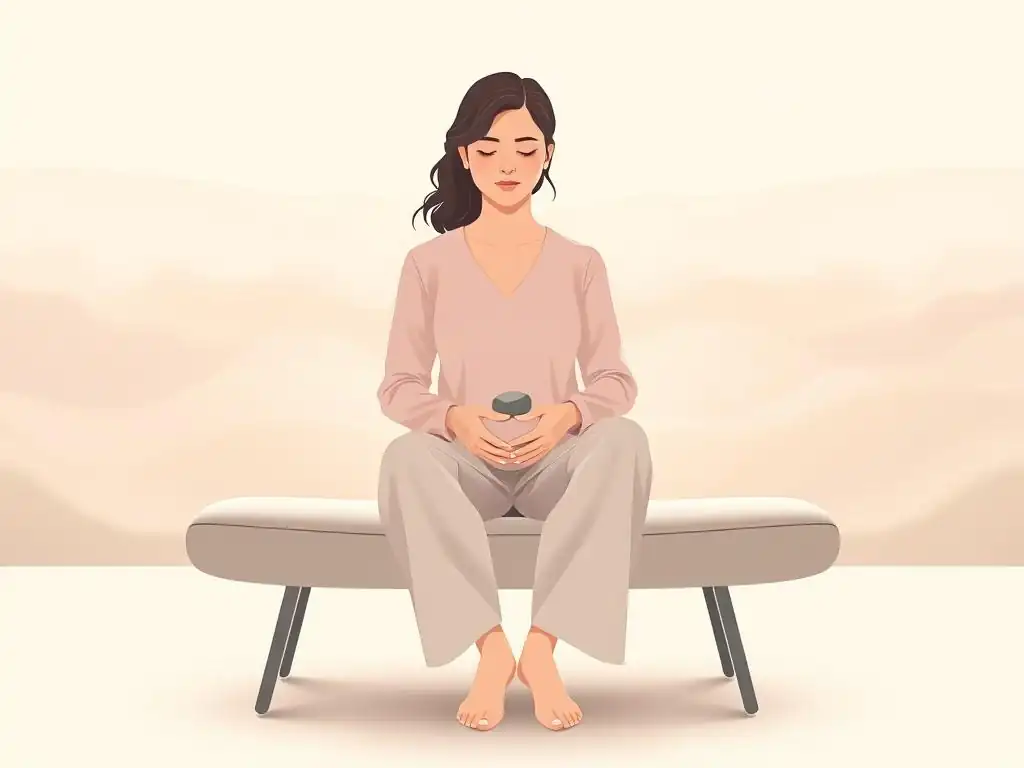
Navigating the world of online dating while feeling vulnerable is a common experience. It's crucial to remember that establishing clear boundaries isn't about being cold or unapproachable; it's about protecting your emotional well-being and ensuring a safe and positive online dating experience. This section provides practical steps to help you build resilience and manage your vulnerability effectively. We’ll explore strategies for protecting your personal information, managing expectations, and setting limits on communication.
Mastering these skills will empower you to engage in online dating with greater confidence and control, significantly reducing the risk of emotional distress and potential harm. The key is to proactively establish healthy boundaries from the start, aligning your online interactions with your personal values and comfort levels. This approach fosters healthier relationships both online and offline.
Protecting Your Personal Information Online
Protecting your personal information is paramount in online dating. Sharing too much too soon can leave you vulnerable to scams, harassment, or even stalking. Think of your online dating profile as a carefully curated introduction – not a comprehensive biography. Avoid revealing sensitive details like your full address, workplace address, exact location, or the names and locations of family members. Instead, focus on sharing positive aspects of your personality and interests that invite connection without compromising your safety.
Consider these tips for safeguarding your privacy:
- Use a different email address: Create a dedicated email account specifically for online dating to maintain a separation between your personal and online dating communications. This helps prevent unwanted emails from flooding your primary inbox.
- Reverse image search: Before meeting someone offline, reverse image search their profile pictures to verify their authenticity and ensure they aren't using stolen photos. This simple step can significantly reduce the risk of encountering fake profiles.
- Be cautious about sharing your phone number: Don't share your phone number until you've had several positive and trustworthy interactions with someone. Even then, consider using a secondary number or a messaging app for initial contact.
- Limit location sharing: Avoid sharing your precise location until you've established a strong level of trust and comfort with the other person. Meeting in public places for your first few encounters is always recommended.
Remember, it’s okay to be selective about the information you share. Prioritizing your safety shouldn't be seen as distrustful; it's a responsible approach to online dating.
Managing Expectations and Avoiding Over-Sharing
One of the most significant challenges in online dating is managing expectations, particularly when feeling vulnerable. It's easy to idealize someone based on limited information, leading to disappointment or even hurt feelings. Avoid projecting your desires or fantasies onto others. Instead, focus on getting to know individuals for who they truly are, flaws and all. This requires open communication and a willingness to accept that not every connection will lead to a long-term relationship.
To avoid over-sharing, consider these guidelines:
- Focus on present experiences: Avoid dwelling extensively on past relationships or traumas. Share only what feels appropriate and comfortable within the context of a developing connection.
- Be mindful of your emotional state: If you're feeling particularly vulnerable, take a break from online dating. Engage when you're feeling balanced and confident in your ability to set healthy boundaries.
- Don’t rush the process: Getting to know someone takes time. Avoid making significant decisions or commitments too early in the relationship.
- Listen actively and attentively: Pay close attention to what the other person shares, and be honest about your own feelings and needs. Open communication is key to building healthy relationships.
Remember, a healthy relationship is built on mutual respect, trust, and honesty. Over-sharing can create an imbalance of power and increase your vulnerability.
Setting Limits on Communication Frequency and Intensity
Maintaining a healthy balance in communication is vital for preventing overwhelm and burnout in online dating. Setting limits on frequency and intensity helps protect your emotional well-being and prevents you from becoming overly invested too quickly. This doesn't mean being unresponsive or uninterested; it simply means maintaining control over your time and energy.
Here's how to establish healthy communication boundaries:
- Define your availability: Let potential partners know when you're typically available to communicate. Setting aside specific times for online dating can help prevent constant interruptions and distractions.
- Don't feel obligated to respond instantly: It's perfectly acceptable to take time to respond to messages. Avoid the pressure of constant engagement; prioritize your own needs and schedule.
- Establish clear expectations: Discuss your communication preferences upfront. For example, you might prefer to communicate primarily through the dating app initially or limit phone calls to specific times.
- Take breaks when needed: If you feel overwhelmed or drained by online interactions, take a break from the platform. Prioritize your mental and emotional health. Stepping back allows you to regain perspective and return with renewed energy.
Remember that setting boundaries is a continuous process. It's okay to adjust your limits as you gain experience and learn more about your comfort levels in online dating. This iterative approach enables you to cultivate a more balanced and fulfilling experience.
Establishing Clear Expectations for Dates and Meetings
Vulnerability in online dating often stems from uncertainty. Setting clear expectations from the outset can significantly reduce this feeling and protect your emotional well-being. This means being upfront about your intentions and preferences regarding dates and meetings. Don't assume your date understands your comfort level; explicitly communicate it. For example, instead of vaguely suggesting a "coffee sometime," propose a specific time and place.
This shows initiative and clarifies the commitment level involved. Similarly, if you prefer a public setting for a first meeting, state that clearly. This isn't about being rigid; it's about managing expectations and ensuring safety. Remember, it's perfectly acceptable to decline a date proposal that doesn't align with your comfort level. Prioritizing your safety and well-being should always take precedence.
It's crucial to remember that setting boundaries isn't about being unfriendly or unapproachable; it's about self-respect and protecting your emotional health in the sometimes unpredictable world of online dating. Consider the specific details you feel comfortable sharing and those you wish to keep private. This conscious decision-making process empowers you to control your online dating experience and foster healthier interactions. Think about how you would feel if the other person did not communicate their expectations clearly - consider how that could leave you vulnerable and uncertain. This empathy will help you communicate effectively and confidently.
Consider these examples of setting clear expectations:
- Instead of: "Maybe we could grab a drink sometime?"
- Try: "I'm free for a drink next Thursday evening at [Bar Name]. Would that work for you?"
- Instead of: "Let's meet up soon."
- Try: "I'd be comfortable meeting for coffee at [Cafe Name] next Saturday afternoon. Let me know if that works for you."
- Instead of: Accepting an invitation without specifying details.
- Try: "That sounds interesting. To make sure we're on the same page, would you be open to meeting at a coffee shop for our first meeting?"
By being explicit and proactive, you create a safer and more comfortable environment for yourself, setting the stage for a more positive and respectful online dating experience. Remember, clear communication is key to navigating the complexities of online dating while minimizing vulnerability. The more specific you are, the better equipped both you and your date will be to ensure that the interaction is safe and mutually respectful. This proactive approach to communication directly addresses the challenges of online dating boundary vulnerability.
Dealing with Boundary Violations
Navigating the world of online dating, especially when feeling vulnerable, requires a strong understanding of personal boundaries and the ability to enforce them. This section focuses on practical strategies for handling situations where those boundaries are crossed, addressing the emotional impact and offering proactive solutions. The key is to remember that setting boundaries isn't selfish; it's a crucial step in protecting your emotional well-being and fostering healthy relationships. Understanding what constitutes a boundary violation and how to react appropriately is paramount to a positive online dating experience. Remember, your safety and emotional health are always the top priorities.
Identifying Red Flags and Warning Signs
Recognizing potential boundary violations early on is crucial in mitigating harm. Many warning signs might manifest subtly, requiring careful observation and self-awareness. Learning to identify these red flags is an essential skill for anyone engaging in online dating, particularly those who are feeling vulnerable. Don't dismiss your intuition; if something feels off, it likely is.
Some common red flags include:
- Pressure to move quickly: A persistent push to meet in person before you're comfortable, share personal information prematurely, or escalate the relationship rapidly. Healthy relationships develop at a pace that feels natural and comfortable for both individuals.
- Ignoring your stated boundaries: If you've clearly expressed a preference or limit (e.g., no phone calls until after a few messages, no sharing of personal addresses), and the other person consistently disregards this, it's a significant red flag. Respect for boundaries is fundamental.
- Controlling or manipulative behavior: This can manifest in subtle ways, such as attempts to control your online activity, isolate you from friends or family, or excessively criticize your choices. These behaviors are indicative of a potentially abusive dynamic.
- Aggressive or threatening language: Any form of verbal abuse, threats, or intimidation, even if delivered through text or messages, is unacceptable and should be reported immediately. Your safety and comfort should never be compromised.
- Inconsistency in their profile or communication: Discrepancies between their online persona and their actions or communication style are a cause for concern. This could indicate deception or manipulation.
Remember, trusting your gut feeling is paramount. If a situation or interaction makes you uncomfortable, regardless of whether it fits neatly into these categories, it's important to address it. Your feelings are valid.
Responding to Unwanted Advances or Pressure
When faced with unwanted advances or pressure, a calm and assertive response is key. This doesn't mean being passive or accepting the behavior; rather, it involves setting clear limits and communicating your discomfort firmly but respectfully. Remember, you are not obligated to justify your decisions or engage in further conversation with someone who disrespects your boundaries.
Here are some effective strategies:
- Direct and clear communication: State your boundaries clearly and concisely. For example: "I'm not comfortable with this conversation," or "I need some space."
- Setting consequences: Let them know what will happen if they continue the unwanted behavior. For instance: "If you continue to pressure me, I will block you."
- Ignoring and blocking: Don't feel obligated to engage. Simply ignore their messages and block them if necessary. This is a perfectly acceptable way to protect your mental health.
- Reporting inappropriate behavior: Many online dating platforms offer reporting mechanisms for inappropriate or abusive behavior. Utilize these resources to protect yourself and other users.
It's important to prioritize your well-being. If the situation escalates or makes you feel unsafe, reach out to a trusted friend, family member, or professional for support.
Disengaging from Negative or Harmful Interactions
Sometimes, despite your best efforts, disengaging from negative or harmful interactions can be challenging. It may involve emotional manipulation or subtle forms of pressure, making it difficult to cut ties. Remember, your emotional health is paramount, and it's perfectly acceptable—even necessary—to prioritize your well-being by distancing yourself from toxic interactions.
Strategies for disengaging include:
- Gradual withdrawal: If a direct confrontation feels too risky, you can gradually reduce contact. Respond less frequently, keep your responses brief, and eventually stop responding altogether.
- Blocking and deleting: This is the most decisive action. Blocking the individual prevents them from contacting you, and deleting their contact information removes any temptation to re-engage.
- Seeking support: Talking to a trusted friend, family member, or therapist can provide valuable emotional support and guidance during this process. They can offer perspective and help you process your feelings.
- Self-care: Engage in activities that promote your well-being. This could include spending time in nature, practicing mindfulness, or engaging in hobbies you enjoy. Prioritizing self-care is crucial for emotional resilience.
Remember, disengaging from harmful interactions is a sign of strength, not weakness. Prioritizing your emotional health and safety is always the right decision. Online dating should be a positive experience, and you have the right to create a safe and respectful environment for yourself.
Utilizing Online Dating Platform Safety Features
Online dating platforms understand the importance of user safety and often provide robust features designed to protect you from boundary violations. Learning to leverage these tools is crucial in mitigating risk and maintaining your personal boundaries. Many platforms offer features like blocking and reporting mechanisms. Blocking allows you to prevent a specific user from contacting you further. This is a simple, yet effective, way to immediately address unwanted advances or persistent messaging that makes you uncomfortable. Don't hesitate to use the block feature; it's there for your protection.
Reporting mechanisms are equally important. If you encounter behavior that violates the platform's terms of service—such as harassment, threats, or sharing of inappropriate content—report it immediately. Most platforms have dedicated teams that review these reports and take action against offending users, potentially leading to account suspensions or even permanent bans. The more users report such behavior, the safer the platform becomes for everyone.
Remember, reporting isn't tattling; it's a vital step in protecting yourself and the community. Take screenshots of any concerning messages or interactions as evidence when submitting your report. This significantly aids the platform in investigating the violation.
Beyond blocking and reporting, many platforms offer features like "privacy settings." These allow you to control the visibility of your profile information, limiting what others can see. You might choose to only allow matched users to view your photos or limit who can message you. Carefully review these settings and adjust them to your comfort level. Remember, you're in control of your online presence.
Don't feel pressured to share more information than you're comfortable with. Start with stricter privacy settings and gradually loosen them as you build trust with someone. This incremental approach allows you to maintain control while still exploring potential connections. Utilizing these built-in safety features is proactive boundary setting, protecting your emotional and personal well-being within the online dating environment. Think of these features as your first line of defense against boundary violations.
Maintaining Emotional Well-being During Online Dating

Online dating, while offering exciting possibilities of connection, can also trigger vulnerability and emotional rollercoaster rides. Navigating this landscape requires a proactive approach to maintaining emotional well-being. Understanding and implementing strategies to protect your emotional health is crucial for a positive and safe online dating experience. Ignoring your emotional needs can lead to burnout, disappointment, and even damage to your self-esteem.
Prioritizing your emotional well-being isn't selfish; it's essential for building healthy relationships, both online and offline. This section focuses on practical steps you can take to safeguard your emotional health throughout your online dating journey. Remember, your emotional well-being is paramount.
Practicing Self-Care and Self-Compassion
Self-care isn't a luxury; it's a necessity, especially when dealing with the emotional ups and downs of online dating. It's about actively engaging in activities that nurture your mind, body, and spirit. This might involve setting aside dedicated time for relaxation, pursuing hobbies you enjoy, engaging in regular exercise, or simply taking a break from the dating apps altogether. Remember the importance of self-compassion. Online dating can be intensely competitive and sometimes disheartening. Treat yourself with the same kindness and understanding you would offer a friend facing similar challenges. Avoid harsh self-criticism and focus on celebrating small victories.
For example, instead of dwelling on a rejection, acknowledge that it's part of the process and redirect your energy towards something positive. Perhaps try a new recipe, read a captivating book, or spend time with loved ones. Prioritizing sleep is also crucial. Insufficient sleep can exacerbate feelings of anxiety and vulnerability. Aim for 7-9 hours of quality sleep each night to support your emotional resilience.
Remember that self-care is a personal journey; find what works best for you and make it a consistent part of your routine. The benefits will extend far beyond your online dating experience. Consider keeping a journal to track your emotions and identify triggers. This can be a powerful tool for self-awareness and managing your emotional responses.
Building a Supportive Network for Emotional Support
Surrounding yourself with a supportive network is crucial for navigating the complexities of online dating. Sharing your experiences with trusted friends, family members, or a therapist can provide invaluable emotional support and perspective. Talking about your feelings can help process difficult emotions and prevent them from overwhelming you. A supportive network can offer encouragement, a listening ear, and practical advice. They can also help you maintain a balanced perspective when facing setbacks in your online dating journey.
Consider forming a "dating buddy" system with a friend who is also navigating online dating. You can share your experiences, offer each other encouragement, and provide a sounding board for your thoughts and feelings. This shared experience can foster a sense of community and reduce feelings of isolation. Remember, it's okay to ask for help.
Leaning on your support network doesn't mean you're weak; it means you're prioritizing your well-being. Don't be afraid to express your vulnerabilities and allow your support network to provide the emotional sustenance you need. A strong support system can significantly impact your resilience and overall success in online dating.
Seeking Professional Help When Needed
While a supportive network can provide significant emotional support, sometimes professional help is necessary. If you're struggling with persistent feelings of anxiety, depression, or low self-esteem related to online dating, seeking professional help from a therapist or counselor is a wise decision. They can provide a safe and confidential space to explore your emotions, develop coping mechanisms, and work through any underlying issues that might be contributing to your challenges.
A therapist can offer personalized strategies to help you manage your emotional responses to online dating, set healthy boundaries, and build resilience. They can also help you identify and address any negative thought patterns or self-sabotaging behaviors that might be hindering your progress. Don't hesitate to reach out for professional help if you feel overwhelmed or if your emotional well-being is significantly impacted by your online dating experiences.
Seeking professional support is a sign of strength, not weakness, and it can make a profound difference in your overall well-being and success in navigating the world of online dating. Remember, prioritizing your mental health is an investment in your happiness and future relationships. There's no shame in seeking help; it's a proactive step towards a healthier and more fulfilling life.
Recognizing the Signs of Online Dating Burnout
Online dating, while offering exciting possibilities, can also be emotionally draining. The constant swiping, messaging, and the inherent uncertainty of finding a connection can lead to burnout. It's crucial to recognize the symptoms before they overwhelm you and derail your online dating journey. Burnout isn't simply feeling tired; it's a state of emotional, mental, and even physical exhaustion stemming from prolonged or excessive stress. In the context of online dating, this manifests in several ways.
One common sign is a significant decrease in motivation. You might find yourself logging in less frequently, responding to messages with less enthusiasm, or even completely avoiding the dating apps altogether. This apathy isn't just laziness; it's a warning sign that your emotional reserves are depleted. You might start feeling cynical, viewing every profile with suspicion or assuming the worst about potential matches before even engaging in conversation. This negativity is a clear indicator of burnout.
Another key symptom is increased irritability and frustration. Minor inconveniences, like a delayed response or a less-than-perfect profile, can trigger disproportionately strong negative reactions. You might find yourself snapping at potential partners, engaging in arguments, or even deleting your profiles in anger. This heightened sensitivity indicates that your emotional capacity has been stretched too thin. It's essential to remember that these reactions aren't necessarily reflective of your true personality; they're a consequence of the emotional toll of online dating.
Physical symptoms can also accompany online dating burnout. These might include fatigue, difficulty sleeping, changes in appetite, or even headaches and stomachaches. Your body is signaling that something is wrong, and ignoring these physical manifestations is detrimental to your overall well-being. These physical symptoms often mirror those of stress and anxiety, which are closely linked to online dating burnout. Pay attention to these signals; they're your body's way of saying "slow down."
Finally, a persistent feeling of emptiness or hopelessness is a significant red flag. If you're consistently feeling unfulfilled despite putting in considerable effort, it's time to re-evaluate your approach to online dating and prioritize your emotional well-being. This feeling of emptiness is often accompanied by a sense of disillusionment—a belief that finding a meaningful connection through online dating is impossible. This negativity can be self-perpetuating, so it's crucial to address it proactively. Remember, your worth isn't tied to your success rate on dating apps.
Building Confidence and Resilience in Online Dating

Online dating boundary vulnerability is a significant concern for many users. Feeling vulnerable is a natural part of putting yourself out there, but it shouldn't derail your efforts to find a meaningful connection. Building confidence and resilience is key to navigating the emotional landscape of online dating and setting healthy boundaries. This section focuses on practical strategies to bolster your self-assurance and ability to handle challenging situations.
Focusing on Self-Esteem and Self-Worth
Before you even begin crafting your profile or sending messages, consider your own self-esteem. Low self-esteem can make you more susceptible to manipulation and less likely to enforce boundaries. Strengthening your sense of self-worth is foundational to setting healthy boundaries in online dating. This involves:
- Identifying your strengths and accomplishments: Make a list of your positive qualities, achievements, and things you're proud of. This can be anything from professional successes to personal hobbies and interests. Regularly reviewing this list can help remind you of your value.
- Practicing self-compassion: Treat yourself with the same kindness and understanding you would offer a friend. Avoid self-criticism and negative self-talk. Acknowledge your imperfections and embrace them as part of what makes you unique.
- Engaging in self-care activities: Prioritize activities that nurture your physical and mental well-being. This could include exercise, healthy eating, spending time in nature, meditation, or pursuing hobbies you enjoy. Self-care boosts your overall mood and confidence.
- Setting realistic expectations: Online dating is a process, not a guarantee of immediate success. Avoid comparing yourself to others and focus on your own journey. Celebrate small victories and learn from setbacks.
Developing Assertiveness Skills for Online Interactions
Assertiveness is crucial for setting boundaries. It's about expressing your needs and opinions respectfully and confidently, without being aggressive or passive. Developing assertiveness skills will empower you to navigate potentially uncomfortable situations with grace and firmness. Here's how:
- Using "I" statements: Frame your communication using "I" statements to express your feelings and needs without blaming or accusing the other person. For example, instead of saying "You're always late," try "I feel anxious when our plans are delayed."
- Practicing active listening: Pay attention to what the other person is saying and acknowledge their perspective, even if you don't agree with it. This demonstrates respect and builds a foundation for healthy communication.
- Setting clear expectations early on: Communicate your boundaries and preferences early in the online dating process. This prevents misunderstandings and reduces the likelihood of feeling pressured or exploited.
- Learning to say no: This is a crucial aspect of assertiveness. Practice saying "no" to requests or invitations that make you uncomfortable or violate your boundaries. A simple, polite "no thank you" is often sufficient.
Learning to Say "No" Without Feeling Guilty
Saying "no" can be challenging, especially when you're feeling vulnerable. The fear of rejection or upsetting the other person can lead to people-pleasing behavior and the neglect of personal boundaries. Overcoming this requires practice and self-compassion.
- Remember your worth: Remind yourself that saying "no" is not selfish; it's a healthy way to protect your well-being and prioritize your needs. Your happiness and safety are paramount.
- Anticipate potential objections: Think about the reasons why someone might push back against your "no" and prepare responses that reaffirm your boundaries. For instance, if someone pressures you to share more personal information than you're comfortable with, you can simply repeat your boundary clearly: "I'm not ready to share that information yet."
- Practice in low-stakes situations: Start by practicing saying "no" in less significant situations, such as declining an invitation to an event you don't want to attend. This builds confidence and reduces anxiety associated with saying "no" in more important contexts.
- Don't over-explain: You don't owe anyone a lengthy explanation for your decision. A simple, firm "no" is sufficient. Excessive explanation can open the door to further pressure or manipulation. Remember, your feelings are valid.
By focusing on these strategies, you can significantly reduce your online dating boundary vulnerability and increase your ability to build healthy, respectful relationships. Remember, setting boundaries is a sign of self-respect, not selfishness.
Celebrating Small Victories and Progress
Online dating can be a rollercoaster of emotions. Rejection is common, and it's easy to get discouraged. To combat this, actively celebrate even the smallest wins. Did you send a message to someone you found interesting? That's a victory! Did you receive a positive response?
Fantastic! Did you have a genuinely enjoyable conversation, even if it didn't lead to a date? That's progress. These seemingly minor achievements contribute to building your confidence and resilience. Keep a journal or a digital document to track these small wins. Reading back on them when you're feeling down will remind you of your progress and your ability to navigate the online dating world successfully.
It's about shifting your focus from the ultimate goal (finding a partner) to the positive steps you're taking along the way. This approach fosters a sense of accomplishment and reduces the pressure associated with online dating. Remember, every positive interaction, every polite conversation, and every connection made, no matter how brief, is a step forward. Don't underestimate the power of positive reinforcement in building your confidence and reducing vulnerability in the online dating sphere. Learning to appreciate these small successes is crucial for maintaining a healthy and positive outlook, even when faced with setbacks. This positive reinforcement loop is key to building your resilience against the inevitable challenges of online dating.
Celebrating these small victories helps you to reframe your perspective on online dating. Instead of viewing it as a constant uphill battle, you begin to see it as a journey with many rewarding milestones. This shift in mindset is crucial for managing vulnerability and building confidence. For example, consider a scenario where you consistently receive lukewarm responses to your messages.
Instead of interpreting this as a personal failure, celebrate the fact that you’re actively putting yourself out there, engaging with potential matches, and practicing your communication skills. This reframing of the situation transforms feelings of vulnerability into a sense of accomplishment and self-efficacy. The more you celebrate your progress, the more resilient you will become to the inevitable setbacks of online dating.
Long-Term Strategies for Healthy Online Dating
This section focuses on cultivating a sustainable approach to online dating that prioritizes your well-being and respects your personal boundaries. It's about building a strong foundation for healthy relationships, even before you meet someone in person. The vulnerability inherent in online dating can be mitigated with proactive strategies, transforming it from a source of anxiety into an opportunity for genuine connection. Remember, setting boundaries isn't about being unapproachable; it's about self-respect and attracting compatible partners.
Maintaining Boundaries in Long-Term Relationships
Once you've established a connection and move beyond the initial stages of online dating, maintaining healthy boundaries remains crucial. The transition from online interactions to in-person meetings, and eventually a committed relationship, requires ongoing attention to personal limits. This isn't about erecting walls, but about ensuring mutual respect and healthy communication.
For instance, consider how you handle sharing personal information. While intimacy grows, avoid oversharing sensitive details too early. Establish a comfortable pace for disclosure that feels safe for you. Similarly, set clear expectations around communication styles and frequency. Are you someone who prefers daily contact, or do you value independence and space?
Openly discuss these preferences to avoid misunderstandings and potential conflict. Consistent, honest communication is key to maintaining healthy boundaries in a long-term relationship that began online. This is vital for fostering trust and avoiding future conflicts based on unmet expectations. Remember, healthy relationships are built on mutual respect and understanding of individual needs.
Recognizing and Addressing Recurring Patterns of Vulnerability
Many individuals find themselves repeatedly experiencing similar vulnerabilities in online dating. This might manifest as attracting partners who are emotionally unavailable, engaging in relationships marked by inconsistent communication, or experiencing a pattern of rejection. Recognizing these recurring patterns is the first step toward addressing the underlying issues. This often involves self-reflection and potentially seeking professional support.
Consider journaling your online dating experiences. Note the common threads in your interactions, the types of partners you attract, and the recurring emotional responses you experience. Are you consistently choosing partners who exhibit certain behaviors that trigger feelings of insecurity or vulnerability? Do you find yourself compromising your needs or values to maintain a connection?
Identifying these patterns allows you to understand your vulnerabilities and develop strategies for healthier choices. This might involve working with a therapist to explore deeper emotional patterns or seeking guidance from trusted friends or family. The goal is to break the cycle of repeating unhealthy patterns and build more fulfilling relationships. Remember, self-awareness is crucial in navigating the complexities of online dating and building healthy relationships.
Continuously Evaluating and Adjusting Your Boundaries
The landscape of online dating is ever-evolving. Your needs and preferences may shift over time, requiring you to adjust your boundaries accordingly. This is a dynamic process, not a static rulebook. Regularly reassess your comfort levels and make necessary adjustments to your approach.
For example, your tolerance for casual dating might change as your priorities evolve. What felt acceptable initially may no longer align with your goals. Similarly, your communication preferences might shift. You might find yourself needing more or less space than before.
Openly communicating these changes to your partner is crucial for maintaining a healthy connection. Regular self-reflection and honest conversations are essential for ensuring your boundaries remain relevant and supportive of your well-being. This continuous evaluation process allows for growth and adaptation, enabling you to navigate the complexities of online dating with greater confidence and self-awareness. It's a journey of self-discovery that empowers you to build healthier, more fulfilling relationships.
Frequently Asked Questions
How can I set boundaries in online dating when I feel vulnerable?
Start by identifying your personal limits and non-negotiables. Communicate these clearly and early on in conversations. Don't hesitate to disengage from interactions that make you uncomfortable.
What are some examples of healthy boundaries in online dating?
Examples include limiting the amount of personal information you share initially, avoiding sharing your address or workplace, and stating your expectations regarding communication frequency and contact. Setting a clear timeline for meeting in person is also crucial.
How do I deal with someone who ignores my boundaries in online dating?
If someone disregards your boundaries, end the communication immediately. Don't feel obligated to explain or justify your decisions. Blocking the individual is a perfectly acceptable response.
Is it okay to feel vulnerable while online dating?
Yes, feeling vulnerable is a normal part of the process. Online dating involves putting yourself out there; however, vulnerability shouldn't compromise your safety or well-being. Setting boundaries helps manage this feeling.
How can I maintain my boundaries while still being open to connection in online dating?
It's a balance! Be authentic and genuine, but also protective of your personal information and emotional well-being. Remember that healthy boundaries are not walls; they create a safe space for connection to flourish.
Final Reflection: Reclaiming Your Power in the Digital Dating World
The vulnerability inherent in online dating is a reality for millions, but setting healthy boundaries isn't a luxury—it's a necessity for navigating this landscape safely and authentically. The rise of digital connection has simultaneously expanded our dating pool and amplified the potential for exploitation and emotional harm. Understanding and implementing the strategies discussed—from managing expectations and protecting personal information to recognizing red flags and prioritizing self-care—is crucial for a positive and empowering online dating experience.
The impact of unchecked vulnerability in online interactions extends far beyond individual experiences; it shapes the overall culture of digital dating. It influences how we perceive ourselves, how we interact with others, and even how platforms design their services. The constant pressure to present a perfect online persona, coupled with the anonymity afforded by the internet, can create a breeding ground for unhealthy dynamics. The only way to do great work is to love what you do.
– Steve Jobs. While not directly about dating, this quote speaks to the importance of self-respect and setting boundaries, even in challenging environments. Finding joy and self-worth should never be sacrificed for the pursuit of connection.
Now, consider your own online dating journey. What boundaries do you need to reinforce or establish? What steps can you take today to prioritize your emotional well-being and safety within the digital dating world? This isn't about shutting yourself off from connection; it's about cultivating a mindful and empowered approach to finding love online. Take control of your narrative, protect your heart, and embrace the journey with confidence and self-respect. You deserve it.
Unleash Your Dating Confidence: Set Healthy Boundaries Now
Thanks for exploring healthy boundaries in online dating! You've gained valuable insights into protecting your well-being while connecting with others. Now, let's put that knowledge into practice.
Here's how to move forward:
- Prioritize your safety and well-being: Start by implementing one new boundary today, even something small. For example, you could limit online conversations to a specific timeframe or be more cautious about sharing personal details.
- Share this article with a friend or family member who might also benefit from learning about online dating safety. Start a conversation about staying safe online.
- Leave a comment below sharing a specific boundary you plan to implement or a past challenge you faced related to setting boundaries. Let's build a supportive community!
What's one small step you can take today to feel safer and more confident in your online dating journey?