
The "I Need to Know Your Exact Location" Question: Spotting Control


Ready to transform your online dating experience? At OnlineDatingSuccess.org, we empower you to navigate the world of digital romance with confidence. But be warned: not every connection is genuine. This article dives deep into the crucial topic of online dating red flags, specifically exploring the insidious nature of controlling behavior. Learn to identify these warning signs early, protect yourself, and build healthy relationships. Discover how to spot subtle signals before they escalate—your safety and well-being are paramount. Let's unlock the secrets to a safer and more fulfilling online dating journey.
- Understanding Online Dating Red Flags: Control and Manipulation
- The "Exact Location" Request: A Major Red Flag
- Other Online Dating Red Flags Related to Control
- How to Respond to Controlling Behavior Online
- When to Disconnect and Seek Support
-
Frequently Asked Questions
- What are some red flags to watch out for in online dating that signal controlling behavior?
- How can I respond if someone on an online dating site is pressuring me to share my location?
- Is it normal to feel uneasy about someone's behavior in online dating?
- What should I do if I encounter controlling behavior during online dating?
- How can I create a safer online dating experience overall?
- Final Reflection: Reclaiming Agency in the Digital Dating Landscape
- Unmask Control: Take Charge of Your Dating Life
Understanding Online Dating Red Flags: Control and Manipulation
Navigating the world of online dating can be exhilarating, offering a chance to connect with new people and potentially find a meaningful relationship. However, it's crucial to be aware of potential dangers, particularly those involving controlling and manipulative behaviors. This article focuses on identifying red flags related to control in online dating interactions, equipping you with the knowledge to protect yourself and make informed decisions about your online safety and well-being. We'll examine specific examples and communication patterns that often indicate a controlling personality, helping you differentiate between genuine interest and potentially harmful intentions.
Understanding these red flags is key to fostering healthy relationships and avoiding potentially dangerous situations. Remember, your safety and emotional well-being are paramount in the online dating world. 💖
Recognizing Controlling Behavior in Online Communication
The phrase "I need to know your exact location" is a significant red flag in online dating. It's a demand for information that crosses boundaries, particularly early in a relationship. While sharing your general location might be acceptable after establishing trust and comfort, an immediate demand for precise coordinates is a major warning sign. This behavior often stems from a desire to control and monitor your movements, which is a hallmark of controlling and potentially abusive relationships. Other examples of controlling communication include:
- Excessive questioning and interrogation: Being bombarded with personal questions, often intrusive and unrelated to getting to know you as a person, is a red flag. This goes beyond typical getting-to-know-you conversations and delves into controlling territory.
- Constant checking in: Demanding constant updates on your whereabouts, activities, and who you're with is a clear sign of possessiveness and control. Healthy relationships prioritize trust and autonomy.
- Attempts to isolate you: Subtle or overt attempts to limit your contact with friends and family are manipulative tactics aimed at isolating you and increasing their control over you.
- Gaslighting and manipulation: Twisting your words or experiences to make you question your own sanity or perception of events is a serious form of emotional abuse.
- Pressure to meet quickly: While excitement is natural, undue pressure to meet in person immediately, before you feel comfortable, can be a way to exert control and circumvent the safety measures of online communication.
This type of behavior isn't about genuine interest; it's about establishing power and control. Remember, healthy relationships are built on mutual respect, trust, and autonomy. If you encounter these red flags, prioritize your safety and well-being.
Early Warning Signs of Controlling Personalities in Online Dating
Identifying controlling personalities early on is crucial to prevent potentially harmful situations. Some early warning signs include:
- Rapid escalation of intimacy: Moving too quickly from initial contact to highly personal conversations or demands for intimacy can be a sign of someone trying to rush the relationship to gain control.
- Jealousy and possessiveness: Expressing jealousy or possessiveness early on, even before meeting in person, is a significant red flag. This behavior often stems from a desire to control and restrict your interactions with others.
- Disregard for boundaries: Ignoring your stated boundaries or preferences is a clear sign of disrespect and a lack of consideration for your feelings. Healthy relationships respect individual boundaries.
- Controlling language: Using language that dictates or commands, rather than requests, indicates a controlling personality. For instance, using phrases like "You should..." or "You must..." instead of "I'd like it if..." or "Would you be willing to...?"
- Inconsistent behavior: One moment they might seem charming and attentive, and the next they might be critical or demanding. This inconsistency can be a way to keep you off-balance and under their control.
Remember, your intuition is a valuable tool. If something feels off or makes you uncomfortable, trust your gut feeling. Prioritizing your safety and well-being is always the right choice. Learning to recognize these red flags can empower you to make safer and healthier choices in your online dating journey.
The "Exact Location" Request: A Major Red Flag

The seemingly innocuous question, "What's your exact location? ", can be a significant red flag in online dating, often signaling potential controlling behavior. While genuine curiosity about proximity might exist, the manner in which this question is posed and the context surrounding it are crucial.
This section will delve into why an early request for precise location details should raise concerns and what alternative approaches promote safer, healthier online interactions. Understanding this red flag is crucial for navigating the complexities of online dating safely and effectively, and avoiding potentially harmful relationships. Recognizing these online dating red flags control is a key step in protecting your well-being.
Why Sharing Your Exact Location Early Is Risky
Sharing your exact location too early in online dating interactions significantly increases your vulnerability. Consider the following risks:
- Stalking and Harassment: Providing your precise location allows someone to easily track your movements, potentially leading to stalking, harassment, or even physical harm. This risk is amplified when interacting with someone you haven't met in person and whose true identity remains unverified. Remember, many individuals create fake profiles with malicious intent.
- Violation of Privacy: Your location data is sensitive personal information. Unnecessarily sharing it exposes you to potential misuse, including identity theft or unwanted contact from others who might gain access to this information.
- Power Imbalance: Demanding your exact location early in the dating process establishes a power imbalance. It suggests a lack of respect for your boundaries and a controlling tendency, attempting to assert dominance from the outset. This behavior can escalate into more serious forms of control in the future.
- Lack of Trust-Building: Healthy relationships are built on trust cultivated over time. Demanding your location before establishing a reasonable level of trust indicates a disregard for gradual relationship development and a potential rush to exert control. This is a crucial online dating red flag control that you shouldn't ignore.
A request for your exact location should be viewed with extreme caution, especially if it comes before a video call, a phone call, or several meaningful conversations. It's crucial to prioritize your safety and well-being.
Safer Alternatives to Sharing Precise Location Information
Instead of immediately sharing your exact location, consider safer alternatives that allow you to build trust gradually while still maintaining a sense of connection:
- General Location: Initially, sharing your city or a broader region is sufficient. This provides a general idea of your proximity without jeopardizing your safety.
- Video Calls: Engage in video calls to verify the person's identity and build rapport before considering meeting in person. This allows you to assess their demeanor and behavior in a less vulnerable setting.
- Public Meeting Places: If you decide to meet, choose a well-lit, public space for your first encounter. This offers a degree of safety and allows for easy escape if needed.
- Inform a Friend or Family Member: Always let someone you trust know where you're going, who you're meeting, and when you expect to return. This provides an extra layer of security and ensures someone is aware of your whereabouts.
- Reverse Image Search: Use reverse image searches to verify the authenticity of the profile pictures. This can help detect fake profiles and prevent potential scams or dangerous situations.
Prioritizing these safer alternatives will significantly reduce your risk while still allowing you to connect with potential partners.
Building Trust Gradually in Online Dating
Building trust in online dating requires patience and a cautious approach. Avoid rushing into physical meetings or sharing sensitive personal information until you've established a reasonable level of comfort and trust. This includes avoiding revealing your exact location until you've had multiple conversations, perhaps even a video call, and feel confident in the other person's intentions. Remember, prioritizing your safety is paramount.
Don't feel pressured to share information you're not comfortable with, regardless of how much someone might insist. This is about protecting yourself and avoiding any situation that could be harmful. Learning to identify online dating red flags control is a crucial skill for a safe and positive online dating experience.
This section expands on the "exact location" demand, exploring other red flags indicating potential controlling behavior in online dating. Recognizing these patterns is crucial for protecting your safety and well-being. Remember, healthy relationships are built on mutual respect, trust, and autonomy. Any behavior that undermines these principles warrants careful consideration. The goal isn't to be suspicious of everyone, but to be discerning and prioritize your safety. This empowers you to navigate the online dating world with confidence and awareness.
Excessive Questioning and Information Gathering
Beyond the immediate demand for your location, be wary of overly intrusive questioning. While some initial curiosity is normal, excessive probing into your personal life, finances, or relationships with family and friends is a major red flag. This behavior often escalates quickly. For example, a seemingly innocent question about your work might be followed by requests for your salary, your company's address, or details about your colleagues. Similarly, persistent inquiries about your past relationships, including intimate details, are inappropriate and could be a sign of a controlling personality.
Consider these examples:
- Scenario 1: Instead of a casual conversation about hobbies, the person repeatedly asks about your daily routine, your exact commute, and even the times you're alone at home.
- Scenario 2: They relentlessly inquire about your financial situation, pressing for details about your assets, debts, or spending habits.
- Scenario 3: The person demands detailed information about your ex-partners, pushing beyond polite curiosity and becoming invasive.
These behaviors are designed to gather information to exert control. A healthy relationship allows for gradual disclosure of personal information at your own pace. If someone is aggressively seeking personal data early on, proceed with extreme caution. Remember, you are not obligated to share any information you are uncomfortable revealing.
Pressure to Meet Quickly or Against Your Comfort Level
Controlling individuals often pressure their dates to meet in person prematurely. This urgency isn't about genuine connection; it's about gaining control. They might ignore your stated preferences for a slower pace, using guilt, manipulation, or even threats to push you into a situation you're not ready for. This often involves dismissing your concerns for safety or comfort, minimizing your feelings, and prioritizing their desires.
Here's what this pressure might look like:
- Constant Messaging: Overwhelming you with messages, calls, and video requests, pressuring you to respond immediately and arrange a meeting.
- Guilt Trips: Making you feel guilty for wanting to take things slowly, implying you're not interested or trustworthy.
- Ultimatums: Giving you an ultimatum—meet them soon or the relationship is over—to force your hand.
- Ignoring boundaries: Disregarding your expressed need for time, ignoring your concerns, or dismissing your safety measures.
This behavior is a serious red flag in online dating and should never be ignored. Your safety and comfort are paramount. A respectful partner will understand and respect your boundaries, regardless of their own desires.
Ignoring Your Boundaries and Preferences
A key indicator of a controlling personality is the consistent disregard for your boundaries and preferences. This extends beyond the initial meeting; it's a pattern of behavior that subtly erodes your autonomy. They might initially seem accommodating, but their actions continually contradict their words. For instance, someone who claims to respect your independence might still monitor your social media activity, criticize your choices, or try to control your interactions with others.
Consider these scenarios:
| Behavior | Example | Impact |
|---|---|---|
| Disregarding your opinions | Dismissing your suggestions or preferences without valid justification. | Makes you feel unheard and unimportant. |
| Controlling your activities | Trying to dictate what you do, where you go, or who you see. | Restricts your freedom and independence. |
| Jealousy and possessiveness | Expressing excessive jealousy or possessiveness over your friendships. | Creates a tense and controlling atmosphere. |
| Monitoring your social media | Regularly checking your social media accounts without your permission. | Invades your privacy and makes you feel constantly watched and judged. |
Ignoring boundaries is a systematic erosion of your autonomy. A healthy relationship fosters mutual respect, open communication, and a sense of shared decision-making, not control. If you consistently experience this disregard, it's a critical warning sign. Trust your instincts; if something feels wrong, it likely is.
How to Respond to Controlling Behavior Online
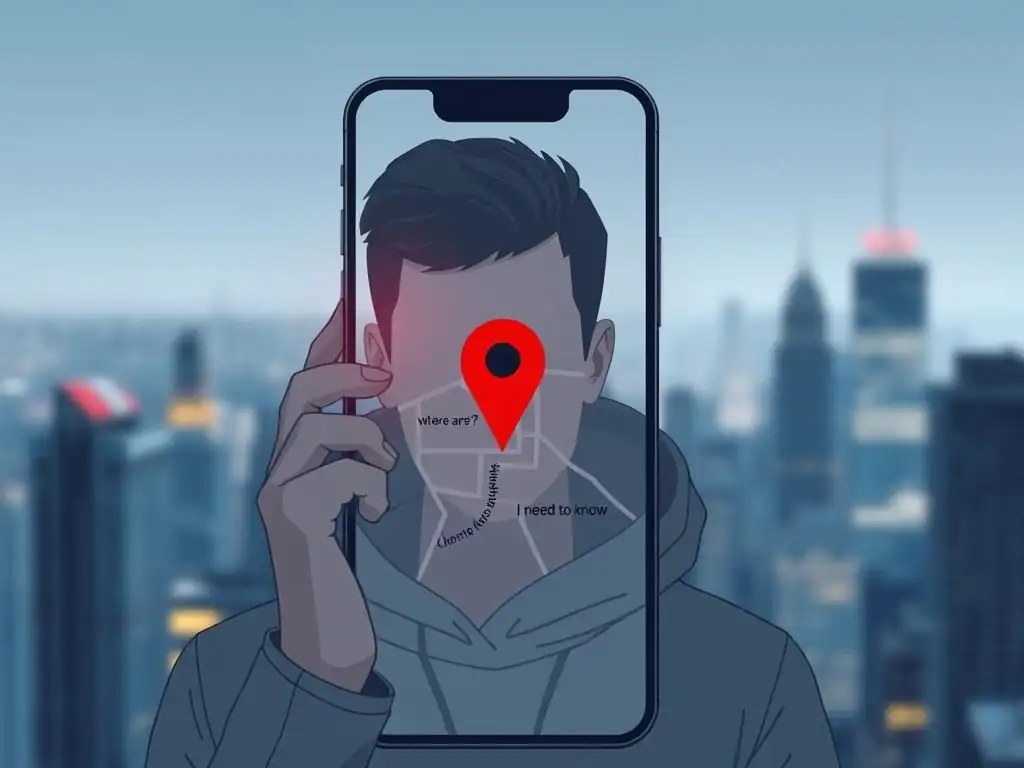
Online dating offers exciting possibilities, but it's crucial to be aware of potential red flags, especially those signaling controlling behavior. The demand for your exact location early in online interactions is a significant warning sign, falling under the umbrella of "online dating red flags control." This section focuses on practical strategies to navigate such situations effectively and prioritize your safety. Remember, your comfort and safety are paramount.
Setting Clear Boundaries and Assertiveness
Responding assertively yet calmly is key. Avoid confrontation, as this can escalate the situation. Instead, focus on setting clear boundaries. For example, if someone repeatedly presses for your precise location, a direct but polite response might be: "I'm not comfortable sharing my exact location yet. I prefer to get to know someone better before sharing such personal details." This response subtly asserts your control over the information sharing process.
Another effective tactic is deflecting the question. You could say something like, "I'm happy to share more about my general area once we've chatted more," or "Let's focus on getting to know each other better first. We can discuss locations later." This steers the conversation away from the potentially manipulative request.
Remember consistency is crucial. If someone continues to push for your location despite your clear boundaries, it reinforces the controlling behavior. Your consistent refusal demonstrates your commitment to your safety and personal space. This consistent boundary-setting is a powerful tool in online dating safety. It shows you won't tolerate controlling behavior and that you value your personal space.
Protecting Your Personal Information Online
Never share more personal information than you're comfortable with. This includes your full address, workplace, or even the specific neighborhood you live in. Protecting your personal information is vital, especially when you're interacting with strangers online. Consider these additional protective measures:
- Use a different email address: Create a separate email account specifically for online dating to maintain privacy and reduce the risk of unwanted contact outside the dating platform.
- Reverse image search: Before meeting someone in person, perform a reverse image search on their profile pictures to check for inconsistencies or potential red flags.
- Video calls: While not foolproof, a video call can help verify someone's identity and build trust before meeting in person. This adds another layer of security to your online interactions.
- Meet in a public place: If you decide to meet someone, always choose a well-lit and public location for your first meeting. Never meet someone at their home or a secluded spot. This is crucial for safety.
This proactive approach to information sharing significantly reduces your vulnerability to controlling or manipulative behavior. It empowers you to maintain control over your personal data, a vital aspect of online dating safety.
Reporting and Blocking Abusive Users
If someone persists in demanding your location despite your clear boundaries or engages in other abusive or controlling behaviors, don't hesitate to report them and block them from contacting you. Most online dating platforms have reporting mechanisms in place to deal with such situations. Utilize these tools; they are there to protect you.
Document the interaction. Screenshots of messages can serve as evidence if you need to report the user to the platform or even to law enforcement. Remember, you are not alone, and help is available.
Remember, your intuition is a powerful tool. If something feels off or unsafe, trust your gut and take steps to protect yourself. The platforms are designed to help; use the reporting systems. Prioritizing your safety and well-being is always the right choice. Taking proactive steps to protect yourself from online dating red flags control is essential for a safe and positive online dating experience.
When to Disconnect and Seek Support
This section focuses on identifying crucial moments when it's essential to cease communication and seek external help in the context of online dating. Recognizing these red flags is paramount to your safety and well-being. The "I need to know your exact location" question is a significant red flag, but it's often just one piece of a larger puzzle indicating potential controlling behavior. We'll explore how to discern this pattern and what steps to take to protect yourself.
Recognizing When to End Online Interactions
The request for precise location information is a major warning sign, often a precursor to more manipulative tactics. However, it's rarely an isolated incident. Consider these additional indicators of controlling behavior:
- Excessive questioning and interrogation: Do they relentlessly probe into your personal life, demanding detailed accounts of your whereabouts, activities, and friendships? Healthy relationships value privacy and trust; constant scrutiny is a hallmark of control.
- Rapid escalation of intimacy: Do they pressure you to meet in person quickly, despite limited online interaction? This haste can mask manipulative intentions.
- Jealousy and possessiveness: Do they express extreme jealousy over your friends, family, or even casual interactions with others? Such possessiveness is a significant red flag.
- Attempts to isolate you: Do they try to limit your contact with friends and family, suggesting that they are the only ones who truly understand you? This is a classic controlling tactic.
- Gaslighting and manipulation: Do they twist your words or actions to make you question your own reality? Gaslighting is a common tactic used to exert control.
- Threats or intimidation: This is the most serious red flag. Any hint of threat, either direct or implied, should lead to immediate disengagement.
It's vital to trust your intuition. If something feels off, even if you can't pinpoint a specific reason, it's crucial to prioritize your safety. Don't dismiss your gut feeling; it's often a valuable early warning system. Remember, a healthy relationship is built on mutual respect, trust, and open communication—not control and manipulation. The feeling of being constantly monitored, scrutinized, or pressured is never a positive sign.
Resources and Support for Online Dating Safety
If you've encountered controlling behavior online, there are resources available to help. Don't hesitate to reach out for support. Your safety is paramount.
Here are some avenues to explore:
- Friends and Family: Talking to trusted loved ones can provide valuable perspective and support. They can offer a safe space to process your experiences and help you develop a safety plan.
- Domestic Violence Hotlines: These helplines offer confidential support and guidance for individuals experiencing abuse, including emotional and psychological manipulation. They can provide crucial information and resources.
- Online Safety Organizations: Many organizations specialize in providing advice and support related to online safety and harassment. They often offer resources specific to online dating.
- Law Enforcement: If you feel threatened or believe you're in immediate danger, contact the police. They can provide protection and legal assistance.
Remember, seeking help is a sign of strength, not weakness. Don't suffer in silence. There are people who care and want to help you navigate this challenging situation. Your well-being is the top priority. Take advantage of available resources and remember that you deserve to feel safe and respected in your online interactions. The journey to finding a healthy relationship begins with prioritizing your own safety and well-being.
Frequently Asked Questions
What are some red flags to watch out for in online dating that signal controlling behavior?
Someone demanding your exact location constantly, excessive jealousy or possessiveness expressed early on, attempts to isolate you from friends and family, and pressure to move quickly into a relationship are all major red flags. These behaviors indicate a potential for controlling behavior.
Politely but firmly refuse to share your location until you've met in person and feel comfortable and safe. Explain that you prioritize your personal safety and need to get to know them better first.
Is it normal to feel uneasy about someone's behavior in online dating?
Trust your gut! If something feels off or makes you uncomfortable, it's perfectly okay to end contact. Your feelings are valid and your safety is paramount.
What should I do if I encounter controlling behavior during online dating?
Immediately block and report the individual. Document any concerning interactions, and consider reaching out to a trusted friend or family member for support. Your safety is the priority.
How can I create a safer online dating experience overall?
Be cautious about sharing personal information early on, meet in public places for first dates, and let a friend or family member know your plans. Trust your instincts and prioritize your well-being.
Final Reflection: Reclaiming Agency in the Digital Dating Landscape
The seemingly innocuous question, "Where are you?", can be a chilling harbinger of controlling behavior in online dating. This seemingly simple request, when pressed too early or too aggressively, reveals a deeper pattern of possessiveness that can escalate into unhealthy and even dangerous relationships. Understanding this subtle red flag is crucial for navigating the complexities of modern romance.
The pervasive nature of technology in our dating lives has amplified the potential for controlling behaviors. We're constantly connected, making it easier for someone to monitor our whereabouts and activities. This constant accessibility, while offering convenience, also creates fertile ground for manipulative tactics. The most effective control is often invisible, a subtle pressure that keeps you from realizing you're being controlled.
This quote highlights the insidious nature of these behaviors, often masked as concern or affection. Recognizing these patterns is the first step towards protecting ourselves.
You, the reader, now hold the power to identify these red flags and prioritize your safety and well-being. Don't hesitate to trust your instincts; if a situation feels off, it probably is. Take your time, prioritize your own boundaries, and remember that healthy relationships are built on mutual respect and trust, not control and surveillance. Your safety and happiness are paramount. Use this knowledge to build healthier, more fulfilling connections in the digital age.
Unmask Control: Take Charge of Your Dating Life
Thank you for exploring the crucial topic of recognizing controlling behavior in dating. You've gained valuable insights into identifying red flags and protecting yourself. Now, let's put this knowledge into practice.
- Define your personal boundaries: Consider your comfort levels and values. What are three things you absolutely will not tolerate in a relationship? Identifying these non-negotiable boundaries is the most important step toward protecting your well-being.
- Share this information with a trusted friend or family member: Discussing these issues can provide valuable support and a fresh perspective.
- Reframe past experiences: Reflect on a past relationship where a boundary was crossed. How would you respond differently now, armed with this new understanding?
Ready to cultivate healthier, happier dating experiences? What concrete step will you take today to prioritize your emotional well-being?