
Beyond the Profile: Maximizing Your Safety with App Security Features

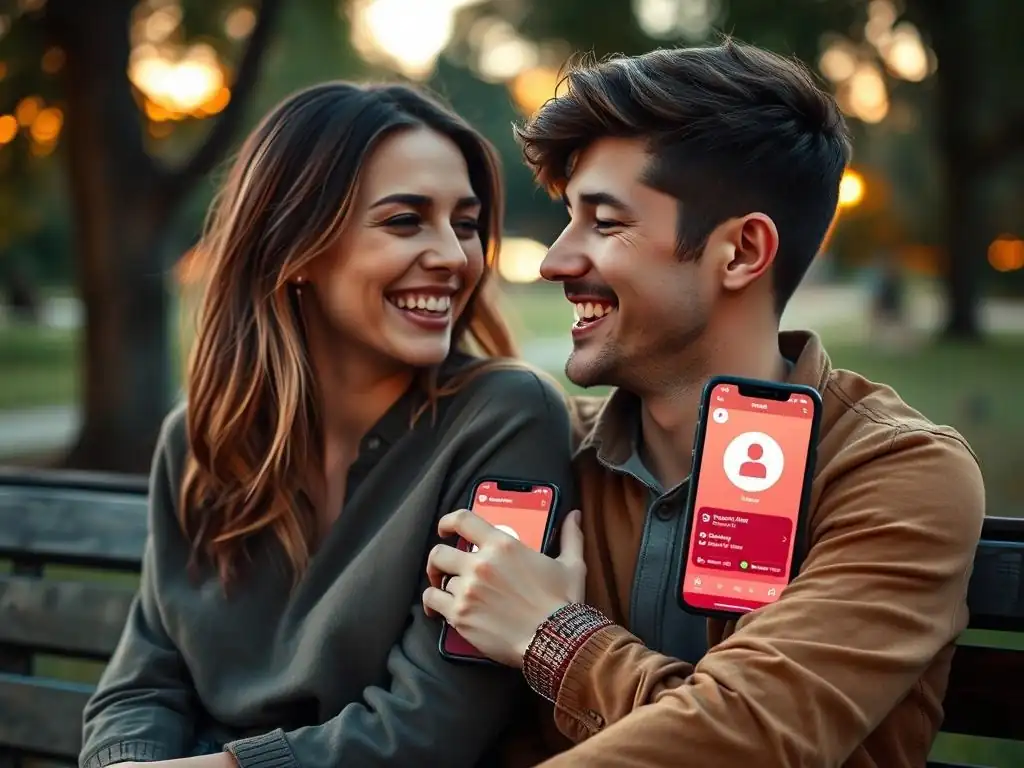
Ready to unlock the secrets to a safer and more successful online dating experience? At OnlineDatingSuccess.org, we're dedicated to helping you navigate the exciting—and sometimes daunting—world of online romance. This isn't just about crafting the perfect profile; it's about prioritizing your well-being. Learn how to leverage online dating app safety features to protect yourself and build genuine connections. Dive in and discover how to confidently explore the possibilities, knowing you're taking the right steps to stay safe.
- Understanding Online Dating App Security Features: A Comprehensive Guide
-
Beyond the Basics: Advanced Online Dating App Safety Strategies
- Using Two-Factor Authentication (2FA) for Enhanced Security
- Reviewing App Permissions: Protecting Your Data Privacy
- Recognizing and Avoiding Common Dating App Scams
- Safe Communication Practices: Minimizing Risks in Online Interactions
- Understanding Data Encryption and its Role in Online Dating App Safety
- Staying Safe Offline: Extending Your Online Dating App Safety Practices
-
Frequently Asked Questions
- What safety features should I look for in an online dating app?
- How can I protect my personal information while using dating apps?
- What should I do if I encounter someone suspicious or harassing on a dating app?
- Are all online dating apps equally safe?
- How can I use the app's safety features effectively?
- Final Reflection: Securing Connections in the Digital Age
- Unlock Your Dating App's Hidden Safety Shield
Understanding Online Dating App Security Features: A Comprehensive Guide
Online dating has revolutionized how people connect, offering a convenient platform to meet potential partners. However, this convenience comes with inherent risks. Navigating the world of online dating requires awareness and proactive measures to ensure safety and security. This comprehensive guide delves into the essential security features offered by many dating apps, empowering you to make informed decisions and protect yourself from potential harm.
We will explore key features designed to verify user identities, control your personal information's visibility, and ultimately help you build meaningful connections while minimizing risks. Understanding these features is crucial for a positive and safe online dating experience. Learning to utilize these tools effectively is paramount in mitigating the risks associated with online dating and fostering a more secure environment for everyone. Let's explore how to maximize your safety using the security features available on most popular dating apps.
Essential Safety Features to Look For in Dating Apps
Many dating apps incorporate various security features to protect their users. These features vary in sophistication and implementation across different platforms, but some common and crucial elements consistently appear. Knowing what to look for and how to utilize these features is the first step towards safer online dating. These features often include, but aren't limited to, robust reporting mechanisms for suspicious activity, clear guidelines on safe communication practices, and tools to block or report inappropriate users.
The prevalence and effectiveness of these features can significantly impact your safety. For example, a quick and responsive reporting system can help quickly remove harmful accounts, while clear communication guidelines can help users understand appropriate interactions. Always review the app’s safety guidelines and familiarize yourself with the available reporting mechanisms.
A crucial aspect is the app's approach to photo verification. Some apps utilize photo verification systems that require users to submit a selfie mirroring a specific pose, thus helping to deter the use of fake or stolen images. This feature, while not foolproof, offers an additional layer of security. Additionally, look for apps that actively monitor and remove profiles flagged for suspicious behavior.
A proactive approach from the app developers demonstrates a commitment to user safety. Remember, a combination of app-provided security features and your own cautious practices creates the strongest defense against online risks. The more layers of protection you have, the better.
Verification Systems: Protecting Yourself from Fake Profiles
Fake profiles are a significant concern in the online dating world. These profiles, often created with malicious intent, can range from individuals seeking to scam users financially to those with more sinister motives. Therefore, understanding and utilizing verification systems is paramount to your safety. Many reputable dating apps employ various verification methods to authenticate user identities. These include:
- Photo Verification: As mentioned previously, this involves users submitting a selfie that matches a specific pose or action.
- Phone Number Verification: This requires users to verify their phone number, adding another layer of authentication.
- Social Media Linking: Linking a profile to a verified social media account can provide additional validation.
- Email Verification: A simple yet effective method to confirm a user's email address.
The effectiveness of these verification systems varies across different apps. Some apps may only offer basic verification, while others implement more robust methods. When choosing a dating app, prioritize those with multiple verification options and a visible commitment to weeding out fake profiles. Remember that no verification system is completely foolproof, but multiple layers of verification significantly reduce the risk of encountering fake profiles. Always remain vigilant and trust your instincts; if something seems off, it probably is.
Privacy Settings: Controlling Your Information and Visibility
Protecting your personal information is crucial when using online dating apps. Most apps provide detailed privacy settings that allow you to control the visibility of your profile information. Understanding and effectively utilizing these settings is essential to safeguard your privacy and safety. These settings often include options to control who can see your profile, message you, and access your personal data.
For instance, you can choose to limit your profile visibility to only those who have also verified their profiles. You can also adjust your location settings to share only a general area instead of your precise location, thereby limiting the risk of unwanted encounters. Additionally, be cautious about the personal information you share in your profile and messages. Avoid revealing sensitive details such as your full address, workplace, or financial information, especially in early stages of communication.
Regularly review and adjust your privacy settings as needed. Different apps offer different levels of customization, so familiarize yourself with the specific settings available on the app you are using. Taking control of your privacy settings is not just a good practice, but a fundamental aspect of safe online dating. Remember, your privacy is your responsibility, and utilizing these settings empowers you to navigate the online dating world with greater confidence and security. By carefully managing your privacy settings, you can significantly reduce your risk of unwanted attention and potential threats.
Blocking and Reporting Tools: Handling Unwanted Interactions

Online dating apps understand the importance of user safety and provide robust tools to manage unwanted interactions. Blocking a user prevents them from contacting you further, a crucial step if you feel uncomfortable or unsafe. The process is usually straightforward; most apps have a clear "block" button within the user's profile or message thread. After blocking, you'll typically no longer receive messages or notifications from that individual. Remember, blocking is not a passive-aggressive action; it's a tool for self-preservation. Utilize it whenever necessary to maintain a safe and positive online dating experience.
Beyond blocking, reporting mechanisms are vital for addressing potentially harmful behavior. Many apps offer reporting options for various offenses, ranging from harassment and inappropriate messages to suspected scams or fake profiles. These reports are usually reviewed by the app's moderation team, which may take action against the offending user, including account suspension or permanent ban.
Providing detailed information when reporting—such as screenshots of messages or specific examples of concerning behavior—increases the likelihood of effective action. Don't hesitate to report suspicious activity; your safety and the safety of other users depend on it. Remember, reporting is not just about your personal experience; it contributes to a safer online dating environment for everyone.
The more users report inappropriate behavior, the better the platforms can improve their safety features and protect their community. Many apps also offer anonymous reporting options, allowing you to flag problematic content without revealing your identity. This added layer of protection can encourage more users to report potential issues and contribute to a safer environment.
Location Services: Balancing Convenience with Safety
Location services are a double-edged sword in online dating. While they can facilitate meeting up with potential matches nearby, they also present potential safety risks. Many apps allow you to control your location sharing settings, offering varying degrees of precision. Some apps allow you to share your precise location in real-time, while others only provide a broader geographic area. Carefully consider your comfort level and adjust your settings accordingly. If you're hesitant about sharing your exact location, opt for a less precise option. Remember, you can always change these settings at any time.
Balancing convenience and safety requires mindful decision-making. Avoid sharing your precise home address or workplace location with someone you've only met online, regardless of how much you trust them. Always meet in a public place for a first date, and inform a friend or family member of your plans, including the time, location, and the person you're meeting.
Sharing your location in real-time can be useful during a date, but only with someone you know and trust, and only after you've met in person. This added layer of precaution can help ensure your safety during the date. Consider using location-sharing apps with trusted contacts so they can see your real-time location and know when you’ve arrived and left your date.
Prioritizing your safety should always be paramount when using location services in the context of online dating. The convenience shouldn't outweigh the potential risks. Think carefully before sharing location data, remembering that online safety is a continuous process.
Beyond the Basics: Advanced Online Dating App Safety Strategies
This section delves into sophisticated safety measures beyond the initial setup of your online dating profile. We'll explore proactive strategies to significantly enhance your online dating app security and minimize the risk of encountering scams or compromising your personal information. Remember, your safety is paramount, and these additional steps are crucial for a positive and secure online dating experience. Mastering these techniques will transform you from a casual dater to a savvy and protected user. The focus will be on using the inherent safety features of many dating apps, empowering you to take control of your digital security.
Using Two-Factor Authentication (2FA) for Enhanced Security
Two-factor authentication (2FA), also known as multi-factor authentication (MFA), adds an extra layer of security to your dating app account. Instead of just relying on your password, 2FA requires a second form of verification, typically a code sent to your phone or email, before allowing access. This makes it exponentially harder for unauthorized individuals to access your profile, even if they somehow obtain your password. Many dating apps offer 2FA as a built-in security feature. Activating it is usually a simple process found within the app's settings menu, often under "Security" or "Privacy."
Think of it this way: your password is like a key to your front door. 2FA is like adding a security system—even if someone has your key, they still need the security code to enter. This drastically reduces the risk of unauthorized access and protects your personal data and communications. Don't underestimate the power of this simple yet highly effective security measure.
Enable 2FA on all your dating apps immediately. The small amount of extra effort required is far outweighed by the increased security it provides. This is a fundamental step in securing your online dating experience and should be considered non-negotiable. Consider using a unique authentication app for each platform to reduce the risk of a single breach impacting all your accounts.
Reviewing App Permissions: Protecting Your Data Privacy
Dating apps often request access to various aspects of your phone, such as your contacts, location, photos, and more. While some permissions are necessary for the app's functionality, others might be unnecessary and potentially compromise your privacy. Regularly review and adjust the permissions granted to each dating app to minimize the risk of data breaches or unwanted access. Understanding what permissions an app requests and why is crucial.
For example, an app requiring access to your entire contact list might seem excessive. Similarly, constant location tracking may be more than is necessary for finding matches. Carefully assess each permission request and revoke access to anything you deem unnecessary. This practice helps to limit the amount of personal information the app can collect and potentially share.
Most apps have a clear permissions setting in their app settings, so regularly scrutinize the granted permissions. This proactive approach directly contributes to your online dating app safety and privacy. Think of it as a regular spring cleaning for your digital life, ensuring your personal information is protected.
Recognizing and Avoiding Common Dating App Scams
Awareness of common dating app scams is your first line of defense. Scammers often employ various tactics to deceive users and gain access to their money or personal information. These range from fake profiles and phishing attempts to elaborate schemes involving fake emergencies or investment opportunities. Understanding these tactics helps you avoid becoming a victim.
Here's a table summarizing some common red flags:
| Red Flag | Description | Action |
|---|---|---|
| Requests for Money | Sudden requests for financial assistance, often under a fabricated emergency or investment opportunity. | Immediately report and block the user. |
| Pressure for Quick Meetings | Pressuring you to meet in person before establishing trust or sharing personal information. | Proceed with caution, and prioritize your safety. |
| Inconsistent Information | Profile details that seem fabricated, inconsistent, or lack supporting evidence. | Verify their information, and be cautious of overly perfect profiles. |
| Suspicious Links or Attachments | Sending links or attachments that lead to suspicious websites or request personal data. | Never click on suspicious links or open attachments. |
| Overly Romantic Language | Excessive flattery and promises of love or commitment early in the interaction. | Be wary of overly enthusiastic and unrealistic interactions. |
Remember, legitimate relationships develop gradually. If something feels off or too good to be true, it likely is. Trust your instincts and prioritize your safety. Learning to identify these common scams is a critical aspect of online dating app safety. Your awareness is your strongest weapon against fraud. 👩💻🛡️
Safe Communication Practices: Minimizing Risks in Online Interactions
Effective communication is key to a positive online dating experience, but it also presents significant safety risks. Many scams begin with seemingly innocent conversations. Therefore, understanding and implementing safe communication practices is crucial for protecting yourself. This involves more than just avoiding sharing personal details prematurely; it's about cultivating a mindful and cautious approach to every interaction.
One of the most important aspects of safe communication is verification. Before engaging in lengthy conversations or sharing any personal information, take steps to verify the other person's identity. This might involve asking for a photo taken at a specific time, with a particular object, or engaging in a video call. While this might seem intrusive, it's a necessary precaution to avoid falling victim to catfishing or other deceptive tactics. Remember, legitimate profiles are usually happy to cooperate with verification requests.
Another critical element is gradual disclosure. Don't reveal sensitive information, such as your full name, address, workplace, or financial details, too early in the communication process. Start with general conversations, getting to know the other person's personality and interests before delving into personal details. Trust should be earned, not assumed. Be wary of anyone who pressures you to share personal information quickly.
Furthermore, pay close attention to the content and tone of the messages you receive. Be cautious of messages that are overly flattering, overly persistent, or that contain unusual grammar or spelling errors. These could be red flags indicating a potential scammer. If something feels off, trust your instincts and end the conversation. Most importantly, remember that online interactions are just a first step. Don't rush into meeting someone in person until you've established a reasonable level of trust and verified their identity. Meeting in a public place for a first date is also strongly recommended.
Understanding Data Encryption and its Role in Online Dating App Safety
Data encryption is a fundamental aspect of online dating app safety, though it's often an invisible security measure. It's the process of converting your information into an unreadable format, protecting your privacy and preventing unauthorized access to your personal details. Understanding how encryption works and what to look for in an app is vital for minimizing your online dating risks.
Most reputable dating apps utilize end-to-end encryption. This means that only you and the recipient can read your messages; the app itself cannot access the content. This is a critical security feature that prevents third parties, including the app developers, from intercepting and reading your conversations. Look for apps that explicitly state they use end-to-end encryption in their privacy policies or security information. This is a significant indicator of the app's commitment to user safety and data protection.
However, it's crucial to understand that even with end-to-end encryption, other aspects of your online safety remain your responsibility. Encryption protects the content of your communications, but it doesn't protect against other threats, such as phishing attempts, malware, or social engineering. Therefore, maintaining good online hygiene practices, such as using strong passwords, being wary of suspicious links, and regularly updating your app, remains essential. The level of encryption used by the app is just one piece of the overall security puzzle.
Moreover, consider the app's overall data handling practices. Examine their privacy policy carefully to understand what data they collect, how they use it, and with whom they share it. A transparent and responsible app will clearly outline these practices. Apps that are vague or opaque about their data handling should be approached with caution. Protecting your data requires a multi-faceted approach, encompassing both the app's technical security measures and your own responsible online behavior. Choosing apps with strong encryption is a proactive step towards enhancing your online dating safety.
Staying Safe Offline: Extending Your Online Dating App Safety Practices

Moving from online interactions to offline dates requires a mindful transition of your safety practices. While online dating apps offer various security features, your personal safety remains paramount once you decide to meet in person. Proactive measures are crucial to ensuring a positive and safe offline experience. This section focuses on extending the protective measures you've already established within the digital realm into the real world.
Remember, even with thorough screening, unpredictable situations can arise, so preparation is key. Prioritizing your safety shouldn't detract from the excitement of meeting someone new; rather, it enhances it by minimizing potential risks. Let's explore some practical strategies.
Planning Safe First Dates: Meeting Offline with Precautions
The first date is often the most nerve-wracking, but careful planning can significantly reduce anxieties and risks. Always choose a public place for your initial meeting – a well-lit café, a busy restaurant, or a popular park during daylight hours are excellent choices. Avoid secluded locations or going to someone's home on the first date. Transparency is key; inform a trusted friend or family member about your plans: where you're going, who you're meeting, and when you expect to return. Sharing your location in real-time through a location-sharing app can provide an additional safety net.
Consider having your own transportation to and from the date. This gives you control over the situation and allows you to leave whenever you feel uncomfortable, without feeling obligated to rely on your date for a ride. During the date, stay alert and aware of your surroundings. If something feels off, trust your intuition and don't hesitate to excuse yourself and leave. Remember, a safe and positive experience is far more important than a potentially risky encounter. Don't feel pressured to continue a date if you feel unsafe; your well-being always comes first.
Technology provides powerful tools to enhance your safety. Consider using location-sharing apps to allow trusted friends or family members to track your whereabouts during your date. Many apps allow you to share your location in real-time, providing peace of mind for both you and your loved ones. This simple act can make a significant difference in emergency situations.
Before the date, share your date's profile information (name, photo, and contact details) with your trusted contact. This allows them to quickly identify your date and offer assistance if needed. Regular check-ins throughout the date can also help maintain communication and provide an additional layer of security. Consider setting up a pre-arranged "check-in" system with your contact—a text message at a certain time, for example—to confirm your safety.
Trust Your Instincts: Recognizing Red Flags and Warning Signs
Your intuition is a powerful tool. Pay attention to any red flags or warning signs during your interactions, both online and offline. These could include inconsistencies in their stories, evasiveness about personal details, overly aggressive or controlling behavior, or a reluctance to meet in public places. If something feels wrong, it probably is. Don't dismiss your gut feelings; they often serve as valuable indicators of potential danger.
Prioritize your safety and well-being above all else. Remember that a healthy relationship is built on mutual respect, trust, and open communication. If your date displays any behavior that makes you uncomfortable, don't hesitate to end the date immediately and report any concerning actions to the appropriate authorities or the dating app itself. Your safety and peace of mind are invaluable.
Knowing When to Discontinue Contact: Protecting Your Wellbeing
Online dating, while offering exciting possibilities, also presents unique challenges to personal safety. Knowing when and how to end contact is a crucial aspect of online dating app safety features, often overlooked in favor of focusing solely on profile creation and initial communication. Your wellbeing should always be the priority. Discontinuing contact isn't about being rude; it's about safeguarding yourself.
Several red flags should prompt you to immediately cease communication. These include instances of persistent pressure to meet up quickly, especially before you feel comfortable and have had sufficient opportunity to get to know the person. This is a significant online dating app safety feature consideration—trust your instincts. If someone is overly insistent despite your reservations, it's a warning sign. Similarly, be wary of individuals who are vague about their personal details, avoid video calls, or have inconsistent stories. These behaviors can indicate deceptive intentions.
Another vital aspect is paying attention to the overall tone and content of their messages. Do they exhibit controlling or manipulative behavior, even subtly? Do they make you feel uncomfortable or uneasy? These feelings are valid and should be heeded. Online dating app safety features extend beyond the app itself; they encompass your emotional and mental health. If a conversation leaves you feeling drained, anxious, or manipulated, it's time to end it.
Remember, you are not obligated to engage with anyone who makes you feel unsafe or uncomfortable, regardless of how charming or seemingly harmless they initially appear. This is a crucial element of personal safety within the context of online dating app safety features. You have the right to protect yourself and your boundaries. Prioritizing your wellbeing is not selfish; it's essential.
Blocking the user on the app is a critical step, further enhancing your safety and preventing future unwanted contact. Consider reporting particularly concerning behavior to the dating app itself. Many platforms have mechanisms in place to help protect users. Always remember that your safety and peace of mind are paramount.
Frequently Asked Questions
What safety features should I look for in an online dating app?
Look for apps with verified profiles, background checks, blocking and reporting features, and two-factor authentication. Prioritizing apps with robust security measures is crucial for your safety.
How can I protect my personal information while using dating apps?
Never share sensitive information like your full address, workplace, or financial details early on. Be cautious about sharing photos that reveal too much about your location or lifestyle. Verify the app's privacy policy before use.
What should I do if I encounter someone suspicious or harassing on a dating app?
Immediately block and report the user through the app's reporting system. Save screenshots as evidence and consider contacting the app's support team or law enforcement if necessary.
Are all online dating apps equally safe?
No, safety features vary significantly between apps. Research different apps, read reviews, and compare their security protocols before choosing one. Prioritize apps with a strong reputation for user safety.
How can I use the app's safety features effectively?
Familiarize yourself with all the app's safety tools. Actively use the blocking and reporting features, enable two-factor authentication, and be mindful of the information you share. Trust your instincts; if something feels off, it probably is.
Final Reflection: Securing Connections in the Digital Age
The ease and convenience of online dating apps have revolutionized how we connect, but this convenience comes with a crucial caveat: personal safety. Navigating the digital landscape of romance requires vigilance and a proactive approach to security, a responsibility that rests squarely on each individual user. Ignoring this reality leaves us vulnerable to a range of risks, from minor inconveniences to serious threats.
The impact of online dating on our social fabric is undeniable, shaping how we meet partners and build relationships. Yet, the very tools designed to foster connection can also be exploited if we fail to understand and utilize the built-in safety features. Technology is a powerful tool, but it's only as strong as the user's understanding and application of its safeguards.
This quote underscores the importance of not just using dating apps, but using them safely. We must actively engage with the security tools provided, learning how to leverage them to protect ourselves and build trust in the virtual world.
Now, consider your own online dating experience. Are you fully utilizing the safety features available on your chosen apps? Do you regularly review your privacy settings? Take this opportunity to reassess your online safety practices. Empower yourself with knowledge, actively engage with security protocols, and prioritize your well-being in the digital realm. By doing so, you not only protect yourself but also contribute to a safer and more trustworthy online dating environment for everyone.
Thank you for learning how to maximize your safety on dating apps! You're now better equipped to navigate the digital world with confidence. Ready to apply your new knowledge?
- Prioritize your privacy settings: Review and adjust your app's privacy settings immediately. This is your first line of defense against potential risks.
- Share this article: Help your friends and fellow daters stay safe online by sharing this article on social media.
- Explore our forum: Join our community forum to share experiences and learn more safety tips from other users. Discuss your app's safety settings and ask questions!
What safety feature will you implement on your dating app today?