
Stay Safe Online: How to Spot Fake Profiles on Dating Apps


Ready to ditch the dating app disappointments and find genuine connection? At OnlineDatingSuccess.org, we empower you to navigate the world of online dating with confidence. This begins with knowing how to protect yourself. Learn essential strategies for spotting fake dating app profiles and avoid falling victim to scams – your journey to meaningful relationships starts with safety and security. Discover how in our comprehensive guide, designed to help you build a safer and more successful online dating experience.
Identifying Fake Profiles: Red Flags on Dating Apps
Navigating the world of online dating can be exciting, but it's crucial to prioritize your safety and well-being. This article focuses on equipping you with the knowledge and skills to identify fake profiles and avoid potential scams. Millions use online dating apps each year, and unfortunately, a significant number of these profiles are fake, created for various malicious purposes, from financial scams to identity theft. Learning to spot these red flags is not just about protecting your emotions; it's about safeguarding your personal information and financial security.
We'll explore several key indicators of fake profiles, empowering you to make informed decisions and enjoy a safer online dating experience. Remember, staying vigilant is your best defense against fraudulent profiles and potential harm. Let's delve into the specific tactics scammers employ and how you can easily identify them.
Recognizing Photoshopped or Stolen Images
One of the most common giveaways of a fake profile is the use of photoshopped or stolen images. Fake profile creators often use images from professional models or celebrities, or heavily edited pictures to create an unrealistic ideal. Sometimes, these images are taken from social media accounts without permission. To spot these, look for:
- Unrealistic perfection: Images that appear too good to be true, with flawless skin, perfect lighting, and unnatural poses.
- Reverse image search: Use a reverse image search (available through Google, TinEye, etc.) to check if the image appears elsewhere online. If the same image shows up on multiple profiles or unrelated websites, it's a strong indication of theft.
- Inconsistencies in images: Notice discrepancies in the photos—different hairstyles, body types, or backgrounds that don't match.
- Lack of variety: A profile with only one or two pictures, especially highly polished ones, should raise suspicion. Authentic profiles usually showcase a variety of photos in different settings.
- Watermarks or logos: Sometimes, stolen images will still retain watermarks or logos from the original source.
Beware of Inconsistent Information in Profiles
Fake profiles often contain inconsistencies and contradictions in the information provided. Pay close attention to details that don't quite add up. This could include:
- Vague or generic descriptions: Profiles that lack specific details or use overly generic phrases ("I love to travel," "I'm looking for someone special") are often red flags. Authentic profiles usually offer more specific and personalized information.
- Conflicting information: Look for discrepancies in age, occupation, location, or other details across the profile.
- Grammatical errors and poor spelling: While not always a definitive sign, a significant number of grammatical errors or poor spelling can suggest a lack of authenticity. This is especially true when the profile claims a high level of education or professional success.
- Missing or incomplete information: A profile with missing crucial details, such as age or location, should be treated with caution.
- Unrealistic claims: Be wary of extravagant claims about wealth, achievements, or lifestyle that seem too good to be true.
Spotting Suspicious Communication Patterns
Beyond the profile itself, communication patterns can also reveal a fake profile. Scammers often exhibit specific behaviors designed to quickly build trust and extract information or money. Watch out for:
- Overly fast progression: If someone expresses intense feelings or wants to move the relationship forward very quickly, be cautious. Building genuine connections takes time.
- Requests for money or personal information: A legitimate profile will never ask for money or sensitive personal details early in the relationship.
- Avoidance of video calls: A scammer will often avoid video calls or find excuses to not have one. This is a clear sign that they are hiding their true identity.
- Generic or impersonal messages: Messages that are generic, copied and pasted, or lack personal details are a significant red flag.
- Pressure to move off the app quickly: Legitimate daters are comfortable communicating on the app for a while before moving to other platforms. Be wary of those who pressure you to move to other platforms immediately.
Remember, your safety is paramount. If something feels off, trust your gut instincts and report the profile to the dating app. Staying informed and vigilant is your best defense against fake profiles and online scams.
Identifying Catfishing Attempts: Signs of Deception
Catfishing, the act of creating a fake online persona to deceive someone into a relationship, is a prevalent issue on dating apps. Spotting these attempts requires careful observation and a healthy dose of skepticism. Remember, if something seems too good to be true, it probably is. Many catfishers present themselves as impossibly perfect, lacking any discernible flaws or vulnerabilities. This is a major red flag. They might boast about impressive achievements, extravagant lifestyles, or unrealistically positive personality traits, often without offering concrete evidence. Be wary of profiles that seem almost too polished, almost too perfect.
One common tactic is the use of stolen or heavily edited photos. A reverse image search can be a powerful tool in this regard. If you suspect someone is using a fake picture, try searching the image online. If it appears on multiple profiles or websites unrelated to the dating app, it's a strong indication of a fake profile. Pay close attention to inconsistencies in the photos. Do the pictures seem professionally taken, perhaps even too perfect?
Are there inconsistencies in lighting, background, or clothing style? These discrepancies can be subtle but revealing. Consider also the number of photos. An unusually low number of photos, or an excessive number of very similar photos, could be a warning sign. A lack of diversity in their images might indicate they're using limited, potentially stolen, material.
Another key aspect to consider is the communication style. Catfishers often avoid video calls or in-person meetings, citing various excuses – busy schedules, travel plans, or technical difficulties are common justifications. Be wary of anyone who consistently avoids any form of visual interaction. Their messages might be overly complimentary and romantic very early in the "relationship," often using generic phrases devoid of personal details. They might also be evasive when asked specific questions about their life or background.
Pay attention to their responses; are they vague, contradictory, or inconsistent? Do they avoid answering direct questions, offering instead general statements or changing the subject? These are strong indicators of deception. Remember, genuine connections develop gradually, with a natural progression of sharing personal information and experiences. An overly rushed or intense connection should raise suspicion.
Furthermore, be alert for inconsistencies between their profile information and their communication. Does their written communication match their claimed personality and lifestyle depicted in their profile? If their profile claims a love of outdoor activities but their messages reveal a sedentary lifestyle, this discrepancy should be a warning sign. Similarly, pay attention to grammatical errors and inconsistencies in their writing style. While not always a definitive sign, significant inconsistencies might indicate that the profile is managed by someone whose native language differs from the one used in the profile.
Finally, always trust your instincts. If something feels off, it probably is. Don't hesitate to report suspicious profiles to the dating app's support team. Your safety and well-being should always be the top priority. Protecting yourself from catfishing and other online scams is crucial for a positive and safe online dating experience.
Protecting Yourself from Fake Dating App Profiles
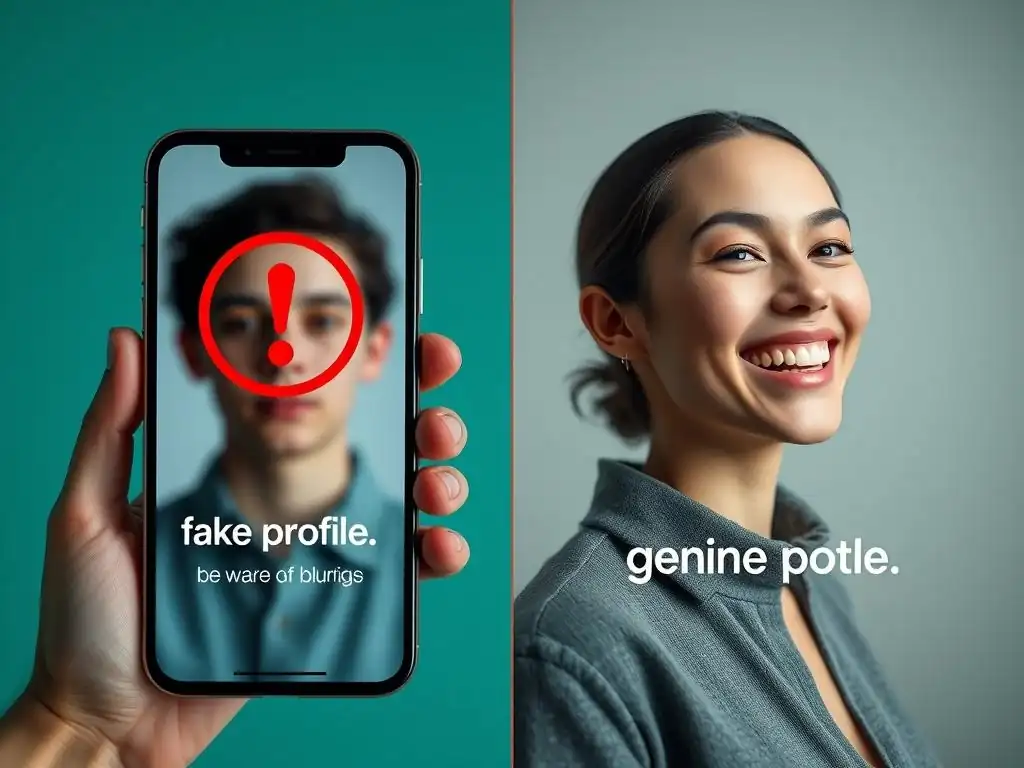
This section delves into practical strategies to identify and avoid fake profiles, a crucial aspect of staying safe while using online dating apps. The prevalence of fake profiles necessitates proactive measures to protect your personal information and emotional well-being. Remember, your safety is paramount. This guide provides actionable steps to help you spot fake dating app profiles and minimize your risk.
Verifying Profile Information Through Reverse Image Search
One of the most effective ways to spot fake dating app profiles is by using reverse image search. Many dating apps utilize stock photos or images stolen from other sources. By performing a reverse image search, you can quickly determine if the profile picture is genuine. This involves uploading the image to a reverse image search engine (like Google Images, TinEye, or Yandex Images) and seeing where else that image appears online. If the same image shows up on multiple unrelated websites or stock photo sites, it's a strong indication that the profile is fake.
For example, you might find the same profile picture on a stock photography website, clearly indicating that the user has not taken the photo themselves. Alternatively, you might discover the image is linked to profiles on other dating apps or social media platforms under different names, raising further red flags. A genuine profile will usually feature unique, original images.
Pay close attention to the quality of the image; overly polished or professional-looking photos could also suggest a fake profile. Remember, consistently using reverse image searches can significantly improve your ability to spot fake dating app profiles and enhance your online safety. 🕵️♀️
While caution is always advised, cross-referencing profile information with social media can offer additional verification. However, proceed with extreme caution. Never directly share your own social media information with someone you've only met on a dating app. Instead, if a profile provides social media links, carefully examine the accounts. Look for inconsistencies between the dating app profile and their social media presence. For example, does the age, profession, or even the overall style of their posts match the information provided on the dating app? Discrepancies can be a major red flag.
Furthermore, examine the social media account's activity level and the nature of their connections. A newly created account with few followers or limited engagement might indicate a fake profile. Additionally, be wary of accounts with overly generic profiles or those that lack personal photos. Remember, this is just another layer of verification; don't rely solely on social media to confirm authenticity. Always prioritize your safety and trust your intuition. If something feels off, it's probably best to err on the side of caution. 🤔
Reporting Suspicious Profiles to Dating App Administrators
If you strongly suspect a profile is fake or engaging in fraudulent activities, report it immediately to the dating app's administrators. Most dating apps have a reporting mechanism in place to deal with fake profiles and scams. Providing as much detail as possible, including screenshots, will help the administrators investigate the profile more effectively. This is an essential step in protecting yourself and other users from potential harm.
By reporting these profiles, you are contributing to a safer online dating environment for everyone. Remember, your action can prevent others from falling victim to scams. Reporting suspicious activity is not only a personal safety measure but a collective responsibility. 🙌
Protecting Your Personal Information: Best Practices
Protecting your personal information is paramount when using dating apps. Sharing too much too soon can make you vulnerable to scams and identity theft. Remember, building trust takes time, and rushing into sharing sensitive details can have serious consequences. Start by avoiding the immediate disclosure of your full name, address, workplace, or other identifying details. Many scammers use this information to conduct further research, potentially accessing your social media profiles or even your home address.
Instead of providing direct information, consider using pseudonyms or nicknames initially. This allows you to establish a connection and build rapport before deciding whether to share more personal information. Even then, proceed cautiously and only share details you're comfortable with. Be wary of profiles that aggressively push for your personal information early in the interaction. Legitimate users understand the importance of privacy and will respect your boundaries.
Remember to review your app's privacy settings regularly. Most dating apps offer options to control what information is visible to other users. Take advantage of these settings to limit the amount of information you're publicly sharing. This includes photos – avoid posting pictures that clearly reveal your location or include identifying details like your license plate. It's also wise to be cautious about sharing information about your family and friends. Protecting their privacy is just as important as protecting your own. By adopting these best practices, you significantly reduce your risk of becoming a victim of online scams.
Avoiding Financial Scams and Extortion Attempts
Financial scams are a significant concern in online dating. Fraudsters often create elaborate profiles to lure victims into sending money under false pretenses. They may invent compelling narratives involving financial emergencies, investment opportunities, or requests for assistance. These requests can range from seemingly small amounts to substantial sums, depending on the scammer's tactics. Remember, legitimate relationships rarely involve financial transactions, especially in the early stages.
Never send money to someone you've only met online, regardless of how convincing their story may seem. If someone you're talking to on a dating app asks for money, it's a major red flag. They might claim to be in a difficult situation, needing money for medical expenses, travel, or business ventures. These are common tactics used by scammers to exploit empathy and gain financial advantage. Be wary of unusual requests for money, especially those involving wire transfers or cryptocurrency, which are notoriously difficult to trace.
If you encounter a suspicious request for money, immediately cease communication and report the profile to the dating app's support team. Document all communication with the scammer, including screenshots of messages and transaction details. This documentation can be crucial if you need to report the incident to law enforcement or your financial institution. Protecting your finances is just as important as protecting your personal information, and vigilance is key to avoiding these potentially devastating scams. Remember, a genuine connection doesn't rely on financial transactions.
Building Trust and Safety in Online Dating
This section focuses on establishing trust and ensuring safety when engaging with potential matches on dating apps. While spotting fake profiles is crucial, building a secure foundation for communication is equally important to avoid scams and protect your personal well-being. Remember, a cautious approach is key to a positive online dating experience. The goal is to identify genuine connections while minimizing risks.
The Importance of Slow and Steady Communication
Rushing into intimate conversations or sharing personal details too early is a common pitfall in online dating. Fake profiles often push for rapid escalation of the relationship, aiming to quickly gain your trust before revealing their true intentions. Instead, prioritize slow and steady communication. Start with general conversations, focusing on shared interests and hobbies. Gradually reveal personal information as you build trust, always observing the other person's responses and communication style. Look for inconsistencies or evasiveness, which can be red flags.
For example, if someone consistently avoids answering direct questions about their life or background, or if their responses seem generic and lack depth, it could be a sign of a fake profile. Pay attention to the quality of communication, not just the quantity. Genuine connections develop organically over time, with a natural flow of conversation and shared experiences. Avoid those who demand immediate intimacy or pressure you into revealing sensitive information prematurely. Remember, building trust is a process, and patience is your best ally. A slow and steady approach helps you discern genuine intentions from deceptive ones.
Video Calls: A Powerful Tool for Verification
Video calls offer a powerful method to verify the identity of someone you've met online. While text-based communication can be easily manipulated, a video call provides visual confirmation. It allows you to see the person's face, observe their body language, and assess their overall demeanor. This can be incredibly helpful in spotting inconsistencies between their online profile and their real-life appearance.
Many fake profiles utilize stolen photos or misleading imagery. A video call can quickly expose these discrepancies. Moreover, the act of requesting a video call itself can be a deterrent for fake profiles, as many scammers are unwilling to engage in this form of interaction. Suggesting a video call should be done naturally within the context of the conversation, perhaps after a few positive interactions. Phrase it casually, for instance, "It would be great to see your face sometime!
Are you free for a quick video chat this week?" If they are hesitant or offer numerous excuses, it might be a cause for concern. Remember, a genuine person will likely be happy to connect face-to-face. This method provides an additional layer of security, reducing the risk of interacting with fraudulent profiles.
Meeting in Public Places: Safety First
Even after extensive communication and video calls, prioritize safety when arranging a first meeting. Always meet in a well-lit, public place, such as a busy café, restaurant, or park during the daytime. Never agree to meet at someone's home or a secluded location. Inform a friend or family member about your plans, including the time, location, and the person's name and contact information. Share your location with them in real-time, using a location-sharing app if possible.
Consider having a pre-arranged escape plan, such as a code word you can text to your contact if you feel uncomfortable or unsafe. Trust your instincts; if something feels off, don't hesitate to leave the meeting. Your safety is paramount, and there's no shame in prioritizing your well-being. Remember, a genuine connection will respect your boundaries and prioritize your safety. A public setting minimizes risks and allows you to assess the person in a comfortable and controlled environment. This approach helps ensure a positive and safe offline experience, building upon the trust you've established online.
Trusting Your Instincts: Recognizing Warning Signs
Learning to trust your gut feeling is crucial when navigating the world of online dating. Many fake profiles operate under a veneer of normalcy, but subtle inconsistencies and behaviors can often betray their true nature. If something feels "off," it likely is. Don't dismiss that initial feeling of unease; it's your intuition alerting you to potential danger. This is often the first and most important step in spotting fake dating app profiles. Pay attention to those little flags that might otherwise be overlooked.
For example, a profile that seems too good to be true – incredibly attractive, with a flawless biography and a plethora of impressive accomplishments – should raise suspicion. Perfection is rarely genuine. Similarly, be wary of profiles lacking personal details or containing generic, stock photos. Authentic profiles usually showcase a more relatable and imperfect reality. Genuine individuals are comfortable sharing aspects of their lives, even if it's not perfect. A lack of personal information or overly polished presentation can be a significant red flag indicating a potentially fake profile.
Furthermore, inconsistencies within a profile itself can be a major warning sign. Does the profile picture seem incongruent with the background information? Are there discrepancies between the information provided in their bio and other details? Perhaps their stated profession doesn't align with their lifestyle or claimed hobbies. These inconsistencies can be subtle, but when considered collectively, they can paint a clearer picture of potential deception. Take your time to review the profile meticulously, comparing details and looking for any inconsistencies that might reveal a fabricated persona.
Remember, your instincts are a powerful tool. Don't be afraid to question what you see and hear. If a profile makes you feel uncomfortable or uncertain, it's always best to err on the side of caution and move on. Ignoring your intuition can lead to potentially dangerous situations. Prioritizing your safety and well-being is paramount in the online dating world. Trust your gut, and don't hesitate to report suspicious profiles to the dating app's administrators.
Frequently Asked Questions
How can I spot a fake profile on a dating app?
Look for inconsistencies in photos, red flags in their bio (e.g., overly generic or unrealistic claims), and limited or suspicious social media links. Reverse image search their photos to see if they appear elsewhere.
What are some common signs of a catfish?
Catfish often use stolen photos, inconsistent stories, and avoid video calls. They may also pressure you for personal information or money quickly. Be wary of profiles that are too good to be true.
What should I do if I suspect someone's profile is fake?
Report the profile to the dating app immediately. Block and delete the user and avoid further contact. Don't engage with them or share personal information.
Are fake profiles common on dating apps?
Yes, unfortunately, fake profiles are a significant problem on many dating apps. Apps are constantly working to improve detection methods, but user vigilance is key.
How can I protect myself from fake profiles?
Verify information provided, be cautious about sharing personal details, and always meet in a public place for your first date. Use your best judgement and trust your instincts.
The rise of online dating has fundamentally altered how we connect, but with this convenience comes a crucial need for vigilance. The ease of creating fake profiles means that navigating the digital dating world requires a discerning eye and a proactive approach to safety. This isn't just about avoiding disappointment; it's about protecting your personal information and well-being.
The impact of fake profiles extends far beyond a few wasted dates. It erodes trust in online platforms, creates emotional distress for victims, and can even lead to financial or physical harm. The internet is a powerful tool, but it's also a reflection of the world, with all its complexities and dangers.
This quote highlights the need for responsible online behavior and critical thinking, especially in spaces designed for personal connection. We must remain aware of the potential risks and equip ourselves with the knowledge to navigate them safely.
You now possess the tools to identify red flags and protect yourself. Take the time to carefully examine profiles, trust your instincts, and remember that genuine connections are built on transparency and respect. Don't let the fear of encountering a fake profile prevent you from exploring the possibilities of online dating, but approach it with informed caution and a commitment to your own safety. Your well-being is paramount, and taking proactive steps to ensure your online safety is an act of self-care.
Unmask the Truth: Take Control of Your Online Dating Safety
Thank you for learning how to identify fake profiles! You've gained valuable knowledge to navigate online dating more confidently. Let's put this into practice:
- Create a stronger profile: Review your profile for details that could be misleading or make you vulnerable. Consider how others might interpret the information you share. For example, avoid posting your exact address or workplace.
- Share this article: Help protect your friends from potential scams by sharing this information. Spread awareness about safe online dating practices!
- Report suspicious profiles: If you encounter a suspicious profile, report it to the dating app immediately. Your vigilance helps keep the online dating community safer for everyone.
Ready to build a safer and more authentic online dating experience? What other safety measures do you consider crucial for protecting yourself from fake profiles?