
LGBTQ+ Online Dating and Mental Health: Tips for a Healthy Approach

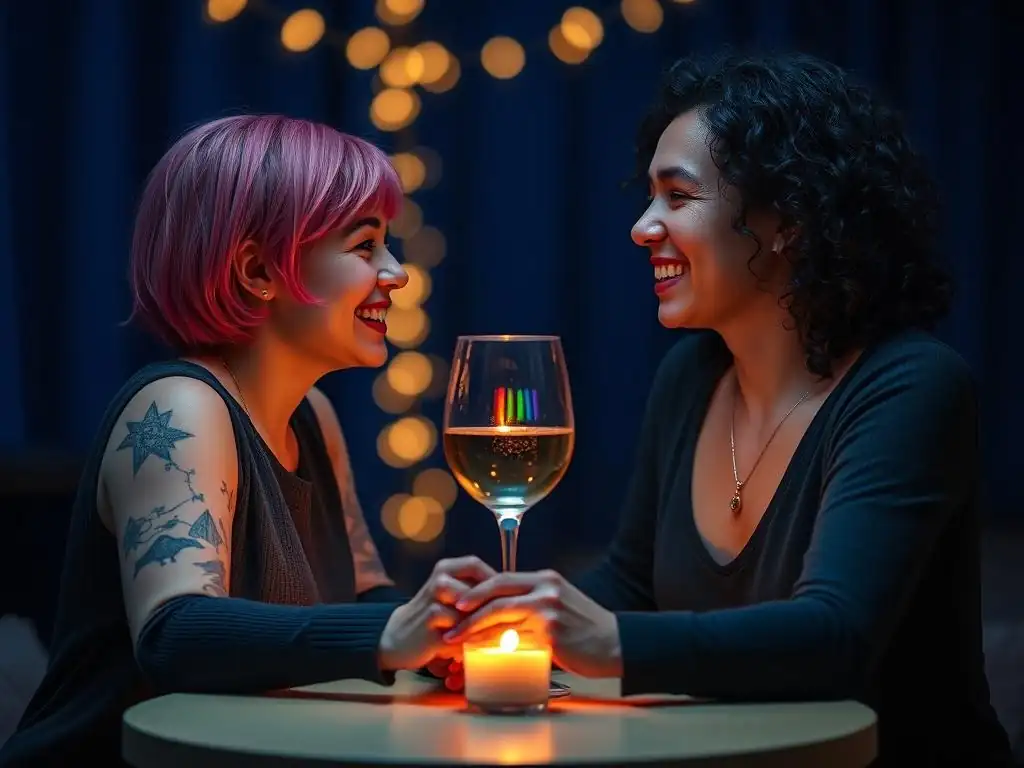
Ready to navigate the exciting world of online dating with confidence and care? At OnlineDatingSuccess.org, we empower you to find meaningful connections. But online dating can be emotionally taxing, especially within the LGBTQ+ community. That's why we've crafted essential LGBTQ+ dating mental health tips to help you approach online dating with a healthy mindset and build fulfilling relationships. Discover how to protect your well-being while searching for love – let's dive in!
- Understanding the Unique Challenges of LGBTQ+ Online Dating
- Protecting Your Mental Health While Online Dating
-
Strategies for Positive Online Dating Experiences
- Creating a Supportive and Authentic Online Profile
- Engaging in Healthy Communication and Setting Boundaries
- Prioritizing Self-Care and Mindfulness During the Dating Process
- Identifying Red Flags and Protecting Your Safety Online
- Seeking Professional Support When Needed: Therapists and LGBTQ+ Resources
- Building Resilience in the Face of Setbacks
- Maintaining Mental Wellness Beyond the App
-
Frequently Asked Questions
- How can LGBTQ+ individuals protect their mental health while online dating?
- What are some common mental health challenges faced by LGBTQ+ daters?
- How can I create a positive and safe online dating profile as an LGBTQ+ person?
- What should I do if I experience online harassment or discrimination while dating?
- Where can I find additional resources and support for LGBTQ+ mental health?
- Final Reflection: Navigating Love and Wellbeing in the Digital Age
- Unlock Your Dating Confidence: Take Charge of Your Online Love Life
Understanding the Unique Challenges of LGBTQ+ Online Dating
Navigating the world of online dating can be challenging for anyone, but LGBTQ+ individuals often face a unique set of hurdles that can significantly impact their mental wellbeing. This article explores the specific mental health considerations within the context of LGBTQ+ online dating, offering practical tips and strategies for a healthier and more positive experience. We'll delve into the impact of societal stigma, the prevalence of rejection and discrimination, and the pressure to conform to specific identity presentations within online LGBTQ+ spaces.
Ultimately, our goal is to empower you with the knowledge and tools to build a safer, more fulfilling online dating journey, fostering a positive connection between your mental health and your search for meaningful relationships. Remember, prioritizing your mental wellbeing is crucial, and seeking support when needed is a sign of strength, not weakness. 💖
The Impact of Societal Stigma on Mental Wellbeing in LGBTQ+ Dating
Societal stigma surrounding LGBTQ+ identities can significantly impact mental health, and this influence extends strongly into the online dating world. Many LGBTQ+ individuals report experiencing internalized homophobia or transphobia, which can manifest as self-doubt, anxiety, and depression. The fear of rejection or judgment based on their sexual orientation or gender identity can lead to hesitation in creating authentic profiles or engaging in open communication. This is further exacerbated by the potential for encountering hateful or discriminatory messages online, creating a hostile and unsafe environment.
Studies show a correlation between higher rates of anxiety and depression among LGBTQ+ individuals who experience online harassment or discrimination. 😞 It's crucial to remember that you deserve respect and acceptance, and your identity is valid and beautiful. Building a supportive network of friends, family, or online communities can help mitigate the impact of societal stigma.
Rejection is a common experience in online dating, but for LGBTQ+ individuals, it can be particularly painful and potentially reinforce negative societal messages. The possibility of encountering discrimination based on sexual orientation, gender identity, or other aspects of identity can lead to feelings of isolation, frustration, and even hopelessness. This can be particularly challenging when navigating dating apps or websites that may not have robust mechanisms for reporting or addressing hate speech and harassment. Building resilience is key.
Developing coping mechanisms, such as self-compassion and positive self-talk, can help you navigate these challenges. Focusing on your own self-worth and understanding that rejection doesn't reflect your value as a person is crucial. Remember, many amazing people are out there, and finding the right match takes time and patience. 💪
The Pressure to Conform to Specific Identities and Presentations
The pressure to conform to specific identities and presentations within online LGBTQ+ dating spaces can be immense. Individuals may feel compelled to adhere to certain stereotypes or expectations to increase their chances of finding a partner. This can lead to feelings of inauthenticity and self-doubt, impacting self-esteem and mental wellbeing. It's important to remember that there is no "right" way to be LGBTQ+. Authenticity is key.
Embrace your individuality and express yourself honestly. While presenting yourself in a way that makes you feel comfortable is important, don't feel pressured to conform to unrealistic or harmful stereotypes. Your unique identity is what makes you special and attractive. ✨ Prioritize your mental health and wellbeing by choosing authenticity over conformity.
Protecting Your Mental Health While Online Dating

Navigating the world of online dating, especially within the LGBTQ+ community, can be both exciting and challenging. Finding connection and building meaningful relationships is a rewarding goal, but it's crucial to prioritize your mental wellbeing throughout the process. This section offers practical strategies to safeguard your emotional health as you explore LGBTQ+ dating apps and platforms. Remember, your mental health is paramount, and taking proactive steps is key to a positive experience. This is especially true given the unique challenges faced by LGBTQ+ individuals in the dating world, including potential discrimination and societal pressures.
Setting Realistic Expectations and Avoiding Idealization
One common pitfall in online dating is the tendency to idealize potential partners. Scrolling through curated profiles, often showcasing only the most flattering aspects of someone's life, can lead to unrealistic expectations. Remember that online profiles are often edited highlights, not comprehensive representations of a person. Avoid comparing yourself to others and resist the urge to focus solely on physical attributes. Instead, cultivate a mindset that values authenticity and connection over perfection.
It's beneficial to develop a realistic understanding of the dating process. Finding the right partner takes time and effort; it's rarely instant or effortless. Accepting setbacks and disappointments as part of the journey is crucial for maintaining a healthy perspective. Consider setting realistic goals, such as focusing on meaningful conversations rather than immediate romantic success. Celebrate small victories, like engaging in enjoyable conversations or forging genuine connections. This gradual approach helps reduce pressure and prevents disillusionment.
Building a Strong Support System for Emotional Wellbeing
Having a robust support system is essential for navigating the emotional ups and downs of online dating. This could include close friends, family members, or a therapist. Sharing your experiences, both positive and negative, with trusted individuals can provide valuable perspective and emotional support. Talking through challenges can help you process your feelings and avoid isolating yourself during difficult times.
Consider joining LGBTQ+ support groups or online communities. Connecting with others who share similar experiences can foster a sense of belonging and reduce feelings of loneliness or isolation. These communities can offer a safe space to discuss your dating journey and receive encouragement and advice from others who understand the unique aspects of LGBTQ+ dating. Remember, you are not alone in this process, and seeking support is a sign of strength, not weakness. Lean on your support network when needed; their presence can significantly impact your mental wellbeing.
Recognizing and Managing Dating App Fatigue and Burnout
Dating app fatigue is a real phenomenon, especially when coupled with the additional layers of navigating LGBTQ+ dating. The constant swiping, messaging, and potential for rejection can lead to burnout and feelings of frustration. It's crucial to recognize the signs of dating app fatigue, such as decreased motivation, feelings of overwhelm, or a sense of negativity towards online dating.
To manage this, establish healthy boundaries and limits on your app usage. Setting specific times for checking apps and limiting your daily screen time can help prevent burnout. Take regular breaks from online dating to engage in activities that bring you joy and relaxation, such as spending time in nature, pursuing hobbies, or connecting with friends and family offline. Remember, online dating is just one aspect of your life; it shouldn't consume you entirely.
Prioritize self-care and engage in activities that nourish your mental and emotional wellbeing. Consider setting realistic goals for your dating app usage, such as limiting the number of profiles you review per day or setting a timeframe for active use before taking a break. This mindful approach can prevent overwhelm and promote a healthier relationship with online dating.
Strategies for Positive Online Dating Experiences
This section focuses on proactive steps LGBTQ+ individuals can take to foster positive mental health while navigating the online dating world. Remember, online dating is a journey, and prioritizing your well-being throughout is crucial. The tips below are designed to help you build resilience and manage potential challenges. Finding a supportive community, both online and offline, significantly contributes to a healthier dating experience.
Creating a Supportive and Authentic Online Profile
Crafting an authentic online profile is the cornerstone of a positive LGBTQ+ dating experience. Authenticity reduces the likelihood of mismatched expectations and potential heartache down the line. Instead of presenting a curated, idealized version of yourself, strive for genuine representation. This means showcasing your true personality, interests, and values. Think about what truly makes you you. Are you passionate about hiking? Do you love indie music? Are you a proud member of a particular community group? Let these aspects shine through!
Use descriptive language to paint a vivid picture of your life and personality. Avoid generic phrases and clichés. For example, instead of writing "I love to travel," you could say "I recently backpacked through Southeast Asia and am always looking for my next adventure." The more specific you are, the better you can attract individuals who share your passions and values.
Consider including photos that accurately reflect your appearance and lifestyle. Choose images that show you in various settings—perhaps some solo shots, some with friends, and some doing activities you enjoy. Avoid heavily filtered or overly posed photos. Authenticity is key to building genuine connections. Remember, you want to attract individuals who appreciate the real you. A diverse range of photos will help attract a diverse range of people who share something in common with you.
The goal is to attract compatible partners, not to impress everyone. Authenticity fosters deeper connections and creates a more sustainable and mentally healthier dating experience.
Engaging in Healthy Communication and Setting Boundaries
Open and honest communication is essential for building healthy relationships, both online and offline. This includes clearly communicating your needs, desires, and boundaries. Don't be afraid to express your feelings and expectations. For example, if you're not comfortable with casual hookups, state that upfront. If you prefer to meet in public places for initial dates, make that clear as well.
Setting boundaries is crucial for protecting your mental health. This might involve limiting the amount of time you spend on dating apps, refusing to engage with individuals who are disrespectful or aggressive, or taking breaks from dating altogether when needed. Remember, you have the right to say "no" without feeling guilty or obligated. It's okay to prioritize your well-being over the demands of the dating world.
Practice assertive communication. This means expressing your needs and opinions respectfully but firmly. Learn to identify and respond to red flags. If someone is consistently disrespectful, dismissive, or makes you feel uncomfortable, don't hesitate to end the conversation or block them. Your safety and emotional well-being should always come first. This proactive approach minimizes potential negative impacts on your mental health.
Prioritizing Self-Care and Mindfulness During the Dating Process
Online dating can be emotionally taxing. Rejection, ghosting, and the pressure to present a perfect image can take a toll on your mental health. Prioritizing self-care is therefore crucial. This involves engaging in activities that nourish your mind, body, and spirit. This might include exercise, spending time in nature, pursuing hobbies, practicing mindfulness, or connecting with supportive friends and family.
Mindfulness techniques, such as meditation or deep breathing exercises, can help manage stress and anxiety associated with online dating. These practices help you stay grounded and present, reducing the impact of potential setbacks. Remember to schedule time for self-reflection and to process your emotions. Journaling can be a helpful tool for this. It allows you to track your progress, identify patterns, and process your experiences in a healthy way. This self-awareness is critical for maintaining mental well-being within the sometimes unpredictable landscape of online LGBTQ+ dating.
Remember that setbacks are a normal part of the dating process. Don't let rejection or negative experiences define you. Focus on your strengths, celebrate your accomplishments, and continue to nurture your self-worth. Your mental health is paramount; prioritize it above all else. By actively managing your well-being, you increase your chances of finding a healthy and fulfilling relationship.
Identifying Red Flags and Protecting Your Safety Online
Navigating the world of LGBTQ+ online dating requires a keen awareness of potential risks. It's crucial to prioritize your safety and well-being throughout the process. Learning to identify red flags early on can significantly reduce the chances of encountering harmful situations. This involves being vigilant about inconsistencies in profiles, overly aggressive or demanding communication, and requests for personal information too early in the interaction.
For example, someone who consistently avoids video calls or refuses to share basic details about their life might be hiding something. Similarly, rapid escalation of intimacy or pressure to meet in person before you feel comfortable is a significant red flag. Remember, building trust takes time, and you are under no obligation to rush into anything.
Beyond identifying red flags, proactive safety measures are paramount. Always meet in a public place for first dates, and let a trusted friend or family member know your plans, including the time, location, and the person you're meeting. Sharing your location in real-time with someone you trust through a location-sharing app can also provide an extra layer of security. Be cautious about sharing sensitive personal information online, such as your full address or workplace.
Remember, your online profile is a representation of yourself, but it shouldn't reveal every detail of your life. Protecting your privacy is key to maintaining your safety and control. Consider using a separate email address for online dating, and be wary of individuals who push boundaries or disregard your stated comfort levels.
Trust your instincts – if something feels wrong, it probably is. Prioritize your safety above all else. Report any concerning behavior or harassment to the dating platform immediately.
Seeking Professional Support When Needed: Therapists and LGBTQ+ Resources
Online dating, while offering exciting possibilities for connection, can also be emotionally taxing. Rejection, ghosting, and negative experiences are unfortunately common, and these can significantly impact mental well-being. It's important to remember that seeking professional support is a sign of strength, not weakness, particularly within the context of LGBTQ+ dating where unique challenges and societal pressures can exist. Many therapists specialize in LGBTQ+ issues and understand the specific concerns faced by individuals navigating this landscape. They can provide a safe and supportive space to process emotions, develop coping mechanisms, and build resilience.
Finding a therapist who understands your specific needs is crucial. Look for therapists who explicitly state their experience working with LGBTQ+ clients and who are knowledgeable about the complexities of online dating and relationships. Many online directories and resources can help you locate LGBTQ+-affirming therapists in your area or those offering telehealth services. In addition to individual therapy, consider support groups or community resources tailored to LGBTQ+ individuals.
These groups offer a sense of community and shared experience, providing valuable peer support and reducing feelings of isolation. Remember, navigating the challenges of online dating doesn't have to be a solitary journey. Reaching out for professional support can provide the guidance and tools you need to build healthy relationships and foster a positive online dating experience. Prioritizing your mental health is an essential part of building meaningful connections.
Building Resilience in the Face of Setbacks

Navigating the world of LGBTQ+ online dating can be emotionally taxing. Rejection, ghosting, and even outright hostility are unfortunately common experiences. Building resilience is crucial for maintaining your mental well-being throughout this process. This involves developing coping mechanisms and strategies to bounce back from setbacks and maintain a positive outlook, even in the face of adversity. Remember, your worth isn't determined by the success or failure of your online dating experiences.
Learning from Negative Experiences and Moving Forward
It's easy to get discouraged after a string of unsuccessful dates or negative interactions. However, viewing these experiences as learning opportunities is key to building resilience. Instead of dwelling on rejection, analyze what you can learn from each encounter. Did you misrepresent yourself in your profile? Were your communication styles incompatible?
Did you feel safe and comfortable throughout the interaction? Honest self-reflection, without self-blame, can help you refine your approach and improve your future interactions. Consider journaling about your experiences; writing down your thoughts and feelings can provide valuable insights and help process emotions. For example, if you consistently experienced mismatches due to differing expectations about commitment, you might adjust your profile to more clearly reflect your relationship goals. This proactive approach transforms negative experiences into valuable lessons, fostering growth and resilience.
Practicing Self-Compassion and Forgiveness
Self-compassion is paramount in the face of online dating challenges. Treat yourself with the same kindness and understanding you would offer a friend facing similar difficulties. Acknowledge that setbacks are a normal part of the process and avoid harsh self-criticism. Remember that everyone experiences rejection at some point; it's not a reflection of your worth or desirability. Forgiving yourself for past mistakes or perceived failures is also crucial.
Holding onto guilt or shame will only hinder your progress. Practice self-forgiveness, recognizing that you are human and are allowed to make mistakes. Engage in self-soothing activities like meditation, spending time in nature, or listening to calming music to help manage negative emotions and cultivate self-compassion. This is especially important within the LGBTQ+ community, where societal pressures and internalized homophobia can exacerbate feelings of self-doubt and inadequacy.
Cultivating a Positive Self-Image and Body Image
A strong sense of self-worth is the bedrock of resilience in online dating. Cultivating a positive self-image and body image is essential for navigating the often superficial nature of online profiles. Focus on your strengths, accomplishments, and positive qualities. Challenge negative self-talk and replace it with affirmations that highlight your value.
Remember that online profiles often present an idealized version of reality; don't compare yourself to others and strive for authenticity in your representation. Engage in activities that boost your self-esteem and body image, such as exercise, healthy eating, pursuing hobbies you enjoy, and spending time with supportive friends and family. Consider seeking professional support from a therapist specializing in LGBTQ+ issues if you're struggling with body image or self-esteem.
Prioritizing your mental and emotional well-being will empower you to approach online dating from a place of strength and confidence, significantly improving your overall experience and increasing your chances of finding a meaningful connection. Remember, self-love is the most important ingredient in finding lasting happiness, both online and offline. ❤️
Maintaining Mental Wellness Beyond the App
Navigating the world of LGBTQ+ online dating can be both exhilarating and challenging. The constant swiping, messaging, and potential for rejection can take a toll on mental wellbeing. It's crucial to remember that online dating is just one aspect of your life, and maintaining a healthy mental state requires a holistic approach that extends far beyond the app.
This section focuses on strategies to cultivate mental wellness, even amidst the ups and downs of online dating. Remember, your mental health is paramount, and prioritizing it is key to a fulfilling life, both on and offline. Prioritizing your mental health isn't selfish; it's essential for building resilience and navigating the complexities of modern relationships, including those formed online.
Building Meaningful Connections Beyond Online Dating
Relying solely on online dating for social connection can be isolating. It's easy to get caught in a cycle of disappointment if your primary focus is finding a romantic partner through apps. Diversify your social life! Engage in activities you enjoy, whether it's joining a book club, volunteering for a cause you care about, participating in a sports league, or attending LGBTQ+ community events. These activities provide opportunities to meet people with shared interests, build genuine connections, and foster a sense of belonging.
Remember, meaningful relationships aren't always romantic; platonic friendships and supportive communities are equally vital for mental wellbeing. Think about it: a strong support network can significantly buffer the emotional impact of online dating rejections or disappointments. Actively cultivate these connections to create a richer, more balanced life. This broader social circle can provide a much-needed sense of belonging and support, improving your overall emotional resilience.
The digital world can be isolating. While online dating might offer a convenient way to meet people, it shouldn't replace real-life interactions. Make a conscious effort to engage in offline activities. Schedule regular meetups with friends, family, or colleagues. Explore your local LGBTQ+ community centers or organizations for events and social gatherings.
Joining a choir, taking a cooking class, or participating in a hiking group can provide opportunities for social interaction and personal growth. These experiences offer a different kind of connection – face-to-face interaction that fosters deeper relationships and reduces feelings of loneliness that can be exacerbated by relying solely on virtual communication. Prioritizing these offline connections will contribute significantly to your overall mental and emotional wellbeing. Consider scheduling specific times for offline activities each week to ensure you're actively engaging in these enriching experiences.
Focusing on Self-Growth and Personal Fulfillment
Online dating can sometimes feel like a constant evaluation of your worth based on others' opinions and preferences. To counteract this, prioritize activities that foster self-growth and personal fulfillment. Engage in hobbies you enjoy, pursue your passions, set and achieve personal goals, and focus on self-care practices like exercise, meditation, and spending time in nature.
This self-focus helps build self-esteem and resilience, making you less vulnerable to the emotional ups and downs of online dating. It's essential to remember that your value is inherent and independent of your dating success. Focusing on self-improvement strengthens your sense of self and helps you approach online dating from a place of confidence and self-acceptance.
This, in turn, can lead to healthier relationships and a more positive online dating experience. Consider creating a personal growth plan, outlining specific goals and steps to achieve them, to further solidify your commitment to self-improvement. Remember, a strong sense of self is the foundation of healthy relationships.
Frequently Asked Questions
How can LGBTQ+ individuals protect their mental health while online dating?
Online dating can be emotionally taxing for anyone. For LGBTQ+ individuals, it's crucial to prioritize self-care, set realistic expectations, and limit exposure to negativity. Remember to take breaks and focus on your well-being.
What are some common mental health challenges faced by LGBTQ+ daters?
LGBTQ+ daters may experience higher rates of anxiety and depression due to factors like discrimination, rejection, and internalized homophobia. Finding supportive communities and practicing self-compassion are vital.
How can I create a positive and safe online dating profile as an LGBTQ+ person?
Focus on authentic self-expression while prioritizing privacy and safety. Use clear, respectful language, and avoid revealing overly personal information. Choose platforms known for inclusivity and moderation.
What should I do if I experience online harassment or discrimination while dating?
Report abusive behavior to the dating platform immediately. Seek support from friends, family, or a mental health professional. Remember you are not alone, and this is not your fault.
Where can I find additional resources and support for LGBTQ+ mental health?
Many organizations offer specialized support for LGBTQ+ individuals. Look for local LGBTQ+ centers, online support groups, and mental health professionals with experience in LGBTQ+ issues. The Trevor Project is a valuable resource.
The intersection of LGBTQ+ identity, online dating, and mental health is more relevant than ever. The digital landscape offers unprecedented opportunities for connection, yet it also presents unique challenges, demanding a mindful and self-aware approach to navigating the complexities of love and self-care. The pressure to present a perfect online persona, coupled with the potential for rejection and discrimination, can significantly impact mental wellbeing.
The journey of self-discovery and acceptance within the LGBTQ+ community is often intertwined with the search for meaningful relationships. This search, amplified by the immediacy and accessibility of online dating, can be both exhilarating and emotionally taxing. The constant stream of profiles, the pressure to "match," and the potential for superficial interactions can easily overshadow the importance of self-compassion and emotional resilience. The most important relationship you will ever have is the one you have with yourself.
This quote underscores the necessity of prioritizing mental health throughout the dating process, regardless of the outcome.
Now, consider your own approach to online dating. What steps can you take to prioritize your mental wellbeing amidst the excitement and potential challenges? Cultivate self-awareness, set healthy boundaries, and remember that your worth is not determined by your dating success. Embrace the journey, celebrate your unique identity, and remember that finding lasting love is a process that deserves patience, kindness, and a deep commitment to your own self-care. Let this be your starting point for a healthier and more fulfilling journey of connection.
Unlock Your Dating Confidence: Take Charge of Your Online Love Life
Thank you for exploring the vital connection between mental health and online dating within the LGBTQ+ community. We hope you discovered practical strategies to navigate this unique landscape with greater confidence and well-being. Now, let's put those insights into action!
- Prioritize self-care: This week, incorporate a small, manageable self-care activity into your routine to support your emotional well-being during your dating journey. This could be anything from a relaxing bath to a mindful meditation session.
- Engage with our community: Share your thoughts and experiences in the comments below! Let's create a supportive space for learning and growth. Your unique perspective is valuable.
- Challenge limiting beliefs: Identify a negative belief you hold about online dating and actively challenge its validity. Replacing negative self-talk with positive affirmations is a powerful way to build resilience.
Ready to build a more positive and fulfilling online dating experience? What small step will you take today to nurture your well-being?