
Setting Boundaries: Protecting Your Emotional and Physical Safety


Welcome to OnlineDatingSuccess.org, your guide to navigating the exciting yet sometimes treacherous world of online dating. Are you ready to find genuine connection but unsure how to protect yourself? We understand. That's why we've created this resource, packed with practical advice to help you build meaningful relationships while prioritizing your safety.
Learn how to establish crucial online dating safety boundaries and confidently take control of your dating journey. Discover the strategies you need to avoid scams and build a safer, more fulfilling online dating experience. Read on to explore how setting clear boundaries can unlock a world of positive connections.
- Understanding Online Dating Safety Boundaries: Defining Your Limits
- Establishing Healthy Boundaries in Online Dating: Practical Steps
- Protecting Yourself From Emotional Manipulation in Online Dating
- Maintaining Your Online Dating Safety Boundaries: Long-Term Strategies
- Online Dating Safety Boundaries and Personal Safety Planning
-
Frequently Asked Questions
- How can I set healthy boundaries on online dating sites?
- What are some red flags to watch out for regarding online dating safety?
- How do I handle unwanted advances or inappropriate behavior online?
- What steps should I take before meeting someone I met online in person for the first time?
- How can I maintain my emotional safety while online dating?
- Final Reflection: The Unbreakable Thread of Self-Respect in Online Dating
- Unlock Your Happiest, Healthiest Relationships: Set Boundaries Today!
Understanding Online Dating Safety Boundaries: Defining Your Limits
Navigating the world of online dating can be exhilarating, offering the potential to connect with like-minded individuals and build meaningful relationships. However, it's crucial to remember that online interactions, while convenient, also present unique challenges to our emotional and physical well-being. This article focuses on establishing and maintaining healthy boundaries in online dating—a critical aspect of ensuring a safe and positive experience.
We'll explore how to recognize warning signs, define your personal limits, and communicate those limits effectively to potential partners. Understanding and implementing these online dating safety boundaries is not just about avoiding scams; it's about protecting your mental health and fostering healthy, respectful connections. Learning to set and maintain these boundaries is a proactive step towards creating a positive and safe online dating journey, ultimately increasing your chances of finding a fulfilling relationship.
Ignoring these boundaries can lead to emotional distress, exploitation, or even physical danger. This guide provides practical strategies to empower you to take control of your online dating experience and prioritize your well-being.
Recognizing Unhealthy Behaviors in Online Dating Interactions
Online dating, while offering incredible opportunities, also presents a landscape where unhealthy behaviors can easily manifest. Recognizing these behaviors is the first step towards protecting yourself. 🚩 Red flags can range from subtle inconsistencies to overt aggression. For example, excessive pressure to meet in person quickly, ignoring your boundaries or requests, controlling behavior (e.g., demanding constant contact or restricting your other activities), and exhibiting jealousy or possessiveness are all significant warning signs.
Another common unhealthy behavior is a consistent pattern of negativity, criticism, or belittling comments. These behaviors may escalate over time, so it’s important to address them early. Remember, a healthy relationship is built on mutual respect, trust, and open communication. If you encounter any of these red flags, it's crucial to prioritize your safety and well-being.
Don't hesitate to end the interaction, even if it feels difficult. You deserve to be treated with respect and kindness. Consider keeping a record of concerning interactions—screenshots or detailed notes can be valuable if needed.
Here's a table summarizing some common unhealthy online dating behaviors:
| Unhealthy Behavior | Description | Example |
|---|---|---|
| Pressure to meet quickly | Urging you to meet in person before you feel comfortable. | "Why are you so hesitant to meet? Don't you trust me?" |
| Ignoring boundaries | Disregarding your stated preferences or limits. | Continuously texting despite you asking for space. |
| Controlling behavior | Trying to dictate your actions or choices. | "You shouldn't be talking to other people." |
| Jealousy/Possessiveness | Expressing excessive jealousy or possessiveness towards your other relationships. | "I don't like you talking to other men/women." |
| Negativity/Criticism | Consistently making negative or belittling comments. | Constant criticism of your appearance, job, or hobbies. |
| Inconsistent information | Providing contradictory information about their life or background. | Providing different details about their job, age, or relationship status. |
Identifying Your Personal Boundaries: Physical and Emotional Limits
Defining your personal boundaries is paramount to online dating safety. This involves identifying what you're comfortable with and what you're not. Physical boundaries might include refusing to meet in person until you feel safe and have had sufficient online interaction, specifying locations for meetings, and ensuring you have a safe way to travel to and from the meeting. Emotional boundaries encompass setting limits on how much personal information you share early on, refusing to engage in arguments or negativity, and prioritizing your own emotional well-being.
Consider your comfort level with different forms of communication (e.g., phone calls, video chats, in-person meetings) and establish clear rules about what feels safe and acceptable for you. Remember, these boundaries are personal and can evolve over time. It's okay to adjust them as you gain more experience and confidence in online dating. Prioritizing your comfort and safety is not selfish; it's essential.
The Importance of Clear Communication in Setting Boundaries
Effective communication is key to maintaining healthy boundaries in online dating. This means clearly and directly expressing your limits and expectations to potential partners. Don’t assume they will understand your boundaries implicitly; it’s important to state them explicitly. For example, you might say, "I'm not comfortable sharing my exact address until I've met in person a few times," or "I prefer to keep our conversations on the dating app for the first few weeks." If someone disregards your boundaries, it's a significant red flag.
Don't be afraid to end the interaction if your boundaries are not respected. Practice assertive communication, expressing your needs and feelings without being aggressive or passive. Remember, setting boundaries is a sign of strength and self-respect, not weakness. It demonstrates your commitment to a healthy and respectful relationship, and it attracts partners who value those same qualities.
Establishing Healthy Boundaries in Online Dating: Practical Steps
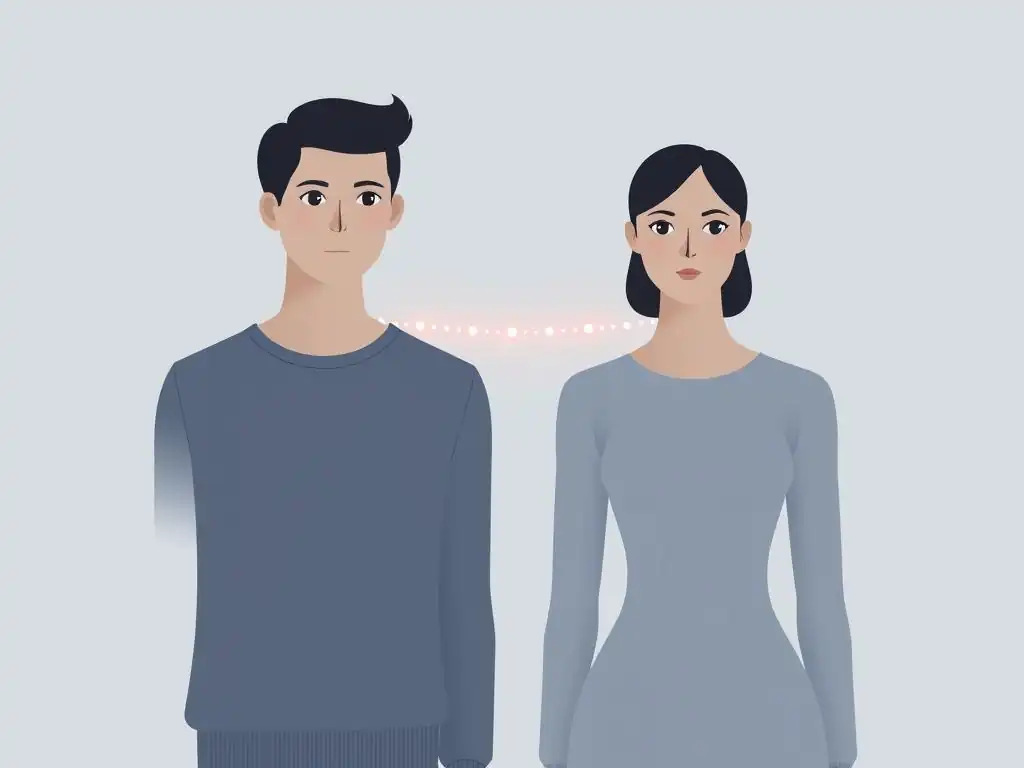
Online dating offers exciting possibilities for connection, but it's crucial to prioritize your emotional and physical well-being. Establishing clear boundaries is paramount to a safe and positive online dating experience. This section outlines practical steps to protect yourself while navigating the complexities of virtual and in-person interactions. Remember, healthy boundaries aren't about being unfriendly; they're about respecting your needs and limits. They are key to online dating safety boundaries.
Setting Boundaries Before the First Date: Online Communication Guidelines
Before even considering a first date, it's essential to establish clear communication boundaries. This involves setting expectations for how you'll interact online and what you're comfortable sharing. Avoid rushing into deep conversations or revealing too much personal information too early.
Consider these guidelines:
- Limit personal information sharing: Don't disclose your full address, workplace, or other easily identifiable details until you've met in person and feel comfortable.
- Control the pace of communication: Don't feel pressured to respond immediately to every message. Take your time to consider your responses and avoid oversharing.
- Be assertive about your preferences: If someone's communication style makes you uncomfortable, don't hesitate to politely express your boundaries. For example, "I appreciate your enthusiasm, but I'm not comfortable sharing photos of my home yet."
- Use a separate email address: Creating a dedicated email address for online dating helps to maintain privacy and separate your dating life from other aspects of your life. This is a vital aspect of online dating safety boundaries.
- Verify profiles: Look for red flags, inconsistencies, or overly perfect profiles. If something feels off, trust your instincts. Use reverse image searches to confirm profile photos.
Setting Boundaries During Online Interactions: Red Flags and Responses
Maintaining healthy boundaries extends beyond the initial contact. Recognizing red flags and responding appropriately is critical. Some common red flags include:
- Excessive pressure: Someone who consistently pushes for a quick meet-up or demands excessive personal information early on.
- Controlling behavior: Attempts to dictate your actions, opinions, or who you can talk to.
- Inconsistency: Stories that don't add up or conflicting information in their profile.
- Aggressive or disrespectful language: Any form of verbal abuse or harassment.
- Financial requests: Unsolicited requests for money or financial assistance.
Responding to these red flags requires assertiveness and self-preservation. Examples of appropriate responses include:
- Directly addressing the issue: "I'm not comfortable with the pressure to meet so quickly. Let's get to know each other better online first."
- Setting limits: "I'm not going to share that information yet. I'd prefer to get to know you better before sharing details like that."
- Blocking and reporting: If someone is harassing or behaving inappropriately, don't hesitate to block them and report their behavior to the dating platform. This is a crucial element of online dating safety boundaries.
- Trust your instincts: If something feels wrong, it probably is. Prioritize your safety and well-being above all else.
Setting Boundaries on First Dates: Protecting Your Physical Safety
The first date marks a transition from virtual to in-person interaction. Maintaining healthy boundaries during this stage is crucial for your physical safety. Consider these points:
| Boundary | Description | Example |
|---|---|---|
| Public Place Meeting | Choose a well-lit, public location for your first meeting. | A busy coffee shop or restaurant. |
| Transportation Control | Drive yourself or use a ride-sharing service; avoid accepting rides from your date. | This gives you independence and control over the situation. |
| Time Limit | Set a time limit for the date to avoid feeling pressured to stay longer than comfortable. | "I have plans later, so I can only meet for a couple of hours." |
| Inform Someone | Let a friend or family member know where you're going, who you're meeting, and when you expect to be back. | Text a friend the date's name, location, and estimated time of return. |
| Emergency Exit Strategy | Have a plan in place in case you need to leave early, such as a pre-arranged call or text. | A code word with a friend to call if you need to be rescued. |
Remember, prioritizing your safety doesn't diminish the potential for a positive experience. By establishing and maintaining clear boundaries, you create a space for genuine connection while safeguarding your well-being. This comprehensive approach to online dating safety boundaries empowers you to navigate the online dating world with confidence and security. 🎉
Setting Boundaries After a Date: Maintaining Healthy Communication
After a date, whether it was fantastic or a complete flop, maintaining healthy communication is crucial for your safety and emotional well-being. It's about setting clear expectations and protecting yourself from potential manipulation or unwanted advances. Remember, you are not obligated to respond to every message or call, and your comfort should always come first.
One effective strategy is to establish a reasonable timeframe for responding. You don't need to reply instantly; taking some time to process your feelings and experiences is perfectly acceptable. If someone pressures you to respond immediately, this could be a red flag indicating a lack of respect for your boundaries. A simple, "I'm busy right now, but I'll get back to you later," can effectively manage expectations without feeling overly apologetic.
Furthermore, be direct about what kind of communication you're comfortable with. If you prefer texting over calls, or vice versa, communicate that preference upfront. If you're uncomfortable with late-night calls or overly frequent messages, make that clear as well. For example, you could say, "I'm not usually a big fan of late-night calls; can we chat tomorrow instead?" or "I prefer to keep our communication to texting during the week, as it's easier for me to manage."
Avoid feeling guilty about setting these boundaries. Remember, healthy relationships are built on mutual respect and understanding. If someone doesn't respect your communication preferences, it might be a sign that they're not the right match for you. Prioritizing your own emotional and mental health is paramount in online dating.
Don't hesitate to unmatch or block someone who consistently disregards your boundaries, even after you've clearly communicated them. Your peace of mind is worth more than any potential connection that disrespects your needs. This proactive approach significantly contributes to your overall online dating safety and helps you cultivate healthier relationships. Remember, you deserve to feel safe and respected in all your interactions.
Protecting Yourself From Emotional Manipulation in Online Dating
Online dating safety boundaries extend beyond physical safety; emotional well-being is equally crucial. Emotional manipulation is a subtle yet potent form of abuse that can leave you feeling confused, drained, and questioning your self-worth. Understanding how manipulators operate is the first step towards protecting yourself. This section focuses on recognizing and responding to emotional manipulation tactics frequently encountered in the online dating sphere, and when to seek outside support.
Recognizing Emotional Manipulation Tactics in Online Dating
Manipulative individuals often employ a range of tactics to control their partners. These tactics can be insidious and difficult to identify, especially in the initial stages of a relationship. Common red flags include:
- Love Bombing: An overwhelming display of affection and attention early on, designed to quickly build intense feelings and dependence. This can manifest as excessive messaging, grand gestures, and promises of a future together before a solid foundation of trust has been established. Think daily calls lasting hours, extravagant gifts after only a few dates, and promises of marriage within weeks.
- Gaslighting: Making you question your own sanity and perception of reality. This might involve denying events that happened, twisting your words, or minimizing your feelings. For example, a date might deny saying something hurtful or claim you're "overreacting" to a legitimate concern, making you doubt your own memory and judgment.
- Guilt Tripping: Making you feel responsible for their emotions or actions. This often involves statements like "If you really loved me, you would..." or "You're making me so unhappy." This tactic shifts the blame and control onto you.
- Isolation: Attempting to cut you off from friends and family. This might involve subtly criticizing your relationships with others, creating conflict, or discouraging you from spending time with loved ones. This isolates you and makes you more dependent on the manipulator.
- Controlling Behavior: Trying to dictate your choices, such as what you wear, who you talk to, or where you go. This can start subtly but escalate over time. Examples include insisting you delete dating apps immediately or controlling your social media activity.
It’s important to note that these tactics often overlap and can be hard to spot individually. Trust your instincts; if something feels wrong, it probably is. Consistent patterns of these behaviors, rather than isolated incidents, are a stronger indicator of manipulation. Remember, a healthy relationship is built on mutual respect, trust, and open communication, not control and manipulation.
Responding to Emotional Manipulation: Assertive Communication Techniques
Once you've identified manipulative behavior, assertive communication is key to setting boundaries and protecting yourself. This doesn't mean being aggressive or passive; instead, it involves clearly expressing your needs and feelings while respecting the other person's boundaries (even if they aren't reciprocating).
Here are some techniques:
- "I" Statements: Focus on expressing your own feelings and experiences without blaming the other person. For example, instead of saying "You always make me feel bad," try "I feel hurt when I hear those comments."
- Setting Clear Boundaries: Communicate your limits directly and firmly. For example, "I'm not comfortable with you criticizing my friends," or "I need space when I feel overwhelmed."
- Refusal without Explanation: You don't owe anyone an explanation for your decisions. A simple "No, thank you," or "I'm not comfortable with that," is often sufficient.
- Documenting Interactions: Keep a record of manipulative incidents, including dates, times, and specific examples of the behavior. This can be invaluable if you choose to seek further support.
Remember, you have the right to end contact with anyone who is making you feel unsafe or uncomfortable. Your emotional well-being is paramount.
Seeking Support: When to Reach Out for Help
Recognizing and addressing emotional manipulation can be challenging. Don't hesitate to seek support from trusted friends, family members, or mental health professionals. There are many resources available to help you navigate these situations and build healthier relationships.
Consider seeking professional help if:
- You feel consistently anxious, depressed, or overwhelmed.
- You're struggling to set boundaries effectively.
- You're experiencing significant self-doubt or low self-esteem.
- You feel isolated and alone.
- The manipulative behavior is escalating or becoming increasingly threatening.
Remember, seeking help is a sign of strength, not weakness. Prioritizing your mental health and safety is crucial, especially when navigating the complexities of online dating. Building healthy online dating safety boundaries requires a proactive approach, encompassing emotional as well as physical safety. Your well-being deserves your utmost attention.
Maintaining Your Online Dating Safety Boundaries: Long-Term Strategies
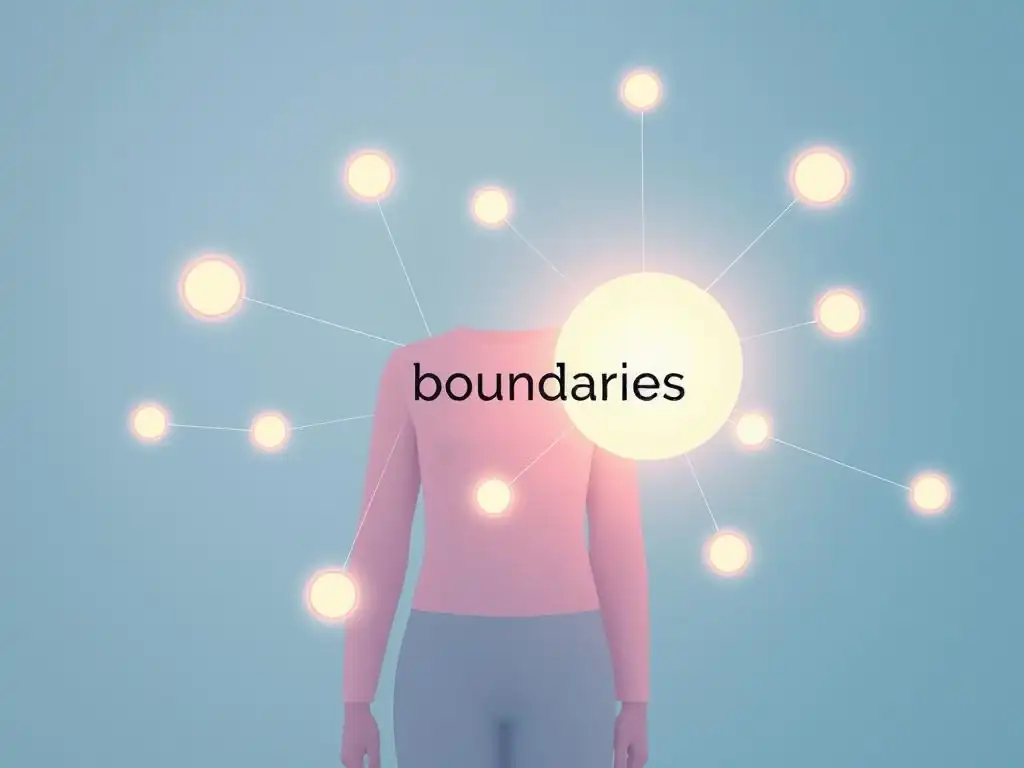
Maintaining strong online dating safety boundaries isn't a one-time task; it's an ongoing process requiring consistent effort and self-reflection. Think of it like tending a garden – you need to regularly weed out unhealthy behaviors and nurture healthy ones. The strategies you employ today might need adjustments as you gain experience and meet new people. This section focuses on cultivating long-term strategies for safeguarding your emotional and physical well-being in the online dating world. Consistent vigilance is key to online dating safety boundaries.
Regularly Reviewing and Adjusting Your Boundaries
Regularly reviewing and adjusting your boundaries is crucial for maintaining your safety and well-being in the online dating sphere. As you gain experience and meet different individuals, your comfort levels and needs may shift. What felt comfortable initially might later feel intrusive or unsafe. This iterative process is essential for personal growth and protection.
Consider scheduling a monthly review of your boundaries. Ask yourself these questions:
- Have I experienced any situations that made me uncomfortable? If so, what were they and how can I avoid similar situations in the future?
- Have my personal circumstances changed (e.g., new job, increased stress levels) that might influence my comfort levels?
- Are my current boundaries still effective in protecting my emotional and physical well-being? Do I need to tighten or loosen any of them?
- Am I communicating my boundaries clearly and consistently? Do I need to refine my communication style to ensure others understand my limits?
Remember, there's no shame in changing your boundaries. In fact, it’s a sign of self-awareness and a commitment to your safety. Adapting your approach based on experience is a hallmark of healthy boundary management in online dating safety. Flexibility is key to navigating the complexities of the virtual world.
Building a Support Network for Online Dating Safety
Having a strong support network is vital for maintaining healthy online dating safety boundaries. Sharing your experiences and concerns with trusted friends, family, or a therapist can provide invaluable emotional support and perspective. A strong support system can act as a buffer, helping you navigate challenging situations and make informed decisions.
Consider these steps to build your support network:
- Identify trusted individuals: Choose people who are supportive, understanding, and non-judgmental. These individuals should offer empathy and practical advice without dismissing your concerns.
- Communicate openly: Share your dating experiences, both positive and negative, with your chosen support system. This allows them to better understand your boundaries and offer tailored advice.
- Seek professional help: If you're struggling to manage your boundaries or experiencing emotional distress, don't hesitate to seek help from a mental health professional. They can provide tools and strategies to build resilience and improve your overall well-being.
- Utilize online resources: While personal support is critical, there are many online resources dedicated to online dating safety and boundary setting. Explore communities and forums to connect with others facing similar challenges and learn from their experiences.
Building a strong support network is an investment in your safety and mental health. It provides an essential safety net, helping you navigate the complexities of online dating and maintain healthy boundaries. Remember, you are not alone.
Recognizing When to End an Online Dating Relationship
Knowing when to end an online dating relationship is a crucial aspect of online dating safety boundaries. While it can be difficult, prioritizing your well-being should always come first. Ignoring warning signs or staying in an unhealthy relationship can have serious consequences. This section focuses on recognizing red flags and developing strategies for safe disengagement.
Here are some key indicators that it's time to end an online dating relationship:
| Red Flag | Description | Action |
|---|---|---|
| Disrespect of Boundaries | Consistently ignoring or violating your stated limits. | Communicate your discomfort firmly; end contact if the behavior persists. |
| Controlling Behavior | Attempts to manipulate your actions, choices, or relationships. | Remove yourself from the situation; prioritize your safety and independence. |
| Emotional Abuse | Constant criticism, belittling, or attempts to undermine your self-esteem. | Seek support from trusted individuals; consider professional help. |
| Lack of Respect | Dismissive or demeaning communication; lack of consideration for your feelings. | End the interaction; you deserve to be treated with respect. |
| Suspicious Behavior | Inconsistencies in their story; evasiveness about personal details; financial requests. | Be cautious; do not share personal information; end contact if suspicious. |
Ending a relationship can be challenging, but it's essential for your safety and well-being. Remember to prioritize your needs and trust your intuition. A safe and respectful disengagement is crucial for your emotional health and future online dating experiences. Prioritizing online dating safety boundaries ensures your safety and emotional well-being.
Online Dating Safety Boundaries and Personal Safety Planning
Establishing clear online dating safety boundaries is paramount for protecting your emotional and physical well-being. It's about proactively safeguarding yourself from potential harm, fostering healthy relationships, and maintaining control over your online dating experience. This isn't about being cynical or distrustful; it's about being smart and empowered. Think of boundaries as protective layers, filtering out negativity and promoting positive interactions. Failing to set boundaries can lead to emotional distress, wasted time, and, in extreme cases, physical danger. This section will guide you through creating a robust personal safety plan to navigate the world of online dating with confidence.
Creating a Personal Safety Plan for Online Dating Interactions
A personal safety plan is a proactive strategy, a personalized roadmap designed to minimize risks associated with online dating. It's not a one-size-fits-all solution; your plan should reflect your unique circumstances, comfort levels, and risk tolerance. Consider the following steps when crafting your plan:
- Define your boundaries: What are you comfortable sharing? What kind of interactions are acceptable? What are your dealbreakers? These could include topics like sharing personal information (address, workplace, etc. ), meeting in person too quickly, or engaging in sexually explicit conversations before establishing trust. Be specific! For example, instead of "I'm not comfortable sharing personal information," try "I won't share my full address or workplace details until I've met someone in person at least twice in public places."
- Screen potential matches: Carefully review profiles, looking for red flags like inconsistencies, vague information, or overly aggressive messaging. Don't hesitate to report suspicious profiles or behavior to the dating platform. Remember, you have the right to unmatch or block anyone at any time.
- Control information sharing: Start with general information and gradually share more personal details as you build trust. Never share sensitive information like your Social Security number, bank account details, or passwords. Verify the identity of someone you meet online before sharing personal information.
- Meet in public places: Always choose well-lit, public locations for your first few dates. Inform a friend or family member about your plans, including the date, time, location, and the person you're meeting. Share their contact information as well.
- Trust your gut: If something feels off, it probably is. Don't feel pressured to continue an interaction or date if you feel uncomfortable. Have an exit strategy planned, such as having a friend call you at a pre-arranged time or having a ride readily available.
Utilizing Technology to Enhance Online Dating Safety
Technology offers a range of tools to enhance your online dating safety. Leveraging these tools can significantly reduce your risk and improve your overall experience.
- Reverse image search: Use reverse image search tools to verify the authenticity of profile pictures. This can help identify potential catfishing attempts.
- Social media checks: Discreetly check the social media profiles of potential matches to gather additional information and cross-reference their claims. Be mindful of privacy settings and avoid overtly stalking.
- Use dating apps with strong safety features: Many dating apps provide features like background checks, in-app messaging, and reporting mechanisms. Take advantage of these features to enhance your security.
- Strong passwords and two-factor authentication: Protect your dating profiles with strong, unique passwords and enable two-factor authentication whenever possible. This adds an extra layer of security and protects your account from unauthorized access.
Trusting Your Instincts: Recognizing Danger Signals
Your intuition is a powerful tool. Pay close attention to your feelings and instincts. If something feels wrong, don't dismiss it. Recognizing danger signals early can prevent potentially harmful situations. Here are some red flags to watch out for:
- Pressure to meet quickly: Someone pushing you to meet in person before you're comfortable is a major red flag. Healthy relationships develop organically and respect individual boundaries.
- Inconsistent information: Discrepancies in their profile, stories, or behavior should raise concerns.
- Overly aggressive or demanding behavior: Controlling or manipulative behavior is a serious warning sign.
- Financial requests: Requests for money, gifts, or financial assistance should be treated with extreme caution. This is a common tactic used by scammers.
- Excessive secrecy or evasiveness: A reluctance to answer questions or provide personal information may indicate something is amiss.
Remember, your safety is paramount. Prioritizing your well-being and utilizing the strategies outlined above will empower you to navigate the world of online dating with greater confidence and peace of mind. By establishing clear online dating safety boundaries and employing a comprehensive safety plan, you can significantly reduce your risk and increase your chances of forming healthy, meaningful connections.
Frequently Asked Questions
How can I set healthy boundaries on online dating sites?
Communicate your comfort levels clearly from the start. Be upfront about what you're looking for and what you're not comfortable with, such as sharing personal information too early or meeting in person before you feel safe. Establish your boundaries early and stick to them.
What are some red flags to watch out for regarding online dating safety?
Be wary of users who are vague about their personal details, pressure you to meet quickly, or are overly demanding of your time and attention. Avoid sharing sensitive personal information until you've built trust and met in person in a public place. Trust your instincts – if something feels wrong, it probably is.
How do I handle unwanted advances or inappropriate behavior online?
Report inappropriate behavior to the dating platform immediately. Block and delete users who make you uncomfortable. Don't engage with them; prioritize your safety and well-being.
What steps should I take before meeting someone I met online in person for the first time?
Always meet in a public place for your first meeting. Let a friend or family member know where you're going, who you're meeting, and when you expect to be back. Share your location with someone you trust.
How can I maintain my emotional safety while online dating?
Protect your emotional well-being by avoiding overly emotional conversations early on. Don't rush into a relationship. Remember that you deserve to be treated with respect and kindness. Prioritize your own needs and feelings.
Final Reflection: The Unbreakable Thread of Self-Respect in Online Dating
The ability to set healthy boundaries isn't just a personal choice; it's a fundamental necessity for navigating the complexities of online dating in today's hyper-connected world. Failing to establish and maintain these boundaries leaves individuals vulnerable to exploitation, emotional distress, and even physical harm. The consequences of neglecting self-protection in the digital realm are far-reaching and often devastating.
The impact of clear communication and assertive boundary-setting extends far beyond the immediate context of online dating. It shapes our relationships, influences our self-esteem, and ultimately defines how we experience the world. The only way to do great work is to love what you do. If you haven't found it yet, keep looking. Don't settle.
– Steve Jobs. This quote, while seemingly unrelated, speaks to the importance of self-respect and knowing your worth – a crucial element in establishing and maintaining healthy boundaries. Choosing to prioritize your well-being, both emotionally and physically, is not selfish; it's essential for a fulfilling and safe life.
Now, consider your own experiences. Reflect on the boundaries you currently have in place, and honestly assess whether they adequately protect your emotional and physical safety. Are there areas where you need to be more assertive? Are you willing to prioritize your well-being over the potential discomfort of others? Take this opportunity to empower yourself. Create a list of your non-negotiables, and commit to upholding them with unwavering conviction. Your safety and happiness are worth fighting for.
Unlock Your Happiest, Healthiest Relationships: Set Boundaries Today!
Thank you for learning about setting healthy boundaries. You've gained valuable tools for building stronger, more fulfilling relationships. Let's put this knowledge into practice!
- Prioritize one boundary: This week, focus on establishing the single most important boundary for you. This might involve a difficult conversation, setting a clear limit, or changing your communication style. Take concrete steps to achieve this.
- Share your journey: Connect with others and share your experiences. Let's support each other in creating healthier relationships. What small step will you take today to improve your communication?
- Explore boundary-setting resources: Learn more by reviewing our articles on building self-esteem and assertiveness. These resources provide tools to confidently navigate the challenges of setting boundaries.
Ready to build the relationships you deserve? What's the first step you'll take to implement a healthy boundary?