
Stay Safe and Sound: LGBTQ+ Online Dating Safety Strategies for Your Peace of Mind


Welcome to OnlineDatingSuccess.org, your guide to navigating the exciting yet sometimes challenging world of online dating. We're dedicated to helping you build meaningful connections, and that starts with understanding the unique aspects of online safety. This article, focusing on LGBTQ+ online dating safety tips, dives into practical strategies to ensure your peace of mind while you search for love. Ready to discover how to stay safe and sound while exploring the possibilities? Let's get started!
- Understanding LGBTQ+ Online Dating Risks: A Safety Overview
-
Essential LGBTQ+ Online Dating Safety Tips: Protecting Your Identity and Privacy
- Choosing Safe Dating Apps and Platforms for LGBTQ+ Individuals
- Profile Privacy Settings: Protecting Your Personal Information
- Secure Communication Practices: Avoiding Phishing and Scams
- Safeguarding Your Location and Personal Details Online
- Verification and Reporting Mechanisms: Utilizing App Features
- Building Trust and Avoiding Dangerous Encounters: Safe Communication Strategies
-
Safe Offline Practices: Meeting in Person with LGBTQ+ Online Matches
- Planning Safe First Dates: Choosing Public and Well-Lit Locations
- Utilizing Technology for Safety: Sharing Live Location with Trusted Friends
- Setting Boundaries and Communication for Safe In-Person Encounters
- Creating a Support System: Sharing Your Plans with Trusted Individuals
- Recognizing and Responding to Unsafe Situations
- Resources and Support: Where to Find Help and Further Information
-
Frequently Asked Questions
- How can I verify the authenticity of a profile on an LGBTQ+ dating app?
- What are some red flags to watch out for when online dating within the LGBTQ+ community?
- How can I protect my personal information while using LGBTQ+ dating apps?
- What should I do if I feel uncomfortable or unsafe after meeting someone from an LGBTQ+ dating app?
- Where can I find additional resources for LGBTQ+ online dating safety?
- Final Reflection: Weaving a Safer Tapestry of Connection
- Unlock Your Safe & Happy Online Dating Journey
Understanding LGBTQ+ Online Dating Risks: A Safety Overview
Navigating the world of online dating can be exciting, but it's crucial to prioritize safety, especially within the LGBTQ+ community. This guide provides practical strategies to help you enjoy the benefits of online dating while minimizing potential risks. The unique challenges faced by LGBTQ+ individuals in the online dating sphere require a tailored approach to safety, focusing on aspects often overlooked in general online dating advice.
We'll explore the specific vulnerabilities faced by LGBTQ+ daters, effective strategies for identifying and avoiding potential threats, and methods for building a safer and more positive online dating experience. Understanding these risks is the first step towards creating a secure and fulfilling journey in finding connection and building meaningful relationships.
This article will equip you with the knowledge and tools to confidently navigate the complexities of LGBTQ+ online dating, empowering you to prioritize your safety and well-being throughout your search for love and companionship. Let's delve into the specific challenges and solutions.
Unique Vulnerabilities in LGBTQ+ Online Dating
LGBTQ+ individuals face unique vulnerabilities in online dating due to societal prejudices and biases. These vulnerabilities often stem from the increased risk of discrimination, harassment, and targeted scams. For example, individuals may be more susceptible to doxing (the public release of private information), outing (the disclosure of someone's sexual orientation or gender identity without their consent), and targeted hate speech.
The lack of legal protections in some areas further exacerbates these risks. Moreover, the visibility of one's sexual orientation or gender identity on dating profiles can inadvertently increase the risk of unwanted attention from individuals with malicious intent. It's crucial to understand these unique vulnerabilities to proactively mitigate potential harm.
A proactive approach to safety, including careful profile management and cautious communication, is essential for LGBTQ+ individuals navigating online dating. This includes being mindful of the information shared and the platforms used, prioritizing privacy settings, and being aware of the potential for targeted harassment. Remember, your safety is paramount.
Catfishing and Fraud Targeting the LGBTQ+ Community
Catfishing, the act of creating a fake online persona to deceive others, is a significant concern across all online dating platforms, but LGBTQ+ individuals may be disproportionately targeted. Fraudsters might exploit the unique vulnerabilities of the community by preying on the desire for connection and acceptance. These scams can range from emotional manipulation to financial exploitation, often involving requests for money or personal information under false pretenses. The emotional investment in a seemingly genuine connection can make it harder to recognize the warning signs.
Be cautious of profiles that seem too good to be true, lack consistent information, or avoid video calls. Always verify information independently and never share sensitive financial or personal details with someone you haven't met in person and thoroughly vetted. Remember, a genuine connection will respect your boundaries and will not pressure you into risky situations. 🚩 Be wary of red flags!
Online Harassment and Discrimination: Recognizing and Responding
Online harassment and discrimination are pervasive issues within the LGBTQ+ community, extending to online dating platforms. This can manifest as hateful messages, targeted threats, or the spread of misinformation intended to cause harm or distress. The anonymity afforded by the internet can embolden perpetrators, making it crucial to have strategies for recognizing and responding to such behavior. Blocking and reporting abusive users is a crucial first step. Many platforms offer reporting mechanisms for harassment and hateful conduct.
Utilize these tools effectively to protect yourself and contribute to a safer online environment. It is also important to document instances of harassment, including screenshots and timestamps, in case further action is needed. Remember, you are not alone; seeking support from friends, family, or LGBTQ+ support groups can provide emotional resilience and practical guidance during challenging times. Prioritizing your mental well-being is essential when dealing with online harassment. 💜 Self-care is crucial.
Sharing your location, especially precise details, can expose you to significant risks in the LGBTQ+ online dating landscape. Unlike heterosexual dating, where societal norms might offer a degree of implicit safety, LGBTQ+ individuals often face heightened vulnerability due to potential discrimination and hate crimes. Revealing your home address or workplace early in the dating process can put you at risk of stalking, harassment, or even violence.
Remember, even seemingly innocuous information like your neighborhood can be used to infer more specific details about your location. Prioritize your safety by avoiding overly precise location sharing until you've established trust and met in person several times in public spaces. Even then, exercise caution and avoid sharing real-time location updates.
Many apps offer location-based features for matching, which can be convenient, but also carry inherent risks. While these features can help you connect with people nearby, consider carefully adjusting your privacy settings to limit the precision of your location data shared. Don't feel pressured to share your exact location if you're uncomfortable. Remember, genuine connections don't demand immediate disclosure of sensitive personal information. Building a relationship takes time, and prioritizing safety should always be the top priority.
Meeting in person for the first time carries its own set of challenges. Always choose well-lit and public places for your first meeting. Inform a trusted friend or family member about your plans, including the person's name, where you're meeting, and what time you expect to be back. Having a friend or family member “check in” with you can provide an added layer of security.
Consider having a pre-arranged safety word or signal that you can use to discreetly alert your contact if you feel uncomfortable or unsafe. Trust your instincts – if something feels off, don't hesitate to leave. Your safety is paramount, and it’s perfectly acceptable to end a date early if you feel uneasy. Remember, a safe and comfortable environment is essential for building healthy relationships.
It's also crucial to be aware of the potential dangers of meeting someone who misrepresents their identity online. Catfishing is a serious concern, and it’s not uncommon in online dating, regardless of sexual orientation or gender identity. Be cautious of individuals who are reluctant to share photos or video calls, or who have inconsistent profiles.
It is always advisable to engage in video calls before meeting in person to verify their identity and build trust. This simple step can dramatically reduce the chances of falling victim to catfishing scams. Always remember that safety should be a priority throughout the entire dating process, from initial contact to in-person meetings.
Essential LGBTQ+ Online Dating Safety Tips: Protecting Your Identity and Privacy
This section focuses on practical strategies to enhance your safety and security while navigating the world of LGBTQ+ online dating. Remember, prioritizing your well-being is paramount. These tips aren't about stifling your fun, but about making informed choices to minimize risks and maximize positive experiences. The goal is to empower you to connect authentically while safeguarding your personal information.
Choosing Safe Dating Apps and Platforms for LGBTQ+ Individuals
Selecting the right platform is the first step towards a safer online dating journey. Not all apps are created equal, and some cater better to the specific needs and concerns of the LGBTQ+ community. Look for apps with robust verification systems, clear community guidelines, and active moderation. Consider these factors:
- User Reporting Mechanisms: A strong reporting system allows you to quickly flag inappropriate behavior or suspicious profiles. Look for apps that actively address reported issues. A responsive and proactive moderation team significantly impacts user safety.
- Verification Processes: Apps offering profile verification, like photo verification or identity verification, add an extra layer of security, reducing the likelihood of encountering fake profiles. While not foolproof, verification adds a degree of accountability.
- Privacy Settings: Examine the app's privacy settings carefully. Ensure you can control who can see your profile, photos, and personal information. Minimize the details you share publicly.
- Community Guidelines: Review the app's community guidelines thoroughly. Apps with clearly defined rules and consequences for violations are generally safer. Look for explicit prohibitions against harassment, hate speech, and discrimination.
Remember, even on seemingly safe platforms, vigilance is key. Never share overly personal information early in communication.
Profile Privacy Settings: Protecting Your Personal Information
Your online dating profile is your digital first impression. While you want to present yourself authentically, it's crucial to protect your privacy. Avoid revealing sensitive personal information like your full address, workplace, or exact location in your profile or early communications. Consider these specific actions:
- Location Sharing: Many apps offer location-based matching. However, be cautious about sharing your precise location, especially with individuals you haven't met in person. Utilize the app's privacy settings to limit location sharing to a broader area.
- Photo Selection: Choose photos carefully. Avoid images that reveal identifying information about your home or workplace. Opt for photos that showcase your personality without revealing too much about your surroundings.
- Personal Information: Avoid sharing sensitive details like your full name, phone number, or email address until you've met someone in person and established trust.
- Background Checks (if available): Some apps offer background check features; consider using these tools to enhance your safety.
Remember, even seemingly harmless information can be used to piece together your identity. Always err on the side of caution.
Secure Communication Practices: Avoiding Phishing and Scams
Once you begin communicating with potential matches, maintain a high level of caution. Be aware of common online dating scams and phishing attempts. Here are some red flags to watch out for:
- Requests for Money: Never send money to someone you've met online, regardless of their story. Legitimate relationships don't involve financial transactions in their early stages.
- Unusual Urgency: Be wary of individuals who pressure you to move the relationship off the app quickly or make significant decisions without getting to know each other properly.
- Inconsistencies in Profiles/Stories: Discrepancies in a person's profile or their communication should raise concerns. Do some independent research if you feel something is amiss.
- Suspicious Links: Never click on links sent by individuals you haven't met in person and thoroughly vetted. These links could lead to phishing websites designed to steal your personal information.
Prioritize safe, in-person meetings in public places when you decide to meet someone offline. Always let a friend or family member know your plans and check in with them regularly. Trust your instincts; if something feels off, it probably is. Remember, your safety and well-being are the top priority.
Safeguarding Your Location and Personal Details Online

Sharing your location or personal details too readily can put you at risk. Many dating apps utilize GPS location features, which can be helpful for meeting up, but remember to disable this feature until you've built trust with someone. Avoid sharing your exact address, workplace, or other easily identifiable location information in your profile or early messages. Instead, suggest meeting in well-lit, public places for initial dates.
Remember, a little mystery can be intriguing! Think about the information you're sharing; even seemingly innocuous details can be pieced together to compromise your safety. For instance, mentioning your favorite coffee shop might inadvertently reveal your daily routine. Prioritize protecting your privacy by carefully curating the information you disclose.
Consider using a separate email address and phone number specifically for online dating to further protect your personal information from potential misuse. This helps maintain a boundary between your online dating life and your everyday life, reducing the chances of unwanted contact outside the dating app. Remember, building trust takes time; don't rush the process and always prioritize your safety.
Verification and Reporting Mechanisms: Utilizing App Features
Most reputable LGBTQ+ dating apps offer verification processes and reporting mechanisms. Take advantage of these features! Verifying your profile adds a layer of security and reassures potential matches that you are who you say you are. This can deter malicious actors and help foster a safer online environment.
Many apps also allow you to report inappropriate behavior or suspicious profiles. Don't hesitate to use this feature if you encounter harassment, scams, or anything that makes you uncomfortable. Reporting these incidents helps the app maintain a safer community and can prevent others from experiencing similar situations. Familiarize yourself with your chosen app's specific reporting procedures—they often differ.
Look for options to block users, report profiles, and flag messages. Remember, your safety is paramount, and reporting suspicious activity is a proactive step towards creating a more secure online dating experience. Promptly reporting inappropriate behavior not only protects you but also contributes to a safer environment for everyone using the app. By actively utilizing these built-in safety tools, you're taking control of your online experience and contributing to a more positive and secure community for LGBTQ+ individuals.
Building Trust and Avoiding Dangerous Encounters: Safe Communication Strategies
This section focuses on practical communication strategies to enhance your safety while navigating the world of LGBTQ+ online dating. Building trust is paramount, and understanding how to communicate effectively can significantly reduce the risk of dangerous encounters. Remember, your safety and well-being are the top priorities.
Effective Communication Techniques for Safe Online Dating
Effective communication is the cornerstone of safe online dating. It's not just about exchanging pleasantries; it's about building rapport gradually and verifying information. Here are some key techniques:
- Start with video calls early: A quick video chat can help verify someone's identity and build trust more quickly than text alone. It allows you to see their face, hear their voice, and get a better sense of their personality. This is especially important in LGBTQ+ online dating, where catfishing and misrepresentation can be more prevalent. Don't feel pressured to video chat immediately, but aim for it within the first few interactions if you feel comfortable.
- Verify profiles: Don't solely rely on the information provided in a dating profile. Do a quick reverse image search on their profile picture to ensure it's not stolen from somewhere else. If they claim to work at a specific company or have certain interests, you can subtly try to verify that information. This doesn't mean you need to become a private investigator, but a little due diligence can go a long way.
- Use a separate email address: Creating a dedicated email address for online dating protects your privacy. This prevents your personal email from being flooded with unwanted messages or potentially exposing your other online accounts.
- Meet in public places: Always choose well-lit, public locations for your first few in-person meetings. Let a friend or family member know where you're going, who you're meeting, and when you expect to be back. Consider sharing your location with them in real-time using a location-sharing app.
- Trust your instincts: If something feels off, it probably is. Don't feel obligated to continue communicating with someone who makes you uncomfortable, regardless of how charming they may seem online. Your safety and peace of mind are invaluable.
Red Flags to Watch Out For in Online Interactions
While building trust is crucial, equally important is recognizing red flags that might indicate a dangerous or manipulative individual. These signs can vary, but some common ones include:
- Pressure to meet quickly: Someone who pressures you to meet in person before you're comfortable is a major red flag. Safe online dating involves a gradual progression of trust.
- Inconsistencies in their story: Pay close attention to inconsistencies in their profile or their conversations. Do their stories add up? Do they avoid answering direct questions?
- Excessive flattery or overly romantic language: While compliments are nice, excessive flattery or overly romantic language early on can be a tactic to manipulate you.
- Requests for financial assistance: Never send money to someone you've only met online. This is a classic scam tactic.
- Avoidance of video calls or in-person meetings: Reluctance to video chat or meet in person after a period of communication should raise concerns. This could indicate they are hiding their true identity.
Slow and Steady Approach to Building Trust Online
Building trust online takes time. Don't rush the process. Engage in meaningful conversations, gradually revealing more about yourself as you feel comfortable. Remember, your safety and well-being should always be your priority. Consider these points:
- Focus on genuine connection: Don't focus solely on physical attraction. Get to know the person's personality, values, and interests. This helps you assess compatibility and identify potential red flags.
- Gradual information sharing: Share personal information gradually, as the relationship develops. Avoid revealing sensitive details like your full address or workplace too early.
- Respect boundaries: Communicate your boundaries clearly and respect those of others. If someone crosses your boundaries, don't hesitate to end the interaction.
- Regularly evaluate the interaction: Periodically assess how you feel about the interactions. Are you feeling safe and comfortable? Are there any concerns that you need to address? Trust your gut instincts.
By implementing these strategies and remaining vigilant, you can significantly improve your safety and increase your chances of finding a meaningful connection in the LGBTQ+ online dating world. Remember, prioritizing your safety doesn't mean you have to be distrustful; it means being smart and proactive.
Strategies to Verify the Authenticity of Online Profiles
Building trust is paramount in online dating, especially within the LGBTQ+ community where vulnerability can be heightened. Before engaging in deeper conversations or arranging meetups, take proactive steps to verify the authenticity of profiles. This isn't about being paranoid, but rather practicing smart, informed caution. One effective strategy involves reverse image searching. Many dating apps allow you to upload a profile picture; use this feature to check if the image appears elsewhere online. A simple Google reverse image search can reveal if the photo is stolen from another source, indicating a potentially fake profile.
Additionally, pay close attention to profile details. Inconsistent information, overly generic descriptions, or a lack of personal details should raise red flags. A profile boasting a lavish lifestyle but lacking specific details about their work or hobbies might be a sign of fabrication. Remember, a genuine profile will usually showcase a person's interests and experiences in a natural and consistent manner. Furthermore, consider cross-referencing information. If a profile lists a specific workplace or educational institution, try searching for that organization online to verify its existence.
This added layer of verification can help weed out potentially harmful or deceptive profiles. Being cautious and verifying information isn't just about protecting yourself from scams; it's about fostering genuine connections based on honesty and transparency. Remember, if something feels off, trust your instincts. It’s always better to err on the side of caution. Prioritizing your safety should always be a top priority.
Handling Unsolicited or Inappropriate Messages
Navigating unsolicited or inappropriate messages is an unfortunate reality of online dating, especially for members of the LGBTQ+ community who may face additional forms of harassment. It's crucial to establish clear boundaries and develop strategies to handle such situations effectively. Firstly, many dating platforms offer robust blocking and reporting features; utilize these tools without hesitation. Blocking removes the sender's ability to contact you further, while reporting flags their behavior to the platform's moderators, potentially leading to account suspension or permanent bans. Secondly, never feel obligated to respond to inappropriate messages. Ignoring them is often the best course of action.
Engaging with abusive or harassing messages can only escalate the situation. Instead, focus your energy on positive interactions and genuine connections. Thirdly, document instances of harassment. Take screenshots of offensive messages, noting the date and time they were received. This documentation can be invaluable if you choose to report the user to the platform or, in extreme cases, to law enforcement. Remember, you are not alone in facing these challenges.
Many online dating platforms provide support resources and safety guides to help users deal with harassment. Explore these resources and don't hesitate to reach out for assistance if needed. Protecting your mental well-being is as important as protecting your personal safety. Prioritizing your emotional health in the face of online harassment is a testament to your strength and resilience. Remember, your safety and well-being are paramount.
Safe Offline Practices: Meeting in Person with LGBTQ+ Online Matches
Meeting someone you've connected with online can be exciting, but prioritizing safety is paramount, especially within the LGBTQ+ community. Navigating offline encounters requires careful planning and proactive measures to ensure a positive and secure experience. Remember, your comfort and safety are the top priorities. This section focuses on practical strategies for minimizing risks when transitioning from digital interactions to in-person meetings. Open communication with your date is key to establishing mutual respect and trust.
Planning Safe First Dates: Choosing Public and Well-Lit Locations
Choosing the right location for your first date is crucial for LGBTQ+ online dating safety. Avoid secluded or isolated areas. Opt for well-lit, public spaces where you feel comfortable and visible. Some excellent options include:
- Coffee shops: These offer a casual atmosphere and a quick escape if needed.
- Busy restaurants: The presence of other people provides a sense of security.
- Museums or art galleries: These provide structured environments and conversation starters.
- Parks during the daytime: Stick to well-traveled areas with plenty of people around.
Avoid meeting at someone's home, apartment, or other private locations for the first date. This significantly increases your vulnerability. Always have a backup plan, like having a friend know your location and expected return time. Remember, a successful date is one where both individuals feel safe and respected. Don't feel pressured to meet in a place that makes you uncomfortable. Prioritizing your safety is never selfish; it's essential.
Utilizing Technology for Safety: Sharing Live Location with Trusted Friends
Technology offers valuable tools to enhance your safety during in-person meetings. Sharing your live location with trusted friends or family members is a simple yet effective precaution. Many apps allow you to share your real-time location with selected contacts for a specific duration. This allows your loved ones to monitor your whereabouts and intervene if necessary.
Consider these additional technological safety measures:
- Use a ride-sharing app: Avoid driving yourself, especially if you're meeting someone for the first time in an unfamiliar area. A ride-sharing service provides an extra layer of security and a documented record of your journey.
- Charge your phone: Ensure your phone is fully charged before you meet. A dead battery can leave you vulnerable and unable to contact help.
- Have a pre-arranged escape plan: If you feel uncomfortable, have a predetermined plan to leave discreetly and contact a trusted person.
Setting Boundaries and Communication for Safe In-Person Encounters
Open and honest communication is vital for a safe and positive in-person encounter. Before the date, clearly communicate your boundaries and expectations. This includes discussing meeting locations, transportation plans, and your comfort levels. During the date, pay attention to your intuition. If something feels off or unsafe, don't hesitate to leave. Remember, you are not obligated to continue a date if you feel uncomfortable.
Here's a checklist to consider before and during your date:
| Item | Before Date | During Date |
|---|---|---|
| Location | Discuss and agree on a public place | Ensure the location feels safe |
| Transportation | Plan transportation in advance | Use a ride-sharing app if needed |
| Contact Information | Exchange contact info with a friend | Keep a friend updated on your location |
| Emergency Contact | Have an emergency contact ready | Be prepared to contact them if needed |
| Boundary Communication | Clearly state your boundaries | Assert boundaries if uncomfortable |
Remember, your safety is paramount. Don't be afraid to trust your instincts and prioritize your well-being above all else. By utilizing these safety strategies, you can enjoy the excitement of meeting someone new while minimizing potential risks. These LGBTQ+ online dating safety tips are designed to empower you to take control of your safety and have positive experiences. 🌈
Creating a Support System: Sharing Your Plans with Trusted Individuals
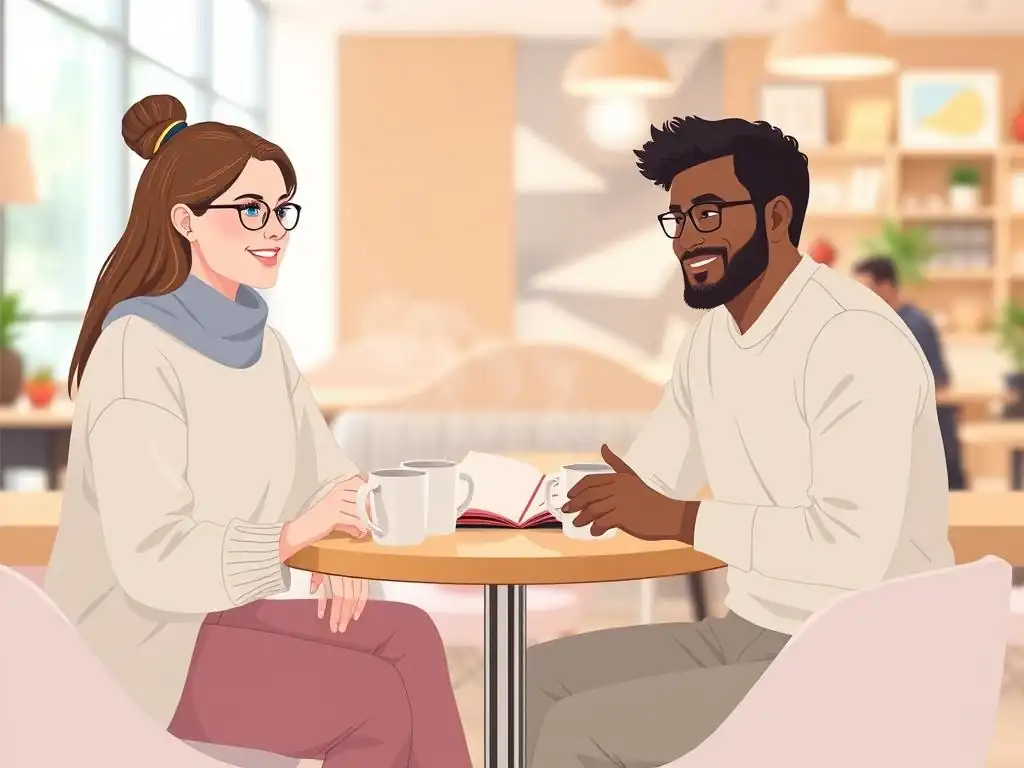
Building a strong support system is crucial for LGBTQ+ individuals navigating the world of online dating, especially when transitioning to offline interactions. Before meeting a match in person, share your plans with trusted friends, family members, or a support group. This includes details like the date, time, location, and your date's name and contact information. Consider sharing a photo of your date as well. This simple act significantly reduces risks. Think of it as a safety net; if something goes wrong, your support system knows where to find you and who you're with.
It's not just about informing someone; it's about establishing a check-in system. Agree on a time when you'll update them on your progress, and if they don't hear from you by a certain time, they know to take action. This proactive approach provides an added layer of security and peace of mind, allowing you to enjoy your date without excessive worry. Remember, there’s no shame in prioritizing your safety.
A strong support network is a testament to your self-awareness and responsible approach to dating. Choose individuals you trust implicitly and who will understand your concerns and act accordingly. Regularly updating your support system about your dating life, even for casual encounters, can significantly improve your safety. Openly discussing your concerns with your support network will also help you process your experiences and learn from them.
Recognizing and Responding to Unsafe Situations
Recognizing potentially unsafe situations is paramount for LGBTQ+ individuals engaging in offline dating. Red flags can manifest in various ways, from subtle inconsistencies in your date's profile or behavior to overt aggressive actions. Trust your instincts; if something feels off, it probably is. If your date consistently ignores your boundaries, pressures you into activities you're uncomfortable with, or exhibits controlling behavior, remove yourself from the situation immediately.
Remember that maintaining control over your personal information is a critical safety measure. Avoid sharing sensitive details like your home address or workplace until you’ve established a significant level of trust and comfort. Additionally, always meet in a public place for your first few encounters. Choose well-lit areas with ample foot traffic, and let your support system know the exact location.
During the date, maintain awareness of your surroundings and have a readily available escape plan. This could involve having a pre-arranged signal with your support system or keeping your phone charged and easily accessible. If you feel threatened or uncomfortable at any point, don't hesitate to leave, even if it means abruptly ending the date.
Your safety and well-being should always be your top priority. Remember, a successful date is one where you feel safe and respected. Prioritizing your safety doesn't diminish the potential for a positive experience; it enhances it.
Resources and Support: Where to Find Help and Further Information
Finding reliable support and resources is crucial for navigating the complexities of LGBTQ+ online dating safely. This section provides a starting point for accessing vital information and assistance. Remember, your safety and well-being are paramount. Don't hesitate to reach out for help if you need it.
LGBTQ+ Organizations Offering Online Dating Safety Resources
Many LGBTQ+ organizations offer resources and support specifically tailored to online dating safety concerns. These organizations often provide educational materials, workshops, and helplines staffed by trained professionals who understand the unique challenges faced by LGBTQ+ individuals in the online dating world. They can offer guidance on topics ranging from profile creation and communication strategies to handling harassment and reporting abuse. The types of resources vary, but commonly include:
- Educational materials: These can cover topics like creating safe profiles, recognizing red flags, and managing online interactions effectively. Some organizations provide downloadable guides or webinars on these topics.
- Support groups: Connecting with others who share similar experiences can be incredibly valuable. Support groups offer a safe space to discuss concerns, share strategies, and gain emotional support.
- Individual counseling: For those needing more personalized assistance, some organizations offer individual counseling sessions with trained professionals specializing in LGBTQ+ issues and online safety.
- Legal advice: In cases of harassment or abuse, access to legal advice can be crucial. Some organizations can connect individuals with legal professionals specializing in LGBTQ+ rights and online safety.
It's important to research organizations in your specific location to find those offering the most relevant and accessible support. Many national organizations also have local chapters or affiliate groups that can provide more localized assistance.
Reporting Mechanisms for Online Harassment and Abuse
Knowing how to report online harassment and abuse is essential for your safety and well-being. Several avenues exist for reporting incidents, depending on the platform where the harassment occurred. This includes:
- Reporting to the dating app or website: Most dating platforms have built-in reporting mechanisms. Familiarize yourself with their reporting processes, which usually involve flagging profiles or messages that violate their terms of service. Be sure to keep detailed records of the harassment, including screenshots and timestamps.
- Contacting law enforcement: If the harassment escalates to threats or illegal activity, contacting law enforcement is crucial. They can investigate the situation and take appropriate action.
- Reporting to social media platforms: If the harassment extends to other social media platforms, report the abuse to those platforms as well. Each platform has its own reporting procedures.
- Online safety organizations: Some organizations specialize in supporting victims of online harassment and can provide guidance on reporting and accessing legal assistance. They can also offer emotional support during a difficult time.
Remember to document all instances of harassment, including screenshots, dates, times, and any other relevant details. This documentation will be invaluable if you choose to report the incident to the appropriate authorities. Keep a safe copy of this information separate from your online accounts.
Apps and Tools for Enhancing Online Dating Safety
In addition to organizational support, several apps and tools can enhance your online dating safety. These tools offer additional layers of protection and can empower you to navigate the online dating world more confidently. Examples include:
- Privacy-focused apps: Some apps prioritize user privacy and offer features like end-to-end encryption for messages, helping to protect your sensitive information.
- Background check services: While not always foolproof, background check services can provide additional information about potential matches, allowing you to make more informed decisions about who you interact with. However, always be mindful of privacy laws and potential biases in such reports.
- Virtual private networks (VPNs): VPNs encrypt your internet connection, making it more difficult for others to track your online activity. This can be particularly useful if you're using public Wi-Fi while online dating.
- Safety apps: Several apps offer features like location sharing with trusted contacts, panic buttons, and other safety tools. These apps can provide an additional layer of security and peace of mind.
Remember that no single tool guarantees complete safety. A multi-layered approach combining awareness, careful communication, and the use of appropriate tools is the most effective strategy for enhancing your safety in LGBTQ+ online dating. Always prioritize your safety and well-being.
Navigating the world of online dating can be challenging for anyone, but LGBTQ+ individuals may face unique vulnerabilities and risks. Experiences like harassment, discrimination, doxing, or even violence stemming from online interactions can leave lasting emotional scars. If you've experienced trauma related to online dating, it's crucial to remember that you're not alone and that help is available. Seeking professional support is a sign of strength, not weakness.
Many therapists and counselors specialize in trauma and LGBTQ+ issues. They provide a safe and confidential space for you to process your experiences, understand the impact of the trauma, and develop healthy coping mechanisms. A therapist can help you unpack the complex emotions associated with online dating trauma, such as shame, guilt, anger, and fear. They can also equip you with strategies to manage triggers, rebuild trust, and reclaim your sense of safety and self-worth. Remember, the healing process takes time and patience, and professional guidance can significantly accelerate your journey towards recovery.
Finding the right therapist is a personal process. Some individuals prefer therapists who specifically identify as LGBTQ+, feeling more comfortable sharing their experiences with someone who understands the nuances of their identity. Others may find comfort in a therapist with extensive experience in trauma recovery, regardless of their identity. It's important to find a therapist you feel comfortable with and who creates a supportive, non-judgmental environment.
Many online directories and resources can help you locate therapists in your area who specialize in LGBTQ+ issues and trauma. Don't hesitate to reach out to several therapists before finding the right fit for your needs. Your mental health and well-being are paramount, and seeking professional help is a vital step towards healing and building a more positive future. Remember, healing is possible, and you deserve to feel safe and supported.
Frequently Asked Questions
How can I verify the authenticity of a profile on an LGBTQ+ dating app?
While no method is foolproof, look for profiles with multiple photos, showing the person in different settings. Check for mutual connections on other social media platforms. Be wary of profiles lacking personal details or those that seem too perfect.
What are some red flags to watch out for when online dating within the LGBTQ+ community?
Be cautious of profiles that are vague about their personal information or press for an immediate meeting. Avoid anyone who is overly aggressive, demanding, or disrespectful in their communication. Trust your gut; if something feels off, it probably is.
How can I protect my personal information while using LGBTQ+ dating apps?
Never share your full name, address, workplace, or other sensitive information with someone you haven't met in person and trust. Use a separate email address specifically for online dating. Be mindful of the photos you share; avoid anything that reveals too much about your location.
What should I do if I feel uncomfortable or unsafe after meeting someone from an LGBTQ+ dating app?
Trust your instincts. If a date makes you feel uneasy, end the date immediately. Let a friend or family member know your plans and location. Consider using a safety app that allows you to share your location in real time.
Where can I find additional resources for LGBTQ+ online dating safety?
Many organizations offer support and resources for LGBTQ+ individuals. Check out the websites of LGBTQ+ advocacy groups in your area or nationally. Look for online forums and communities where you can share experiences and learn from others.
Final Reflection: Weaving a Safer Tapestry of Connection
The digital age has revolutionized how we connect, but for the LGBTQ+ community, navigating online dating requires a heightened awareness of safety. This isn't just about avoiding scams; it's about fostering genuine connections while protecting one's mental and physical well-being in a world that hasn't always been welcoming. The vulnerability inherent in seeking love and companionship should never overshadow the right to feel safe and secure.
The ongoing struggle for LGBTQ+ equality underscores the importance of these safety strategies. The fight for acceptance and visibility is intertwined with the need for safe spaces, both offline and online. We are not free until we are all free.
This powerful statement resonates deeply when considering the unique challenges faced by LGBTQ+ individuals seeking love in the digital sphere. The potential for discrimination, harassment, and even violence necessitates a proactive approach to online safety, ensuring that the pursuit of connection doesn't come at the cost of personal well-being.
You, the reader, now hold the knowledge to build a safer online dating experience. Take the time to review the strategies discussed, personalize them to your comfort level, and remember that your safety is paramount. Don't hesitate to trust your instincts; if something feels off, it probably is. By prioritizing your well-being and utilizing the tools and knowledge at your disposal, you can weave a tapestry of connection that is both vibrant and secure. Embrace the journey of finding love, but always remember to do so safely and soundly.
Unlock Your Safe & Happy Online Dating Journey
Thanks for prioritizing your safety and well-being in the exciting world of online dating! We hope this article has provided you with valuable strategies to navigate the digital landscape confidently. Now, let's put that knowledge into practice.
- Prioritize your privacy: Carefully review your privacy settings on all your dating apps and social media platforms. This simple step significantly improves your online safety.
- Share your experiences: Share your online dating experiences, both positive and negative, in the comments below. Let's build a supportive community where we can learn from each other.
- Take control of your digital footprint: Consider creating a dedicated email address specifically for online dating to further enhance your privacy. This allows for better management of your online presence.
Ready to make online dating safer and more fulfilling? What small step will you take today to protect yourself and improve your dating experience?