
Spotting Fake Profiles: 7 Red Flags on Online Dating Apps

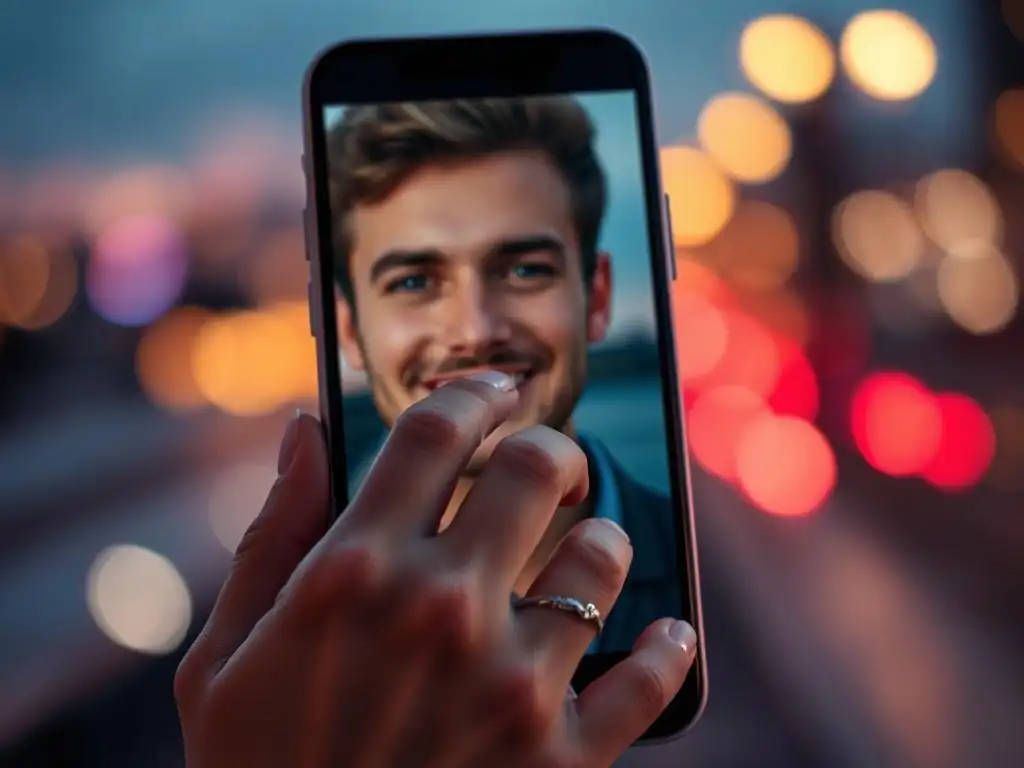
Ready to ditch the dating app disappointments and find genuine connection? At OnlineDatingSuccess.org, we empower you to navigate the world of online dating with confidence. But first, let's arm you with the knowledge to avoid potential pitfalls. This article dives deep into seven critical red flags that signal a fake dating profile – crucial information for anyone serious about building meaningful relationships. Discover how to spot deception and protect yourself, and start your journey to online dating success today!
- Recognizing Fake Dating Profile Red Flags: A Comprehensive Guide
-
7 Key Red Flags to Watch Out For in Online Dating Profiles
- Red Flag #1: Lack of Personal Photos or Low-Quality Images - Suspicious Profile Pictures
- Red Flag #2: Inconsistent Information Across Profile Sections - Contradictory Details in Dating Profiles
- Red Flag #3: Overly Perfect or Unrealistically Positive Profile Descriptions - Unrealistic Claims and Exaggerations
- Red Flag #4: Requests for Money or Financial Assistance Early On - Financial Scams and Extortion Attempts
- Red Flag #5: Avoidance of Video Calls or In-Person Meetings - Refusal to Connect Beyond Text
- Red Flag #6: Grammar and Spelling Errors Throughout the Profile - Poorly Written Profiles and Suspicious Language
- Red Flag #7: Profile Uses Stock Photos or Generic Images - Identifying Stock Photos Used in Dating Profiles
- How to Report Suspicious Profiles and Stay Safe Online
- Beyond the Red Flags: Building a Safe and Successful Online Dating Experience
- Frequently Asked Questions
- Final Reflection: Navigating the Digital Dating Landscape
- Unmask the Truth: Take Control of Your Online Dating Safety
Recognizing Fake Dating Profile Red Flags: A Comprehensive Guide
Navigating the world of online dating can be exciting, but it also presents unique challenges. One of the biggest concerns for users is encountering fake profiles – accounts created with malicious intent, often to scam or defraud unsuspecting individuals. This comprehensive guide will equip you with the knowledge to identify seven key red flags that signal a potentially fake dating profile, helping you stay safe and focus your energy on genuine connections.
We'll explore the tactics used by scammers and provide practical tips to protect yourself from becoming a victim. Understanding these red flags is crucial for building a positive and secure online dating experience, allowing you to confidently connect with authentic individuals and avoid potentially harmful interactions. Protecting yourself online is paramount, and this guide will empower you to do just that.
Identifying Fake Profiles: The Importance of Vigilance on Dating Sites
The rise of online dating has unfortunately led to a corresponding increase in fraudulent profiles. Scammers employ various techniques to create convincing fake profiles, often investing significant time and effort in crafting detailed personas. Their motivations range from financial scams to identity theft and emotional manipulation. Vigilance is your first line of defense.
By carefully scrutinizing profiles and remaining cautious throughout the initial stages of communication, you significantly reduce your risk of encountering a fake profile. Remember, trust should be earned, not assumed, especially in the online dating world. A healthy dose of skepticism can save you from considerable heartache and potential harm.
Don't hesitate to report suspicious profiles to the dating platform; they often have robust systems in place to detect and remove fraudulent accounts. Your safety and the safety of other users depend on it. Many dating sites actively work to combat this issue, but individual vigilance remains essential.
Understanding the Tactics of Online Dating Scammers
Online dating scammers use a variety of deceptive tactics to lure victims. Their methods often involve creating elaborate backstories, using stolen photographs, and employing manipulative communication strategies. They may present themselves as incredibly charming and attentive, quickly building a sense of trust and intimacy. This "love bombing" technique is designed to overwhelm you and make you less likely to question their authenticity. They may also claim to be living abroad, working overseas, or facing some personal crisis requiring financial assistance.
These scenarios are frequently used to justify requests for money or personal information. Understanding these tactics is crucial in spotting potential red flags and protecting yourself from these sophisticated schemes. Remember that genuine connections develop organically over time; if something seems too good to be true, it probably is. Always err on the side of caution and never rush into a relationship.
7 Key Red Flags to Watch Out For in Online Dating Profiles

This section details seven crucial red flags that signal a potentially fake dating profile. Remember, your safety and well-being are paramount. Being vigilant and cautious is key to avoiding scams and finding genuine connections. Learning to identify these "Fake dating profile red flags" will significantly improve your online dating experience.
Red Flag #1: Lack of Personal Photos or Low-Quality Images - Suspicious Profile Pictures
A profile lacking personal photos, or featuring only low-quality, blurry, or overly edited images, is a major red flag. Legitimate daters usually want to showcase themselves authentically. Consider these points:
- Missing Photos: A complete absence of photos raises immediate suspicion. It's highly unusual for someone genuinely seeking a connection to avoid showing their face. This could indicate an attempt to hide their identity or use stolen photos.
- Stock Photos: Be wary of profiles using generic stock photos. These are easily accessible online and are a clear sign the profile is likely fake. A quick reverse image search can often confirm this.
- Excessive Filters or Editing: While some photo editing is common, excessively filtered or heavily edited images can mask a person's true appearance. This could signify an attempt to create a false impression. Look for inconsistencies in lighting or skin tone across multiple photos.
- Only Distant or Obscured Photos: Photos that only show a person from far away, or where their face is consistently obscured, are another cause for concern. This suggests a deliberate attempt to avoid identification.
Remember, a genuine profile will usually feature a variety of photos showcasing the person in different settings and situations. The absence of this variety should trigger your caution.
Red Flag #2: Inconsistent Information Across Profile Sections - Contradictory Details in Dating Profiles
Inconsistencies in the information provided across different sections of a profile are a significant warning sign. Pay close attention to details and look for contradictions. For example:
- Age Discrepancies: Check if the stated age matches the age suggested by the photos or other information provided. A significant discrepancy could indicate a deliberate attempt to misrepresent their age.
- Location Conflicts: Does the stated location align with the location mentioned in other profile sections or implied by their photos? Inconsistencies here could be a sign of deception.
- Conflicting Interests: Carefully review the stated interests and hobbies. Do they make sense together? Are there any jarring contradictions that raise doubts about the profile's authenticity? For instance, claiming to love hiking and also saying they are afraid of the outdoors would be a significant inconsistency.
- Biographical Inconsistencies: Look for gaps or contradictions in their written biography. Do their claims about their job, education, or family life align with each other? A well-crafted fake profile will often have inconsistencies that slip through.
Thoroughly examining these details can help you identify profiles that are likely fabricated or misleading.
Red Flag #3: Overly Perfect or Unrealistically Positive Profile Descriptions - Unrealistic Claims and Exaggerations
Be wary of profiles that present an overly perfect or unrealistic image. Genuine people have flaws and imperfections; a profile that is too positive might be hiding something. Consider these points:
- Excessive Bragging: Profiles that boast excessively about achievements, wealth, or physical attributes should raise suspicion. Authentic profiles tend to be more modest and balanced.
- Unrealistic Expectations: Pay attention to the language used to describe their ideal partner. Unrealistic expectations or overly demanding criteria could be a red flag. For example, demanding a specific height, weight, and income level suggests a lack of genuine interest in connecting with people for who they are.
- Lack of Self-Deprecation: Everyone has flaws. A profile that is entirely devoid of any mention of imperfections or self-awareness could be a sign of fabrication.
- Vague or Generic Descriptions: Be wary of profiles with vague or generic descriptions that lack specific details. This suggests a lack of effort and could indicate a template or copied profile.
Remember, online dating is about finding genuine connections. By carefully examining these red flags, you can significantly reduce your risk of encountering fake profiles and increase your chances of finding a meaningful relationship. Trust your instincts – if something feels off, it probably is.
Red Flag #4: Requests for Money or Financial Assistance Early On - Financial Scams and Extortion Attempts
This is perhaps one of the most blatant and dangerous red flags indicating a fake profile. Legitimate users are not typically looking for financial handouts within days or even weeks of starting a conversation. Requests for money, whether disguised as an emergency, an investment opportunity, or simply a plea for help, should be treated with extreme caution. These requests often escalate, with the scammer gradually increasing their demands. They may start small, perhaps asking for help with a "stranded relative's" travel expenses, and then increase their requests significantly over time. Remember, genuine connections are built on mutual respect and understanding, not financial transactions. If someone you've just met online asks for money, it's almost certainly a scam. Always err on the side of caution; your financial well-being is paramount. Report such profiles immediately to the dating app's support team. The emotional manipulation tactics employed by these scammers can be incredibly effective, so trust your instincts. If something feels off, it likely is. Protecting yourself from financial loss is crucial in the online dating world. Never send money to someone you've only met online, no matter how compelling their story may seem. There are many resources available to help you understand and avoid financial scams.
Red Flag #5: Avoidance of Video Calls or In-Person Meetings - Refusal to Connect Beyond Text
While some initial shyness is understandable, a persistent refusal to move beyond text-based communication should raise significant concerns. A scammer will often avoid video calls or in-person meetings to conceal their true identity. They might offer a variety of excuses, from claiming to have a poor internet connection to stating they are shy or uncomfortable with video chats. However, these are often just delaying tactics. Genuine users, on the other hand, are generally happy to connect through video calls or suggest meeting in person once they feel comfortable.
This is a key element of building trust and establishing a real connection. A video call allows you to see the person's face, verify their identity, and get a better sense of their personality. This can help greatly in determining authenticity. Insist on a video call or a safe, public meeting location at your convenience.
Don't feel pressured to accommodate their excuses. Their reluctance should be a major warning sign that you are interacting with a fake profile. Prioritizing your safety and well-being is crucial; don't let anyone rush you into a relationship before you're ready. Remember, a genuine connection shouldn't require hiding behind a screen.
Red Flag #6: Grammar and Spelling Errors Throughout the Profile - Poorly Written Profiles and Suspicious Language
While not always a definitive indicator, a profile riddled with grammatical errors and spelling mistakes can be a significant red flag. This isn't to say that everyone needs to be a grammar expert, but a consistently poorly written profile can suggest the profile is fake or created hastily. Furthermore, pay close attention to the language used. Does it seem overly generic, overly romantic, or unusually formal? Scammers often use canned messages or copy-pasted text, leading to inconsistencies and unnatural phrasing.
Pay attention to unusual sentence structures or repeated phrases. A genuine profile will usually reflect the writer's individual personality and style. Compare the profile's writing quality to their messages; any significant differences can be a warning sign. Look for inconsistencies between their written communication and the information provided in their profile.
If something seems off, it's better to be cautious. Trust your intuition; if the writing style seems suspicious or unprofessional, it might be worth investigating further before engaging. Remember, attention to detail can be crucial in identifying fake profiles. A well-crafted profile usually reflects the effort and care of a genuine user.
Red Flag #7: Profile Uses Stock Photos or Generic Images - Identifying Stock Photos Used in Dating Profiles
One of the most common giveaways of a fake dating profile is the use of stock photos or generic images. These are often professionally taken pictures that lack the candid, slightly imperfect quality of real-life photographs. Authentic profiles usually feature a mix of images showing the person in various settings and situations, reflecting their personality and daily life. Conversely, a fake profile might showcase only one or two highly polished images, often featuring a model-like individual. This lack of diversity and the overly perfect nature of the photos should raise a red flag.
Identifying these stock photos can be tricky, but there are some telltale signs. Look for images that appear too perfect, with flawless lighting, posing, and backgrounds. Reverse image searching is a powerful tool; use a search engine like Google Images or TinEye to upload the image from the profile and see where else it appears online. If the same image pops up on multiple stock photo websites or in unrelated contexts, it's almost certainly a stock photo being used deceptively. Another clue is the lack of personal context within the image.
A genuine profile might show someone at a favorite coffee shop, hiking in a familiar trail, or at a family gathering; a fake profile using stock photos often lacks this specific personalization. The background might be generic and unidentifiable, further reinforcing the suspicion. Be wary of profiles where the photos seem too good to be true – that polished perfection can be a major indicator of a fake profile attempting to lure you in. Remember, authenticity shines through in the imperfections of real-life photos.
Pay close attention to the details – a slightly crooked smile, a messy hairstyle, or a candid moment are all signs of a genuine profile. The absence of such details should be cause for caution. Always prioritize profiles that showcase a variety of natural-looking pictures over those that feature only flawless, generic images. This is a crucial aspect of identifying fake dating profile red flags.
How to Report Suspicious Profiles and Stay Safe Online
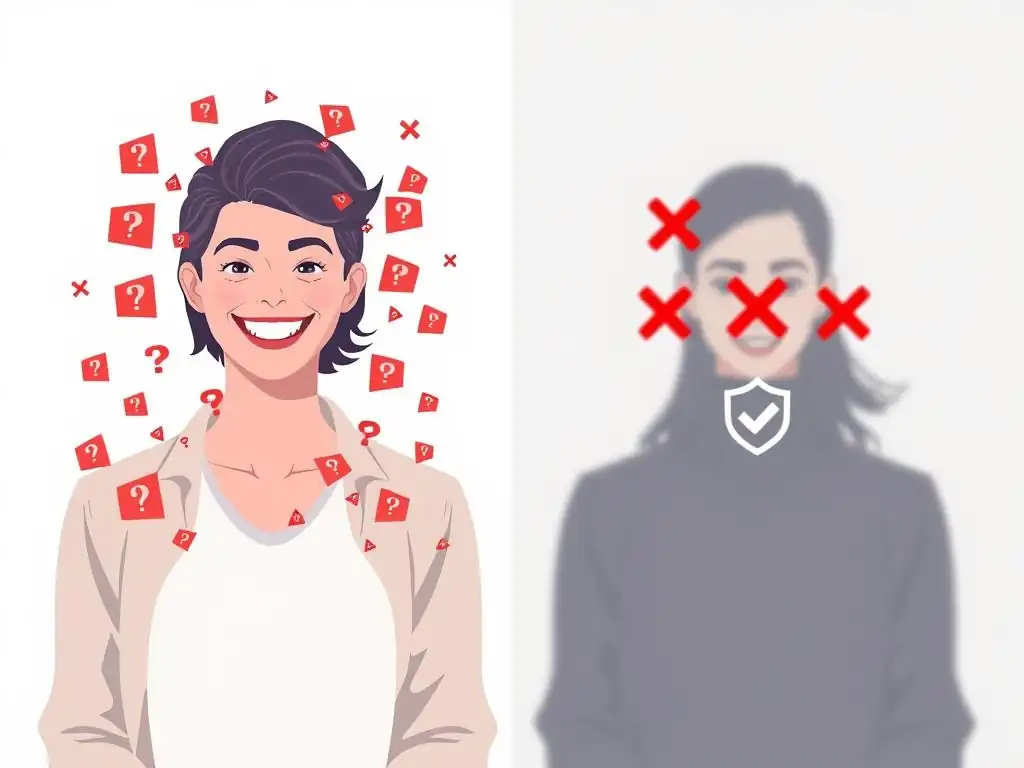
This section focuses on proactive measures you can take to protect yourself and contribute to a safer online dating environment. Identifying a fake profile is only half the battle; knowing how to report it and implementing robust safety practices is crucial. Remember, your safety is paramount.
Reporting Fake Profiles on Popular Dating Apps
Reporting suspicious profiles is vital in combating the spread of fake accounts. Most dating apps provide clear reporting mechanisms. These usually involve flagging the profile and providing a reason for your report. Reasons may include:
- Suspiciously generic profile: Lack of detail, blurry or stolen photos, and inconsistent information are common giveaways.
- Requests for money or financial assistance: This is a major red flag indicative of a scam.
- Unusual communication patterns: Avoidance of video calls, overly persistent messaging, or sudden shifts in conversation are warning signs.
- Inconsistent information: Check for inconsistencies in their profile information, such as age, location, or profession.
- Too good to be true: Be wary of profiles that seem too perfect or boast unrealistic accomplishments. Remember, everyone has flaws!
The process varies slightly depending on the app. For example, on App A, you typically find a three-dot menu next to the profile, selecting "Report" and choosing a category for the violation. App B, conversely, might have a dedicated "Report" button within the chat interface. Always read the app's help section for detailed instructions on how to report suspicious activity.
Documenting your interactions (screenshots of messages, etc.) can be helpful for your report and can provide additional evidence for the platform's investigation. Remember, reporting doesn't guarantee immediate action, but it contributes significantly to creating a safer environment for everyone. Many apps employ sophisticated algorithms to detect and remove fake profiles based on reported user activity.
Protecting Yourself From Online Dating Scams: Safety Tips and Best Practices
Beyond reporting, proactive measures are essential for personal safety. Here are some critical best practices to follow:
- Verify Information: Don't solely rely on information provided in the profile. Do a reverse image search on their photos using Google Images to see if the images appear elsewhere online. Try to corroborate their claims using publicly available information. A quick Google search of their job title or company might reveal inconsistencies.
- Video Calls Early On: Suggest a video call relatively early in the communication process. This is a simple but effective way to verify the person's identity and appearance. A refusal to video chat should raise immediate red flags.
- Never Send Money: No legitimate person will ask you for money online, especially early in a relationship. Any request for financial assistance should be treated as a scam.
- Meet in Public Places: When meeting in person, always choose a well-lit, public location. Inform a friend or family member of your plans, including the time, location, and the person's name and contact information.
- Trust Your Instincts: If something feels off, it probably is. Don't hesitate to end communication if you feel uncomfortable or suspicious. Your intuition is a powerful tool.
| Safety Measure | Description | Effectiveness |
|---|---|---|
| Reverse Image Search | Verify profile photos aren't stolen. | High |
| Video Calls | Confirm identity and appearance. | High |
| Avoiding Financial Requests | Never send money to someone you've met online. | Crucial |
| Public Meeting Locations | Choose safe, well-lit public spaces for in-person meetings. | High |
| Trusting Your Gut Feeling | Don't ignore warning signs; end communication if something feels wrong. | Crucial |
| Reporting Suspicious Profiles | Use the app's reporting features to flag fake or inappropriate profiles. | Moderate |
By combining vigilance, proactive safety measures, and effective reporting, you can significantly reduce your risk of encountering fake profiles and enhance your overall online dating experience. Remember, a safer online dating environment benefits everyone. 🕵️♀️
Beyond the Red Flags: Building a Safe and Successful Online Dating Experience

This section moves beyond simply identifying fake profiles to proactively building a safer and more successful online dating experience. While recognizing red flags is crucial, proactive measures significantly reduce your vulnerability to scams and increase your chances of finding genuine connections. This involves creating an authentic profile, communicating effectively, and building trust gradually. Remember, your safety and well-being are paramount in the online dating world. Let's delve into strategies that empower you to navigate this space confidently.
Creating an Authentic Dating Profile to Attract Genuine Matches
Authenticity is key to attracting genuine matches. Fake profiles often rely on generic, idealized images and vague descriptions. Conversely, a genuine profile showcases your unique personality and interests. Think of it as your online first impression – make it count!
Consider these tips for crafting a compelling and honest profile:
- High-Quality Photos: Use recent, well-lit photos that accurately reflect your appearance. Avoid heavily filtered or misleading images. Include a variety of shots showing different aspects of your life and personality. A candid smile goes a long way! 😊
- Detailed and Honest Bio: Write a bio that's specific and engaging, highlighting your passions, hobbies, and what you're looking for in a partner. Avoid clichés and generic statements. For example, instead of writing "I love to travel," describe a memorable trip and what you enjoyed about it.
- Be Specific About Your Interests: Instead of simply stating "I like movies," mention your favorite genres or directors. This allows for more meaningful conversations and helps attract people with similar tastes.
- Showcase Your Personality: Let your personality shine through! Use humor, wit, and genuine enthusiasm in your writing. This will make your profile more memorable and attractive.
- Proofread Carefully: Typos and grammatical errors can create a negative impression. Always proofread your profile before publishing it.
By creating an authentic profile that reflects your true self, you attract people who appreciate you for who you are, significantly reducing your chances of encountering fake profiles seeking to deceive you.
Effective Communication Strategies to Spot Potential Scammers
Even with a carefully crafted profile, effective communication is vital in identifying potential scammers. Scammers often employ manipulative tactics, so learning to recognize these patterns is crucial for your safety.
Here are some communication strategies to help you spot potential red flags:
- Slow and Steady: Don't rush into deep conversations or sharing personal information too quickly. Building trust takes time.
- Be Observant: Pay attention to inconsistencies in their stories or responses. Do their words match their profile? Are they evasive when you ask specific questions?
- Ask Open-Ended Questions: Encourage them to elaborate on their answers. Vague responses can be a sign of deception.
- Video Calls: Suggest a video call early in the process. This is an effective way to verify their identity and assess their authenticity. Many scammers will avoid video calls.
- Beware of Excessive Compliments: Over-the-top flattery can be a red flag. Genuine connection involves mutual respect and appreciation, not overwhelming praise.
- Don't Share Financial Information: Never share your bank details, credit card information, or other sensitive financial data with someone you've only met online.
Building Trust and Avoiding Online Dating Risks
Building trust is a gradual process. It requires careful observation, open communication, and a healthy dose of skepticism. Never feel pressured to share information you're uncomfortable with.
Here's how to build trust safely:
- Verify Information: If something seems too good to be true, it probably is. Do some research to verify their claims.
- Meet in Public: When you decide to meet in person, always choose a public place for your first meeting. Let a friend or family member know where you're going and when you expect to be back.
- Trust Your Instincts: If something feels off, don't ignore your gut feeling. It's always better to err on the side of caution.
- Report Suspicious Activity: If you encounter a fake profile or suspect someone is trying to scam you, report it to the dating app immediately.
By combining awareness of fake profile red flags with proactive strategies for building trust and communicating effectively, you can create a much safer and more rewarding online dating experience. Remember, prioritizing your safety and well-being is crucial. Enjoy the journey of finding meaningful connections!
Frequently Asked Questions
How can I spot a fake profile on a dating app?
Look for inconsistencies in photos, lack of personal details, or overly perfect profiles. Be wary of profiles with limited or generic information. Reverse image search photos to check for duplication across different profiles.
What are some common red flags in dating app photos?
Photos that are too professional or heavily filtered, a lack of variety in photos, or the use of stock photos are all major red flags. Also be suspicious of profiles with only one or two pictures.
What should I do if I suspect someone has a fake profile?
Do not share personal information. Report the profile to the dating app immediately using their reporting mechanism. Block the user to prevent further contact.
How can I tell if someone is catfishing me on a dating app?
Catfishing involves using fake photos and a false identity. Look for inconsistencies in their story, a reluctance to video chat, or a request for money. Slow down communication and verify details independently.
Are there any specific phrases or requests I should watch out for?
Be wary of overly romantic or flattering language early on. Requests for money or financial assistance are a major red flag. Avoid sharing personal details until you've met in person and verified their identity.
The rise of online dating has fundamentally altered how we connect, but with this convenience comes a crucial need for vigilance. The proliferation of fake profiles isn't just a minor inconvenience; it's a threat to genuine connection and personal safety. Understanding the red flags detailed in this article is no longer optional—it's essential for navigating the digital dating world responsibly.
The impact of fake profiles extends far beyond the immediate frustration of wasted time and emotional investment. These deceptive profiles contribute to a climate of distrust, making it harder for genuine individuals to find authentic connections. As we increasingly rely on digital platforms for social interaction, the ability to discern truth from fabrication becomes paramount. The internet is a powerful tool, but it's also a mirror reflecting both the best and worst of humanity.
This quote underscores the importance of critical thinking and cautious engagement in online spaces.
You, the reader, now hold the power to protect yourself. Take the time to carefully examine profiles, trust your instincts, and remember that genuine connection requires transparency and authenticity. Don't let the fear of encountering fake profiles deter you from seeking meaningful relationships, but rather, equip yourself with the knowledge to navigate the digital dating landscape safely and confidently. Embrace the opportunity to build genuine connections, free from the shadows of deception.
Unmask the Truth: Take Control of Your Online Dating Safety
Thanks for joining us to learn about online dating safety! You've gained valuable knowledge to identify fake profiles. Now let's put that knowledge to work!
- Review your dating profiles immediately: Identify and adjust any potentially problematic information you've learned to recognize. This is crucial.
- Share this article: Help your friends protect themselves from harmful encounters. Spread the word and encourage conversations about safe dating practices.
- Actively verify information: Don't rely solely on profiles. Independently confirm details shared by potential matches before meeting in person.
Ready to confidently and safely navigate the world of online dating? What's one specific warning sign you'll now be more aware of?