
Privacy First: Smart Strategies for Sharing Information Safely Online

Dive into the world of online dating with confidence! At OnlineDatingSuccess.org, we empower you to navigate the digital dating scene with smarts and success. But before you swipe right, discover crucial online dating safety tips that will protect your privacy and help you build genuine connections. Our guide, "Privacy First: Smart Strategies for Sharing Information Safely Online," unveils essential strategies for a secure and fulfilling online dating experience. Ready to unlock your dating potential safely? Let's begin!
- Protecting Your Personal Information in Online Dating: Essential Online Dating Safety Tips
- Recognizing and Avoiding Online Dating Scams: Red Flags and Safety Precautions
- Building Trust Safely: Balancing Honesty and Privacy in Online Dating
- Managing Your Online Presence: Safeguarding Your Digital Footprint
- Staying Safe on Dating Apps: Best Practices for Mobile Dating
- Offline Safety Measures: Protecting Yourself During In-Person Meetings
- Frequently Asked Questions
- Final Reflection: Navigating the Digital Landscape of Love and Trust
- Unlock Your Digital Privacy: Take Control of Your Online Safety
Protecting Your Personal Information in Online Dating: Essential Online Dating Safety Tips
Navigating the world of online dating requires a delicate balance: presenting yourself authentically while safeguarding your personal information. This article delves into crucial online dating safety tips, focusing on practical strategies to maintain your privacy without compromising your chances of finding a meaningful connection. We'll explore how to strategically share information, secure your digital footprint, and communicate effectively while prioritizing your safety and well-being. Understanding these online dating privacy settings and communication strategies is paramount for a positive and secure online dating experience.
This guide provides essential knowledge for anyone looking to build genuine connections while mitigating potential risks associated with sharing personal data online. The goal is to empower you to take control of your digital privacy and build confidence in your online dating journey. Remember, a successful online dating experience is built on trust and respect, starting with protecting yourself.
Limiting Personal Data on Dating Profiles: Online Dating Privacy Settings
Creating a compelling dating profile involves showcasing your personality and interests. However, revealing too much personal information can expose you to unnecessary risks. The key is to strike a balance between providing enough detail to attract potential matches and safeguarding your privacy. Consider these strategies:
- Omit Specific Location Details: Instead of stating your exact address or workplace, consider mentioning your general neighborhood or city. Avoid providing information that could easily be used to locate your home or place of employment.
- Careful with Phone Numbers and Email Addresses: Many platforms offer in-app messaging systems. Utilize these features as much as possible before exchanging personal contact details. If you do decide to share your phone number or email, only do so after you've built some trust with a potential match.
- Use Privacy Settings: Familiarize yourself with the privacy settings of your chosen dating platform. Most platforms allow you to control who can see your profile, message you, and access your personal information. Take advantage of these settings to limit exposure to unwanted attention.
- Avoid Sharing Personally Identifiable Information (PII): This includes your full name, birthday, social security number, driver's license number, and financial information. Never share this type of information with anyone you meet online, even if you feel you know them well.
- Review Your Profile Regularly: Check your profile periodically to ensure that you haven't inadvertently revealed too much information. Make adjustments as needed to maintain your desired level of privacy.
Remember, less is often more when it comes to sharing personal information online. A little mystery can actually enhance your profile's appeal!
Securing Your Photos: Protecting Your Image Online
Your profile photos are a crucial element of your online dating presence. However, using photos carelessly can compromise your safety. Here's how to protect your image:
- Avoid Revealing Photos: Refrain from posting photos that show your home address, workplace, or other identifying landmarks. This could help someone easily locate you in the real world.
- Use Recent Photos: Outdated photos can misrepresent your current appearance, leading to misunderstandings and potential safety issues.
- Be Mindful of Backgrounds: Pay close attention to the background of your photos. Avoid revealing too much about your surroundings.
- Reverse Image Search: Before posting a photo, consider doing a reverse image search to ensure it hasn't been used elsewhere online without your consent. This can help prevent identity theft or catfishing.
- Consider Using a Pseudonym: Some people prefer to use a pseudonym or a slightly altered version of their name online to enhance their privacy.
Avoiding Oversharing: Safe Communication Strategies for Online Dating
Once you start communicating with potential matches, it's essential to practice safe communication habits. Avoid revealing sensitive personal information too early in the conversation. Here are some key strategies:
- Start with General Topics: Begin conversations with general topics to get to know each other before delving into more personal details.
- Be Wary of Intense Early Connections: Be cautious of individuals who seem overly eager to share deeply personal information or push you to do the same too quickly.
- Verify Information: If someone shares something seemingly significant, try to verify the information through other means. This can be especially important when discussing employment, family, or financial matters.
- Trust Your Instincts: If something feels off or makes you uncomfortable, don't hesitate to end the conversation. Your safety and well-being are paramount.
- Meet in Public Places: When you decide to meet in person, always choose a public, well-lit location. Let a friend or family member know where you're going and when you expect to be back.
By following these online dating safety tips, you can significantly reduce your risks while still enjoying the benefits of online dating. Remember, protecting your privacy is a continuous process, requiring vigilance and awareness. Prioritizing your safety allows you to focus on building genuine connections and finding lasting happiness.
Recognizing and Avoiding Online Dating Scams: Red Flags and Safety Precautions
Online dating safety tips are crucial for navigating the digital landscape of romance. Understanding how to spot and avoid scams is paramount to protecting yourself from potential harm. This section details common red flags and preventative measures. Remember, your safety and well-being are the top priority.
Identifying Potential Scammers: Recognizing Warning Signs in Online Dating
Scammers often employ manipulative tactics to gain your trust and exploit your vulnerabilities. Learning to recognize these warning signs is your first line of defense. Some common red flags include:
- Inconsistent profiles: Notice discrepancies in their profile information, such as blurry photos, lack of personal details, or inconsistencies between what they write and their pictures. A scammer might reuse photos from stock images or other profiles.
- Overly fast progression: Be wary of individuals who profess deep feelings or want to move the relationship forward too quickly. Genuine connections take time to develop. 🚩
- Pressure for personal information: Legitimate daters won't pressure you to share sensitive details like your full address, social security number, or bank account information early in the relationship.
- Requests for financial assistance: This is a major red flag. Scammers often fabricate emergencies or sob stories to elicit money or gifts. 💰 Never send money to someone you've only met online.
- Lack of video calls: If someone consistently avoids video calls or makes excuses for not being able to connect visually, it could be a sign they are hiding their true identity.
- Grammar and spelling errors: While not always indicative of a scam, frequent grammatical errors or poor spelling can suggest a lack of authenticity.
- Suspicious links or attachments: Never click on links or open attachments from unknown senders, as these could contain malware or viruses.
Remember, trust your instincts. If something feels off, it probably is. Don't hesitate to end communication if you suspect foul play. Prioritizing your safety is essential in the world of online dating.
Protecting Yourself from Online Dating Fraud: Preventing Financial and Emotional Harm
Preventing online dating fraud requires a proactive approach. Here are some critical steps you can take to minimize your risk:
- Verify profiles: Use reverse image search tools to check if their profile pictures are genuine and haven't been stolen from elsewhere. Look for inconsistencies in their information across different platforms.
- Communicate cautiously: Avoid sharing personal details too early in the relationship. Start with public communication platforms and gradually move to more private channels only when you feel comfortable and have verified their identity.
- Never send money: No legitimate person will ask you for money, regardless of the circumstances. This is a clear indicator of a scam.
- Meet in public places: When you decide to meet in person, always choose a well-lit, public location. Let a friend or family member know where you're going and who you're meeting.
- Trust your intuition: If something feels wrong, don't ignore it. Your gut feeling is often a valuable tool for identifying potential danger.
- Report suspicious activity: If you encounter suspicious behavior or believe you've been scammed, report it to the dating platform and the relevant authorities.
Protecting yourself emotionally is just as important as protecting yourself financially. Remember that building a genuine connection takes time and patience. Don't rush into anything, and always prioritize your well-being.
Reporting Suspicious Activity: Online Dating Safety Protocols
Reporting suspicious activity is crucial for helping to protect others from potential harm. If you encounter a scammer or suspect fraudulent behavior, follow these steps:
- Report to the dating platform: Most online dating platforms have reporting mechanisms to flag suspicious profiles or activity. Utilize these tools and provide as much detail as possible.
- Block and delete: Block the user and delete all communication. This prevents further contact and protects your privacy.
- Report to law enforcement: If you have experienced financial or emotional harm, contact your local law enforcement agency to file a report. They can investigate the matter and potentially help recover losses.
- Document everything: Keep records of all communications, including screenshots, transaction details, and any other relevant information. This evidence will be helpful in your reporting efforts.
By following these online dating safety tips and reporting suspicious activity promptly, you contribute to a safer online dating environment for everyone. Remember, staying vigilant and informed is key to protecting yourself and others from online dating scams. Your safety is paramount, and taking proactive steps is crucial for a positive and secure online dating experience.
Building Trust Safely: Balancing Honesty and Privacy in Online Dating
Building trust is paramount in online dating, but it's crucial to do so safely. The goal is to create genuine connections while protecting your personal information. This delicate balance requires a strategic approach, combining honesty with carefully measured disclosure of personal details. Many successful daters understand this principle and use it to build strong, secure relationships online. This section explores practical strategies to navigate this complex landscape and foster trust without compromising your safety. Remember, online dating safety tips are not just about avoiding scams; they're about building healthy relationships based on mutual respect and transparency.
The key to safe online dating is to reveal information gradually. Avoid oversharing early in the interaction. Start with general details about your interests, hobbies, and career aspirations. This allows you to gauge the other person's interest and compatibility without immediately revealing sensitive personal information. Think of it as a layered approach:
- Layer 1 (Initial Contact): General interests, hobbies, and profession. Avoid specifics like your exact address or workplace.
- Layer 2 (After a Few Messages): More personal details, such as your family background (general overview only), travel experiences, or favorite books/movies. Still avoid overly specific personal information.
- Layer 3 (Video Call): Once you've established a comfortable level of trust through text-based communication, a video call can help verify identity and build rapport. This is a good time to share slightly more personal details, but still exercise caution.
- Layer 4 (In-Person Meeting): Reserve highly personal information for in-person meetings, after you've taken steps to verify the other person's identity and feel confident in their authenticity.
This measured approach allows you to assess the other person's character and intentions before divulging sensitive information. Remember, rushing this process can put you at risk. Patience and caution are vital components of online dating safety tips. Take your time, enjoy the process of getting to know someone, and prioritize your safety above all else. Don't feel pressured to share more than you're comfortable with, at any stage.
Verifying Information: Strategies for Ensuring Online Dating Authenticity
While honesty is important, verifying the information shared by potential partners is equally crucial. Don't solely rely on what someone tells you online. Utilize available resources and strategies to confirm their authenticity. This proactive approach is a cornerstone of effective online dating safety tips. Here are some strategies:
- Reverse Image Search: Use a reverse image search engine (like Google Images) to check if the profile pictures are genuine and haven't been stolen from elsewhere.
- Social Media Checks: If they provide social media links, discreetly check their profiles for consistency with the information they've shared on the dating platform. Look for red flags like inconsistencies or limited information.
- Video Calls: As mentioned earlier, video calls are an excellent way to verify identity and build trust. Pay attention to inconsistencies between their online profile and their appearance on the call.
- Background Checks (Optional): For serious relationships, consider a professional background check. This is an extreme step, but it might be worth it in certain situations.
Remember, verifying information doesn't mean being suspicious; it's about being smart and safe. This proactive approach demonstrates care for your well-being and helps build healthier, more trustworthy relationships. Many scams rely on the victim's trust and lack of verification. Don't become a victim; utilize these online dating safety tips.
Setting Boundaries: Defining Personal Limits in Online Dating Interactions
Setting clear boundaries is essential for maintaining your safety and well-being in online dating. These boundaries should encompass various aspects of your interactions, from the information you share to the level of intimacy you allow. Communicating these boundaries clearly and assertively is a key component of online dating safety tips.
- Time Boundaries: Set limits on how much time you spend communicating with someone online before meeting in person. Avoid excessive communication before verifying their identity and building a certain level of trust.
- Information Boundaries: Be clear about what personal information you're willing to share and when. Don't feel pressured to disclose anything you're not comfortable with.
- Location Boundaries: Avoid revealing your exact location until you've met in person and feel comfortable. Suggest meeting in public places for initial encounters.
- Physical Boundaries: Establish your comfort levels regarding physical intimacy and communicate them clearly. Never feel obligated to do anything you don't want to do.
Remember, healthy relationships are built on mutual respect and clear communication. Setting boundaries is not being unfriendly; it's about prioritizing your safety and well-being. By establishing these limits, you create a safer and more positive online dating experience. These online dating safety tips are not just about avoiding danger; they are about creating healthy, respectful relationships built on trust and mutual understanding.
Managing Your Online Presence: Safeguarding Your Digital Footprint
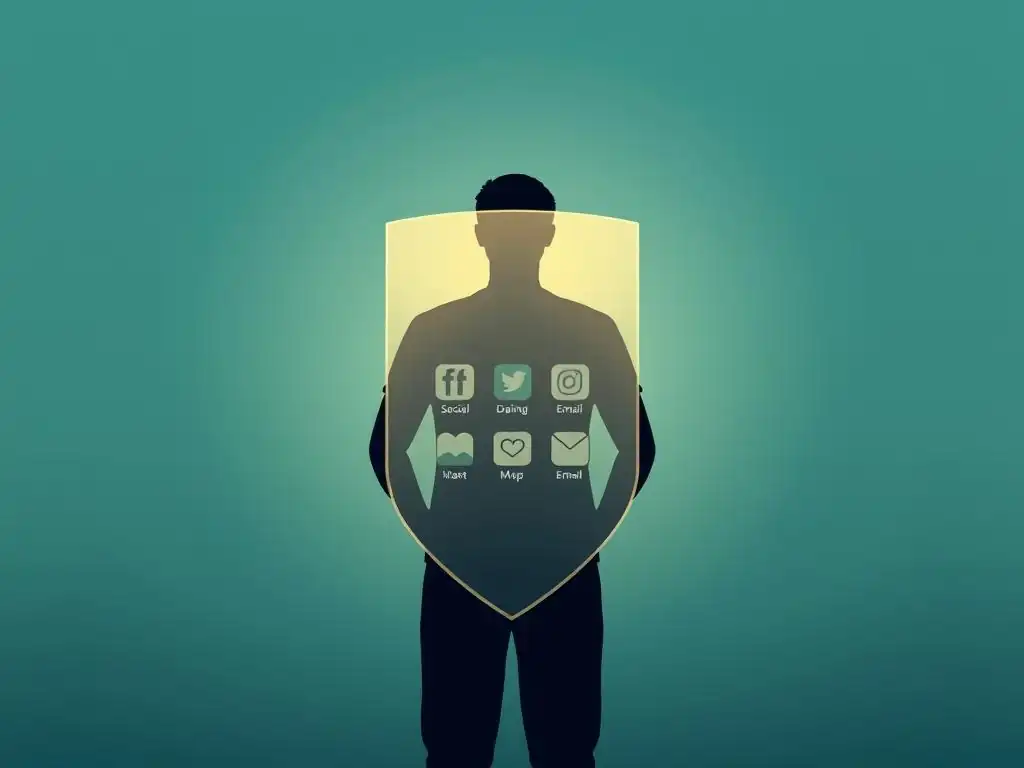
This section focuses on proactive steps to minimize your digital footprint and protect your personal information while online dating. Remember, even seemingly innocuous details can be pieced together to compromise your safety and privacy. Effective online dating safety tips hinge on controlling what information is publicly accessible.
Before even considering online dating, audit your social media profiles. Many people unknowingly share far more information than they realize. Think about it: a casual photo with a geolocation tag could reveal your home address, or a seemingly harmless status update might inadvertently expose your daily routine. These details, when combined, can paint a dangerously complete picture for someone with malicious intent.
To enhance your online dating safety, meticulously review your privacy settings on all platforms. Here's a checklist:
- Facebook: Limit who can see your posts, friends list, photos, and check-ins to "Friends" or a smaller, carefully curated list. Consider disabling location tagging altogether.
- Instagram: Similar to Facebook, restrict access to your posts and stories to "Close Friends" or "Followers." Review your profile's visibility settings.
- Twitter: Protect your tweets, limiting visibility to only your followers. Be cautious about what you tweet – avoid sharing overly personal details.
- LinkedIn: While primarily professional, LinkedIn profiles can still reveal personal information. Ensure that only relevant professional connections can access your complete profile. Carefully consider what information you include in your summary and experience sections.
Regularly review and update your privacy settings. Social media platforms frequently update their features, potentially altering your privacy levels. Proactive monitoring is crucial for maintaining your online dating safety. Remember, even a small oversight can have significant consequences. Think of your online dating safety as a continuous process, not a one-time fix.
Maintaining a Strong Password: Protecting Your Online Dating Accounts
A robust password is your first line of defense against unauthorized access to your online dating profiles. Weak passwords are easily cracked, leaving your personal information vulnerable. Avoid easily guessable passwords like birthdays, pet names, or simple number sequences.
Here are some key considerations for creating strong passwords:
- Length: Aim for at least 12 characters. Longer passwords are exponentially harder to crack.
- Complexity: Combine uppercase and lowercase letters, numbers, and symbols (! @#$%^&*).
- Uniqueness: Use different passwords for each online account. Password managers can help you generate and securely store unique passwords.
- Regular Changes: Consider changing your passwords every few months, or whenever you suspect a security breach.
Failing to prioritize strong passwords is a major online dating safety risk. The consequences of a compromised account can range from unwanted messages and harassment to identity theft. Protecting your accounts with strong, unique passwords is non-negotiable for maintaining your online dating safety. Treat this as a critical aspect of your overall online security strategy.
Using Secure Networks: Avoiding Public Wi-Fi for Sensitive Online Dating Activities
Public Wi-Fi networks, while convenient, pose a significant security risk. These networks are often unsecured, making your online activity vulnerable to eavesdropping and data interception. Avoid accessing your online dating profiles or sharing sensitive information on public Wi-Fi. This is a fundamental online dating safety tip that many overlook.
Consider these alternatives:
- Cellular Data: Use your mobile phone's cellular data connection for online dating activities. It offers a more secure and private connection.
- VPN: A Virtual Private Network (VPN) encrypts your internet traffic, making it more difficult for others to intercept your data. A VPN is particularly useful if you must use public Wi-Fi.
Never assume that a public Wi-Fi network is safe. Even networks requiring a password might not offer sufficient security. Protecting your online dating activity requires a proactive approach to network security. Your online dating safety depends on understanding and mitigating these risks. Prioritizing secure networks is an essential component of a comprehensive online dating safety strategy.
Staying Safe on Dating Apps: Best Practices for Mobile Dating
This section focuses on practical online dating safety tips specifically tailored to mobile dating apps. The rise of mobile dating has brought unprecedented convenience, but also increased the potential for security risks. Understanding and implementing these best practices is crucial for a safe and positive online dating experience. Remember, prioritizing your safety shouldn't compromise your ability to connect with others; it enhances it.
App Permissions and Privacy Settings: Protecting your data on dating apps
Dating apps request access to various aspects of your phone. Understanding what these permissions entail and adjusting them accordingly is vital for safeguarding your data. Many apps request access to your contacts, location, photos, and even microphone. Granting unnecessary permissions exposes you to potential risks.
For instance, access to your contacts could allow the app (or malicious actors) to build a profile of your social network, potentially leading to unwanted contact with individuals you'd prefer to keep out of your dating life. Similarly, excessive location access can be exploited to track your movements, compromising your physical safety.
Here's a suggested approach:
- Review app permissions regularly: Check your phone's settings to see which permissions each dating app has been granted. Revoke access to anything you don't deem strictly necessary for the app's core functionality.
- Utilize privacy settings within the app: Most dating apps offer internal privacy settings. Explore these thoroughly. Consider limiting who can see your profile, restricting message requests to only matches, and disabling location sharing unless actively seeking nearby matches.
- Be cautious of third-party apps: Avoid using third-party apps that promise to enhance your dating app experience unless they are from reputable sources and have strong privacy policies. These often require extensive permissions, potentially exposing more data than necessary.
- Update your apps: Regularly updating your dating apps is crucial. Updates often include security patches that address vulnerabilities and improve data protection.
Location Sharing: Safeguarding your privacy while using location-based features
Location-based features on dating apps can be useful for meeting people nearby. However, indiscriminately sharing your precise location can be risky. Remember that the information you share online can have real-world consequences. Consider these points:
- Start with approximate location: Instead of sharing your exact address, consider using the broader location features offered by the app. Many apps allow you to set your location radius, showing you matches within a specific distance without revealing your precise coordinates.
- Avoid sharing your home address: Never share your home address with someone you've only met online, even if you feel a strong connection. Always meet in public places for initial dates.
- Turn off location sharing when not using the app: Many apps continue to track your location even when you're not actively using them. Remember to manually disable location services for the app when you're finished.
- Be aware of location data leakage: Be mindful that seemingly innocuous information, like the name of your workplace or your frequent coffee shop, can be used to infer your home address. Avoid oversharing details that could compromise your location privacy.
Reporting inappropriate behavior within dating apps: utilizing app reporting mechanisms
Despite best efforts, you may encounter inappropriate behavior on dating apps. Knowing how to effectively report such incidents is vital. Most dating apps provide robust reporting mechanisms. Utilize them! Do not hesitate to report anything that makes you feel uncomfortable, unsafe, or harassed.
- Understand the app's reporting process: Familiarize yourself with the reporting procedures of each dating app you use. This usually involves selecting a report option within the app and providing details about the incident.
- Document the inappropriate behavior: Screenshots, saved messages, and timestamps are valuable evidence that can assist the app's moderators in their investigation.
- Be clear and concise in your report: Provide a clear, concise description of the incident, including the user's profile information and any relevant details.
- Don't engage further: Avoid further interaction with the user after reporting them. Continuing communication could escalate the situation.
- Consider blocking the user: Blocking the user will prevent them from contacting you further. This is a quick and effective way to protect yourself. Many apps offer the option to report and block simultaneously. Utilize this feature when appropriate.
Remember, your safety is paramount. By adopting these online dating safety tips and proactively managing your privacy, you can significantly reduce your risks while continuing to enjoy the benefits of online dating. A safe dating experience is a successful dating experience.
Offline Safety Measures: Protecting Yourself During In-Person Meetings
Meeting someone you've connected with online can be exciting, but prioritizing your safety is paramount. This section focuses on practical steps to ensure your well-being during in-person interactions, enhancing your online dating experience while mitigating potential risks. Remember, responsible online dating involves safeguarding your physical safety as much as your digital privacy. This isn't about fear, but about informed and empowered decision-making.
Meeting in Public Places: Prioritizing Safety During First Dates
The first date is crucial. Choosing a public location significantly reduces the risk of unwanted situations. Avoid secluded areas, private residences, or locations where you might be isolated. Instead, opt for well-lit, populated places like bustling cafes, restaurants with outdoor seating, or busy parks during daylight hours. Having a clear escape route is also important; consider venues with easy access to exits and transportation.
Public spaces offer several advantages. The presence of other people acts as a natural deterrent, and the availability of witnesses provides an added layer of security. Furthermore, choosing a place where you can easily communicate with others, like a coffee shop with Wi-Fi, enhances safety by allowing you to subtly contact a friend or family member if needed. Consider the specific venue's reputation for safety and security before selecting it for your date. Researching the area beforehand adds another layer of proactive safety planning.
Informing Friends and Family: Sharing Your Plans for Online Dating Encounters
Transparency with your support network is key to enhancing your safety. Before meeting someone from an online dating platform, inform a trusted friend or family member about your plans. Share the person's name, profile picture (if available), the date, time, and location of the meeting. It's also helpful to share the person's contact information and a link to their online dating profile, if possible. This simple step provides a crucial safety net.
Consider using a live location-sharing app to allow a friend or family member to track your whereabouts in real-time during your date. This allows them to monitor your movements and intervene if necessary. Regular check-ins during and after the date are also recommended, providing an extra layer of security and peace of mind. Remember, open communication with your support system is a vital element of responsible online dating. Don't hesitate to reach out to them; their support is invaluable.
Trusting Your Instincts: Recognizing Warning Signs During In-Person Meetings
Your intuition is your strongest ally. If something feels off, don't ignore it. Pay attention to your gut feeling; it often serves as an early warning system. Signs of potential danger can manifest in various ways. For instance, a date who exhibits controlling behavior, pressures you to drink more than you're comfortable with, or disregards your boundaries should be treated as a serious red flag.
Be aware of inconsistencies between their online profile and their in-person demeanor. If their personality or appearance differs significantly, it could be cause for concern. Similarly, if they're evasive about personal details or seem reluctant to answer simple questions, it's worth exercising caution. Remember, your safety is paramount; prioritize your well-being above all else. If you feel uncomfortable or unsafe at any point, leave the date immediately and contact your support network. Trust your instincts, and never hesitate to prioritize your safety.
Frequently Asked Questions
How can I protect my personal information on dating apps?
Avoid sharing sensitive details like your full address, workplace, or exact location in your profile or early messages. Use a separate email address and phone number specifically for online dating. Verify profiles before sharing personal data.
What are some red flags to watch out for in online dating?
Be wary of profiles with limited information, inconsistent details, or pressure to move quickly offline. Watch out for overly romantic or flattering language, and avoid anyone who seems too good to be true. Trust your instincts; if something feels off, it probably is.
How do I verify the identity of someone I meet online?
You can perform a reverse image search of their profile picture. Try to verify information they provide through social media or other online sources. Consider a video call before meeting in person to confirm their identity.
What should I do if I feel unsafe during an online interaction?
Immediately block and report the user to the dating platform. Save all communication as evidence. If you feel threatened, contact the authorities and seek support from friends or family.
Where can I find more information about online dating safety?
Visit reputable websites such as OnlineDatingSuccess.org for practical tips and advice. Consult with online safety experts or law enforcement if you have specific concerns. Remember to prioritize your safety above all else.
The ease of connection offered by online dating platforms is undeniable, but so are the inherent risks. Protecting your privacy in this digital age is not just a matter of convenience; it's a fundamental necessity for safety and well-being. The potential for exploitation, identity theft, and emotional harm is real, and understanding the strategies to mitigate these risks is crucial for anyone navigating the world of online dating.
The impact of readily available personal information on our relationships, both romantic and otherwise, is profound and continues to evolve. The lines between our online and offline lives are increasingly blurred, making responsible digital citizenship more important than ever. The price of liberty is eternal vigilance,
and this holds true in the digital realm as well. We must be constantly aware of the information we share and the potential consequences, fostering a culture of informed consent and responsible data management.
Now, consider your own digital footprint. What information are you sharing, and with whom? Take a moment to review your privacy settings on all your online platforms. You have the power to curate your online presence and protect your personal information. By implementing even a few of the strategies discussed in this article, you can significantly reduce your vulnerability and navigate the world of online dating with greater confidence and security. Embrace the opportunity to build healthy, respectful relationships online, grounded in trust and mutual respect.
Unlock Your Digital Privacy: Take Control of Your Online Safety
Thank you for learning about online privacy! We hope this article has provided you with valuable strategies for navigating the digital world with more confidence. Now, let's put that knowledge into practice.
- Prioritize your privacy settings: Review and adjust your privacy settings on all your social media accounts and online services. This simple step significantly improves your personal information's protection.
- Share your knowledge: Discuss this article and its key points with friends and family—help them protect their online privacy too!
- Learn more: Explore additional online privacy resources and tools to enhance your digital security. Consider researching reputable security software or taking an online privacy course.
What privacy setting will you adjust first? Share your experience in the comments!