
Dating Safety: Recognizing and Avoiding Love Bombing Tactics


Ready to transform your online dating experience? At OnlineDatingSuccess.org, we empower you to build meaningful connections while prioritizing your safety. This crucial guide tackles the increasingly prevalent issue of online dating safety and love bombing, providing you with the knowledge and strategies to navigate the digital dating world confidently and avoid potentially harmful situations. Discover how to spot the red flags and protect yourself – your journey to finding love starts here.
- Understanding Love Bombing in Online Dating
-
Recognizing Love Bombing Behaviors: From Online to Offline
- Excessive Flattery and Compliments in Online Messaging
- Rapid Progression of the Relationship: The "Fast Forward" Approach
- Isolation Tactics: Cutting You Off From Friends and Family
- Controlling Behavior and Possessiveness: Early Signs of Manipulation
- Pressure to Commit Quickly: Avoiding Premature Relationship Escalation
- Financial Requests or Unexpected Expenses: A Key Red Flag
-
Protecting Yourself from Love Bombing in Online Dating
- Setting Boundaries and Maintaining Personal Space
- Slowing Down the Pace of the Relationship: A Crucial Strategy
- Verifying Information and Background Checks: Protecting Your Safety
- Trusting Your Instincts: Recognizing Your Gut Feelings
- Seeking Support and Advice: Talking to Trusted Friends or Family
- Reporting Suspicious Behavior: Utilizing Online Dating Platform Resources
- Moving Forward After Love Bombing
- Frequently Asked Questions
- Final Reflection: Navigating the Minefield of Modern Romance
- Unmask Love Bombing: Build a Safer Dating Experience
Understanding Love Bombing in Online Dating
Navigating the world of online dating can be exhilarating, but it's crucial to approach it with caution and awareness. This article focuses on a particularly insidious tactic used by some individuals to manipulate and control potential partners: love bombing. Understanding what love bombing entails, how to identify it, and the strategies to avoid becoming a victim are essential for maintaining your safety and well-being in the online dating sphere.
We'll explore the spectrum of love bombing behaviors, from subtle hints to overt displays of affection, providing you with the tools to protect yourself and build healthy, respectful relationships. This guide aims to empower you to confidently navigate the complexities of online dating while prioritizing your safety and emotional health.
Remember, a healthy relationship is built on mutual respect, trust, and gradual development, not overwhelming displays of affection designed to control or manipulate. Learning to recognize and avoid love bombing is a crucial step in achieving online dating success.
What is Love Bombing? Defining the Online Dating Red Flag
Love bombing is a form of emotional manipulation where someone showers you with excessive attention, affection, compliments, and gifts in a short period. It's a tactic designed to quickly create a strong emotional bond, overwhelming you with positive feelings and making you feel intensely connected. This intense affection, however, is not genuine; it's a carefully orchestrated strategy to gain your trust and control.
Think of it as a "fast-forward" relationship, skipping the crucial stages of getting to know someone and building a foundation of mutual respect. In the context of online dating, love bombing can be particularly dangerous because it often occurs rapidly, before you've had the chance to thoroughly assess the person's character and intentions. The initial intensity can be intoxicating, making it difficult to see the red flags until it's too late.
It’s important to remember that healthy relationships develop gradually, allowing for trust and intimacy to build organically over time. The hallmark of love bombing is the disproportionate speed and intensity of the affection compared to the length of the relationship. This creates an imbalance of power, making you vulnerable to manipulation.
Identifying Love Bombing Tactics: Early Warning Signs in Online Interactions
Recognizing love bombing tactics requires attentiveness and self-awareness. Here are some key warning signs to watch out for in your online interactions:
- Over-the-top compliments and flattery: Do they praise everything about you, even things you're not particularly proud of? This excessive praise often feels insincere and lacks genuine depth.
- Rapid declarations of love and commitment: Are they professing their undying love or proposing marriage within a short period? This is a major red flag.
- Constant contact and attention: Do they bombard you with messages, calls, and emails throughout the day? Healthy relationships allow for space and individual time.
- Excessive gifts and gestures: Are they showering you with expensive gifts or extravagant gestures early in the relationship? This is often a manipulative tactic to create a sense of obligation.
- Pressure to commit quickly: Do they pressure you to commit exclusively or make significant decisions before you're ready? This is a sign of controlling behavior.
- Isolation from friends and family: Do they try to isolate you from your support network? This is a significant red flag and a tactic to gain more control over you.
- Idealization and mirroring: Do they seem to idealize you and mirror your opinions, interests, and values excessively? This is a manipulation tactic to quickly gain your trust.
These are just some examples; the tactics can vary, but the underlying pattern is always the same: an overwhelming display of affection designed to control and manipulate.
Subtle vs. Overt Love Bombing: Recognizing the Spectrum of Behavior
Love bombing exists on a spectrum. On one end is overt love bombing, characterized by the blatant and excessive displays of affection described above. On the other end lies subtle love bombing, which is more insidious and harder to detect. Subtle love bombing might involve seemingly innocent gestures, such as frequent compliments or overly attentive messages, but the intensity and speed still create an imbalance of power and emotional dependency. The key difference lies in the degree of intensity and the overtness of the manipulation.
Overt love bombing is a more obvious assault on your emotional boundaries, while subtle love bombing is a gradual erosion of your autonomy. Learning to recognize both subtle and overt signs is crucial for protecting yourself. Pay attention to your gut feeling; if something feels "off" or too good to be true, it probably is. Trust your intuition and prioritize your emotional safety.
Love Bombing and Online Dating Profiles: Spotting Potential Red Flags
Love bombing in online dating often starts subtly within a profile. While not always immediately obvious, certain red flags can signal a potential abuser employing this manipulative tactic. Pay close attention to profiles that seem too perfect, exhibiting an almost unrealistic level of positivity and charm. For example, a profile boasting extravagant vacations, expensive cars, and a flawless life story, without any hint of vulnerability or imperfection, might be a warning sign.
Authentic profiles usually reflect a balanced portrayal of life, including both highs and lows. Remember, nobody's life is perfect, and a profile that presents an idealized version of reality should raise your suspicion. This manufactured perfection is a key tactic used to quickly build trust and create an unrealistic expectation of the relationship.
Another red flag is a profile that projects excessive flattery and admiration for others, often in a generalized way. Generic compliments like "You're amazing!" or "I love everything about you" without any specific details or genuine connection points are a significant warning sign. Genuine interest stems from specific observations and shared values, not sweeping statements.
Love bombers use these broad strokes to quickly create a sense of intense connection, bypassing the natural process of getting to know someone. They aim to overwhelm you with positive attention before you’ve had a chance to assess them properly. This is a crucial distinction to make when assessing profiles: look for specific comments and references rather than generic statements of adoration.
Furthermore, be wary of profiles that are suspiciously devoid of information. While some individuals may prefer to keep their profiles brief, an almost complete lack of personal detail can be a red flag. A profile that is vague or lacks photos, hobbies, or interests may be an attempt to avoid scrutiny and maintain a sense of mystery to further manipulate their target. This lack of transparency can be a way to control the narrative and prevent you from learning about their true personality and intentions.
A healthy online dating profile provides enough information to allow you to form a realistic picture of the person, even if it's just a starting point for conversation. The absence of such details should prompt further investigation and caution. Remember, building a meaningful connection requires transparency and mutual vulnerability.
Recognizing Love Bombing Behaviors: From Online to Offline
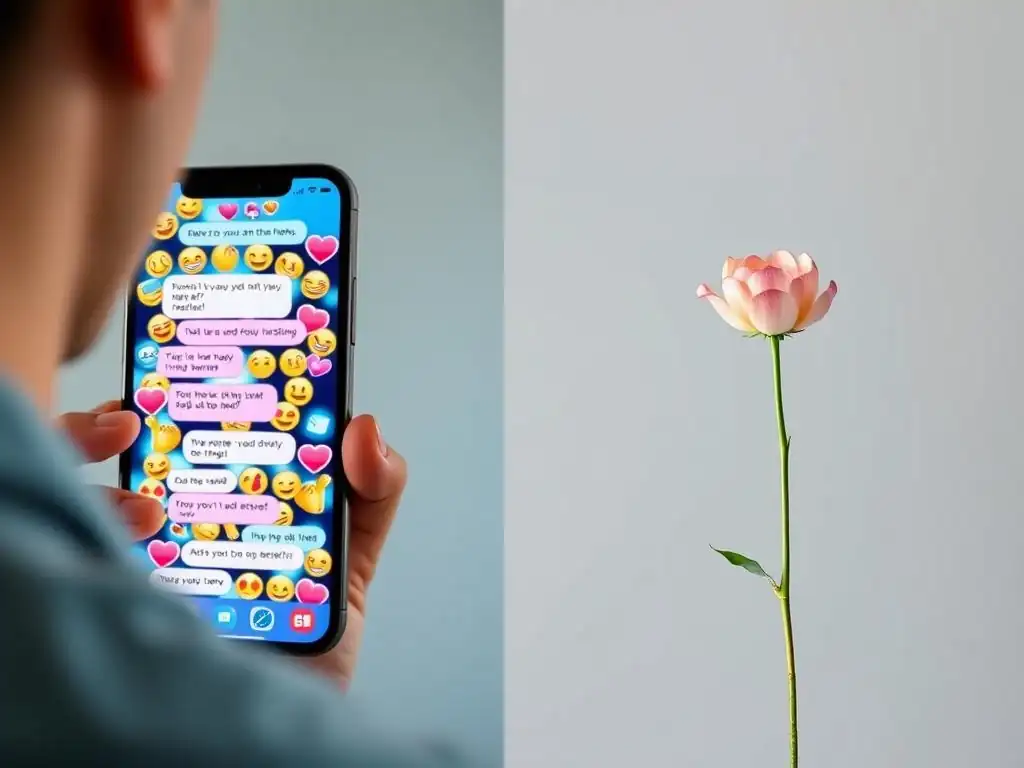
Love bombing, a manipulative tactic used to quickly establish control and dependence in a relationship, often begins subtly online before escalating offline. Recognizing the red flags early is crucial for your online dating safety. This section details key behaviors to watch out for, focusing specifically on how love bombing manifests in the digital and physical realms. Understanding these patterns can empower you to protect yourself and avoid potentially harmful relationships. The prevalence of love bombing in online dating necessitates a proactive approach to personal safety. Remember, healthy relationships develop gradually, with trust and mutual respect built over time.
Excessive Flattery and Compliments in Online Messaging
One of the earliest signs of love bombing is an overwhelming amount of flattery and compliments, often delivered rapidly through online messages. Think extravagant praise, declarations of undying love within days or even hours of first contact, and an almost obsessive focus on your perceived positive qualities. These compliments often feel insincere or overly effusive. Instead of genuine interest in getting to know you, the focus is on showering you with affection to quickly win your trust and affection.
For example, consider this scenario: You've exchanged a few messages with someone on a dating site, discussing your hobbies and interests. Instead of engaging in a natural back-and-forth conversation, they bombard you with messages like, "You're the most amazing person I've ever met!" or "I feel an instant connection with you—you're my soulmate!" This intensity, especially early in the online interaction, is a major warning sign. Legitimate interest builds gradually; overwhelming praise should raise a red flag.
Another example might be the use of overly intimate language and emojis excessively early on. While a little flirting is normal, an overwhelming display of affection, such as using heart emojis in every message before you've even met in person, can be a sign of manipulative behavior. Remember to trust your instincts. If something feels "off," it probably is.
Rapid Progression of the Relationship: The "Fast Forward" Approach
Love bombing isn't just about excessive compliments; it's about accelerating the relationship at an unnatural pace. The perpetrator will rush into declarations of love, promises of a future together, and significant commitments long before it's appropriate. This "fast forward" approach aims to overwhelm you and prevent you from critically assessing the situation. They might propose marriage or move in together after only a few dates, ignoring the natural progression of building a healthy relationship.
Consider this: You meet someone online, and after a few virtual conversations and one in-person date, they start talking about moving in together, introducing you to their family as their future spouse, and making significant financial commitments. This breakneck speed is a tell-tale sign of manipulation. A healthy relationship involves gradual steps, allowing time for trust and compatibility to develop organically. The pressure to commit quickly is a significant red flag.
This rapid progression often includes constant contact, demanding your immediate attention and minimizing time spent with other friends, family, or activities. This is a key element of their isolation tactics, discussed further below. The speed itself is designed to prevent you from taking a step back and critically evaluating the relationship.
Isolation Tactics: Cutting You Off From Friends and Family
As the relationship intensifies, love bombers often employ isolation tactics. They might subtly or overtly discourage you from spending time with friends and family, criticizing your relationships with others, and portraying themselves as your only source of support and happiness. This isolation makes you more vulnerable and dependent on them, making it harder to escape the manipulation.
Examples of this include: constant criticism of your friends and family, attempts to control your social interactions by dictating who you can see and when, and making you feel guilty or ashamed for spending time with loved ones. They might even spread rumors or lies about your friends and family to further alienate you from your support system. This can manifest online through controlling your social media interactions or monitoring your online activity.
The goal is to create a situation where you rely solely on them for emotional validation and support, making it harder to recognize their manipulative behavior and seek help. Remember, healthy relationships encourage connection with loved ones, not isolation. If someone is actively trying to cut you off from your support network, it's a serious warning sign that requires immediate attention. Prioritizing your well-being and maintaining healthy boundaries is crucial for your online dating safety and overall emotional health.
Controlling Behavior and Possessiveness: Early Signs of Manipulation
Love bombing often masks a controlling personality. While initial intense affection might seem romantic, pay close attention to subtle shifts in behavior. Does your online dating match quickly become overly possessive, demanding constant contact and updates on your whereabouts? Do they express jealousy or anger if you mention spending time with friends or family? These are significant red flags.
For instance, imagine someone insisting on knowing your precise location at all times, even when you're just running errands. That's not healthy or respectful. Or consider someone who criticizes your friendships or tries to isolate you from your support network. This is a serious indicator of potential manipulation and control, a hallmark of love bombing. Remember, healthy relationships value autonomy and respect individual boundaries.
A genuine connection won't involve pressure to relinquish your independence. Early identification of controlling behaviors is crucial in online dating safety. Trust your gut feeling; if something feels off, it's important to address it promptly. Prioritizing your safety and well-being should always come first.
Pressure to Commit Quickly: Avoiding Premature Relationship Escalation
Love bombers often rush the relationship, pushing for commitment far sooner than is appropriate. This intense pressure to move quickly can overwhelm and confuse the victim, making it difficult to assess the situation objectively. Consider this scenario: After only a few weeks of online communication, someone might declare their undying love, propose marriage, or suggest moving in together.
This rapid escalation is a classic love bombing tactic designed to prevent you from thinking critically. They might shower you with gifts, promises, and grand romantic gestures to create an overwhelming sense of urgency. Remember, healthy relationships develop gradually, allowing time for trust and understanding to build.
Take your time getting to know someone, and don't feel pressured to make significant commitments before you're ready. Resist the urge to reciprocate intense emotions prematurely; your safety and emotional well-being are paramount. Maintaining healthy boundaries and prioritizing your own pace is vital in navigating the complexities of online dating.
Financial Requests or Unexpected Expenses: A Key Red Flag
Financial requests or unexpected expenses are a major red flag in online dating, often associated with love bombing. While some level of shared expenses might occur naturally in a relationship, unreasonable or unexpected demands for money, especially in the early stages, should raise serious concerns. This could involve requests for loans, bailouts, or contributions to cover various expenses, often presented under urgent or emotional circumstances.
For example, someone might claim a family emergency, a sudden car trouble, or a business setback requiring immediate financial assistance. These situations are often fabricated, designed to exploit your empathy and generosity. Always be cautious about sharing your financial information or sending money to someone you've only met online.
Remember, a genuine partner will respect your financial independence and won't pressure you into providing unsolicited financial support. Protecting your financial well-being is as crucial as protecting your emotional safety in online dating. Never feel obligated to provide financial aid to someone you barely know, regardless of how compelling their story may seem.
Protecting Yourself from Love Bombing in Online Dating

Love bombing, a manipulative tactic used by some to quickly gain control and influence over their targets, is a serious concern in the world of online dating. Understanding how to identify and avoid this predatory behavior is crucial for your online dating safety. This section focuses on practical strategies to protect yourself from love bombing, emphasizing the importance of maintaining healthy boundaries and verifying information. Remember, online dating safety is paramount, and prioritizing your well-being should always come first.
Setting Boundaries and Maintaining Personal Space
One of the most effective ways to protect yourself from love bombing is by establishing clear boundaries from the outset. This involves setting limits on how much personal information you share early on and resisting pressure to meet in person too quickly. Love bombers often attempt to overwhelm their targets with affection and attention, making it difficult to establish healthy boundaries. Remember that a healthy relationship develops gradually, with both partners respecting each other's need for personal space and time.
Consider these examples of healthy boundaries:
- Information Sharing: Avoid sharing sensitive personal information like your full address, place of work, or financial details until you've known someone for an extended period and feel comfortable doing so. Start with general information and gradually reveal more as trust builds.
- Communication Frequency: Don't feel obligated to respond instantly to every message or call. Maintain a balanced communication style, allowing yourself time to process interactions and avoid being constantly bombarded with attention.
- Physical Proximity: Resist pressure to meet in person too soon. Suggest virtual dates initially to get to know each other better before committing to a physical meeting. Always meet in a public place for the first meeting.
- Financial Matters: Never send money to someone you've only met online, regardless of how convincing their story might seem. Love bombers often use financial requests as a way to exploit their victims.
It's vital to remember that establishing boundaries isn't about being uncaring or unfriendly; it's about protecting your emotional and physical safety. Setting boundaries demonstrates self-respect and encourages healthy relationship dynamics.
Slowing Down the Pace of the Relationship: A Crucial Strategy
Love bombing thrives on speed. The rapid escalation of intimacy and commitment is a hallmark of this manipulative tactic. Therefore, consciously slowing down the pace of the relationship is a crucial defensive strategy. This means resisting the pressure to quickly move from online communication to in-person meetings, from casual dates to serious commitments, or from friendly conversations to declarations of deep love.
Here are some tips to help you slow things down:
- Prioritize getting to know someone gradually. Instead of focusing on romantic gestures, focus on getting to know their personality, values, and interests through conversations and virtual interactions.
- Take your time before meeting in person. Virtual dates can be a great way to assess compatibility before taking the leap to an in-person meeting.
- Avoid making major life decisions based on a new relationship. Don't rush into significant changes based on someone you've just met online. This includes moving in together, quitting your job, or making substantial financial commitments.
- Be aware of red flags. If someone seems overly eager to commit or push you to make quick decisions, it might be a red flag. Trust your instincts and don't be afraid to slow things down or end the interaction.
By resisting the pressure to rush the relationship, you create space to observe patterns of behavior and assess the authenticity of the connection. This allows you to make informed decisions based on a more realistic understanding of the individual, rather than being swept away by a whirlwind of intense emotions.
Verifying Information and Background Checks: Protecting Your Safety
Before meeting someone you've met online in person, take steps to verify their identity and background. While it's impossible to completely eliminate risk, taking precautions can significantly reduce your vulnerability to love bombing and other online dating scams. Remember, online dating safety is not just about avoiding scams; it's about protecting your overall well-being.
Consider these verification methods:
- Reverse Image Search: Use a reverse image search to verify if the photos used by your online date are authentic and haven't been stolen from elsewhere.
- Social Media Checks: Carefully review their social media profiles (if they have them) to corroborate the information they've provided and look for inconsistencies. Be cautious—some profiles can be fake.
- Professional Background Check (Optional): For serious relationships, consider a professional background check service (available at an additional cost). This can help you uncover any criminal history or other red flags.
- Ask Open-Ended Questions: Engage in conversations that encourage them to share details about their life and experiences. Pay attention to inconsistencies or evasiveness in their responses.
- Don’t Share Too Much Too Soon: Avoid sharing sensitive personal information until you’ve met in person and have built a level of trust. This includes financial details, your home address, and workplace information.
Remember, a genuine connection should not involve pressure or secrecy. If someone is hesitant to verify their information or becomes defensive when you ask questions, it could be a warning sign. Your safety and well-being are the top priorities in online dating. Prioritize caution and trust your instincts.
Trusting Your Instincts: Recognizing Your Gut Feelings

Love bombing is a manipulative tactic, and your intuition is often the first line of defense. If something feels "off" about a new online connection, don't dismiss it. That uneasy feeling, that nagging sense that something isn't quite right, is crucial information. Perhaps their intensity feels overwhelming, their compliments seem insincere, or their promises are unrealistic and extravagant.
These are all red flags. Remember, healthy relationships develop gradually, built on mutual respect and trust. A relationship that progresses at lightning speed, fueled by excessive praise and grand gestures, is a major warning sign. Don't underestimate the power of your gut feeling; it's your body's way of saying, "Proceed with caution."
Pay attention to those initial hesitations and don't be afraid to slow things down or even end contact if your instincts tell you to. Your safety and well-being are paramount, and trusting your gut is a vital component of online dating safety. Prioritize your feelings; they are valid and deserve your attention.
Seeking Support and Advice: Talking to Trusted Friends or Family
One of the most effective ways to protect yourself from love bombing, and indeed from any form of online dating manipulation, is to confide in your support network. Talking to trusted friends or family members about your online dating experiences can provide invaluable perspective. They can offer an objective viewpoint, helping you to identify potentially manipulative behaviors that you might have overlooked.
They can also provide emotional support and encouragement, helping you to navigate the complexities of online dating with greater confidence. Explain the situation, share your concerns, and ask for their honest opinion. A fresh perspective can be incredibly helpful in recognizing the warning signs of love bombing, especially when you're caught up in the emotional whirlwind of intense attention.
Remember, your friends and family love you and want to protect you; don't hesitate to reach out for support. Their advice can be invaluable in ensuring your online dating safety.
Reporting Suspicious Behavior: Utilizing Online Dating Platform Resources
Most reputable online dating platforms have mechanisms in place to report suspicious behavior. If you encounter someone exhibiting love bombing tactics or other manipulative behaviors, don't hesitate to use the reporting tools available on the platform. This is an important step in protecting yourself and potentially preventing others from falling victim to the same manipulation.
These reporting mechanisms allow the platform to investigate the user's activity and take appropriate action, which may include suspending or banning the account. Document your interactions, including screenshots of messages and profiles, to support your report. By reporting suspicious behavior, you're not only protecting yourself but also contributing to a safer online dating environment for everyone.
The more users who report problematic behavior, the more effective these platforms become at identifying and removing abusers. Remember, reporting is a crucial aspect of online dating safety and helps create a better experience for all users. Don't be afraid to utilize the available resources to protect yourself and others.
Moving Forward After Love Bombing
Experiencing love bombing can leave you feeling emotionally drained and confused. It's crucial to understand that you are not alone and that healing is possible. The initial stages of recovery often involve acknowledging the manipulation and validating your feelings. This isn't about assigning blame, but about recognizing the unhealthy dynamics at play and reclaiming your sense of self. Remember, you deserve healthy relationships built on genuine connection, not overwhelming displays of affection designed to control you. Online dating safety involves recognizing and avoiding these patterns.
Recognizing the Impact of Love Bombing: Emotional Recovery
Love bombing's impact extends beyond the initial shock. Many victims experience a rollercoaster of emotions – from initial euphoria to subsequent confusion and self-doubt. This emotional whiplash can be incredibly disorienting. Common reactions include:
- Confusion and Disorientation: The rapid escalation of affection can leave you questioning your own perceptions and judgment. You might feel like you're in a dream, unable to process the intensity of the situation.
- Self-Doubt and Questioning: Love bombers often subtly undermine your self-esteem, making you question your own intuition and feelings. This can lead to feelings of inadequacy and insecurity.
- Anxiety and Fear: The constant attention and pressure can be overwhelming, leading to anxiety and fear of disappointing your partner or losing their affection. This fear often prevents victims from setting boundaries.
- Depression and Isolation: After the initial euphoria fades, feelings of depression and isolation can set in. You may find yourself withdrawing from friends and family, further isolating yourself.
It's important to seek support during this recovery period. Talking to trusted friends, family members, or a therapist can provide the validation and guidance you need to navigate these complex emotions. Remember, healing takes time, and allowing yourself to grieve the loss of what you thought was a relationship is a crucial step in the recovery process. Prioritizing self-care, engaging in activities you enjoy, and reconnecting with your support system are essential components of emotional recovery after experiencing online dating safety violations like love bombing.
Building Healthy Relationships: Focusing on Mutual Respect and Trust
Moving forward, it's vital to prioritize building healthy relationships based on mutual respect and trust. This means recognizing the red flags of unhealthy relationships and setting clear boundaries. Love bombing is a manipulative tactic designed to bypass these healthy relationship-building stages. Instead of rushing into intimacy, focus on:
- Slow and Steady: Healthy relationships develop gradually, allowing for genuine connection and mutual understanding to emerge naturally. Avoid rushing into commitments or sharing too much personal information too soon.
- Open Communication: Establish open and honest communication from the start. This involves expressing your needs and feelings openly and respectfully, while also actively listening to your partner.
- Mutual Respect: Ensure that the relationship is built on mutual respect for each other's boundaries, opinions, and personal space. Healthy relationships involve compromise and consideration, not control or manipulation.
- Trust-Building: Trust is earned over time through consistent actions and behaviors. Pay attention to your partner's actions and words, and don't ignore red flags, even if they seem minor.
Remember, online dating safety also involves practicing discernment and patience. Don't feel pressured to move quickly, and always prioritize your own well-being.
Learning from the Experience: Preventing Future Victimization
Experiencing love bombing can be a painful but valuable learning experience. By analyzing the situation and identifying the red flags you may have missed, you can significantly reduce your risk of future victimization. Consider these steps:
- Recognize the Patterns: Love bombing often follows a predictable pattern. Understanding this pattern can help you identify similar behaviors in future interactions.
- Trust Your Intuition: Pay attention to your gut feelings. If something feels "off" or too good to be true, it probably is. Don't dismiss your intuition just because you want the relationship to work.
- Set Clear Boundaries: Establish clear boundaries from the outset and don't be afraid to enforce them. This includes limiting contact, refusing requests that make you uncomfortable, and walking away if necessary. This is a vital part of online dating safety.
- Seek Support: Don't hesitate to seek support from friends, family, or a therapist. Talking about your experience can help you process your emotions and develop strategies for preventing future victimization. Remember, you're not alone, and help is available.
By learning from past experiences and implementing these preventative measures, you can significantly increase your online dating safety and build healthier, more fulfilling relationships. Remember, healthy relationships are built on mutual respect, trust, and open communication, not overwhelming displays of affection designed to control or manipulate.
Frequently Asked Questions
What is love bombing in online dating?
Love bombing is a form of emotional manipulation where someone showers you with excessive affection, attention, and compliments early in a relationship. It's a tactic used to quickly gain your trust and control. This intense early affection is often unsustainable.
How can I identify love bombing in online dating?
Look for signs like overly fast declarations of love, intense flattery, constant communication, and pressure to commit quickly. They might also isolate you from friends and family. Trust your gut if something feels too good to be true.
What are the dangers of love bombing?
Love bombing can lead to emotional dependency and abuse. The rapid escalation of intimacy can leave you vulnerable to manipulation and control. It's crucial to maintain your boundaries and independence.
How can I protect myself from love bombing?
Take things slowly, don't rush into commitment, and maintain contact with your support network. Pay attention to red flags and don't be afraid to end contact if something feels wrong. Prioritize your emotional well-being.
What should I do if I think I'm being love bombed?
Trust your instincts. Distance yourself from the person and seek support from friends, family, or a therapist. Document any concerning interactions and consider blocking the individual online. Your safety and well-being are paramount.
The insidious tactics of love bombing are not merely a dating app anomaly; they represent a pervasive threat to healthy relationships in the digital age. Understanding these manipulative behaviors is crucial, not just for online daters, but for anyone navigating the complexities of modern romance, where the line between genuine connection and calculated manipulation can be dangerously blurred. The rise of online dating has amplified the potential for this kind of abuse, demanding a heightened awareness and proactive approach to self-protection.
Love bombing's impact extends far beyond the initial stages of a relationship; its lingering effects can shape our perceptions of love, trust, and healthy boundaries for years to come. The emotional toll it takes is often underestimated, leaving victims feeling confused, isolated, and questioning their own judgment. The greatest trick the devil ever pulled was convincing the world he didn't exist.
– This quote, while not directly about love bombing, speaks to the insidious nature of manipulative tactics that often go unrecognized until it's too late. We must actively challenge the romanticized notion of whirlwind romances and prioritize self-awareness in our relationships.
You are the architect of your own emotional well-being. Take the time to learn the red flags, trust your instincts, and prioritize your safety above all else. Don't hesitate to seek support from friends, family, or professionals if you suspect you are experiencing love bombing or any form of emotional abuse. By fostering a culture of open communication and healthy boundaries, we can collectively create a safer and more authentic dating landscape for everyone. Remember, healthy relationships are built on mutual respect, trust, and gradual connection – not overwhelming displays of affection designed to control and manipulate.
Unmask Love Bombing: Build a Safer Dating Experience
Thanks for learning how to recognize and avoid love bombing! You've gained crucial knowledge to navigate the dating world more confidently and safely. Let's put this knowledge into practice:
- Prioritize your safety: Review the red flags discussed today. Create a personal checklist to help you identify potential love bombing in future interactions. This is your most important next step.
- Share this information with someone you trust: Discuss your dating experiences and safety strategies with a friend or family member. A second opinion can offer valuable perspective.
- Connect with others: Join an online community focused on online dating safety to build a support network and share experiences and strategies.
What specific step from today's article will you take first to improve your dating safety?