
Attachment Styles and the Keys to a Successful Online First Date

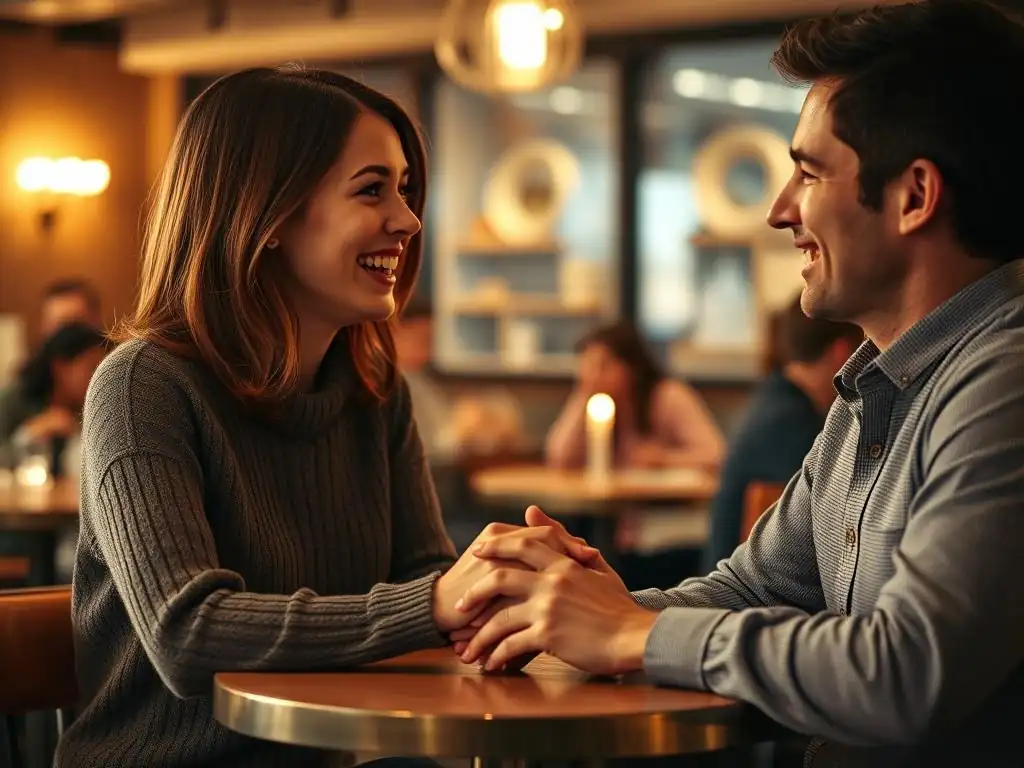
Ready to unlock the secrets to finding lasting love online? At OnlineDatingSuccess.org, we empower you to navigate the world of online dating with confidence. This isn't just about swiping right; it's about understanding yourself and building genuine connections. Our expert advice on online dating attachment style advice will help you identify your attachment style and use that knowledge to create a thriving dating profile and successful first dates. Discover how understanding your attachment style can transform your online dating experience – let's get started!
- Understanding Your Attachment Style in Online Dating
- Navigating the First Online Date with Awareness of Your Attachment Style
- Successful Online First Date Strategies for Each Attachment Style
- Online Dating Attachment Style Advice: Long-Term Relationship Building
-
Frequently Asked Questions
- How does my attachment style affect my online dating experience?
- What are some red flags to watch out for based on attachment styles?
- Can I change my attachment style to improve my online dating success?
- How can I identify my attachment style before starting online dating?
- What are some tips for online dating success based on different attachment styles?
- Final Reflection: Navigating the Digital Landscape of Love
- Unlock Your Dating Potential: Take the Next Step
Understanding Your Attachment Style in Online Dating
Navigating the world of online dating can feel like traversing a minefield, especially when you consider the complexities of human connection and the often-unseen influence of our attachment styles. This article delves into the crucial role attachment styles play in online dating success, providing practical advice tailored to different attachment patterns. Understanding your attachment style—whether secure, anxious, or avoidant—is the first step towards crafting a successful online dating profile, communicating effectively, and ultimately building meaningful relationships.
We'll explore how your attachment style manifests in your online dating experience, from crafting your profile to navigating those all-important first messages and dates. By understanding these dynamics, you can leverage your strengths and address potential challenges, increasing your chances of finding a compatible partner online.
This isn't just about finding a date; it's about finding the right date, a connection built on mutual understanding and respect – a foundation significantly shaped by your attachment style. Let's unpack this vital aspect of online dating success.
Identifying Your Attachment Style: Secure, Anxious, Avoidant
Understanding your attachment style is paramount to navigating the online dating landscape effectively. Attachment theory suggests we develop distinct patterns of relating to others based on our early childhood experiences. These patterns significantly impact how we approach relationships, including those formed online. Let's examine the three main attachment styles:
- Secure Attachment: Individuals with a secure attachment style generally have a positive view of themselves and others. They feel comfortable with intimacy and independence. In online dating, this translates to confident profile creation, authentic communication, and healthy boundaries. They tend to attract others due to their self-assuredness and genuine approach.
- Anxious Attachment: Those with an anxious attachment style often crave intimacy but fear rejection. They might overthink messages, constantly check for responses, and become overly invested too quickly. Online, this can manifest as overly detailed profiles, frequent messaging, and a tendency to personalize things too soon. Understanding this tendency is key to managing expectations and building healthier relationships.
- Avoidant Attachment: People with an avoidant attachment style often prioritize independence and fear intimacy. They might create vague profiles, respond minimally to messages, and avoid deeper emotional connections. Online, this can lead to missed opportunities for connection due to a reluctance to engage fully. Recognizing this pattern allows for conscious effort toward more open communication.
Understanding which category best describes you—or even recognizing elements of multiple styles—is a crucial first step. Many people fall somewhere on a spectrum between these categories, exhibiting traits from different styles. Self-reflection, or even seeking professional guidance, can help clarify your attachment style and provide insights into your online dating behavior.
How Attachment Style Impacts Online Dating Profiles
Your online dating profile serves as your first impression, and your attachment style significantly influences how you present yourself.
| Attachment Style | Profile Characteristics | Potential Challenges |
|---|---|---|
| Secure | Authentic, positive, clear about relationship goals | Might be perceived as too straightforward or simple |
| Anxious | Detailed, revealing, potentially overly eager | May appear desperate or clingy |
| Avoidant | Vague, minimal information, limited personal details | May come across as uninterested or unapproachable |
For example, someone with an anxious attachment might create a very detailed profile, revealing intimate aspects of their life prematurely. Conversely, an avoidant person might keep their profile deliberately vague, hoping to avoid any potential vulnerability. A secure individual, on the other hand, might craft a profile that is both engaging and honest, reflecting their authentic self without oversharing.
Online Communication & Attachment: Messaging Strategies Based on Your Style
The way you communicate online reflects your attachment style. Understanding this dynamic can drastically improve your online dating success.
- Secure: Secure individuals tend to communicate confidently and directly, expressing their interest clearly but respectfully. They maintain healthy boundaries and avoid excessive messaging or pressure.
- Anxious: Anxious individuals might over-message, seek constant reassurance, and interpret silence negatively. They might benefit from practicing mindfulness and patience, allowing natural pacing in communication.
- Avoidant: Avoidant individuals might respond minimally, avoid deeper conversations, or disappear entirely. They might benefit from consciously practicing more open communication and vulnerability.
By acknowledging your attachment style and its influence on your communication, you can adapt your strategies to foster healthier and more fulfilling connections. Remember, mindful communication—regardless of your attachment style—is crucial for building trust and genuine connection in the online dating world.

This section delves into the practical application of understanding your attachment style when embarking on that crucial first online date. Knowing your tendencies – whether you're anxiously attached, avoidantly attached, or securely attached – can significantly impact how you approach the interaction and ultimately, its success. This isn't about changing who you are, but rather about leveraging self-awareness to navigate the complexities of online dating more effectively. The goal is to foster healthier, more fulfilling connections. Let's explore how to harness this knowledge for a positive online dating experience.
Setting Realistic Expectations Based on Your Attachment Style
Your attachment style profoundly influences your expectations. Anxiously attached individuals, for example, might idealize potential partners and anticipate an instant, intense connection. This can lead to disappointment if the date doesn't meet these unrealistic expectations. Avoidantly attached individuals, on the other hand, might enter the date with a sense of detachment or skepticism, potentially hindering genuine connection. Securely attached individuals usually have a more balanced perspective, understanding that connection takes time.
To manage expectations, consider these strategies based on your attachment style:
- Anxiously Attached: Focus on enjoying the experience rather than solely on finding "the one." Remember that a first date is simply a chance to get to know someone, not a commitment. Practice self-compassion and avoid overanalyzing every detail.
- Avoidantly Attached: Challenge your assumptions and allow yourself to be vulnerable. A first date doesn't require a deep emotional commitment. Focus on having a pleasant conversation and observing genuine interest.
- Securely Attached: Maintain your balanced approach. While you're likely to be confident, remember that every person is unique. Remain open to the possibility of a connection while still maintaining healthy boundaries.
By adjusting expectations to align with your attachment style, you can significantly reduce pre-date anxiety and increase the likelihood of a positive experience. Remember, a successful first date isn't always about immediate sparks; it's about establishing a comfortable foundation for potential future connection.
Managing Anxiety and Avoidance During the Online First Date
The first online date, even for securely attached individuals, can be nerve-wracking. For those with anxious or avoidant attachment styles, managing these feelings is crucial for a successful interaction.
Here's a breakdown of coping mechanisms:
| Attachment Style | Common Challenges | Coping Strategies |
|---|---|---|
| Anxiously Attached | Excessive worrying, overthinking, seeking constant reassurance | Practice mindfulness, engage in self-soothing activities before and after the date, focus on the present moment. |
| Avoidantly Attached | Emotional detachment, difficulty expressing feelings, fear of intimacy | Remind yourself it's okay to be vulnerable, focus on enjoying the conversation, practice active listening. |
| Securely Attached | Mild nervousness (generally manageable) | Maintain a balanced perspective, trust your instincts, communicate your needs openly and honestly. |
Remember that practicing self-compassion is vital. If you find yourself feeling overwhelmed, it's okay to take a break or end the date early. Prioritizing your well-being is key to a healthy dating experience.
Understanding your attachment style helps you anticipate potential challenges during the online first date. For example, anxiously attached individuals might become overly invested too quickly, while avoidantly attached individuals might pull away when things start to feel too close. Recognizing these patterns allows for proactive management.
Some common attachment-related challenges and their solutions:
- Over-Analyzing: (Anxious attachment) Practice mindfulness techniques to stay present in the moment rather than overthinking past interactions or future possibilities.
- Emotional Distance: (Avoidant attachment) Actively work on expressing your feelings, even if it feels uncomfortable. Start with small, manageable steps.
- Jealousy or Possessiveness: (Anxious attachment) Recognize these feelings and address them directly, but avoid expressing them in a controlling manner.
- Fear of Commitment: (Avoidant attachment) Acknowledge this fear, but don't let it dictate your behavior. Allow yourself to explore the possibility of a genuine connection.
Addressing these challenges requires self-reflection and a willingness to work on your attachment style. Seeking professional guidance from a therapist or counselor specializing in attachment theory can be incredibly beneficial for deeper understanding and personalized strategies. Remember, navigating online dating with self-awareness is a journey, not a destination. Each date is a learning opportunity to build healthier, more fulfilling relationships.
Successful Online First Date Strategies for Each Attachment Style
This section delves into practical strategies for navigating online first dates based on your attachment style. Understanding your attachment style – whether secure, anxious, or avoidant – is crucial for setting realistic expectations, managing anxieties, and fostering healthy connections. This advice will help you leverage your strengths and mitigate potential challenges stemming from your attachment style in the context of online dating. Remember, recognizing your tendencies is the first step towards building fulfilling relationships.
Secure Attachment: Building Connection and Trust Online
Securely attached individuals generally possess a healthy sense of self and trust in others. They are comfortable with intimacy and independence. For a secure individual, an online first date is an opportunity to build a genuine connection.
This doesn't mean secure individuals don't experience nerves! However, they tend to manage these feelings effectively. They approach the date with realistic expectations, viewing it as a chance to get to know someone, rather than a definitive "test" of compatibility.
- Prioritize genuine connection: Securely attached individuals excel at building rapport. Focus on active listening, asking thoughtful questions, and sharing authentically about yourself. Avoid oversharing sensitive information too early, but strive for open and honest communication.
- Maintain healthy boundaries: While comfortable with intimacy, secure individuals also respect their own boundaries. Don't feel pressured to meet in person if you're not ready, and communicate your comfort levels clearly.
- Embrace spontaneity, but plan ahead: While spontaneity is great, a little planning can ease anxiety. Suggesting a specific activity (coffee, a walk in the park, a casual museum visit) can make the date feel less pressure-filled. This also helps avoid awkward silences and provides natural conversation starters.
- Be present and mindful: Put your phone away and focus on the interaction. Being fully present shows respect for your date and allows for a more meaningful connection. Pay attention to body language and non-verbal cues.
The key for securely attached individuals is to leverage their natural strengths: authenticity, empathy, and healthy boundaries.
Anxious Attachment: Managing Insecurity and Seeking Reassurance
Individuals with an anxious attachment style often crave closeness and reassurance, sometimes leading to heightened anxiety and insecurity in dating. Online dating, with its inherent uncertainty, can amplify these feelings. However, understanding these tendencies can help manage them effectively.
- Practice self-soothing techniques: Before the date, engage in calming activities like meditation, deep breathing exercises, or listening to relaxing music. This can help manage pre-date jitters and prevent overthinking.
- Avoid overanalyzing messages: Resist the urge to over-interpret texts or messages. Remember that communication online might be misinterpreted, and try not to jump to conclusions.
- Set realistic expectations: It’s important to avoid placing excessive pressure on a first date. Remember it's just one interaction, and it doesn't define your worth or their feelings. Focus on enjoying the experience rather than expecting immediate commitment.
- Communicate your needs openly (but strategically): While expressing your needs is important, avoid overwhelming your date with excessive reassurance-seeking. Try phrasing your concerns in a way that expresses vulnerability without demanding constant validation. For example, instead of saying "Do you like me? ", try "I'm having a really great time getting to know you."
Anxious individuals can benefit from focusing on self-compassion and setting realistic expectations. Remember, building trust takes time.
Avoidant Attachment: Balancing Independence and Intimacy
Individuals with an avoidant attachment style often value independence and may struggle with intimacy. Online dating can feel overwhelming due to the perceived demands of communication and commitment.
- Start slow and set your own pace: Avoidant individuals might benefit from initiating fewer contacts than other attachment styles. This allows them to feel more in control and comfortable. Don't feel pressured to respond immediately or engage in extensive conversations.
- Choose low-pressure activities: Select a first-date activity that allows for some space and independence, such as a casual coffee date or a walk in a park, rather than a formal dinner.
- Be honest about your needs (without over-explaining): Avoidant individuals should be mindful of their communication style. Honesty is important, but excessive explanations or justifications for their actions might come across as defensive. Keep your communication concise and direct.
- Reflect on your feelings: After the date, take time to reflect on your experience. Avoid dismissing your feelings as "overwhelming" or "too much," but instead acknowledge them. Self-reflection can help in understanding your reactions and making future interactions more comfortable.
For avoidant individuals, the key is finding a balance between prioritizing independence and allowing themselves to experience connection. This takes practice and self-awareness. Remember, vulnerability doesn't equate to weakness.
Online Dating Attachment Style Advice: Long-Term Relationship Building
Understanding your attachment style is crucial for navigating the complexities of online dating and building lasting connections. This section focuses on leveraging that self-awareness to foster healthy, long-term relationships born from online encounters. Ignoring your attachment style can lead to repeated negative patterns in your dating life, hindering your ability to find a compatible partner and build a fulfilling relationship. Let's explore how to use this knowledge to your advantage.
Cultivating Healthy Communication Patterns
Effective communication is the bedrock of any successful relationship, regardless of where it begins. However, your attachment style significantly impacts how you communicate and what you expect from your partner. For instance, individuals with an anxious attachment style might over-communicate, fearing abandonment, while those with an avoidant style might under-communicate, prioritizing independence.
Understanding these tendencies is the first step. Anxious individuals need to practice mindful communication, avoiding excessive texting or calling early in the relationship. Instead, focus on quality interactions rather than quantity. This might involve scheduling specific times to chat, rather than constantly checking for messages. This conscious effort helps regulate anxiety and fosters a more balanced dynamic.
Avoidant individuals, on the other hand, need to challenge their tendency to withdraw. Making a conscious effort to share feelings and vulnerabilities, even if it feels uncomfortable, is essential for building intimacy. Start small; sharing a detail about your day or expressing appreciation can be a good beginning. Remember, vulnerability doesn't equate to weakness; it's a sign of trust and strengthens the bond between partners. The goal is to find a healthy balance – open communication without overwhelming the other person or becoming emotionally unavailable.
Establishing Boundaries and Expectations
Setting healthy boundaries is another key element in building long-term relationships formed through online dating. Your attachment style influences your boundary setting; someone with a fearful-avoidant attachment style might struggle to establish clear boundaries, while someone with a secure attachment style may find it easier.
It's crucial to define what you're comfortable with and communicate those boundaries clearly and respectfully. This applies to various aspects of the relationship, from frequency of contact to physical intimacy. For example, clearly stating your preferences regarding the pace of the relationship can prevent misunderstandings and resentment. Don't be afraid to express your needs; healthy relationships are built on mutual respect and understanding.
Furthermore, managing expectations is vital. Online dating often presents an idealized version of individuals, potentially leading to disappointment if expectations aren't grounded in reality. Avoid projecting unrealistic ideals onto your date; instead, focus on getting to know the person authentically. Remember that everyone has flaws, and accepting imperfection is key to building a lasting connection.
Seeking Professional Guidance When Needed
Navigating the complexities of online dating and relationship building, especially when grappling with attachment style issues, can be challenging. Don't hesitate to seek professional help if you're struggling. A therapist specializing in attachment theory can provide personalized guidance, helping you understand your patterns and develop healthier coping mechanisms.
Therapy offers a safe space to explore your emotions and behaviors without judgment. A therapist can help you identify triggers, develop effective communication strategies, and build healthier relationship patterns. This support is invaluable in overcoming obstacles and building fulfilling, lasting relationships. Remember, seeking professional help is a sign of strength, not weakness, and it can significantly improve your online dating experience and your ability to form healthy, long-term relationships. Investing in your emotional well-being is an investment in your future happiness.
Frequently Asked Questions
How does my attachment style affect my online dating experience?
Your attachment style significantly impacts how you approach online dating. Those with anxious attachment might overthink messages, while avoidant individuals may struggle with intimacy. Understanding your style helps you navigate these tendencies.
What are some red flags to watch out for based on attachment styles?
Someone with an avoidant attachment style might pull away after expressing strong feelings early on. Conversely, someone with an anxious attachment style may exhibit clingy or demanding behavior. Recognizing these patterns is crucial for healthy online dating.
Can I change my attachment style to improve my online dating success?
While you can't completely change your attachment style, you can learn coping mechanisms and develop healthier relationship patterns. Therapy or self-help resources can provide valuable tools for managing your behaviors in online dating.
How can I identify my attachment style before starting online dating?
Take an online attachment style quiz or read about the different styles (secure, anxious, avoidant, fearful-avoidant) to see which one resonates with your experiences in past relationships. Self-reflection is key to understanding your patterns.
What are some tips for online dating success based on different attachment styles?
Securely attached individuals often thrive naturally. Anxiously attached people should focus on self-soothing and avoiding over-communication. Avoidantly attached individuals should challenge themselves to be more vulnerable and communicative. Understanding your style allows for proactive adjustments.
Understanding your attachment style is no longer a niche concept; it's a crucial key to unlocking fulfilling relationships, especially in the ever-expanding world of online dating. The rise of digital connection has fundamentally altered how we meet and interact with potential partners, making self-awareness about our attachment patterns more vital than ever before. Ignoring these patterns can lead to repeated cycles of disappointment and frustration, while embracing them paves the way for healthier, more authentic connections.
The impact of attachment styles on our online dating experiences is profound. We unconsciously recreate familiar patterns, whether secure, anxious, avoidant, or fearful-avoidant, in our digital interactions. These patterns, often rooted in childhood experiences, shape our expectations, communication styles, and ultimately, the success or failure of our online dates. The way we love is shaped by the way we were loved.
This simple truth holds immense power in understanding why certain online dating dynamics repeat themselves, and how we can break free from unhealthy cycles.
Now, consider your own attachment style. What patterns have you noticed in your online dating experiences? Are you ready to consciously choose a more fulfilling path? Take the time to reflect on your communication style, your expectations of others, and your reactions to both positive and negative interactions. By understanding your attachment style, you can actively work towards healthier relationships, both online and offline, creating a more authentic and fulfilling love life. The journey to understanding yourself and your relationships is a continuous one, but the rewards are immeasurable.
Unlock Your Dating Potential: Take the Next Step
Thank you for exploring the world of attachment styles and their impact on online dating! We hope you gained valuable insights into building more fulfilling connections. Now, let's put that knowledge into action.
- Understand your attachment style: Take a free online quiz to better understand your relationship patterns. This is key to more successful dating.
- Practice mindful communication: Consciously apply the discussed strategies during your next online interaction, focusing on active listening and self-awareness.
- Share your experiences: Let's build a supportive community! Share your thoughts and experiences in the comments below—what resonated most with you?
Ready to transform your online dating journey? What communication technique will you consciously use on your next online date?