
Is Your Attachment Style Making You Settle Online? Find Out Now


Tired of swiping and still feeling unfulfilled? Are you unknowingly sabotaging your online dating success? At OnlineDatingSuccess.org, we explore the crucial link between your attachment style and your dating experiences. Discover how understanding your attachment style, particularly in the context of online dating, can help you avoid settling and finally find the meaningful connection you deserve. Learn how to break free from unhealthy patterns and attract the right partner in our insightful article, " Is Your Attachment Style Making You Settle Online? Find Out Now." Let's unlock your dating potential together.
- Understanding Your Attachment Style and Online Dating Success
-
The Link Between Attachment Style and Settling in Online Dating
- Recognizing the Signs of Settling in Online Dating Relationships
- How Anxious Attachment Can Lead to Settling Online
- How Avoidant Attachment Can Lead to Settling Online
- How Secure Attachment Promotes Healthy Online Dating Choices
- How Anxious Attachment Can Lead to Settling in Online Dating
- How Avoidant Attachment Manifests as Settling in Online Dating
- Breaking the Cycle: Strategies for Healthy Online Dating Based on Your Attachment Style
- Finding the Right Partner Online: Overcoming Attachment-Based Challenges
- Long-Term Success in Online Dating: Maintaining Healthy Relationships
-
Frequently Asked Questions
- How does my attachment style affect my online dating experience?
- What are the signs I'm settling in online dating due to my attachment style?
- Can I change my attachment style to avoid settling?
- How can I identify my attachment style to improve my online dating success?
- What are some practical tips for online daters with insecure attachment styles to avoid settling?
- Final Reflection: Unlocking Authentic Connection in the Digital Age
- Unlock Your Dating Potential: Take Control of Your Connections!
Understanding Your Attachment Style and Online Dating Success
Navigating the world of online dating can feel like traversing a minefield, especially when your attachment style is unconsciously sabotaging your efforts. Many singles unknowingly let their attachment style dictate their online dating choices, often leading to settling for less than they deserve.
This article will explore the crucial link between attachment style and online dating success, helping you identify your style and understand how it influences your profile, communication, and ultimately, your relationships. We'll delve into practical strategies to leverage your understanding of your attachment style to create authentic profiles, attract compatible partners, and build healthy, fulfilling connections.
Understanding your attachment style is not about fixing yourself; it's about self-awareness, which empowers you to make conscious choices that lead to more satisfying online dating experiences and lasting relationships. Learning to recognize the patterns influenced by your attachment style is the first step towards breaking free from settling and finding the love you deserve.
Identifying Your Attachment Style: Secure, Anxious, Avoidant
Understanding your attachment style is paramount to online dating success. There are three main attachment styles: secure, anxious, and avoidant. Each style manifests differently in online interactions, influencing everything from profile creation to communication strategies.
- Secure Attachment: Individuals with a secure attachment style generally have a positive view of themselves and others. They are comfortable with intimacy and independence, seeking balanced relationships. In online dating, they tend to create authentic profiles, communicate openly, and maintain healthy boundaries.
- Anxious Attachment: Those with an anxious attachment style often worry about abandonment and crave constant reassurance. They may overthink messages, constantly check for updates, and become overly invested quickly. Their online profiles might reflect a need for validation, potentially leading to attracting partners who aren't genuinely compatible.
- Avoidant Attachment: People with an avoidant attachment style tend to fear intimacy and prioritize independence. They may avoid commitment and emotional vulnerability, often presenting themselves as distant or unavailable online. Their profiles might be vague or lack personal details, potentially deterring genuine connections.
Understanding which category best describes you is crucial in understanding your online dating behavior and making positive changes. Consider your past relationships and how you typically react in situations involving intimacy and vulnerability. Online quizzes and resources can also help clarify your attachment style.
How Attachment Style Impacts Online Dating Profiles
Your online dating profile is your first impression – a crucial element in attracting compatible partners. Your attachment style significantly influences how you present yourself, potentially attracting (or repelling) certain types of individuals.
Creating Profiles that Reflect Your True Self (and Attract the Right Partner)
Regardless of your attachment style, authenticity is key. However, the way you express your true self will differ depending on your style.
- Secure: Secure individuals naturally present themselves authentically, highlighting their strengths and interests without exaggeration. Their profiles are genuine and inviting.
- Anxious: Anxious individuals might try too hard to impress, using overly idealized photos or exaggerating their accomplishments. Focusing on self-compassion and presenting a realistic portrayal will attract more compatible partners.
- Avoidant: Avoidant individuals might keep their profiles vague or impersonal, fearing rejection. Sharing selective personal details, while still maintaining boundaries, can help them build genuine connections.
Avoiding Common Profile Mistakes Based on Attachment Style
Common profile mistakes often stem from insecurity or a lack of self-awareness related to attachment style.
| Attachment Style | Common Profile Mistake | Solution |
|---|---|---|
| Anxious | Overly idealized photos; desperate tone | Present realistic photos; focus on positive qualities without desperation. |
| Avoidant | Vague profile; lack of personal information | Share selective personal details, showcasing interests without oversharing. |
| Secure | May appear too casual or uninterested | Ensure the profile reflects their personality and interests in an engaging way. |
By understanding your attachment style and its impact on your online dating profile, you can create a more authentic and effective representation of yourself, increasing your chances of finding a compatible and fulfilling relationship. Remember, self-awareness is the first step towards online dating success. 🎉
The Link Between Attachment Style and Settling in Online Dating
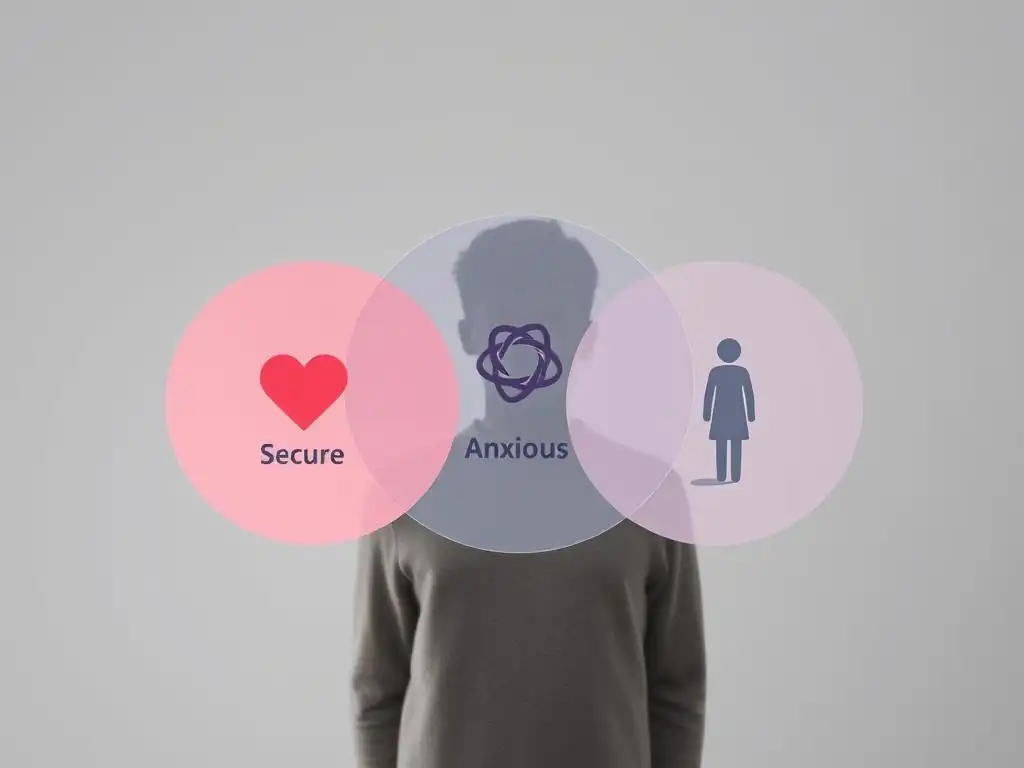
Understanding your attachment style is crucial for navigating the complexities of online dating and avoiding settling for less than you deserve. Attachment theory suggests that our early childhood experiences shape our expectations and behaviors in relationships. These ingrained patterns can significantly influence our choices in online dating, potentially leading us to settle for partners who don't truly meet our needs.
This section will explore how different attachment styles—anxious, avoidant, and secure—impact online dating experiences and the likelihood of settling. We'll examine how recognizing these patterns can empower you to make healthier choices and foster more fulfilling connections. The key is self-awareness; understanding your attachment style is the first step towards building healthier relationships, both online and offline.
This awareness helps you identify potential pitfalls and develop strategies to avoid settling for less than you're worth in your online dating journey. Remember, healthy relationships are built on mutual respect, trust, and shared values—not settling due to fear or insecurity.
Recognizing the Signs of Settling in Online Dating Relationships
Settling in online dating manifests in various ways, often subtly. It's not always about consciously choosing someone "below" your standards; it's about compromising your needs and values due to fear of loneliness or a perceived scarcity of options. Here are some key signs to watch out for:
- Ignoring red flags: Consistently overlooking warning signs such as inconsistent communication, dismissive behavior, or a lack of effort. Perhaps you're accepting excuses for their lack of availability or dismissing concerning patterns of behavior because you're afraid of being alone. 💔
- Lowering your standards: Compromising on your non-negotiables, such as life goals, values, or desired level of commitment. This might involve accepting less emotional intimacy, less shared interests, or a different vision for the future than you initially desired.
- Prioritizing availability over compatibility: Choosing a partner primarily because they're readily available, rather than because you share genuine connection and compatibility. This often stems from a fear of missing out or a desperate need for validation.
- Feeling unhappy or unfulfilled: Experiencing persistent feelings of dissatisfaction, disappointment, or a lack of excitement in the relationship. This persistent unhappiness is a clear indication that something isn't right and that you might be settling.
- Staying in a relationship out of fear: Fear of being alone, fear of rejection, or even fear of starting over can lead individuals to stay in relationships that are not fulfilling. This fear often overrides logic and healthy boundaries.
Analyzing your online dating experiences through this lens can help you identify whether you're settling. Remember, a healthy relationship should feel good, not like a constant compromise or a source of stress.
How Anxious Attachment Can Lead to Settling Online
Individuals with anxious attachment styles often fear abandonment and crave reassurance. This can manifest in online dating by:
- Over-investing early: Quickly becoming emotionally invested in potential partners, leading to unrealistic expectations and disappointment. They might rush into relationships before establishing a solid foundation of trust and communication.
- Accepting less than ideal behavior: Tolerating inconsistent communication, emotional unavailability, or dismissive behavior from partners, fearing rejection if they express their needs. They might minimize red flags to avoid the pain of potential rejection.
- Chasing validation: Seeking constant reassurance and approval from their partners, leading to a dependence that can be unhealthy and unsustainable. This constant need for validation can lead them to accept less than ideal treatment.
- Focusing on the potential: Overlooking current shortcomings in a partner, focusing instead on their potential to become the ideal partner. This often leads to disappointment as the potential rarely matches reality.
Anxious attachment in online dating can create a cycle of settling, where the fear of loneliness drives individuals to accept less than they deserve, perpetuating a pattern of unhealthy relationships.
How Avoidant Attachment Can Lead to Settling Online
Avoidant attachment, characterized by a fear of intimacy and commitment, can also contribute to settling in online dating. Individuals with this style may:
- Prioritize independence: Maintaining emotional distance from potential partners, even when there is a connection, leading to superficial relationships. They might prioritize their independence to the point of neglecting the importance of building intimacy.
- Sabotaging relationships: Unconsciously creating distance or conflict to prevent intimacy from developing, leading to a cycle of short-lived relationships. This self-sabotage can stem from a deep-seated fear of vulnerability.
- Minimizing emotional needs: Dismissing their own emotional needs or the needs of their partners, leading to a lack of emotional connection and fulfillment. They might avoid expressing their needs entirely, leading to unresolved issues and dissatisfaction.
- Choosing unavailable partners: Selecting partners who are emotionally unavailable or uninterested in commitment, reinforcing their avoidance patterns. This subconscious pattern reinforces their belief that intimacy is a threat.
Avoidant attachment can lead to settling by accepting relationships that lack depth and emotional connection, mirroring their desire to avoid vulnerability and closeness. They might settle for superficial connections, fearing the intimacy and commitment associated with a truly fulfilling relationship. Understanding this dynamic is key to breaking the cycle and fostering healthier relationship patterns.
How Secure Attachment Promotes Healthy Online Dating Choices
Individuals with a secure attachment style generally approach online dating with a healthy sense of self and realistic expectations. They understand their own needs and desires, and they're not driven by a desperate need for validation or a fear of being alone. This grounded perspective allows them to make more conscious and deliberate choices in their online dating journey. Instead of impulsively messaging anyone who shows interest, they take the time to assess compatibility and shared values.
They're more likely to prioritize genuine connection over superficial attraction, leading to more fulfilling interactions and a reduced likelihood of settling. For example, a securely attached individual might carefully review profiles, looking for indicators of shared interests and life goals, before initiating contact. They're comfortable taking things slow, allowing the relationship to develop organically rather than rushing into commitment. They also possess the self-awareness to recognize red flags and unhealthy relationship patterns, preventing them from wasting time on incompatible partners.
This self-assuredness translates into a more positive and successful online dating experience, minimizing the chances of settling for less than they deserve. They approach dating with a balanced perspective, valuing both independence and intimacy, which fosters healthier relationships built on mutual respect and understanding. This proactive and discerning approach significantly reduces the risk of settling for anything less than a truly compatible and fulfilling partnership. The ability to identify and articulate their needs clearly empowers them to attract partners who align with their values and relationship goals.
How Anxious Attachment Can Lead to Settling in Online Dating
Anxious attachment, characterized by a fear of abandonment and a strong need for reassurance, often fuels impulsive decisions in online dating. Individuals with this attachment style may jump into relationships too quickly, settling for less than they desire because of their intense fear of being alone. They might overlook red flags or ignore their gut feelings, hoping to secure a relationship at any cost. For instance, someone with an anxious attachment style might readily accept a date with someone who isn't truly compatible, just because they're afraid of missing out on a potential partner.
The constant need for validation can lead them to accept less-than-ideal behavior from potential partners, perpetuating a cycle of settling. They might prioritize the immediate gratification of having a partner over the long-term satisfaction of a healthy, fulfilling relationship. This urgency can cloud their judgment, leading them to overlook critical compatibility issues and ultimately settling for a relationship that doesn't meet their needs.
They might also engage in excessive messaging or constantly seek reassurance from their matches, potentially overwhelming potential partners and driving them away. This behavior stems from a deep-seated insecurity and a fear of rejection, making it difficult for them to establish healthy boundaries and maintain a balanced relationship dynamic. The fear of being alone often overrides their better judgment, leading them to compromise their values and settle for less than they deserve in an online dating context.
How Avoidant Attachment Manifests as Settling in Online Dating
Individuals with an avoidant attachment style often struggle with intimacy and commitment. Their fear of closeness can lead them to subconsciously sabotage potential relationships, even if they're attracted to the other person. This might manifest in online dating as a reluctance to commit to dates, inconsistent communication, or a disinterest in deeper conversations. They might engage in superficial interactions, preferring casual encounters over meaningful connections, as a defense mechanism against vulnerability.
For example, an avoidantly attached individual might actively avoid getting to know someone on a deeper level, even if they find them attractive, because they fear the emotional intimacy that a relationship entails. They might prioritize independence to the point of neglecting potential relationships that could bring them happiness. This pattern of behavior can lead to a cycle of settling for fleeting connections rather than pursuing long-term commitments.
Because they struggle to form close bonds, they might settle for relationships that lack emotional depth or connection, simply because they avoid the perceived risks of genuine intimacy. This avoidance can also present as ghosting or abruptly ending contact with someone they've been dating online, as a way to prevent themselves from becoming emotionally invested. The reluctance to be vulnerable and the fear of being trapped in a committed relationship often leads to a pattern of superficial interactions and a reluctance to invest emotionally, ultimately resulting in settling for less than a truly fulfilling relationship.
Breaking the Cycle: Strategies for Healthy Online Dating Based on Your Attachment Style
Understanding your attachment style is crucial for navigating the complexities of online dating and avoiding settling for less than you deserve. Many people unknowingly let their attachment style dictate their choices, leading to repeated patterns of unhealthy relationships. This section provides practical strategies tailored to different attachment styles to foster healthier online dating experiences. The goal is to help you recognize your tendencies and proactively build fulfilling connections. This directly addresses the keyword phrase "Attachment style online dating settle" by outlining how your attachment style impacts your dating choices and offering solutions.
Setting Realistic Expectations in Online Dating for Each Attachment Style
Different attachment styles harbor distinct expectations in relationships, often manifesting in online dating profiles and interactions. Let's examine how these expectations can lead to settling and how to adjust them for healthier outcomes.
- Anxious-Preoccupied Attachment: Individuals with this style often have unrealistically high expectations, projecting their ideal partner onto potential matches. They might idealize profiles, overlooking red flags, and settling for less to avoid loneliness. A key strategy is to actively challenge negative self-talk and focus on building self-esteem. Instead of seeking validation through a partner, prioritize self-care and personal growth. Learn to appreciate your own company and value your independence. This will help you recognize when someone isn't a good fit and avoid settling for less due to fear of being alone.
- Dismissive-Avoidant Attachment: This group often sets impossibly high standards, unconsciously sabotaging potential connections. They may prioritize independence to the point of avoiding intimacy, settling for superficial interactions or remaining single despite a desire for companionship. The crucial step here is to consciously examine their fear of intimacy. Therapy can be invaluable in processing these fears and learning to build healthy, trusting relationships. Setting more realistic expectations, focusing on gradual connection building, and accepting vulnerability are vital for avoiding settling out of fear of commitment.
- Secure Attachment: Securely attached individuals generally have healthier expectations, but even they can fall into the trap of settling. They may prioritize compatibility over passion or overlook minor incompatibilities due to a desire for stability. For securely attached individuals, the focus should be on maintaining healthy boundaries and prioritizing personal needs. Don't compromise your values or settle for less than you deserve just because someone is "good enough." Remember that a fulfilling relationship requires mutual respect and shared values.
- Fearful-Avoidant Attachment: This style represents a complex mix of anxiety and avoidance. Individuals may crave connection but fear intimacy, leading them to cycle through superficial relationships or settle for partners who mirror their own insecurities. This group needs to focus on self-compassion and addressing underlying trauma. Therapy and self-reflection are crucial for understanding their anxieties and building healthier relationship patterns. Setting boundaries and practicing self-care are essential for avoiding unhealthy relationships.
Improving Communication Skills to Avoid Settling Online
Effective communication is paramount in online dating, yet many individuals struggle to express their needs and boundaries clearly, potentially leading to settling. Different attachment styles present unique communication challenges.
| Attachment Style | Communication Challenges | Strategies for Improvement |
|---|---|---|
| Anxious-Preoccupied | Overly expressive, clingy, seeking constant reassurance | Practice mindful communication, set boundaries, prioritize self-soothing |
| Dismissive-Avoidant | Distant, unresponsive, minimizing emotional expression | Practice active listening, express needs directly, embrace vulnerability |
| Secure | Open, honest, assertive | Maintain clear communication, express needs respectfully, actively listen |
| Fearful-Avoidant | Inconsistent, contradictory, fear of rejection | Seek therapy, practice assertive communication, build self-esteem |
Improving communication involves active listening, clear expression of needs and boundaries, and mindful responses. Practicing empathy and understanding the other person's perspective is crucial, regardless of attachment style. Learning to identify and manage emotional triggers is also essential for healthy communication.
Identifying Red Flags and Dealing with Them Effectively Based on Attachment Style
Recognizing red flags is vital to avoid settling. However, different attachment styles may interpret and respond to these flags differently.
- Anxious-Preoccupied: May minimize or ignore red flags due to a fear of rejection. They need to practice self-validation and prioritize their own well-being. Learning to trust their gut feeling and setting boundaries are crucial.
- Dismissive-Avoidant: May rationalize red flags or dismiss them entirely, prioritizing independence over connection. They need to confront their fear of intimacy and practice self-reflection. Seeking outside perspectives can help them objectively assess potential partners.
- Secure: While generally better at identifying red flags, even secure individuals can sometimes overlook them due to a desire for stability. They should focus on maintaining healthy boundaries and prioritizing their values.
- Fearful-Avoidant: May experience heightened anxiety in the face of red flags, leading to avoidance or self-sabotage. They need to seek professional help to address underlying issues and build coping mechanisms. Learning assertive communication is also vital.
Ignoring red flags, regardless of attachment style, often leads to settling. Understanding your attachment style and its influence on your perception of red flags is the first step towards healthier online dating experiences. Remember, prioritizing your well-being and self-respect is key to finding a fulfilling relationship.
Finding the Right Partner Online: Overcoming Attachment-Based Challenges

Understanding your attachment style is crucial for navigating the complexities of online dating and avoiding settling for less than you deserve. Many individuals unknowingly let their attachment anxieties or avoidance influence their choices, leading to repeated patterns of dissatisfaction. This section explores how different attachment styles manifest in online dating and provides strategies for overcoming these challenges.
The goal is to help you identify your attachment style's impact and cultivate healthier dating habits to find a fulfilling, compatible partner. Successfully identifying and managing your attachment style in online dating can significantly increase your chances of finding a meaningful, long-term relationship.
Cultivating Self-Awareness and Self-Compassion in Online Dating
Self-awareness is the cornerstone of healthy relationships, both online and offline. Before you even begin swiping, take time for introspection. Consider your past relationships and identify recurring patterns. Do you tend to choose partners who are unavailable, or do you struggle with intimacy? Recognizing these tendencies is the first step towards breaking free from unhealthy relationship cycles. This self-reflection can help you understand how your attachment style might be influencing your online dating choices.
Journaling can be incredibly beneficial. Write down your feelings and experiences after each online interaction. Note any triggers that might activate your insecure attachment patterns. Are you feeling anxious about not receiving a response? Are you dismissing potential partners too quickly? Tracking these patterns increases your self-awareness, allowing you to identify and manage these emotional responses more effectively.
Self-compassion is equally important. Online dating can be emotionally taxing. Rejection is inevitable, and it's crucial to treat yourself with kindness during these moments. Remember that everyone makes mistakes, and your attachment style doesn't define you. Practice self-forgiveness and focus on learning from your experiences rather than dwelling on setbacks. Positive self-talk and self-care practices can greatly enhance your emotional resilience. For example, engaging in activities you enjoy, spending time with supportive friends, or practicing mindfulness can help you manage emotional distress.
Building Healthy Boundaries in Online Interactions
Setting and maintaining healthy boundaries is vital for protecting your emotional well-being in online dating. This involves establishing clear limits on how much time and energy you invest in potential partners, especially in the initial stages. It's crucial to avoid over-sharing personal information too early in the process. Remember, you're getting to know someone, and trust needs to be earned.
For example, avoid constantly checking your dating app for messages or engaging in lengthy conversations before you've even met in person. Prioritize your own life and activities. Healthy boundaries also involve respecting your own needs for space and time. Don't feel obligated to respond immediately to messages or engage in conversations if you're not feeling up to it.
Another important aspect of healthy boundaries is knowing when to disengage from a potentially unhealthy interaction. If someone is disrespectful, dismissive, or consistently violates your boundaries, don't hesitate to unmatch or block them. Your emotional well-being is paramount, and you don't owe anyone your time or energy if they're not treating you with respect. Remember that setting boundaries isn't selfish; it's self-protective.
Prioritizing Your Needs and Avoiding Compromising Your Values
In the quest for a partner, it's easy to lose sight of your own needs and values. However, compromising your values to please someone else often leads to unhappiness and resentment in the long run. Online dating provides a unique opportunity to be upfront about your values and preferences from the start. Your profile should reflect who you are and what you're looking for.
Consider creating a list of your non-negotiables—dealbreakers that are essential for a healthy relationship for you. These might include things like lifestyle preferences, relationship goals, or personal values. Don't be afraid to filter out potential matches who don't align with your non-negotiables. This proactive approach helps you avoid wasting time and energy on incompatible connections.
Remember, finding the right partner is a process, not a race. Be patient with yourself and the process. Focus on building a strong sense of self and cultivating healthy relationships with yourself and others. By prioritizing your needs and values, you increase your chances of finding a partner who truly appreciates and respects you for who you are. This approach ensures that you're not settling, but instead, finding a relationship built on mutual respect and understanding.
Long-Term Success in Online Dating: Maintaining Healthy Relationships
Understanding your attachment style is crucial, but it's only the first step. Long-term success in online dating hinges on translating that self-awareness into healthy relationship practices. Many people, armed with newfound knowledge about their attachment style, still struggle to maintain healthy relationships. This section focuses on bridging the gap between understanding and action. We'll explore practical strategies to foster secure attachment and avoid settling for less than you deserve, even when faced with the pressures and uncertainties of online dating.
Building a Secure Attachment Style Through Healthy Online Dating Practices
Building a secure attachment style isn't a quick fix; it's a journey of self-discovery and consistent effort. Online dating, with its inherent challenges, can either hinder or accelerate this process. To cultivate secure attachment, prioritize these practices:
- Communicate Openly and Honestly: Avoid playing games or hiding your true feelings. Express your needs and desires clearly, and be receptive to your partner's communication. This fosters trust and intimacy, vital components of a secure attachment. For example, instead of hinting at wanting a serious relationship, directly state your intentions. Open communication helps avoid misunderstandings and prevents settling for something less fulfilling.
- Set Healthy Boundaries: Knowing your limits and communicating them respectfully is paramount. This prevents resentment and fosters mutual respect. Don't overextend yourself to please someone; prioritize your own well-being. This includes setting boundaries on time commitment, intimacy levels, and personal space, even in the early stages of online dating.
- Practice Self-Compassion: Online dating can be emotionally taxing. Be kind to yourself during setbacks and celebrate your successes. Remember, not every connection will lead to a long-term relationship. Self-compassion helps you navigate rejection and maintain a positive self-image, crucial for building secure attachments.
- Focus on Compatibility, Not Just Attraction: While initial attraction is important, long-term compatibility is key. Pay attention to shared values, life goals, and communication styles. Don't settle for someone who doesn't align with your vision of a healthy, fulfilling relationship. Consider creating a list of non-negotiables to help guide your choices.
- Manage Expectations: Online dating can create unrealistic expectations. Remember that finding the "perfect" partner takes time and effort. Focus on building genuine connections, one step at a time. Avoid comparing your journey to others' and celebrate your progress, no matter how small.
Even with a secure attachment style, challenges are inevitable in any relationship. The key is to navigate these challenges constructively, avoiding behaviors driven by insecurity or fear of abandonment. Here are some strategies:
- Address Conflict Directly and Respectfully: Instead of avoiding disagreements or engaging in passive-aggressive behavior, address conflicts openly and honestly. Focus on expressing your feelings and needs without blaming or criticizing your partner.
- Seek Professional Help When Needed: Don't hesitate to seek professional guidance from a therapist or counselor if you're struggling to manage relationship challenges on your own. A therapist can provide valuable tools and strategies for improving communication and resolving conflict constructively.
- Practice Active Listening: Truly listening to your partner's perspective is essential for resolving conflicts and building empathy. Avoid interrupting or formulating your response while they're speaking. Focus on understanding their point of view before sharing your own.
- Prioritize Self-Care: Maintaining your own well-being is crucial for navigating relationship challenges. Engage in activities that bring you joy and relaxation, such as exercise, hobbies, or spending time with loved ones. This prevents burnout and helps you approach conflicts with a clearer mind.
- Recognize and Address Red Flags: Pay attention to warning signs that the relationship may not be healthy. If you consistently feel disrespected, controlled, or manipulated, it's crucial to address these issues or consider ending the relationship. This is vital for protecting your emotional and mental well-being.
The Importance of Consistent Self-Reflection in Online Dating
Self-reflection is not a one-time event; it's an ongoing process crucial for growth and building healthy relationships. Regular self-assessment helps you identify patterns of behavior, understand your triggers, and adjust your approach accordingly.
- Journaling: Regular journaling can provide valuable insights into your thoughts, feelings, and behaviors. Reflect on your dating experiences, both positive and negative. Identify patterns and areas for improvement. Consider questions like: "What are my dating goals? ", "What are my relationship needs? ", and "What are my personal strengths and weaknesses in dating? ".
- Seeking Feedback: Don't be afraid to seek constructive feedback from trusted friends or family members. Their perspectives can offer valuable insights you may have overlooked. Be open to hearing different viewpoints, even if they are challenging.
- Mindfulness Practices: Mindfulness techniques, such as meditation or deep breathing exercises, can help you become more aware of your thoughts and emotions in the moment. This increased self-awareness can help you respond to situations more thoughtfully and avoid impulsive reactions.
- Professional Guidance: Consider seeking professional guidance from a therapist or counselor who specializes in attachment styles. They can help you understand your attachment style more deeply and develop strategies for building healthier relationships.
Remember, navigating online dating with awareness of your attachment style is a continuous process of learning and growth. By embracing self-reflection and practicing healthy relationship habits, you can significantly increase your chances of finding a fulfilling and lasting connection. Don't settle for less than you deserve; invest in yourself and your relationships.
Frequently Asked Questions
How does my attachment style affect my online dating experience?
Your attachment style significantly impacts your choices and behaviors in online dating. Anxious attachment might lead to settling, while avoidant attachment could hinder forming connections. Understanding your style is key to healthier dating.
What are the signs I'm settling in online dating due to my attachment style?
Signs include quickly entering relationships, ignoring red flags, feeling unsatisfied despite being in a relationship, and prioritizing having a partner over personal happiness. These often stem from insecurity or fear of being alone.
Can I change my attachment style to avoid settling?
While you can't completely change your attachment style, you can develop greater self-awareness and learn coping mechanisms. Therapy or self-help resources can help you build healthier relationship patterns and avoid settling for less.
How can I identify my attachment style to improve my online dating success?
Take an online quiz or read about the different attachment styles (secure, anxious, avoidant, fearful) to identify which one resonates with you. Reflect on your past relationships and dating experiences to confirm your assessment.
What are some practical tips for online daters with insecure attachment styles to avoid settling?
Focus on self-improvement and building your self-esteem. Prioritize your needs and values when choosing partners. Take your time getting to know someone before committing and don't be afraid to walk away from relationships that don't feel right.
Final Reflection: Unlocking Authentic Connection in the Digital Age
Understanding your attachment style is no longer a niche concept; it's a crucial key to navigating the complexities of modern relationships, especially in the online dating world. The prevalence of dating apps and the ease of connection have paradoxically made finding genuine, lasting partnerships more challenging. Our ingrained attachment patterns, formed in early childhood, often dictate our choices, leading us to settle for less than we deserve or to sabotage potentially fulfilling relationships.
The impact of attachment styles on our online dating experiences is profound and far-reaching. It shapes how we present ourselves, who we choose to connect with, and ultimately, the quality of relationships we build. The greatest love story is the one you write with your life.
This quote speaks to the power of self-awareness in crafting a fulfilling romantic journey. By understanding our attachment tendencies, we can actively work to break free from unhealthy patterns and cultivate healthier, more authentic connections, both online and offline. The ongoing conversation surrounding attachment styles is vital because it empowers individuals to take control of their romantic lives and build relationships based on genuine connection rather than settling for less due to fear or insecurity.
So, what will you do with this newfound knowledge? Take some time for honest self-reflection. Identify your attachment style and explore the ways it might be influencing your dating choices. Don't be afraid to seek professional help if needed. Remember, understanding your attachment style isn't about fixing yourself; it's about empowering yourself to build healthier, more fulfilling relationships. Embrace the journey of self-discovery and unlock the potential for authentic connection—both online and in the real world. Your ideal relationship awaits, but it starts with you.
Unlock Your Dating Potential: Take Control of Your Connections!
Thank you for exploring the fascinating world of attachment styles and their impact on online dating! You've gained valuable insights into how your past experiences might be shaping your current dating life. Now, let's put that knowledge into action.
Here's your next step:
- Understand your attachment style by taking our free, five-minute online quiz. The personalized results will be key to recognizing your patterns and making positive changes.
- Reflect on your dating history considering your attachment style. Journaling your thoughts and feelings can be surprisingly insightful.
- Share your discoveries and insights with other readers in the comments below – let's build a supportive community!
What aspect of your attachment style are you most eager to improve in your online dating journey?