
Safeguarding Your Personal Information: A Checklist for Safe Online Dating

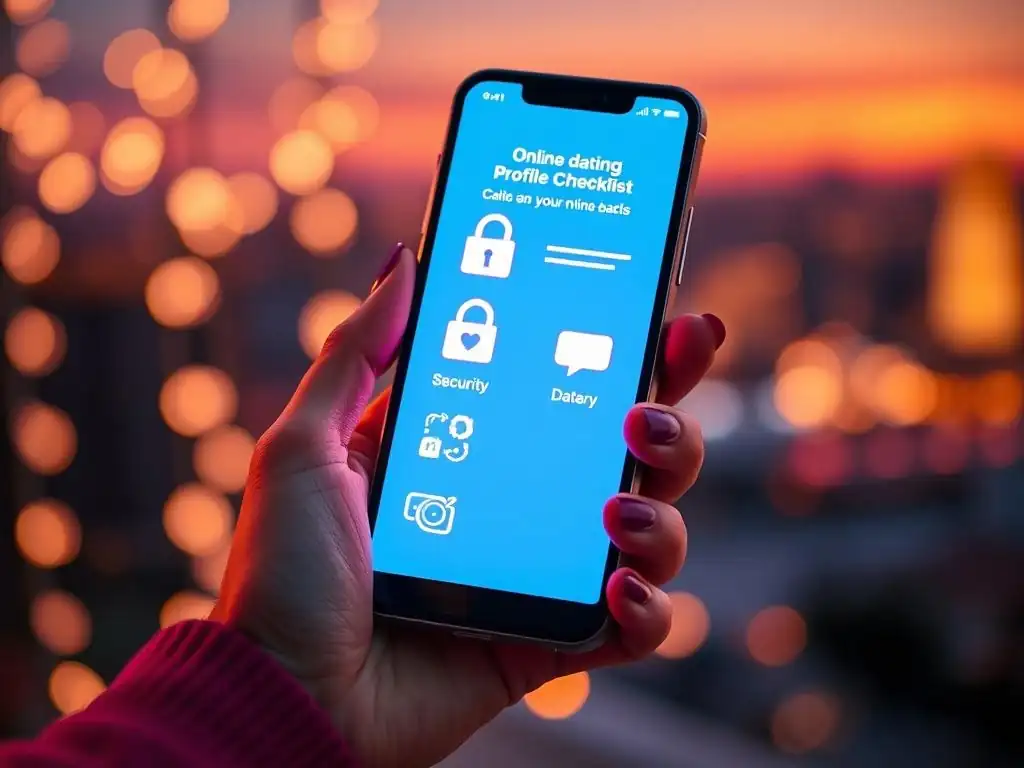
Ready to unlock the secrets to successful online dating? At OnlineDatingSuccess.org, we're dedicated to helping you navigate the world of digital romance with confidence. But before you dive in, let's ensure your safety is paramount. Download our essential Online dating safety checklist – your first step towards building meaningful connections without compromising your personal information. Discover how to protect yourself and find the love you deserve.
-
Online Dating Safety Checklist: Protecting Your Privacy
- Protecting Your Personal Data: Phone Numbers and Addresses
- Safeguarding Your Location: Avoiding Geo-Tagging and Precise Location Sharing
- Secure Profile Creation: Minimizing Personally Identifiable Information (PII)
- Image Selection: Avoiding Revealing Backgrounds and Personal Details
- Online Dating Safety Checklist: Communication Best Practices
- Secure Messaging: Avoiding Sharing Sensitive Data Through Dating Apps
- Verifying Profiles: Checking for Red Flags and Inconsistencies
- First Meeting Safety: Planning Safe and Public Locations for Dates
- Online Dating Safety Checklist: Social Media Integration
- Online Dating Safety Checklist: Password Management
- Online Dating Safety Checklist: Financial Security
- Online Dating Safety Checklist: Building Trust Gradually
- Online Dating Safety Checklist: Review and Update
- Frequently Asked Questions
- Final Reflection: Navigating the Digital Heart: A Call for Safer Connections
- Unlock Your Safer Dating Journey: Take Control Now!
Online Dating Safety Checklist: Protecting Your Privacy
Navigating the world of online dating can be exciting, offering the potential to connect with like-minded individuals and build meaningful relationships. However, it's crucial to remember that sharing personal information online carries inherent risks. This comprehensive online dating safety checklist is designed to empower you to protect your privacy and personal safety while enjoying the benefits of online dating. We'll explore practical strategies to safeguard your personal data, secure your profile, and maintain control over the information you share, ultimately helping you build trust and confidence in your online dating journey.
Remember, prioritizing your safety shouldn't diminish the fun; rather, it enhances your experience by fostering a secure environment for genuine connections. This checklist focuses on proactive measures to minimize risks and maximize your safety while searching for love online. Let's delve into the essential steps to ensure a safer and more enjoyable online dating experience.
Protecting Your Personal Data: Phone Numbers and Addresses
Never share your full phone number or home address with someone you've only met online, no matter how much you connect with them. Early interactions should remain within the confines of the dating platform's messaging system. Consider using a Google Voice number or a similar service for initial communication if you're hesitant to share your personal number. This provides a layer of separation, allowing you to control contact and easily discontinue communication if needed. Remember, even seemingly innocuous details can be pieced together to compromise your safety.
Avoid revealing your place of work or other easily identifiable locations in your profile or early conversations. Building trust takes time; don't rush the process by disclosing sensitive information prematurely. Think of it like this: would you give your address and phone number to a stranger you met on the street? Apply the same cautious approach to online interactions.
Before sharing any personal information, consider these questions:
- Have you met this person in person?
- Have you verified their identity through multiple sources?
- Do you feel completely comfortable and safe sharing this information?
If the answer to any of these questions is no, it's best to err on the side of caution and withhold the information.
Safeguarding Your Location: Avoiding Geo-Tagging and Precise Location Sharing
Many dating apps use GPS location services to connect users geographically. While convenient for finding local matches, be mindful of oversharing your precise location. Avoid posting photos with geo-tags that reveal your exact address or frequently visited places. Many smartphones and social media platforms allow you to disable geo-tagging functionality on your photos – take advantage of this setting! Furthermore, avoid explicitly stating your address or neighborhood in your profile or messages. Remember, even seemingly harmless details can be used to track your movements and compromise your safety.
It's also important to be aware of the information you inadvertently share through your profile pictures. Avoid posting photos that show your license plate, house number, or other identifying details. A simple background check can reveal a great deal of information, so carefully consider what your profile pictures reveal about your life. A little extra caution can go a long way in protecting your privacy and personal safety.
Secure Profile Creation: Minimizing Personally Identifiable Information (PII)
Your online dating profile is your digital first impression. While you want to present yourself authentically, avoid oversharing personal information. Keep your profile text concise and avoid revealing overly specific details about your daily routine, work address, family members, or other personally identifiable information (PII). Instead of stating your exact workplace, opt for a more general description of your occupation. Similarly, instead of providing your full address, you could simply mention your city or region.
Remember, less is more when it comes to online dating profiles. Focus on highlighting your personality and interests without revealing unnecessary details that could compromise your safety. Think carefully about the information you share; it's better to be cautious than to regret sharing too much. A well-crafted profile that protects your privacy can attract genuine connections while minimizing risks.
Image Selection: Avoiding Revealing Backgrounds and Personal Details
Choosing the right profile pictures is crucial for online dating success, but it's equally important for your safety. Avoid images that reveal too much personal information. A seemingly innocuous photo can inadvertently expose your address, workplace, or even your daily routine. For example, a picture taken in front of your house clearly displays your house number and street name, potentially giving a malicious individual access to your location.
Similarly, a picture taken at your workplace might reveal your employer and your typical work hours, increasing the risk of stalking or harassment. Instead, opt for photos taken in generic locations – a park, a coffee shop without visible signage, or even a scenic background without any identifying features. Consider using a professional headshot that focuses on your face and upper body, avoiding any background detail altogether.
Remember, the goal is to present yourself attractively while minimizing the risk of revealing sensitive information that could compromise your safety. Think carefully about every detail in the background before posting a picture; even seemingly minor details can be pieced together to reveal more than you intend. A blurry background is better than a background that reveals too much.
Online Dating Safety Checklist: Communication Best Practices
Effective communication is key to building healthy relationships in online dating, but it’s also crucial for your safety. Before meeting someone offline, engage in thorough communication to gauge their personality and intentions. Start by exchanging messages through the dating app's built-in messaging system. This provides an added layer of security and a record of your interactions. Avoid immediately switching to personal email or phone numbers until you’ve built a certain level of trust.
Be wary of individuals who are overly eager to move the conversation offline quickly, especially if they pressure you to share personal information or meet in secluded locations. Remember, your safety should always come first. Pay attention to red flags, such as inconsistent stories, evasive answers, or requests for financial assistance. If something feels off, trust your instincts and end the conversation.
Online dating safety involves being cautious and assertive in your interactions. Take your time getting to know someone, and never feel pressured to do anything that makes you uncomfortable. Always prioritize your well-being and safety above all else. Building a strong, safe relationship takes time and careful consideration.
Secure Messaging: Avoiding Sharing Sensitive Data Through Dating Apps
While dating apps offer convenient communication, they aren't always perfectly secure. Avoid sharing highly sensitive personal information, such as your full address, place of work, or financial details, through the app's messaging system. Even seemingly innocuous details, when combined, can create a comprehensive profile that could be exploited. For example, mentioning your favorite coffee shop and your work schedule could allow someone to predict your routine and potentially locate you.
Instead, focus on sharing information gradually and only after you’ve established a reasonable level of trust. Be especially cautious about sharing images or videos that could compromise your privacy. If you're concerned about the security of the app's messaging system, consider using a messaging app with end-to-end encryption, which offers a higher level of privacy. Remember that even on encrypted platforms, it's crucial to avoid revealing too much personal information too soon.
Prioritize your online safety by being mindful of what you share and with whom you share it. A cautious and considered approach to online communication is essential for a safe and positive online dating experience. Protecting your personal information is crucial for your safety and wellbeing.
Verifying Profiles: Checking for Red Flags and Inconsistencies
Online dating safety hinges on diligent profile verification. Don't just rely on the information presented at face value. Take the time to cross-reference details, looking for inconsistencies or red flags that might signal a fake profile or a potentially dangerous individual. For example, a profile picture that appears to be professionally taken but the rest of the profile is poorly written could be a warning sign. Similarly, be wary of profiles with very limited personal information or those that seem too good to be true—excessively attractive individuals with vague descriptions are often cause for caution. 1
Scrutinize the profile for inconsistencies. Does the age stated match the appearance in the photos? Do their stated interests align with the overall presentation? A mismatch here could indicate a deliberate attempt at deception.
Look for inconsistencies in their writing style—sudden shifts in tone, grammar errors, or overly formal language can be indicators of a fake profile. Reverse image searching profile pictures using a dedicated tool can help determine if the images are stolen from another source. It's crucial to remember that even seemingly minor inconsistencies can be significant warnings, highlighting the need for careful scrutiny. Remember, your safety is paramount; err on the side of caution when assessing profile authenticity.
First Meeting Safety: Planning Safe and Public Locations for Dates
The first in-person meeting is a critical juncture in online dating. Prioritize safety by choosing a public location for your initial date. Avoid secluded areas or private residences for that first encounter. Opt for well-lit, populated places like cafes, restaurants, or busy parks during daylight hours. 2 Let a trusted friend or family member know about your date, including the time, location, and the person's name and contact information. Share your live location with them, using a location-sharing app, so they can monitor your whereabouts.
Consider having a backup plan. Arrange for a friend to call you at a specific time during the date. This provides a discreet way to exit the situation if you feel uncomfortable. Trust your instincts; if something doesn't feel right, don't hesitate to leave.
Remember, a safe and comfortable environment is essential for a positive experience. Your well-being should always take precedence. Planning a safe first meeting is crucial for protecting yourself and establishing a healthy foundation for any potential relationship. Don't be afraid to be assertive about your safety; it's your right to ensure you feel secure and protected.
1 This point requires further research to provide specific statistics or examples. 2 This point requires further research to provide specific statistics or examples.
Protecting your personal information extends beyond the dating app itself. Many platforms allow or even encourage social media integration, creating potential vulnerabilities if not managed carefully. This section focuses on mitigating those risks and building a safer online dating experience. The key is to understand the interconnectedness of your digital footprint and to proactively limit the exposure of sensitive data. Failing to do so can have significant consequences, from unwanted contact to identity theft. Let's delve into the specific actions you can take.
Limiting Profile Connections: Avoiding Overlapping Profiles
Avoid connecting your dating profile directly to other social media accounts whenever possible. While some platforms make this seem convenient, it significantly increases the risk of your online dating profile being linked to your personal life. A potential scammer could use information gleaned from your other profiles to craft more convincing scams, or even to stalk you. Consider the following:
- Separate Email Addresses: Use a dedicated email address solely for online dating. This isolates your dating communications from your primary inbox, reducing the chances of spam or malicious emails reaching your personal accounts.
- Unique Usernames: Choose usernames that are not easily linked to your other online identities. Avoid using your real name or variations thereof.
- Profile Picture Selection: Avoid using the same profile pictures across different platforms. A unique image for your dating profile limits the ease with which someone can trace your identity. Consider using a picture that doesn't show easily identifiable landmarks or objects.
- Information Sharing: Be extremely cautious about the personal information you share in your dating profile, even if it seems innocuous. Small details, pieced together, can reveal much more than you intend.
Your social media privacy settings are crucial to your overall online safety, especially when using dating apps. Even if you don't directly connect your profiles, information could still be accessible through public posts or less-than-secure settings. Regularly review and adjust these settings to minimize exposure:
- Friend Requests: Accept friend requests only from people you know and trust. Be wary of requests from individuals you haven't met in person.
- Location Services: Disable location services on your social media accounts whenever possible. Sharing your precise location can make you a target for unwanted attention or even physical harm.
- Tagging: Review and approve all tags before they are visible on your profile. This helps prevent unwanted exposure of your activities and personal information.
- Post Privacy: Ensure that your posts are visible only to your approved friends or a select group of individuals. Carefully consider what information you share publicly. Remember, even seemingly harmless posts can be used to piece together your personal life.
Remember, a proactive approach to privacy is key. Regularly updating your settings and being mindful of the information you share can significantly reduce your risk.
Online Dating Safety Checklist: Password Management
Strong and unique passwords are the cornerstone of online security, and online dating is no exception. Using weak or reused passwords significantly increases your vulnerability to hacking and identity theft. Here's how to create and manage passwords effectively for your dating profiles and related accounts:
Password Management Best Practices: Strength, Uniqueness, and Security
- Password Strength: Use a password manager to generate strong, unique passwords for each of your online dating accounts and related accounts (e.g., email, social media). Strong passwords should include a mix of uppercase and lowercase letters, numbers, and symbols. Aim for at least 12 characters. Avoid using easily guessable information like birthdays or pet names.
- Password Uniqueness: Never reuse passwords across different accounts. If one account is compromised, using the same password elsewhere puts all your other accounts at risk.
- Two-Factor Authentication (2FA): Enable 2FA whenever possible. This adds an extra layer of security, requiring a second verification method (like a code sent to your phone) in addition to your password. This significantly hinders unauthorized access, even if your password is compromised.
- Regular Password Changes: Regularly change your passwords, especially if you suspect any compromise or security breach. A good rule of thumb is to change passwords every three months, or even more frequently for highly sensitive accounts.
- Secure Password Storage: Use a reputable password manager to store your passwords securely. Avoid writing them down or storing them in easily accessible places.
Remember, your online safety is paramount. By diligently following these guidelines, you can significantly reduce your risks and enjoy a safer online dating experience. 🥂
Strong Password Practices: Creating Unique and Secure Passwords
Creating strong, unique passwords is paramount to your online dating safety. A weak password is an open invitation for scammers and malicious actors. Think of your dating profile as a digital key to your personal information; a weak password is like leaving that key under the welcome mat. Avoid easily guessable passwords like birthdays, pet names, or sequential numbers (123456). Instead, aim for passwords that are long, complex, and unique to each online platform you use.
A robust password should ideally be at least 12 characters long, incorporating a mix of uppercase and lowercase letters, numbers, and symbols. For example, a strong password might look like this: P@$$wOrd_2024!. Notice the combination of uppercase and lowercase letters, numbers, and symbols. The inclusion of a year (2024 in this case) adds complexity and makes it less likely to be cracked. However, avoid using personally identifiable information within your password, even if it is obfuscated.
Consider using a passphrase instead of a single word or phrase. A passphrase is a longer sequence of words, often a sentence. For example, "MyDogLovesBlueCheese23!" is a much stronger password than "password123". The key is to create something memorable yet difficult to guess.
Remember, the stronger your password, the better protected your personal information remains. Regularly updating your passwords, at least every three months, is also a crucial part of maintaining a secure online profile. This is especially important if you suspect any compromise of your account or if you've experienced any suspicious activity. This proactive approach significantly reduces the risk of unauthorized access to your personal data.
Password Managers: Utilizing Tools for Secure Password Storage
Managing numerous unique and complex passwords across various online platforms can be challenging. This is where password managers become invaluable tools for enhancing your online dating safety. These applications securely store your passwords, eliminating the need to remember them all and minimizing the risk of reusing passwords across different accounts. A strong password manager employs robust encryption algorithms to protect your stored credentials.
Choosing a reputable password manager is crucial. Look for managers with features like two-factor authentication (2FA) and strong encryption protocols. A good password manager also generates strong, unique passwords for you automatically, eliminating the need for manual creation. This removes the burden of remembering complex passwords and reduces the chances of human error, which often leads to weaker, easily guessable passwords.
Using a password manager is like having a highly secure digital vault for all your online login credentials. It significantly improves your online dating safety by reducing the risk of password reuse and simplifying password management. This is a crucial step in safeguarding your personal information and preventing unauthorized access to your dating profiles and other online accounts. The convenience and security offered by these tools are well worth the investment in time and, in some cases, a small subscription fee. Remember to choose a reputable provider and follow their security guidelines.
Online Dating Safety Checklist: Financial Security
This section focuses on protecting your financial well-being while navigating the world of online dating. Remember, building genuine connections should never involve compromising your financial security. A healthy relationship prioritizes emotional connection, not monetary transactions. This checklist will guide you through identifying and avoiding potential financial risks. Let's delve into specific strategies to ensure your safety.
Avoiding Financial Transactions: Protecting Yourself from Scams
Online dating scams often involve manipulative tactics designed to elicit financial assistance from unsuspecting users. These scams can range from seemingly innocent requests for small amounts of money to elaborate schemes involving significant financial losses. Here's how to protect yourself:
- Never send money: No matter how convincing the request, resist sending money to someone you've only met online. Legitimate relationships don't require financial transactions. 🚩 Red flag: Requests for money, gift cards, or loans, particularly under the guise of an emergency, are classic scam indicators.
- Be wary of overly generous offers: If someone promises significant financial rewards or investments early in your online interactions, be extremely cautious. Such offers are often a precursor to a scam. These individuals might try to lure you in with promises of shared wealth or investment opportunities, only to later request your funds.
- Verify their identity: Before engaging in any financial discussions, take steps to verify the other person's identity. This can involve reverse image searching their profile photos, checking their social media presence for inconsistencies, and asking specific questions to test their knowledge of details they've shared.
- Trust your instincts: If something feels off, it probably is. Don't ignore your intuition. A genuine connection shouldn't involve pressure or manipulation regarding finances. Your gut feeling is a powerful tool in identifying potential risks. Listen to it.
If you encounter suspicious activity or believe you've been a victim of an online dating scam, reporting it is crucial. Taking action can help prevent others from falling prey to the same scam and bring perpetrators to justice. Here's how to proceed:
- Report to the dating platform: Most reputable online dating platforms have robust reporting mechanisms in place. Utilize these tools to report suspicious profiles, messages, or activities. Provide as much detail as possible, including screenshots and timestamps. This helps dating sites identify and remove malicious accounts, thus enhancing the platform's safety for all users.
- Report to law enforcement: If you've experienced financial loss or believe you've been the victim of a crime, report it to your local law enforcement agency. They can investigate the matter, potentially recover lost funds, and prosecute the perpetrators. Gather all relevant evidence, such as communication logs, financial transaction records, and any other supporting documentation.
- Monitor your accounts: After reporting the incident, closely monitor your bank accounts, credit cards, and other financial accounts for any unauthorized activity. Immediately contact your financial institutions if you notice any suspicious transactions. This proactive approach can help minimize potential further financial losses.
Remember, reporting suspicious activity isn't just about protecting yourself; it's about protecting the broader online dating community. By actively reporting scams, you contribute to a safer and more trustworthy environment for everyone. Your vigilance is a vital component of online dating safety.
Online Dating Safety Checklist: Building Trust Gradually
This section provides a comprehensive online dating safety checklist to help you navigate the world of online romance while protecting your personal information. Remember, building trust takes time, and prioritizing your safety should always be paramount. This checklist focuses on practical steps you can take to minimize risks and maximize your chances of a positive experience. Following these guidelines will significantly enhance your online dating safety.
Recognizing Red Flags: Identifying Potentially Dangerous Behaviors
Identifying red flags early on is crucial for your online dating safety. Many scammers and individuals with malicious intent exhibit specific behaviors. Learning to recognize these warning signs can help you avoid potentially dangerous situations. Don't ignore your gut feeling; if something seems off, it probably is.
Here are some key red flags to watch out for:
- Pressure for quick commitment: Be wary of anyone who pushes for a rapid relationship or asks for personal information too soon. Healthy relationships develop gradually.
- Inconsistencies in their profile or story: Discrepancies in their online persona compared to their personal narrative should raise concerns. Do their photos look professionally edited or stolen? Do their stories change frequently?
- Requests for financial assistance: A genuine person will never ask you for money, gifts, or loans, especially early in a relationship. This is a major red flag for potential scams.
- Avoidance of video calls: Be hesitant about individuals who consistently refuse video calls or find excuses to avoid them. This could indicate they are hiding their true identity.
- Overly romantic or flattering language: Excessive flattery or declarations of love within a short period are often signs of manipulation. Genuine connection develops naturally.
- Lack of detailed information about themselves: A profile lacking specific information or containing vague details should be treated with caution. Legitimate users typically share more about their lives.
- Sudden changes in communication style: Significant shifts in their behavior or communication patterns (e.g., becoming overly possessive or controlling quickly) warrant immediate concern.
Remember, your safety is paramount. Trust your instincts and don't hesitate to end contact if you feel uncomfortable or unsafe. An online dating safety checklist should always prioritize your well-being.
Slow and Steady Approach: Building Trust Over Time
Building trust in online dating requires a slow and steady approach. Avoid rushing into anything and prioritize getting to know someone gradually. This methodical approach helps ensure you're making informed decisions about who you engage with and protect your personal information.
Here are some practical steps to build trust over time:
- Start with virtual interactions: Begin with text-based communication and gradually progress to video calls before considering in-person meetings. This allows you to assess their personality and verify their identity without putting yourself at unnecessary risk.
- Verify their information: Do a reverse image search on their photos and check their social media profiles (if they provide them) for consistency. Cross-reference information to confirm their claims.
- Meet in public places: For your first in-person meeting, always choose a well-lit, public location where you feel safe and comfortable. Let a friend or family member know where you are going and when you expect to return.
- Share information gradually: Avoid sharing sensitive personal information (address, phone number, workplace, etc.) until you've built a significant level of trust.
- Trust your intuition: If something doesn't feel right, don't ignore your gut feeling. It's always better to err on the side of caution.
By following this online dating safety checklist and adopting a slow and steady approach, you can significantly reduce your risks and increase the likelihood of a positive and safe online dating experience. Remember, building trust is a process, and your safety should always come first. Prioritizing your online dating safety shouldn't detract from the enjoyment of meeting new people; rather, it enhances the experience by fostering genuine connections in a secure environment.
Online Dating Safety Checklist: Review and Update
This section provides a detailed checklist to help you regularly review and update your online dating profiles for enhanced safety. Remember, proactive measures are crucial for mitigating risks in the online dating world. This isn't a one-time task; it requires consistent attention to protect your personal information and well-being. The goal is to minimize your digital footprint and control the information shared with potential matches.
Regular Profile Review: Assessing and Updating Your Privacy Settings
Regularly reviewing your profile is paramount to maintaining your online dating safety. Think of it as a spring cleaning for your digital identity. Don't just set it and forget it! Here's a step-by-step guide:
- Frequency: Aim for a comprehensive review at least every three months, or more frequently if you've experienced any unusual activity or concerning interactions.
- Photo Assessment: Scrutinize your photos. Do they reveal too much personal information? Are locations easily identifiable? Replace photos that show your home, workplace, or other easily identifiable locations. Consider using photos that don't clearly show your face.
- Information Audit: Go through every piece of information you've provided. Is anything unnecessary or potentially compromising? Avoid sharing your full name, exact address, workplace, or other sensitive data. Even seemingly innocuous details, when combined, can be used to piece together your identity.
- Privacy Settings Mastery: Familiarize yourself with the privacy settings offered by the dating platform. Most platforms allow you to control who can see your profile, contact you, and access your information. Adjust these settings to limit exposure to unwanted attention. For example, restrict who can see your photos or send you messages.
- Location Settings: Be mindful of location services. Many dating apps use GPS to identify your location. Review your app's settings to limit the precision of your location sharing, or disable location services altogether if you prefer more anonymity.
- Example: Instead of listing your full address, consider mentioning your general area (e.g., "near downtown") or a nearby landmark. This provides context without revealing precise details.
Keeping Your Software Updated: Maintaining Security Patches on Devices
Maintaining updated software is a critical aspect of online dating safety, often overlooked. Outdated software contains vulnerabilities that cybercriminals exploit to gain access to your personal information. This applies to your operating systems, browsers, and even the dating apps themselves.
- Operating Systems: Regularly update your phone's and computer's operating systems. These updates often include security patches that address known vulnerabilities.
- Browsers: Keep your web browser updated. Browsers are frequently targeted by malware and phishing attacks. Updates often include security enhancements to protect against these threats.
- Dating Apps: Ensure that your dating apps are always running the latest version. Dating app developers regularly release updates to address security flaws and enhance user protection. Check for updates regularly within the app store or directly from the app's settings.
- Antivirus Software: Install and maintain reputable antivirus software on all your devices. This software helps detect and remove malware, protecting your system from malicious attacks. Regularly scan your devices for viruses and malware.
- Firewall: Enable your firewall. A firewall acts as a barrier between your device and the internet, helping to block unauthorized access attempts. This is a fundamental aspect of maintaining a secure online environment.
Staying Informed: Staying Updated on Online Dating Safety Best Practices
The online dating landscape is constantly evolving, and so are the threats. Staying informed about the latest safety best practices is essential for protecting yourself.
- Online Resources: Regularly consult reputable sources for information on online dating safety. Websites like the FTC (Federal Trade Commission) and various cybersecurity organizations provide valuable resources and tips.
- News and Articles: Stay updated on news and articles related to online dating scams and security breaches. This awareness will help you identify potential red flags and avoid risky situations.
- Community Forums: Engage in online communities focused on online dating safety. Sharing experiences and learning from others can provide valuable insights and practical advice.
- Caution and Awareness: Remember that caution and awareness are your best defenses. Trust your instincts; if something feels off, it probably is. Don't hesitate to report suspicious behavior or profiles to the dating platform.
- Critical Thinking: Develop strong critical thinking skills to evaluate information and identify potential scams. Be wary of overly flattering profiles, unrealistic promises, or requests for financial assistance. Never rush into a relationship or share sensitive information too quickly.
Remember, your safety is paramount. By diligently following this online dating safety checklist, you can significantly reduce your risks and enjoy a safer and more positive online dating experience. This proactive approach empowers you to take control of your digital security and build meaningful connections with confidence.
Frequently Asked Questions
Never share your full address, place of work, or full name immediately. Avoid revealing details that could easily be used to locate you physically. Wait until you've met in person and trust the person.
How can I verify the authenticity of a profile?
Look for profile pictures appearing elsewhere online, like a reverse image search. Be wary of profiles with limited photos or very generic information. Engage in video calls before meeting in person to verify their identity.
What are some red flags to watch out for in online dating?
Be cautious of individuals who are reluctant to meet in person, push for quick commitment, or ask for financial assistance. Also be wary of those with inconsistent stories or who are overly secretive about their lives.
Where should I suggest meeting for a first date?
Choose a public place where you feel safe and comfortable. Suggest a well-lit area with plenty of people around. Let a friend or family member know where you are going and when you expect to be back.
What should I do if I feel unsafe or uncomfortable during an online interaction?
Block and report the user immediately through the dating app's reporting system. If you feel threatened, contact the authorities. Prioritize your safety and well-being above all else.
The ease and accessibility of online dating have revolutionized romance, but they've also created a landscape ripe for exploitation. Protecting your personal information isn't just about avoiding scams; it's about safeguarding your emotional well-being and ensuring genuine connections flourish in a digital world. This is a crucial conversation, one that demands our ongoing attention and proactive engagement.
The impact of online dating safety extends far beyond individual experiences; it shapes the very fabric of how we connect and build relationships. The potential for misuse of personal data, from identity theft to emotional manipulation, casts a long shadow. We must foster a culture of digital responsibility, where caution and awareness are not seen as impediments but as essential tools for building healthy relationships. The best love is the kind that awakens the soul; that makes us reach for more, that plants a fire in our hearts and brings peace to our minds.
This quote, while romantic, highlights the importance of protecting the space where such love can blossom – a space that, increasingly, is online.
You, the reader, hold the power to shape this digital landscape. Take the time to review the checklist, not just as a set of rules, but as a framework for mindful engagement. Don't let fear dictate your choices, but let informed caution guide your journey. Embrace the potential of online dating, but do so with a commitment to your own safety and well-being. The rewards of genuine connection are worth the effort of navigating this digital world responsibly.
Unlock Your Safer Dating Journey: Take Control Now!
Thank you for learning about online dating safety! You've gained valuable knowledge to navigate the digital dating world with more confidence. Ready to put it into action?
- Prioritize your privacy: Review and adjust your privacy settings on all your dating apps and social media profiles. This is your first line of defense against unwanted attention and potential risks.
- Share this information: Help your friends stay safe online too! Discussing online safety can make a real difference in protecting yourselves.
- Update your profile picture: Consider using a photo that showcases you securely and confidently. This small change can significantly improve your online dating experience.
What will you do today to enhance your online dating safety?