
The Psychology of Online Dating: Exploring the Motivations Behind Digital Courtship


Ready to unlock the secrets to successful online dating? At OnlineDatingSuccess.org, we delve into the fascinating world of online dating psychology motivations, exploring the hidden drivers behind digital courtship. Discover how understanding these motivations can transform your online dating experience, leading you to more meaningful connections. Uncover the strategies that will help you craft a compelling profile, navigate the complexities of online communication, and ultimately, find the relationship you've been searching for. Let's dive in!
- Understanding the Motivations Behind Online Dating: A Psychological Perspective
- The Role of Self-Esteem and Identity in Online Dating Profiles
- The Psychology of Online Communication and Attraction
- Navigating Rejection and Managing Expectations
- Online Dating Psychology and Relationship Formation
- The Future of Online Dating Psychology: Emerging Trends and Research
-
Frequently Asked Questions
- What are the primary psychological motivations behind using online dating?
- How does online dating impact self-esteem and body image?
- What role does fear of missing out (FOMO) play in online dating?
- How can I manage the psychological challenges of online rejection?
- What are the psychological benefits of successful online dating experiences?
- Final Reflection: Navigating the Digital Heart: A Deeper Dive into Online Dating
- Unlock Your Dating Potential: Take the Next Step
Understanding the Motivations Behind Online Dating: A Psychological Perspective
Online dating, a phenomenon that has revolutionized the way we approach romantic relationships, presents a fascinating case study in human psychology. This article delves into the complex motivations driving individuals to seek connection and companionship through digital platforms. Understanding these underlying psychological drivers is crucial not only for navigating the online dating landscape successfully but also for fostering healthier and more meaningful relationships.
We'll explore the key psychological factors influencing participation in online dating, examining how loneliness, the desire for intimacy, and the search for belonging all play significant roles in shaping this modern courtship ritual. By understanding these motivations, we can better equip ourselves to approach online dating with greater self-awareness and improve our chances of finding genuine connection. This exploration will provide insight into the evolving social landscape and the intricate interplay between technology and human relationships.
The Search for Connection and Belonging in the Digital Age
The innate human need for connection and belonging is a powerful force shaping our behavior, and online dating is no exception. Many individuals turn to online platforms seeking to overcome feelings of isolation or to expand their social circles. The anonymity and accessibility offered by these platforms can be particularly appealing to those who may feel shy or hesitant to approach potential partners in face-to-face settings.
This is especially true for individuals who may face geographical limitations or social anxieties that hinder their ability to form relationships offline. The sheer volume of potential partners available online can also be a significant draw, offering a sense of hope and possibility that traditional methods of meeting people may lack. The ability to filter profiles based on shared interests, values, and lifestyle preferences further enhances the feeling of finding a niche community and belonging.
Moreover, the structured nature of online dating, with its profiles and messaging systems, can provide a sense of control and predictability that some individuals find reassuring in the often unpredictable world of dating. The success of this approach, however, hinges on authentic self-presentation and the ability to cultivate meaningful interactions beyond superficial profiles.
Loneliness and social isolation are increasingly prevalent in modern society, and online dating often emerges as a response to these feelings. For many, the digital realm offers a perceived solution to the challenges of forming and maintaining social connections. The ease of initiating contact and the potential for building relationships with like-minded individuals can be particularly appealing to those experiencing feelings of isolation or lacking a strong social support network.
However, it's important to acknowledge that relying solely on online interactions to combat loneliness can be a double-edged sword. While online dating can provide opportunities for connection, it can also exacerbate feelings of isolation if not approached thoughtfully and with a focus on building genuine relationships rather than superficial interactions.
Studies have shown a correlation between increased screen time and feelings of loneliness, highlighting the importance of maintaining a balanced approach to online and offline social interactions. The key lies in using online dating as a tool to supplement, rather than replace, real-world connections.
The Pursuit of Romantic Love and Intimacy Online
The pursuit of romantic love and intimacy remains a primary motivator for many individuals engaging in online dating. The platform itself provides a structured environment for exploring romantic possibilities, allowing individuals to express their desires and preferences openly. The ability to filter profiles based on desired relationship types, values, and life goals contributes to this focused pursuit.
However, the digital nature of online dating presents unique challenges in establishing genuine intimacy. The absence of physical presence and the potential for misrepresentation can make it difficult to build deep connections. Successful navigation of this space requires strong communication skills, emotional intelligence, and a willingness to invest time and effort in getting to know potential partners authentically.
Furthermore, the ease of switching between potential partners online can inadvertently hinder the development of lasting intimacy, emphasizing the need for mindful engagement and a focus on building meaningful relationships rather than accumulating superficial interactions. Ultimately, the pursuit of romantic love online requires a balance of optimism and realism, recognizing both the potential rewards and the inherent challenges of digital courtship.
The Role of Self-Esteem and Identity in Online Dating Profiles

Online dating psychology motivations are deeply intertwined with an individual's self-esteem and sense of identity. The online dating profile becomes a carefully constructed representation of the self, a digital stage where individuals strive to present the best version of themselves. This process is heavily influenced by pre-existing self-perceptions and insecurities. Understanding this interplay is crucial to navigating the complexities of online dating successfully.
Low self-esteem can lead to profiles that are overly apologetic or self-deprecating, potentially hindering attraction. Conversely, excessively high self-esteem might manifest as arrogance or unrealistic expectations, repelling potential partners. The goal is to strike a balance: presenting authenticity while showcasing one's best qualities in a way that feels genuine and relatable.
Presenting the Idealized Self: Strategies and Psychological Implications
Creating an online dating profile often involves presenting an idealized version of oneself. This isn't necessarily deception; rather, it reflects a natural human tendency to highlight positive attributes and downplay perceived flaws. Think of it as curating a highlight reel of your life. Strategies employed can range from carefully chosen photos showcasing positive physical attributes to crafting a bio that emphasizes accomplishments and desirable personality traits. However, this pursuit of the "ideal" can have psychological implications.
If the idealized self presented online diverges significantly from the offline reality, it can lead to feelings of anxiety and pressure to maintain the facade. This can be exhausting and ultimately unsustainable. A more authentic approach, emphasizing genuine qualities and interests, fosters healthier connections and reduces the potential for future disappointment. Remember, honesty is the best policy, even in the digital realm.
Managing Self-Doubt and Anxiety in Online Interactions
The anonymous and often impersonal nature of online dating can exacerbate existing self-doubt and anxiety. Rejection, a common experience in online dating, can be particularly disheartening. The constant influx of messages, or lack thereof, can fuel insecurities and lead to obsessive checking of profiles and messages. Managing these anxieties requires a proactive approach.
Setting realistic expectations, focusing on self-care, and building a supportive network are crucial. Remember that online dating is a numbers game; not every interaction will be successful. Learning to accept rejection as part of the process and focusing on building genuine connections rather than solely on the number of matches is key to a positive experience. Practicing mindfulness and self-compassion can significantly improve the overall experience and reduce feelings of stress and disappointment.
Social comparison, the act of evaluating oneself by comparing to others, is a powerful force in online dating. The curated nature of online profiles often leads to upward social comparison, where individuals compare themselves to seemingly "perfect" profiles, potentially leading to feelings of inadequacy and low self-worth. This can manifest as increased self-criticism, lowered self-esteem, and even a reluctance to engage in the online dating process. To mitigate the negative impacts of social comparison, it's crucial to remember that online profiles rarely reflect the complete picture.
Focus on building your own unique profile, highlighting your strengths and individuality, rather than trying to emulate others. Remember that everyone's journey is unique, and comparing yourself to others will only hinder your progress and satisfaction. Celebrate your unique qualities and focus on what makes you special. A healthy dose of self-acceptance is crucial for a successful online dating journey.
The Psychology of Online Communication and Attraction
This section delves into the fascinating psychological dynamics at play within online dating communication, focusing on how we perceive and react to others in a digital space. Understanding these dynamics is crucial for navigating the complexities of online courtship and maximizing your chances of success. The key to unlocking the potential of online dating lies in understanding the unique blend of psychological principles and technological limitations at work.
This knowledge empowers users to create more effective profiles, initiate more engaging conversations, and build stronger connections. We'll examine how the absence of physical presence impacts communication, the importance of nonverbal cues, and the strategic use of self-disclosure.
Nonverbal Cues and Their Interpretation in Online Dating
The absence of face-to-face interaction in online dating significantly alters the way we perceive and interpret nonverbal cues. While traditional dating relies heavily on body language, tone of voice, and proximity, online dating necessitates a reliance on subtler cues. Think about it: a simple emoji can convey a range of emotions, from excitement (😃) to sarcasm (🙄), influencing the overall tone of the conversation. Similarly, the speed and frequency of responses can communicate interest or disinterest. A quick, enthusiastic reply suggests engagement, while delayed or brief responses might signal disinterest. Careful analysis of these subtle cues is paramount.
The interpretation of these cues is further complicated by the inherent ambiguity of text-based communication. Sarcasm, for instance, often gets lost in translation. What might be intended as playful banter can be misconstrued as rudeness or insensitivity.
Therefore, clarity, careful word choice, and a conscious effort to gauge the recipient's emotional response are essential for successful online interactions. Using emoticons judiciously and being mindful of your writing style can significantly minimize misunderstandings. Furthermore, the use of images and videos can provide additional context, though it's crucial to ensure they align with your overall communication style and present an authentic representation of yourself.
Building Rapport and Trust Through Digital Interactions
Building rapport and trust in online dating requires a conscious effort to create a sense of connection and safety. This involves more than just exchanging pleasantries; it necessitates a strategic approach to revealing information about oneself and responding empathetically to the other person. Open-ended questions, demonstrating genuine interest in the other person's life and experiences, are key to establishing rapport. Active listening, indicated by thoughtful responses that reference previous conversations, further strengthens the bond.
Trust, on the other hand, is built gradually through consistent and reliable communication. Keeping promises, being punctual in responses, and maintaining a respectful tone are crucial elements in establishing credibility. Sharing personal experiences, while maintaining appropriate boundaries, can foster a sense of vulnerability and intimacy. However, it's vital to remember that online interactions require extra caution. Avoid sharing overly personal or sensitive information too early in the relationship. A gradual and measured approach to self-disclosure is crucial for building healthy, trustworthy connections. Remember, trust is earned, not given.
The Role of Self-Disclosure in Online Dating Success
Self-disclosure, the process of revealing personal information to another person, plays a pivotal role in online dating success. However, it's a delicate balance. Over-sharing can be off-putting, while under-sharing can hinder the development of a meaningful connection. Successful online daters carefully curate their self-disclosure, revealing information strategically to build intimacy and connection without compromising their safety or privacy.
The key is to reveal information gradually, mirroring the other person's level of disclosure. This reciprocal process fosters a sense of trust and mutual vulnerability. Starting with less personal details, such as hobbies and interests, and gradually progressing to more intimate aspects of your life allows for a natural progression of the relationship. Moreover, it's essential to be authentic in your self-disclosure.
Presenting a false persona might initially attract attention, but it will ultimately hinder the development of a genuine connection. Authenticity attracts like-minded individuals, fostering deeper and more lasting relationships. Remember, honesty is the best policy, even in the digital realm. This fosters trust and mutual respect, laying the foundation for a successful and fulfilling online dating experience.
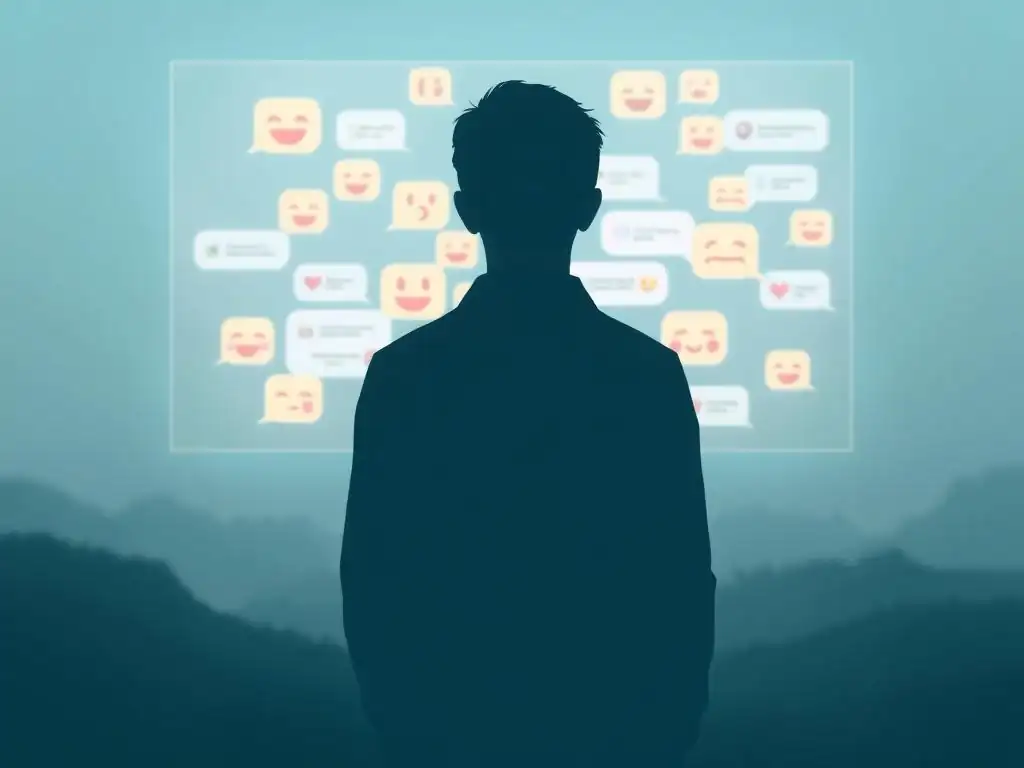
Online dating, while offering exciting possibilities for connection, inevitably involves navigating rejection. Understanding the psychology behind this experience is crucial for building resilience and maintaining a positive outlook. This section explores strategies for managing expectations and developing a healthy coping mechanism in the face of setbacks. The emotional toll of repeated rejections can be significant, impacting self-esteem and motivation. However, reframing rejection as a natural part of the process, rather than a personal failing, is a key step towards fostering emotional well-being. This shift in perspective is vital for sustained engagement in online dating.
Developing Resilience in the Face of Online Dating Challenges
Resilience in online dating isn't about avoiding rejection; it's about bouncing back from it. Developing this resilience involves several key strategies. Firstly, cultivating a strong sense of self-worth independent of dating outcomes is paramount. This means focusing on personal growth, pursuing hobbies, and nurturing existing relationships. Remember your value extends far beyond your dating life. Secondly, practicing self-compassion is crucial.
Treat yourself with the same kindness and understanding you would offer a friend facing similar challenges. Avoid harsh self-criticism and focus on learning from each experience. Finally, building a supportive network of friends and family can provide invaluable emotional support during challenging times. Sharing your experiences with trusted individuals can help process emotions and maintain perspective. Remember, setbacks are temporary, and your worth remains unchanged. The journey of finding a meaningful connection takes time and effort; resilience is the key to navigating this journey successfully.
Understanding the Psychology of Rejection Sensitivity in Online Dating
Rejection sensitivity, the tendency to anxiously anticipate, readily perceive, and intensely react to rejection, significantly impacts the online dating experience. Individuals high in rejection sensitivity may overthink messages, interpret neutral responses negatively, and experience heightened emotional distress after rejection. This can lead to avoidance behaviors, such as limiting profile interactions or prematurely ending conversations, hindering the potential for meaningful connections.
Understanding your own level of rejection sensitivity is the first step towards managing it. Techniques like mindfulness and cognitive restructuring can help challenge negative thought patterns and reduce anxious anticipation. Mindfulness practices encourage focusing on the present moment, reducing the tendency to dwell on potential rejection.
Cognitive restructuring involves identifying and challenging negative thoughts, replacing them with more balanced and realistic perspectives. For instance, instead of assuming a lack of response means personal inadequacy, consider alternative explanations like busy schedules or differing preferences. By actively addressing rejection sensitivity, you can create a healthier and more rewarding online dating experience.
Setting Realistic Expectations for Online Dating Success
One of the most crucial aspects of navigating online dating successfully is setting realistic expectations. The curated nature of online profiles often presents an idealized version of individuals, leading to unrealistic comparisons and potential disappointment. It's vital to remember that online dating is a process, and finding a compatible partner takes time and effort. Avoid setting unrealistic timelines or fixating on specific outcomes.
Instead, focus on enjoying the process of meeting new people and engaging in meaningful conversations. Understanding that compatibility isn't solely determined by superficial factors like appearance or initial attraction is crucial. True connection requires shared values, interests, and communication styles. Furthermore, remember that the number of matches or dates doesn't equate to success.
Focus on quality interactions rather than quantity. Prioritize building genuine connections, even if it means fewer interactions. By embracing a realistic and patient approach, you can significantly increase your chances of finding a fulfilling relationship through online dating. This involves accepting that rejection is a normal part of the process and focusing on self-improvement and personal growth throughout your journey.
Online Dating Psychology and Relationship Formation

This section delves into the psychological underpinnings of online dating, exploring how individual motivations shape the experience and influence the transition from digital interaction to real-world relationships. Understanding these psychological factors is crucial for navigating the online dating landscape effectively and increasing the likelihood of forming meaningful connections. The motivations behind seeking partners online are complex and multifaceted, ranging from practical considerations to deep-seated emotional needs. This nuanced understanding is key to achieving online dating success.
From Initial Contact to First Date: Psychological Factors in Transition
The initial contact in online dating is a critical juncture, fraught with anticipation and uncertainty. The psychology involved is a fascinating blend of attraction, risk assessment, and self-presentation. Many users experience a surge of dopamine – the "reward" neurotransmitter – when receiving a positive response or message. Conversely, rejection can trigger feelings of disappointment and even self-doubt. This emotional rollercoaster is a normal part of the process, but understanding its mechanics can help manage expectations and build resilience.
Successfully transitioning from initial contact to a first date hinges on several psychological factors. Effective communication is paramount; building rapport requires active listening and demonstrating genuine interest. This involves asking thoughtful questions, responding meaningfully, and avoiding overly generic or impersonal messages. Trust and safety are also key considerations; users are more likely to progress to a meeting if they feel a sense of security and mutual respect. This often involves verifying profiles, being mindful of personal information shared, and choosing safe meeting places for initial encounters.
The decision to agree to a first date often involves a complex interplay of perceived compatibility, risk tolerance, and potential reward. Individuals weigh the potential benefits (a fulfilling relationship) against the potential costs (time investment, emotional vulnerability, and the possibility of rejection). Understanding this cost-benefit analysis can help individuals make more informed decisions and avoid impulsive actions driven by anxiety or desperation. The process often involves a subconscious evaluation of whether the individual aligns with their preferred partner model, influenced by past experiences and personal values.
Maintaining Authenticity and Emotional Honesty Online
Maintaining authenticity in online dating is crucial for building genuine connections. However, the digital environment can present unique challenges. The pressure to present an idealized version of oneself can lead to misrepresentation, creating a foundation of dishonesty that undermines long-term relationship potential. This "online persona" often differs from the individual's offline self, leading to potential disappointment and conflict once the relationship moves offline. This discrepancy can manifest in various ways, from exaggerating physical attributes or achievements to concealing aspects of one's personality or past.
Maintaining emotional honesty requires vulnerability, a quality that can be challenging to express online. The lack of non-verbal cues can make it difficult to gauge emotional nuances, leading to misinterpretations and misunderstandings. Open and honest communication, even about difficult topics, is vital for establishing trust and intimacy. This involves expressing feelings clearly and directly, while also being receptive to the other person's emotional landscape.
Learning to navigate these challenges is essential for fostering healthy and sustainable relationships. Practicing self-compassion and recognizing that imperfections are normal can help individuals approach online interactions with greater authenticity and emotional honesty. The ability to be vulnerable is a key component of building strong bonds.
Building Healthy Relationships After Meeting Online
Successfully transitioning from online interactions to a fulfilling offline relationship requires careful consideration and effort. Meeting in person for the first time can be nerve-wracking, but it's an important step in assessing compatibility beyond digital communication. This initial meeting should focus on getting to know each other in a relaxed and comfortable setting, allowing personalities to emerge naturally. Maintaining open communication, actively listening to each other, and demonstrating genuine interest are crucial for building a strong foundation for the relationship.
Many couples who meet online report that maintaining consistent communication is key to sustaining their relationship. This might involve regular phone calls, video chats, or text messages, depending on the couple's preferences. However, it's also important to prioritize quality time together in person, nurturing the connection beyond the digital realm. This face-to-face interaction allows for a deeper understanding of each other's personalities, values, and needs. The transition from online to offline necessitates a shift in communication styles, requiring individuals to adapt to the nuances of in-person interactions.
Building a healthy relationship after meeting online involves addressing potential challenges proactively. Differences in communication styles, expectations, and values may emerge as the relationship develops. Open and honest communication, coupled with a willingness to compromise and understand each other's perspectives, is vital for resolving conflicts and strengthening the bond. Seeking professional guidance from a relationship counselor can be beneficial for navigating complex issues and building a strong, lasting partnership. Remember, building a healthy relationship, regardless of where it begins, requires consistent effort, mutual respect, and a commitment to growth and understanding.
The Future of Online Dating Psychology: Emerging Trends and Research
The burgeoning field of online dating psychology is rapidly evolving, driven by technological advancements and a growing understanding of human behavior in digital spaces. Future research will undoubtedly focus on refining our understanding of how technology shapes romantic relationships and how individuals navigate the complexities of online courtship. This section explores key emerging trends and research areas poised to significantly impact our comprehension of online dating motivations.
The Impact of Technology on Relationship Dynamics
Technology's influence extends far beyond the mere platform for connection; it fundamentally alters relationship dynamics. Algorithms, for example, play a significant role in shaping who we encounter and interact with, potentially influencing our perceptions of desirability and relationship potential. Studies are beginning to investigate the long-term effects of algorithm-driven matching on relationship satisfaction and stability.
Early findings suggest that while algorithms can enhance efficiency, they may also inadvertently create unrealistic expectations or limit exposure to diverse potential partners. Furthermore, the constant connectivity facilitated by smartphones and social media presents both opportunities and challenges. While it allows for continuous communication, it can also lead to increased anxiety, jealousy, and a blurring of boundaries between online and offline interactions.
Understanding these nuanced impacts is crucial for fostering healthy and sustainable relationships born in the digital age. Future research should investigate the correlation between specific app features (e.g., swiping mechanics, messaging limitations) and relationship outcomes, as well as the impact of social media usage on relationship satisfaction among online dating couples. The rise of metaverse dating presents another fascinating frontier, demanding further exploration of the psychological implications of virtual interactions and their influence on forming genuine connections.
Emerging Research in Online Dating Psychology and Behavior
Several key areas of research are currently gaining traction within online dating psychology. One crucial area is the exploration of online dating deception. While misrepresentation has always existed in dating, the anonymity and distance offered by online platforms can exacerbate this phenomenon. Research is increasingly focused on identifying patterns of deception, understanding the motivations behind it, and developing strategies to mitigate its negative consequences.
Another burgeoning field is the study of online dating addiction. For some, the constant pursuit of validation and the dopamine rush associated with matches and messages can become problematic, leading to excessive engagement and neglecting other important aspects of life. Researchers are working to delineate the characteristics of online dating addiction and develop effective interventions. Finally, there's a growing focus on the psychological well-being of online daters.
The rejection inherent in the process can be emotionally taxing, and the pressure to present an idealized version of oneself can contribute to anxiety and low self-esteem. Research is exploring the relationship between online dating experiences and mental health outcomes, aiming to identify protective factors and develop strategies to promote positive online dating experiences. This includes examining the impact of different online dating strategies on self-esteem and mental well-being.
Utilizing Psychological Insights for Improved Online Dating Outcomes
Integrating psychological insights into online dating strategies can lead to a more fulfilling and successful experience, enhancing the chances of forming meaningful and lasting relationships. This knowledge empowers individuals to approach online dating with greater self-awareness and emotional intelligence, ultimately increasing their chances of finding a compatible partner.
Frequently Asked Questions
What are the primary psychological motivations behind using online dating?
People use online dating for various reasons, primarily driven by the desire to find romantic companionship, reduce social anxiety associated with traditional dating, and increase the pool of potential partners. It offers convenience and control over the dating process.
How does online dating impact self-esteem and body image?
Online dating can both positively and negatively affect self-esteem. Positive feedback can boost confidence, while negative experiences or unrealistic comparisons to others can lower it. Body image issues are also prevalent due to the visual nature of online profiles.
What role does fear of missing out (FOMO) play in online dating?
FOMO is a significant factor, pushing individuals to actively engage in multiple dating apps and interactions. This can lead to superficial connections and dating fatigue, hindering the search for meaningful relationships.
How can I manage the psychological challenges of online rejection?
Rejection is inevitable in online dating. Developing a resilient mindset, focusing on self-compassion, and remembering that compatibility isn't guaranteed are crucial for managing the emotional toll. Taking breaks is also recommended.
What are the psychological benefits of successful online dating experiences?
Successful online dating can lead to increased self-confidence, improved social skills, and a stronger sense of self-worth. Finding a meaningful connection provides emotional fulfillment and contributes to overall well-being.
The psychology of online dating isn't just a niche academic pursuit; it's a crucial lens through which to understand the evolving landscape of human connection in the 21st century. Our increasing reliance on digital platforms for romance necessitates a deeper understanding of the motivations driving this shift, from the desire for convenience to the complexities of self-presentation and the search for validation. The implications are far-reaching, impacting not only individual relationships but also broader societal norms around intimacy and partnership.
The exploration of online dating motivations reveals a fascinating interplay between our innate human needs for belonging and connection and the unique affordances and limitations of the digital realm. The curated profiles, the carefully chosen photos, the anxieties of rejection – these are all reflections of our deepest desires and insecurities, magnified and amplified by the screen. As Sherry Turkle eloquently stated, We expect more from technology and less from each other.
This quote highlights the paradoxical nature of online dating: while offering unprecedented access to potential partners, it can also foster a sense of detachment and superficiality, demanding careful navigation.
Consider the insights shared in this article. Reflect on your own experiences with online dating, or even your observations of others navigating this digital landscape. What are your own motivations?
How can you cultivate authenticity and genuine connection amidst the curated profiles and fleeting interactions? The future of relationships, in part, rests on our ability to understand and address the psychological complexities of online dating, fostering healthier, more meaningful connections in both the digital and physical worlds. Let's strive to use this knowledge to build a more conscious and compassionate approach to finding love in the age of the internet.
Unlock Your Dating Potential: Take the Next Step
Congratulations on exploring the fascinating world of online dating psychology! You've gained valuable insights into the motivations behind digital romance, and now it's time to apply that knowledge. Ready to enhance your dating experience?
- Craft a compelling dating profile: Refine your profile based on what you've learned. Highlight your authentic self and what truly matters to you. This is your opportunity to attract compatible matches.
- Share your insights: What surprised you most about the psychology of online dating? Let's discuss your key takeaways in the comments below – we'd love to hear your thoughts!
- Experiment with a fresh approach: Try a new strategy based on your newfound knowledge. Perhaps experiment with different photos or a unique messaging style. What will you try?
Ready to rewrite your online dating story? What's one change you'll make today to attract more compatible matches?